Worksite Audio
Milwaukee vs DeWalt Work Earbuds: Two Jobsite Pairs Compared
A crew-focused look at Milwaukee and DeWalt jobsite earbuds, covering noise reduction, fit, runtime, and which pair suits which kind of workday.
Introduction
If you work around skid steers, chainsaws, or lawn mowers all day, regular earbuds are not built for the job. You need something that protects your hearing, stays in your ear, and still lets you take calls or listen to music between tasks. Two names keep coming up for jobsite use: Milwaukee and DeWalt, and both have earned a real following among working crews.
After plenty of time spent using both pairs on the job, the trade-offs between them are surprisingly clear. Milwaukee stands out for noise reduction and battery life. DeWalt stands out for comfort and convenience. Neither is perfect, and fit matters more than most people expect, but each pair does its intended job well.

Evaluation Criteria
These comparisons focus on the things that actually matter on a worksite:
- Noise reduction, since loud equipment is the whole reason you reach for these
- Fit and all-day comfort, which determines whether you keep wearing them
- Sound quality for music and calls
- Battery life and case charging
- Durability and how easy they are to keep clean
Milwaukee Earbuds: Noise Reduction First
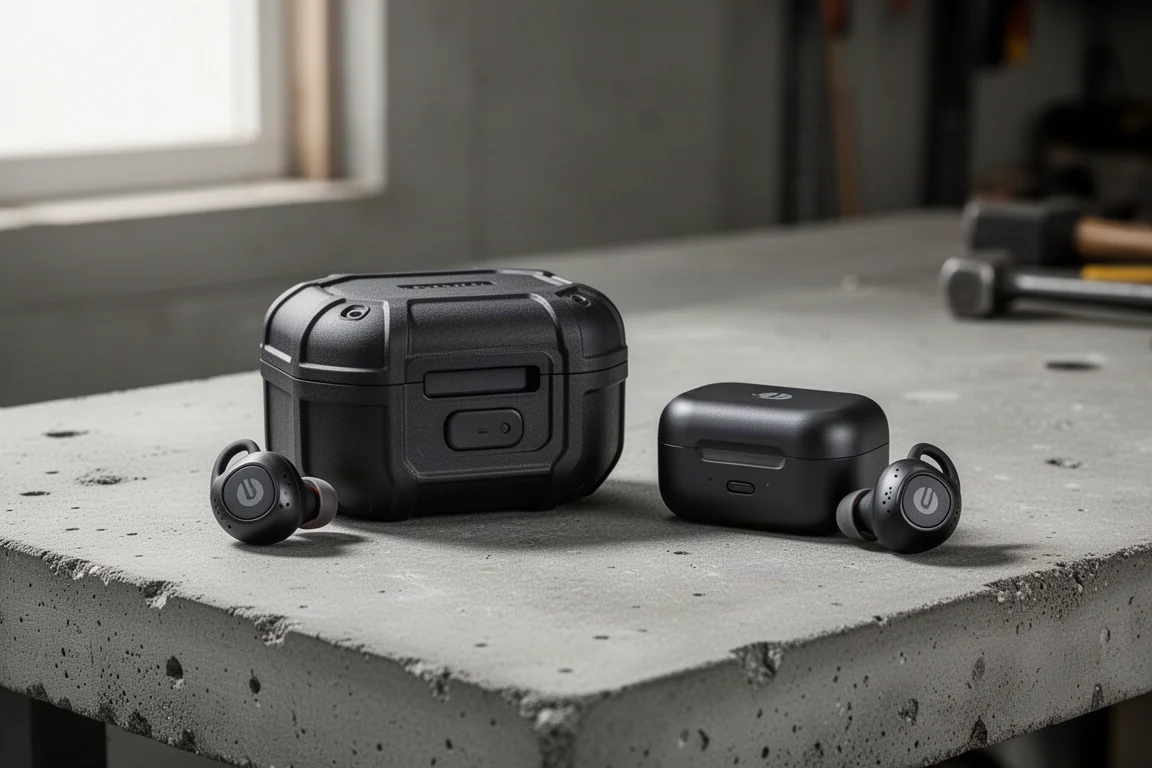
The Milwaukee earbuds are the pair for people who work around serious noise. The noise reduction is the standout feature here, and it makes a night and day difference when you are running a saw, working near a mini skid steer, or mowing for hours. For anyone whose priority is saving their ears on loud jobsites, this is the pair to look at.
The case is larger, but that size pays off. The earbuds last about 10 hours on their own, and the case provides six extra charges, which works out to roughly a full week of use before you need to plug in over USB-C. Charge it on the weekend and you are set.
Sound quality is solid. Both this pair and the DeWalt are comparably loud and comparably bassy in use, so there is no dramatic difference in how they sound once they are seated properly. The trade-off is comfort out of the box: you need to dial in the right ear tips for your ears, and if you skip that step you will end up with sore ears after a full shift.
DeWalt Earbuds: Comfort and Convenience First
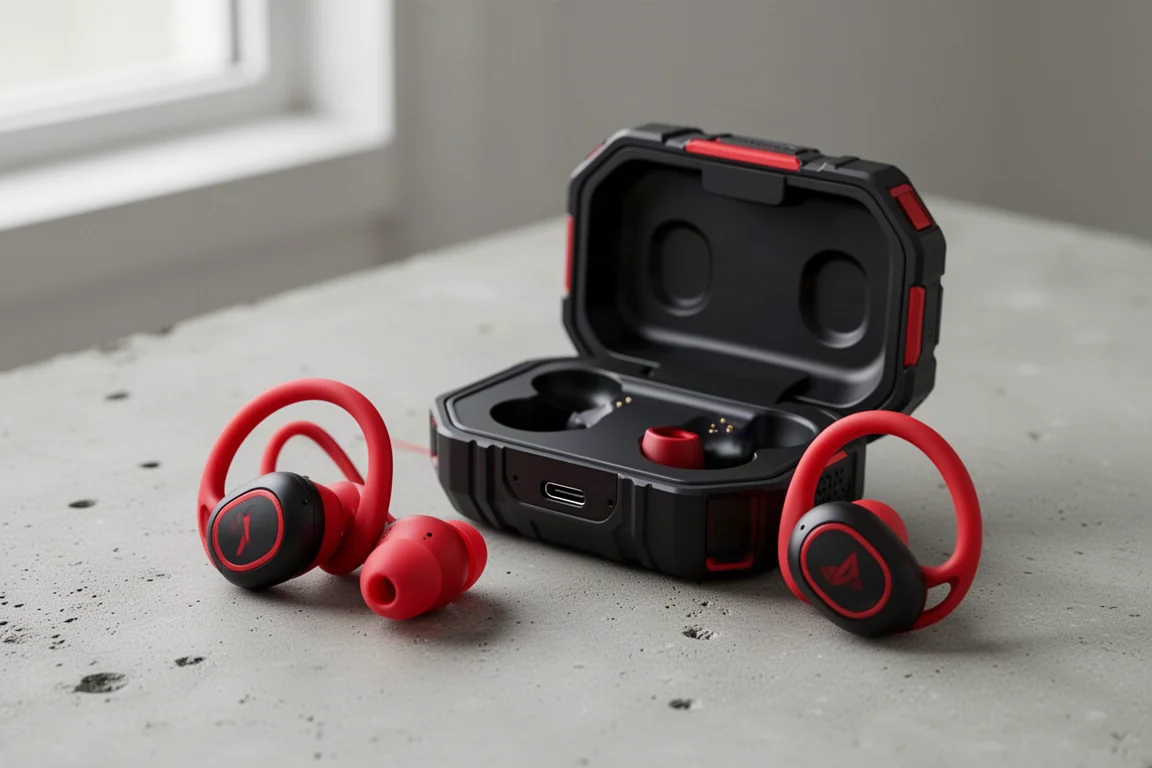
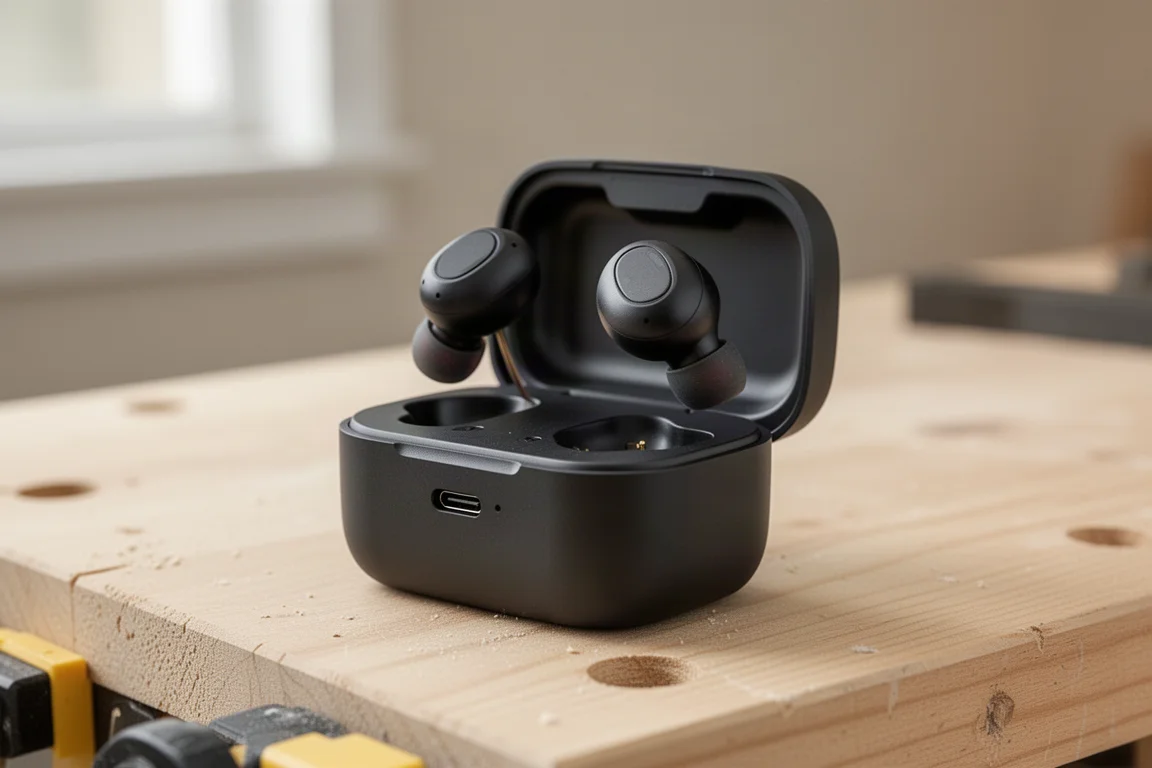
The DeWalt pair takes a different approach. They sit more like AirPods-style earbuds, with a lighter and much smaller case, and many people find them a touch more comfortable for all-day wear without extensive setup. Runtime is lower, with a rated 6 to 9 hours and around 7.5 hours in practice for music and calls. The case adds three extra charges, so you will not quite make it through a full week, but it charges over USB-C.
There are some genuinely clever touches. Putting the earbuds in your ear automatically wakes the case or playback, so music starts the moment they are seated. The in-ear sensor handles that, though a common complaint is that the sensor gets dirty or sweaty and starts triggering playback and pause on its own. Keeping it clean is the fix.
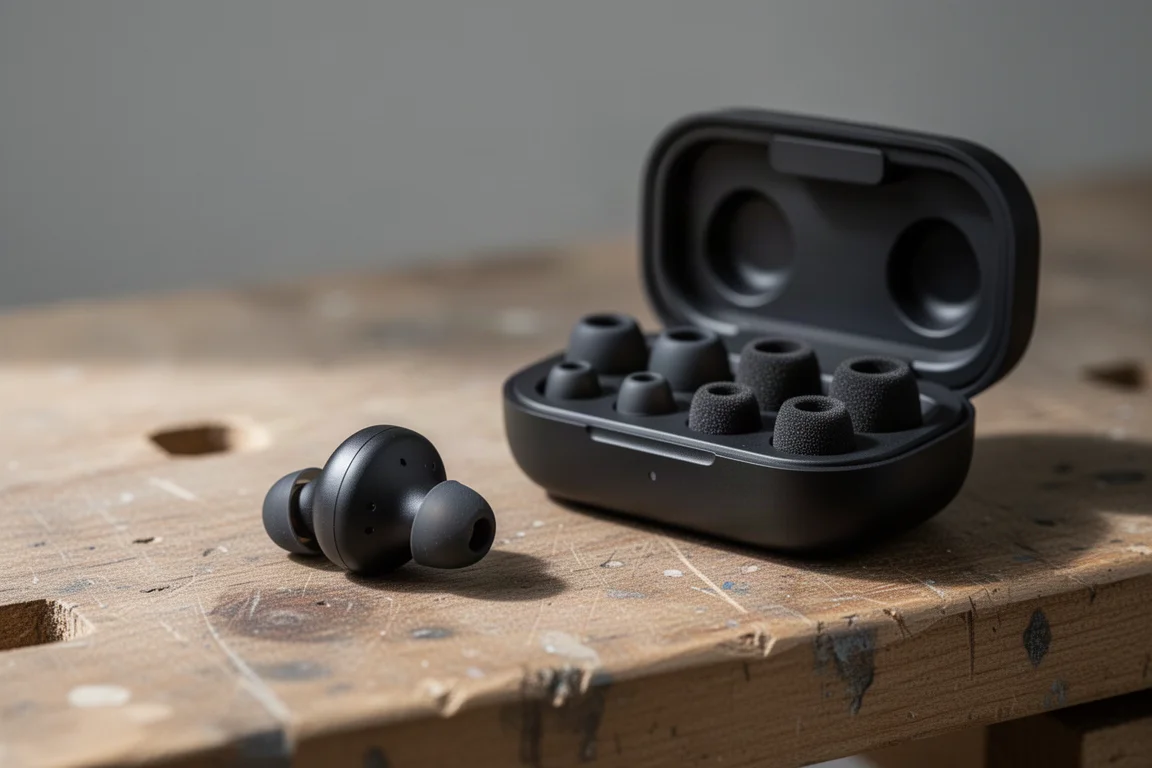
On the downside, the silicone tips can fold up when you handle them, so you have to make sure they are seated right every time you put them in. The small buttons on each earbud control playback, skipping, and calls, and they are easy to press in the wrong place by accident. Sound quality is excellent for the price, though the fit caveat matters a lot here, covered below.
Fit Is Everything
This is the single most important takeaway: both pairs sound horrible if they do not fit properly, and both sound great once they do. The most common complaint about either pair, thin sound with no bass and not enough volume, almost always traces back to a poor seal in the ear.
The DeWalt set ships with eight different pairs of tips, but only two of those offer any real noise reduction; the rest are silicone pieces in various shapes. Swap tips until you get a proper fit and the sound transforms.
The Milwaukee uses a longer, deeper earpiece that grips the ear canal more firmly. That is part of why the noise reduction works so well, but it is also why too-large foam tips can make your ears hurt over an 8-hour day. They come with a full assortment of sizes, both foam and silicone, so take the time to find the right one. Fitted correctly, they can be worn 10 hours a day with no issue.
Durability and Cleaning
Both pairs carry an IP56 rating, which is the most important spec for jobsite use. You can rinse them off, clean them under water, and not worry about dust getting into them. On a dirty site, being able to wash your earbuds properly at the end of the day is a real advantage and helps them stay hygienic and working longer.
Which One Should You Buy?
If noise reduction is your priority, and you work around saws, mowers, or heavy equipment, the Milwaukee pair is the stronger choice. The deeper fit, longer runtime, and week-long battery make it the better all-around jobsite tool.
If you want something lighter, easier, and a bit more comfortable all day, with less noise reduction and less runtime, the DeWalt pair makes more sense. It behaves more like a consumer earbud, wakes up automatically when you put it in, and is priced attractively.
Keep a separate pair of ordinary consumer earbuds for travel and leisure, and reserve these for work. That way you always have a clean, easy-to-carry set for the plane where adjustable noise cancellation is more useful than heavy-duty noise reduction.
Crew Communication: The Bigger Picture
For teams, there is a bigger challenge hiding behind these products. Crews running two-watt walkie-talkies often want radio audio piped directly into their earbuds, with radio transmission stepping over the music when someone keys up. That setup requires connecting a Bluetooth adapter to the radio’s auxiliary port, and getting priority right is not trivial, since most earbuds want to connect to a phone first.
Using a single earbud as a mono earplug next to a radio earpiece is a workaround some crews try, but it never feels quite right. Until a clean two-source solution appears, the simplest approach remains one earbud for music and calls, and dedicated ear protection or a radio earpiece for communication. If you have found a reliable way to bridge a radio’s aux output to Bluetooth earbuds with proper priority, it is worth sharing with other crews.
Conclusion
Both pairs are IP56 rated, sound genuinely good once fitted properly, and are built for the reality of dirty, loud worksites. Choose Milwaukee if noise reduction and battery life come first, and choose DeWalt if comfort and simplicity matter more. In both cases, spend a few minutes fitting the right ear tips before you judge the sound, because that single step is what separates a five-star experience from a frustrating one.
Further reading
Related Reviews
Worksite Audio
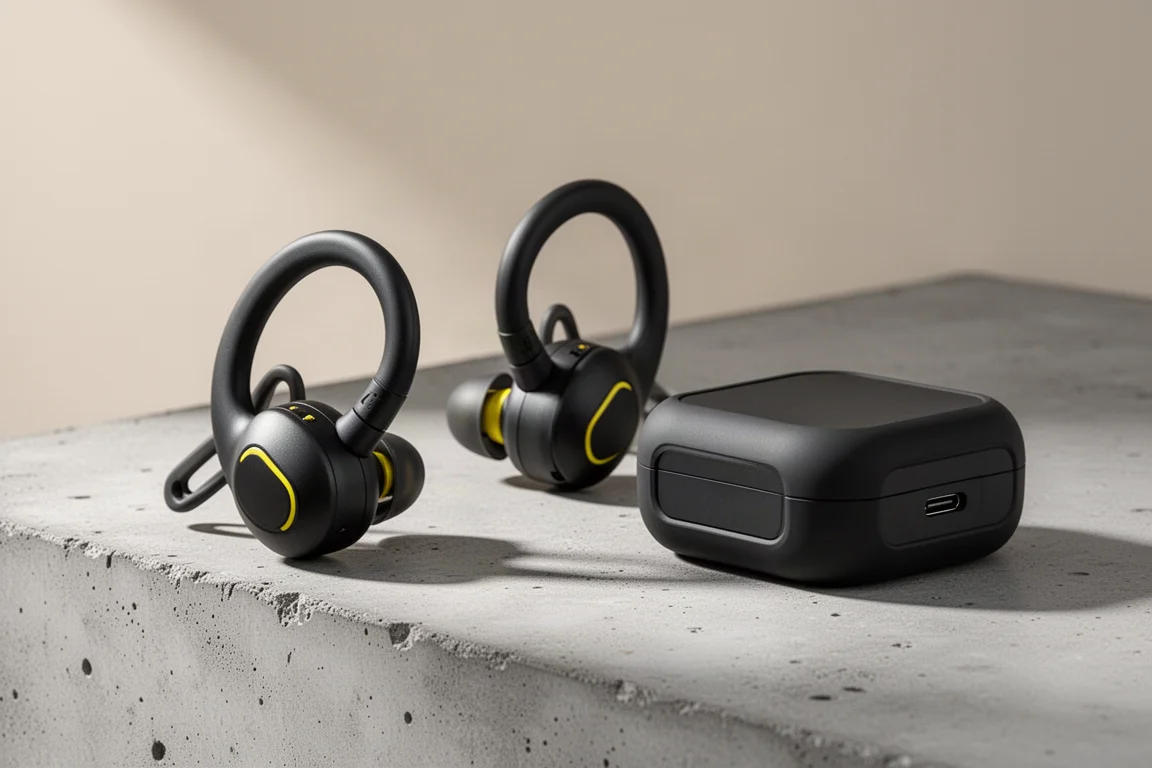
DeWalt DXM192096 Over-the-Ear Headbuds Review: Jobsite Audio Without Losing Awareness
DeWalt's over-the-ear headbuds deliver 11 hours per charge, 44 hours with the case, IP55 dust and water resistance, and full on-board controls while keeping your ears open to the jobsite around you.
Worksite Audio
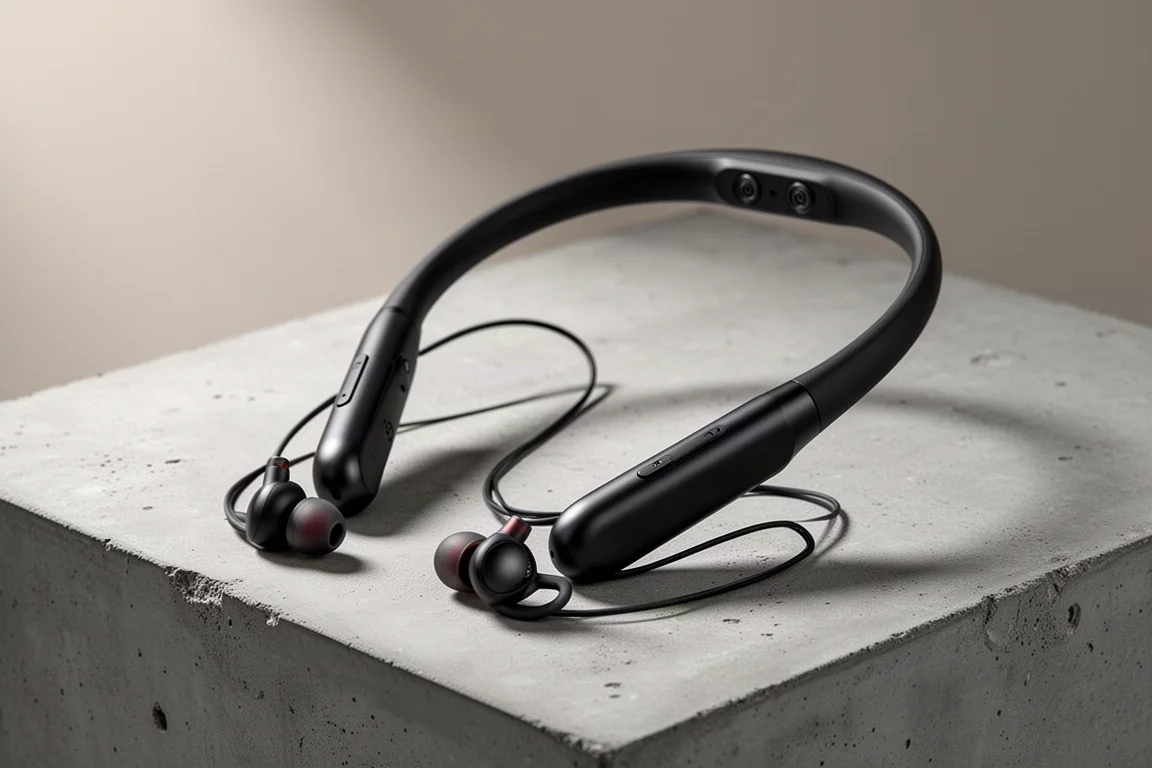
DeWalt Jobsite Pro Max Neckband Earphones with Speakers: Built for Real Jobsite Days
A neckband earphone system with speaker mode, all-day battery claims, and vibration alerts, tested daily on an active jobsite for over two weeks.
Worksite Audio
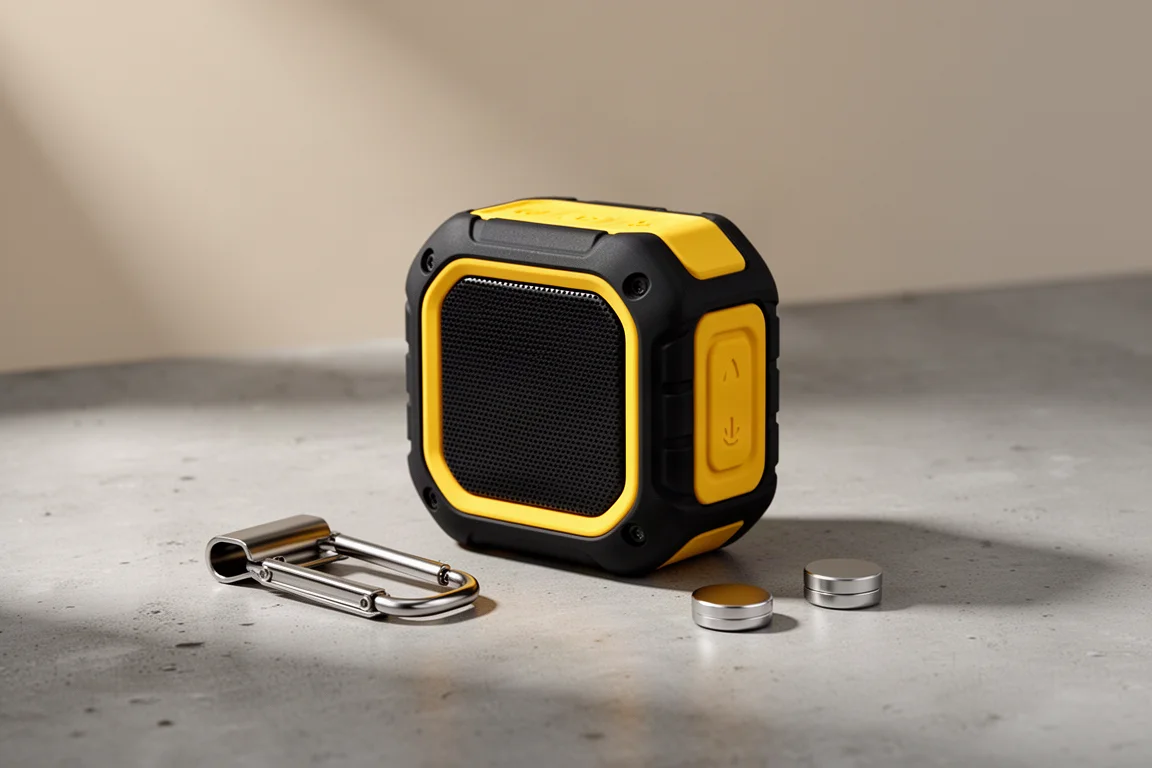
DeWalt Wearable Speaker Review: A Hands-Free Work Site Companion
A lightweight clip-on Bluetooth speaker with call support, magnetic mounting, and work site-friendly durability, at a friendly price.