Power Tools
Milwaukee M18 Fuel 2904 vs DeWalt DCD1007: Hammer Drill Head-to-Head
Two flagship hammer drills tested across driving, boring, and concrete drilling to see which one comes out ahead.
Introduction
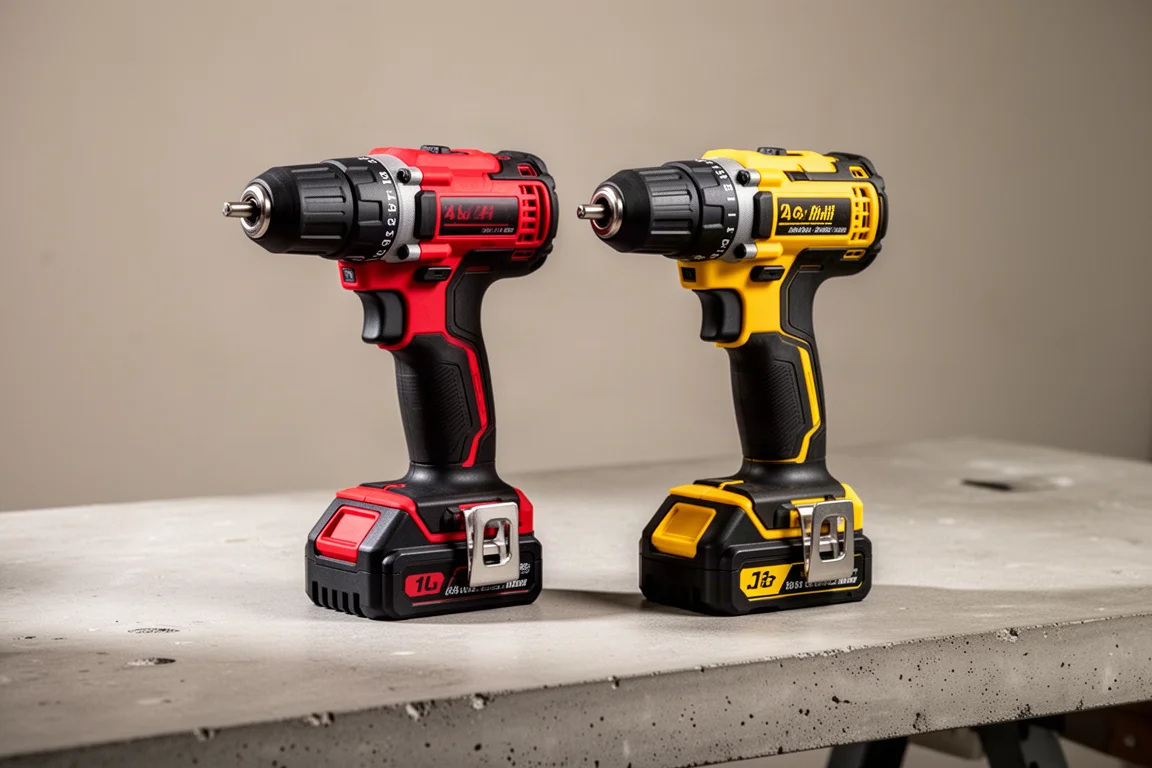
Two flagship hammer drills, one straightforward question: which one should you buy? The Milwaukee M18 Fuel 2904 and the DeWalt DCD1007 represent the top of each brand’s cordless lineup, and both were put through a gauntlet of side-by-side tests covering structural screw driving, large-diameter boring, rough framing, and concrete drilling.
The short version: the performance gap between them is tiny, and either one is a genuinely good choice. The differences that matter most come down to size, weight, and price.
Milwaukee M18 Fuel 2904
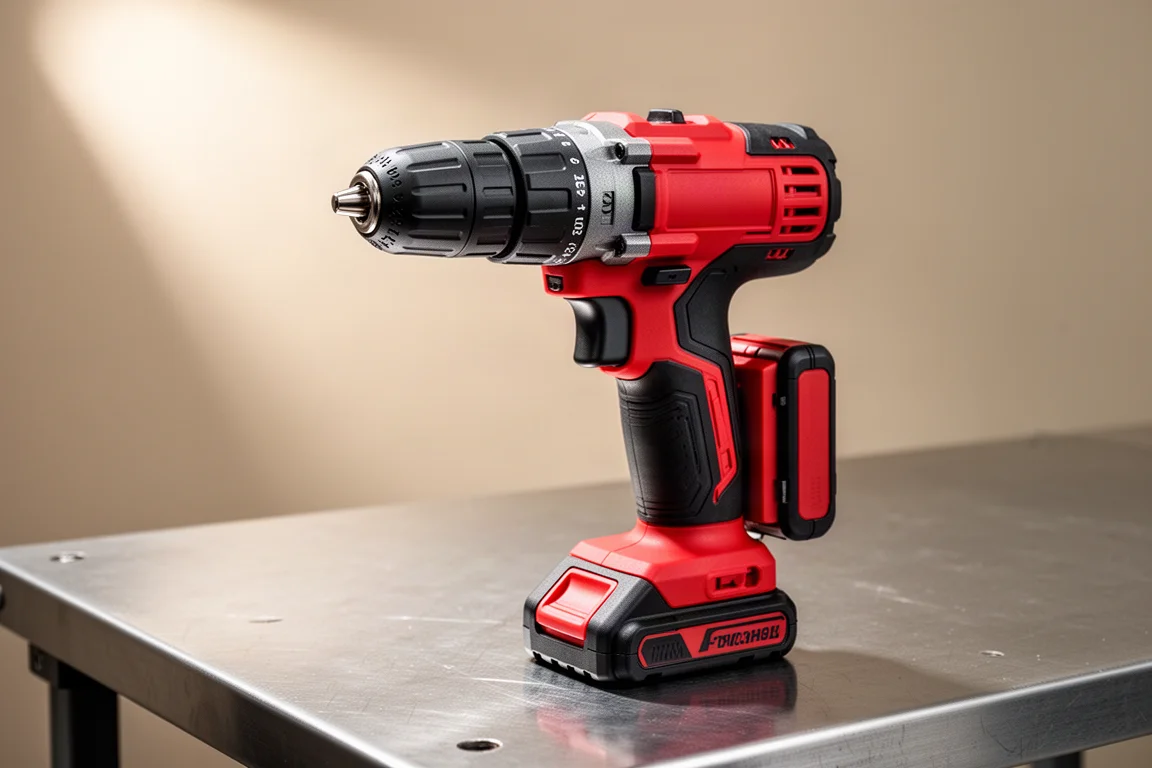
The Milwaukee 2904 is the brand’s flagship hammer drill, running on the M18 Fuel battery system. It features a two-speed gearbox with a top speed of 2,100 RPM, a max torque of 1,400 inch-pounds, and a hammer rate of 38,250 BPM. It is also compact at 7 inches long and weighs just 3.23 pounds as a bare tool.
For testing, it was paired with an M18 Red Lithium Forge 8 Ah battery. Its standout moment came in the 1-inch self feed spade bit test, where it edged out the DeWalt with an average of 2.54 seconds, the only test it won outright.
Its compact length and low bare-tool weight make it worth considering if you work overhead or in tight spaces, where every ounce and inch counts.
DeWalt DCD1007
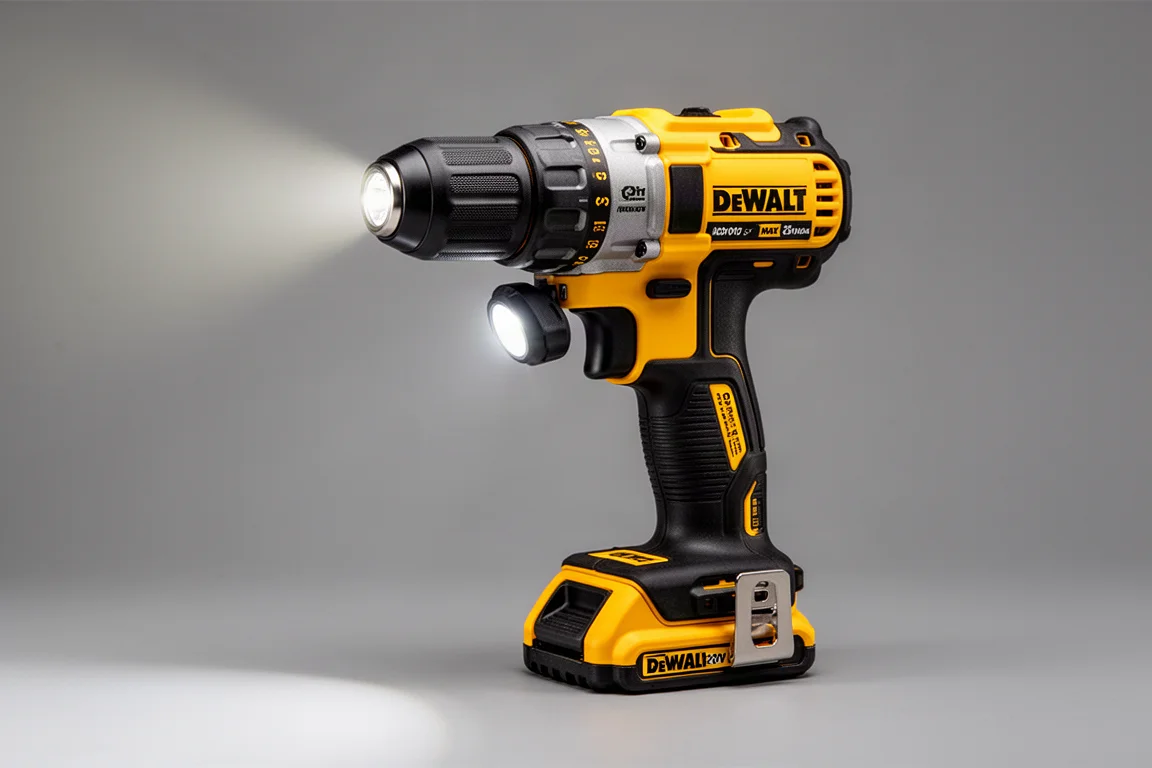
DeWalt’s flagship DCD1007 runs on the 20V Max system and brings a three-speed transmission to the fight. It spins up to 2,000 RPM in drilling mode and jumps to 2,250 RPM in hammer mode, with a max torque of 1,496 inch-pounds.
It is the larger of the two at 7.5 inches long and 4.16 pounds as a bare tool, and testing used the 20V Max Power Pack 8 Ah battery. That extra bulk did not slow it down, though. It won three of the four tests, excelling overall in speed and power.
If raw speed across the widest range of applications is your priority, the DCD1007 has the strongest overall test showing of the pair.
Speed and Power Test Results
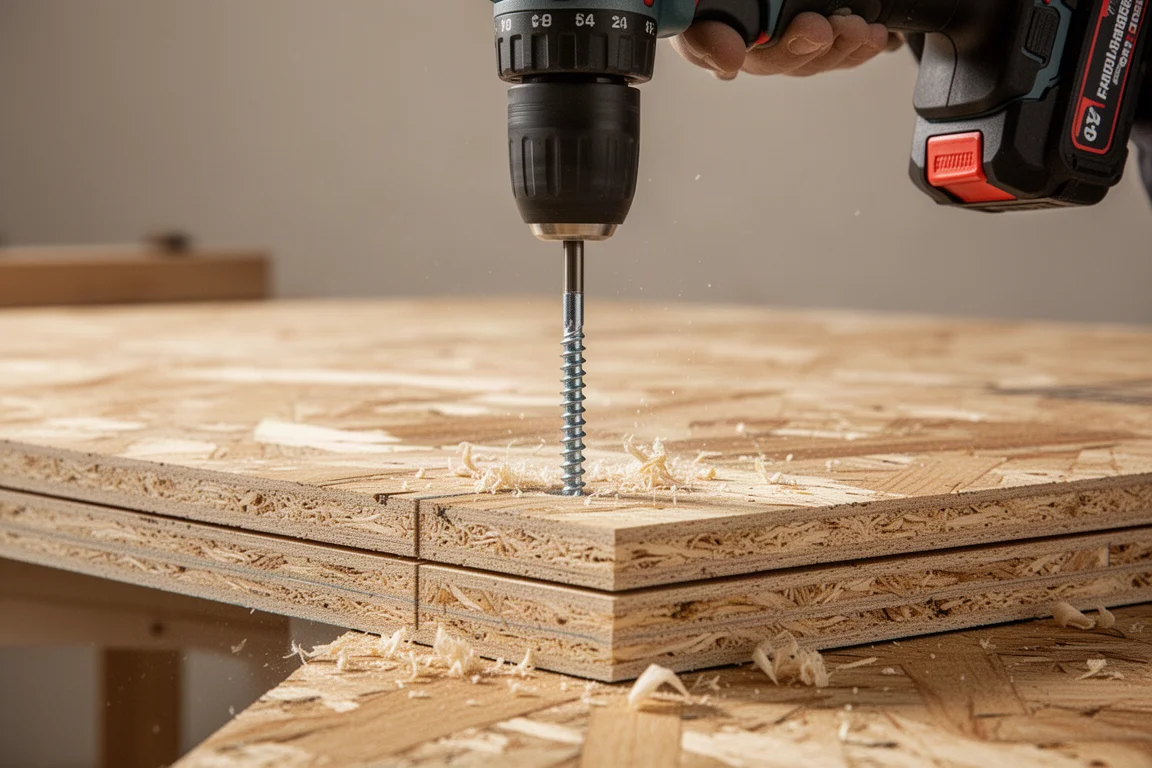
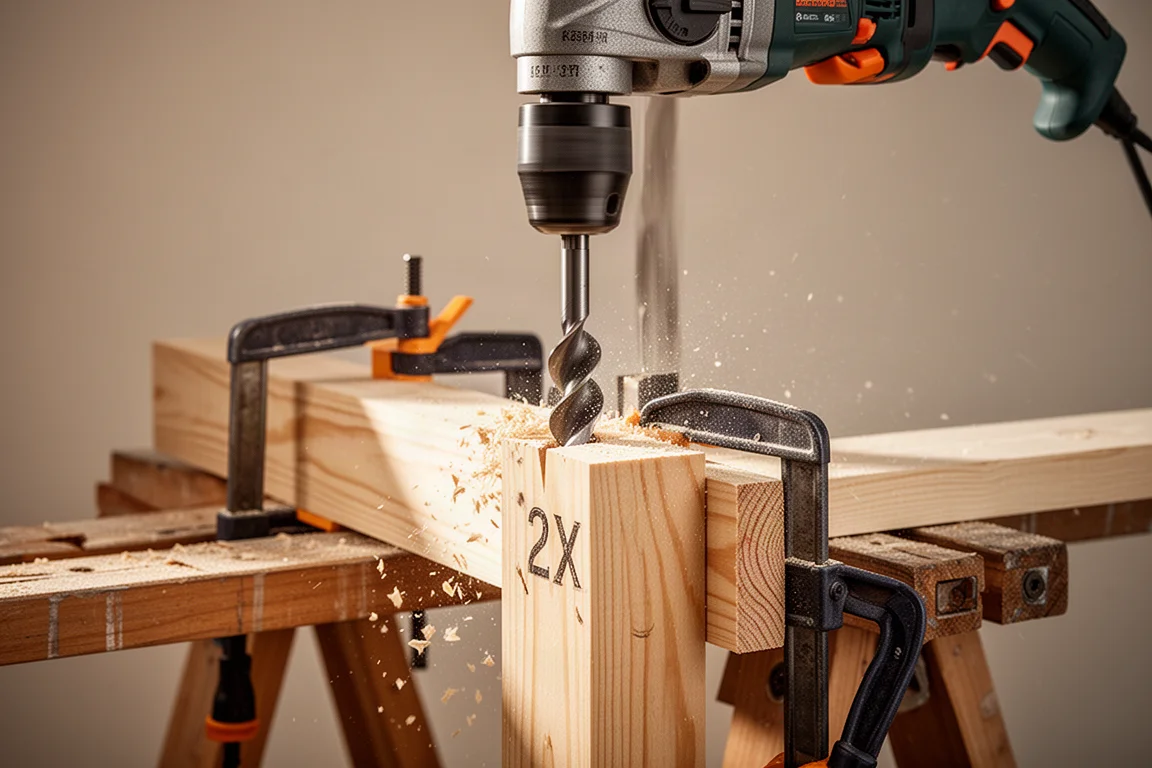
Both drills were tested with three runs per test and averages taken. In the structural screw test, driving an 8-inch structural screw flush through laminated OSB, the spread was just 0.7 seconds, with DeWalt averaging 2.42 seconds and Milwaukee 2.49 seconds.
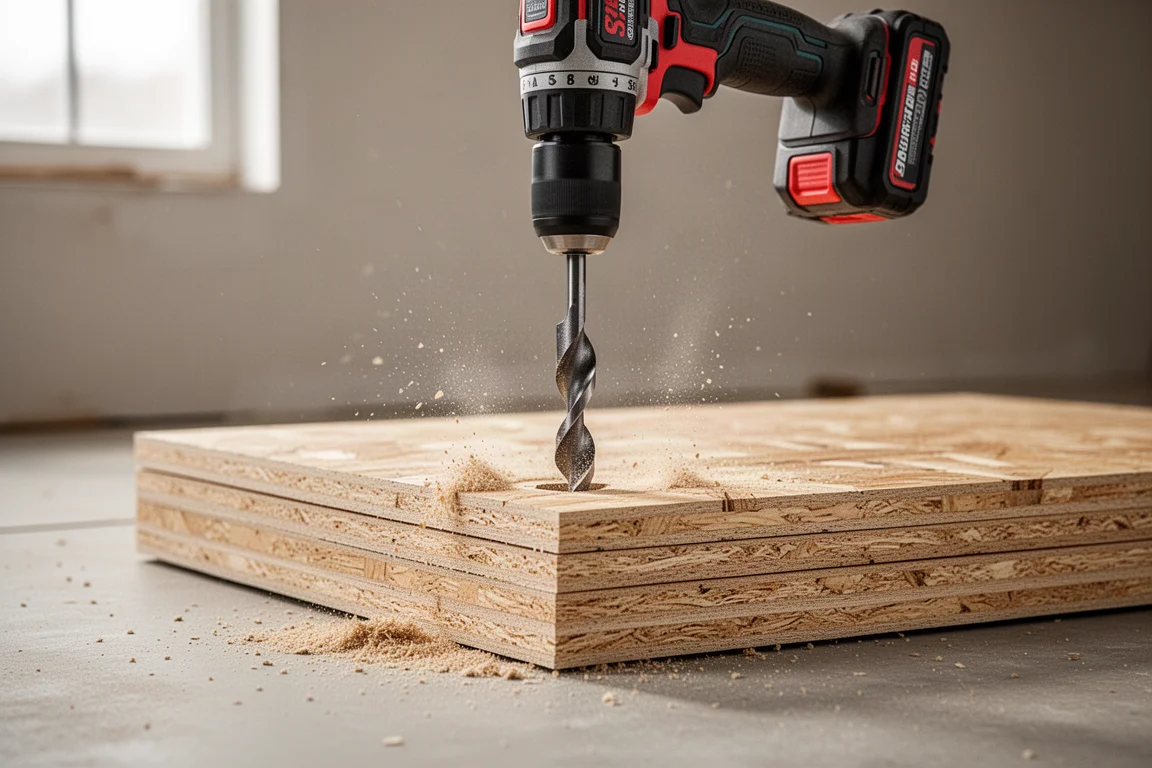
The 1-inch spade bit test was the closest of the day, separated by a mere tenth of a second, with Milwaukee narrowly taking it. But the 2-9/16-inch self feed bit test through 2x4 studs exposed a clearer gap: DeWalt averaged 1.73 seconds versus Milwaukee’s 1.89 seconds.
Across all tests, the time difference between these two powerhouses was less than half a second. In practical terms, that means you can buy based on price, platform, and ergonomics rather than performance anxiety.
Concrete Drilling
Since both are hammer drills, testing wrapped up with concrete work: drilling a 3/8-inch masonry bit 3 inches deep into cured 4,000 PSI concrete in high gear.
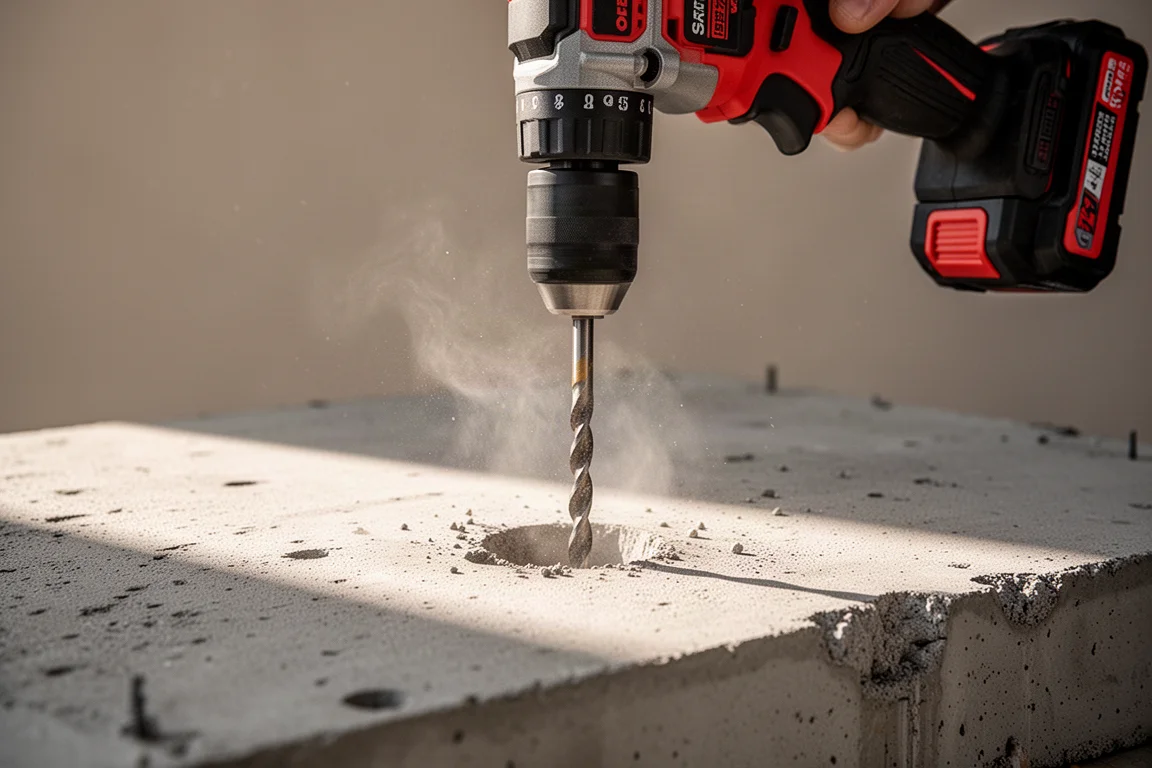
The DeWalt crushed it here, averaging 6.39 seconds per hole against Milwaukee’s 6.84 seconds, a 0.45 second difference. If you regularly anchor into concrete, that edge may be meaningful over a long workday, though both handled the job without trouble.
Pricing and Value
The DeWalt DCD1007 sells for $249 as a bare tool, or $349 as a kit with the 8 Ah Power Pack battery and a charger, and it is widely available at major tool retailers. It is one of the most powerful hammer drills out there and one of the best values for pros.
The Milwaukee 2904 runs about $229 as a bare tool, with a kit at $329 that includes two 5 Ah batteries and a charger, sold through the same retailers. Milwaukee’s kit actually includes two batteries, which may tip the value scale if you are starting from scratch.
Conclusion
The DeWalt DCD1007 was the fastest drill in three of four tests and delivers standout speed and power, while the Milwaukee M18 Fuel 2904 counters with a more compact, lighter body, a 38,250 BPM hammer rate, and a slightly cheaper kit with two batteries. With performance separated by less than half a second across the board, the right pick comes down to your existing battery platform, your budget, and whether compact handling or outright speed matters more in your daily work.
Further reading
Related Reviews
Power Tools
Best 1-Inch Pistol Impact Wrenches: Three Heavy-Duty Options Compared
We compare three 1-inch pistol impact wrenches, from a budget-friendly Harbor Freight model to a premium Caterpillar unit, to help you choose the right one.
Power Tools
Best 3/4-Inch Impact Wrenches 2026: Five Contenders Compared
We compare five 3/4-inch impact wrenches across price and performance, from a budget Amazon option to Snap-on's most powerful model yet.
Power Tools
Best Budget Cordless Tools 2026: Walmart Finds That Punch Above Their Price
We tested five cordless tools from Walmart, including a high-torque impact wrench that trades blows with Milwaukee and a $35 duster that outperforms its price class.