Hand Tools
Milwaukee Tubing Cutter Comparison: 48-22-4204 vs 48-22-4202
Two compact Milwaukee tubing cutters that look nearly identical, with a few practical differences that decide which one belongs in your bag.
Introduction
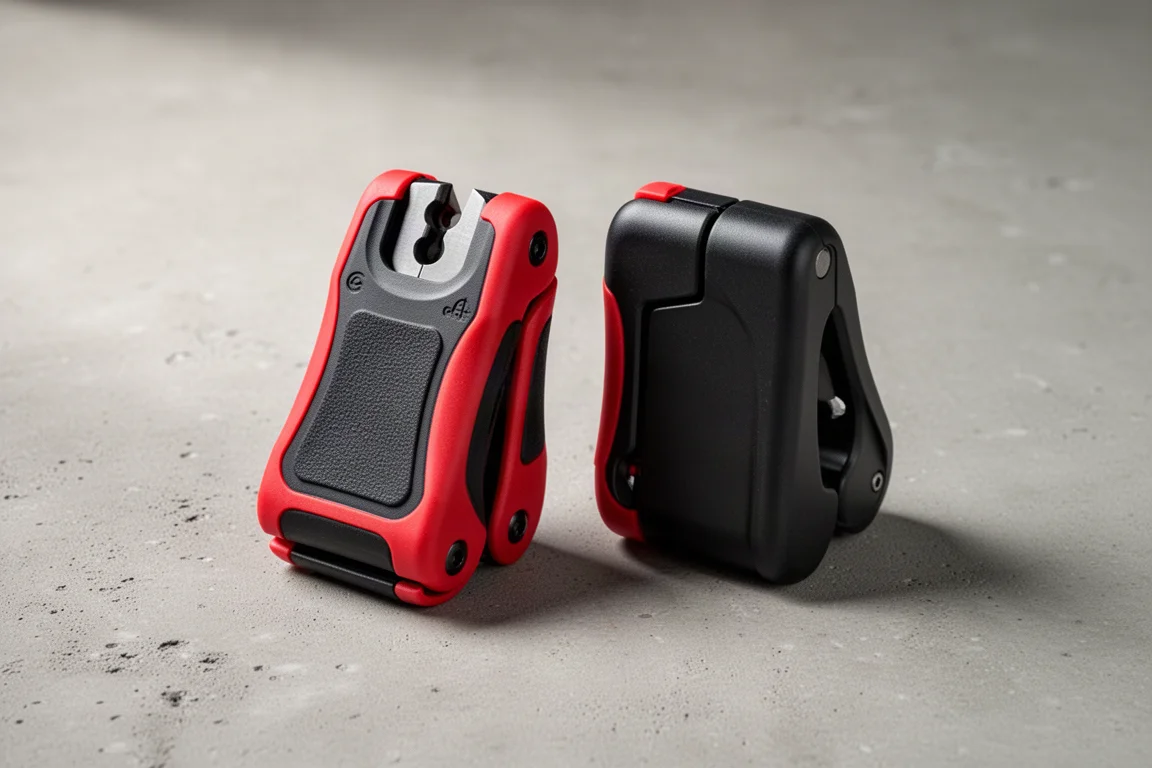
Milwaukee’s compact tubing cutters have quietly become one of those tools that ends up living in a bag permanently once you own one. Two versions sit side by side in the lineup: the Milwaukee 48-22-4204, which sells for close to 50 dollars, and the 48-22-4202, which comes in at around 25 dollars. At a glance they look almost identical, and in practice they cut in a very similar way.
The interesting part is deciding whether the extra money buys you anything you will actually use.
What They Have in Common
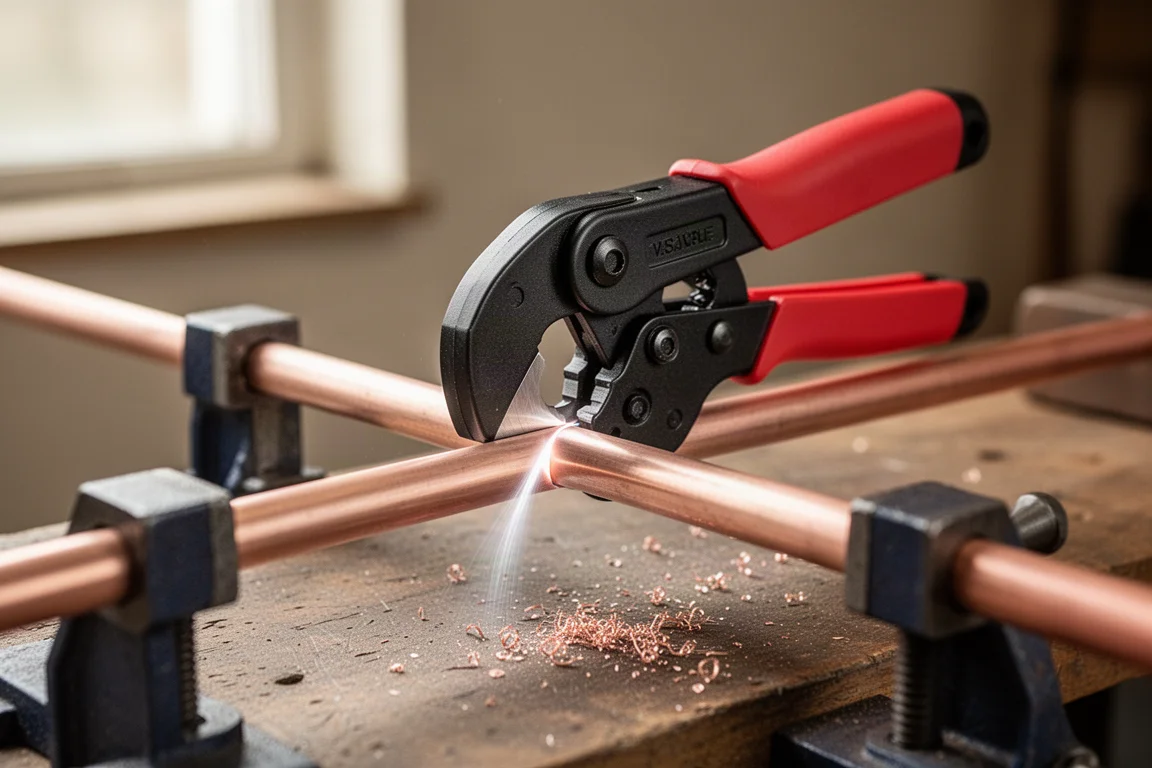
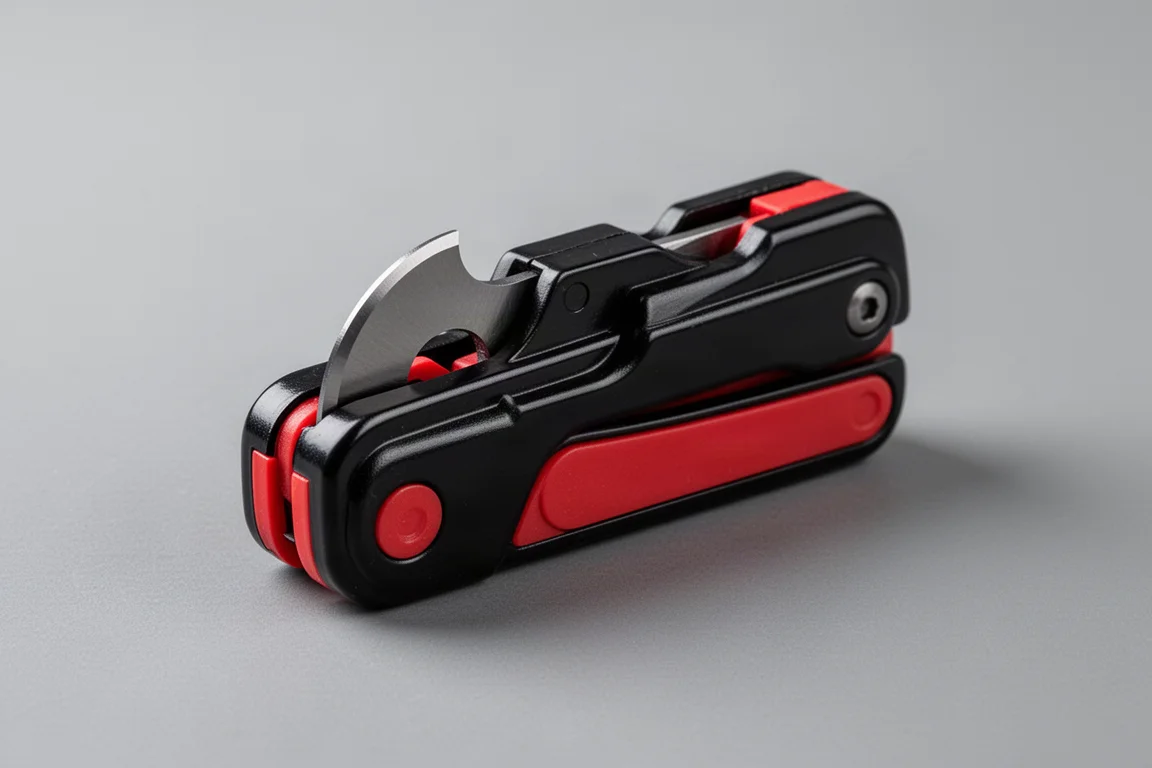
Both cutters share the same basic design: a compact folding body that locks open and closed easily, replaceable blades, and a curved cutting action that produces a remarkably clean slice on soft tubing. The machining quality looks comparable between the two, and the blades appear to be the same as well.
Both are also small enough to disappear into a tool bag, which is exactly where most of them end up living. If you have never owned a cutter like this, either model is a great place to start.
Cutting Performance: Clean Slices Every Time
On soft tubing such as PEX, both cutters deliver a very nice, clean cut. A second pass can square up a cut if the first one drifts slightly, and the small looping cutting motion makes that easy to do. It is a simple, effective tool for the job it was designed for.
Milwaukee also makes larger cutters for other materials, including dedicated copper tube cutters and big PVC pipe cutters, but this compact pair covers the quick-cut niche better than anything else in the bag.
The 48-22-4204: The Pricier, Safer Option
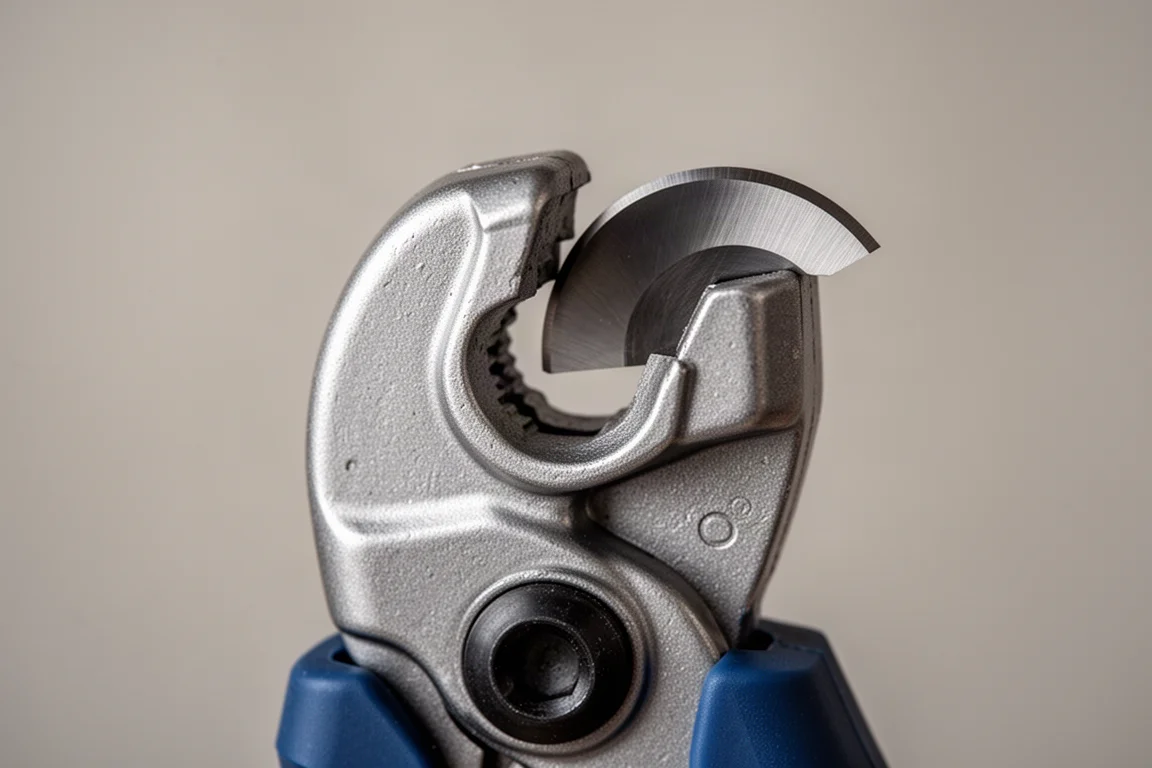
The 48-22-4204 adds a few refinements. It has a rubberized over-mold on the body, where the cheaper model is hard plastic all the way around. It also includes a lanyard or tether hole, a handy attachment point that many owners end up drilling into the cheaper model themselves.
The most meaningful difference is at the top: the 48-22-4204 keeps part of the blade enclosed so that nothing protrudes when the cutter is closed. The 48-22-4202 leaves a portion of the blade exposed in a notch, and some owners have reported cutting themselves reaching into a bag where these are tossed loose. That exposed edge is also shaped for a secondary purpose, such as breaking a connector, but it is a trade-off worth knowing about.
The 48-22-4202: The Value Pick
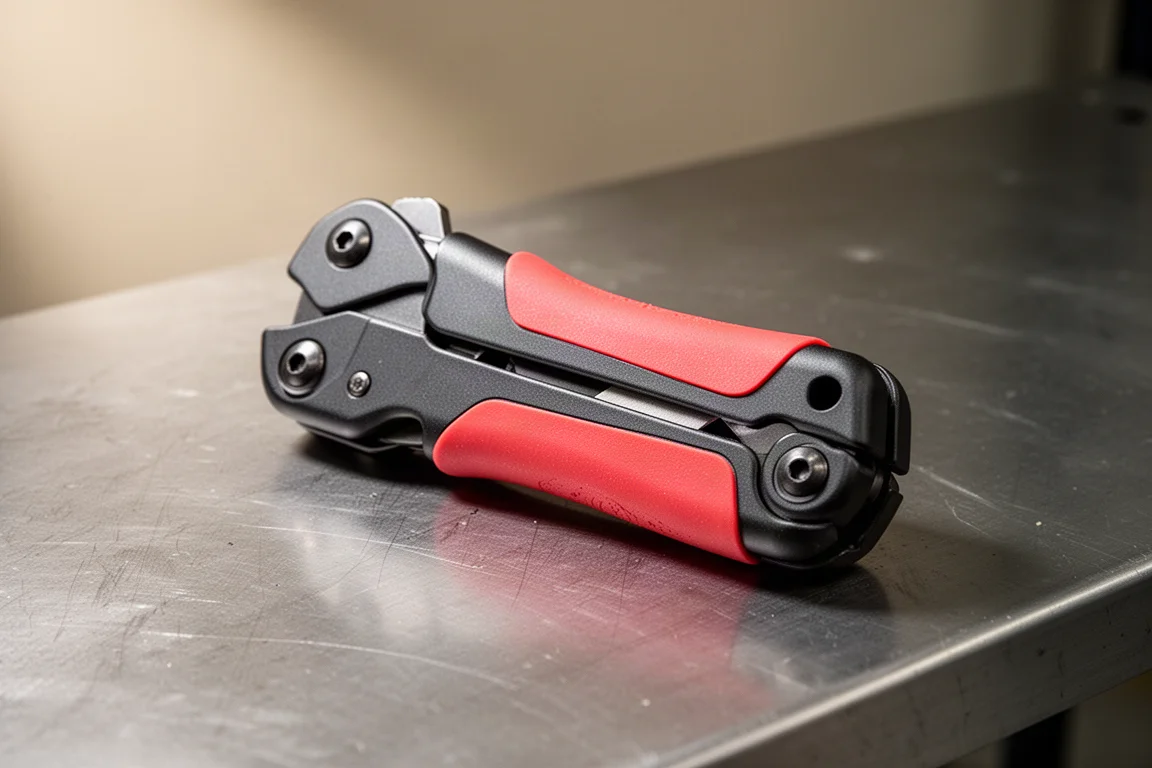
The 48-22-4202 skips the over-mold, the tether hole, and the covered blade, and costs roughly half as much. For many buyers that is the whole decision: unless you specifically want the tether point or the safer closed profile, the cheaper model does the same cutting work.
The exposed blade edge is the one thing to think about. If your tools live loose in a bag where hands go digging, the pricier model’s covered design has a real safety advantage.
The Unexpected Second Job: Cutting Dog Treats
Here is a use case nobody puts on the box. Expensive stick-style dog treats, the kind that run around seven dollars for just a few, slice beautifully with this cutter. One long treat can be divided into four or five smaller pieces, and since most dogs care more about getting a treat than its size, a single purchase stretches much further. Scissors struggle with these; the cutter goes right through.

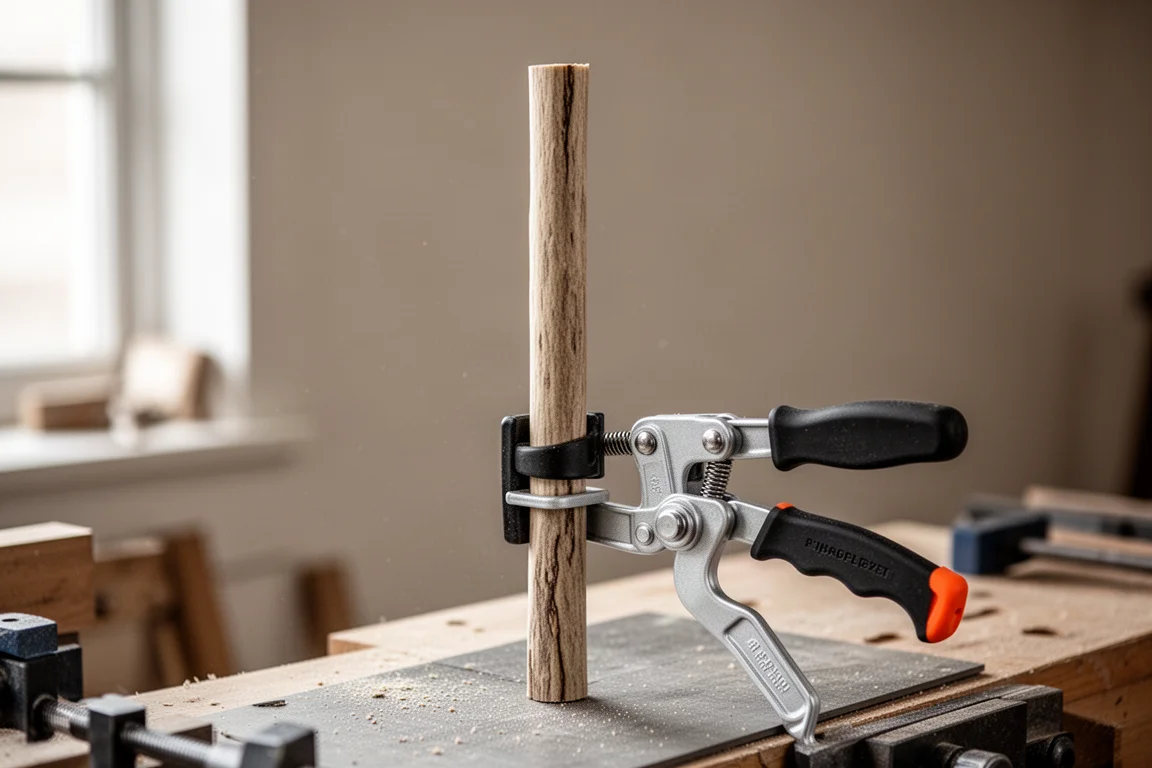
One caution: very large, dense chew sticks are a different story. Attempting them with this cutter risks damaging it, and a stronger clamping cutting tool is the better choice for those.
Buying Advice: Which One Should You Get?
Both are excellent tools, and the cutting performance is effectively the same. If you already own the 48-22-4202 and do not need a tether point, there is little reason to add the 48-22-4204. If you are starting from zero and your tools get tossed loose into a bag, the extra spend on the 48-22-4204 buys a safer closed profile and a more comfortable grip.
Replaceable blades are available for both, so either one is a long-term purchase rather than a disposable one.
Conclusion
The Milwaukee compact tubing cutters earn their place in a tool bag twice over: first as a genuinely great tubing and PEX cutter, and second as a surprisingly effective way to stretch pricey dog treats. Pick the 48-22-4202 for pure value, or the 48-22-4204 if the covered blade and tether hole matter to you.
Further reading
Related Reviews
Hand Tools
Best Diagonal Cutters 2026: 16 Pliers Tested for Cutting Power and Durability
We put 16 diagonal cutters through nail, screw, drill bit, and hex key tests to find the best value picks for your toolbox.
Hand Tools
Best Hex L Key Sets 2026: Nine Sets Tested for Real-World Torque
Nine hex L key sets from budget to premium, tested for torque, fit, and durability. See which sets deliver real performance and which ones to skip.
Hand Tools
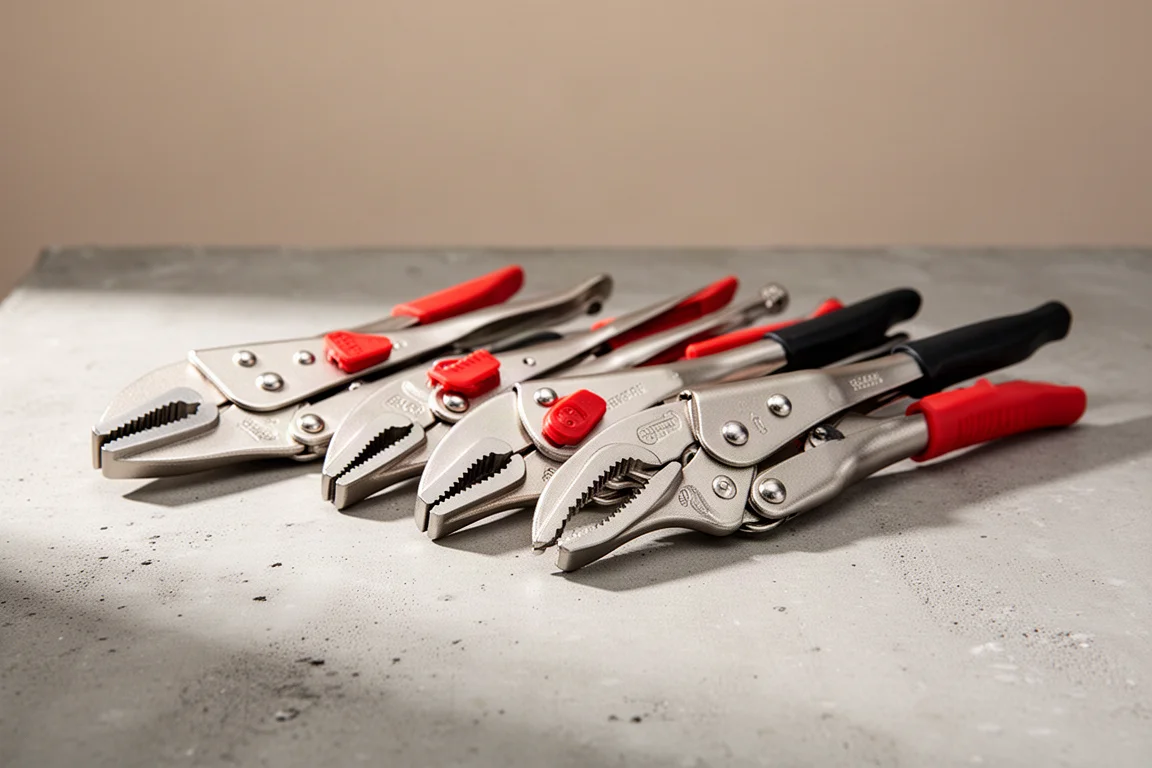
Best Locking Pliers 2026: Top Picks Tested for Grip and Durability
We tested 18 brands of 10-inch locking pliers for grip strength, jaw bite, build quality, and ease of release to find the best options for tough jobs.