Power Tools
Milwaukee Surge Gen 2 (2761-20): The Quiet Impact Driver Gets Even Better
The second-generation Milwaukee M18 Surge hydraulic impact driver brings more power, a shorter body, and a smarter tri-beam light while keeping the quiet, controllable feel that made the original a favorite.
Introduction
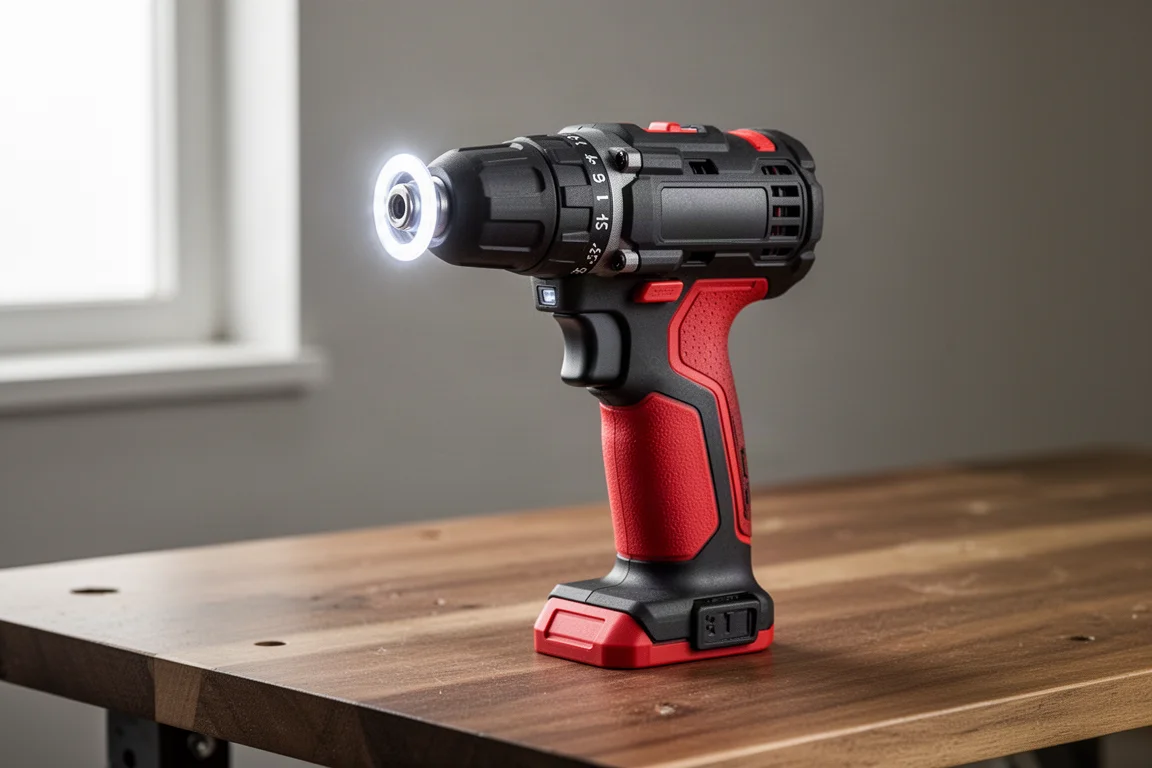
The Milwaukee Surge has quietly built a devoted following, and the second-generation M18 Surge 2761-20 looks like the upgrade fans hoped for. The original earned its reputation as one of the best slow-speed drivers around, with enough control for precision work and a hydraulic mechanism far quieter than a standard impact driver. Gen 2 keeps what made it special and adds meaningfully more power in a smaller body.
What the Surge Is
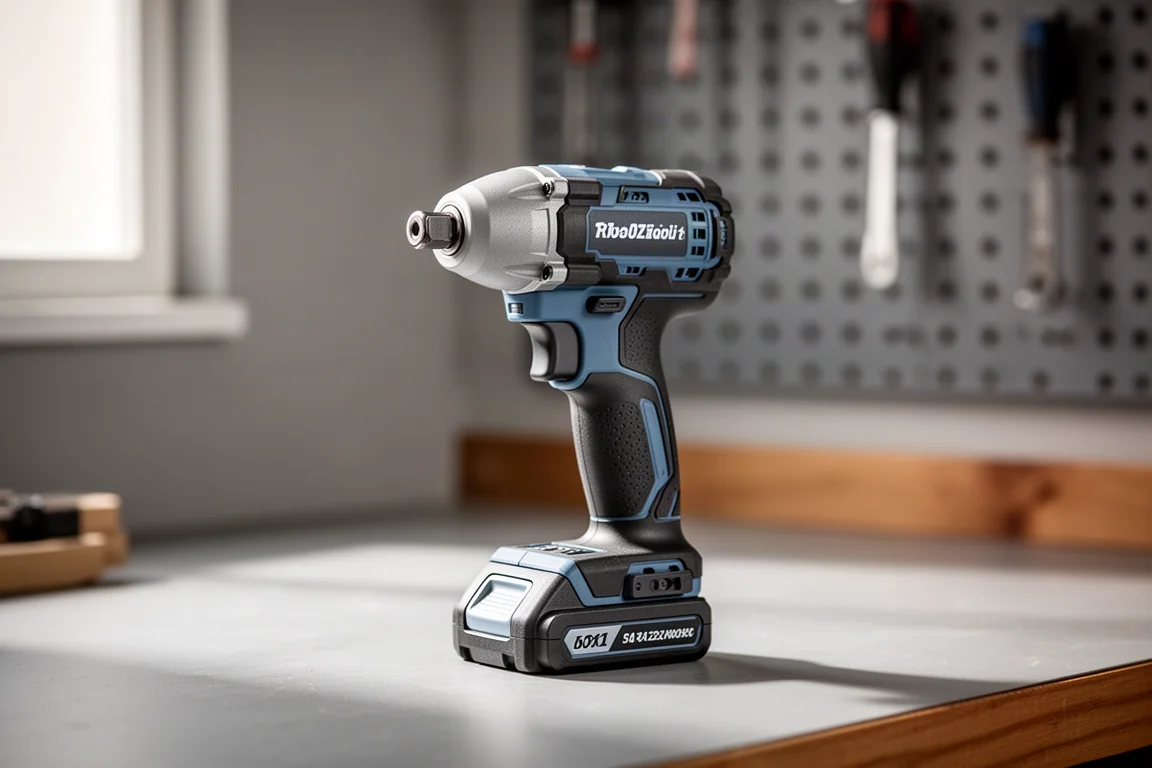
The Surge is Milwaukee’s hydraulic impact driver, and it behaves very differently from the company’s standard 2953 impact driver. The hydraulic mechanism lets it run slow, smooth, and remarkably quiet, which makes it easy to stop the chuck by hand on the low setting. That level of control is the core reason people fall in love with this tool.
First Impressions Out of the Box
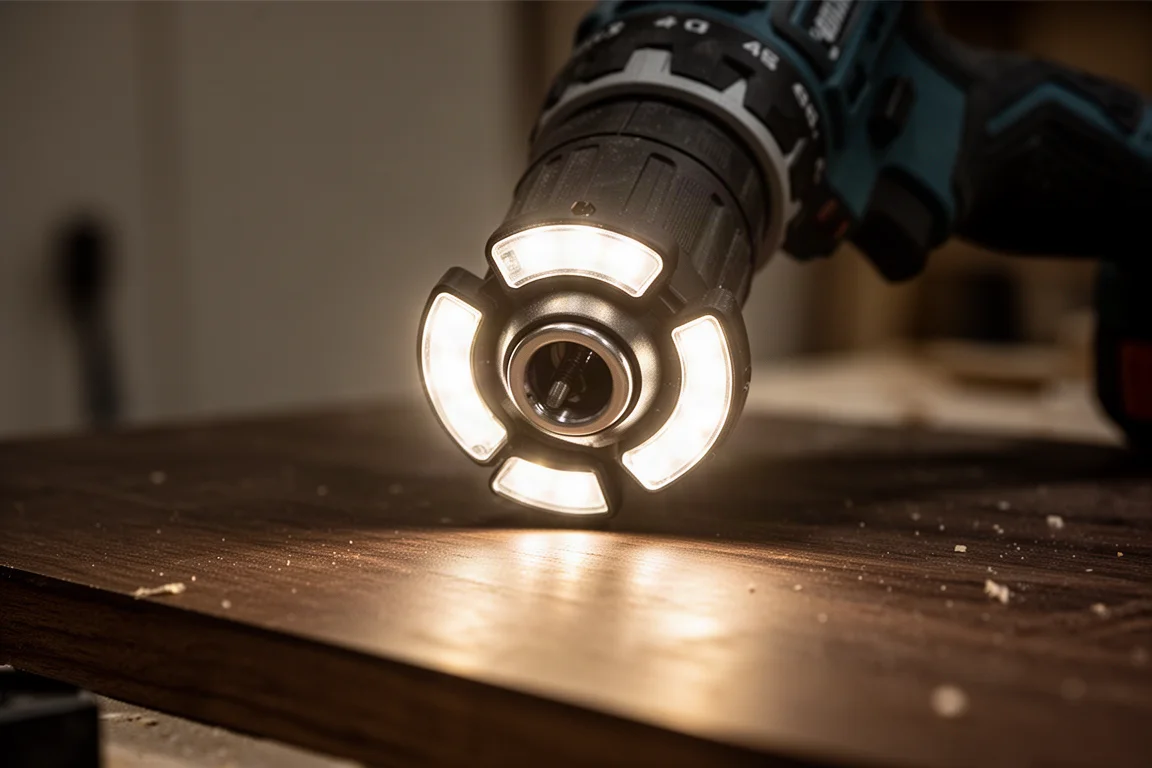
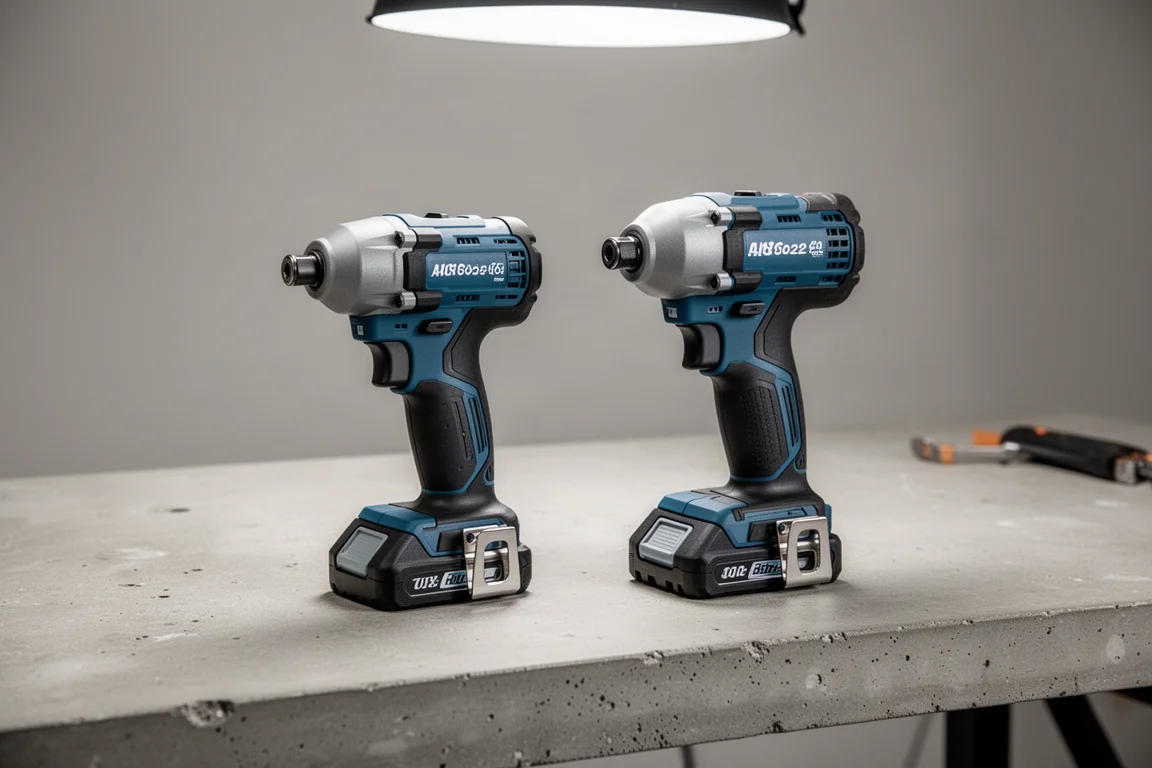
The 2761-20 is noticeably smaller than the first generation. It drops from 5 inches to 4.3 inches in length and from 2.4 pounds to 2.1 pounds in tool weight without a battery. The most obvious visual change is the light: the new tri-beam design lights up far more of the work area than the older single light, which sometimes did not even illuminate exactly where you were pointing. There also appears to be a truer, less blue-tinted light output up front.
The grip feels a touch thicker and the chuck collar fits tighter, and the front end takes a styling nod from the 2953 impact driver. One-hand bit insertion and retraction still feels good, and the tool is both brushless and compatible with Milwaukee’s REDLITHIUM smart battery platform.
Power and Performance
This is where Gen 2 makes its case. The original Surge peaked at 450 in-lbs of torque, and while that was plenty for many tasks, you could hit a ceiling. The new 2761-20 delivers 1,000 in-lbs, spins up to 3,200 RPM (up from around 3,000), and reaches 6,300 impacts per minute, up from roughly 4,000. It also offers more usable control at the top settings: on the old tool, the higher settings felt easier to bog down and stop by hand, while the new version holds its drive with noticeably more authority.
It remains dramatically quieter than the 2953. On low, the difference is obvious; on high, the standard impact drowns the Surge out entirely. If noise matters in your workspace, or you simply dislike the shriek of a conventional impact, this is the tool to look at.
How It Feels in Use
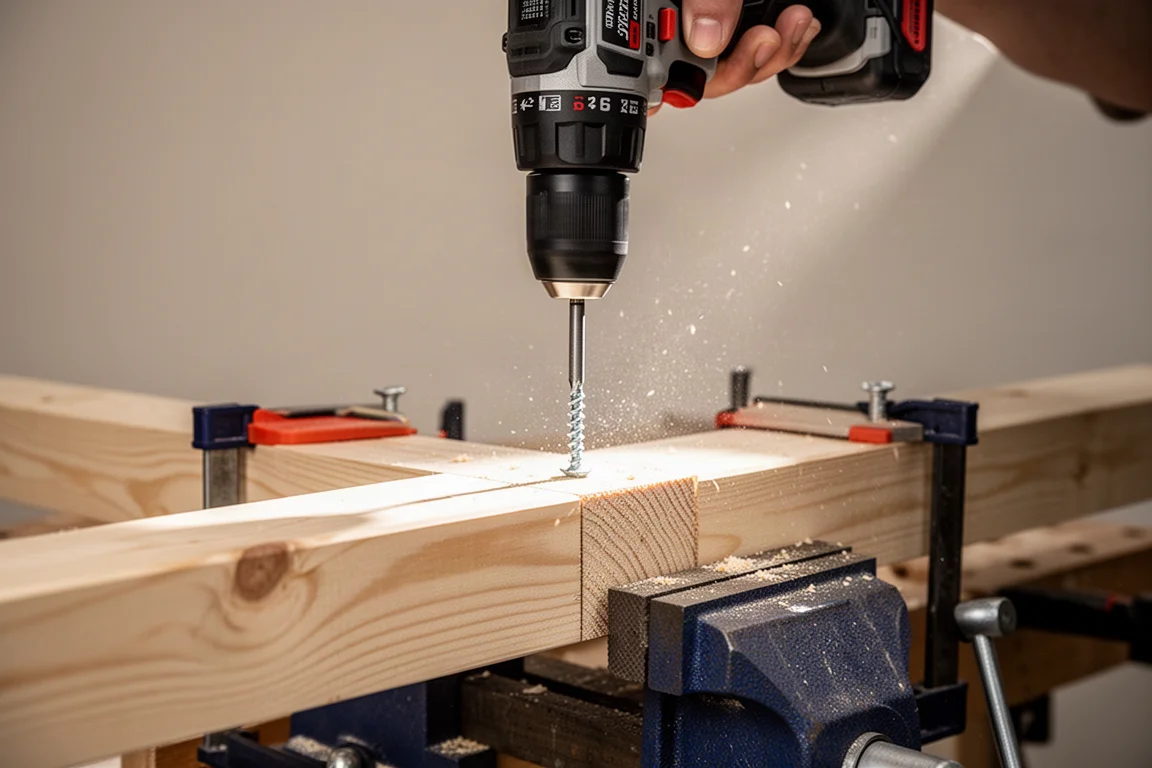
The new Surge feels denser, more refined, and more grippy than the original, though it is worth remembering that a first-gen tool used for six or seven years has a naturally looser feel. Balance in the hand is good, and the form factor now closely mirrors the 2953 impact driver, so it blends neatly into an M18 collection. Paired with a compact CP 3.0 battery, it stays light and easy to maneuver; swapping a smaller pack more often beats lugging a bigger battery around for most finish and assembly work.
Things to Consider Before Buying
The price is $199 for the bare 2761-20 tool, essentially in line with the previous generation. One practical trap: searching retailers can still surface the older 2760 or 2761 confusion, so look up the specific model number, 2761-20, to be sure you are getting the new version. A kit with two 5.0 Ah batteries, a charger, and a blow-molded case runs $279, which is worth considering if you actually need the extra batteries and charger.
Buying Advice
The 2761-20 is the right pick if you want a quiet, controllable driver that no longer runs out of torque. Owners of the original Surge get a shorter, lighter, more powerful tool with a much better work light for the same bare-tool price. If you already own the first-gen Surge and only drive the occasional fastener, it may be a harder sell; if the Surge is a daily driver, Gen 2 is an easy upgrade. For a combined bench of both tools, the Surge and the 2953 complement each other well: quiet precision on one side, raw speed on the other.
Conclusion
The second-generation Milwaukee M18 Surge takes a favorite and makes it better: quieter, smaller, lighter, and roughly twice as powerful, with a genuinely improved lighting setup. At $199 bare, it is an easy recommendation for anyone who values control and a peaceful workspace.
Product link
View more details for Milwaukee M18 Surge 2761-20
This product is mentioned in the review. Check the specifications, options, and compatibility before buying.
View more details for Milwaukee M18 Surge 2761-20Further reading
Related Reviews
Power Tools
Best 1-Inch Pistol Impact Wrenches: Three Heavy-Duty Options Compared
We compare three 1-inch pistol impact wrenches, from a budget-friendly Harbor Freight model to a premium Caterpillar unit, to help you choose the right one.
Power Tools
Best 3/4-Inch Impact Wrenches 2026: Five Contenders Compared
We compare five 3/4-inch impact wrenches across price and performance, from a budget Amazon option to Snap-on's most powerful model yet.
Power Tools
Best Budget Cordless Tools 2026: Walmart Finds That Punch Above Their Price
We tested five cordless tools from Walmart, including a high-torque impact wrench that trades blows with Milwaukee and a $35 duster that outperforms its price class.