Hand Tools
Milwaukee Square Drive Deep Sockets: An Unusual Twist on a Classic Design
Milwaukee's new deep sockets replace the traditional round body with a square top you can grab with a wrench. Here is what stands out across the 1/4-inch and 1/2-inch drive versions.
Introduction
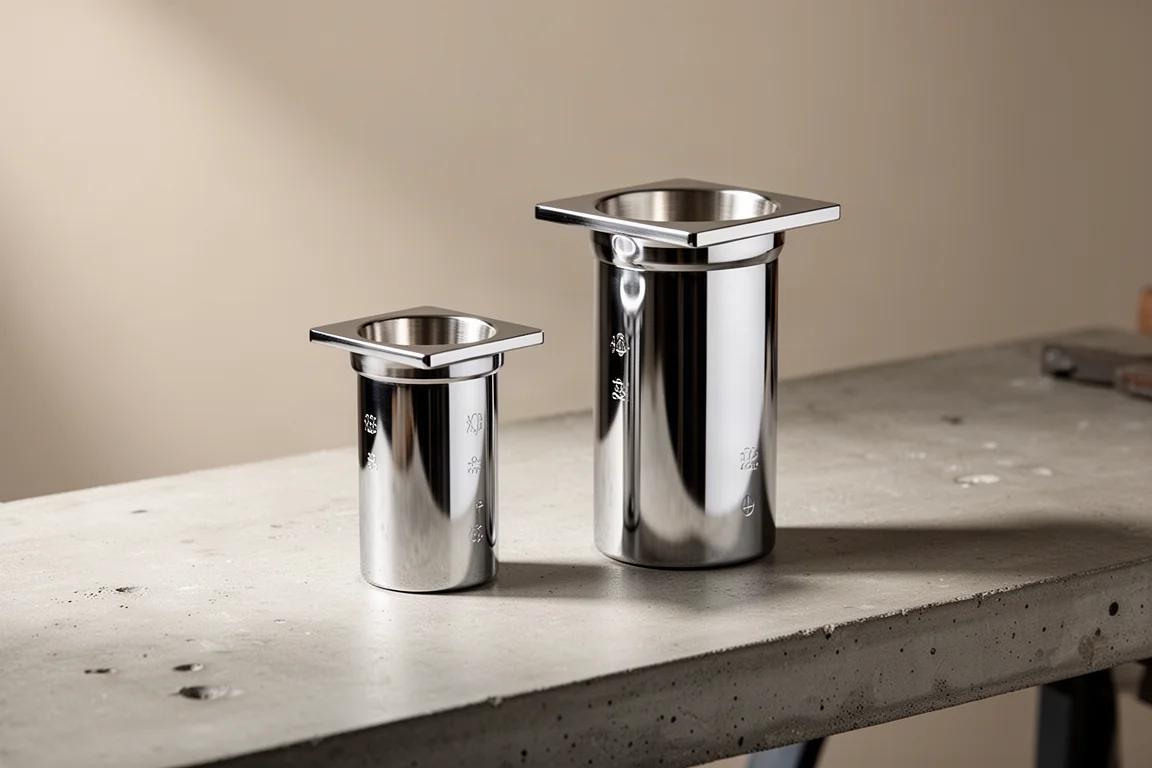
Sockets have looked roughly the same for as long as most of us have owned a set: a round body with a drive square at the back. Milwaukee’s new Square Drive Deep Sockets flip that convention by making the top of the socket square, which opens up ways of using a socket that a round body simply does not allow. Two versions are covered here, the 1/4-inch drive and the 1/2-inch drive deep sockets, both in 10 mm and both in the deep pattern.
The Square Body Idea
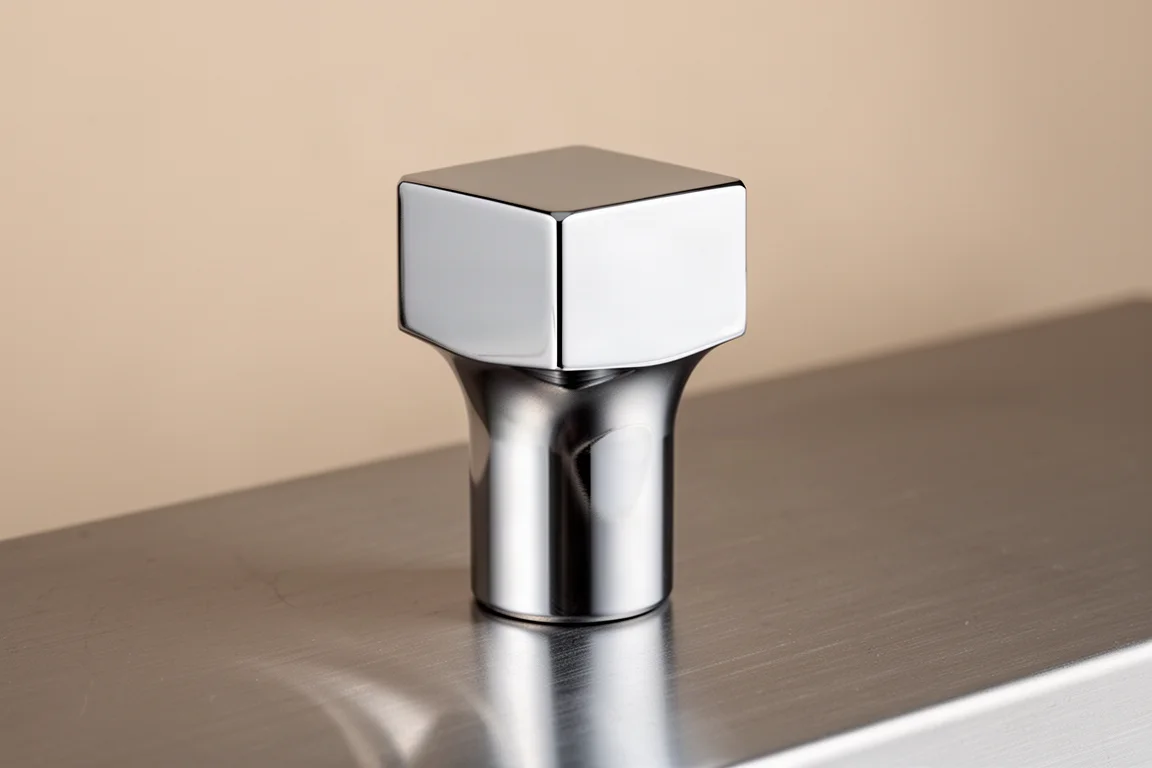
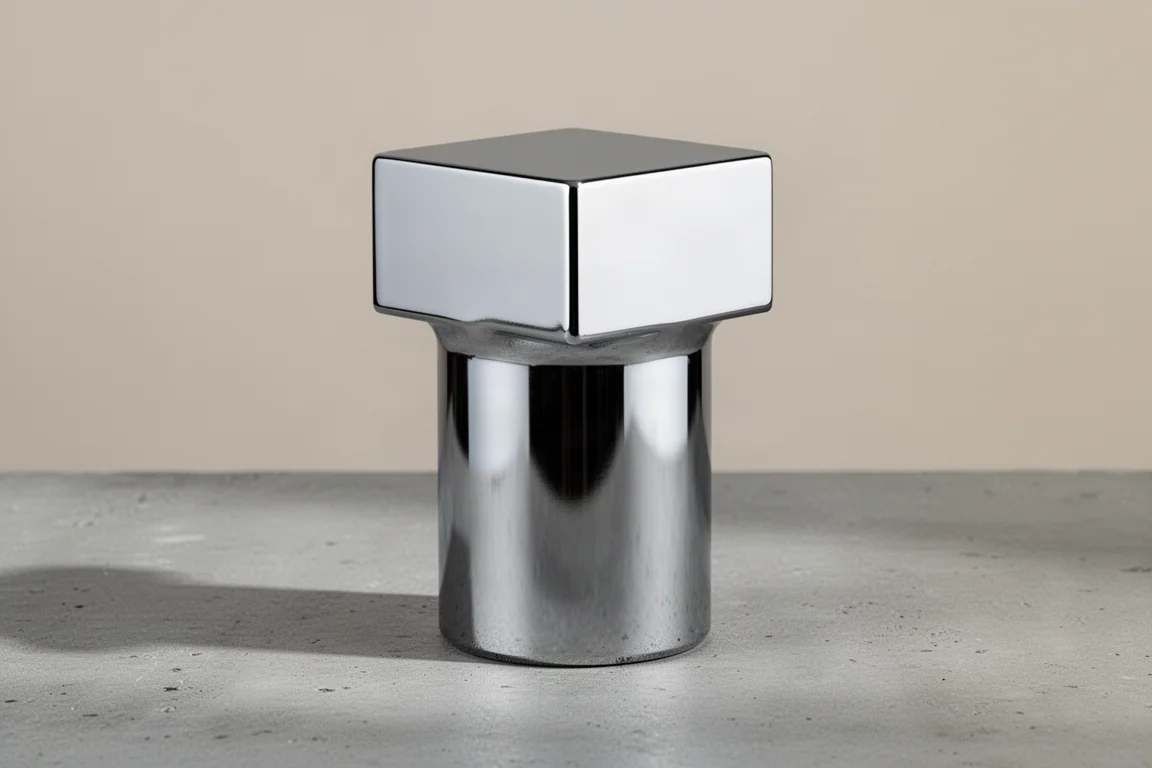
The headline feature is the shape. Instead of the traditional round exterior, the socket turns square at the top, and that change is more than cosmetic. The flat sides give you something to grab with a wrench, pliers, or another tool, which can matter when a fastener is stubborn and you want more torque than a ratchet alone provides.
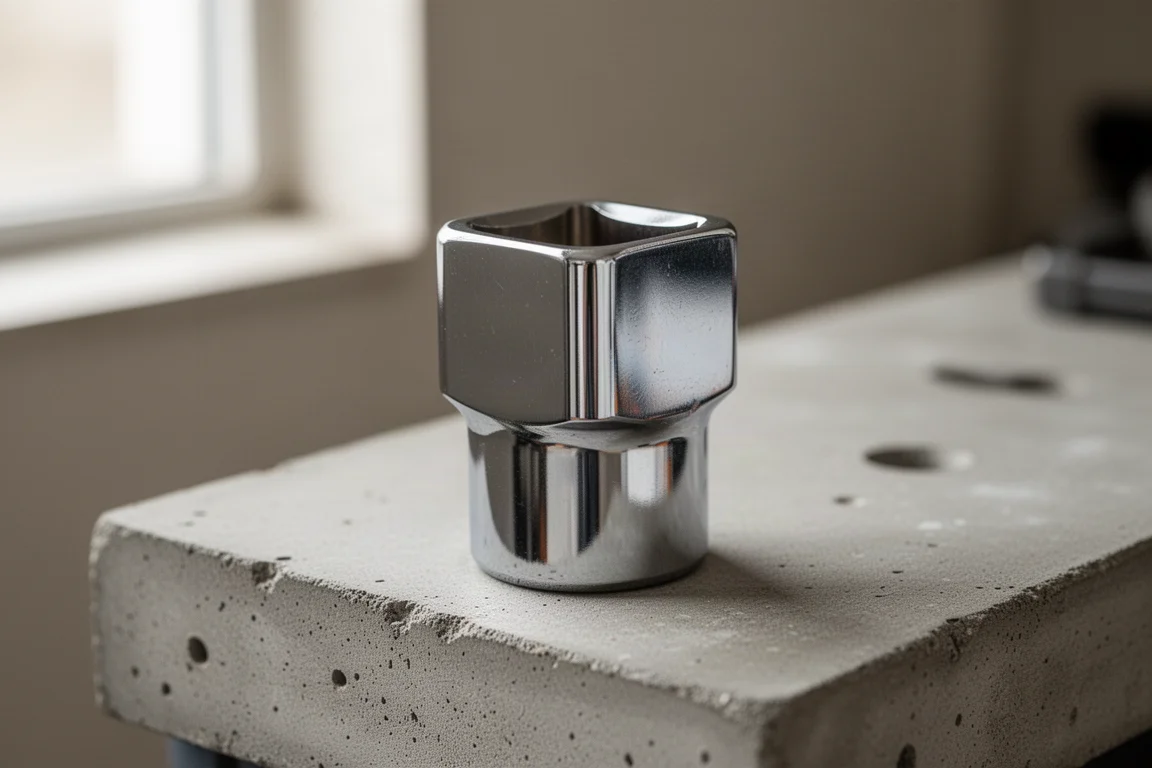
It also has a practical side benefit: the socket does not roll the way a regular socket does. Milwaukee markets this as anti-roll and wrench ready, and while a dropped socket will probably still find its way under the car, it is noticeably less inclined to wander off a bench.
Build and Origin
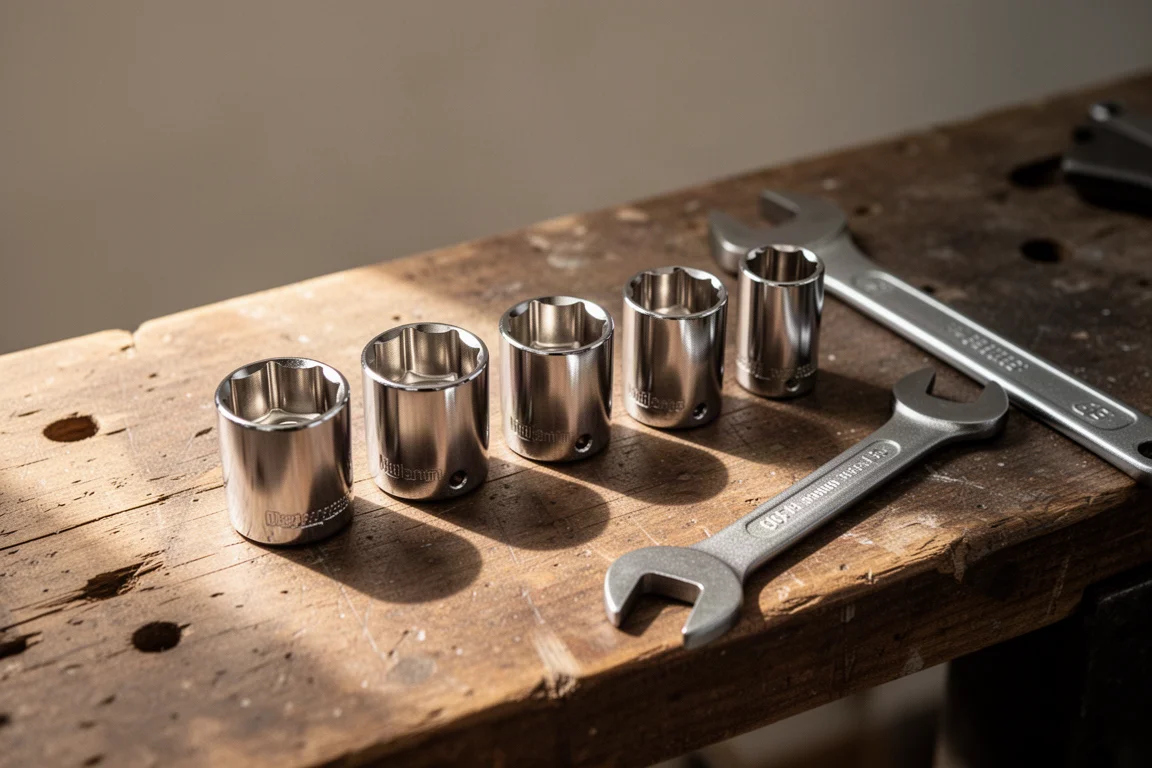
Both sockets carry chrome finishes and clean machining, and each is marked as engineered by Milwaukee Tool and professionally made in China. That labeling is worth appreciating: if a company maintains good quality control, workmanship, and materials, there is no reason to hide where production happens. The finish is the main long-term question, since chrome plating on imported tools can sometimes be thinner, and grabbing the square body with wrenches and pliers will put that finish to the test.
Sizing, Markings, and Fit
The size is laser etched on two flat sides rather than on the edges. That makes sense given the grab-anywhere design, since you would grip the edges and leave the marked sides untouched, though marking all four sides would have been a small convenience. Compared against a USA-made Craftsman and a Snap-on, the fit tolerance lands about average, with a slight wiggle on the drive square similar to other brands.
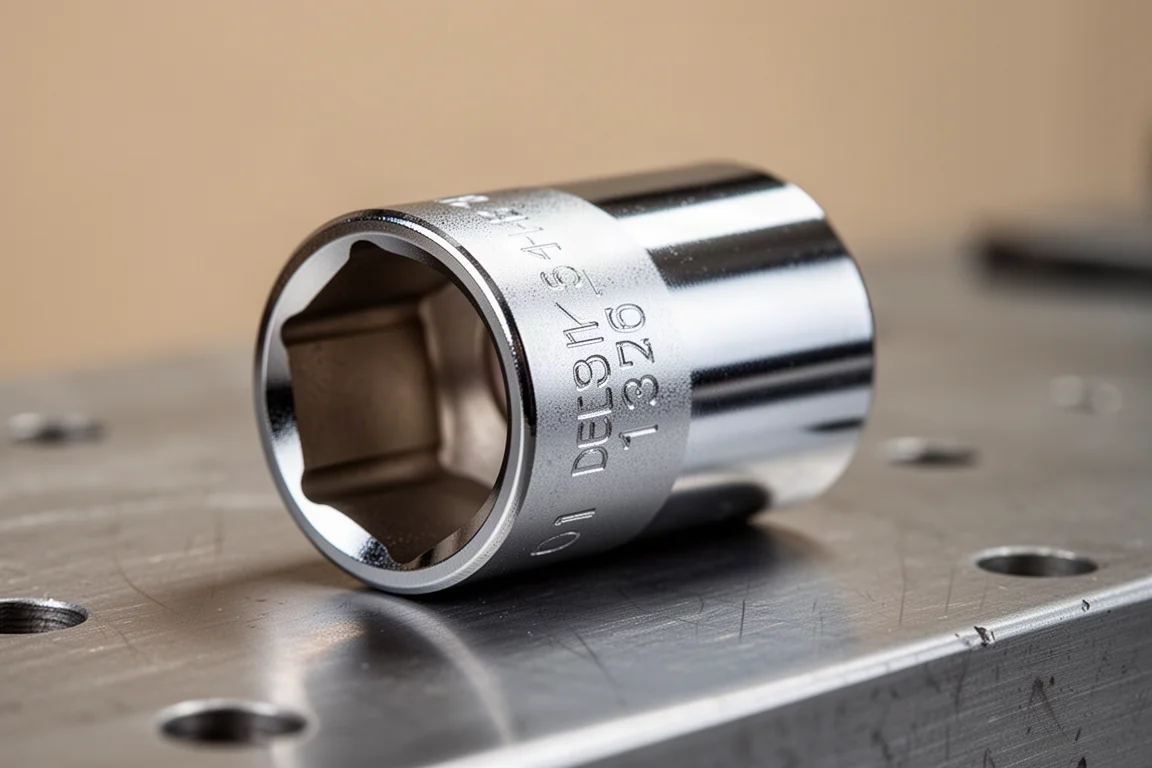
One of the more interesting details is how the drive square itself doubles as a wrench-ready lug. The 1/4-inch drive square takes an 11 mm wrench, while the 1/2-inch drive square fits a 19 mm wrench well, with a 3/4-inch fit described as dead on. That means you can attach the socket to a fastener and then turn it with a large driver or a wrench on the drive square itself.
1/4-Inch Drive vs 1/2-Inch Drive
Both samples reviewed here are 10 mm deep sockets, one on 1/4-inch drive and one on 1/2-inch drive. The 1/4-inch version was tested on a plain handle with the ratcheting mechanism removed, which is where the wrench-ready square shows its value in lighter applications. The 1/2-inch version is the one to reach for when you want to put serious torque through the fastener, especially when pairing it with an 18-inch breaker handle, which fits on the socket body with only a little wiggle.
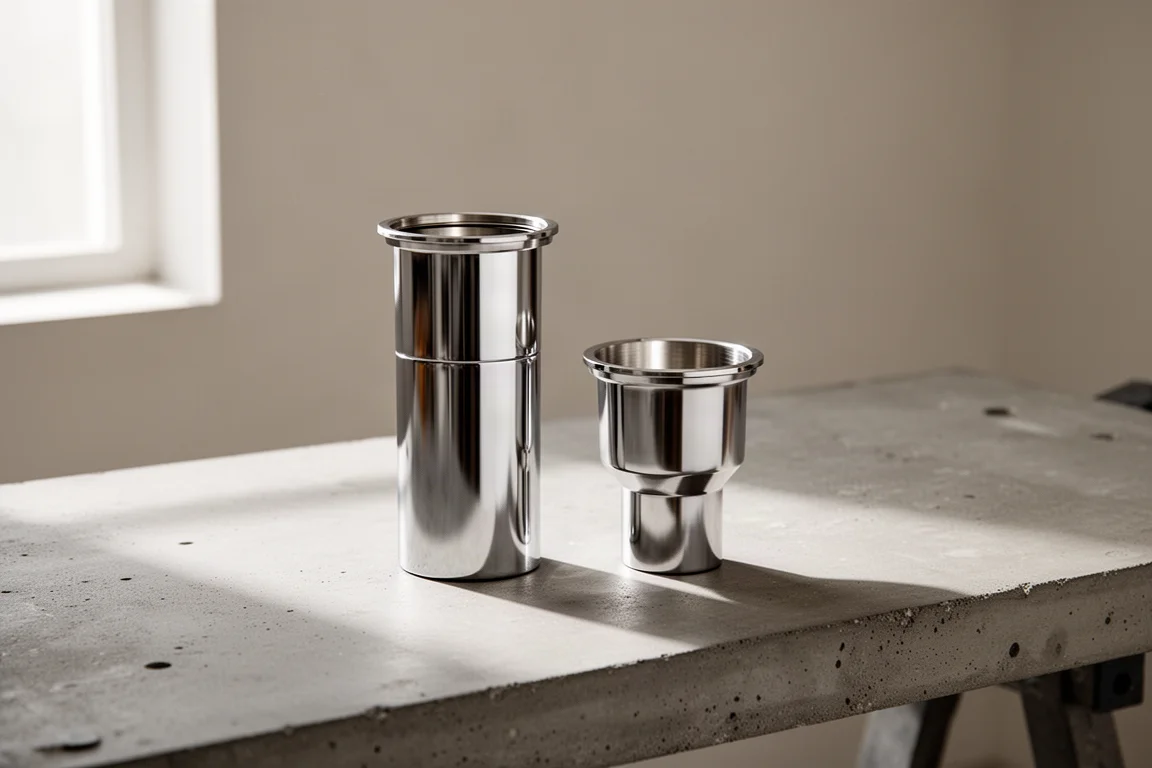
Between the two, the 1/2-inch is the more versatile buy for anyone who expects to use the grab-and-turn feature under load, while the 1/4-inch suits precision work and lighter fasteners. A 3/8-inch drive version exists in the line but was sold out at the time of testing, and it looks like a sensible middle ground.
Who Should Consider These
If you keep a socket set in a car trunk or a home garage, the anti-roll design alone is a nice quality-of-life touch. If you work on equipment where seized or tight fasteners are common, the ability to wrench or pry on the socket body adds a genuine backup plan when a ratchet is not enough.
Durability Questions Worth Watching
The open questions are long term: how well the chrome holds up to repeated grabs with wrenches and pliers, and whether a more impact-rated finish might come later. Neither changes the initial impression, which is that this is a genuinely innovative take on a design that has barely changed in a century.
For anyone building out a set, starting with the drive size that matches your existing ratchets is the sensible path, and waiting to see how the finish holds up over months of use is a fair strategy too.
Conclusion
Milwaukee’s Square Drive Deep Sockets take a tool that has not changed fundamentally in generations and make it measurably more useful: wrench-ready flat sides, anti-roll behavior, clean etched markings, and reasonable fit quality. If the long-term finish durability proves out, this could quietly become a standard design rather than a novelty.
Further reading
Related Reviews
Hand Tools
Best Diagonal Cutters 2026: 16 Pliers Tested for Cutting Power and Durability
We put 16 diagonal cutters through nail, screw, drill bit, and hex key tests to find the best value picks for your toolbox.
Hand Tools
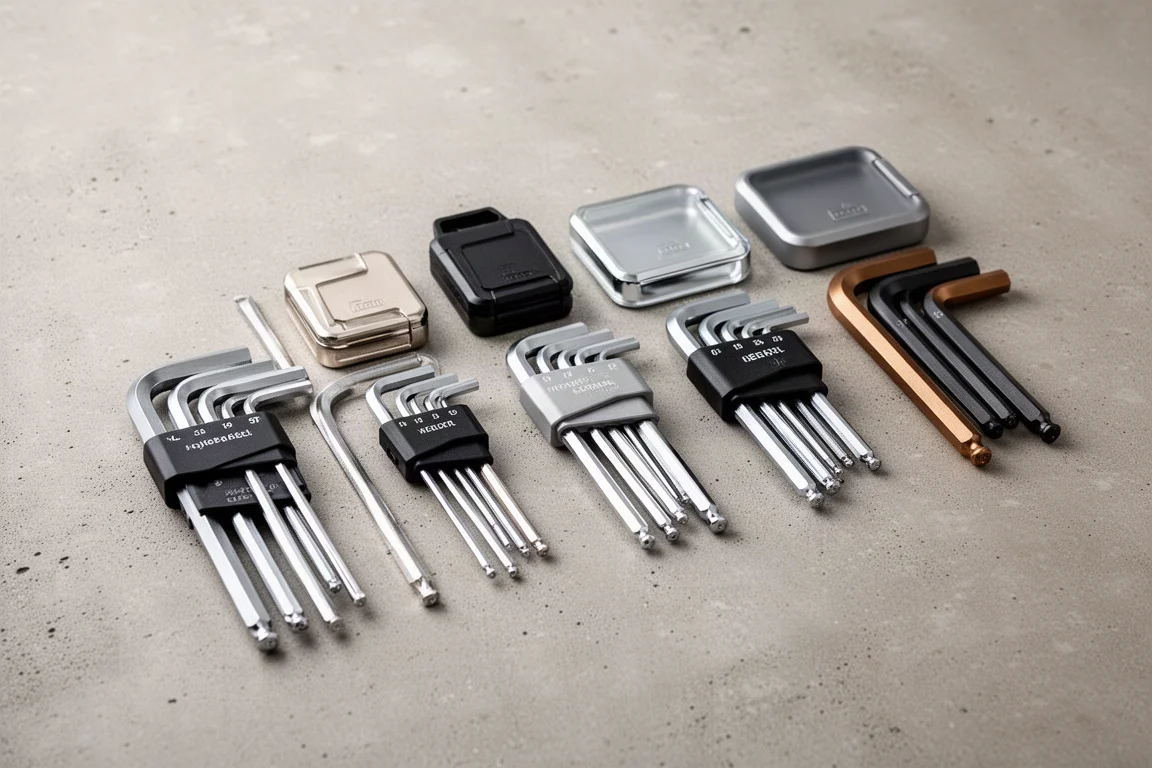
Best Hex L Key Sets 2026: Nine Sets Tested for Real-World Torque
Nine hex L key sets from budget to premium, tested for torque, fit, and durability. See which sets deliver real performance and which ones to skip.
Hand Tools
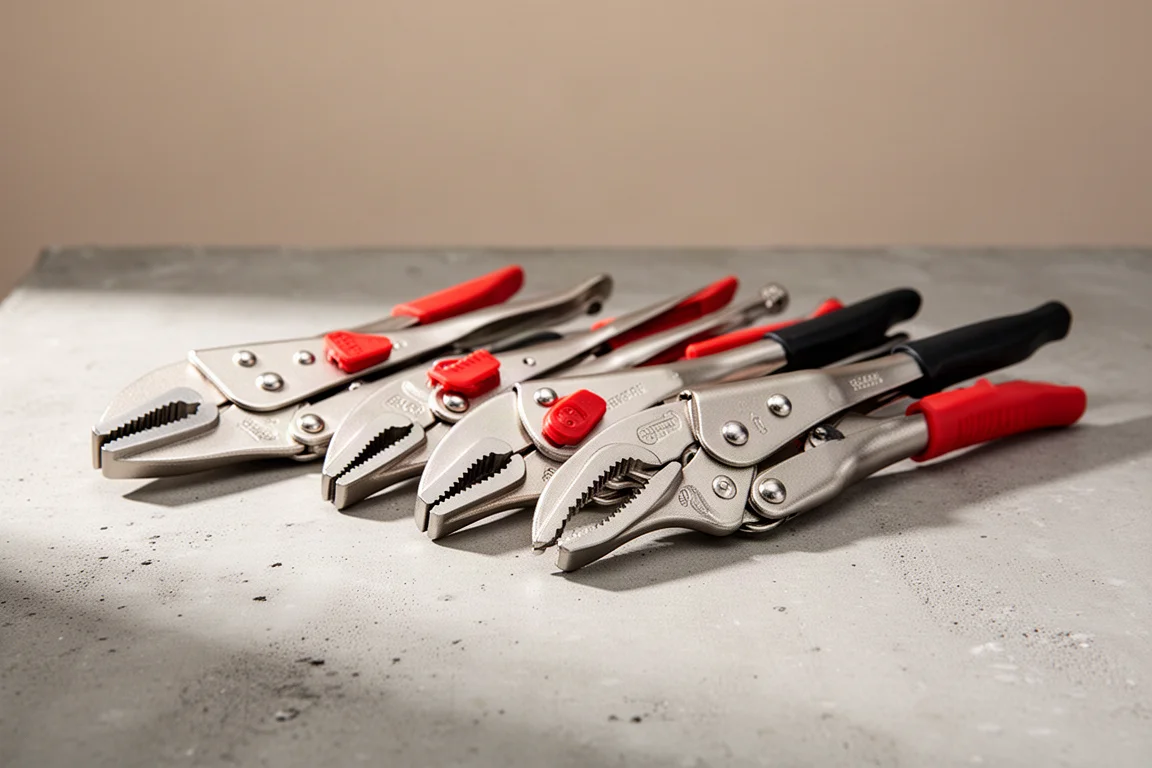
Best Locking Pliers 2026: Top Picks Tested for Grip and Durability
We tested 18 brands of 10-inch locking pliers for grip strength, jaw bite, build quality, and ease of release to find the best options for tough jobs.