Power Tool Accessories
Milwaukee Shockwave 3/8 inch Threaded Rod Nut Runner Review: A Specialty Tool That Earns Its Keep
A beefy, single-purpose nut runner for 3/8 inch threaded rods that can spin 9/16 inch fasteners up a rod fast and even lift up to 100 lb while you work.
Introduction
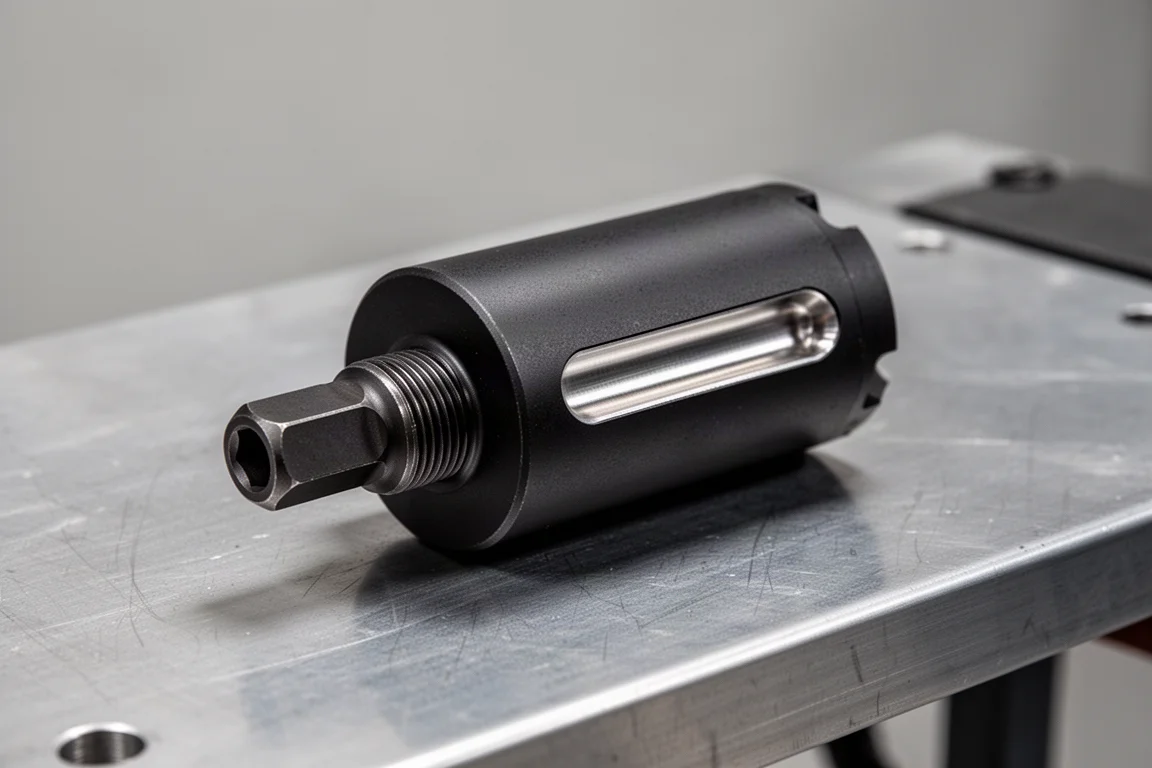
Milwaukee’s Shockwave 3/8 inch Threaded Rod Nut Runner is a fairly recent addition to the lineup, and it is unapologetically niche. It is a fairly beefy piece of kit, with a lot of density and a lot of metal inside, and it exists for exactly one job: spinning nuts up and down 3/8 inch threaded rods.
If you regularly work with suspended ceilings, cable trays, or anything else hung from long threaded rods, that single job can eat an enormous amount of time when done by hand. This tool aims to compress it dramatically, with Milwaukee claiming it runs nuts up to nine times faster. For a specialty accessory, it deserves a closer look.
What This Tool Is Designed to Do
The scope here is narrow, and that is worth stating clearly. This nut runner is designed to spin nuts on 3/8 inch threaded rods only, and only 9/16 inch fasteners that fit into it. Other fasteners that also fit 3/8 inch rods will not fit here, and the tool cannot be used on smaller or larger rods. If your work lives outside that exact combination, this is not your tool.
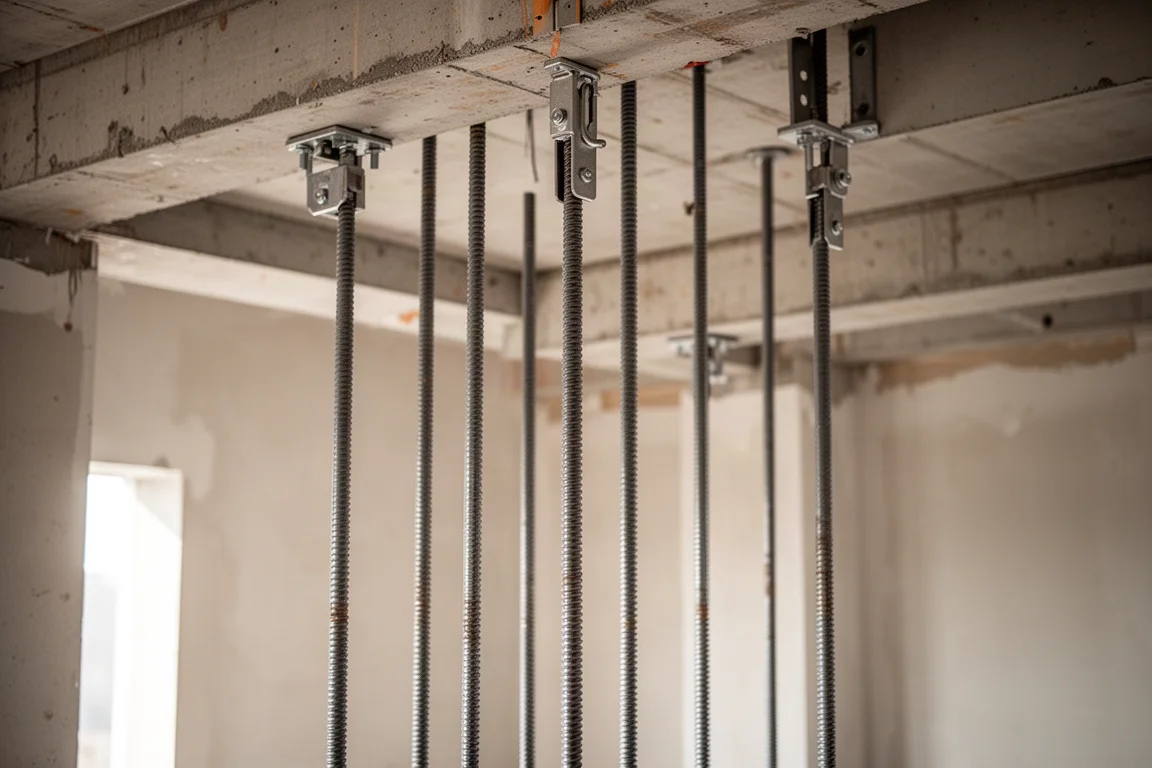
Within that scope, though, it slots directly onto an impact driver, letting the driver’s spinning mechanism run nuts along the rod. The benefit is speed: instead of threading each nut up a long rod by hand, you let the tool do the work. Anyone doing suspended ceilings or cable tray work, where there may be many rods and a lot of leveling involved, will immediately see the appeal.
How It Works in Practice
There is a technique to using it well. The nut rides a little above the spinning mechanism by design, and when you first engage a rod, the tool wobbles around until enough of the rod enters the metal stabilizing channel built into the body. Start out slow at first; once enough rod is in the channel, it locks in nice and solid, and you can run it at full speed.
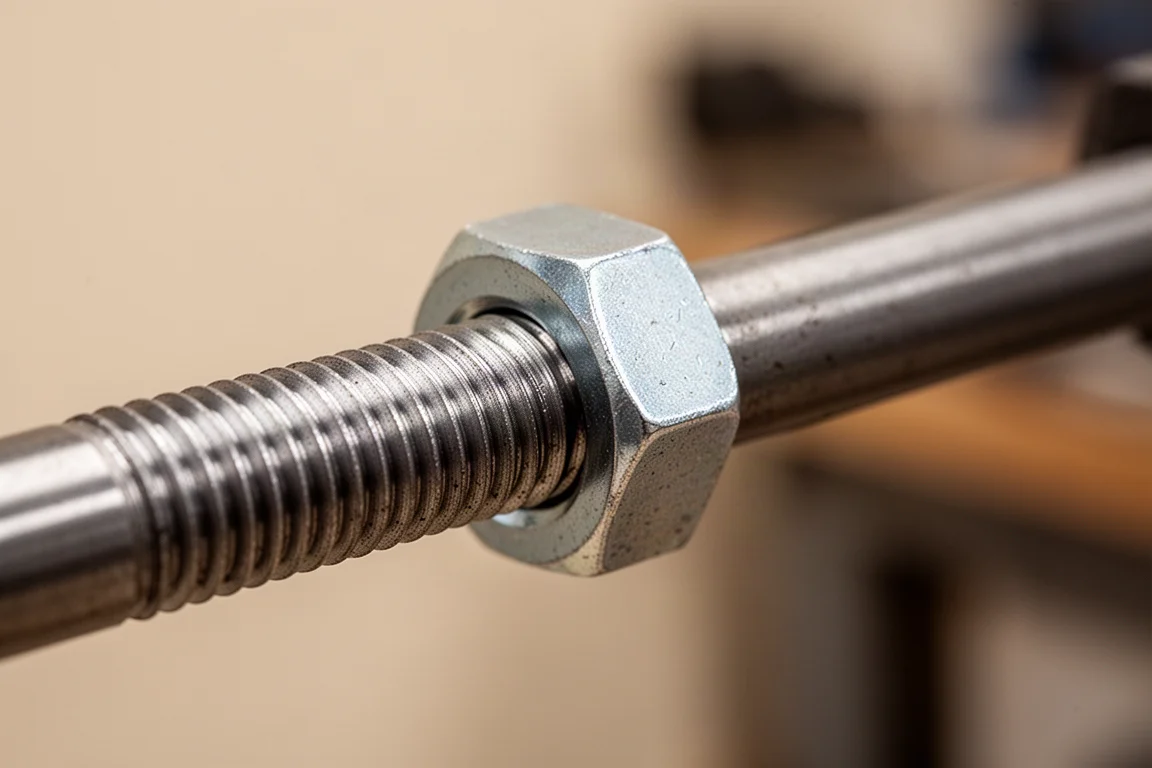
Getting the nut off is just as quick. You can either pull the rod all the way out, or add a tiny bit of pressure while spinning so the rod slides out and the catch engages. And without even touching the reversing selector, you can flip the tool over, catch the nut, lock it in, and spin it off. It is a simple, mechanical design, and other companies make similar tools, but this one is built to feel very solid in use.
One important contrast: unlike a surface drive socket designed for assembly line work, where you leave the tool spinning as you engage different fasteners, this one absolutely has to be stopped before engagement. Because it sits on the end of your impact driver, the whole assembly can spin out of control if it slides off the end of the rod or if there is not enough rod in the stabilizing channel.
The Lifting Trick: Up to 100 lb
This is the feature that sets the tool apart from a plain nut-running socket. Milwaukee says it can lift up to 100 lb, and the reason the nut sits above the mechanism is precisely so you can hang a load on it while the rod passes through.
In practical terms, that means when you are setting a cable tray or similar component, you can hang the tray from the tool on the rod, line it up, and lift it into position, rather than sliding it up, clamping it in place, and then running the nut up afterward. Anyone who has done this by hand knows that adding resistance makes the job harder. Being able to support the load on the same tool that runs the nut removes a real pain point from the workflow.
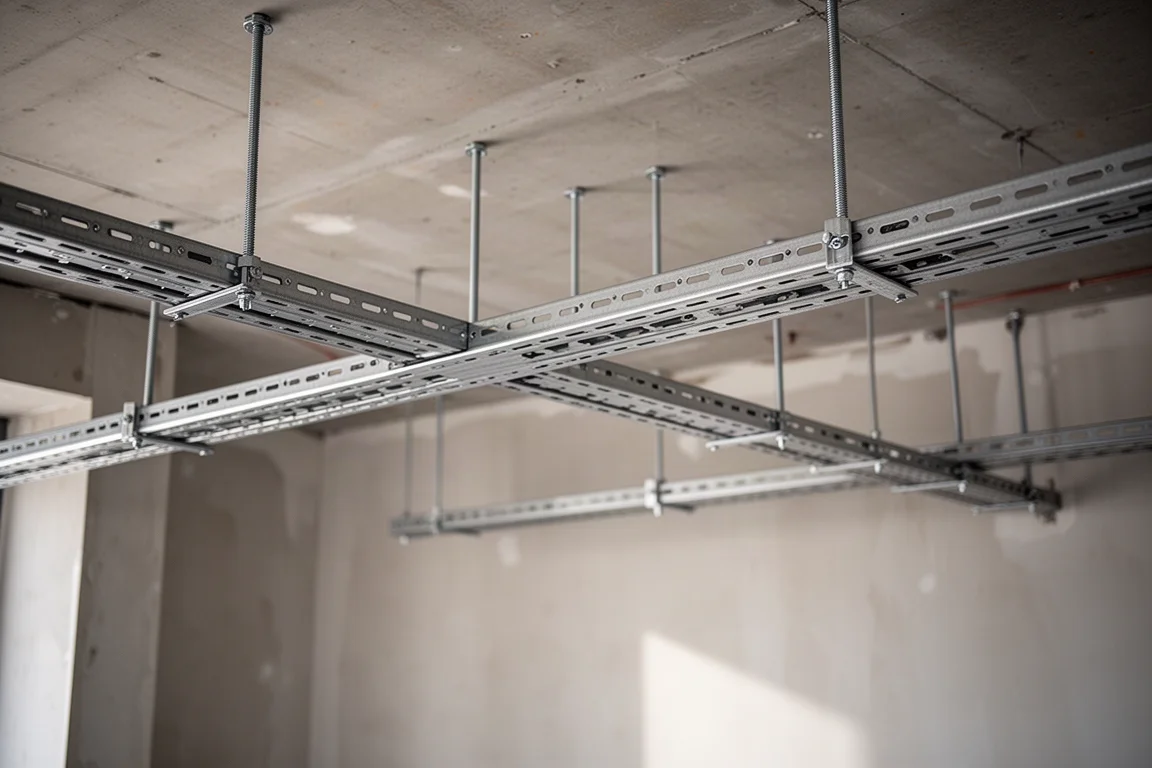
Be aware that things get a little dicey near the end of the rod, so it helps to use the reversing selector and work with care as the nut approaches its final position.
Build Quality and Pricing
The tool uses Milwaukee’s Shockwave stem and Shockwave technology for impact drivers, which is designed to reduce some of the stress on the tool. The overall build is very solid, and the price reflects it: it comes in at around $60, roughly 59 and change. A good part of that cost comes down to the machining and the way the tool was designed to be so dense and durable.
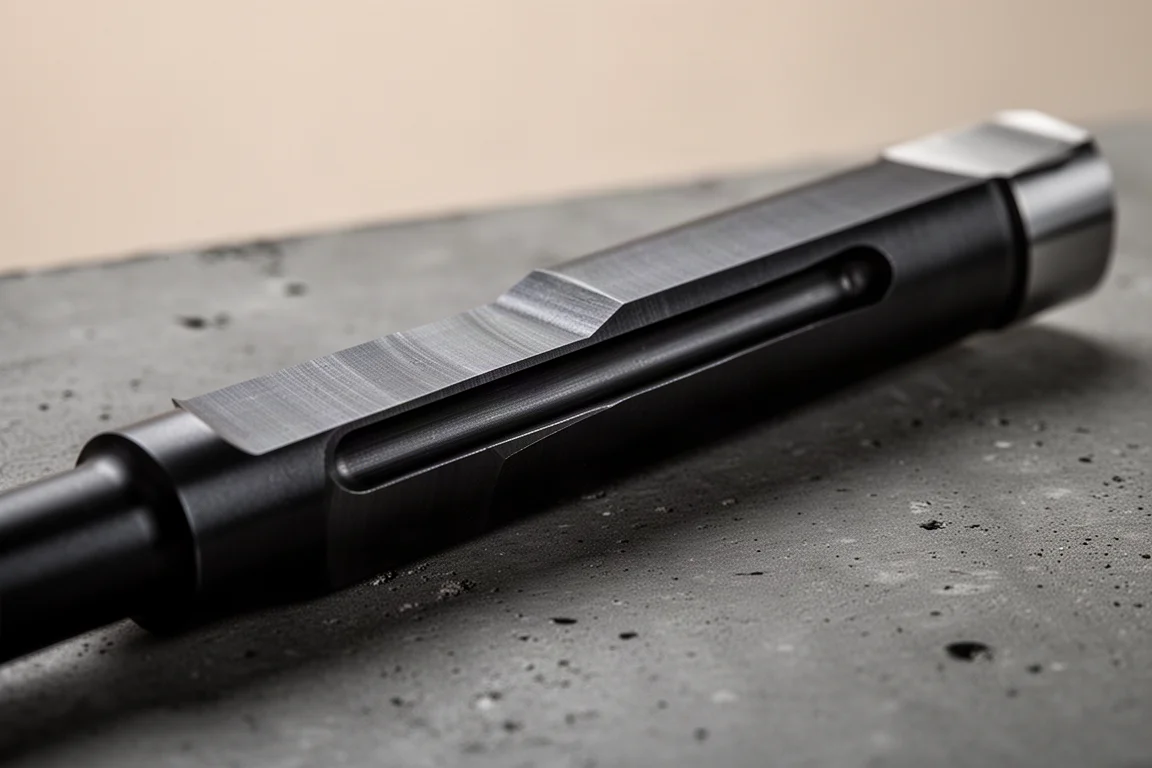
It is a lifesaver, as the saying goes, if you have to run a lot of nuts. Milwaukee has clearly been pushing into these niche markets, and this tool fits that pattern well: a tightly scoped, well-machined accessory for a specific trade task.
Things to Consider Before Buying
- It works only with 3/8 inch rods and 9/16 inch fasteners. Nothing else fits.
- You must stop the tool before engaging a fastener; it is not a surface drive design.
- The tool wobbles until enough rod is in the stabilizing channel, so start slow.
- Around $60 is a real investment for a single-purpose accessory.
Buying Advice
If you spend your days hanging suspended ceilings or cable trays from 3/8 inch threaded rods, this tool will pay for itself quickly in saved time and reduced hand strain. The lifting capability up to 100 lb alone justifies it for tray work. If your threaded rod work is occasional, or your rods and fasteners are a different size, skip it; the tool’s strength is its specialization, and outside that specialization it simply will not fit.
Conclusion
The Milwaukee Shockwave 3/8 inch Threaded Rod Nut Runner is exactly what a good specialty tool should be: simple, solidly built, and dramatically faster than the manual alternative. With its stabilizing channel, Shockwave stem, and 100 lb lifting capacity, it is a well-thought-out addition for anyone doing repetitive threaded rod work. Just make sure your rods and fasteners match its 3/8 inch, 9/16 inch scope before buying.
Product link
View more details for Milwaukee Shockwave 3/8 inch Threaded Rod Nut Runner
This product is mentioned in the review. Check the specifications, options, and compatibility before buying.
View more details for Milwaukee Shockwave 3/8 inch Threaded Rod Nut RunnerFurther reading
Related Reviews

Power Tool Accessories
Best Drill Attachments 2026: Three DeWalt Tools Worth Buying
A practical look at three DeWalt drill attachments that deliver real value, plus the sketchy options you should skip.

Power Tool Accessories
Best Drill Bits 2026: 14 Sets Tested on Mild Steel, Spring Steel, and AR500 Armor
We tested 14 drill bit sets across mild steel, spring steel, and AR500 armor plating to find the best value, speed, and durability.

Power Tool Accessories
Best Right Angle Impact Adapters 2026: Five Options Tested for Speed, Torque, and Durability
We tested five right angle impact adapters from DeWalt, Milwaukee, Warrior, Titan, and Milescraft to see which ones deliver real performance without failing early.