Hand Tools
Milwaukee Sawzall Blade Holder 4808-0401: A Small Tool Worth Hunting For
A discontinued reciprocating saw blade holder with a threaded rear end, a great grip, and nearly two decades of faithful service.
Introduction
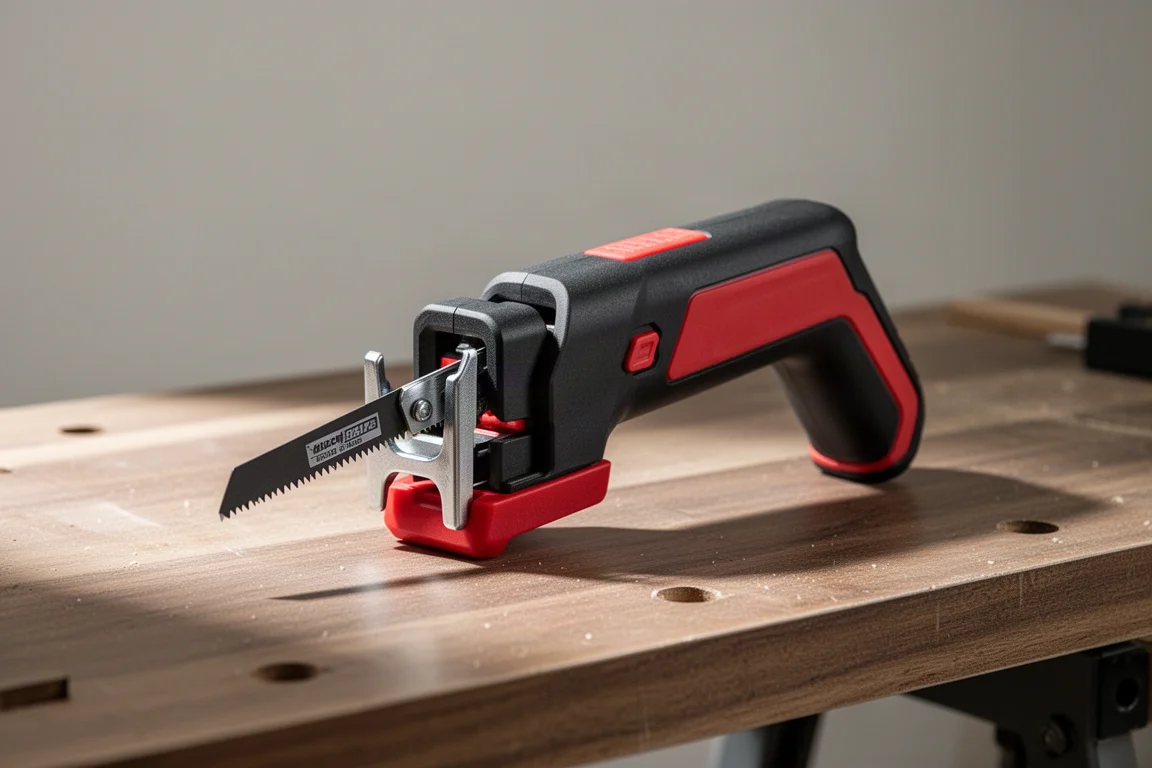
Some tools earn a permanent spot in a drawer for reasons that are hard to explain until you have used one yourself. This Milwaukee Sawzall blade holder is one of those. It is a simple handheld device for snapping in standard reciprocating saw blades and using them manually, and it has built a devoted following among people who work with their hands. One detail worth flagging up front: it carries no product number anywhere on its body, which is part of why it has been so hard to track down. The number, confirmed from a 2007 Fine Homebuilding listing, is 4808-0401, and it was almost certainly sold well before then too.
Who This Product Is For
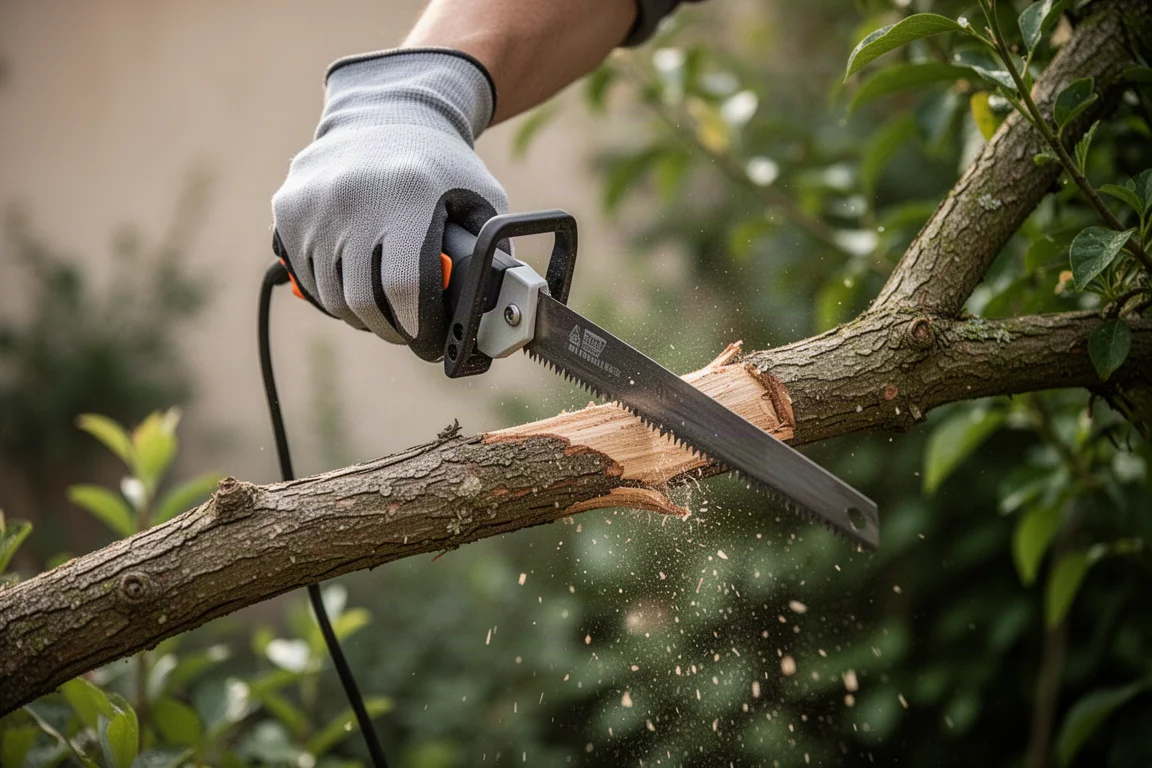
This holder suits anyone who already leans on reciprocating saw blades for more than just demolition. If you do pruning and gardening, workshop projects, demo work, or EMS-style tasks that call for a high-powered metal-cutting tool in tight spots, a manual blade holder gives you fast access to the blade without firing up the saw. It is also genuinely useful for reduced-access environments where a full reciprocating saw simply will not fit, as long as the blade has enough travel to do its job.
Design and Handling
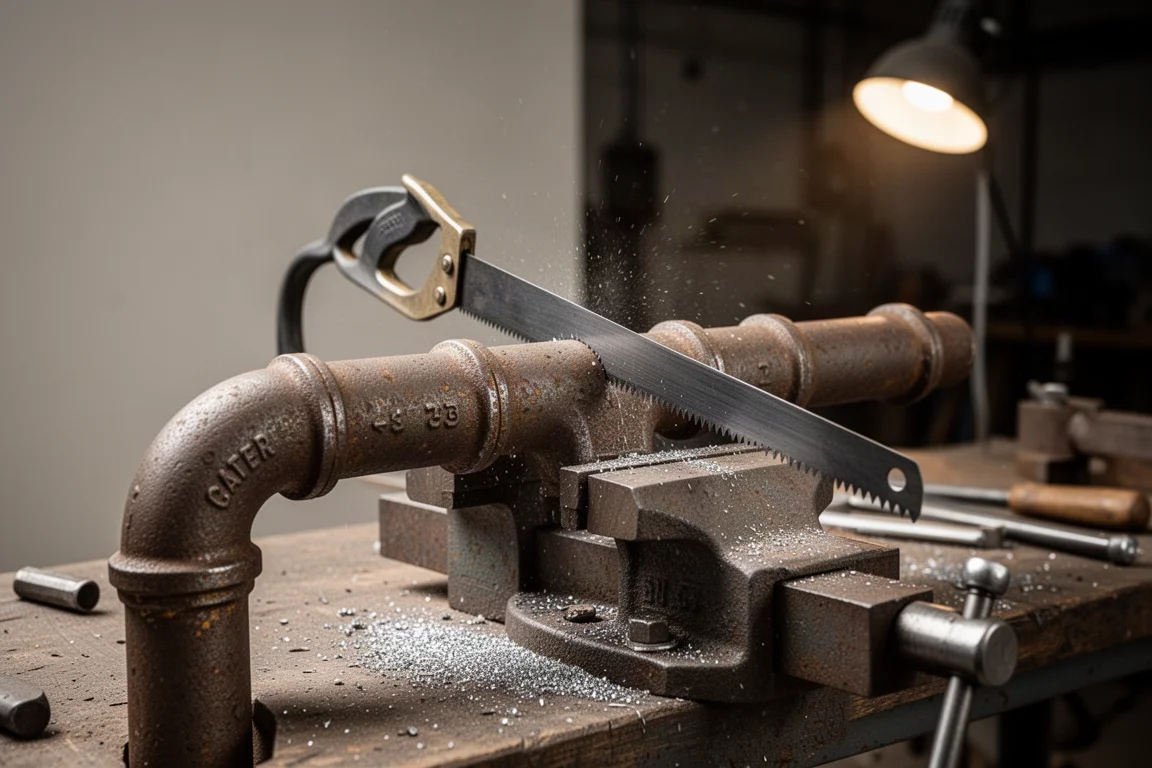
The design could hardly be simpler. The front end uses the same standard Sawzall blade-grabbing mechanism you would find inside a full reciprocating saw: you drop a blade in and the collar clamps it. There is no folding feature, but the trade-off is speed. It is fast to use, and the handle is excellent. The rear end is threaded, so you can screw on something like a broom handle or a shop tool for extended reach, which opens up uses the holder alone cannot cover.
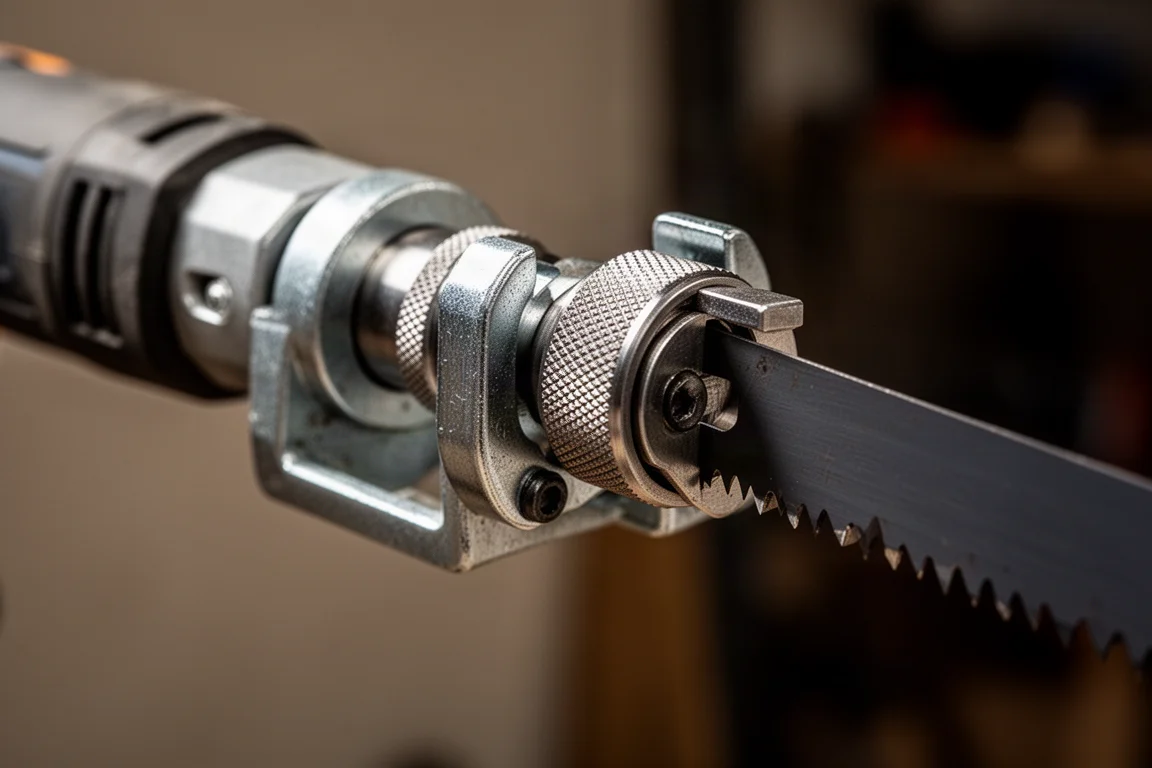
The unit is marked Milwaukee heavy duty, with a Taiwan marking, and the front end remains sharp even after years of work. Compared with other jab saw and reciprocating blade holders that have come and gone from the same drawer, this is the one the owner always comes back to.
A Blade-First Way of Working
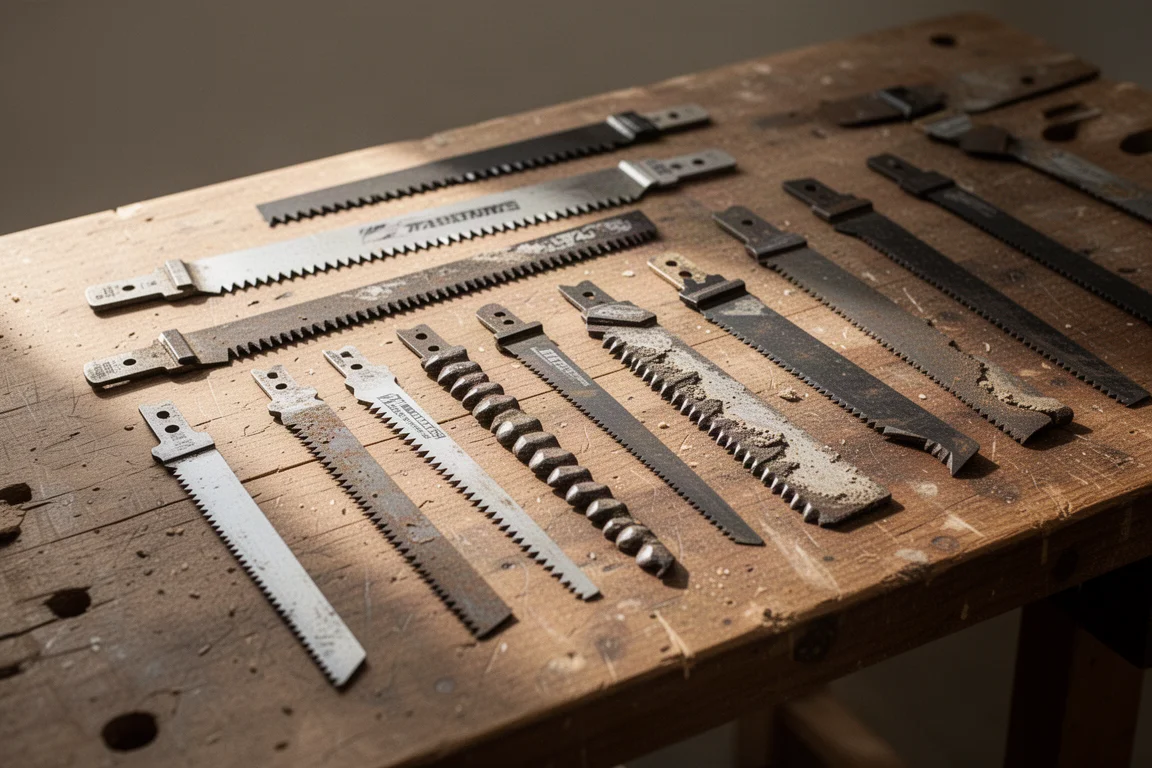
Part of the appeal of this holder is that it plugs into a whole ecosystem of reciprocating blades. They are outstanding for everything from gardening and pruning to demolition and shop projects, and blade sets are usually kept in service until they genuinely have nothing left to give. The range is wide: standard wood-cutting blades, metal and nail-cutting blades, larger and shorter formats, and different kerfs and tooth counts such as 24 and 18, plus small curved blades for tighter work.
Brand names matter here too. Diablo blades are a favorite for many users, the Wrecker is a strong all-around option, and Lenox and Bosch demolition blades round out a well-stocked kit. There are even small carbide blades for hacksaw-style use in cramped spaces.
Things to Consider Before Buying
Two cautions are worth knowing. First, the blades themselves are not cheap: some diamond and carbide versions run close to $25 apiece, so building a stock is an investment. Second, in reduced-access work, the blade needs enough reciprocation room; if the stroke runs into an obstruction, the cut can stall.
It is also important to set expectations on availability. There is no sign that Milwaukee still makes this holder, and the original product listing dates back to at least 2007. The realistic path to owning one is keeping an eye out on the secondhand market or hoping another company picks up the idea, which would likely sell well given how often this tool comes up in conversation.
Buying Advice
If you are chasing one of these, know exactly what you are looking for: the 4808-0401, a Milwaukee heavy duty blade holder made in Taiwan, with a threaded rear end and the standard Sawzall-style front end. Verify the front end still clamps firmly and that the collar opens and closes smoothly, since the mechanism is the whole point of the tool. Even heavily used examples can be worthwhile if the grab mechanism is intact, because the design is robust enough to keep working for decades.
Conclusion
The Milwaukee Sawzall blade holder 4808-0401 is a rare example of a tool that needs no upgrades, no batteries, and no instructions. It just grabs a blade, fits your hand well, and gets to work. If you spot one available, it is an easy buy; if you do not, the threaded-rear, collar-clamp concept is a template any toolmaker would be smart to revisit.
Product link
View more details for Milwaukee Sawzall Blade Holder 4808-0401
This product is mentioned in the review. Check the specifications, options, and compatibility before buying.
View more details for Milwaukee Sawzall Blade Holder 4808-0401Further reading
Related Reviews
Hand Tools
Best Diagonal Cutters 2026: 16 Pliers Tested for Cutting Power and Durability
We put 16 diagonal cutters through nail, screw, drill bit, and hex key tests to find the best value picks for your toolbox.
Hand Tools
Best Hex L Key Sets 2026: Nine Sets Tested for Real-World Torque
Nine hex L key sets from budget to premium, tested for torque, fit, and durability. See which sets deliver real performance and which ones to skip.
Hand Tools
Best Locking Pliers 2026: Top Picks Tested for Grip and Durability
We tested 18 brands of 10-inch locking pliers for grip strength, jaw bite, build quality, and ease of release to find the best options for tough jobs.