Hand Tools
Milwaukee Pocket Keyhole Saw: A Keyhole Saw That Finally Got Rethought
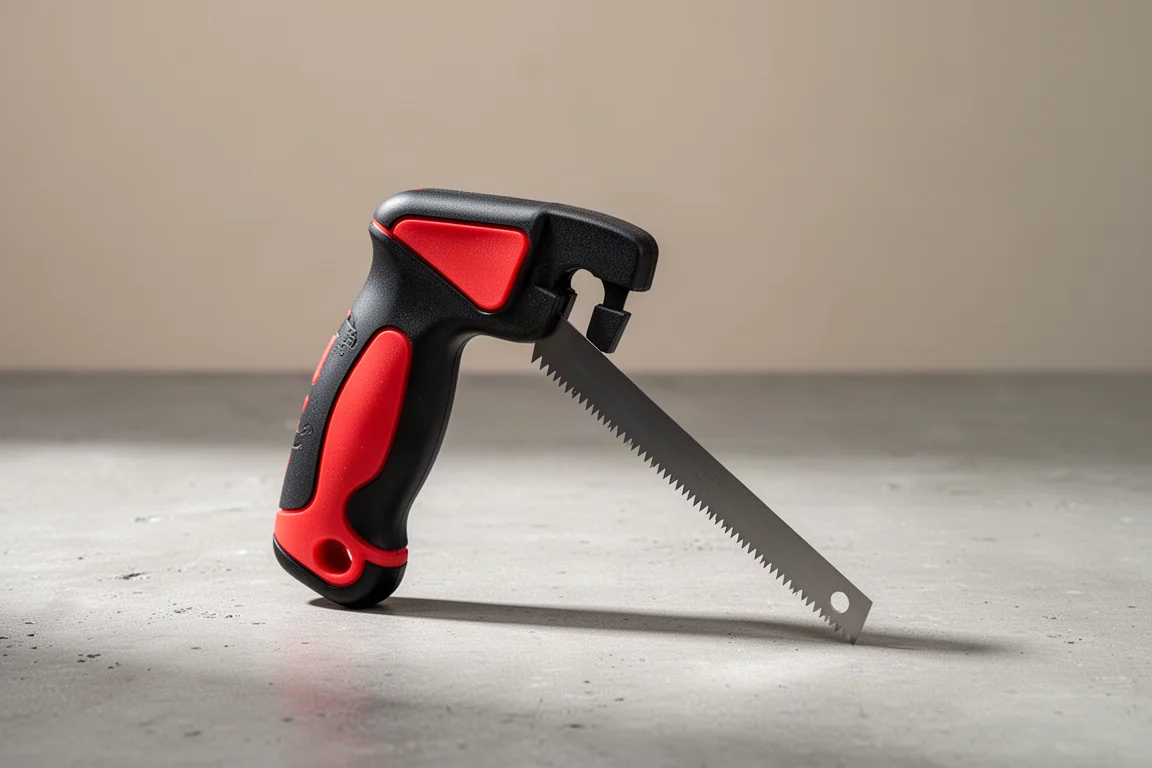
Milwaukee reworked the old keyhole saw by accepting reciprocating saw blades, turning a bulky wall-cutting tool into a pocket-sized one.
Introduction
Every construction site runs on saws: circular saws, mitre saws, table saws, band saws, jigsaws. The list is long and the bases are usually covered. But a few less glamorous hand saws fill gaps the big machines cannot, and one of them has just received the kind of redesign that makes people ask why nobody thought of it sooner. Milwaukee’s pocket keyhole saw takes the familiar wall-cutting tool and makes it accept reciprocating saw blades, shrinking it to something that genuinely fits in a pocket.
Why a Keyhole Saw Still Matters
Keyhole and compass saws exist for cuts the big saws cannot reach: starting an opening in drywall, cutting in an electrical box, trimming back a board in place. They have looked roughly the same for decades, which is exactly why Milwaukee’s update stands out.
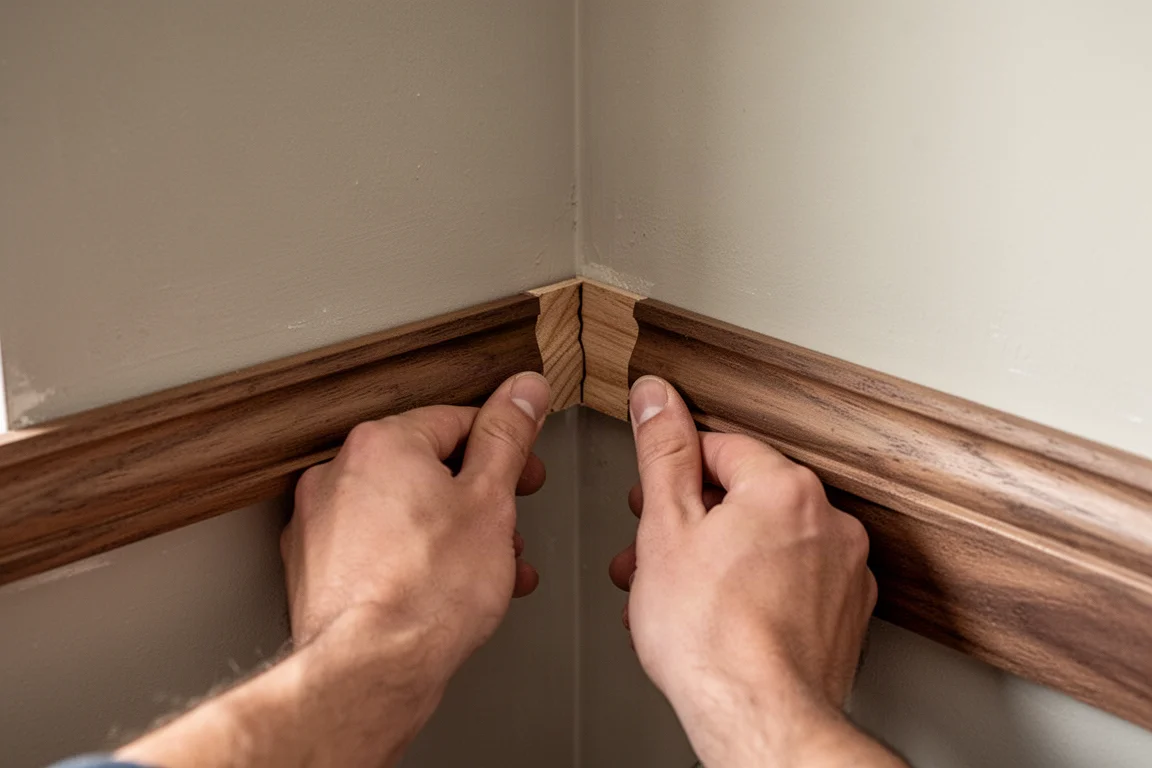
That spirit of small, problem-solving hand tools is also what keeps classics like the coping saw alive. Coping inside-corner joints on stain-grade trim avoids every problem that mitres create on out-of-square walls: a first 90-degree cut from one side, a 45-degree mitre from the other, then a curved follow along the line where the faces meet. With a pull-stroke coping saw, the joint nudges into place without putty, caulk, or shimming, and no pencil mark is even needed once you get the hang of it.
The Blade-Swapping Idea
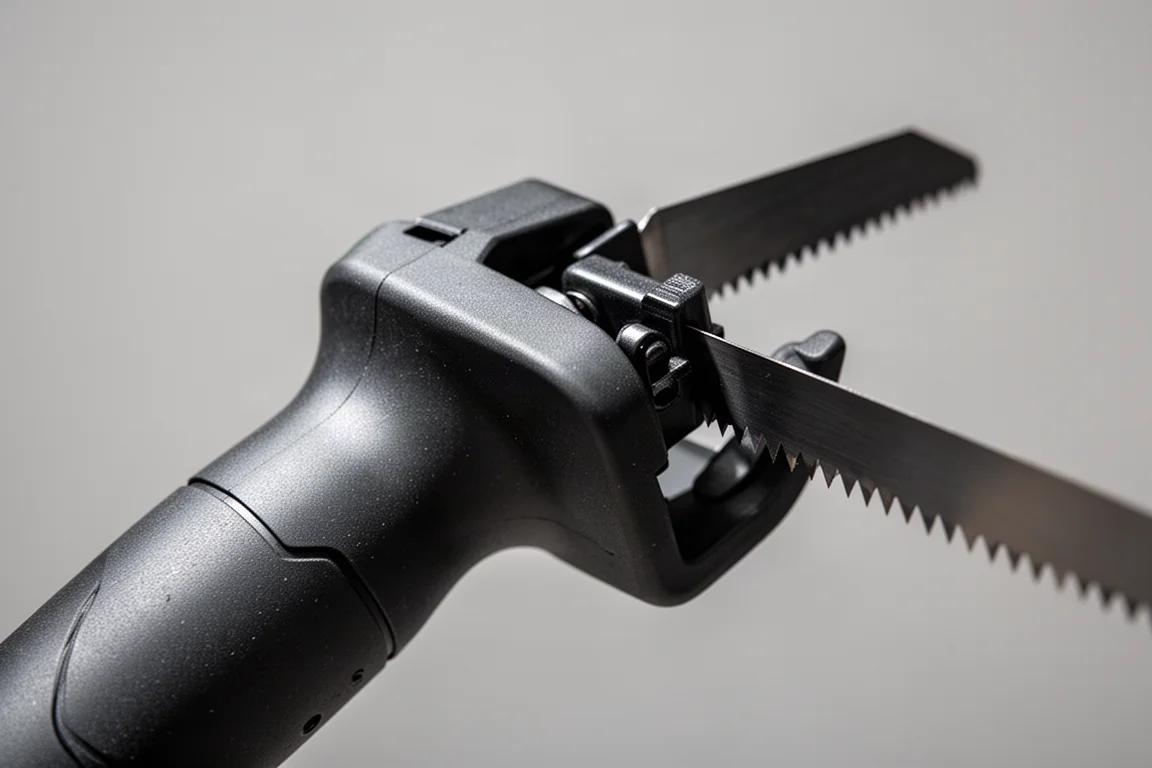
The core change is simple and clever: the handle accepts standard reciprocating saw blades. That means the entire ecosystem of blades the market has produced, including hacksaw, jigsaw, and fine-tooth patterns, becomes available in a palm-sized handle. Swap in the right blade and your drywall saw transforms into a pocket cutting tool for metal, plastics, or fine work.
It is a genuine rethink of a tool most people assumed was finished evolving. Anyone who has carried a full-length keyhole saw to a punch-list task will immediately see the appeal of one that rides in a pocket.
Everyday Cutting Situations It Fits
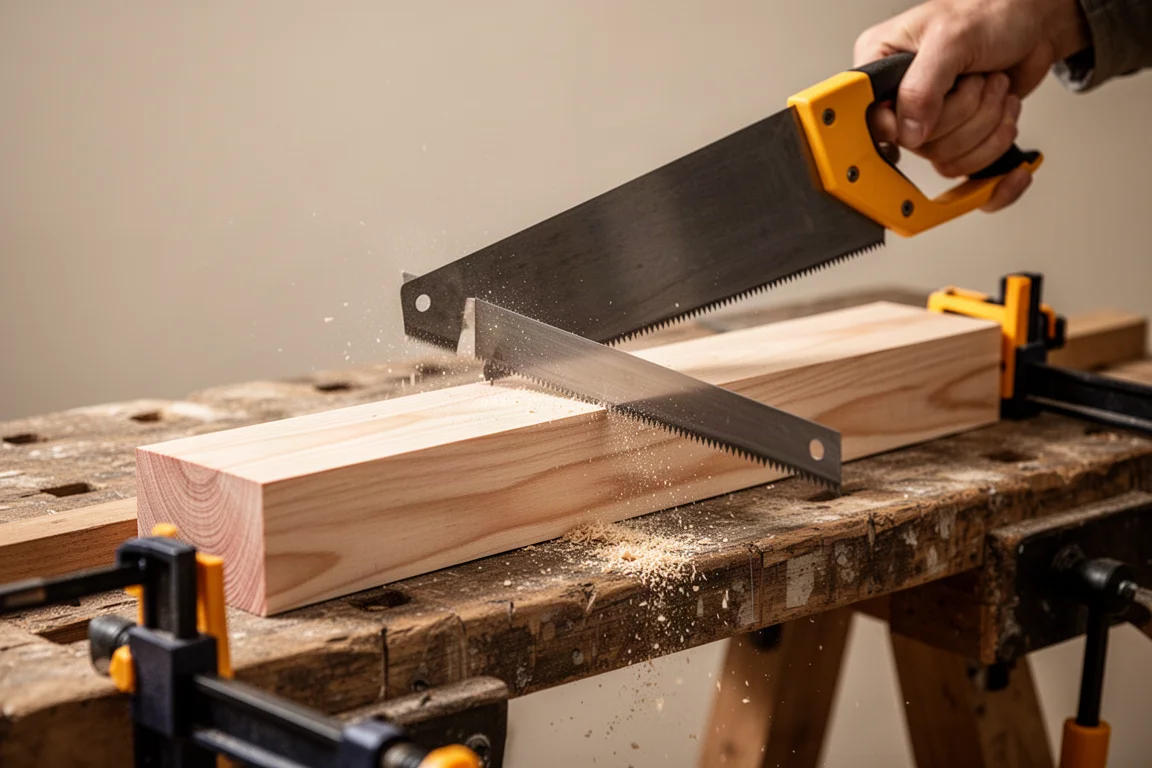
The same logic that makes this saw appealing applies across the small-saw drawer. A short, sharp hand saw saves a walk back to the truck for quick cuts: a soft piece of cedar gives up almost instantly, and even a dimensional 2x4 can fall in under twenty strokes. A Japanese-style pull saw, with its fine teeth and quiet, controllable, low-dust cutting, handles trim work such as flush-cutting dowels with a precision that power tools rarely match in tight spots.
None of these replace a circular saw or a mitre saw. They earn their spot by being there when the job is small, the space is tight, and speed matters.
Things to Consider Before Buying
This is a task-specific tool, not a general-purpose saw. A compact handle will not power through heavy stock the way a reciprocating saw will, and you would not choose it for a 2x4 with a fastener hidden inside. What it does offer is portability and the flexibility of swapping blades to match the material at hand.
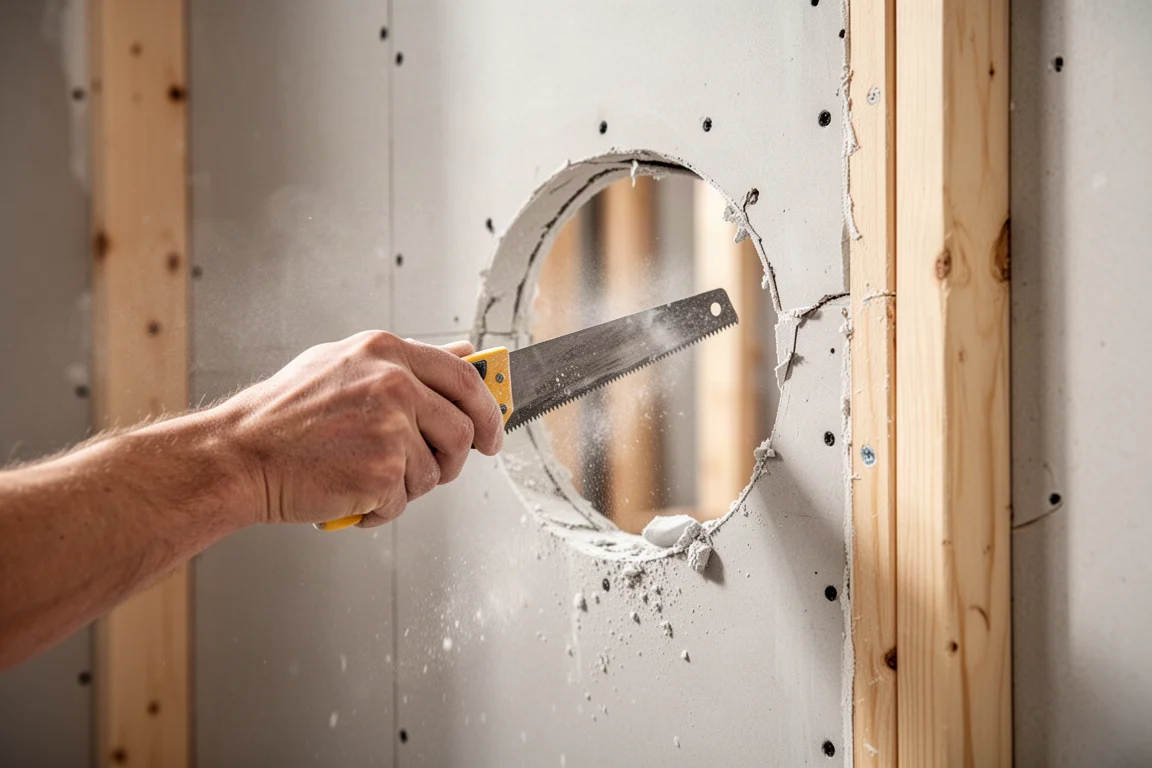
If your work involves drywall cut-ins, punch lists, or occasional cuts in tight quarters, it is an easy recommendation. If you only ever cut lumber on a bench, other hand saws will serve you better.
Buying Advice
For a modest spend, this is the kind of tool that earns its keep in small, satisfying moments: the cut you could not make any other way, without the trip to the truck. It also makes a genuinely practical stocking-stuffer for anyone with a tool pouch.
Conclusion
Milwaukee found room to improve a tool that seemed finished, the same way the coping saw and the Japanese pull saw remain relevant centuries into their working lives. For trim carpenters, drywall hangers, and general contractors, the pocket keyhole saw is a small upgrade with an outsized convenience payoff.
Product link
View more details for Milwaukee Pocket Keyhole Saw
This product is mentioned in the review. Check the specifications, options, and compatibility before buying.
View more details for Milwaukee Pocket Keyhole SawFurther reading
Related Reviews
Hand Tools
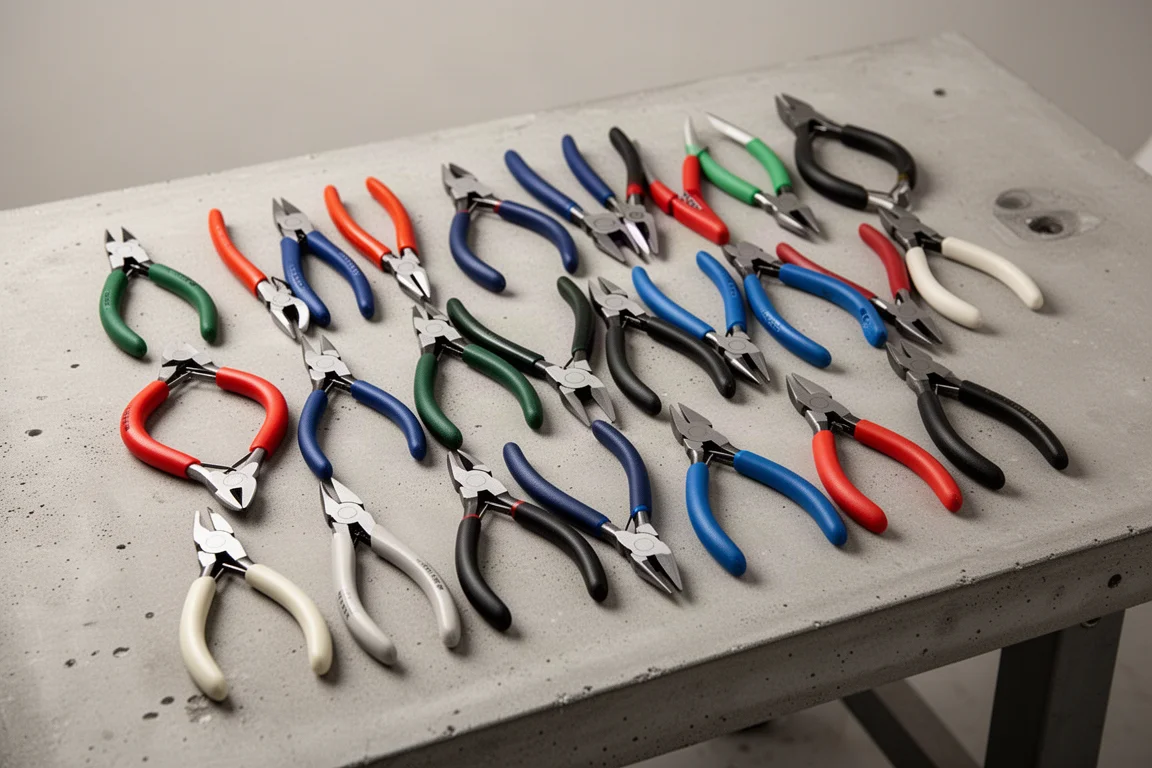
Best Diagonal Cutters 2026: 16 Pliers Tested for Cutting Power and Durability
We put 16 diagonal cutters through nail, screw, drill bit, and hex key tests to find the best value picks for your toolbox.
Hand Tools
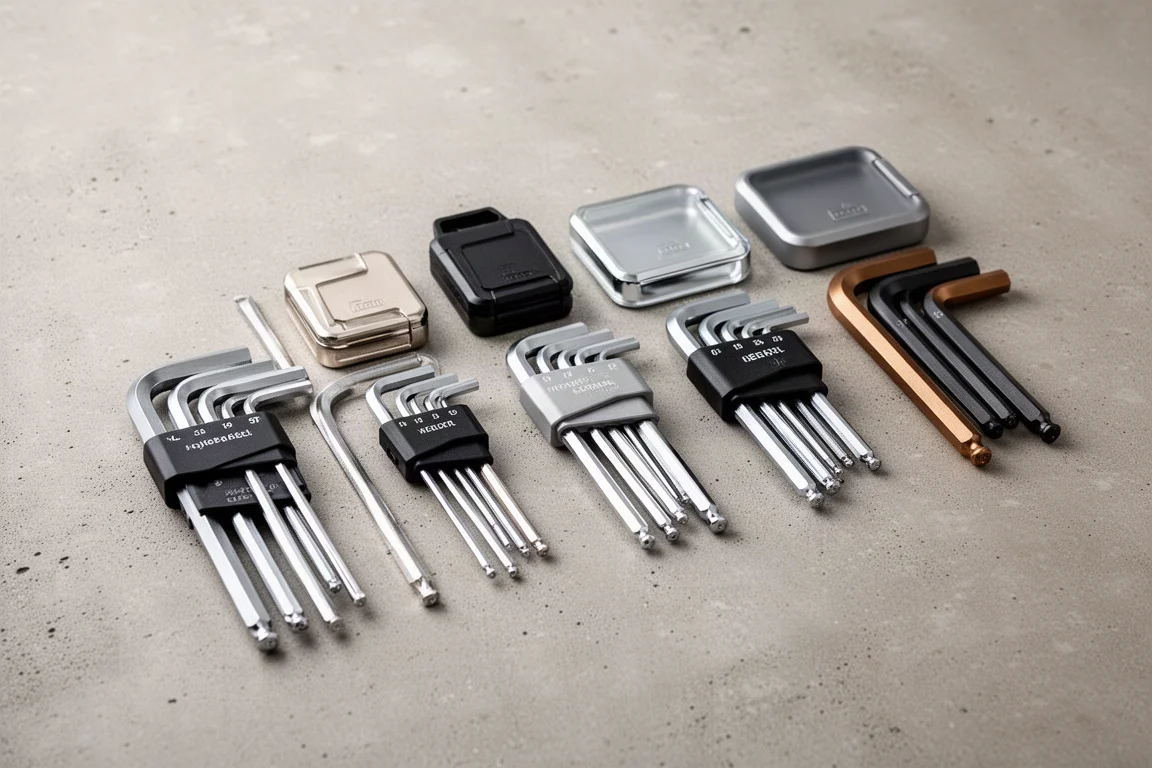
Best Hex L Key Sets 2026: Nine Sets Tested for Real-World Torque
Nine hex L key sets from budget to premium, tested for torque, fit, and durability. See which sets deliver real performance and which ones to skip.
Hand Tools
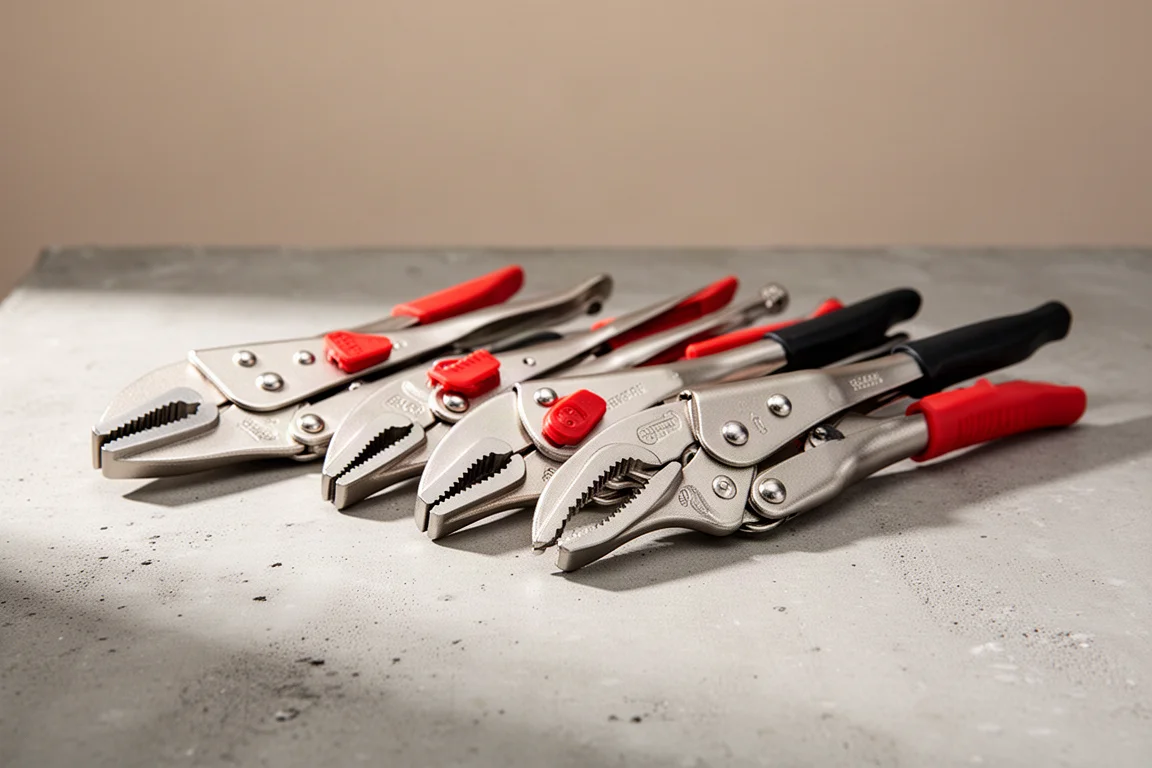
Best Locking Pliers 2026: Top Picks Tested for Grip and Durability
We tested 18 brands of 10-inch locking pliers for grip strength, jaw bite, build quality, and ease of release to find the best options for tough jobs.