Tool Storage
Milwaukee Packout System Guide: The Modular Tool Storage Setup Worth Knowing
How the Milwaukee Packout system works, which core boxes and accessories stand out, and what to check before building your own setup.
Introduction
The Milwaukee Packout system is one of the most popular modular tool storage platforms on the market, and for good reason: it is genuinely easy to use, and the range of accessories you can add to it is enormous. Rival systems exist and some are very good, but few match Packout’s combination of stacking convenience, accessory breadth, and everyday jobsite practicality.
This guide walks through how the system actually works, the core boxes you get in the standard set, and the accessories that stand out, including a few that many buyers do not even know exist.
How the Packout System Works
At first glance, a stacked Packout tower with its many latches can look intimidating. In practice, those latches simply keep the lids closed so sections do not swing open when you remove them from the stack.
The real cleverness is in the release mechanism on the base of each unit. Press up on the release lever and the section unlocks, letting you slide it straight off the stack. The same action applies whether you are removing a crate, a box, or any other module: press up, pull out, done. Reattaching is just as simple. Every box, and crucially every accessory, shares the same top interface. You set the next module or accessory on top, slide it into place, and it clicks and locks automatically.
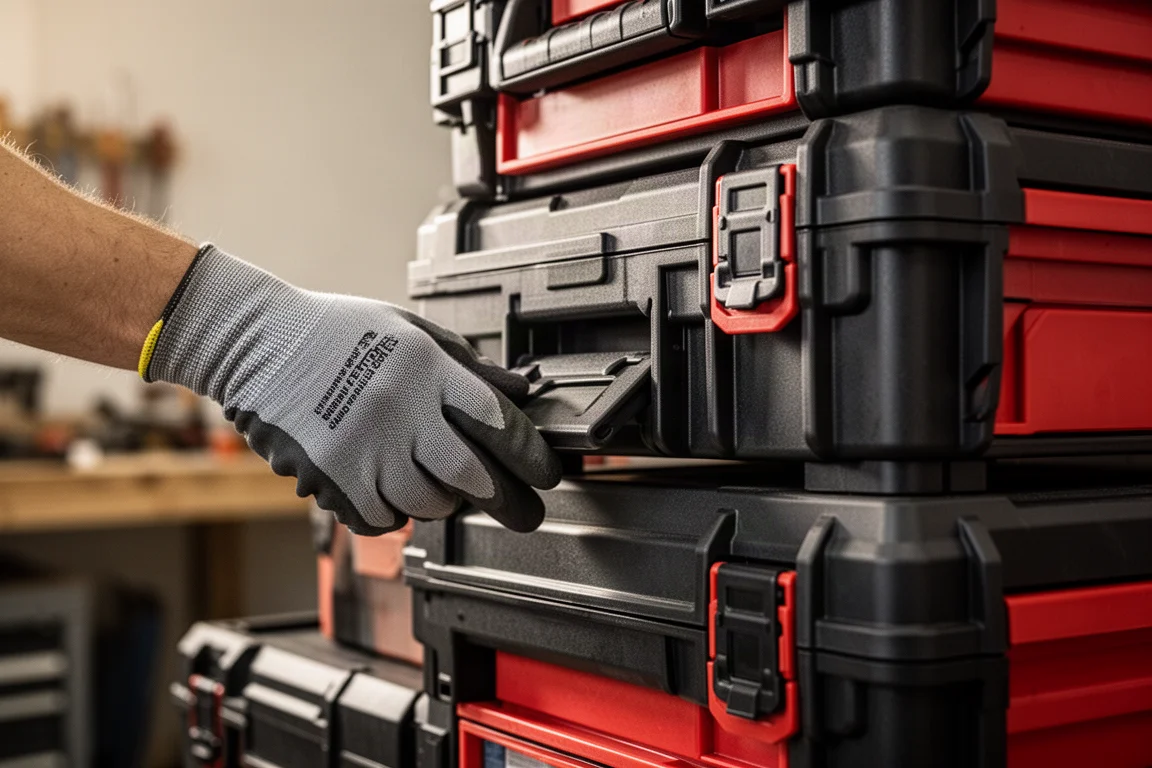
That shared mounting footprint is what makes the whole platform feel like one system rather than a pile of separate boxes. Smaller organizers stack just as cleanly as large crates, so you can customize the height and layout of your stack to match the job.
What You Get with the Standard Packout Set
The standard three-piece set is the foundation most people start with, and it has been seen on sale for around $229, down from a usual price near $300.
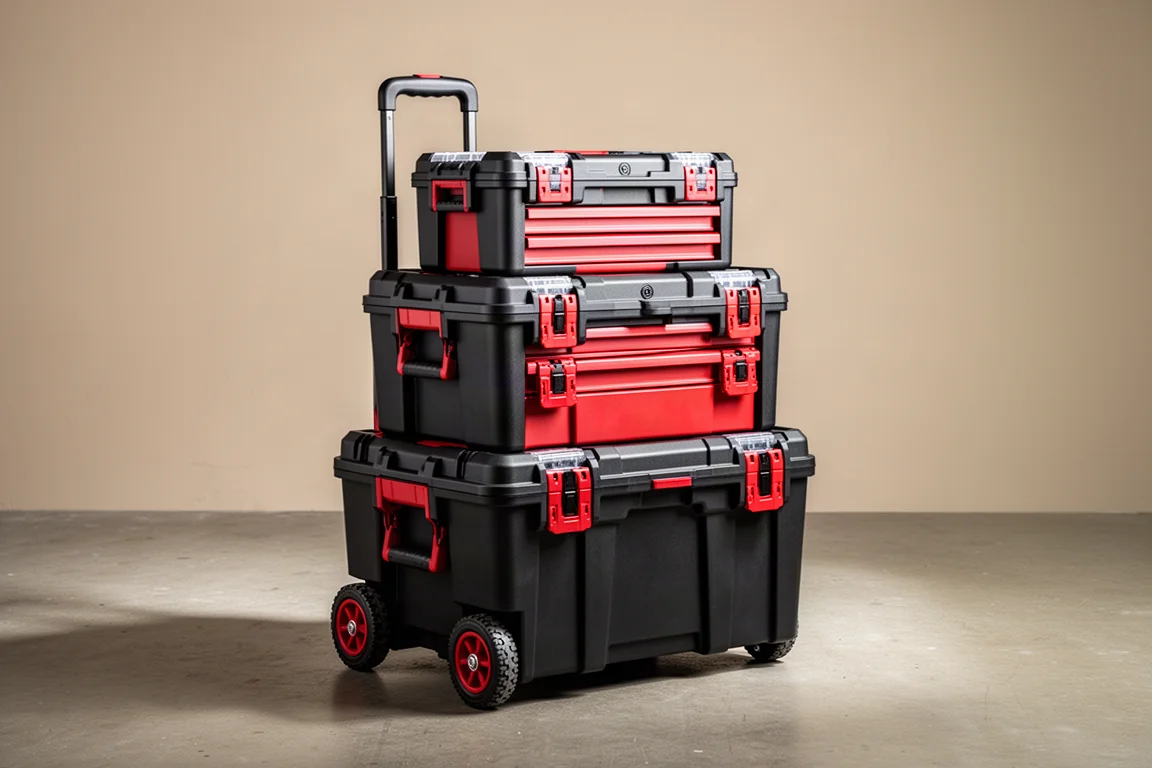
The bottom piece is the rolling tote: it carries the wheels, the handle, and all the dolly hardware, so it does the hauling. The middle section is slightly smaller and is where larger tools and bigger hand tools live. The top piece is the smallest of the three and works well for screws, bolts, and small tools. Inside, it uses super heavy-duty latches and includes removable dividers, so you can either keep small items separated for transport or pull the dividers and load larger tools.
Drawer Systems: Two-Drawer vs Three-Drawer
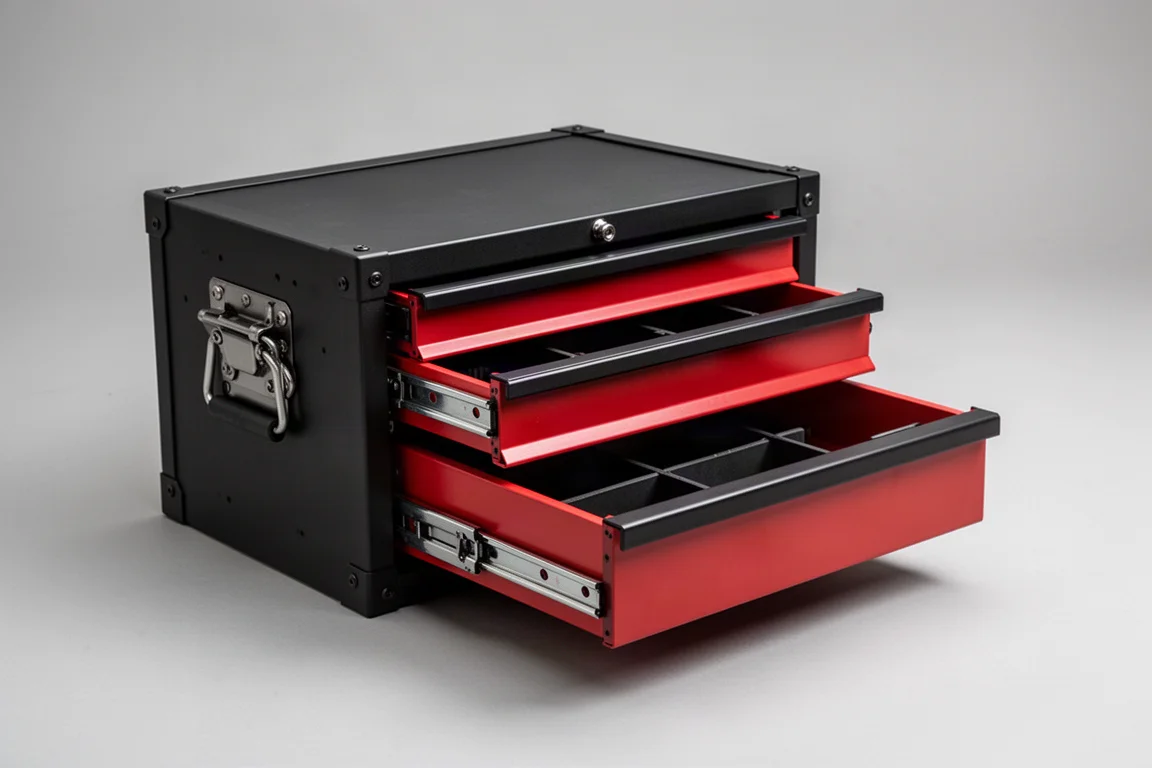
Drawer modules are among the most popular Packout accessories, and Milwaukee offers two main flavors.
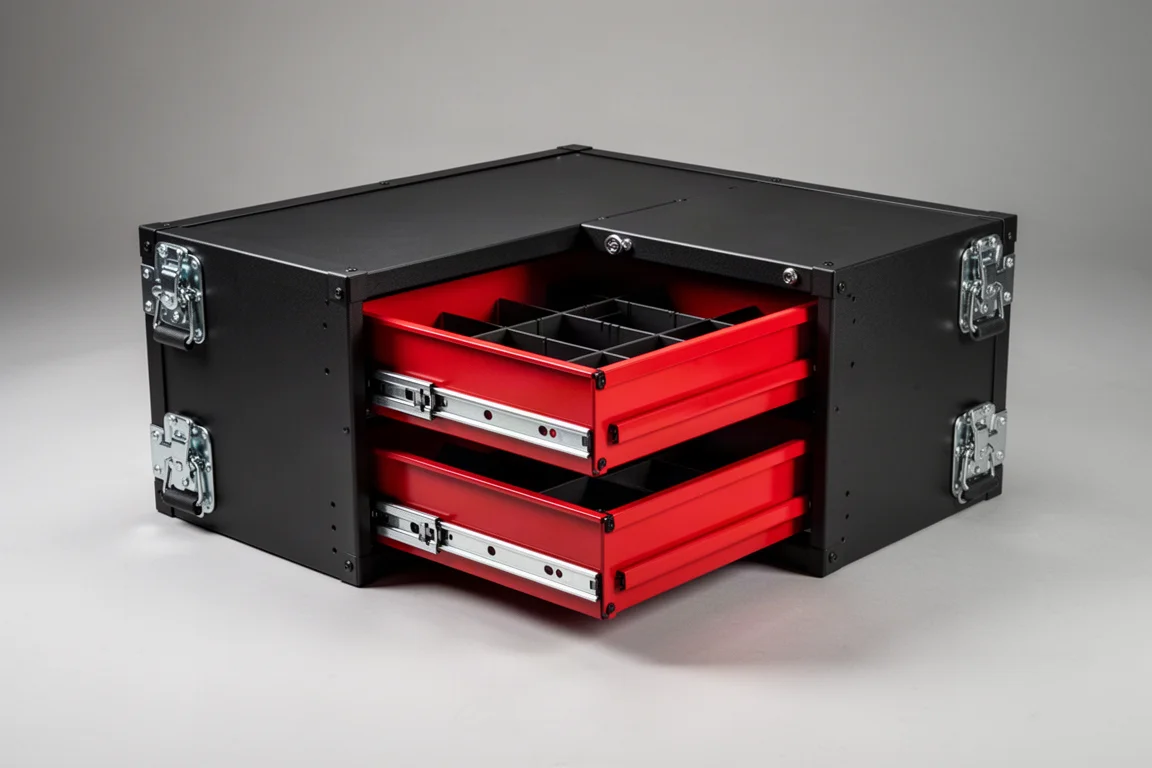
The two-drawer system gives you deeper drawers, with dividers included so contents do not slide around in transit. It suits bulkier hand tools and anyone who would rather have fewer, roomier drawers.
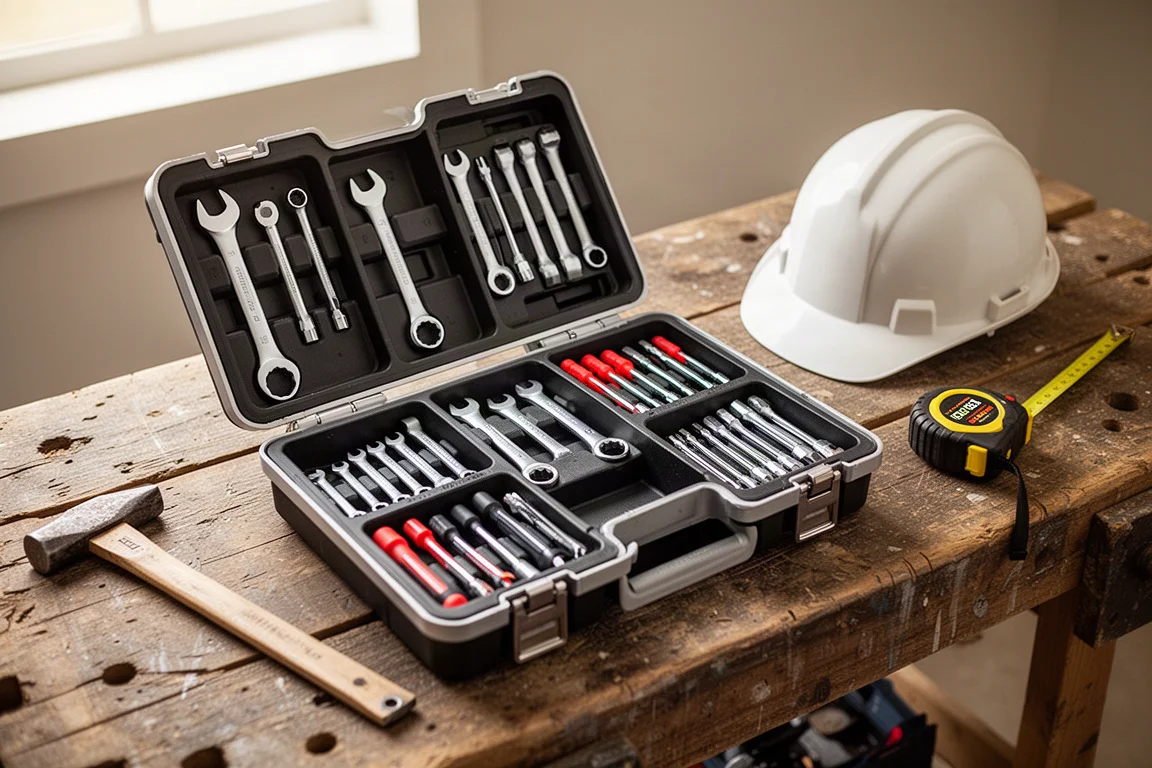
The three-drawer system trades depth for quantity. The drawers are more shallow, but you get three of them with the same divider support, which makes it a better fit if you carry lots of smaller hand tools like screwdrivers and wrenches. Both drawer systems can be locked: slide a padlock through the latch, and nobody is opening those drawers until you remove it, press the release, and unlock.
The Packout M18 Vacuum
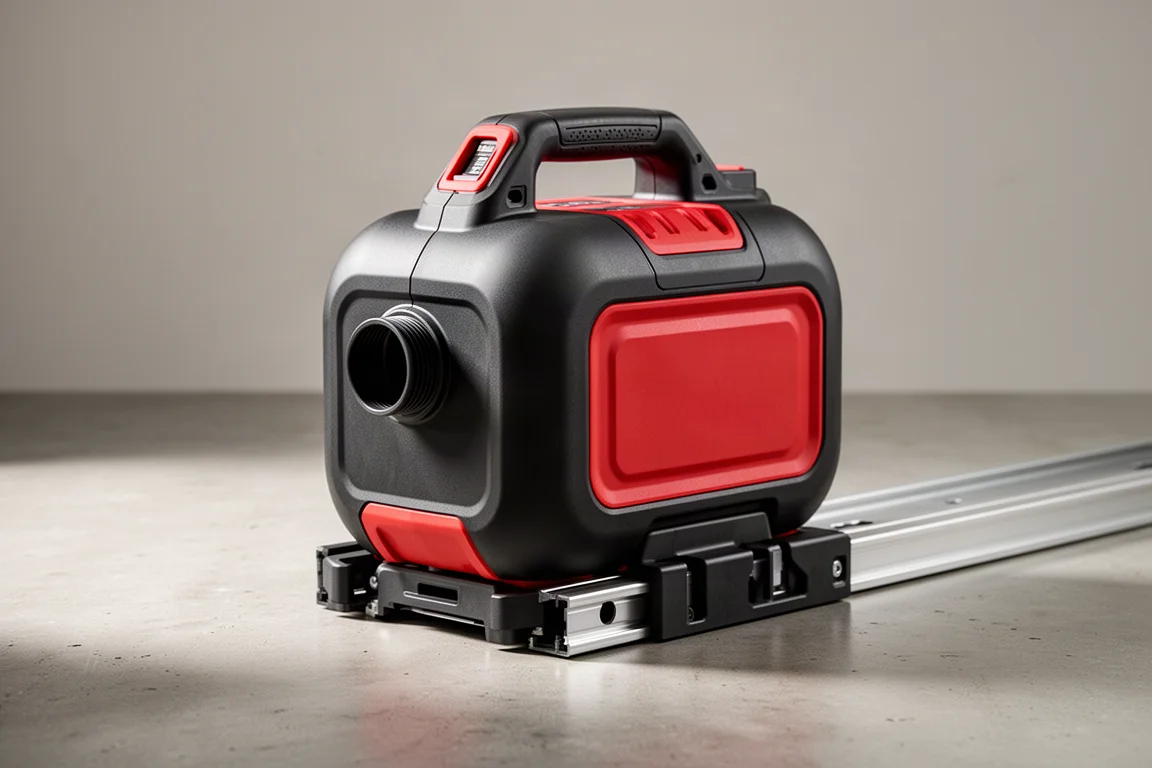
One of the more surprising modules is a full brushless M18 vacuum built specifically for the Packout platform. It docks on top of any stack using the same slide-and-lock interface: set it down, slide it in, and it clicks into place. Removing it is the same press-up-and-pull motion as everything else.
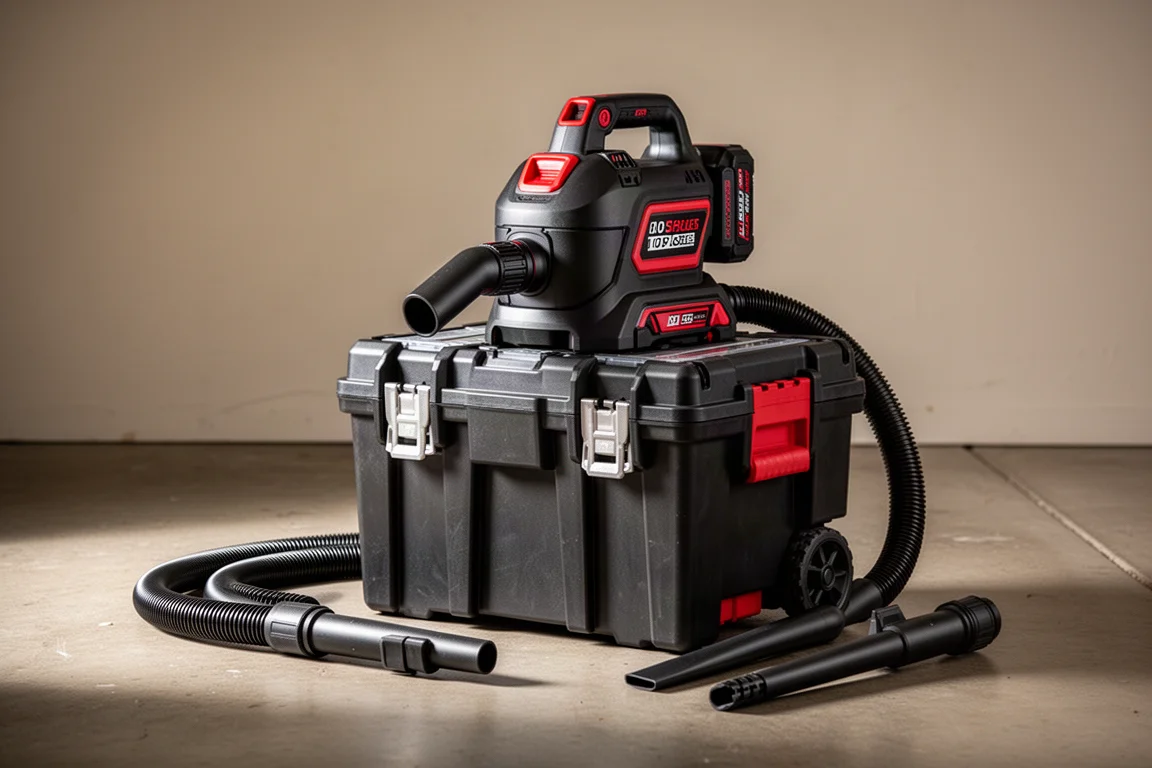
Milwaukee includes a healthy set of attachments, including larger hoses that can hook up to miter saws and circular saws for dust extraction. It runs on any M18 battery, offers both high and low power settings, and can blow as well as suck. All the attachments store down inside the unit, so nothing gets left behind, and the whole thing rides on your existing stack without extra effort.
Soft Storage: The Packout Tote Bag
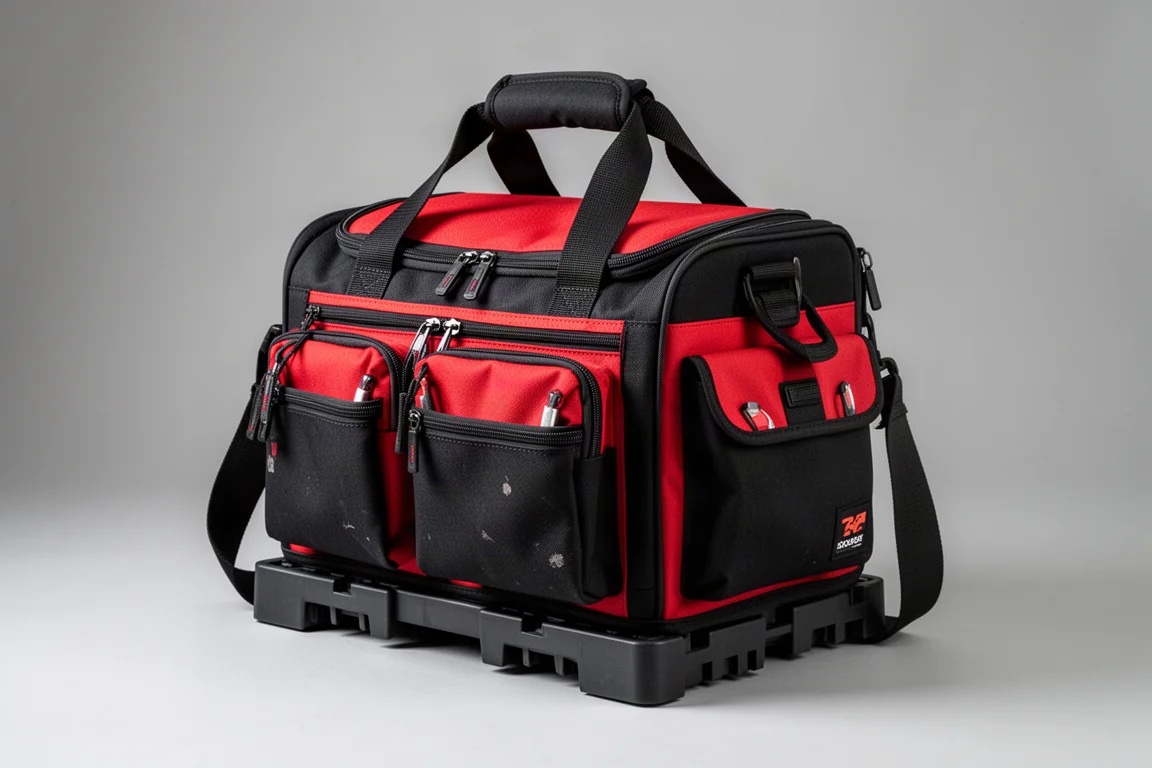
The Packout tote bag is a soft-sided toolbox for plumbers, mechanics, and anyone who needs a carryable kit. It is built solidly, with heavy-duty zippers, multiple front and side pouches for screwdrivers and wrenches, solid interior organization, a stiff reinforced handle, and a shoulder strap for hands-free carrying.
The trick that makes it special: the bag locks into the top of a Packout stack. Drop it on, and it secures in place for transport. At the jobsite, especially in tight spaces, lift it up, slide it out, and you are ready to go.
Power and Workspace Accessories
Two more accessories round out the platform in ways that are easy to overlook.
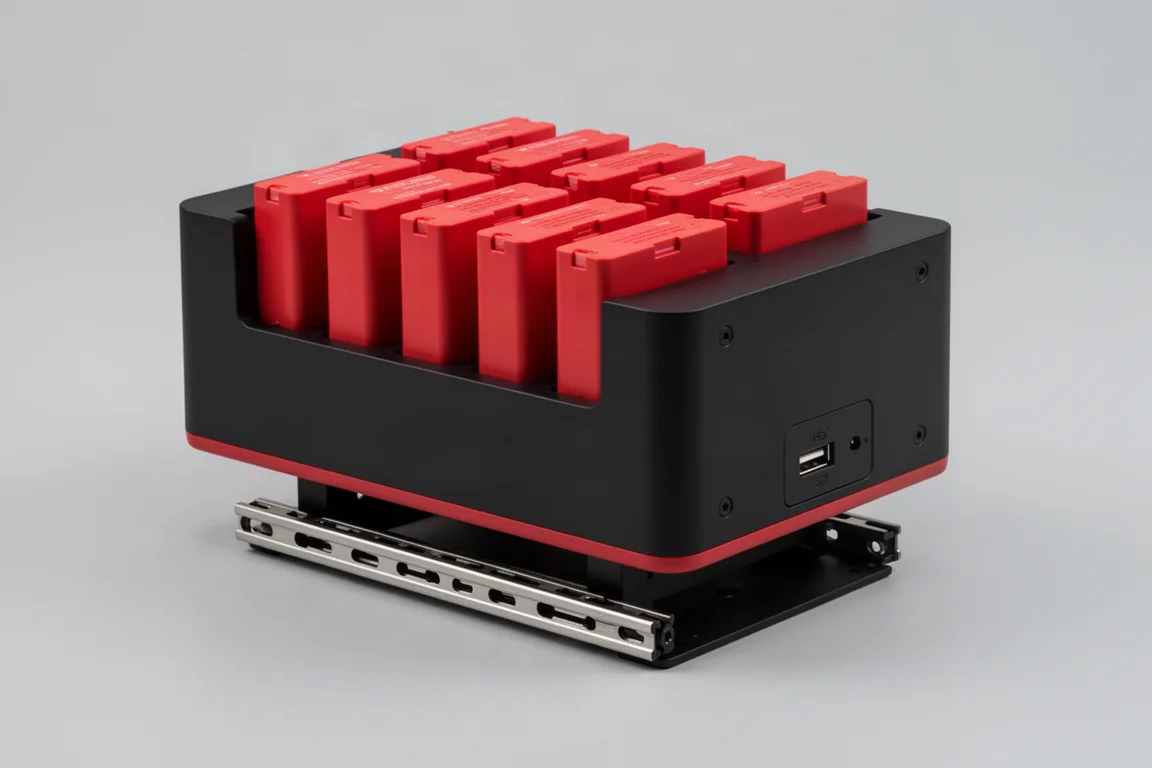
The six-battery rapid charger is a Packout-form-factor charging station that holds six M18 batteries and charges two at a time at rapid speed. There is also a USB port on the back for charging phones and other small devices.
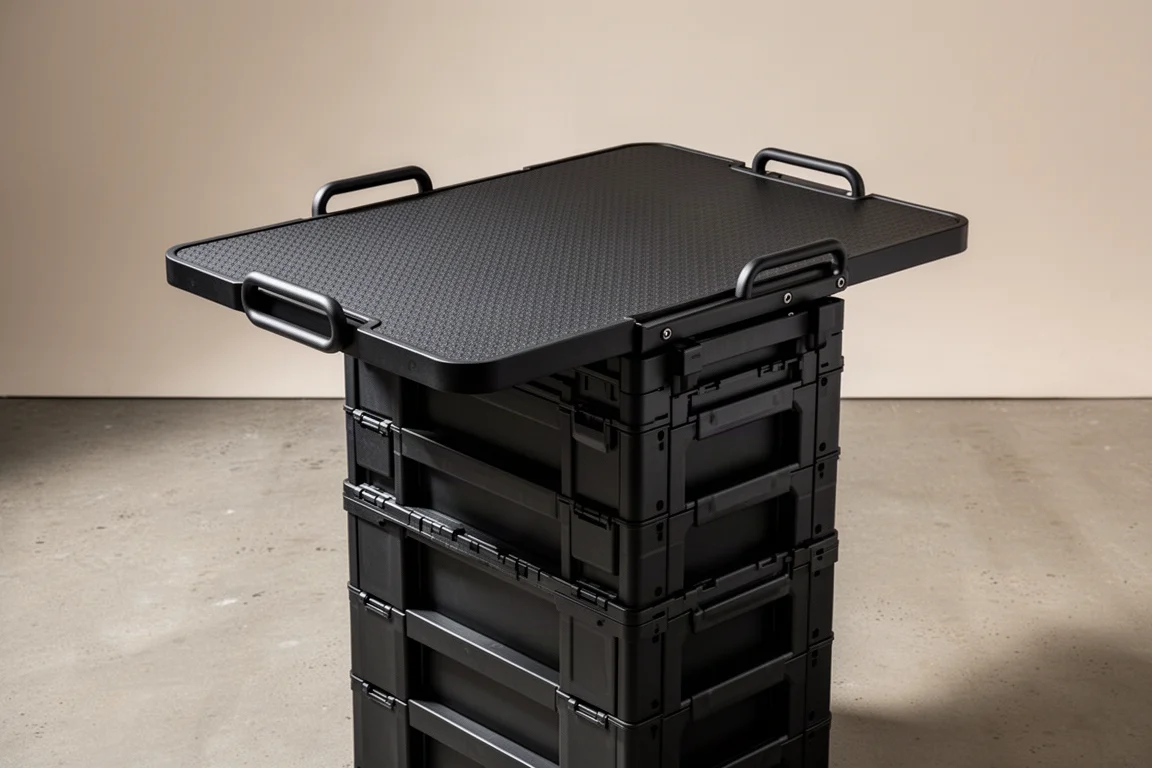
The Packout worktop is exactly what it sounds like: a flat, sturdy surface that mounts on top of your stack. It is smooth and well built, usable as a spot for a laptop, a phone, or writing things down. The one real gripe is that it does not come with plugs to fill the mounting holes on the surface; beyond that, it is a genuinely useful mobile desk.
The Crate and the Tumbler
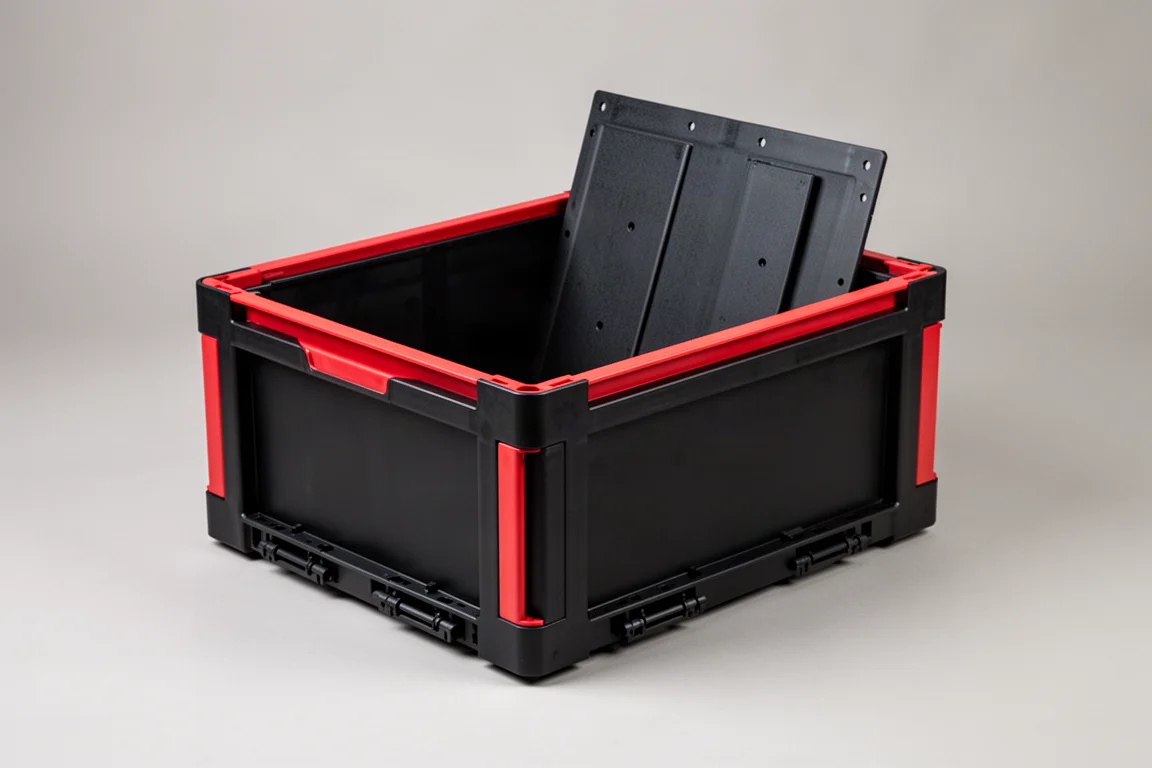
The Packout crate looks like an ordinary storage bin, but it attaches to the stack like everything else. It takes bulky items that do not fit in boxes, and it ships with dividers, so you can split one large crate into two separate compartments in seconds. The back of the crate also works with Milwaukee’s wall mounting system for garage storage.
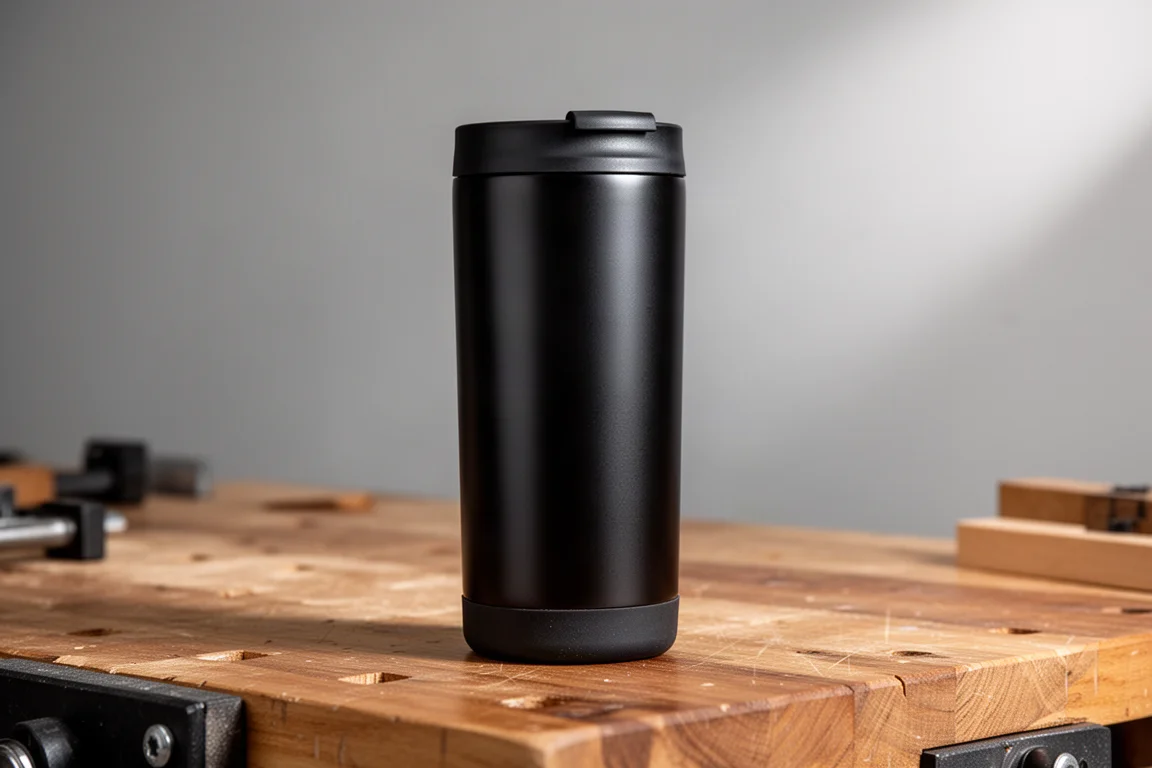
Then there is the tumbler, an ordinary-looking insulated cup with a twist. The top of the tumbler locks into a dedicated Packout mount, so you can carry your coffee with your stack without holding two things. Once twisted in, it will not come loose until you twist it back to release. One known quirk: some owners report coffee spilling when the lid is opened while the tumbler is still mounted. The simple fix is to release and remove the tumbler before opening the lid, and the problem goes away.
Building Your Own Setup
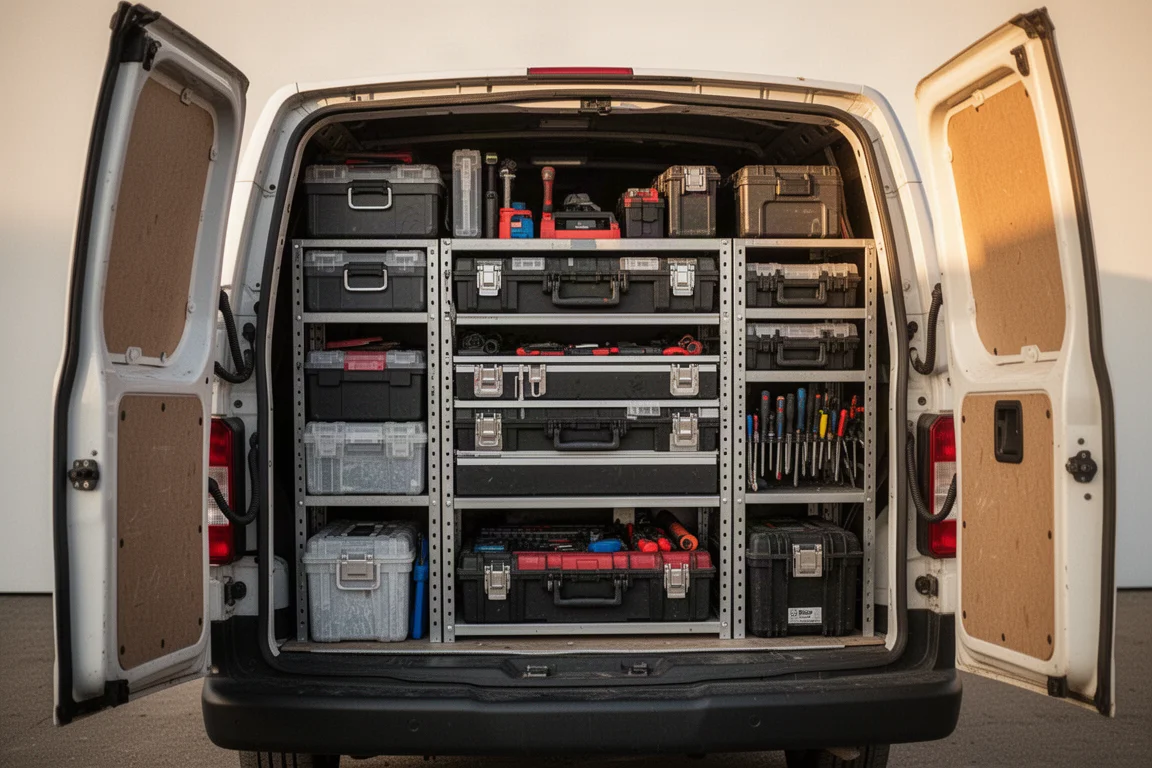
The best part of Packout is that you do not have to go all-in on big boxes. Small organizers, large crates, a mix of drawer units, lights, vacuums, and other powered modules all coexist, letting you tailor the stack to your trade and vehicle. Everything stacks together, packs together, and gets your tools to the jobsite, where some modules, like the vacuum, become tools in their own right. With the system regularly going on sale around the holidays, it is a good time to start a setup or pick up accessories at a discount.
Conclusion
The Milwaukee Packout system earns its reputation through a genuinely clever locking interface, a huge accessory catalog, and build quality that survives real jobsite use. Start with the standard three-piece rolling set, then add the modules that match your trade, whether that is drawers for hand tools, the M18 vacuum for dust control, or the worktop and crate for everyday convenience.
Further reading
Related Reviews

Tool Storage
Hilti ProKit Modular Storage System Review: A Sturdy, Stackable Tool Storage Solution
The Hilti ProKit modular storage system offers durable cases, a heavy-duty trolley, and a simple nesting latch design for professionals who need reliable tool organization.
Tool Storage
Atlas 46 Tool Rolls: Yorktown Mini and the Leather Classic Compared
Two tool rolls from Atlas 46 for different mindsets: a compact mini roll built for vehicle-based kits, and a heavy leather version for those who appreciate old-world craftsmanship.
Tool Storage
Atlas 46 vs Bucket Boss Tool Roll: Two Ways to Roll Your Tools
A first-impressions comparison of a premium American-made tool roll and a budget-friendly alternative, covering fabric quality, stitching, zipper layout, and storage design.