Tool Storage
Milwaukee Packout 3-Drawer vs 4-Drawer Tool Box: Which One Fits Your Setup
Two stackable drawer tool boxes for the Packout system, built for small parts, tools, and van or rolling cart storage.
Introduction
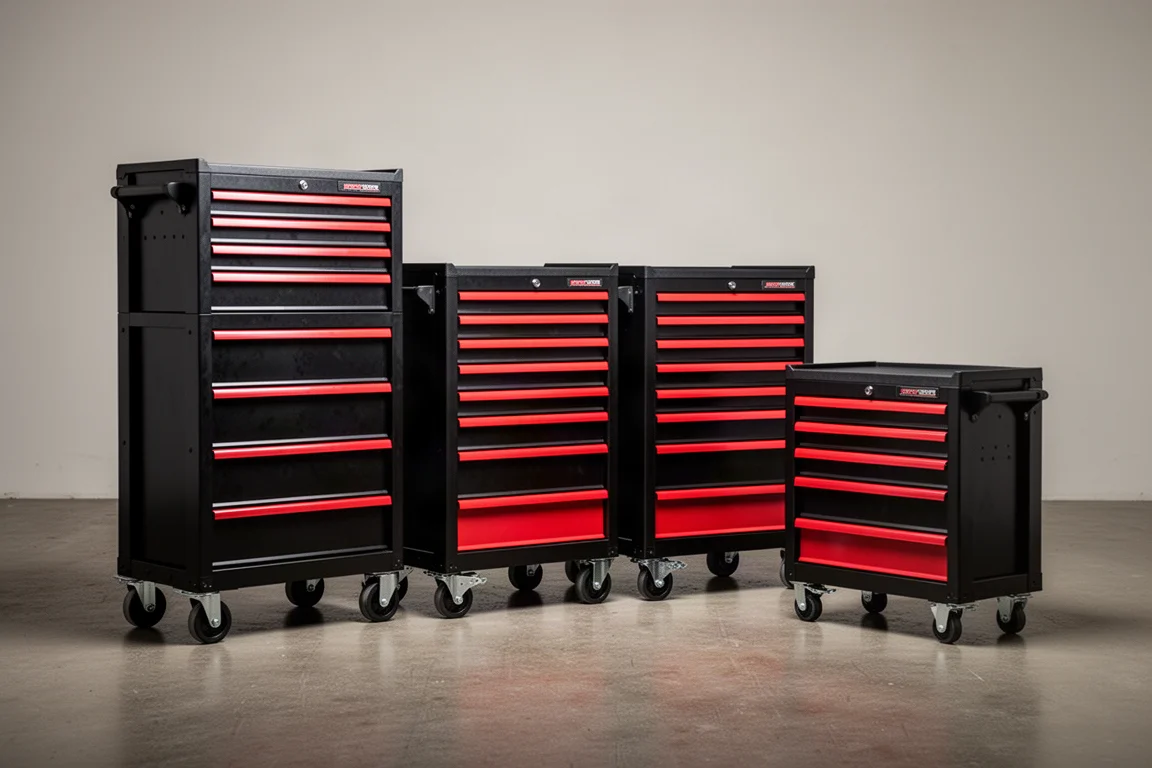
Milwaukee has expanded its Packout line with a three-drawer and a four-drawer tool box. These are not just for hand tools; they work just as well for small parts and fittings that would otherwise end up loose in a case. Each unit can hold up to 50 lbs of load, which is substantial given that the boxes themselves already weigh roughly 20 to 25 lbs apiece. Stacked together, and especially combined with a rolling tool cart, the total weight adds up quickly, so it is worth thinking about where these will live in your setup.
Inside the Drawers
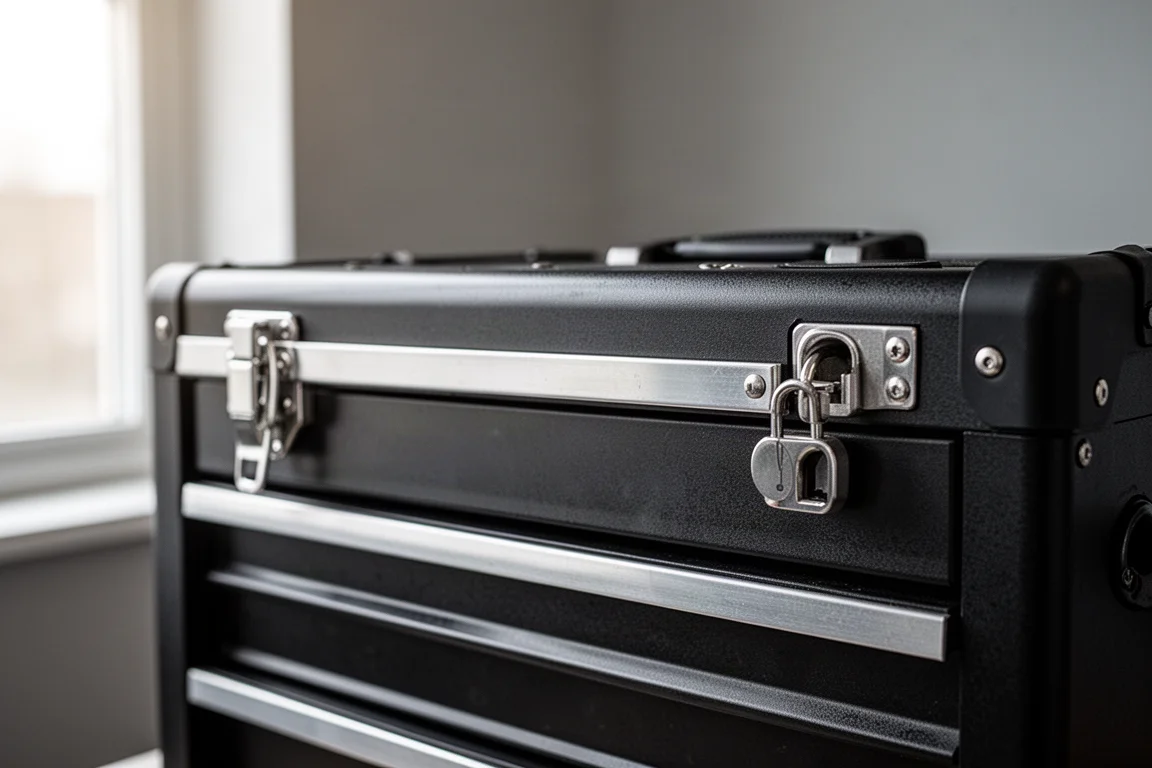
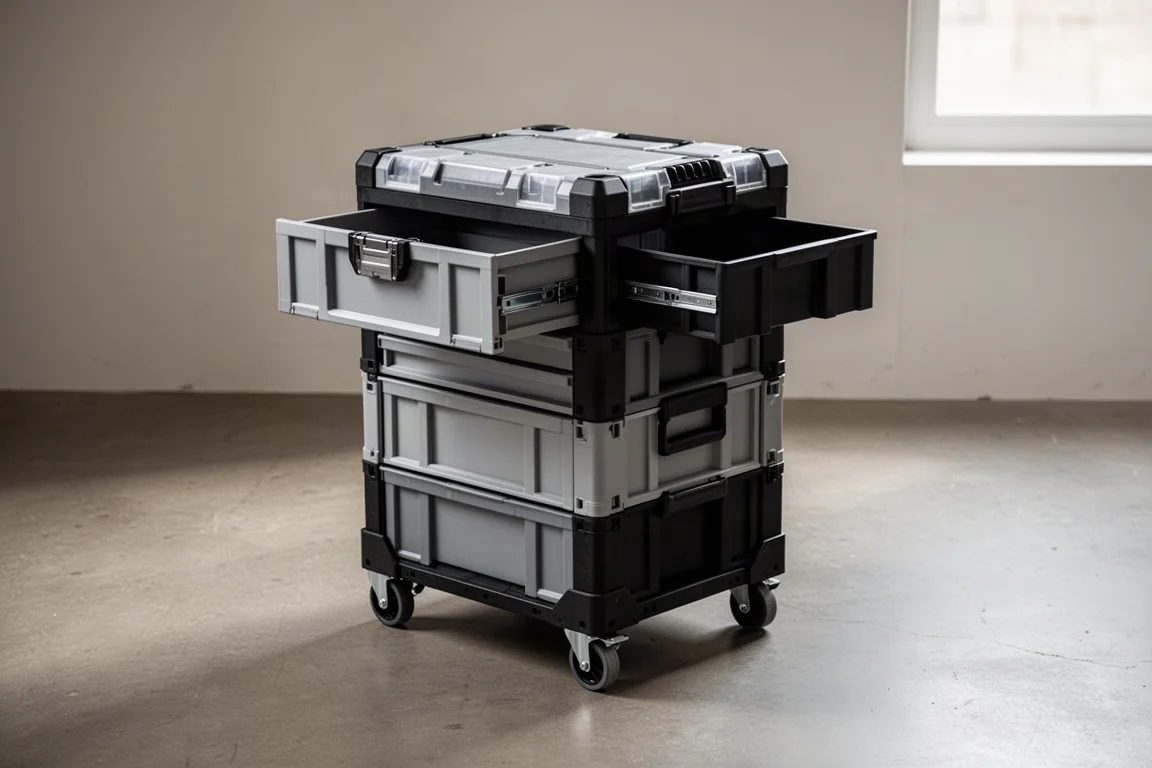
The drawers are held shut by a metal bar across the front. On the top drawer, you press down and pull the bar out so it slides away and sits out of the way. The drawers themselves run on stainless steel ball bearings, so they open and close smoothly and have a slight detent as you push them in, meaning they will not slide back out without some deliberate force.
The main difference between the two models is depth. The largest drawer sits at the bottom, and its depth is what separates the three-drawer version from the four-drawer one. If you carry deeper tools or bulkier fittings, the extra depth matters; if you mostly store flat tools and small parts, the shallower configuration may be enough.
Security and Locking
The top of the unit is secure and does not move, with metal reinforcement around it consistent with the rest of the Packout range. To lock the unit closed, make sure all drawers are pushed fully in first, as that makes engaging the lock much easier. Getting the box off a stack uses a small lever on the top, the same mechanism as other Packout products. The reviewers note it feels a little tighter to release than a standard Packout box, and one point to watch: it seems slightly more difficult to detach from the stack than the normal Packout boxes, which could matter more once the unit is loaded with a full 50 lbs.
Organization and Small Parts Storage
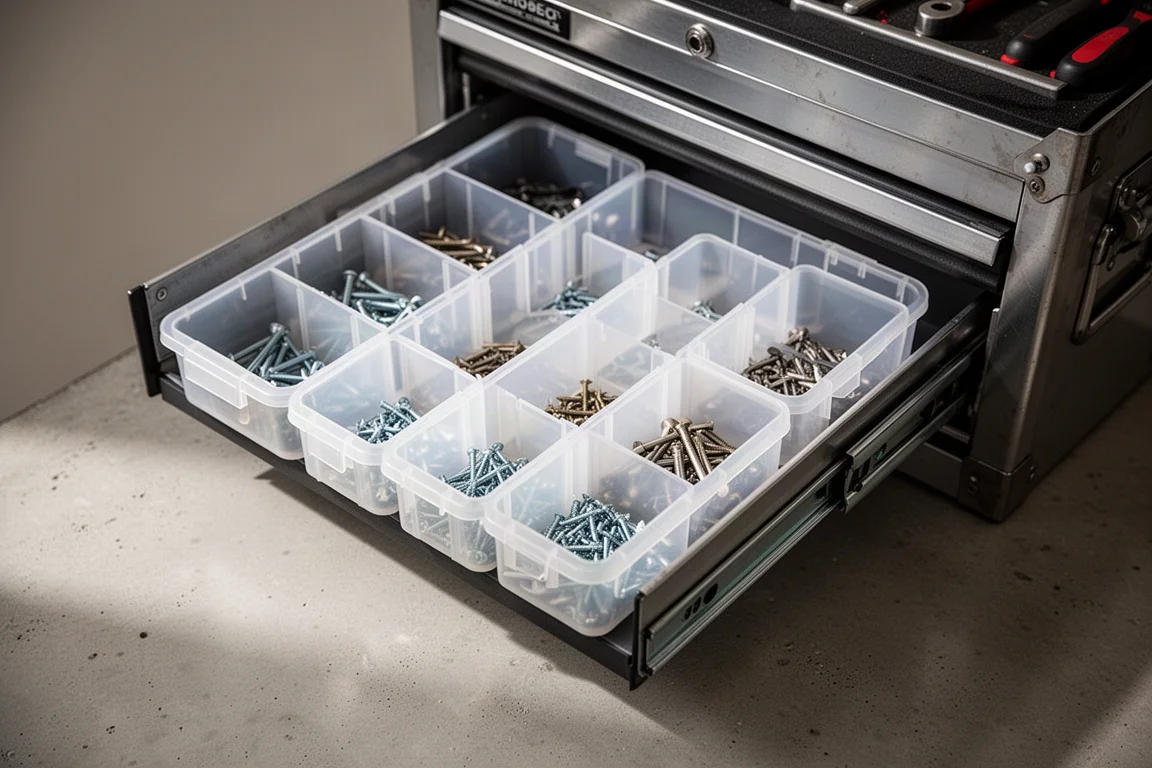
Both boxes ship with a generous number of removable plastic section dividers. Fitting them in is easier with two hands, and the center dividers can be a little tight to pop into place, but once seated they hold well. One full-load layout leaves larger open sections on the sides because that is where the hinges connect; beyond that, nearly the whole drawer can be compartmentalized.
For anyone working with lots of small parts and pieces, the capacity is impressive. The top drawer can also be sectioned differently, with places to fit additional dividers, so there is far more compartmentalization than most people will actually need. This is especially appealing for HVAC or plumbing work, where a drawer full of fittings, fasteners, and small components is exactly what a job site calls for.
Weight and Mounting Considerations
A key limitation: this drawer set is not wall mountable. If you want wall-mounted Packout storage, you would need to look at a different product line. These are designed to sit on the floor of a van or on a rolling tool cart.
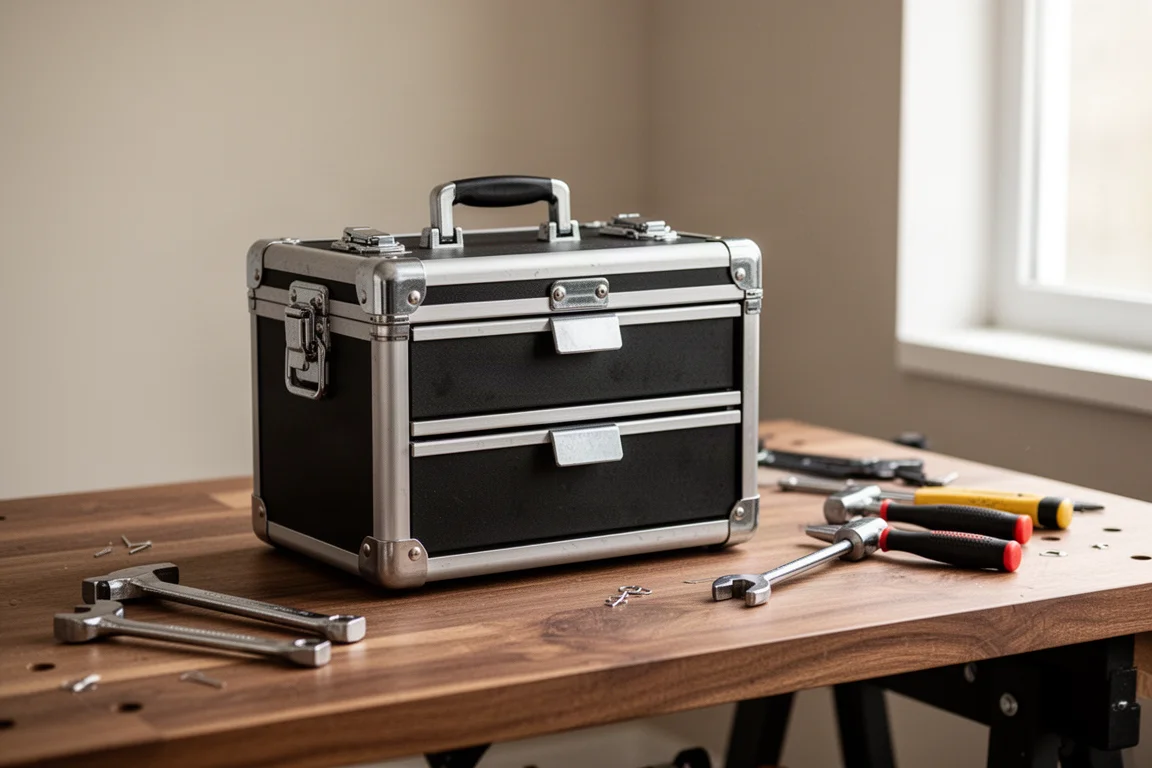
Fully loaded, each box can reach upwards of 75 lbs total, which makes lifting them on and off a stack noticeably harder each time. One practical idea worth considering: placing one of these drawer boxes on the bottom of a rolling cart instead of the large standard container, then stacking regular tool boxes on top. The trade-off is that whatever sits beneath a fully loaded drawer box will rarely get used, because lifting it out means dealing with all that weight first.
Buying Advice
If your storage needs lean toward deeper tools and you want maximum volume per stack, the four-drawer model is the better fit. If you mainly organize small parts, fittings, and flat tools, the three-drawer version gives you the same system compatibility with less total weight. Either way, both integrate with the wider Packout system and lock together like any other Packout product.
Conclusion
The Packout drawer tool boxes fill a genuine gap in the system for anyone who carries lots of small parts. Smooth ball-bearing drawers, secure locking, and extensive divider options make them easy to live with, and the 50 lb load rating is serious. Just plan around the weight once they are full, and remember they are floor- or cart-mounted rather than wall-mountable.
Product link
View more details for Milwaukee Packout 3-Drawer Tool Box
This product is mentioned in the review. Check the specifications, options, and compatibility before buying.
View more details for Milwaukee Packout 3-Drawer Tool BoxFurther reading
Related Reviews

Tool Storage
Hilti ProKit Modular Storage System Review: A Sturdy, Stackable Tool Storage Solution
The Hilti ProKit modular storage system offers durable cases, a heavy-duty trolley, and a simple nesting latch design for professionals who need reliable tool organization.
Tool Storage
Atlas 46 Tool Rolls: Yorktown Mini and the Leather Classic Compared
Two tool rolls from Atlas 46 for different mindsets: a compact mini roll built for vehicle-based kits, and a heavy leather version for those who appreciate old-world craftsmanship.
Tool Storage
Atlas 46 vs Bucket Boss Tool Roll: Two Ways to Roll Your Tools
A first-impressions comparison of a premium American-made tool roll and a budget-friendly alternative, covering fabric quality, stitching, zipper layout, and storage design.