Power Tool Accessories
Milwaukee Thick Kerf vs Diablo Demo Demon: Does the Demo Demon Really Fail at Screws?
A head-to-head nail-biter test putting Milwaukee's Nitrous thick kerf blade against Diablo's Demo Demon through seven screws in a 2x4.
Introduction
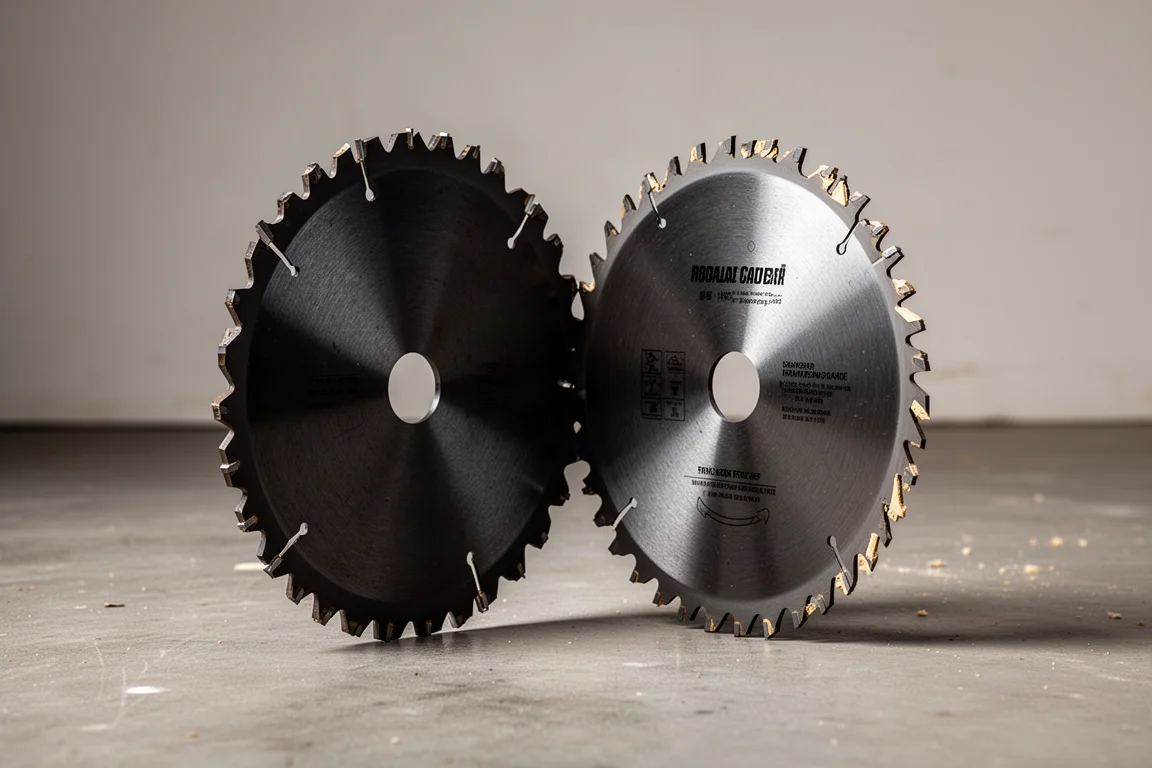
At the 2025 World of Concrete show, Milwaukee introduced a new line of thick kerf circular saw blades as part of its Nitrous line, complete with a coating. The demonstration that raised eyebrows, though, was not the new Milwaukee blade itself. It was the performance of the competitor blade used as the foil: Diablo’s Demo Demon, a premium step above Diablo’s standard framing blade, which reportedly could not make it through a single cut consisting of a 2x4 with seven GRK fasteners.
That claim did not sit well with a lot of people, and plenty of online comments called the demonstration unrealistic. So we decided to replicate the test as closely as possible and find out whether the Demo Demon can actually cut it.
The Test We Ran
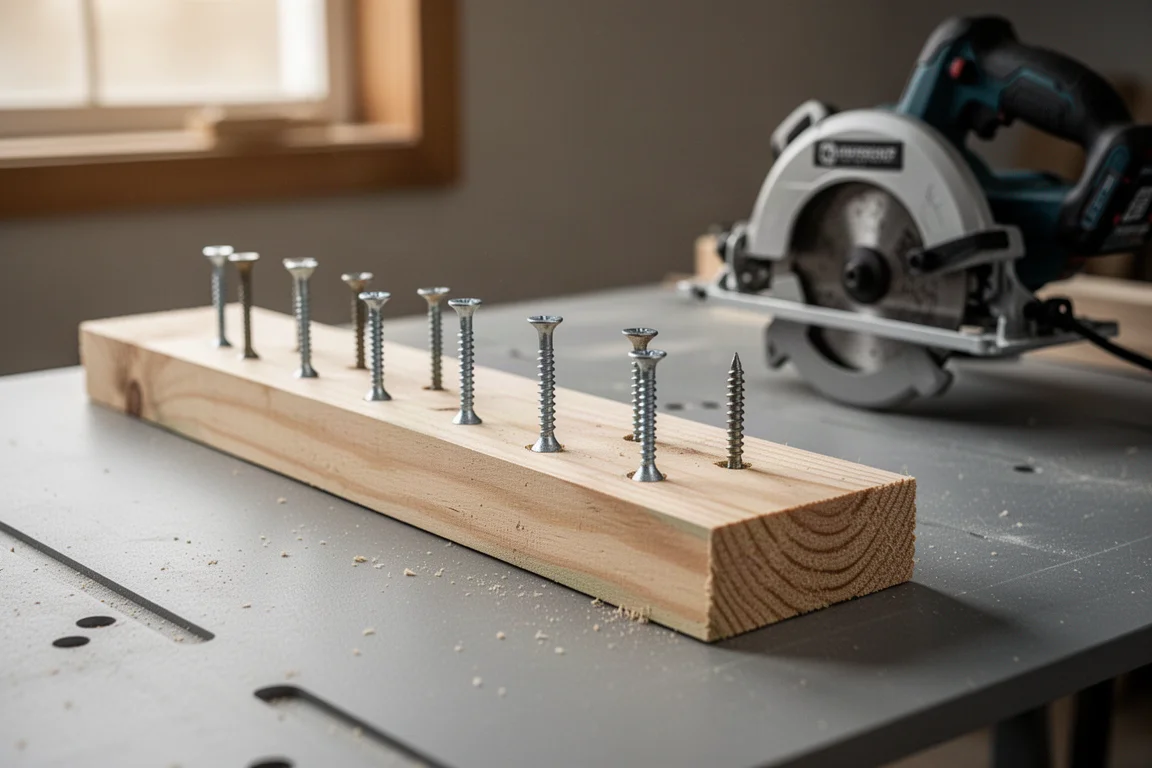
The original demonstration used seven T-25 GRK fasteners spaced a foot apart in a 2x4. To match it, we used number 10 multi-purpose wood screws with a T-25 drive, 3 and 1/8 inches long, driven flush so they run nearly the full width of the board. The 2x4 was stood on edge to replicate the cut. For the saw, we used Milwaukee’s newest Fuel circular saw, which runs at a somewhat higher RPM than many other circular saws, a variable that could theoretically affect the outcome.
One thing worth noting: the Demo Demon is not labeled as a thin kerf blade the way Diablo’s standard framing blade is. It carries a tracking point design for corded and cordless use. A standard Diablo framing blade has already proven itself in tougher combined-material cuts, so expectations for the Demo Demon were reasonable from the start.
How the Demo Demon Performed
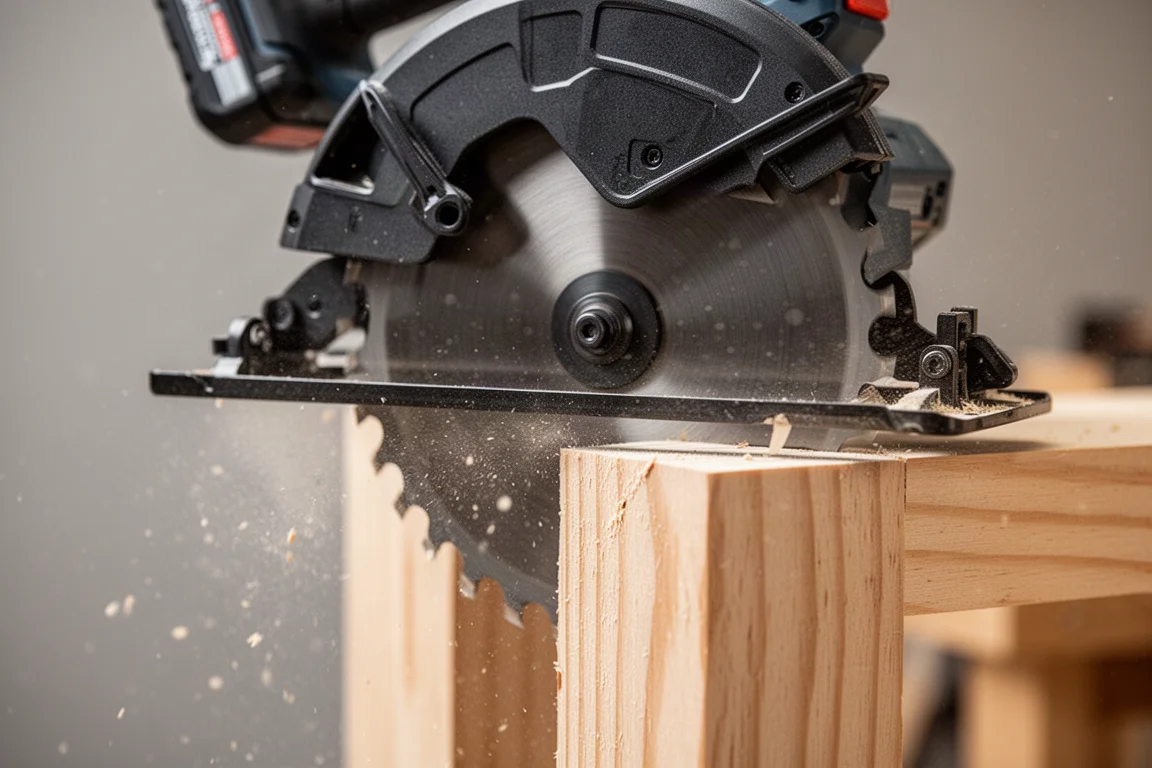
The result was unambiguous. The Demo Demon made it through all seven fasteners in the 2x4, and the cut was clean. Not just once, either: the blade was in good enough shape to keep making multiple cuts through the same material.
That raises an obvious question about the original demonstration. If this blade can slice through seven screws without issue, how did it fail so badly in the booth, with apparently every carbide compromised? There are plenty of variables in a staged test, from saw speed and torque to how the blade was paired with the saw, but any explanation would be speculation. What we can say is that nothing in our replication matched the claimed failure.
What the Blade Looked Like Afterward
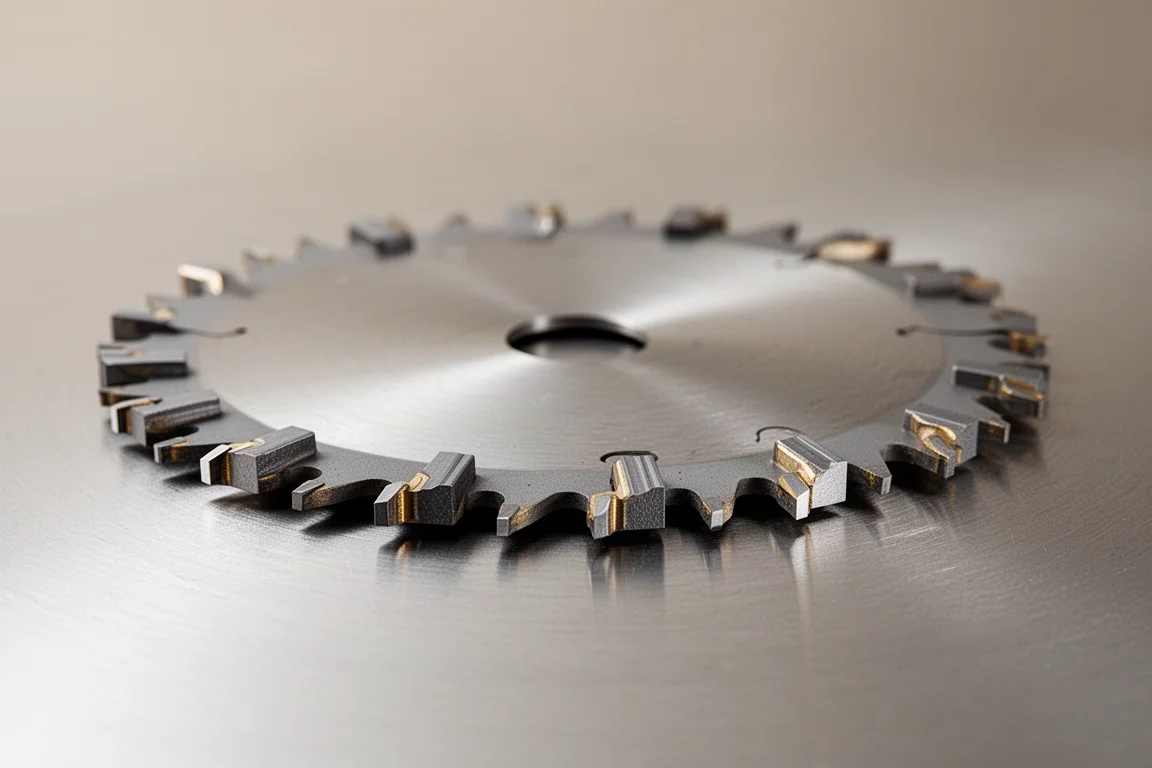
After the cuts, the blade showed no missing carbide, no broken tips, no burning, and no signs of binding. Heat was minimal and every tooth was intact. In other words, the Demo Demon came through the exact scenario it supposedly failed in, still ready for more work on the job site.
The Bigger Question
The takeaway here is less about one blade winning and more about how these comparisons are presented. Milwaukee makes genuinely well-regarded tools and accessories, and a well-designed thick kerf blade does not need a questionable demonstration to sell. When a test shows a competitor’s premium blade failing in a scenario it handles easily in the real world, it risks making the whole comparison look untrustworthy, and it does a disservice to buyers who simply want to know what will work on their job site.
Buying Advice
If you regularly cut through fastener-laden lumber, the Demo Demon remains a dependable premium option that handled seven screws in a 2x4 with ease and showed no meaningful wear afterward. It priced out at $10.97 in our check, sitting between Diablo’s standard framing blade and its higher-end options depending on sales.
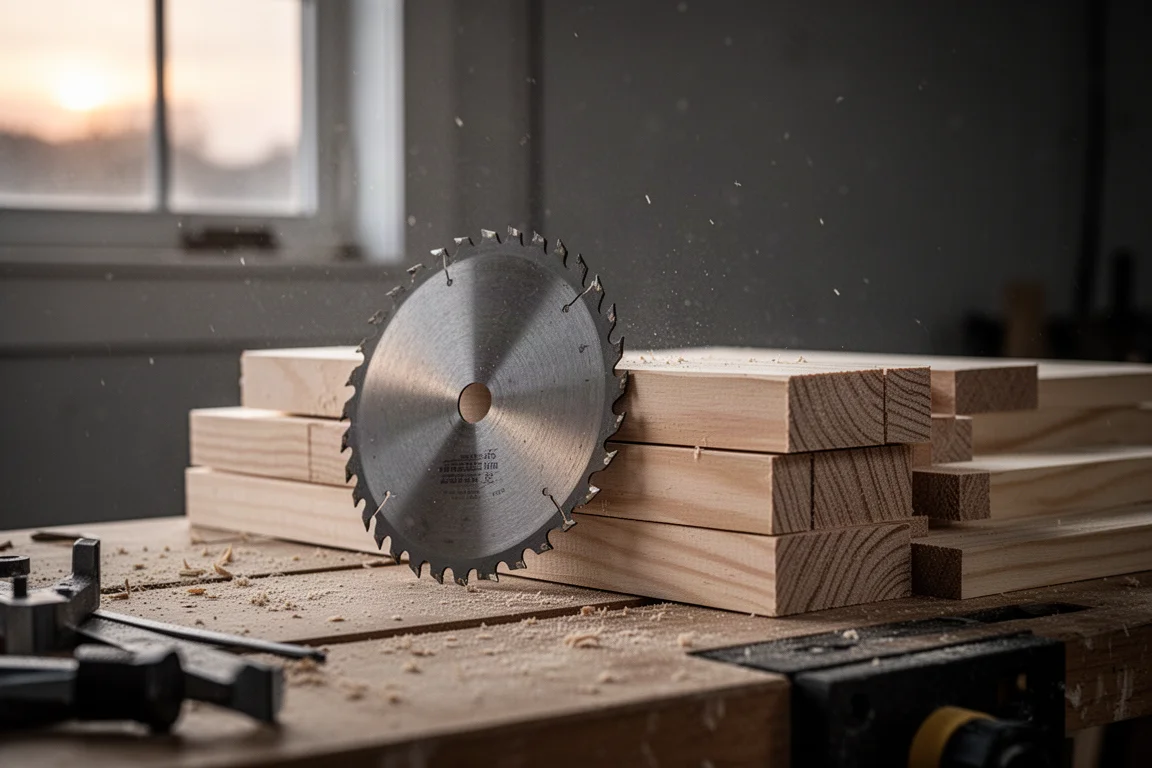
Milwaukee’s Nitrous thick kerf blade is the newer entry, aimed at pairing with its high-RPM Fuel circular saws, and it may well be a strong performer in its own right. Our issue is not with the blade, but with the test used to sell it. Judge blades on real cuts like these, and you will be in good shape either way.
Conclusion
The Diablo Demo Demon cut through all seven fasteners cleanly and kept its carbide intact, directly contradicting the demonstration that inspired this test. If you have been hesitating over whether the Demo Demon can handle fastener-filled lumber, it can. And whichever blade you choose, pick it based on how it performs on your actual material, not on a stage.
Further reading
Related Reviews

Power Tool Accessories
Best Drill Attachments 2026: Three DeWalt Tools Worth Buying
A practical look at three DeWalt drill attachments that deliver real value, plus the sketchy options you should skip.

Power Tool Accessories
Best Drill Bits 2026: 14 Sets Tested on Mild Steel, Spring Steel, and AR500 Armor
We tested 14 drill bit sets across mild steel, spring steel, and AR500 armor plating to find the best value, speed, and durability.

Power Tool Accessories
Best Right Angle Impact Adapters 2026: Five Options Tested for Speed, Torque, and Durability
We tested five right angle impact adapters from DeWalt, Milwaukee, Warrior, Titan, and Milescraft to see which ones deliver real performance without failing early.