Power Tool Accessories
Milwaukee Nitrous Carbide Circular Saw Blade: A Durability Test and Honest Verdict
A new nitrous carbide blade from Milwaukee goes through a demanding nail-and-screw cutting test to see how it stacks up against the market leaders.
Introduction
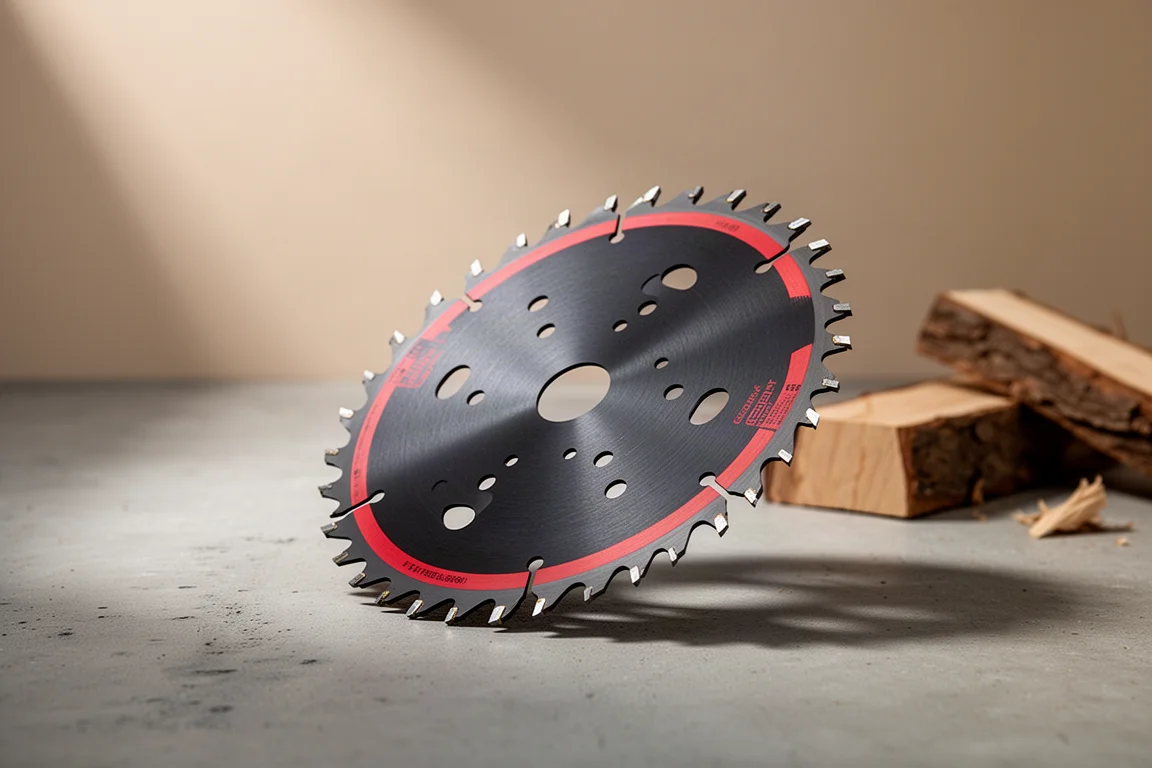
Milwaukee has entered a new category for itself with the Nitrous Carbide circular saw blade, and the company has been clear about who it is chasing: Diablo blades, long a favorite among contractors for their longevity in punishing cuts. The new blade is marketed for both framing and demolition, which is a wider brief than most standard framing blades get. To see whether it can genuinely compete, this blade went through the same torture test routine that other blades have faced, cutting through wood loaded with nails and screws far beyond what most job sites would throw at a blade in a single day.
First Impressions and Design Details
Out of the box, the first thing you notice is the series of stamped cutout holes along the side of the blade plate. Milwaukee states these are there to help keep the blade cool and prevent overheating, which in theory makes sense for a blade designed to survive demolition work. The blade is positioned as more than an ordinary framing blade: the packaging states it is good for framing as well as demolition.
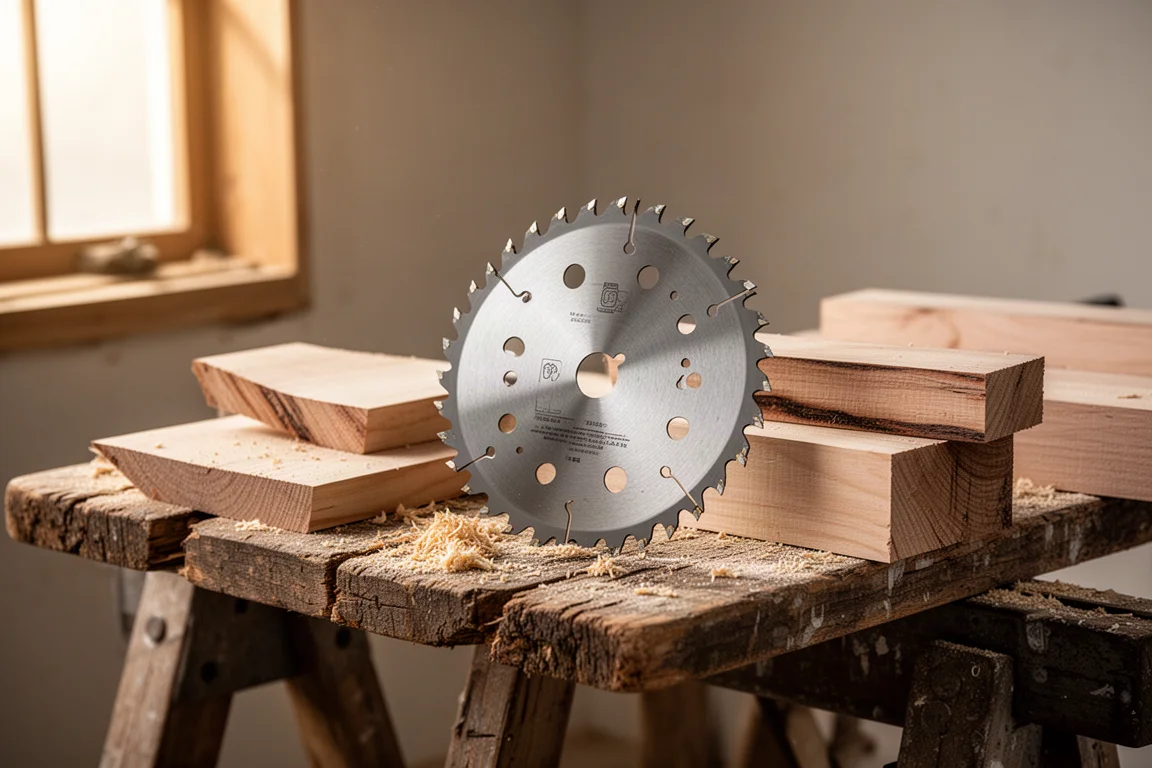
There is one small but genuinely welcome detail compared with the obvious competitor: the red coloring on this blade does not rub off onto the wood the way it does on Diablo blades. Anyone who has finished a cut with red streaks down a board will appreciate that.
Basic Cuts: Everyday Framing Performance
Before any abuse, the blade got a round of ordinary cuts through clean lumber with no nails or screws. The result was uneventful in the best way: smooth cuts, no issues, and performance on par with any other quality blade for general carpentry and construction work. Slicing through plain wood is the baseline any blade has to clear, and this one clears it without drama.
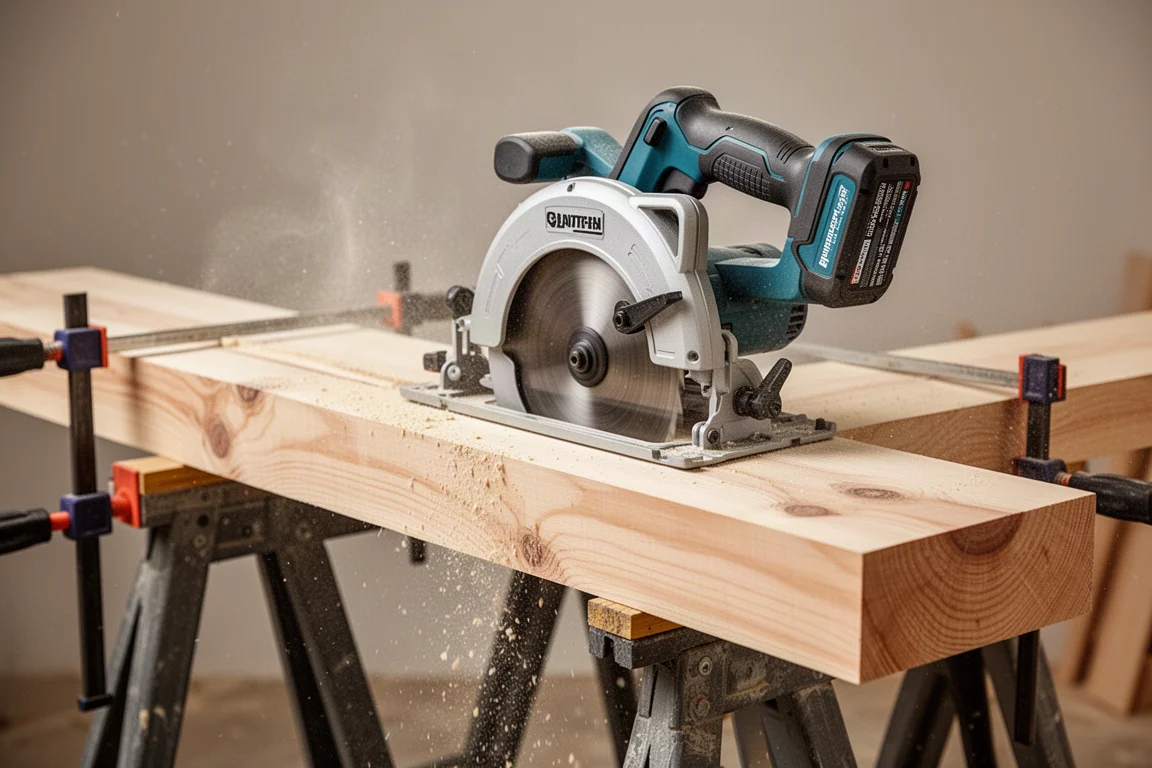
One practical note for buyers who care about ergonomics: blade-handedness matters. The tester here prefers blade-left saws even though they are right-handed, and found the blade-right configuration awkward to use. That is a saw preference rather than a blade issue, but it is worth matching blade orientation to how you actually work.
The Torture Test: Nails and Screws
Then came the real test. A strip of nails was driven through pine, and to raise the stakes further, the plank was flipped and loaded with large lag screws plus additional general purpose contractor screws. That is a lot of fastener mass packed into a single cutting line, well beyond typical job site abuse.
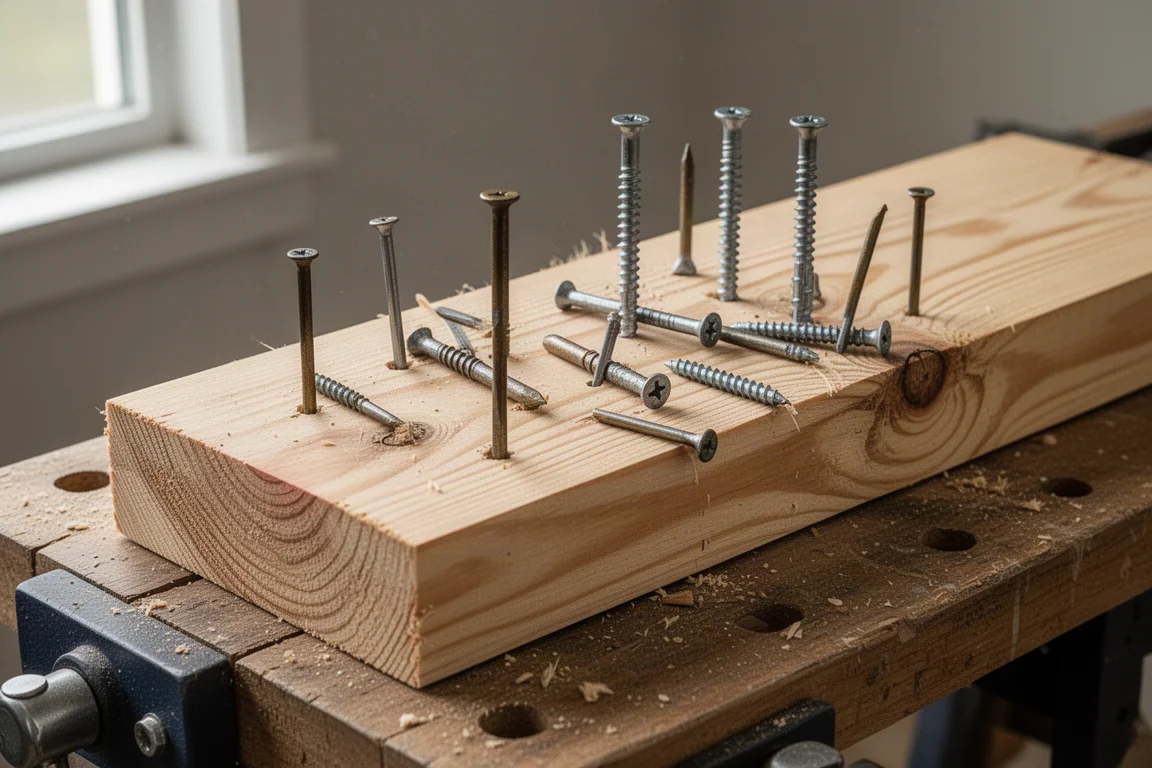
Powered by a fully charged Forge 8 amp hour battery, the blade cut down through all of the nails and all of the screws in one pass. That alone is an impressive result. The cut quality, however, was not the smoothest: other blades tested under the same routine have produced cleaner cuts. Considering what the blade went through, the cut was still respectable, so the verdict at this stage was mixed in a very honest way: durability strong, cut finish merely good.
Post-Test Inspection: How the Teeth Held Up
After a second pass through the fastener-loaded wood, the blade came off the saw for a close inspection. Two carbide teeth were missing, snapped off, while every other tooth held firm. Given how extreme this test is, and given that almost nobody would put a blade through this much abuse twice, losing only two teeth after two demolition passes is a solid showing.
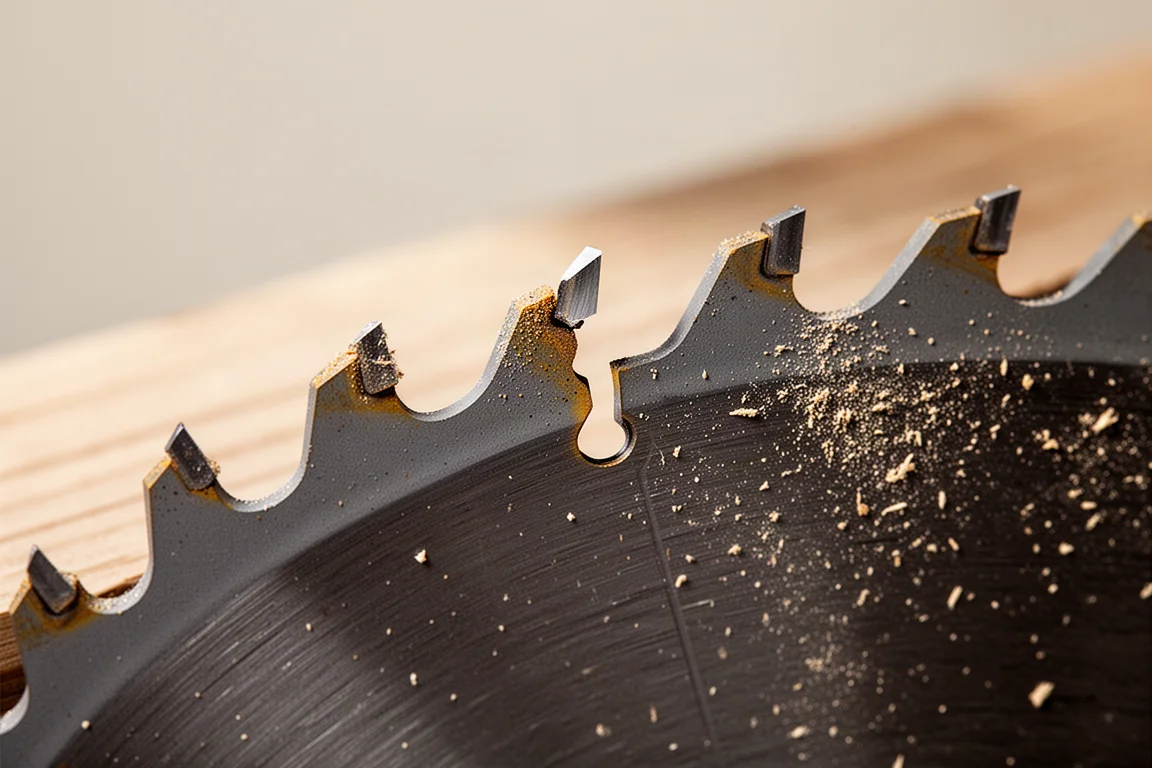
The honest comparison, though, goes to Diablo. Under the same torture routine, Diablo blades have survived three or four passes without losing teeth. So the fair summary is that the Milwaukee Nitrous Carbide is a good blade, even a great one, but not yet the absolute best tested in this routine.
Who Should Buy This Blade
For framing work, which is how most people will use it, this blade is entirely fit for purpose. If you hit a nail in a stud, the blade keeps going, and that is exactly the resilience you want on site. It is also a clear step up from Milwaukee’s previous generation of blades, performing noticeably better in direct memory of earlier testing.
If your priority is the fastest cutting or the longest possible blade life under repeated nail hits, the competition still holds that crown. But if you want a modern, durable framing and demolition blade from Milwaukee’s ecosystem, this one earns its place.
Conclusion
The Milwaukee Nitrous Carbide blade survives a brutal nail-and-screw test with only two teeth lost, cuts cleanly in ordinary framing use, stays cooler thanks to its stamped cutouts, and does not stain wood with red residue. It is a genuine step forward for Milwaukee, a strong choice for framing and demolition, and a real challenger, even if Diablo’s extreme longevity record remains just ahead.
Product link
View more details for Milwaukee Nitrous Carbide Circular Saw Blade
This product is mentioned in the review. Check the specifications, options, and compatibility before buying.
View more details for Milwaukee Nitrous Carbide Circular Saw BladeFurther reading
Related Reviews

Power Tool Accessories
Best Drill Attachments 2026: Three DeWalt Tools Worth Buying
A practical look at three DeWalt drill attachments that deliver real value, plus the sketchy options you should skip.

Power Tool Accessories
Best Drill Bits 2026: 14 Sets Tested on Mild Steel, Spring Steel, and AR500 Armor
We tested 14 drill bit sets across mild steel, spring steel, and AR500 armor plating to find the best value, speed, and durability.

Power Tool Accessories
Best Right Angle Impact Adapters 2026: Five Options Tested for Speed, Torque, and Durability
We tested five right angle impact adapters from DeWalt, Milwaukee, Warrior, Titan, and Milescraft to see which ones deliver real performance without failing early.