Power Tool Accessories
Milwaukee Nitrous Carbide Blades: Sawzall and Oscillating Multi-Tool Options Compared
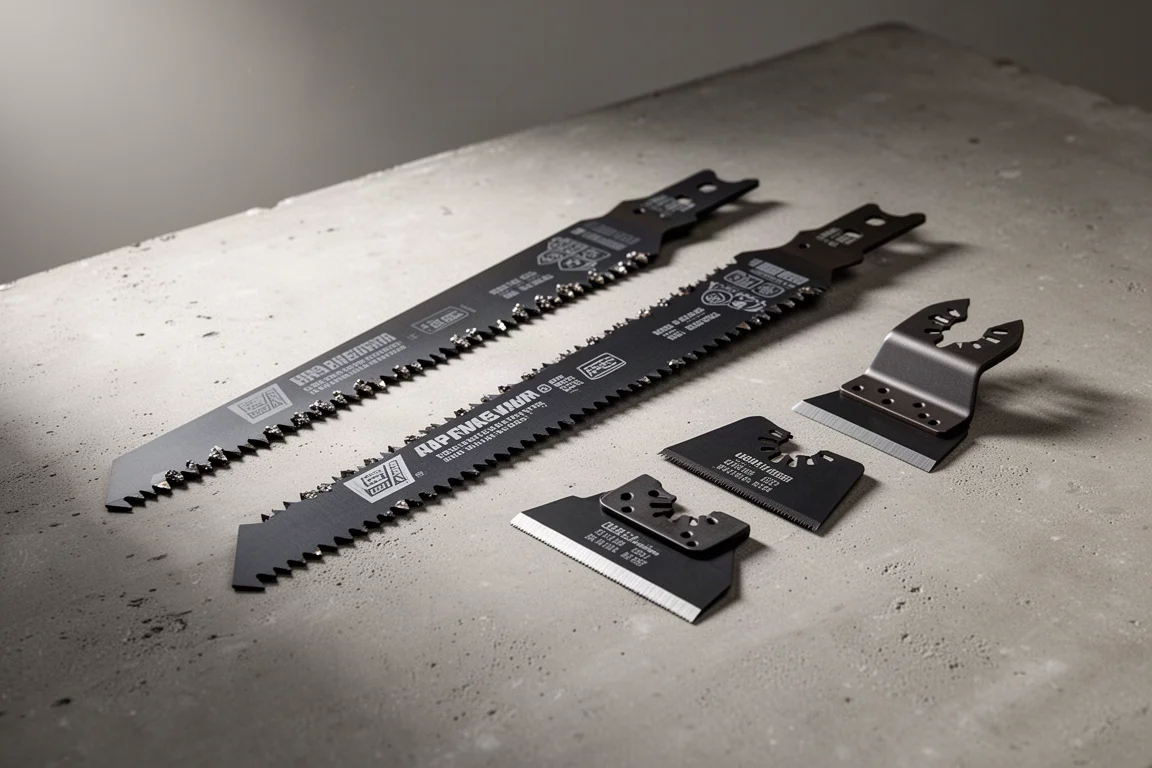
Four Nitrous Carbide cutting blades from Milwaukee, including the Gen 2 Sawzall Torch and Wrecker and two oscillating multi-tool blades, tested for longevity, cutting speed, and cost per cut.
Introduction
Milwaukee’s Nitrous Carbide line has quietly become one of the more interesting stories in cutting accessories. The range started with Sawzall blades and now extends into oscillating multi-tool blades, covering four products: the Gen 2 Nitrous Carbide Torch and Wrecker reciprocating saw blades, and the Nitrous Carbide Extreme Metal and Extreme Materials oscillating blades.
What makes these blades worth a closer look is the combination of longevity and cost per cut. In testing against cast iron, the Gen 2 Torch blade delivered roughly double the usable life of its predecessor, and the cost savings compared with bi-metal or standard carbide blades are substantial.
What Is Nitrous Carbide?
A common assumption is that Nitrous Carbide is just a coating applied to an ordinary blade. That is not the case. The Nitrous Carbide designation covers the carbide blend and grade, the blade height (or, on multi-tool blades, the thickness), the attachment method, and the tooth geometry. It is a complete blade design rather than a surface treatment.
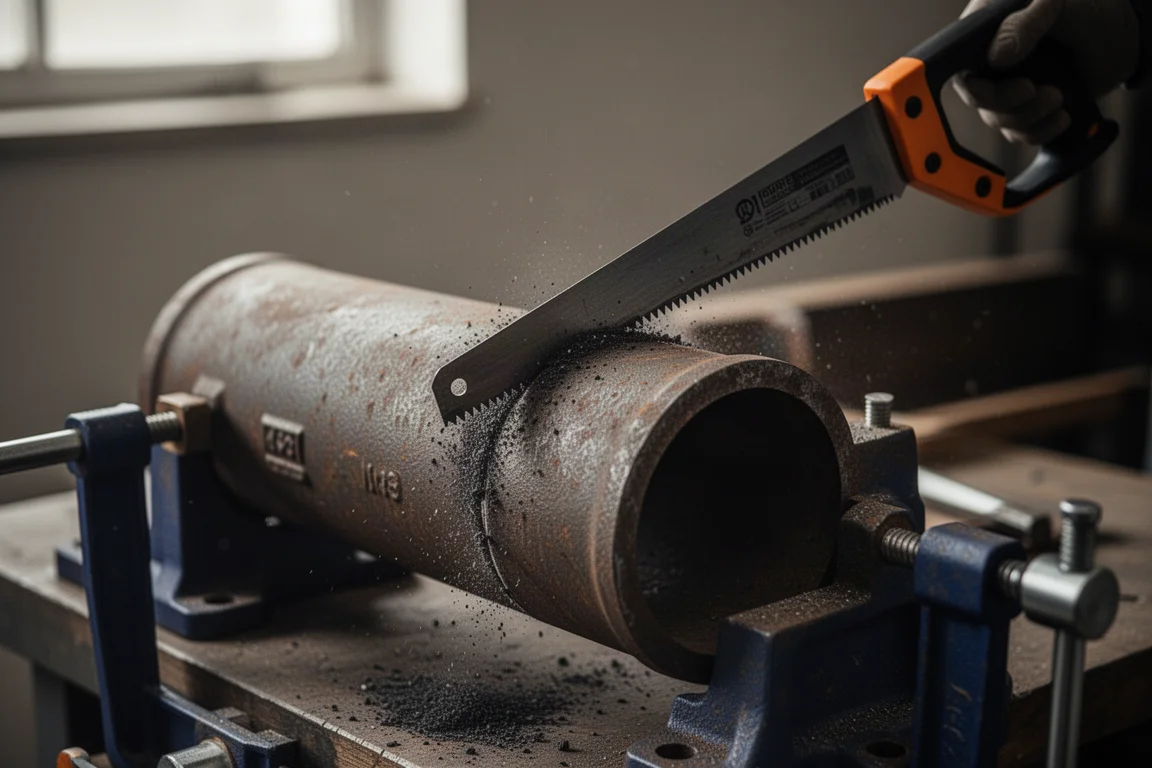
On the reciprocating saw side, these blades are purpose-built for the toughest materials you are likely to run into. The same philosophy carries over to the oscillating multi-tool line.
Sawzall Blades: Gen 2 Torch and Wrecker
Both the Torch and the Wrecker are now on their second generation, and the changes are subtle but meaningful. The Torch, for example, moved from 7 TPI to 8 TPI, and Milwaukee has also reworked the metallurgy, the connection, and the tooth geometry across the line.
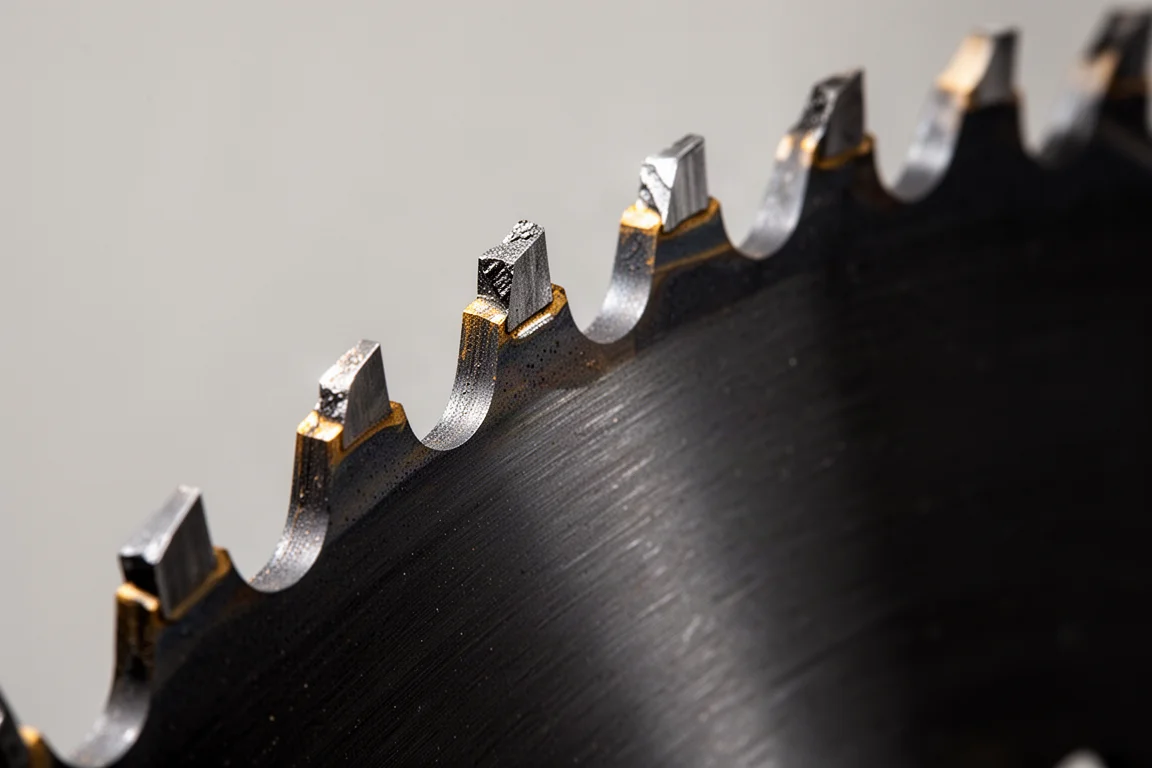
These blades are designed to lower your cost per cut, which matters most on brutal materials like cast iron. Below is how each one fits into the lineup.
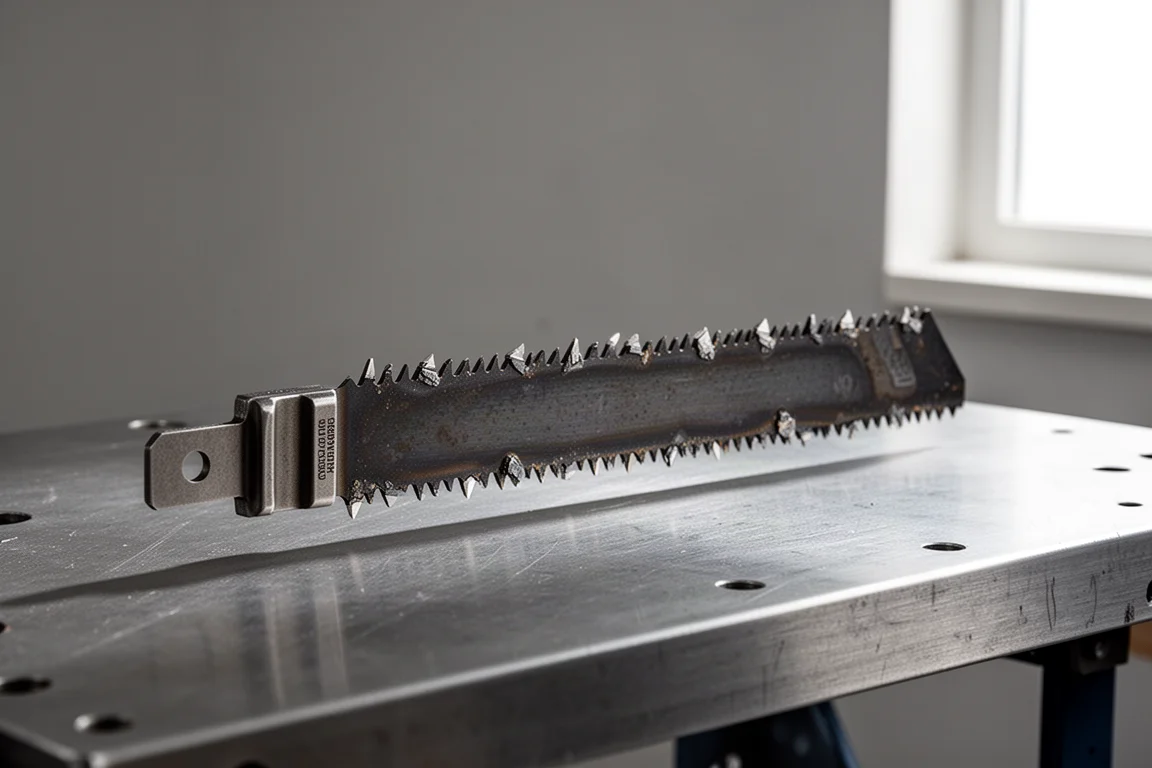
Milwaukee Nitrous Carbide Sawzall Torch Blade (Gen 2)
The Torch is the cast iron specialist of the family. In a head-to-head longevity test on cast iron pipe, using an M18 Fuel Super Sawzall set between speed 3 and speed 4, a Gen 1 Torch blade managed one full cut and roughly half of a second before teeth started missing. The Gen 2 Torch completed two solid cuts, and even with damaged teeth it delivered about one and a half cuts versus three for the first generation. The tooth geometry and metallurgy changes show up in practice: cuts start fast and stay smoother for longer, which also means fewer blade changes and less vibration in your arms.
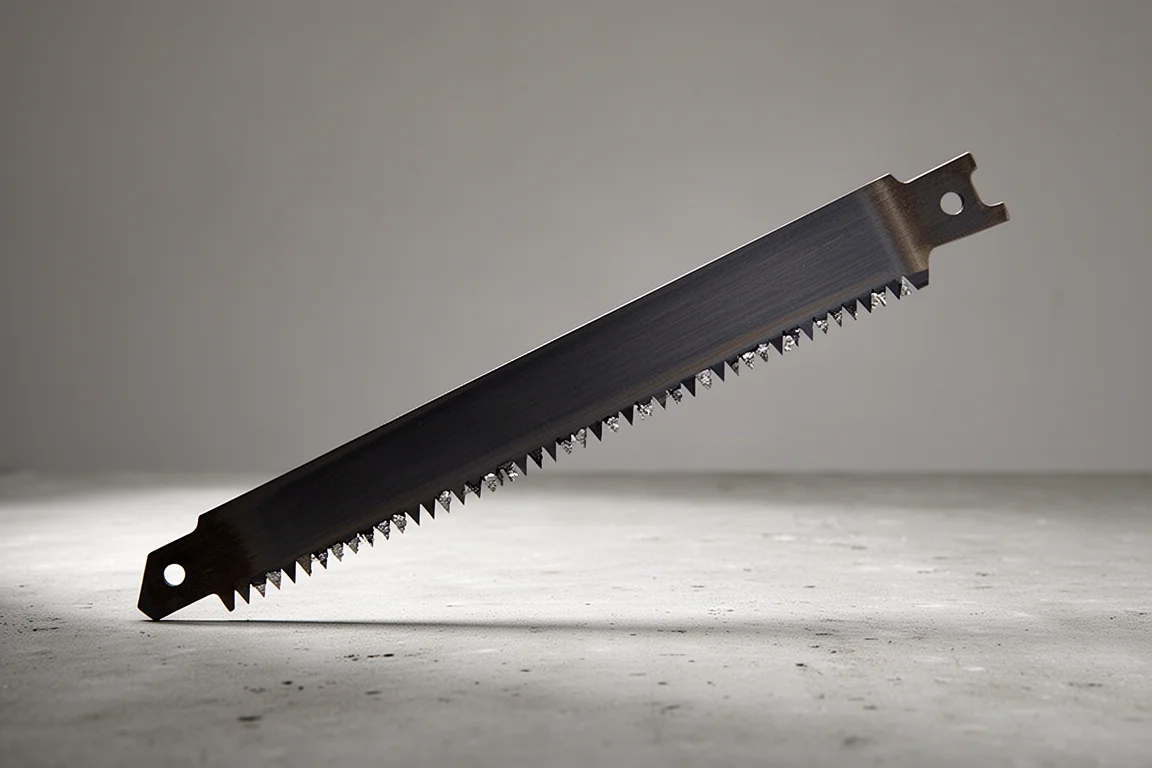
Milwaukee Nitrous Carbide Sawzall Wrecker Blade (Gen 2)
The Wrecker is the other second-generation Nitrous Carbide Sawzall blade, and like the Torch it benefits from the same generation-over-generation refinements to metallurgy, connection, and tooth geometry. It sits alongside the Torch as a purpose-built option for the toughest demolition and metal-cutting work. If your cutting list spans mixed demolition debris as well as hard metals, this is the blade to reach for.
Real-World Longevity Testing
The cast iron test is the clearest illustration of what Gen 2 brings. With a Gen 1 Torch blade, the first cut through the pipe went through cleanly and steadily, but about half of the second cut exhausted the front teeth. The Gen 2 blade melted through its first cut beautifully, handled the second cut well, and only started slowing noticeably midway through the third. On inspection afterward, all teeth were still attached, with only minor damage to the front cutting teeth while the back teeth remained in good shape.
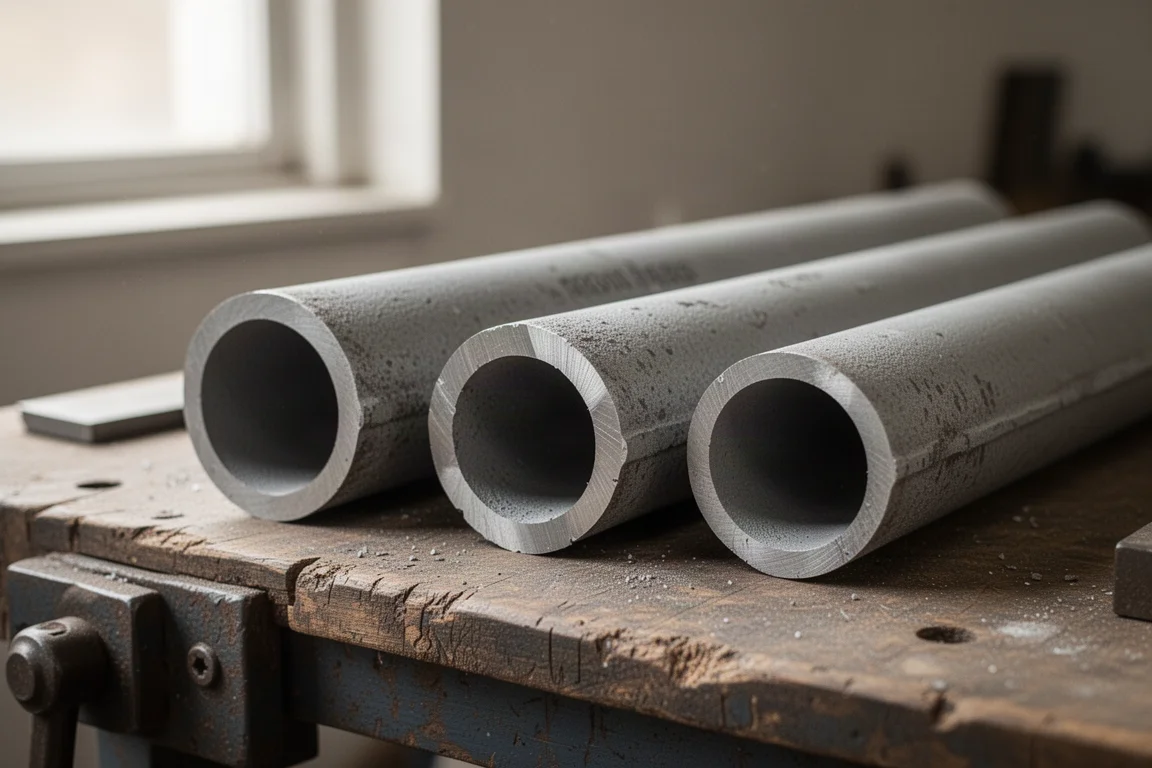
In practical terms, the Gen 2 blade offered roughly twice the life of its predecessor in the same material.
The Cost per Cut Argument
Cast iron is where the math gets persuasive. Three cutting approaches, three very different costs:
- Bi-metal blade: roughly 25 blades per cut at about $3 each, working out to around $75 per cut, plus all the time, blade changes, and vibration.
- Standard carbide blade: typically $10 to $20 per cut depending on blade quality, call it $15 as a middle estimate.
- Nitrous Carbide Torch blade: 5 to 6 cuts per blade in cast iron, bringing the cost per cut down to roughly $5 to $6.
Beyond the dollar savings, the Torch cuts faster, so you change blades less often and your arms take less of a beating.
Oscillating Multi-Tool Blades: Extreme Metal and Extreme Materials
The Nitrous Carbide line now extends to oscillating multi-tools with two distinct blades, and testing pushed them well past their usual job description. Alongside the expected screws, bolts, and threaded rod, one experiment used the Extreme Metal blade to try cutting through number 5 rebar with an oscillating multi-tool, which is about as extreme a test as this category offers.
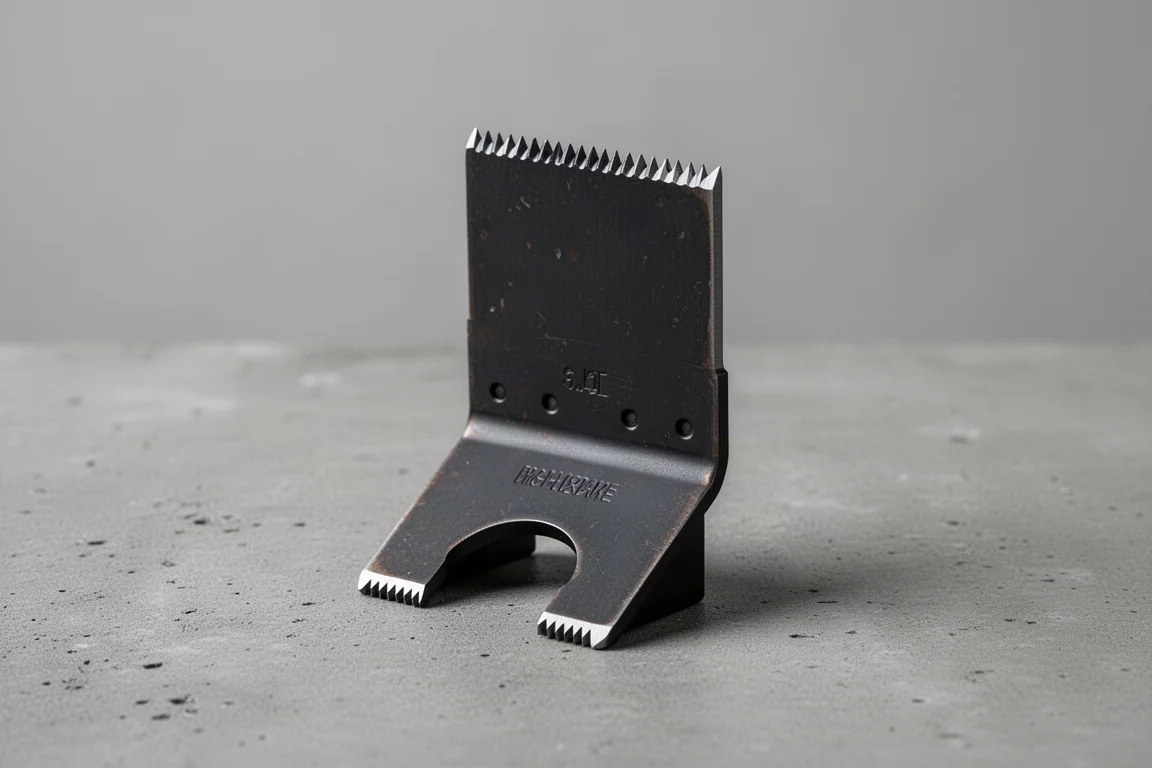
Milwaukee Nitrous Carbide Oscillating Multi-Tool Extreme Metal Blade
The Extreme Metal blade is for jobs where you already know you are cutting into metal: flush cutting screws, bolts, threaded rod, and similar fasteners. It delivers the longest life specifically in metal, making it the top-tier choice when metal is the main event and blade replacement costs add up quickly.
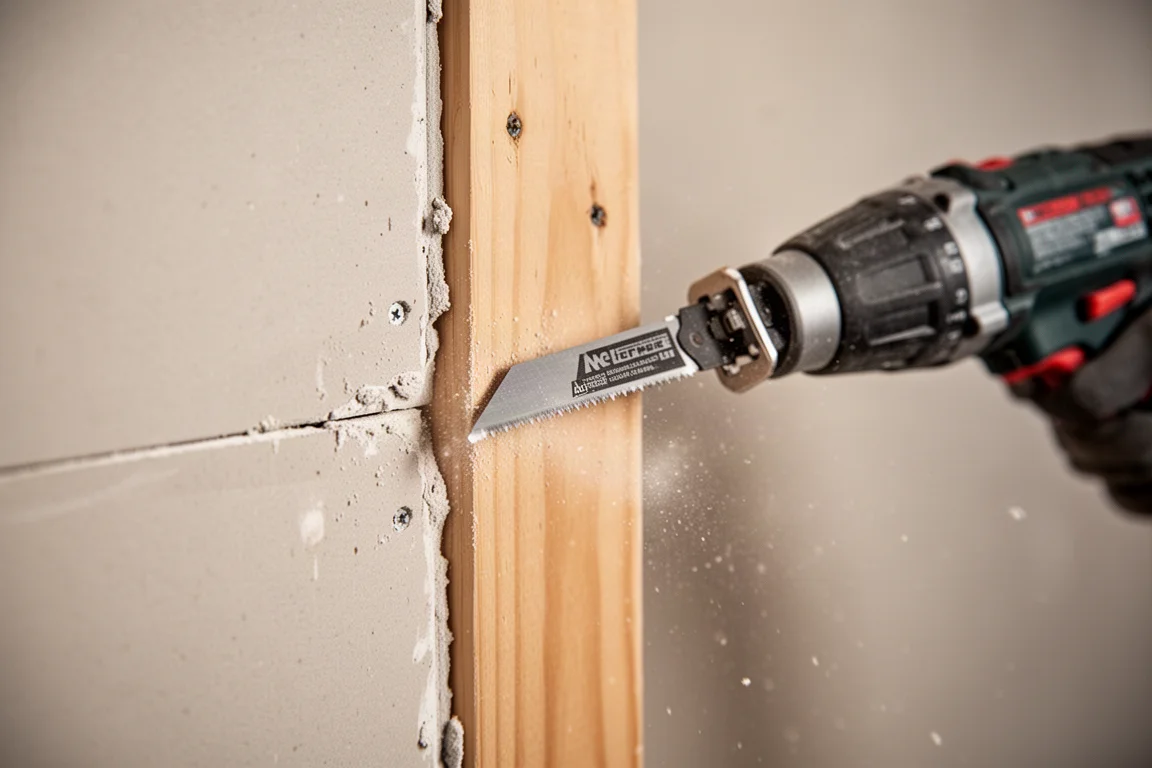
Milwaukee Nitrous Carbide Oscillating Multi-Tool Extreme Materials Blade
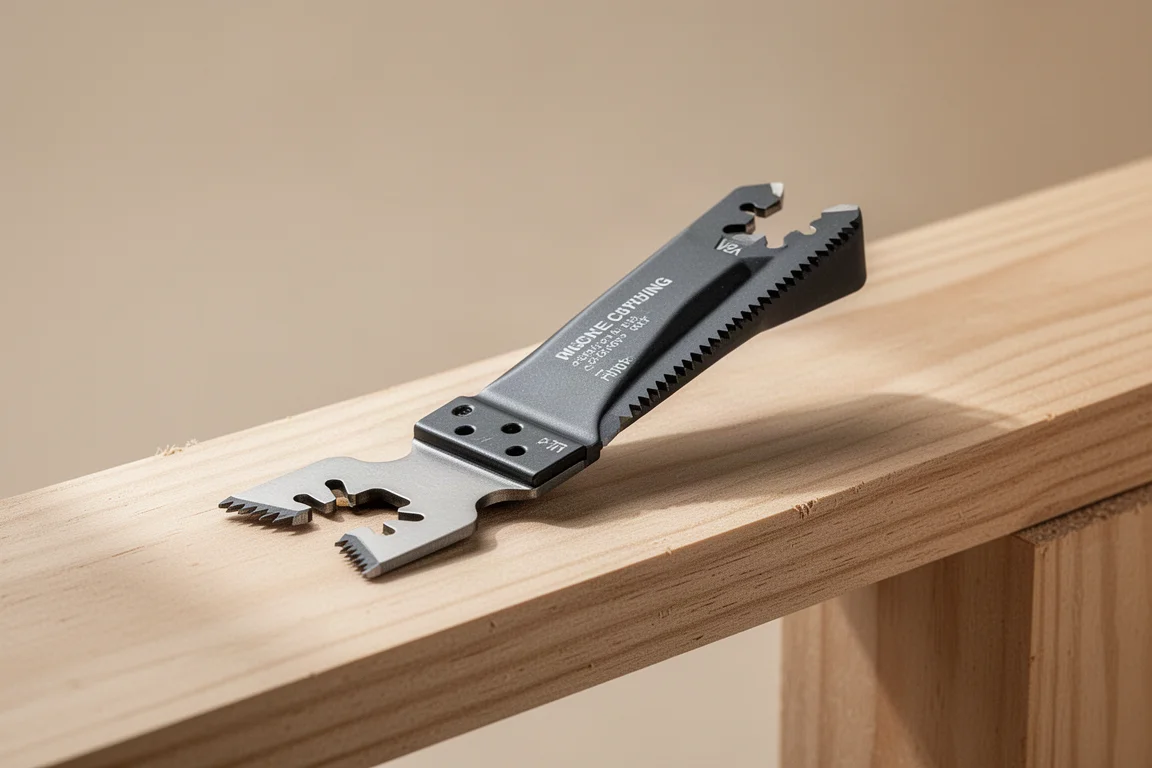
The Extreme Materials blade is the general-purpose, everyday option. Remodeling is the obvious use case: you do not always know what is behind the wall when you flush cut for tile or trim, and this blade deals with nails and screws without complaint. The trade-off is the flip side of the Extreme Metal’s strength: you get faster cutting through wood materials with the Extreme Materials blade, while the Extreme Metal holds up longer in pure metal work.
Availability and Buying Advice
When these blades launch, they will be available as singles as well as three packs and five packs, so you can start small with one blade or stock up if you cut metal regularly.
Choose the Gen 2 Torch if cast iron and hard metals dominate your work, and the Wrecker if your demolition cutting is more mixed. For oscillating work, pick the Extreme Metal blade when metal cutting is guaranteed and blade life in metal is the priority, and the Extreme Materials blade for everyday remodeling where hidden fasteners are possible but wood speed matters more.
Conclusion
Milwaukee’s Nitrous Carbide lineup treats blades as engineered systems rather than coated steel strips, and the results back that up. The Gen 2 Sawzall blades doubled their usable life in cast iron testing and cut the cost per cut from around $75 with bi-metal to roughly $5 or $6 with the Torch. On the oscillating side, the split between Extreme Metal and Extreme Materials gives you a clear choice: maximum metal longevity or faster general-purpose cutting. Match the blade to the material and the savings take care of themselves.
Further reading
Related Reviews

Power Tool Accessories
Best Drill Attachments 2026: Three DeWalt Tools Worth Buying
A practical look at three DeWalt drill attachments that deliver real value, plus the sketchy options you should skip.

Power Tool Accessories
Best Drill Bits 2026: 14 Sets Tested on Mild Steel, Spring Steel, and AR500 Armor
We tested 14 drill bit sets across mild steel, spring steel, and AR500 armor plating to find the best value, speed, and durability.

Power Tool Accessories
Best Right Angle Impact Adapters 2026: Five Options Tested for Speed, Torque, and Durability
We tested five right angle impact adapters from DeWalt, Milwaukee, Warrior, Titan, and Milescraft to see which ones deliver real performance without failing early.