Cordless Tools
Milwaukee M18 Fuel Nexus Vacuum System: Modular Cordless Cleanup Tested
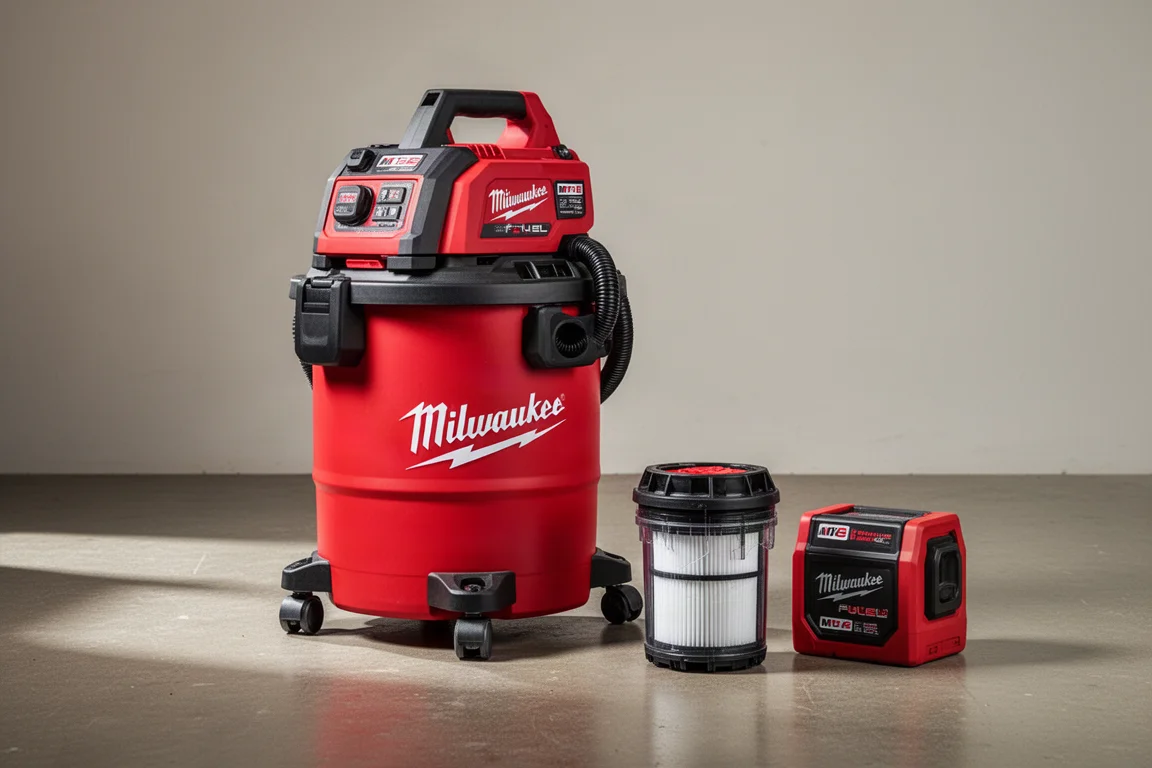
We tested the Milwaukee M18 Fuel Nexus 6-gallon wet/dry vacuum with its debris separator and filter cleaner modules to see if the modular approach really improves job site cleanup.
Introduction
Cordless tools have changed the way work gets done, but vacuums have often been the weak link. Weak suction, clogged filters, and dead batteries halfway through cleanup are common frustrations. Milwaukee’s newest Nexus cordless vacuum system aims to fix those problems, not just with more power, but with a system designed around how debris is actually handled on the job site. This review puts the system to the test to see if it delivers.
The Nexus System at a Glance
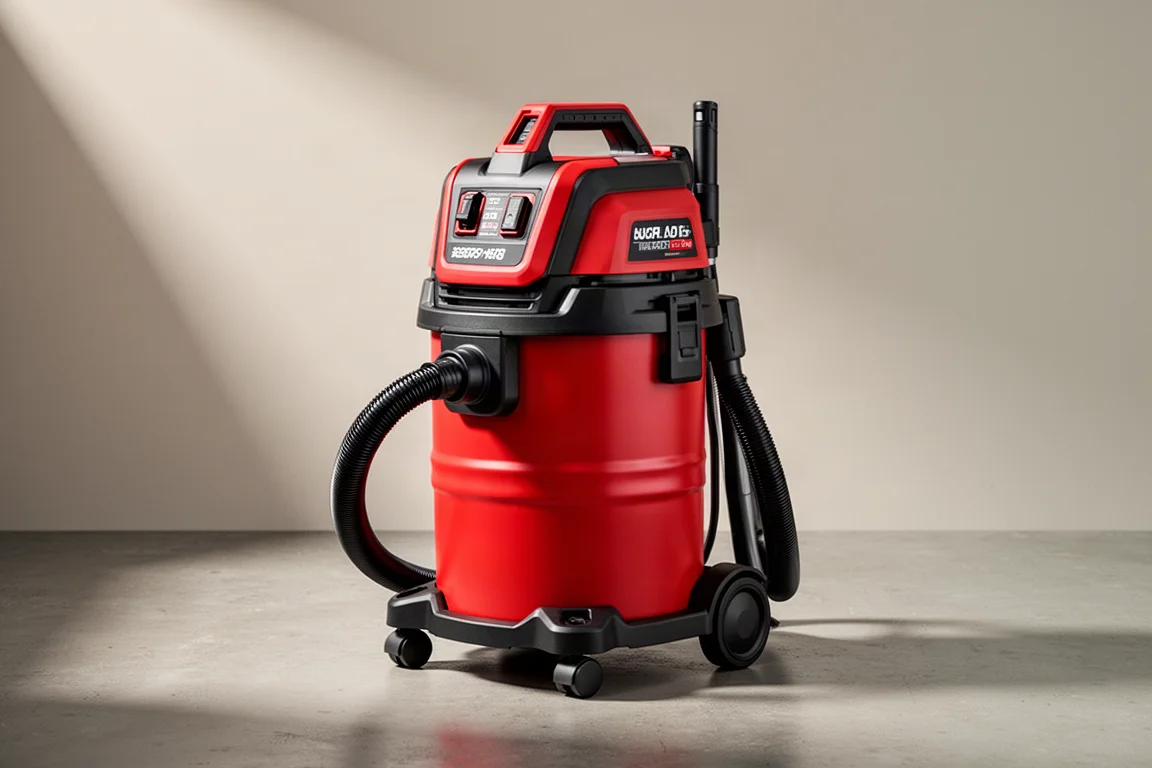
The Nexus system is more than a cordless vacuum. It is a modular debris management platform built around three main components. The core is the M18 Fuel Nexus 6-gallon wet/dry vacuum, model 091420. The second component is the Nexus dedicated debris separator, model 099020, designed for improved debris management. The third is the Nexus dedicated filter cleaner, model 099120, designed to maintain high filter performance over time.
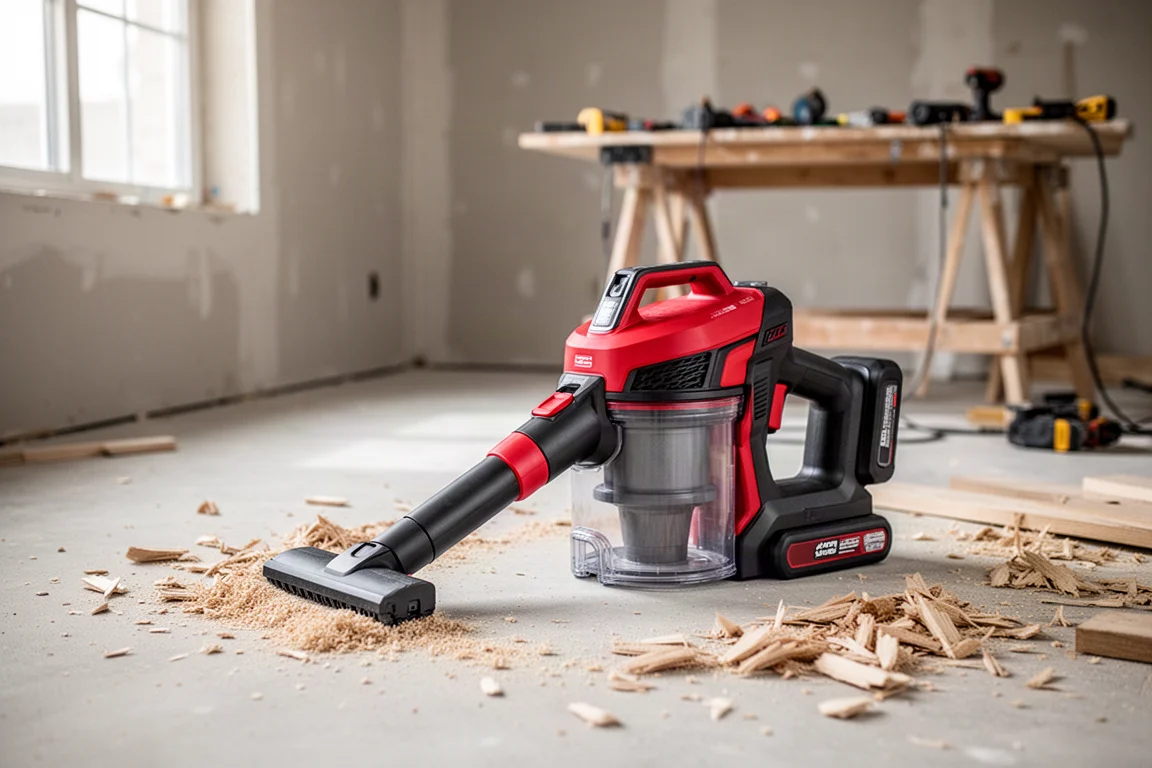
The M18 Fuel Nexus 6-gallon wet/dry vacuum is the heart of the system and can run by itself. Inside is an M18 Fuel brushless motor delivering strong suction for a cordless platform. The 6-gallon model was tested, but 9 and 12-gallon tanks are also available. The unit offers Packout compatibility on top for tool storage, a vac-link port for connecting system components, and an on/off control at the end of the hose. The unit is fully wet/dry compatible.
How the Debris Separator Works
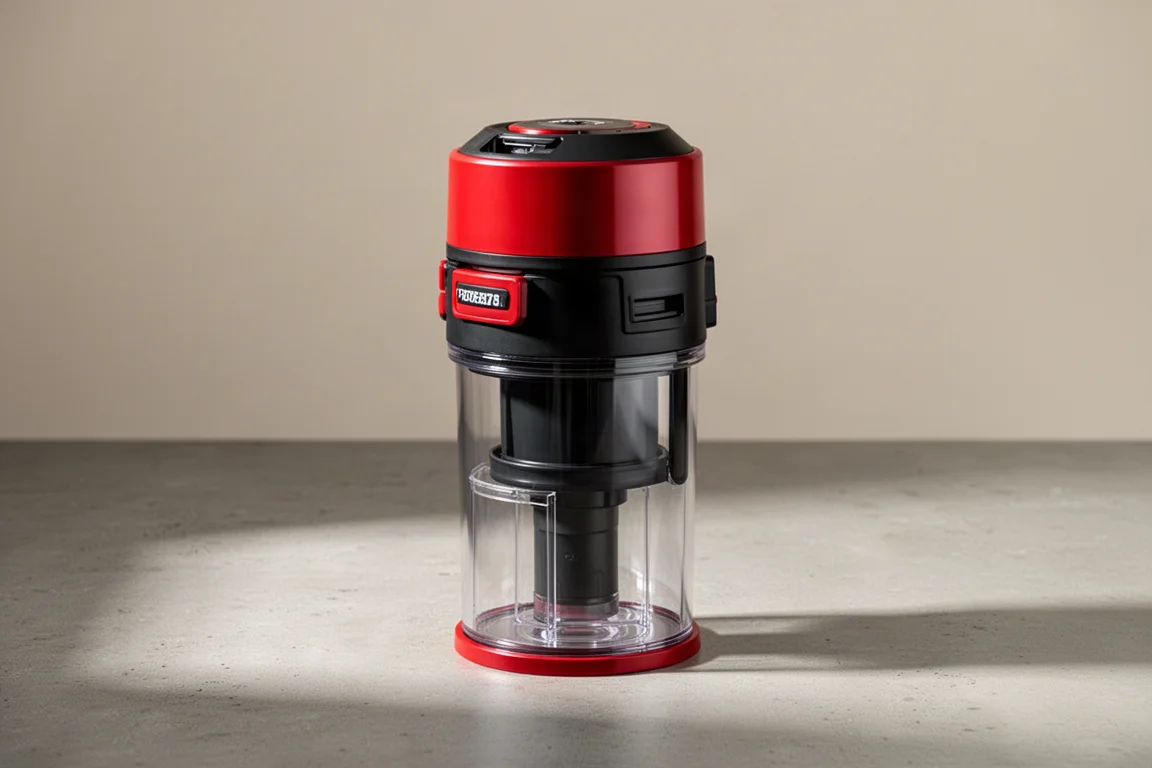
The Nexus dedicated debris separator, model 099020, is where the modular design starts to show its strengths. It sits between the vacuum power head and the bottom tank, designed to capture large debris and heavier dust before it ever reaches the main filter.
Filter clogging is the biggest performance killer of any vacuum, whether cordless or corded. By capturing debris upstream of the filter, suction stays stronger for longer and filter cleaning intervals increase dramatically. This makes the debris separator a meaningful addition for anyone dealing with mixed dust and larger debris on a regular basis.
How the Filter Cleaner Works
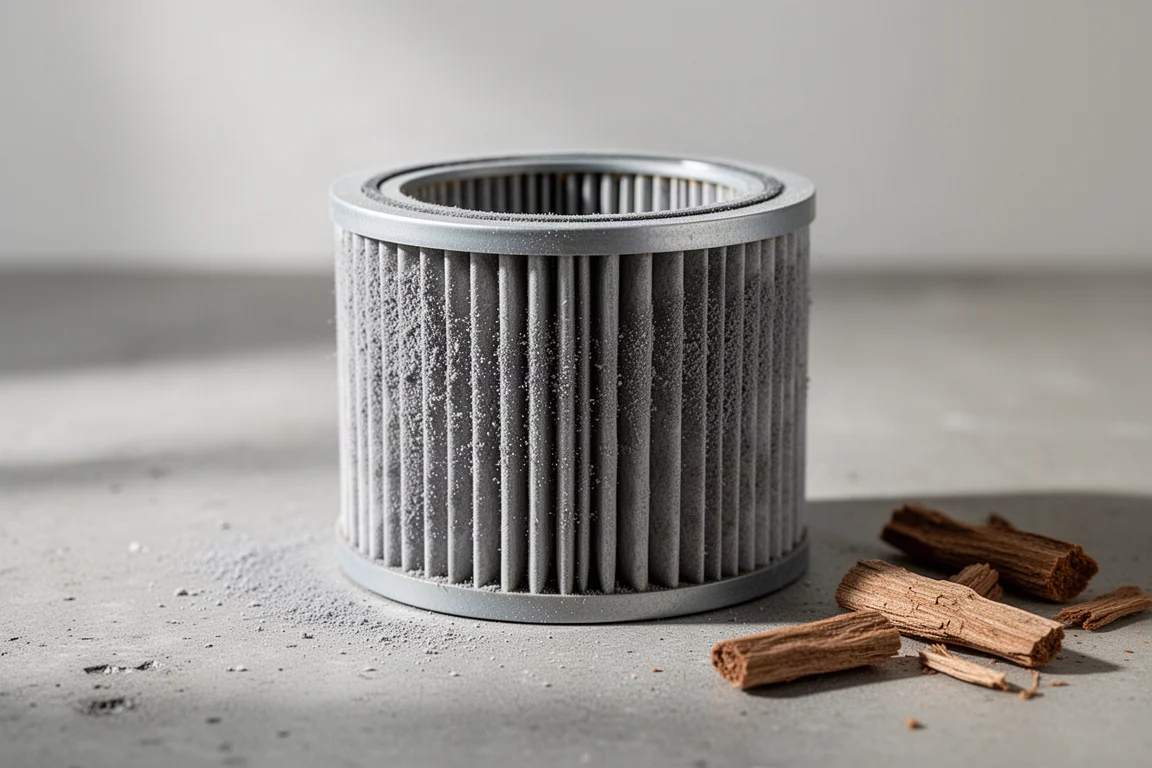
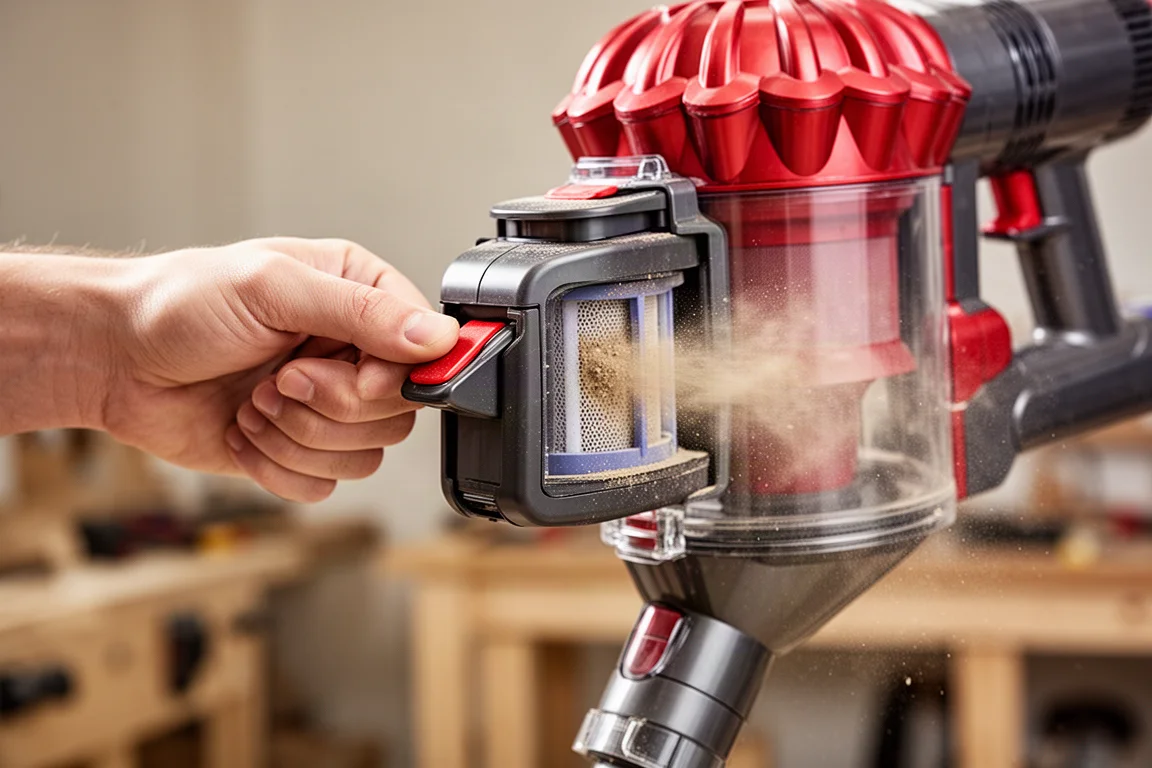
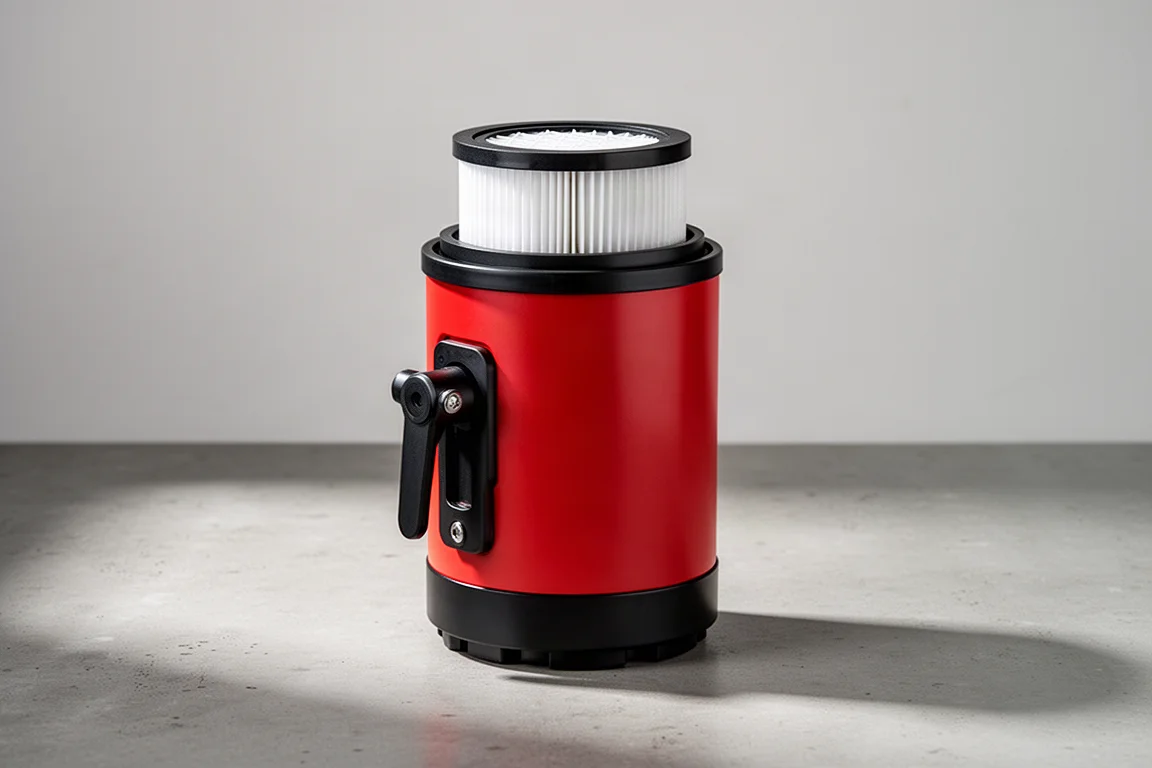
The Nexus dedicated filter cleaner, model 099120, is the most system-specific piece. Instead of removing the filter and manually cleaning it, this module installs directly into the Nexus vacuum and manually pulses air flow to knock debris out of the filter internally. This restores air flow without stopping work. The user simply monitors vacuum performance and activates the filter cleaning levers as needed.
This module uses a HEPA compliant filter, making it suitable for drywall and concrete dust applications. The ability to clean the filter while the tool is running is a practical advantage for continuous work sessions.
Modular Design and Stacking Limitations
One natural question is why not stack all the modules together for the best of everything. Milwaukee designed the system so the units do not stack together. The debris separator and the HEPA filter attachment cannot be used simultaneously. If you want to use the HEPA attachment, you have to remove the filter from the unit, put the HEPA filter on first, then line up the vacuum and stack it together.
This forces users to prioritize what they are trying to accomplish. For vacuuming drywall dust and concrete dust, the HEPA filter is the right choice. For larger debris with dust and debris mixed together, the debris separator module makes more sense. The design intentionally prevents combining both, which keeps the system focused on specific use cases.
Test Results and Performance
The vacuum does not feel like a portable vacuum when it comes to power. Suction is strong, so strong that it is optimized for dust extraction when using the smaller included hose. On high mode, it quickly clogged up when picking up a large amount of sawdust. Switching to low mode allowed effective handling of larger volumes of material.
For testing, exactly 2 lbs of wood chips were used across all configurations. The core vacuum alone performed as expected with more than sufficient suction. When the debris separator was installed, there was no noticeable change in suction since the system still relies on the original filter. The difference showed up when opening the vacuum: the debris shield stopped most of the larger material, forcing it to drop into the bottom bin, with only fine dust reaching the filter.
The filter cleaner configuration, using the HEPA compliant filter, was also tested with the same 2 lbs of sawdust. With the tool running, a lever on the side was periodically operated to pulse the filter and knock off accumulated dust.
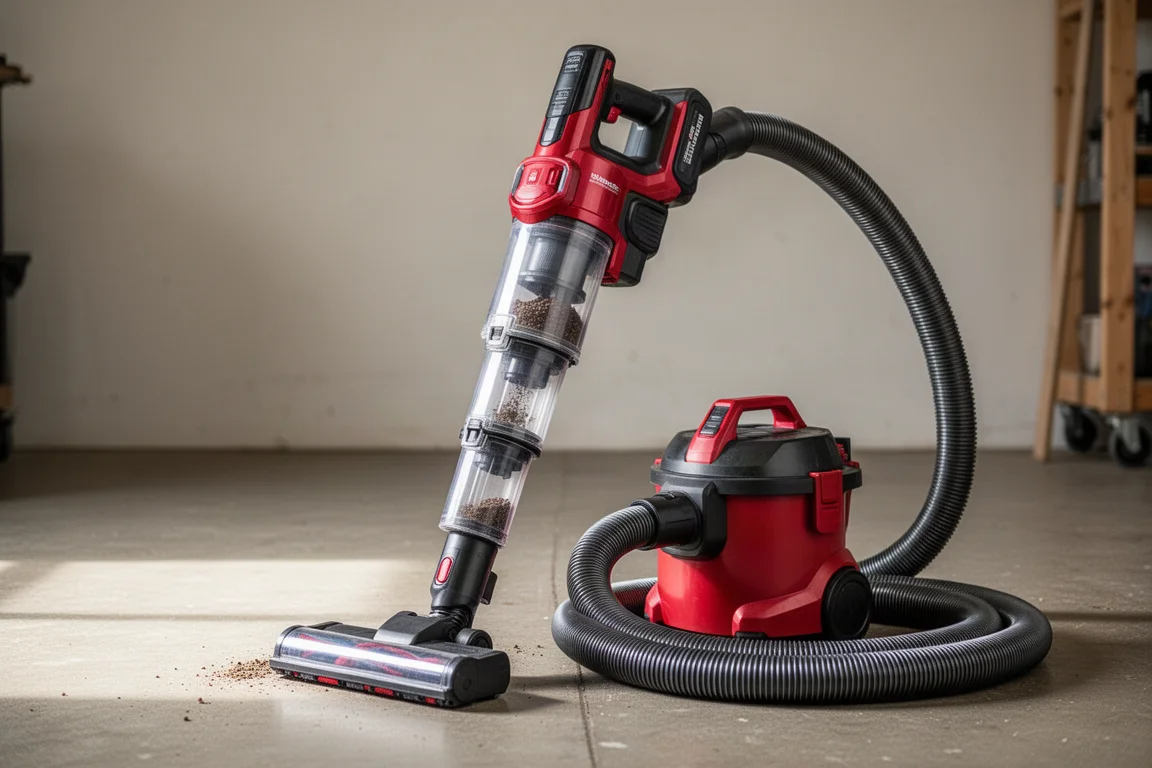
Pickup speed was nearly identical across all configurations, taking about a minute and a half to pick up 2 lbs of debris. The core vacuum alone left about 1.4 oz of dust in the filter. The debris separator, using the same filter, left less than one-tenth of an ounce in the filter. The HEPA filter cleaner held about 0.8 oz. For the type of material tested, the debris separator clearly performed best for efficiency, leaving the filter nearly dust-free. The HEPA filter picked up more dust as expected since it is a much finer filtering layer, making it the right configuration for drywall or concrete applications.
Pros and Cons
The pros are substantial. Strong cordless suction is comparable to what you would expect from a performance cordless vacuum. The modular system can really improve performance in specific scenarios. Integrated mechanical systems reduce filter clogging. The tool expands the M18 line of tools, and the Packout integration is a notable highlight.
The cons are minimal but worth mentioning. For larger debris, you will need the 2.5-inch hose, model 49902006, for best results. There is no hybrid corded option for this model. If you buy more than just the base vacuum, total system costs begin to add up quickly, and getting the best performance requires buying into the full system.
Buying Advice
The base model retails for $349. The debris separator sells for $99, and the dedicated filter cleaner unit sells for $149. If you want more of a true shop-vac experience, the larger hose runs about $70. Milwaukee also offers a dual battery version and a 120-volt corded version, with multiple tank sizes and additional accessories sold separately.
This system would benefit from being a dual battery hybrid vacuum, but as it stands, the single battery model tested here delivers solid performance. For users already invested in the M18 platform, the Nexus system is a practical way to bring cordless convenience to job site cleanup. The modular approach means you can start with the base vacuum and add components as your needs become clearer.
Conclusion
The Milwaukee M18 Fuel Nexus system is a solid attempt at creating a more customizable vacuum solution. The debris separator delivers impressive results for mixed debris, keeping the filter nearly dust-free. The filter cleaner offers a practical way to maintain performance without stopping work. The intentional stacking limitations force users to choose the right configuration for the task at hand, which is a thoughtful design decision. For anyone looking to upgrade from a weak cordless vacuum, the Nexus system is worth serious consideration.
Further reading
Related Reviews

Cordless Vacuum Reviews
Bissell PowerClean 4173 Review: Strong Pickup, But Check the Long-Term Reports
The Bissell PowerClean 4173 delivers impressive pickup and filtration for around $200, but heavier handle weight and durability concerns are worth weighing before you buy.
Vacuum Reviews
Bissell PowerClean DualBrush Review: A Cordless That Finally Competes With Shark
The Bissell PowerClean DualBrush brings a dual-roller floor head, strong filtration, and solid battery efficiency to the cordless stick vacuum market at a competitive price.
Cordless Power Tools
DeWalt DCS785 Review: A Cordless 12-Inch Miter Saw Built for the Job Site
The DeWalt DCS785 brings 12-inch double bevel sliding compound cutting power to the 20V MAX platform. We break down its cut capacity, run time, and the trade-offs to know before buying.