Power Tools
Milwaukee Modular Vacuum System: The Corded Power Head Changes Everything
Milwaukee's modular vacuum lineup now includes a $199 corded 6.5 HP Peak Power Head. We look at suction performance, noise levels, and how to build a two-vacuum setup without wasting money.
Introduction
Milwaukee has added a corded version of its 6.5 HP Peak Power Head to the modular vacuum system, and it is priced at $199. That single accessory changes how the whole lineup makes sense: you can run corded for long sessions at the bench, then swap to battery power when you need to clean somewhere without an outlet. The idea is simple, and in practice it turns one investment into a genuinely flexible two-vacuum setup.
The catch is that this is an expensive ecosystem, and the power head alone does not make a complete vacuum. Here is how the pieces fit together, what the performance numbers show, and what we would buy differently if starting over.
Why a Corded Option Makes the Modular System Better
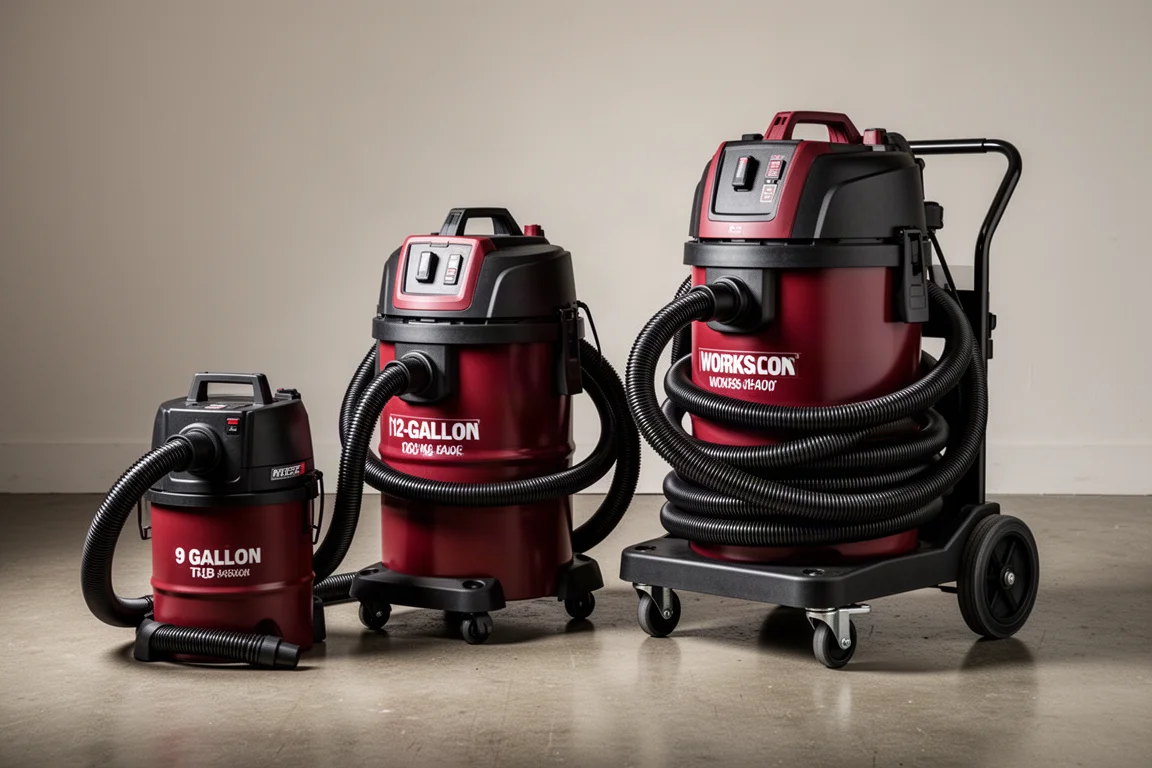
Most people who want a serious workshop vacuum want both things at once: unlimited runtime for long cleanup jobs and the freedom to work where there is no power. A corded power head paired with the existing battery-powered tubs delivers exactly that. The head works with any of the vacuum sizes, including the 6, 9, and 12 gallon tubs, so you can move it between bodies as needed.
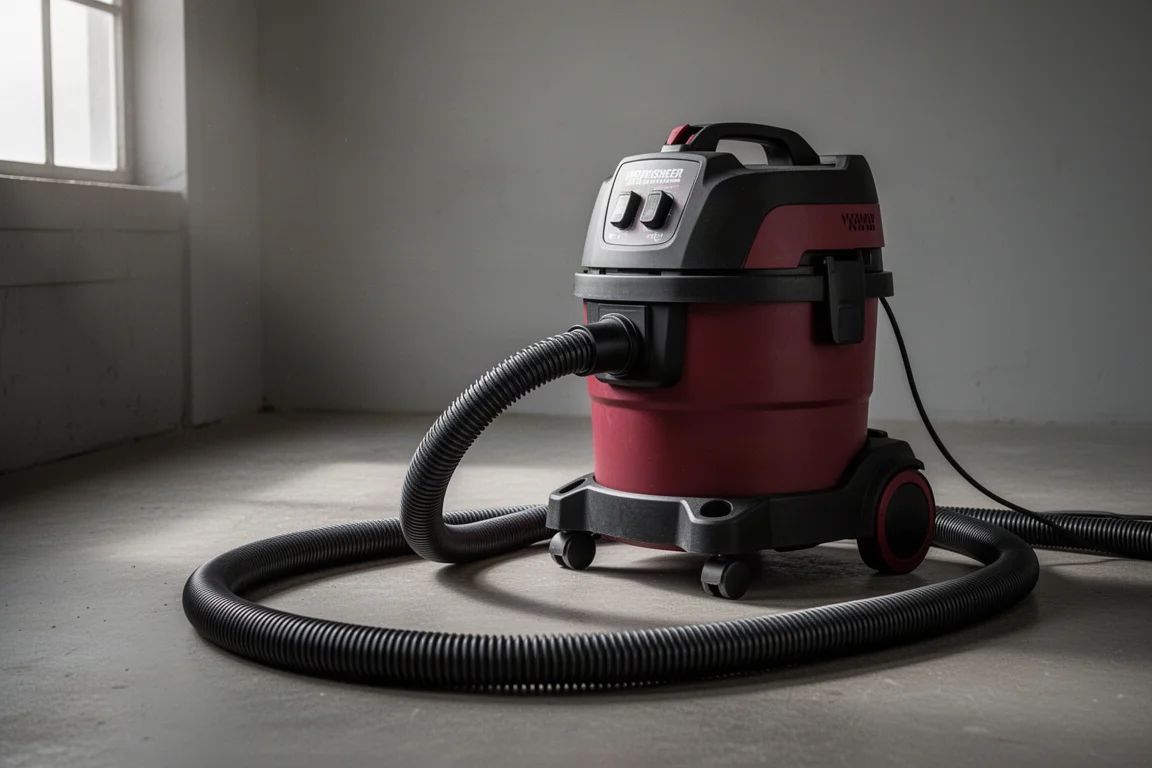
For anyone already invested in the battery system, this is arguably the smartest single add-on available. It is slightly expensive at $199, but it effectively gives you a second vacuum mode rather than a redundant one.
Suction Test: Corded vs Battery
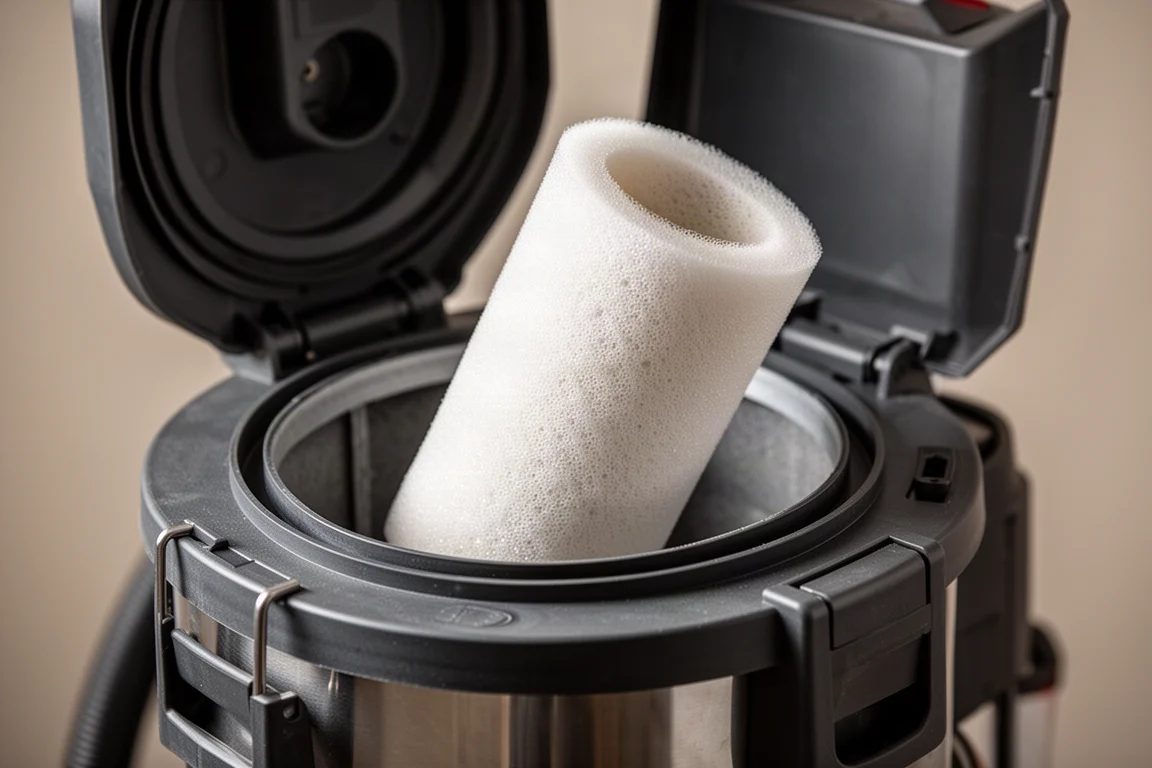
To compare real-world performance, both power heads were fitted with the foam filter intended for water pickup and tested on a 5 gallon bucket of water with a stopwatch.
On the 12 gallon vacuum with the smaller hose, the battery version with two fully charged 8 Amp Hour batteries finished in 12 seconds. The corded power head with the same hose did it in 9 seconds, a clear step up. Switching to the much larger and longer hose changed everything: the battery version managed 7 seconds, while the corded version finished in just under 5 seconds.
The takeaways are straightforward. The corded version has a bit more suction than the battery version, and both worked well. The larger hose sucked water faster with both power heads, and the corded unit stayed ahead in every configuration.
Noise levels told a surprising story. Measured from roughly 3 feet away with a phone decibel meter, the corded version ran between 69 and 73 dB. The battery version measured 70 to 72 dB on low and 72 to 74 dB on high. The corded head was actually a touch quieter than the battery version, which was not expected.
What the Power Head Actually Includes
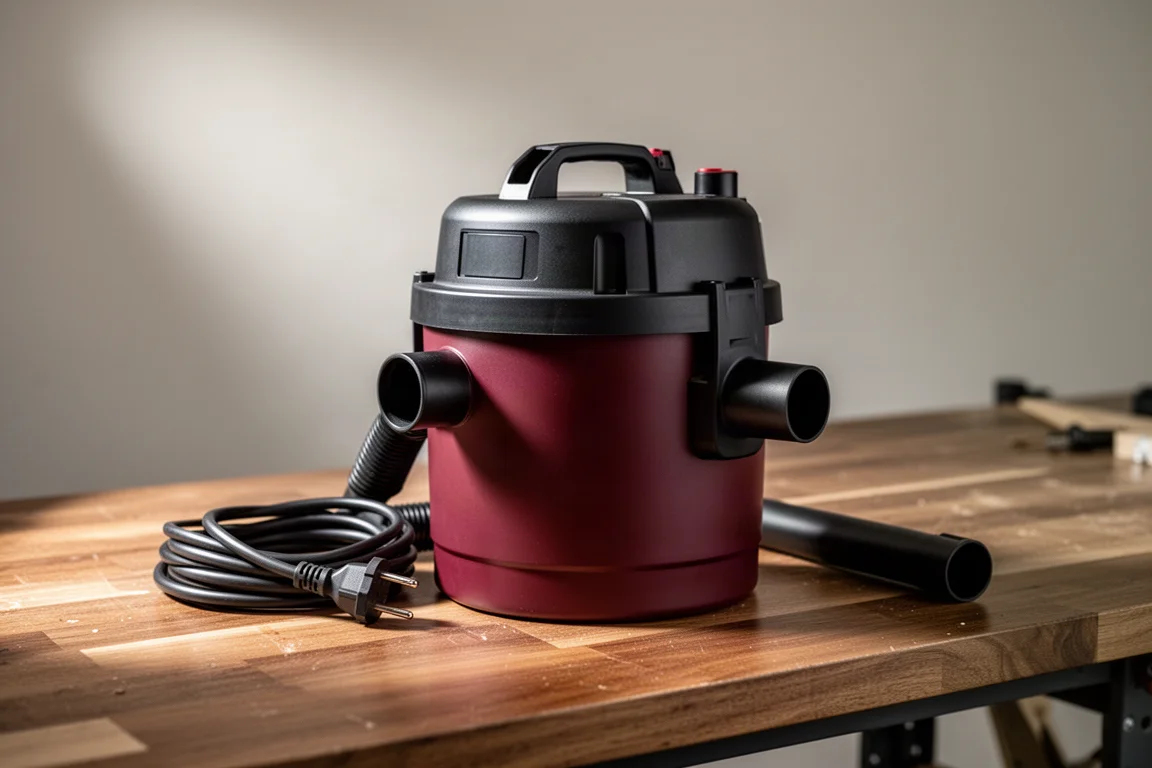
The corded power head ships with side adapters for both hose sizes, which matters more than it sounds. The smaller hose can clog with wood chunks and larger debris, and upgrading to the larger hose is the common fix. With both adapters included, whichever hose you own clicks in and holds firmly.
What it does not include is any filter. The power head comes alone, with no hose and no wet vacuum or HEPA filter. If you plan to run two vacuum bodies on the modular system, budget for at least one additional filter right away, because a second vacuum with no filter is not usable.
The Bigger Picture on the Modular System
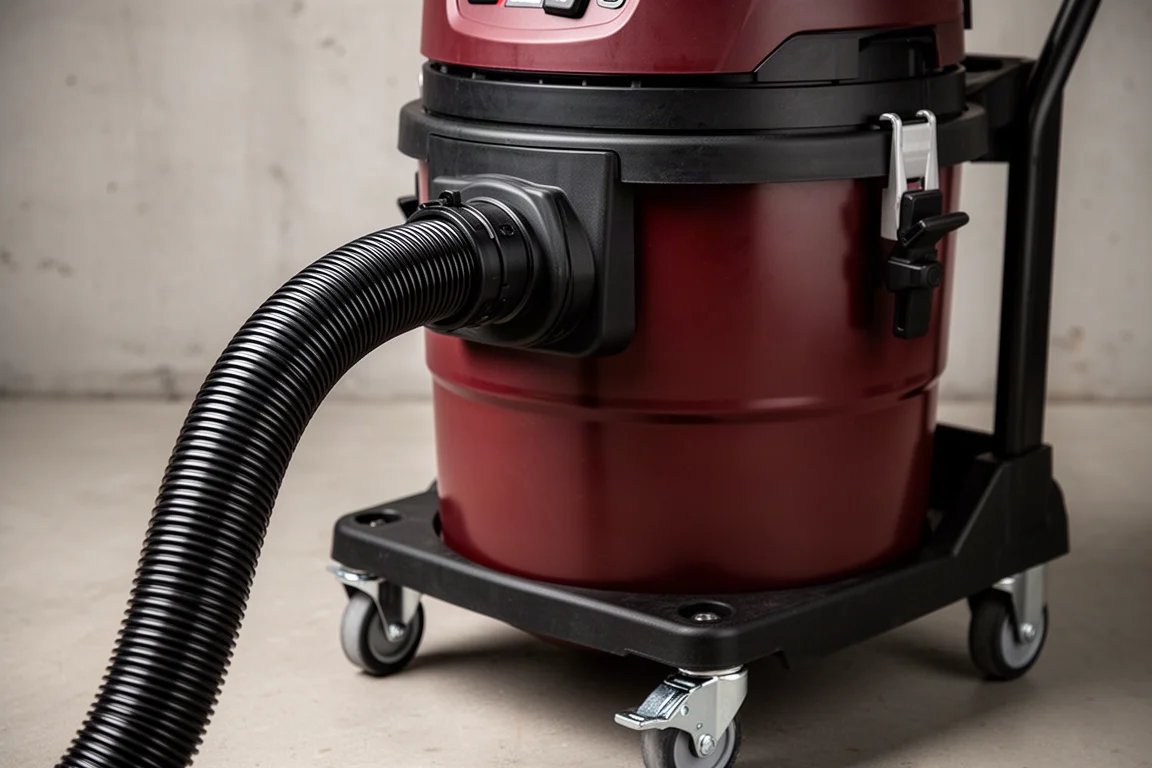
There is a lot to like here, and one recurring complaint worth acknowledging. Many users wish the vacuums stacked with the PACKOUT system on top. They do not; the accessories connect with small clips instead. It all works well in practice, and Milwaukee offers a wide range of air tips for these vacuums that are well regarded and not priced unreasonably. The lack of PACKOUT integration is a design choice rather than a flaw, but it is understandable that expectations were different.
The real consideration is cost. These are not inexpensive vacuums. The 9 gallon kit has been seen at $299 as a bare tool without batteries, and adding the $200 corded power head on top pushes you toward $500 in one setup. At that point, buy at least another tub or another hose so the money produces two working vacuums instead of one vacuum with two power heads. The system itself is solid, with a lot of genuine benefits, and it rewards planning.
Buying Advice: How to Build the Right Setup
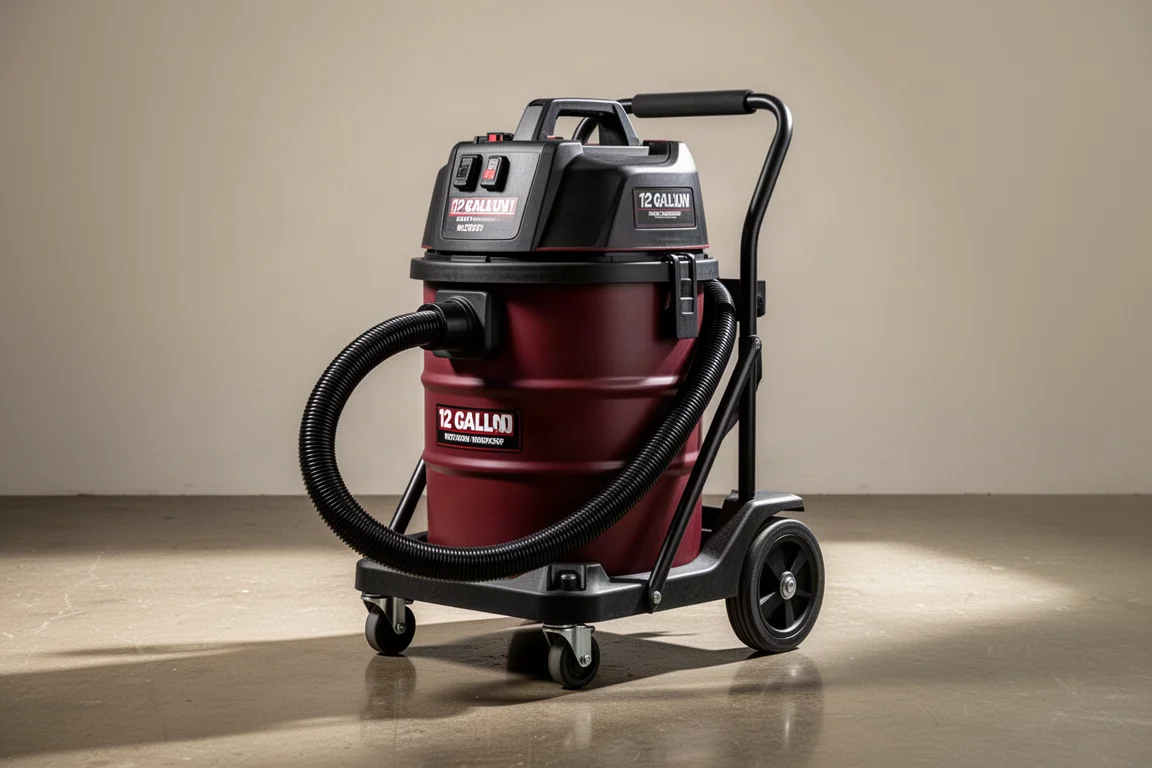
If starting from scratch, the 12 gallon model is the better first purchase. It has the better cart, rolls around more easily, and is far easier to pick up and move. Pairing it with the larger hose from the start is a clear plus.
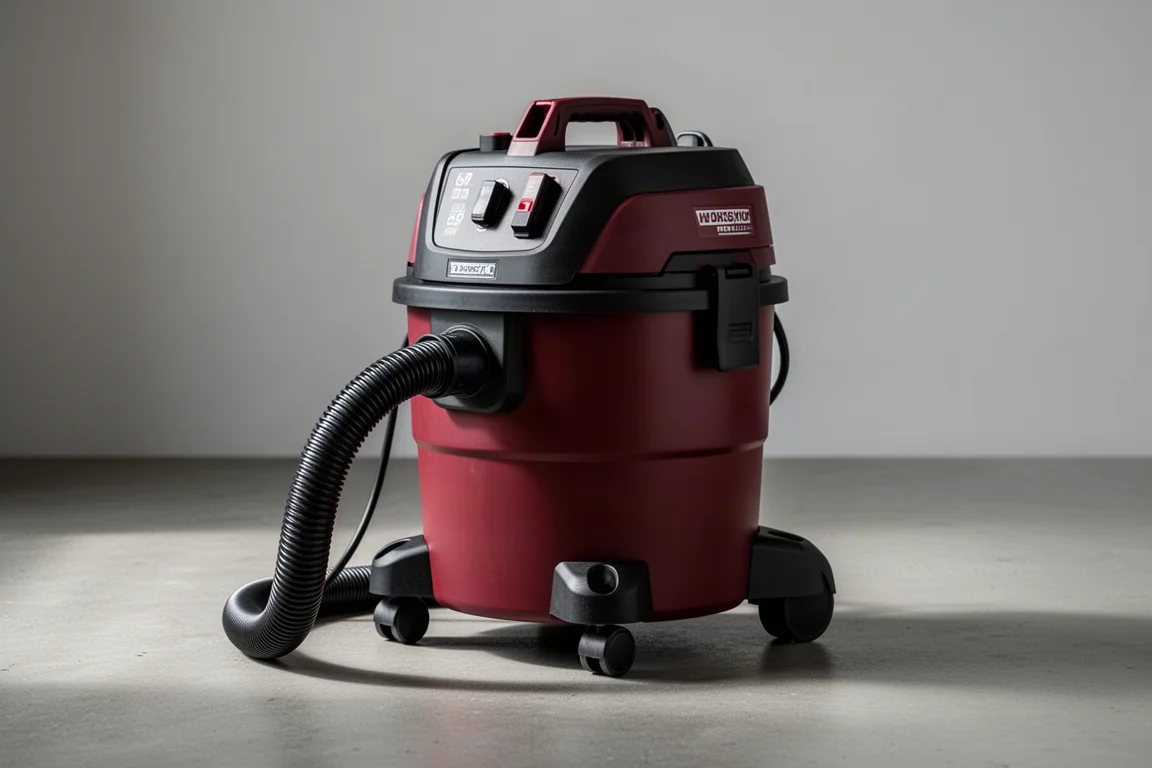
The smaller 9 gallon version shines for cars, interiors, carpets, and tighter spaces. A practical split is running the corded power head on the 12 gallon tub for workshop duty and the battery setup on the 9 gallon tub for mobile jobs. That covers nearly everything, but it requires serious investment to reach, so build toward it in stages.
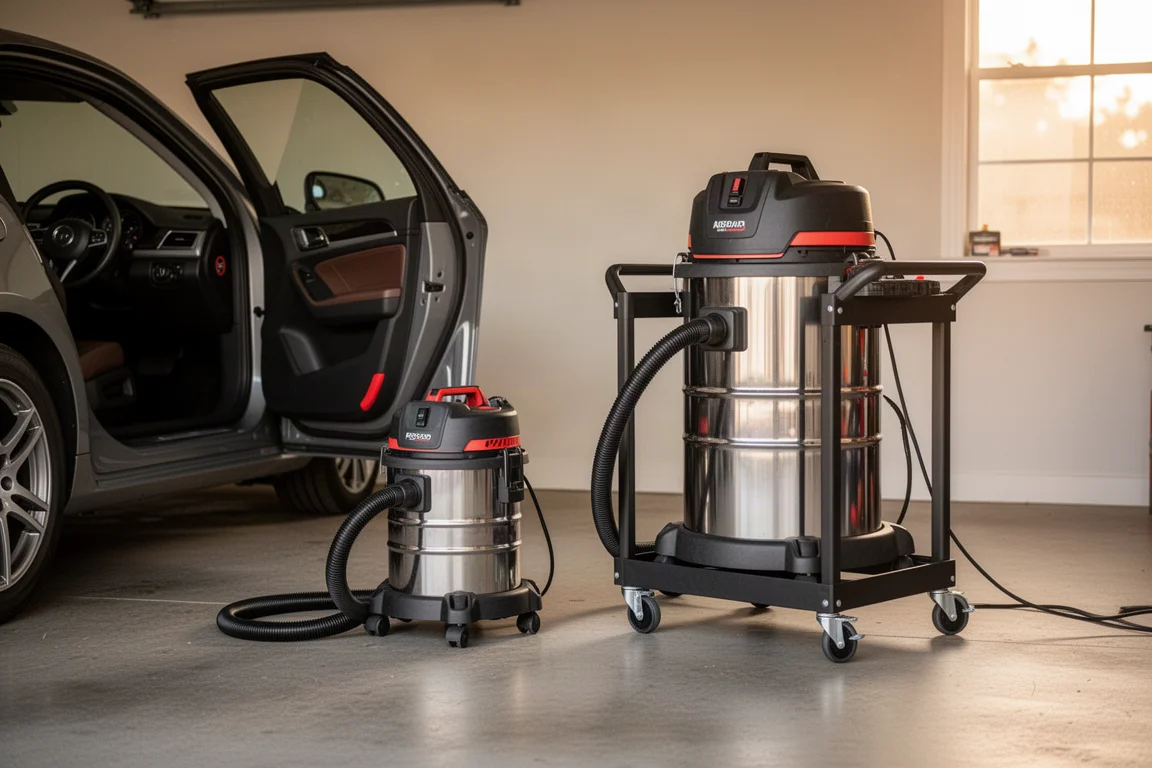
Milwaukee does not currently sell the corded power head as a standalone corded vacuum, which would be an interesting addition to watch for.
For car detailing and interior work, the 9 gallon kit remains the more agile choice, and it pairs naturally with the battery power head where outlets are scarce.
Conclusion
The corded 6.5 HP Peak Power Head is a genuinely useful addition to Milwaukee’s modular vacuum system. It offers slightly better suction than the battery version, runs a touch quieter, and unlocks long corded sessions while keeping battery freedom intact. The main cautions are the $199 price, the absence of any included filter or hose, and the overall cost of building out a full two-vacuum setup. Plan the purchases deliberately, prioritize the larger hose, and start with the 12 gallon model if you are beginning from zero.
Further reading
Related Reviews

Power Tools
Best 1-Inch Pistol Impact Wrenches: Three Heavy-Duty Options Compared
We compare three 1-inch pistol impact wrenches, from a budget-friendly Harbor Freight model to a premium Caterpillar unit, to help you choose the right one.

Power Tools
Best 3/4-Inch Impact Wrenches 2026: Five Contenders Compared
We compare five 3/4-inch impact wrenches across price and performance, from a budget Amazon option to Snap-on's most powerful model yet.

Power Tools
Best Budget Cordless Tools 2026: Walmart Finds That Punch Above Their Price
We tested five cordless tools from Walmart, including a high-torque impact wrench that trades blows with Milwaukee and a $35 duster that outperforms its price class.