Power Tools
Milwaukee vs Makita Brushless Oscillating Multi-Tools: Three Models Compared
A head-to-head look at the Milwaukee M18 Fuel 2836, Makita XMT04, and Makita DTM52 to see which 18V brushless oscillating multi-tool deserves your money.
Introduction
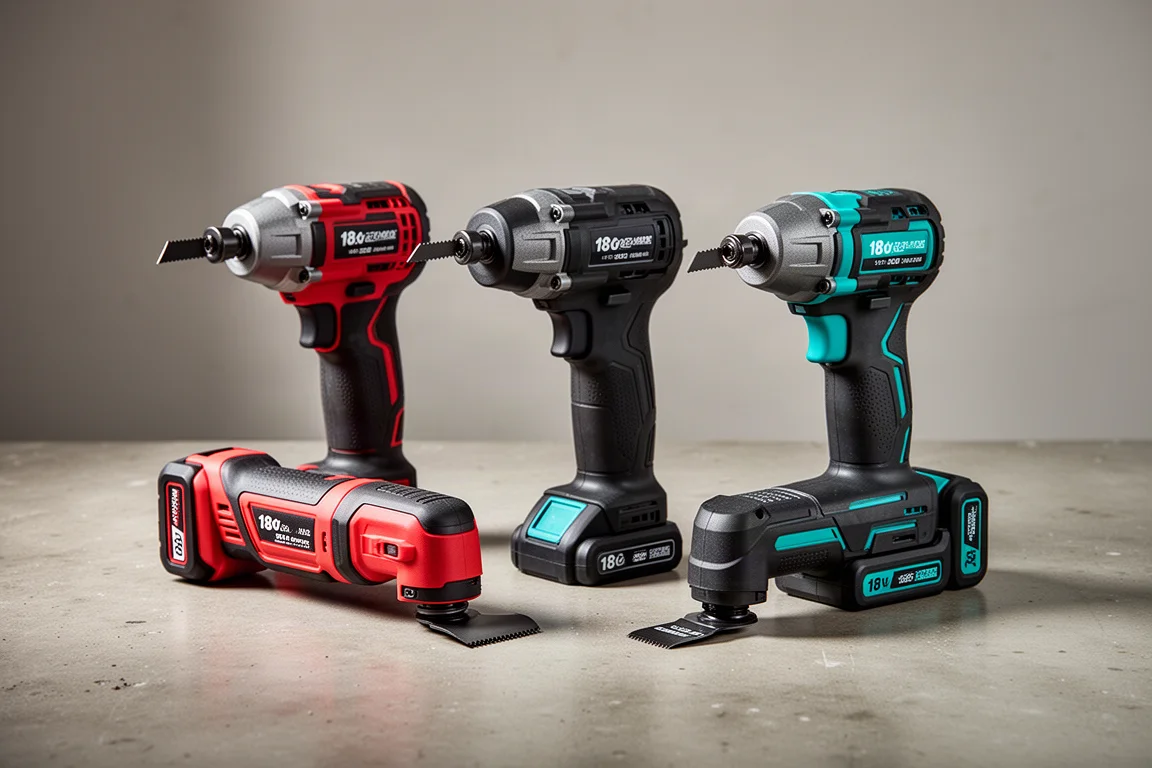
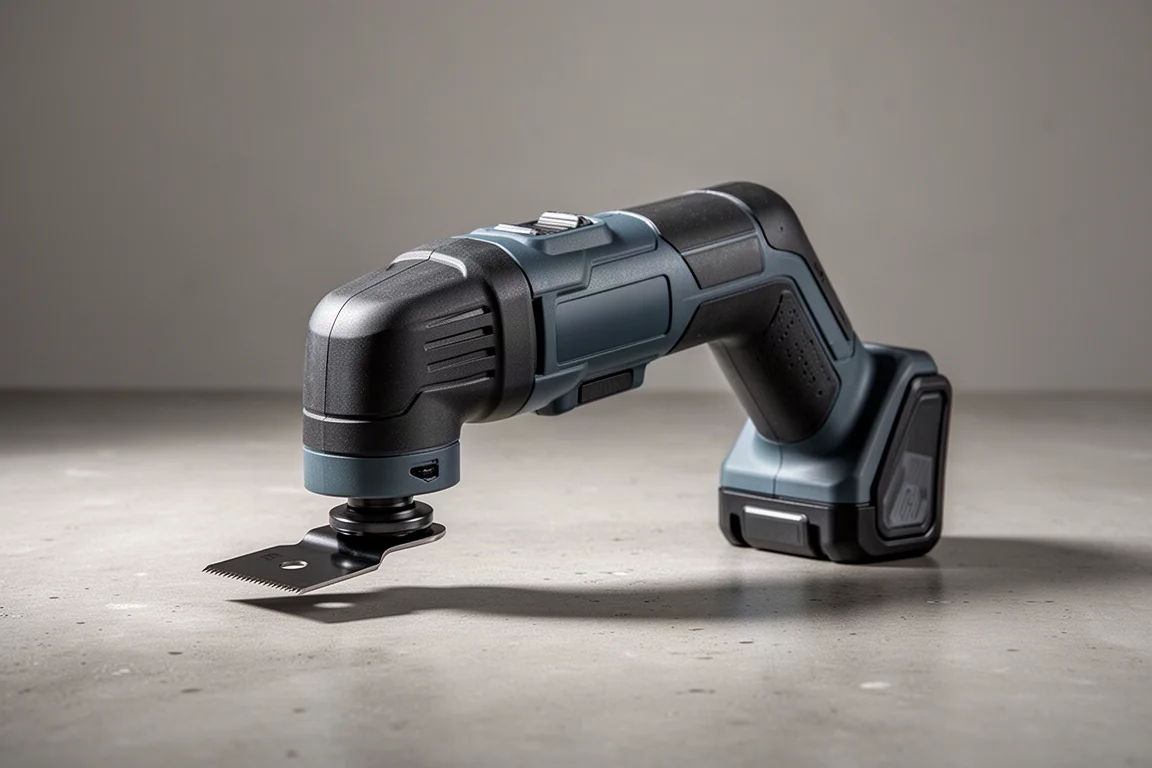
The latest 18V brushless oscillating multi-tools from Milwaukee and Makita are closer than ever on paper, but a year of real cutting, sanding, and blade swapping reveals clear differences. The Milwaukee M18 Fuel 2836 is the brand’s current flagship, while Makita counters with the compact XMT04, sold outside the US as the DTM52 in the brand’s familiar black and teal finish. Here is how they stack up.
Design, Weight, and Handling
With a 5.0Ah battery attached, the Milwaukee M18 Fuel 2836 weighs 4.2 lbs and the Makita comes in at 4.4 lbs. The Makita’s compact body is shorter and fatter, which gives its head a noticeably more stable feel in use. The Milwaukee grip is a little easier to hold in certain positions, but the Makita’s fat head makes it easier to stay on your cutting line.
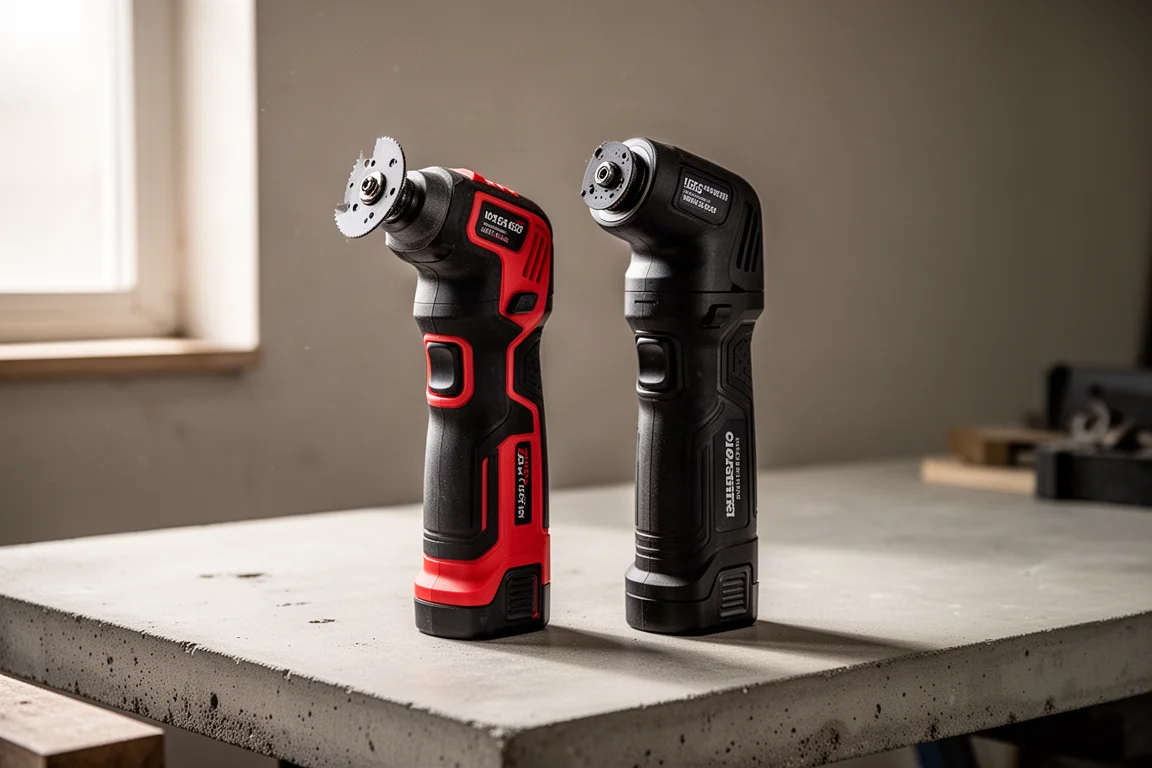
Both tools include a work light, a recessed power switch, and a variable speed dial spanning 10,000 to 20,000 oscillations per minute. The Makita’s power switch is slightly more convenient for one-handed on/off use, and its speed dial sits completely out of the way. The Milwaukee’s dial, however, is easier to adjust one-handed, and accidental bumps have not proven to be a problem over a year of use.
Controls and Speed Settings
The Milwaukee offers an auto mode that starts slowly to help you hit your line, then ramps up to speed under load. It works well when it behaves, but it often jumps straight from auto to maximum with no ramp-up. On speed selection alone, Makita’s simpler dial placement is easier to work around, while Milwaukee’s dial location is the more practical for one-handed adjustments.
Vibration and Noise
The Milwaukee’s vibration is low until you compare it directly with the Makita, at which point it is merely decent: the Makita’s vibration is extremely low. That fat-topped-and-bottomed compact body appears to pay off again during sanding, where the Makita is also much quieter. When cutting wood, though, both tools are extremely loud.
Blade Changes and Accessory Fit
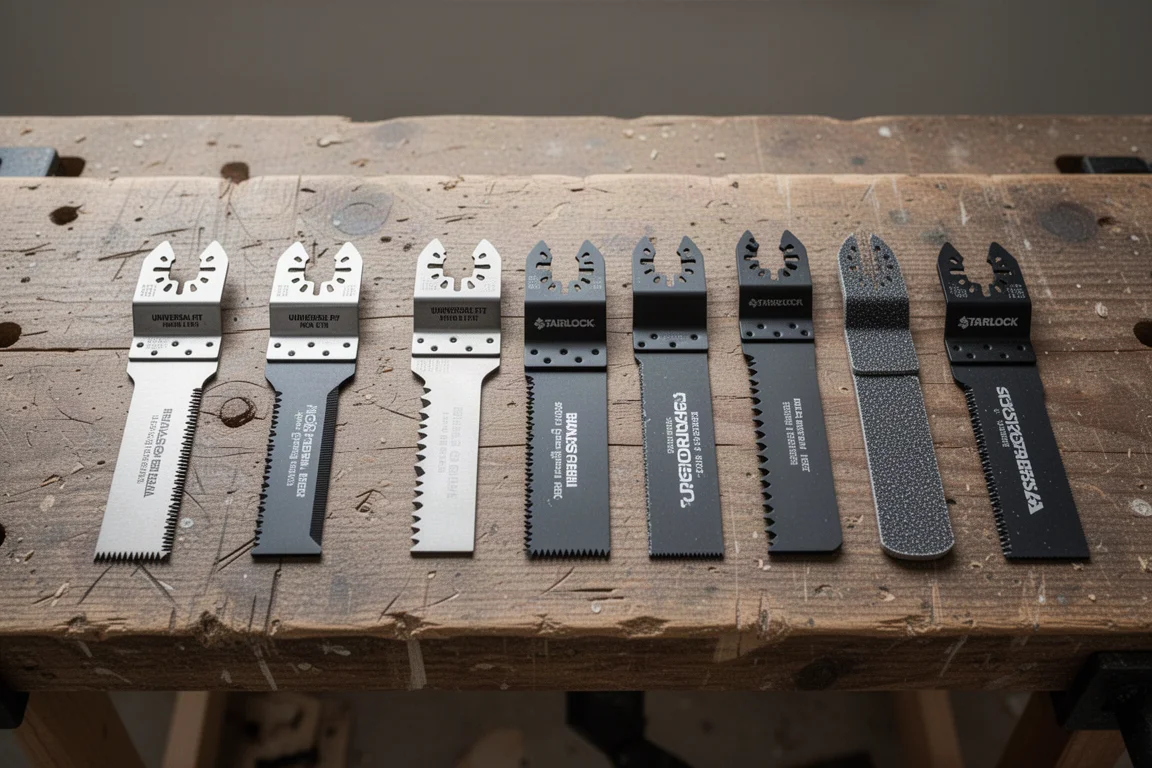
Both tools feature toolless blade changes, but the systems differ. On the Makita, you flip the lever, pull out the pin, and slide on starlock accessories. On the Milwaukee, you flip the lever and twist the pin out, which takes slightly longer for closed-end starlock accessories but does not require pulling the pin fully out for universal accessories.
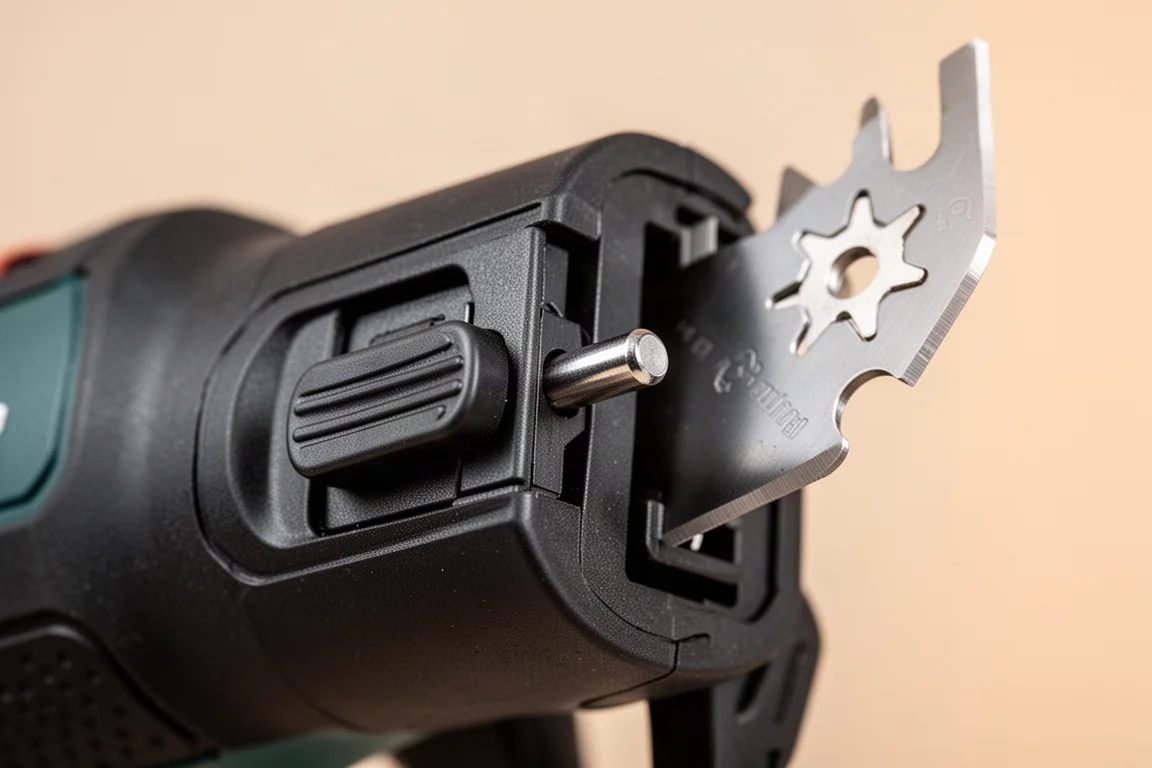
Compatibility is the real differentiator. The Milwaukee accepts nearly every multi-tool accessory you will find at major home improvement stores and lumber yards, while the Makita only accepts starlock blades, which are far less available and often sold in limited supply or only online. Blade pricing also matters: buying three blades from most brands typically gets you the third one free, and three-packs are easier to find for universal-fit blades.
Sanding and Cutting Performance
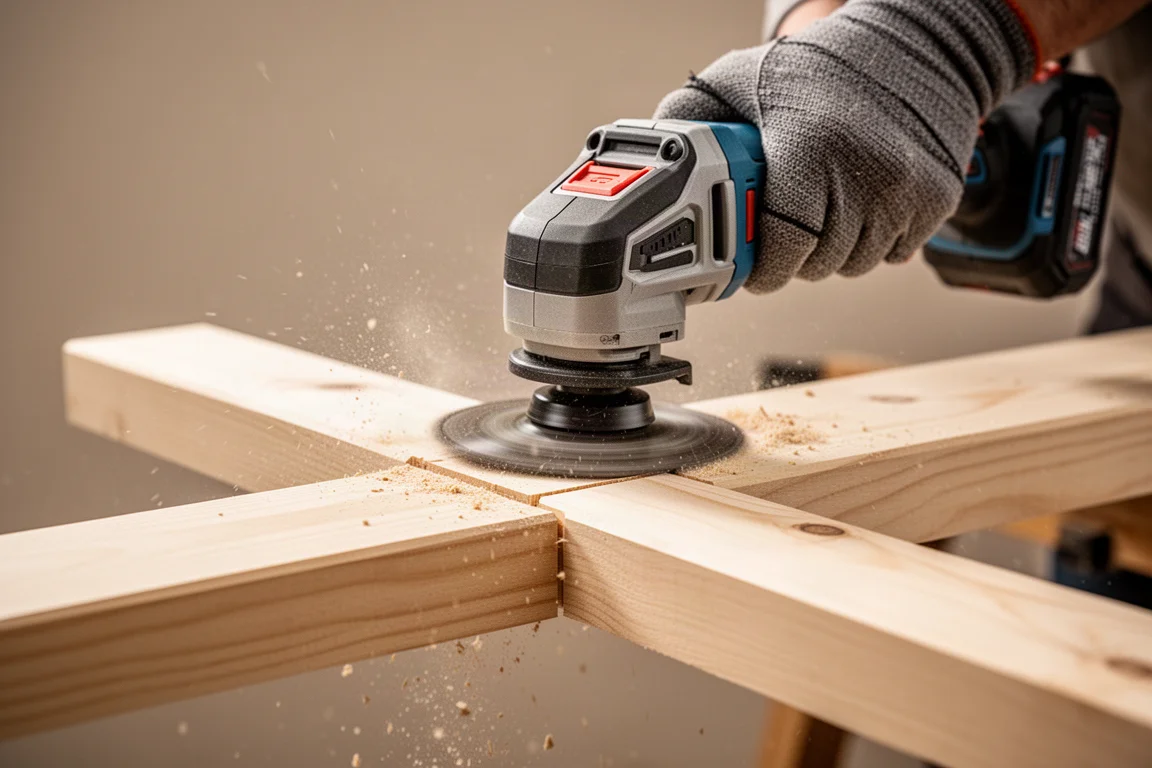
In sanding, the Makita is the surprise winner: it is much quieter, just as fast as the Milwaukee, and produces less vibration. For close work like trimming a plastic shower box near tile, the Makita’s control inspired more confidence at high speed.
Plunge Cutting: Where the Gap Widens
Plunge cutting is where the Makita loses ground badly, and not simply because it is slower. The real issue is that the Makita cannot handle the same amount of pressure without stalling, and it stalls a lot. Under equal pressure, the Milwaukee cuts decisively faster.
With reduced pressure, the Makita cuts noticeably faster than it does under heavy load, though still not as fast as the Milwaukee. The takeaway: each tool has its own sweet spot for how fast it cuts versus how much pressure it tolerates, so equal-weight comparison tests between different saws do not reflect the fastest cut either tool can deliver.
Buying Advice
Choose the Milwaukee M18 Fuel 2836 if plunge cutting speed and universal accessory availability top your list. Its auto mode is a useful bonus, though not flawless. Choose the Makita XMT04 or DTM52 if you value extremely low vibration, quieter sanding, a more stable compact head, and more convenient one-handed power switching, and you can source starlock blades reliably. For most buyers in the US, accessory availability alone pushes the decision toward Milwaukee.
Conclusion
The Makita compact multi-tools are the more refined sanders and feel great in the hand, but the Milwaukee M18 Fuel 2836 wins where it counts most for many users: faster plunge cuts with less stalling and far easier accessory sourcing. Match the tool to the work you do most, and either one will serve you well.
Further reading
Related Reviews
Power Tools
Best 1-Inch Pistol Impact Wrenches: Three Heavy-Duty Options Compared
We compare three 1-inch pistol impact wrenches, from a budget-friendly Harbor Freight model to a premium Caterpillar unit, to help you choose the right one.
Power Tools
Best 3/4-Inch Impact Wrenches 2026: Five Contenders Compared
We compare five 3/4-inch impact wrenches across price and performance, from a budget Amazon option to Snap-on's most powerful model yet.
Power Tools
Best Budget Cordless Tools 2026: Walmart Finds That Punch Above Their Price
We tested five cordless tools from Walmart, including a high-torque impact wrench that trades blows with Milwaukee and a $35 duster that outperforms its price class.