Power Tools
Milwaukee M18 Wet/Dry Vacuums Compared: PACKOUT 2.5-Gallon vs 2-Gallon
Two Milwaukee briefcase-style wet/dry vacuums go head to head in fastener, sawdust, sand, and water pull tests to find out which one deserves a spot in your kit.
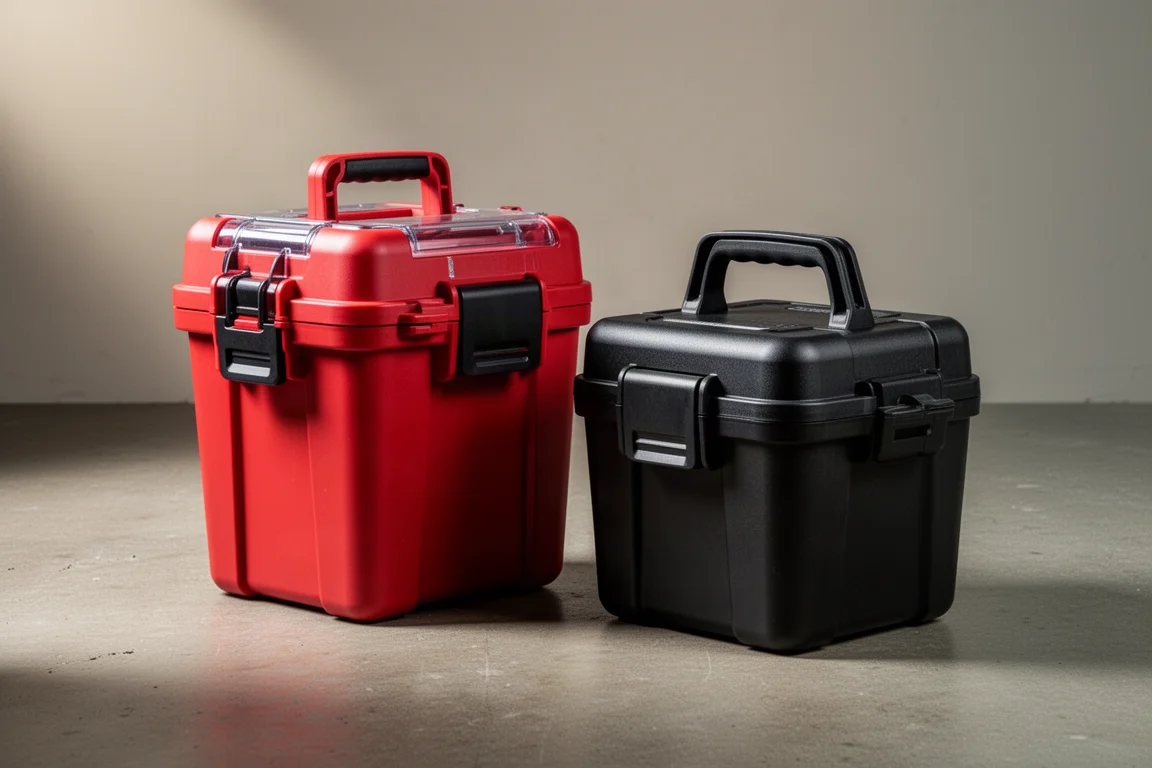
Introduction
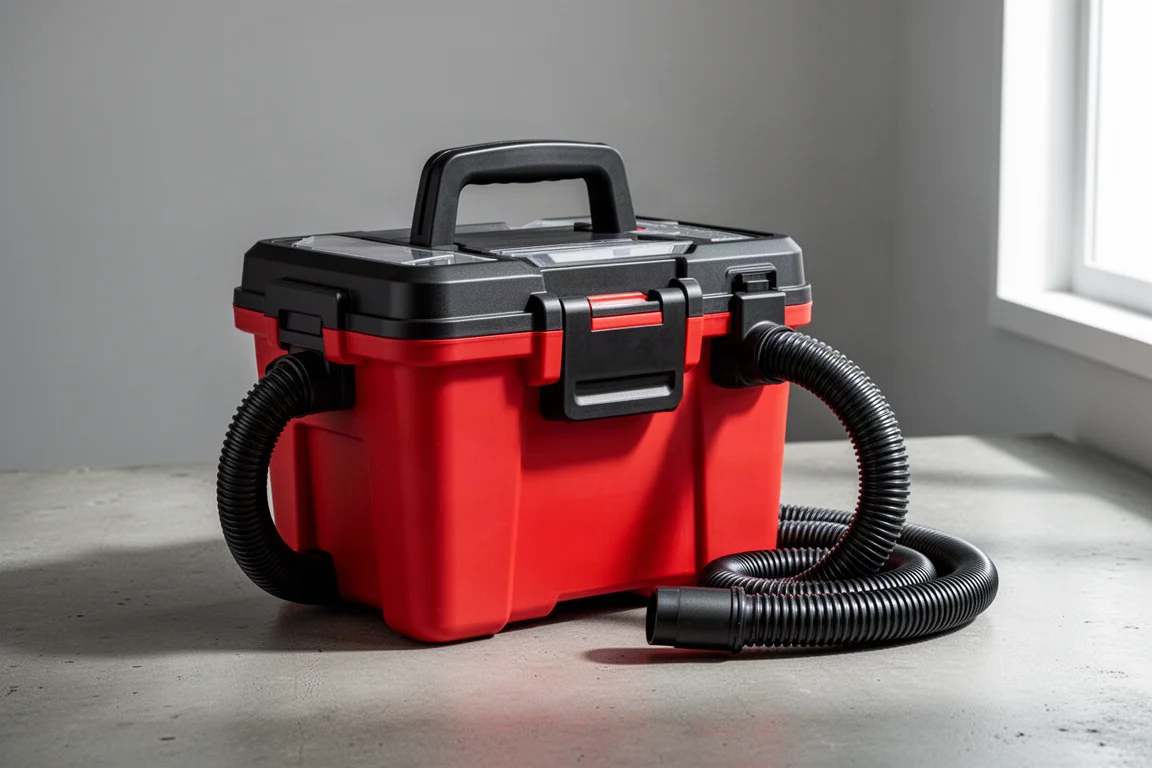
The question comes up constantly among Milwaukee users: which briefcase-style cordless vacuum is the better buy, the M18 Fuel PACKOUT 2.5-gallon wet/dry vacuum or the standard M18 2-gallon wet/dry vacuum? On paper, the stats appear to favor the PACKOUT Fuel model, but hands-on testing tells a more nuanced story. We put both machines through a full gauntlet of real-world tests, from fasteners and sawdust to sand and sealed water pull, and the results split cleanly in a way that actually makes your buying decision easier.
Specs and Setup
Side by side, the two vacuums look remarkably similar. Both run on the M18 battery platform, both use the same replacement filter, and both carry a five-year limited warranty. Run time is rated at 30 minutes of cleanup on either unit, but the path to that figure differs: the standard M18 2-gallon vac needs a 9 amp-hour battery, while the PACKOUT Fuel vacuum gets there with a high output 8.0 backpack battery.
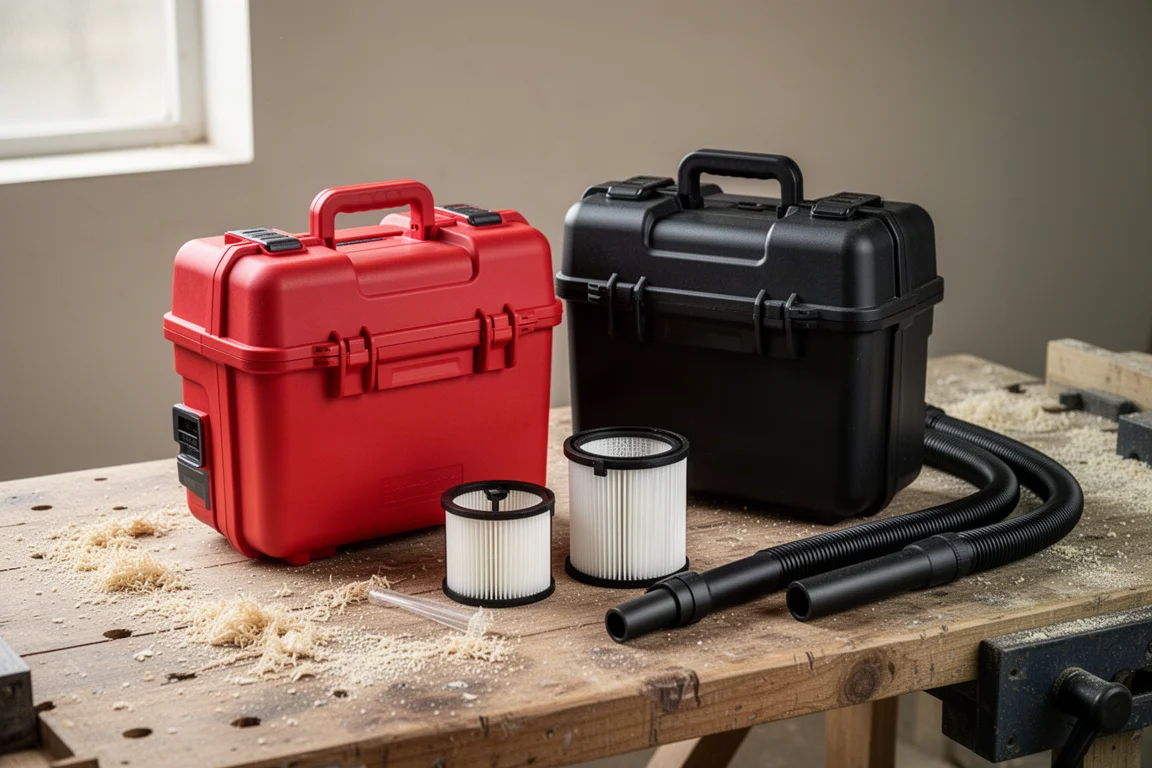
Both vacuums were fitted with brand new replacement filters (part number 49-90-1900) for a level playing field, and both ran a 12 amp-hour high output battery during testing for maximum performance. One small daily-use detail worth noting: replacing the filter is easier on the standard M18 because the hose is contained inside the lid. On the PACKOUT, the hose rides in a notch and can occasionally flop out, making filter replacement a bit more cumbersome.
Fastener Pickup
The first test involved picking up nuts, bolts, and fasteners from low-pile carpet, five of each size. The standard M18 handled the pile without much trouble, though its 1.25-inch hose diameter meant extending the hose so larger fasteners could make their way into the canister.
The PACKOUT Fuel vacuum also cleared the fasteners without real difficulty, and it showed an interesting trick: when larger bolts started to get stuck, the Fuel technology ramped up the motor and cleared its hose more easily. It too required extending the hose so some fasteners would drop into the canister.
The edge here goes to the PACKOUT Fuel, largely on the strength of that adaptive motor behavior.
Sawdust and Crevice Performance
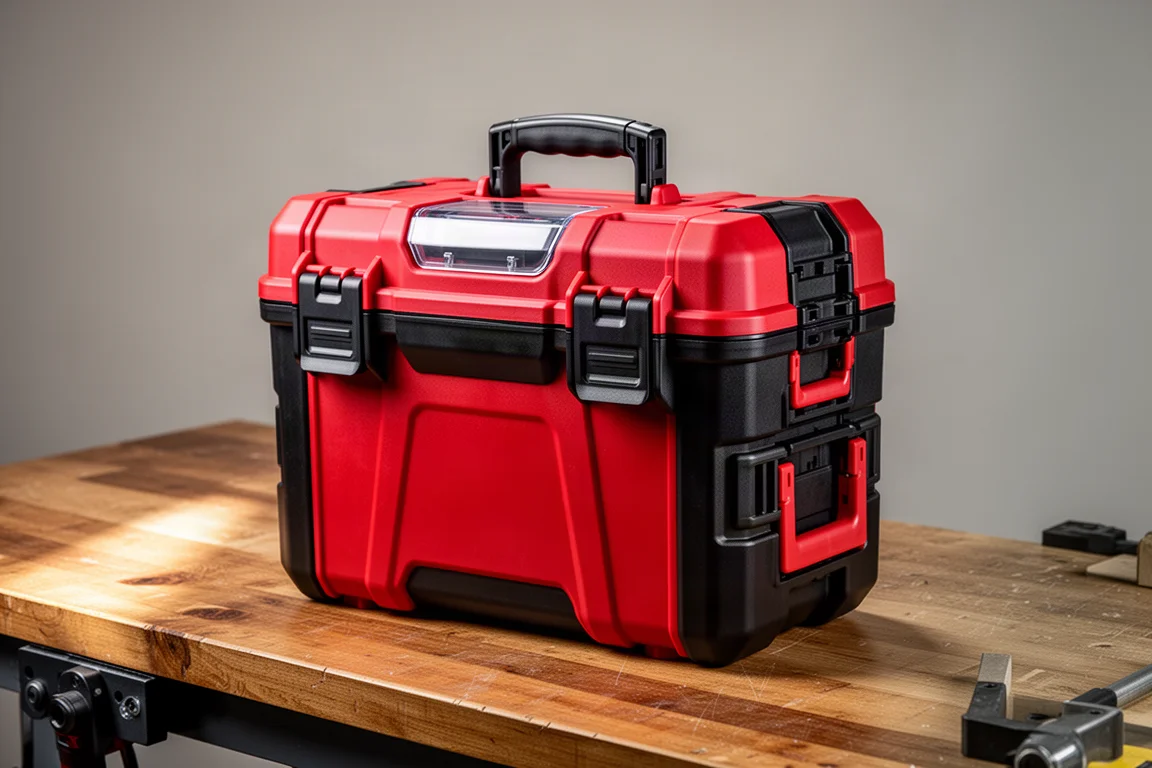
Next came sawdust extraction from low-pile carpet using utility nozzles. Here the tables turned: the standard M18 needed fewer passes to clear the carpeted area, and the advantage was visible from the start.
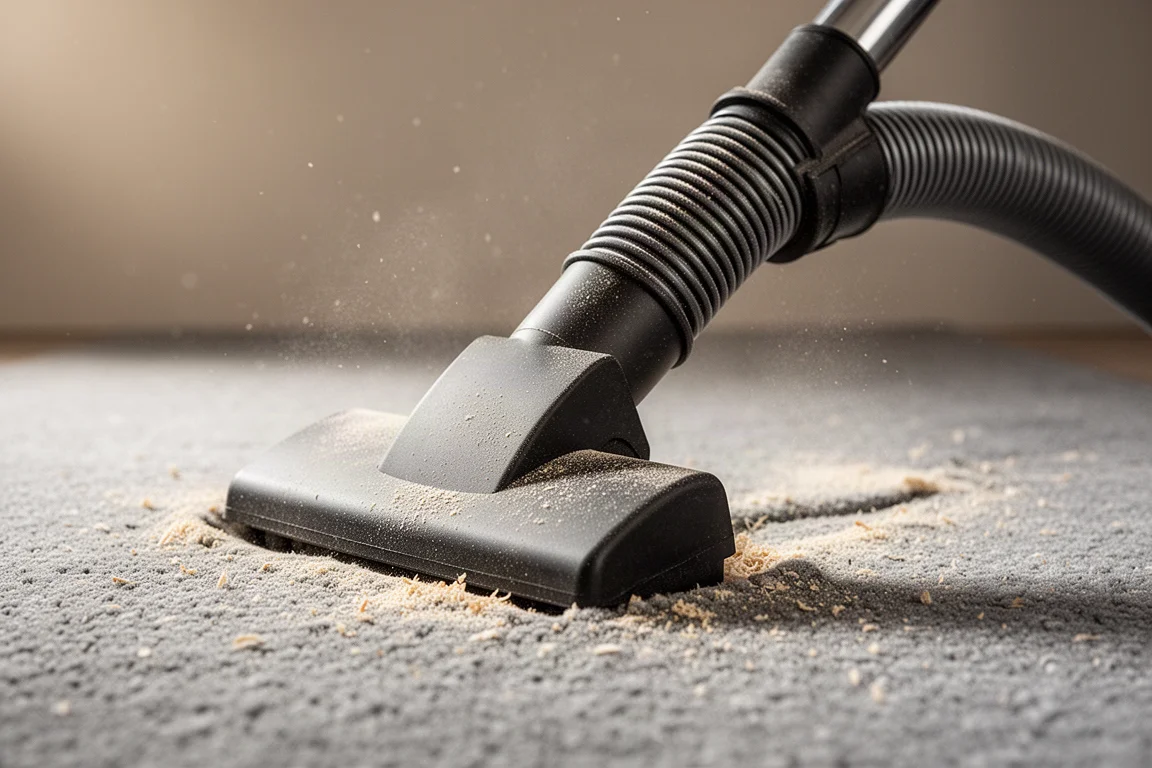
The crevice test told the same story. Extracting sawdust from carpeted corners, the standard M18 clearly excelled. The most likely explanation is how each motor behaves: the standard vacuum runs at full bore the moment it switches on, so lighter debris is sucked up easily, while the Fuel vacuum does not experience enough resistance with light materials to ramp up its motor and generate maximum suction.
Sand Extraction Test
The rubber utility test spread two pounds of evenly distributed sand, again with utility nozzles. The standard M18 produced so much suction that it actually tried to pull sand through the filter, and it extracted every drop of the full two pounds from the mat.
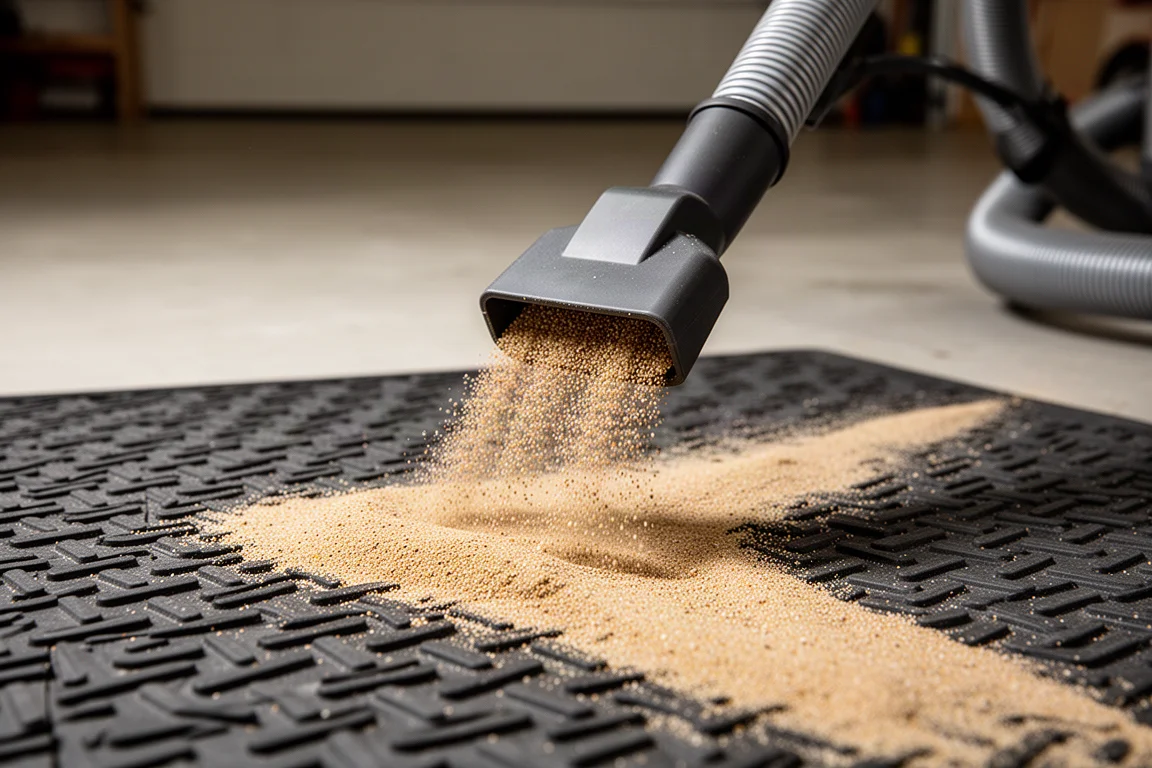
The PACKOUT Fuel also performed well, but after full extraction and shaking out the pleated filter, it came up 0.2 ounces short of the full two pounds. A small miss, but a measurable one against a vacuum that left nothing behind.
Water Pull Test: The Decider
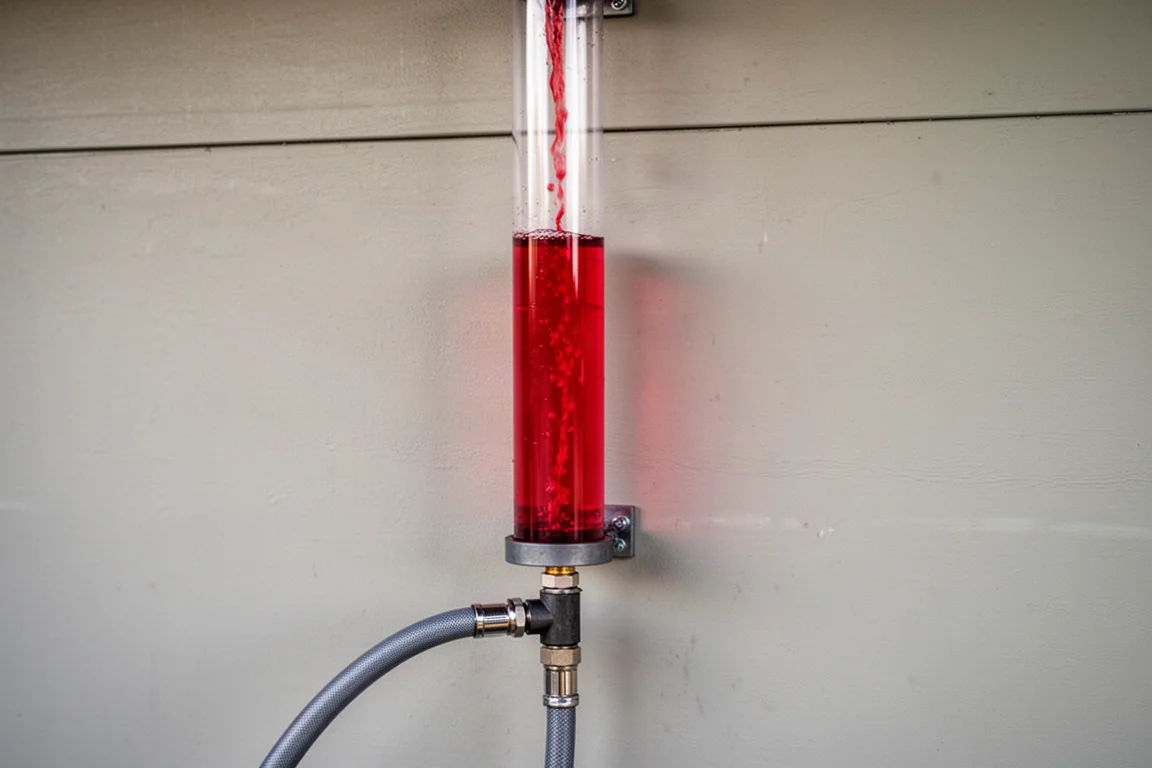
This is the test that settles the raw power question. The stats look lopsided on paper: the M18 2-gallon offers a vertical water pull (sealed suction) of 32 inches, while the PACKOUT Fuel claims a full 47 inches of sealed suction in water. Both clear PVC tubes were filled with exactly six quarts of liquid, and both vacuums went to work.
The result surprised everyone watching. At the 20-second mark, both vacuums had stalled, and the test was called at 26 seconds. On the graduated scale, the M18 Fuel PACKOUT 2.5-gallon wet/dry vacuum pulled far more water from the clear tube. Whatever the standard model manages with light debris, the Fuel model owns the heavy sealed-suction work.
Which One Should You Buy?
Both vacuums earn a recommendation, just for different jobs. The standard M18 2-gallon excels at vacuuming smaller, lighter debris, and it is the easier of the two to service thanks to its simpler filter replacement. The PACKOUT Fuel is the stronger machine for demanding suction tasks like full water pulls and heavy extraction, and you are also paying more for the ability to integrate it into the PACKOUT storage system.
If your cleanup is mostly sawdust, corners, and light debris, the standard M18 is the value pick. If you want maximum pulling power and you already invest in PACKOUT storage, the Fuel model justifies its premium.
Conclusion
These two Milwaukee vacuums are closer in capability than their spec sheets suggest, and the testing showed each has a clear strength: the standard M18 for light, everyday cleanup, the PACKOUT Fuel for raw suction power and system integration. Choose based on the debris you actually face, not the bigger number on the box.
Further reading
Related Reviews
Power Tools
Best 1-Inch Pistol Impact Wrenches: Three Heavy-Duty Options Compared
We compare three 1-inch pistol impact wrenches, from a budget-friendly Harbor Freight model to a premium Caterpillar unit, to help you choose the right one.
Power Tools
Best 3/4-Inch Impact Wrenches 2026: Five Contenders Compared
We compare five 3/4-inch impact wrenches across price and performance, from a budget Amazon option to Snap-on's most powerful model yet.
Power Tools
Best Budget Cordless Tools 2026: Walmart Finds That Punch Above Their Price
We tested five cordless tools from Walmart, including a high-torque impact wrench that trades blows with Milwaukee and a $35 duster that outperforms its price class.