Power Tools
Milwaukee M18 Wet/Dry Vac Roundup: 6, 9, and 12 Gallon Compared
Three tank sizes, one interchangeable system. A close look at Milwaukee's new M18 cordless wet/dry vacuums, their shared attachments, and which size fits your work.
Introduction
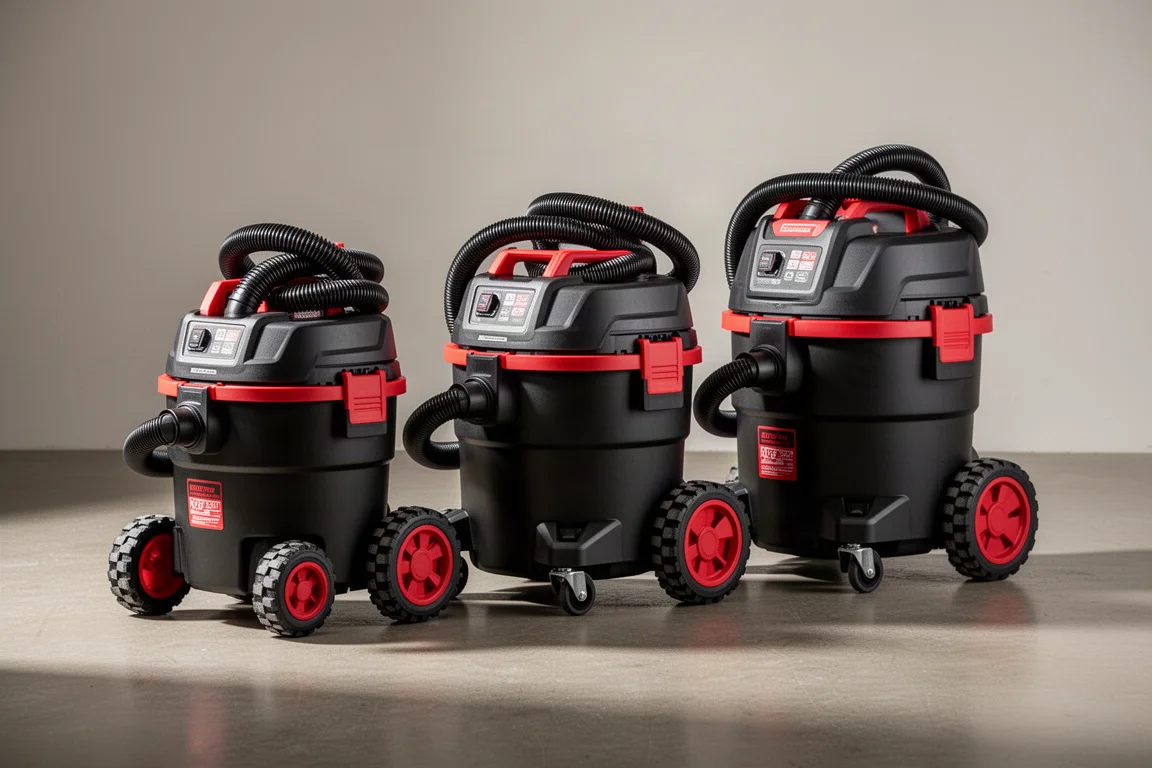
Milwaukee’s new M18 wet/dry vacuum line arrives in three tank sizes: 6 gallon, 9 gallon, and 12 gallon. All three run cordless, share a common attachment system, and target the same core problem: shop vacs that get beaten up, clog with fine dust, and tether you to an outlet.
Feedback on the line’s overall performance has been strong. These vacuums have the power to pick up large debris, drywall fragments, and concrete dust, and in real-world use they matched or exceeded comparable corded units in the applications tested. They were also notably quiet, a genuine surprise for a machine this size.
Why Milwaukee Redesigned the Wet/Dry Vac
The headline here is durability plus thoughtful details. Construction crews are hard on equipment: vacuums get dropped, kicked, stood on, and rolled over extension cords and air hoses. Milwaukee put real design effort into the two parts that are usually afterthoughts on traditional shop vacs: the hose and the wheels. The hose can be bent, stepped on, or crushed and it still works like new. The cart rolls over cords and hoses without hanging up, a clear improvement over typical competitors.
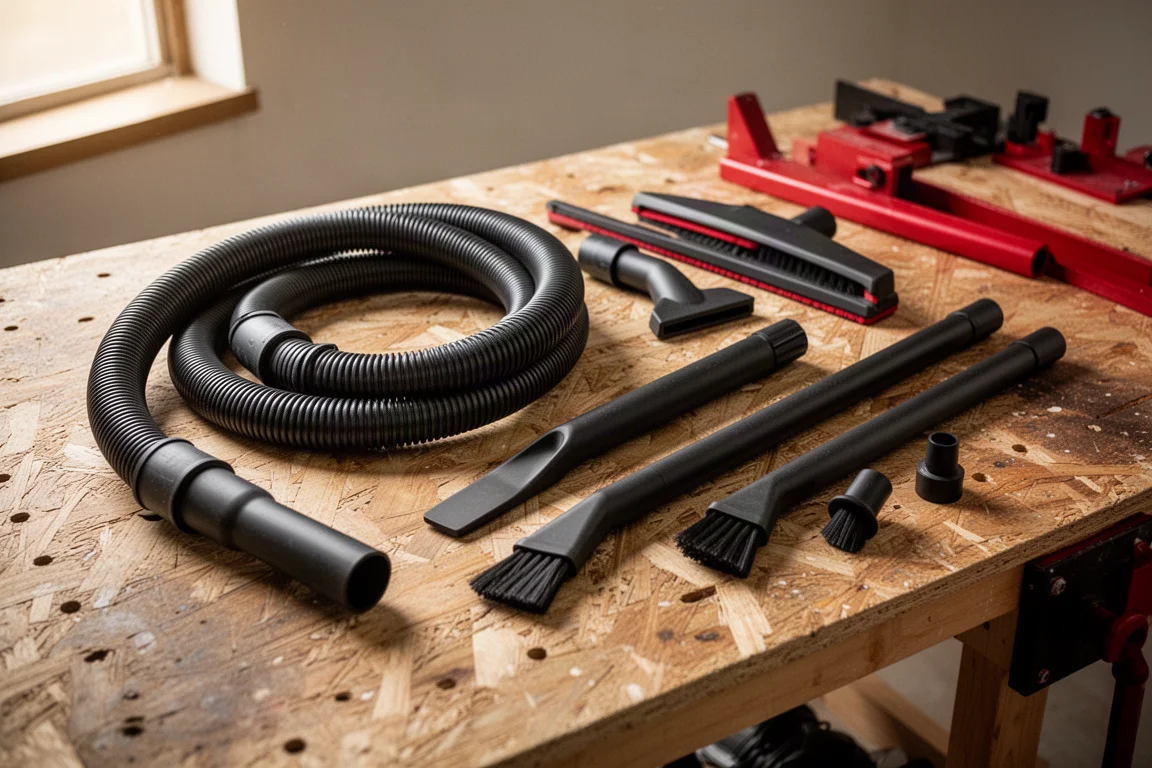
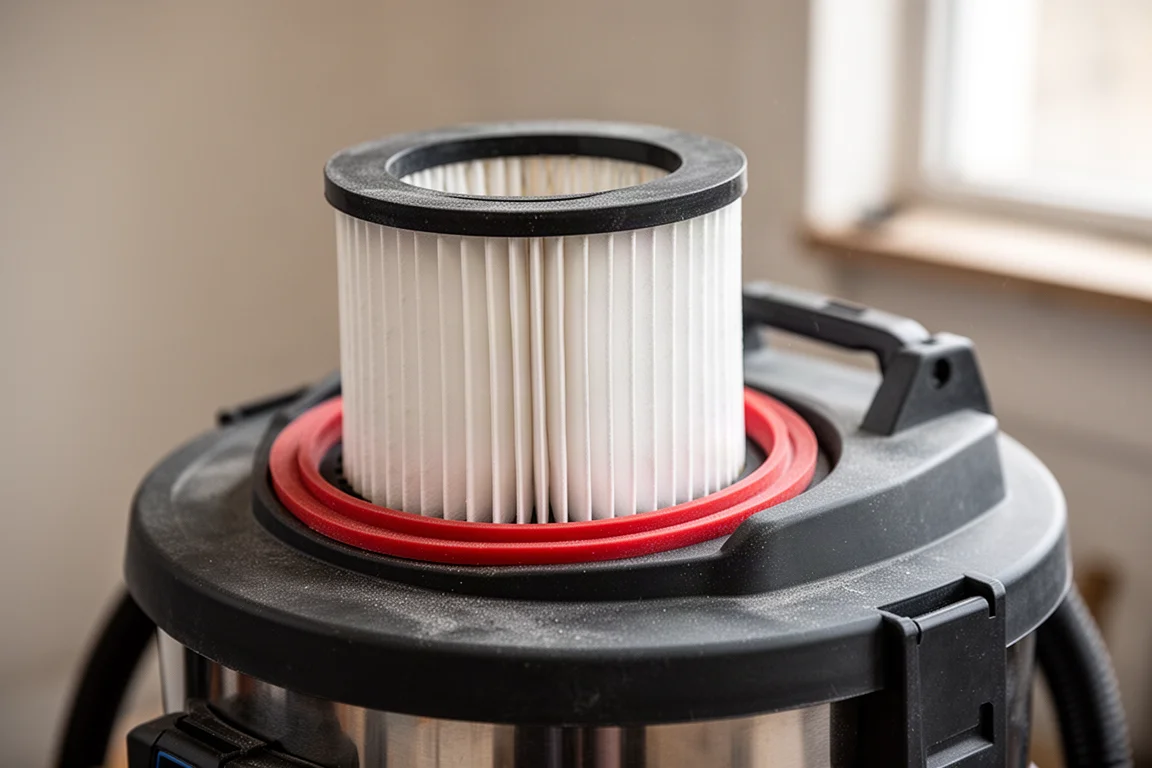
Attachment changes are just as practical. Hoses connect and detach quickly, and the filters twist and lock into place, so you no longer have to push a rubber seal down and deal with dust spilling everywhere. Filters are Milwaukee-specific: other brands’ filters do not fit, and separate filters are offered for fine dust, general debris, and water pickup.
Shared System: Interchangeable Heads, Filters, and Attachments
One of the smartest aspects of the line is interchangeability. Any head works on any tank, so you can mix and match depending on the job. Doing fine dust work in a small room? Put a smaller head on the 6 gallon tank. Handling a lot of large debris? The 9 gallon holds far more. You can also pair a smaller head with a larger canister or the reverse, whatever the task demands.
Two hose diameters are in play: the smaller vacs use 1 7/8 inch hoses, while the 12 gallon steps up to 2 1/2 inch, marked with red and grey rings so you can tell sizes apart at a glance. Optional bags for the 9 and 12 gallon models help when working with drywall dust, since they keep the fine material out of the filter. There is also a drain adapter kit, and the vacuums can be connected to table saws and miter saws for dust extraction.
Cordless Power: Two Batteries, 36 Volts
The defining convenience is cordless operation. Chasing outlets and dragging extension cords room to room is one of the most annoying parts of cleanup, and going cordless eliminates it entirely while keeping the job site clean.
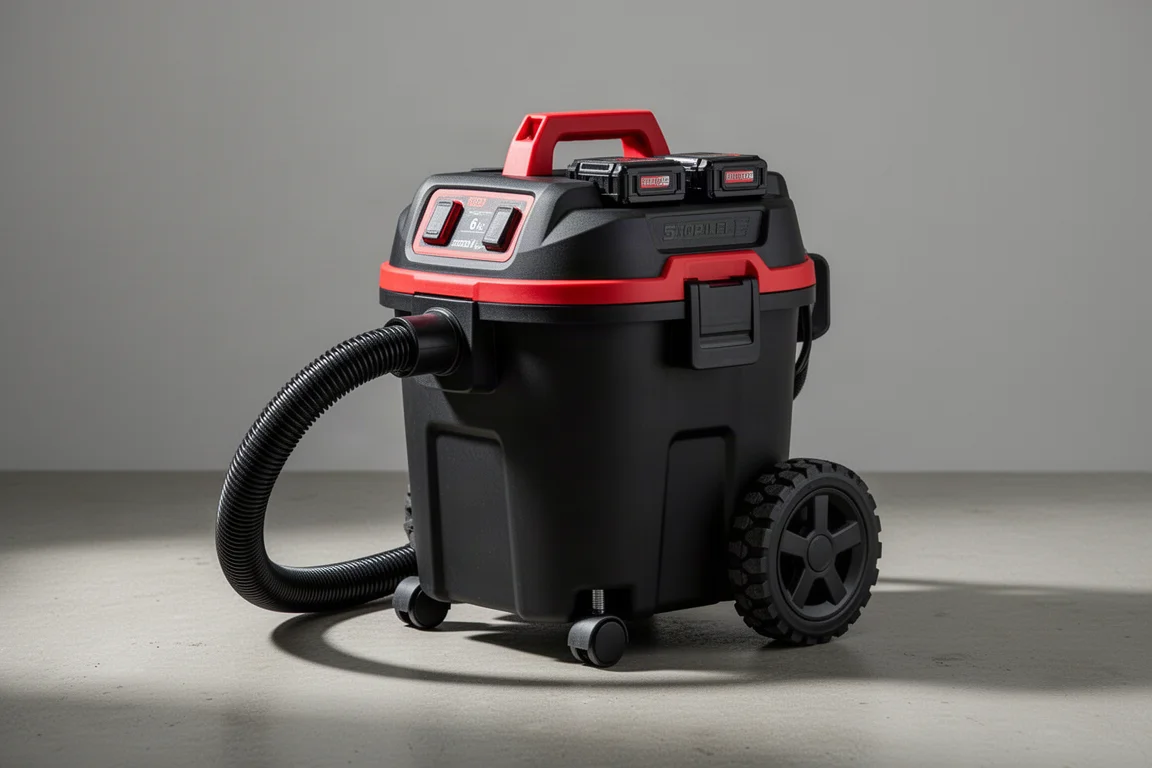
Note that these vacuums require two batteries, which run simultaneously for a combined 36 volt class output. They draw at roughly the same time and deliver strong, consistent suction; the vacuums were able to pull up water from multiple surfaces without issue. Batteries are not included with every configuration, so factor that into your buying decision.

Milwaukee M18 6 Gallon Wet/Dry Vac
The 6 gallon is the compact option in the lineup. It is the right pick for fine dust applications and tight work areas where a big tank is unnecessary bulk. It shares the same motor platform, attachment compatibility, and twist-lock filter design as the rest of the range, and its 1 7/8 inch hose suits precision cleanup. If your typical mess is drill dust, saw dust, and small offcuts rather than mountains of debris, this is the size that makes the most sense.
Milwaukee M18 9 Gallon Wet/Dry Vac
The 9 gallon sits in the middle as the capacity sweet spot. It holds substantially more debris than the 6 gallon, which matters when you are cleaning up demolition material or large offcuts and do not want to stop and empty constantly. Like the others, it accepts any head from the system, works with the optional dust bags, and benefits from the same heavy-duty hose and cart design. For a general-purpose job site vac that balances capacity and portability, this is the logical default choice.
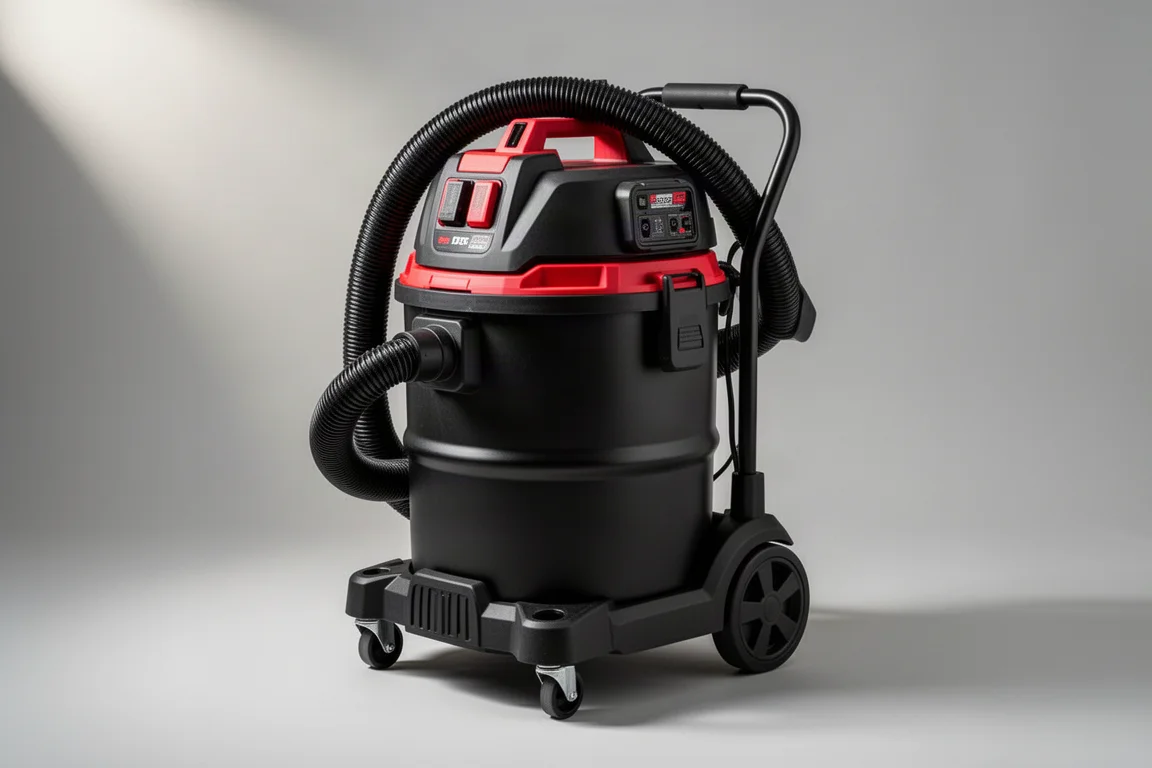
Milwaukee M18 12 Gallon Wet/Dry Vac
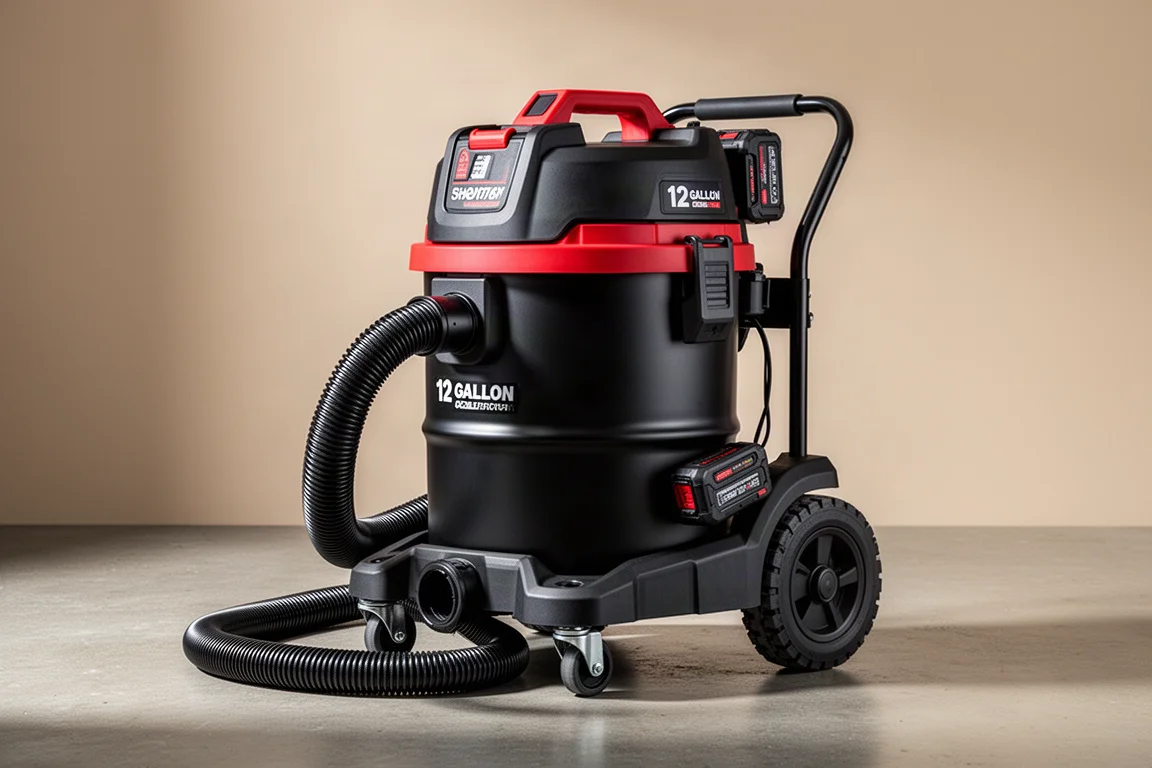
The 12 gallon is where the line truly shines. It uses a larger diameter 2 1/2 inch hose, and that extra airflow makes it a monster for big cleanup jobs. There is one purchasing caveat: the 12 gallon is sold only as a kit, at roughly $700, which includes the vacuum, cart, charger, and two 12.0 batteries. Given the kit contents, the value is reasonable even if the upfront price is higher.
One genuinely unusual option: although Milwaukee is almost exclusively a cordless brand, a separate corded head is available for the 12 gallon. If you run these vacuums constantly all day, the corded head means no waiting on battery recharges. The 12 gallon cart itself is heavy duty and well built, easily rolling over cords and hoses.
Accessory Highlights Worth Knowing About
The attachment catalog is extensive, and several pieces genuinely change how you work:
- Flexible long reach air tip: bends to reach tight spaces, ideal for car detailing and confined areas.
- Magnetic utility nozzle: has a magnetic strip in the head that captures screws and nails so they do not rip the collection bag; just toss the fasteners out afterward.
- Pivoting extension wand: useful for HVAC work and awkward angles.
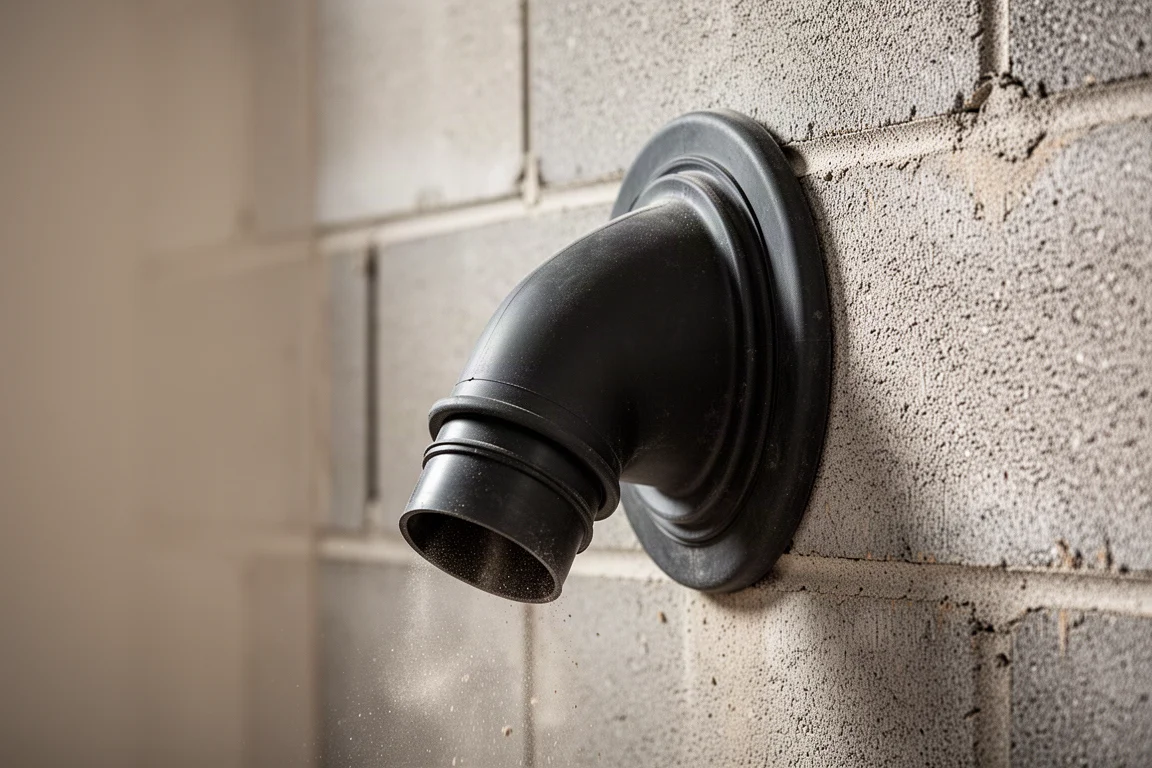
- Dust extraction attachment with rubber seal: press it against sheetrock, stucco, cinder block, or even heavily textured surfaces and the suction holds it in place while dust falls straight into the vacuum. This alone keeps a job site clean while drilling or cutting.
- 3-in-1 crevice tools, conduit line puller kit, and 401 right angle cleaner: cover niche cleanup scenarios.
- Low profile head: designed for cleaning in high places, sliding up and down inside cabinetry and upper areas, with an optional brush.
- Flexible rubber hoses: unlike rigid PVC-style alternatives, these bend to reach hard-to-access spots, and you can walk on them or roll things over them without worry.
- M12 powered brush attachment: a motorized brush head that fits down into the vacuum hose and spins the brushes from the inside, picking up noticeably better than a standard brush.
- Attachment storage bag: clips to the top of the vacuum and holds your accessories, solving the age-old problem of nozzles that fall off or have nowhere to live.
The 12 gallon cart supports all of this and keeps everything mobile. If you add attachments, the storage bag is an easy recommendation; losing nozzles is one of the small daily frustrations Milwaukee set out to fix, and this solves it.
Buying Advice
Choose the 6 gallon if most of your work is fine dust and small messes in confined spaces. Choose the 9 gallon if you want more capacity without committing to the largest package. Choose the 12 gallon if you regularly handle large debris volumes and want the biggest hose in the lineup, keeping in mind it is kit-only at around $700 with two 12.0 batteries and the cart included. Frequent, all-day users should also consider adding the separate corded head for the 12 gallon.
Remember the two-battery requirement for cordless operation and the fact that filters are Milwaukee-specific. Both are worth planning for, but neither undermines what is otherwise a very complete system.
Conclusion
Milwaukee’s M18 wet/dry vac line is less about any single vacuum and more about a well-thought-out system: interchangeable heads across three tank sizes, twist-lock filters, exceptionally tough hoses and carts, a wide and genuinely useful attachment catalog, and cordless convenience that removes the outlet hunt entirely. Pick the size that matches your typical debris load, and the rest of the system grows with you.
Further reading
Related Reviews
Power Tools
Best 1-Inch Pistol Impact Wrenches: Three Heavy-Duty Options Compared
We compare three 1-inch pistol impact wrenches, from a budget-friendly Harbor Freight model to a premium Caterpillar unit, to help you choose the right one.
Power Tools
Best 3/4-Inch Impact Wrenches 2026: Five Contenders Compared
We compare five 3/4-inch impact wrenches across price and performance, from a budget Amazon option to Snap-on's most powerful model yet.
Power Tools
Best Budget Cordless Tools 2026: Walmart Finds That Punch Above Their Price
We tested five cordless tools from Walmart, including a high-torque impact wrench that trades blows with Milwaukee and a $35 duster that outperforms its price class.