Power Tools
Milwaukee M18 Tools That Sit on the Shelf: An Honest Look at Six Rarely Used Tools
Six capable Milwaukee M18 tools that get outshined by smaller or more convenient alternatives in everyday use, and who should still buy each one.
Introduction
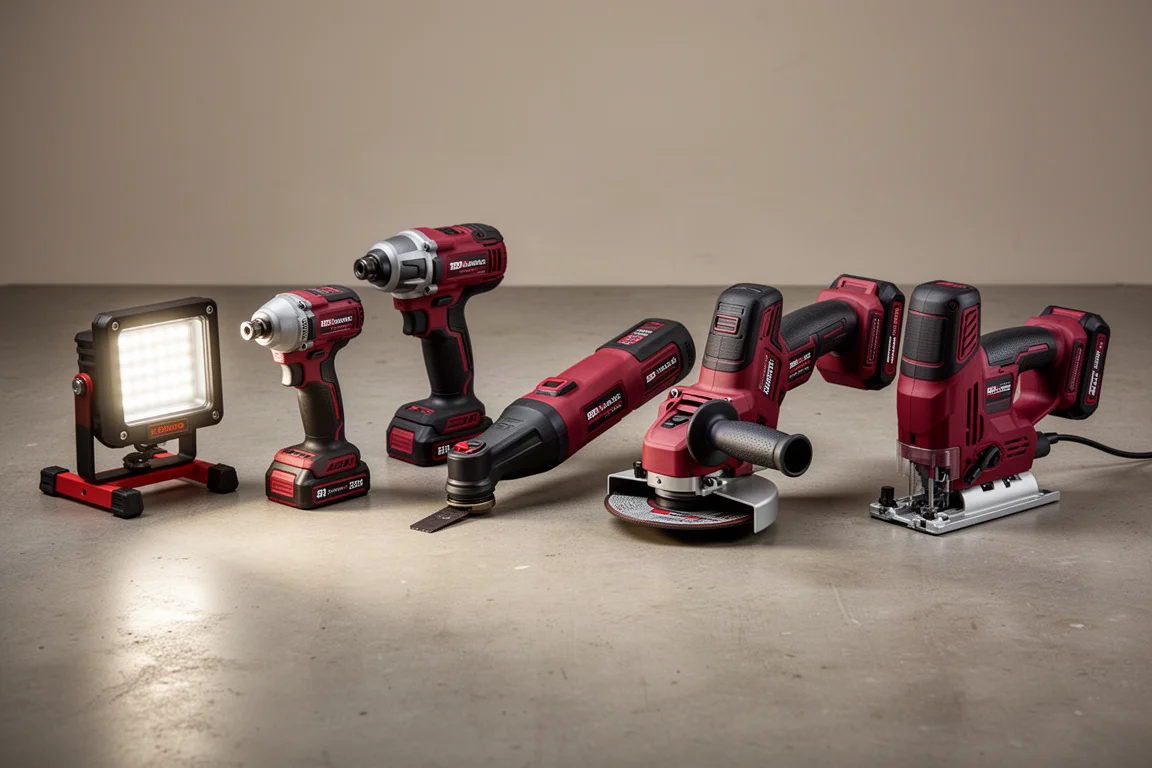
Not every well-reviewed power tool earns its spot in daily rotation. Some get outshined by a lighter sibling, some are more power than a job actually needs, and some simply never got the project they were bought for. This list walks through six Milwaukee M18 tools that are genuinely good on paper but see the least use in one workshop, along with the practical reasons why and the type of buyer each one still makes sense for.
M18 LED Work Light: Solid, But Not the One Reached For
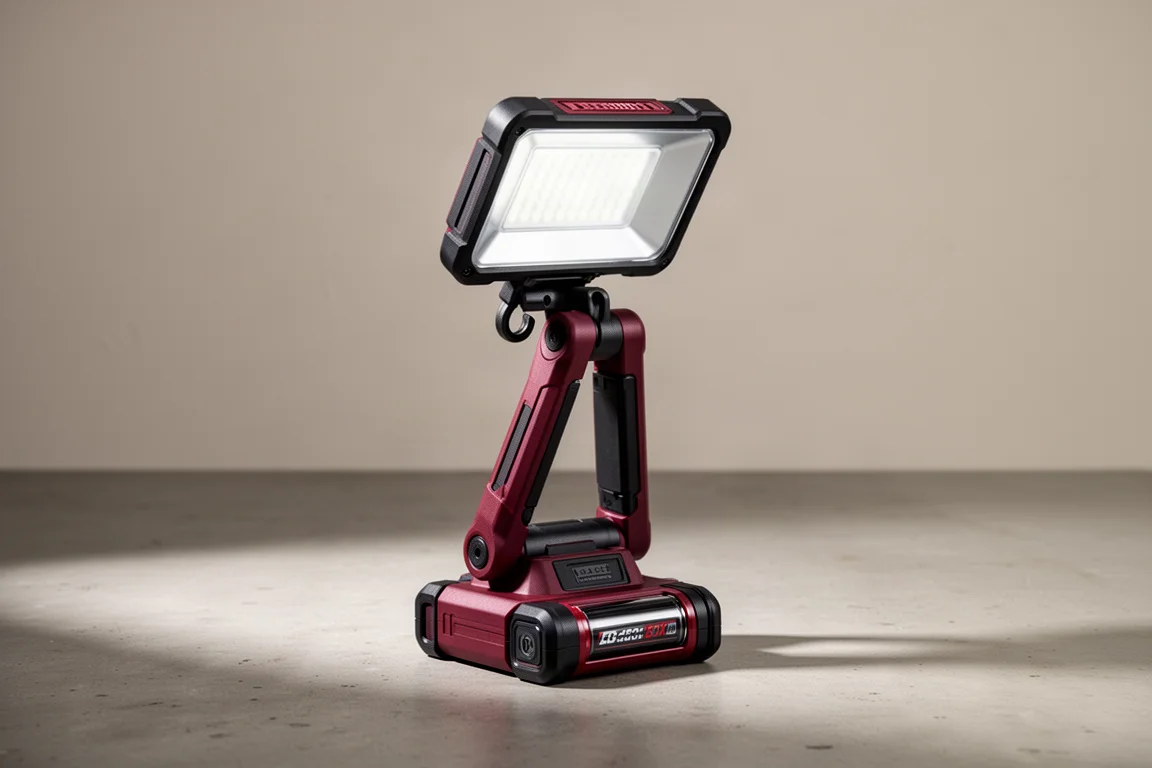
The M18 LED work light is a solid performer, but in everyday use the form factor works against it. It is heavier and bulkier than similar compact lights, and the hook-style mounting simply does not get used as often as a strong magnetic base does. Even dropping down to a smaller M18 battery does not change the fundamentals: the smaller alternative is easier to carry, quicker to position, and gets grabbed first almost every time.
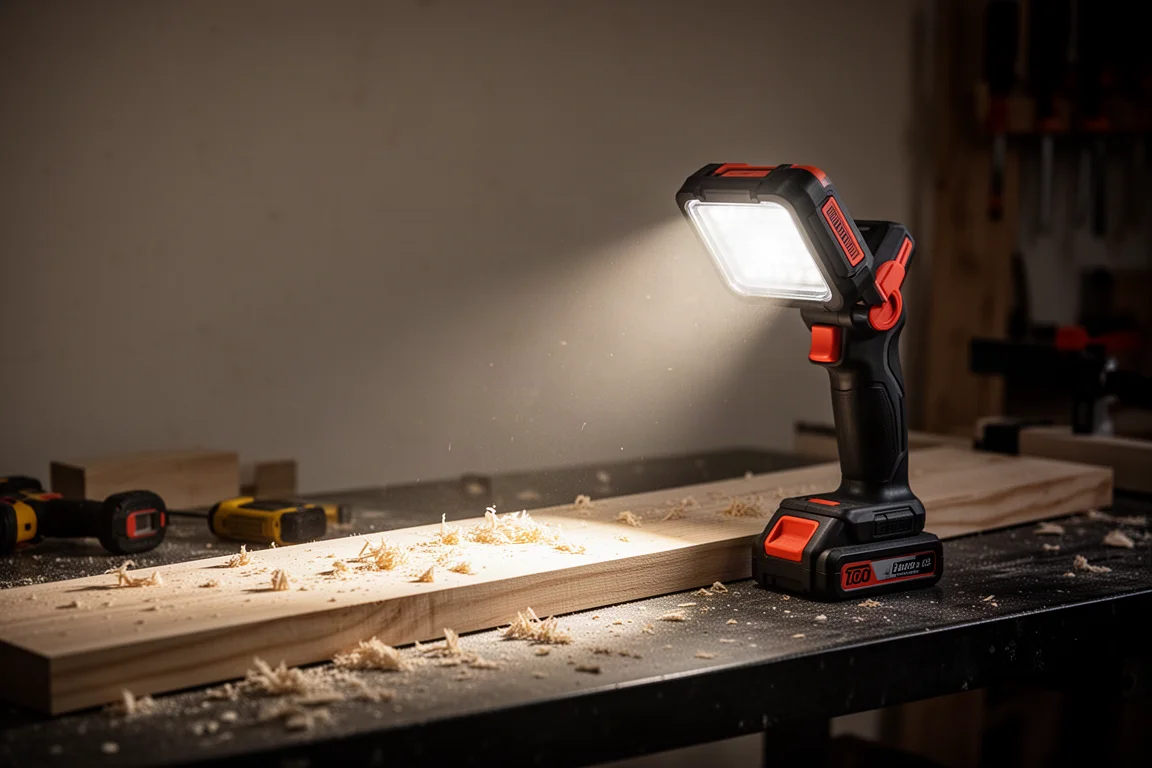
That said, if you have already invested in the M18 battery system, this light is not a bad purchase. The batteries are excellent, and having a bright light that runs off the same packs you already own is convenient. It just loses out when a lighter light with a more practical magnet is sitting on the same shelf.
M18 Fuel Impact Driver: Excellent, but the Surge Wins
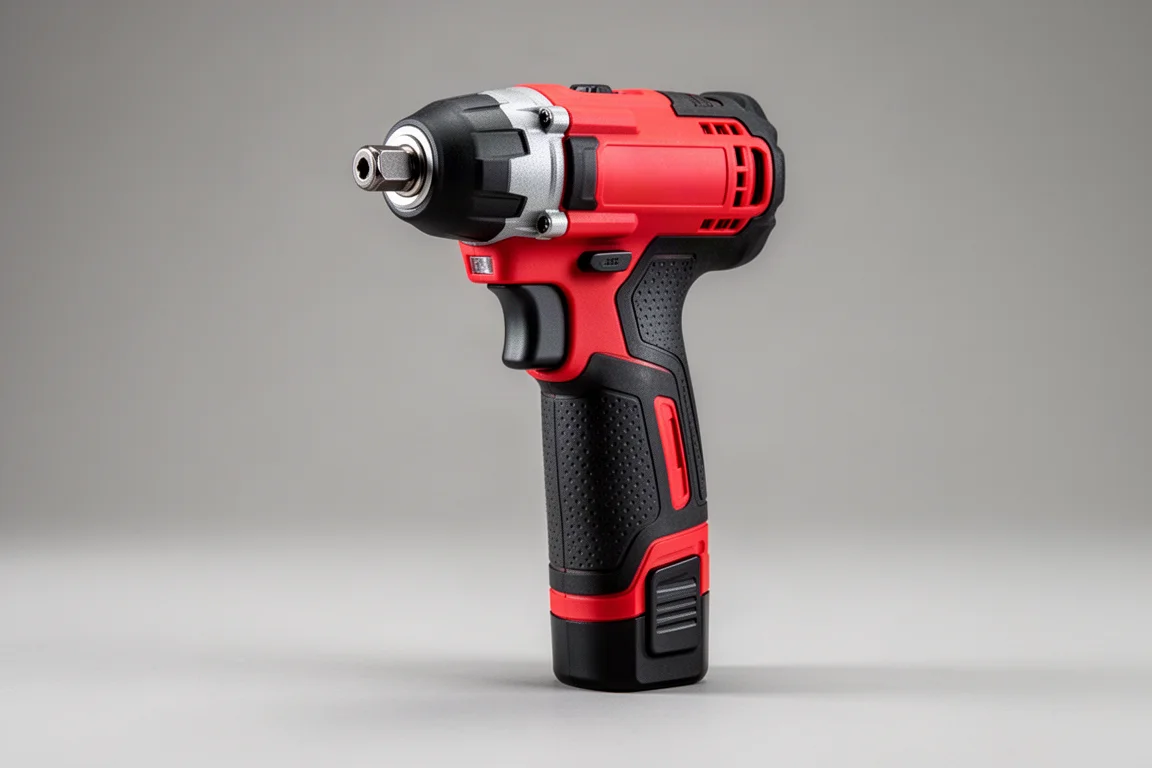
The M18 Fuel brushless impact driver is a capable, well-built driver, yet it spends most of its life sitting on the shelf. The reason is simple: the M18 Fuel Surge, with its quieter hydraulic driver mechanism, fits the kind of fastener work in this shop far better. The two tools are similar in capability, but the Surge gets picked up every time.
This is a good reminder that “best” depends on the work in front of you. If you prefer a traditional impact driver feel, the Fuel impact driver is absolutely a strong tool. It just was not the right match for how this workshop works.
M18 Multi-Tool: A Great Tool That Competes With Its Smaller Sibling
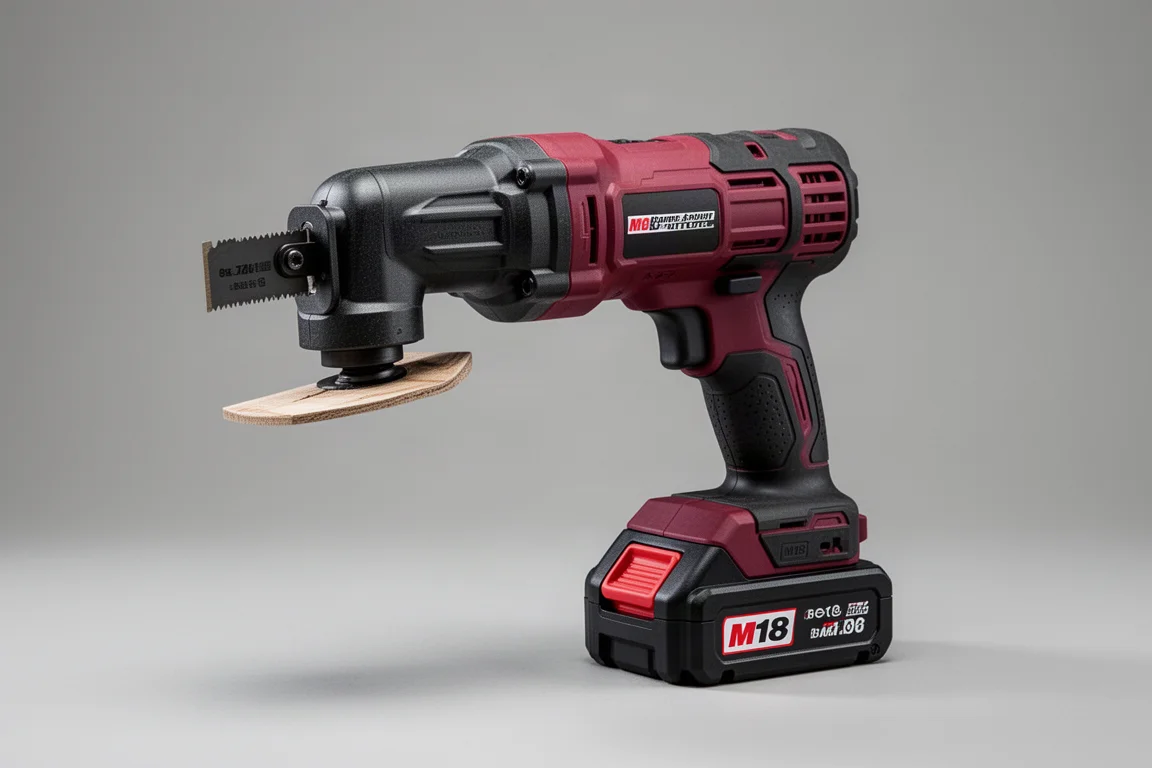
The M18 multi-tool is genuinely amazing, a fully capable tool that would be the obvious choice in many shops. The problem is that the M12 multi-tool is lighter, smaller, and faster to move around, and for most everyday cuts and sanding tasks that matters more than raw capability. The result is an M18 tool in great condition that rarely leaves its spot.
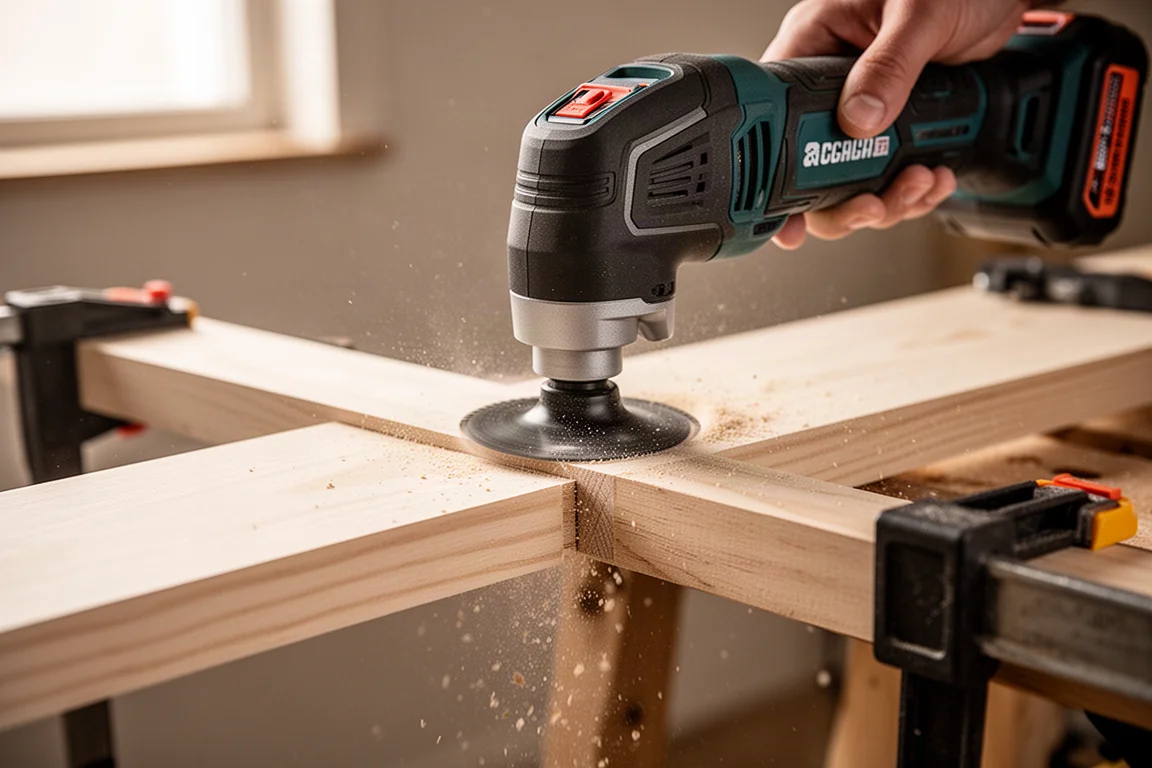
If you regularly need a big multi-tool for demanding jobs, the M18 version is ideal and well worth owning. But if your typical use is quick trims, undercutting, and flush cuts, the smaller platform is hard to argue with.
M18 Angle Grinder: More Power Than Most Jobs Need
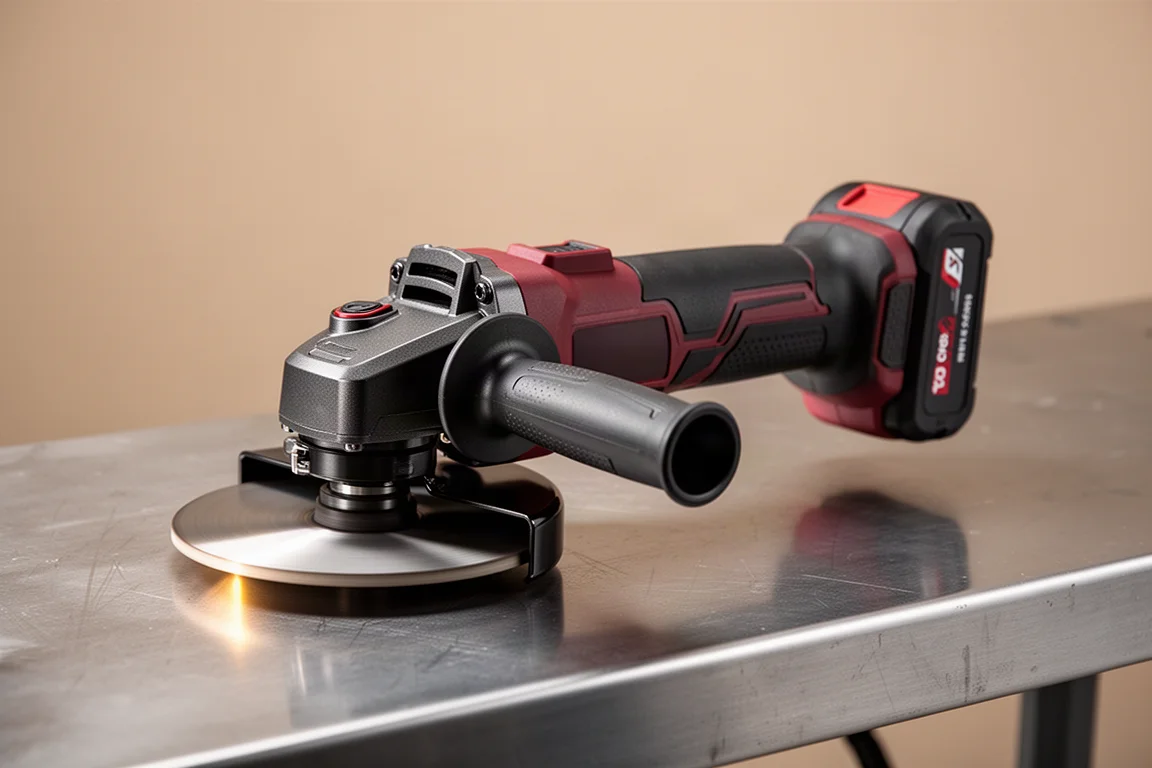
The M18 angle grinder tells a similar story. Much of the cutting and grinding work in a typical shop does not actually need the full M18 platform, and a corded grinder covers the heavy jobs like bigger iron or concrete. The M18 version does have a few more features, but once you attach a battery it becomes noticeably heavier, and weight is exactly what you feel on longer grinding sessions.
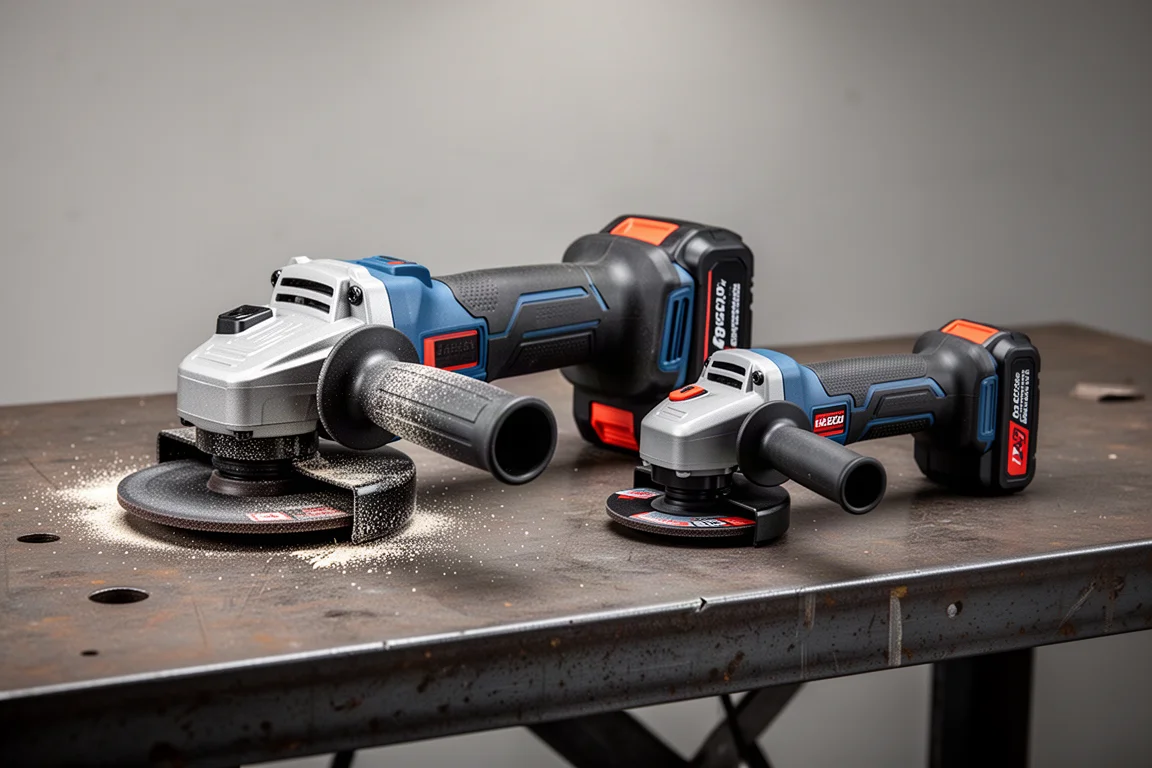
The visible wear difference tells the whole story: the smaller grinder gets used constantly, the M18 barely at all. For users who only own one grinder and need serious cutting capacity, though, the M18 remains a very sensible choice.
M18 Jigsaw: Fully Featured, but Dexterity Beats Power
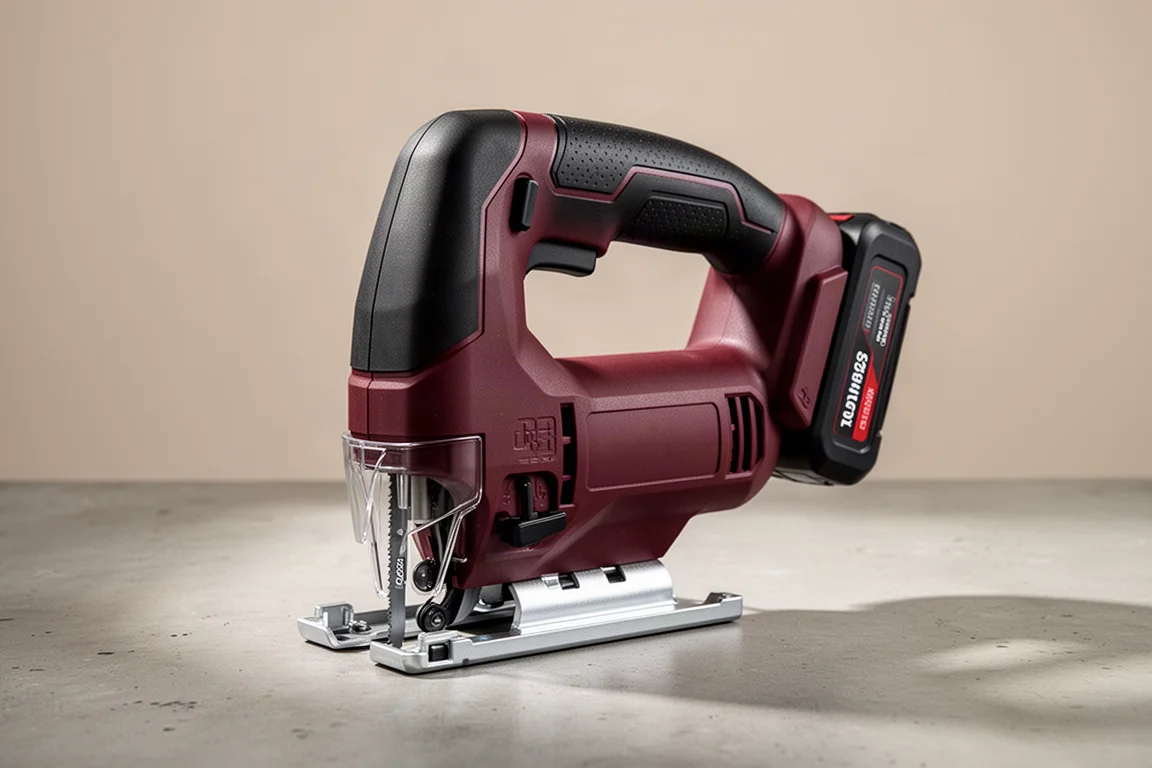
The M18 jigsaw is an amazing, fully featured tool that has been used and genuinely enjoyed. It is clearly more powerful and better equipped than its smaller counterpart, and it would never be sold off. But both tools take the same blades, and most jigsaw work comes down to quick cuts and dexterity rather than power. Over a session, a lighter tool simply feels better in hand.
M18 Fuel Router: Powerful, Unused, and Kept Anyway
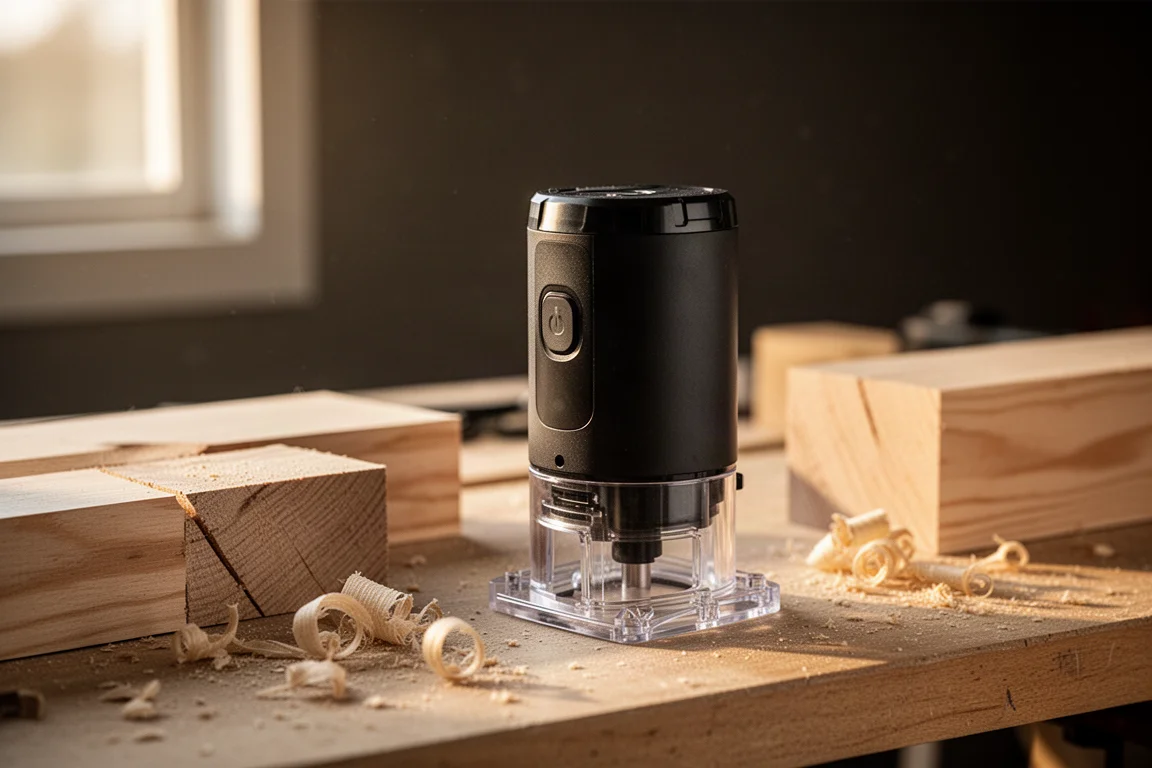
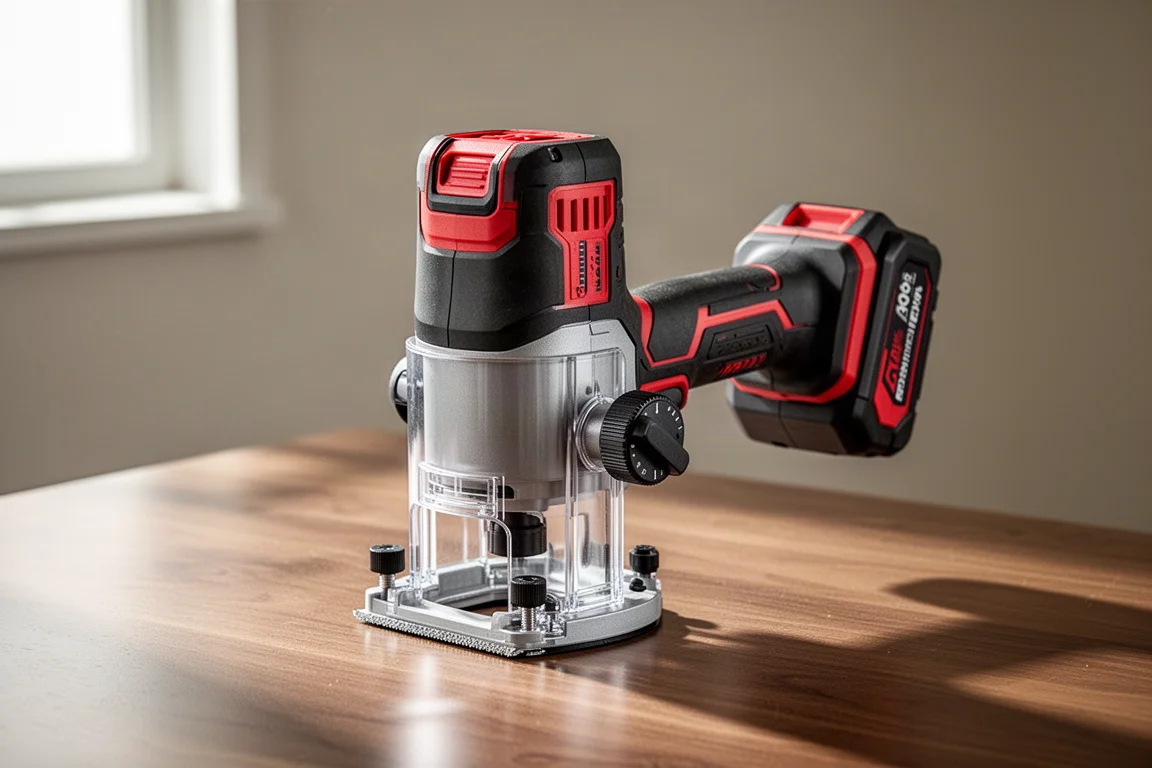
The M18 Fuel router is the extreme case: it has essentially never been used. It was bought for a sign-making project that involved routing out lettering, a job it looked ideal for with plenty of great features and a solid design. When the job fell through, the router stayed on the shelf, and there is not a speck of dust on it. It was not cheap, but it was kept in case the need comes up.
When it was finally switched on for the first time, it ran impressively, a genuinely torquey little tool. That is the honest takeaway: it is a well-designed, powerful router that simply has not found its project yet. Anyone doing regular trim routing or sign work with a big corded router would likely get far more out of it.
Overall Buying Advice
The pattern across all six tools is consistent, and it is worth thinking about before you buy anything cordless. First, platform size should match your actual workload, not your imagined heaviest job. A lighter M12 tool that you actually reach for beats a heavier M18 tool that stays on the shelf. Second, convenience features matter more than they look on a spec sheet: a magnetic base gets used far more often than a hook. Third, if a traditional corded tool already covers your heavy jobs, think carefully before adding the cordless big brother.
Conclusion
None of these six Milwaukee M18 tools are bad purchases. They are well built, capable, and in most cases excellent examples of their category. They just lose out in a real workshop to smaller, lighter, or more convenient alternatives. Match the tool to the work you actually do, and each of these could easily become a daily driver in someone else’s shop.
Further reading
Related Reviews
Power Tools
Best 1-Inch Pistol Impact Wrenches: Three Heavy-Duty Options Compared
We compare three 1-inch pistol impact wrenches, from a budget-friendly Harbor Freight model to a premium Caterpillar unit, to help you choose the right one.
Power Tools
Best 3/4-Inch Impact Wrenches 2026: Five Contenders Compared
We compare five 3/4-inch impact wrenches across price and performance, from a budget Amazon option to Snap-on's most powerful model yet.
Power Tools
Best Budget Cordless Tools 2026: Walmart Finds That Punch Above Their Price
We tested five cordless tools from Walmart, including a high-torque impact wrench that trades blows with Milwaukee and a $35 duster that outperforms its price class.