Power Tools
Milwaukee M18 Supercharger: One Year Later, Still Worth It?
After a full year of heavy use and more than 100 charge cycles on a single control battery, here is what the M18 Supercharger is actually good for, and who should skip it.
Introduction
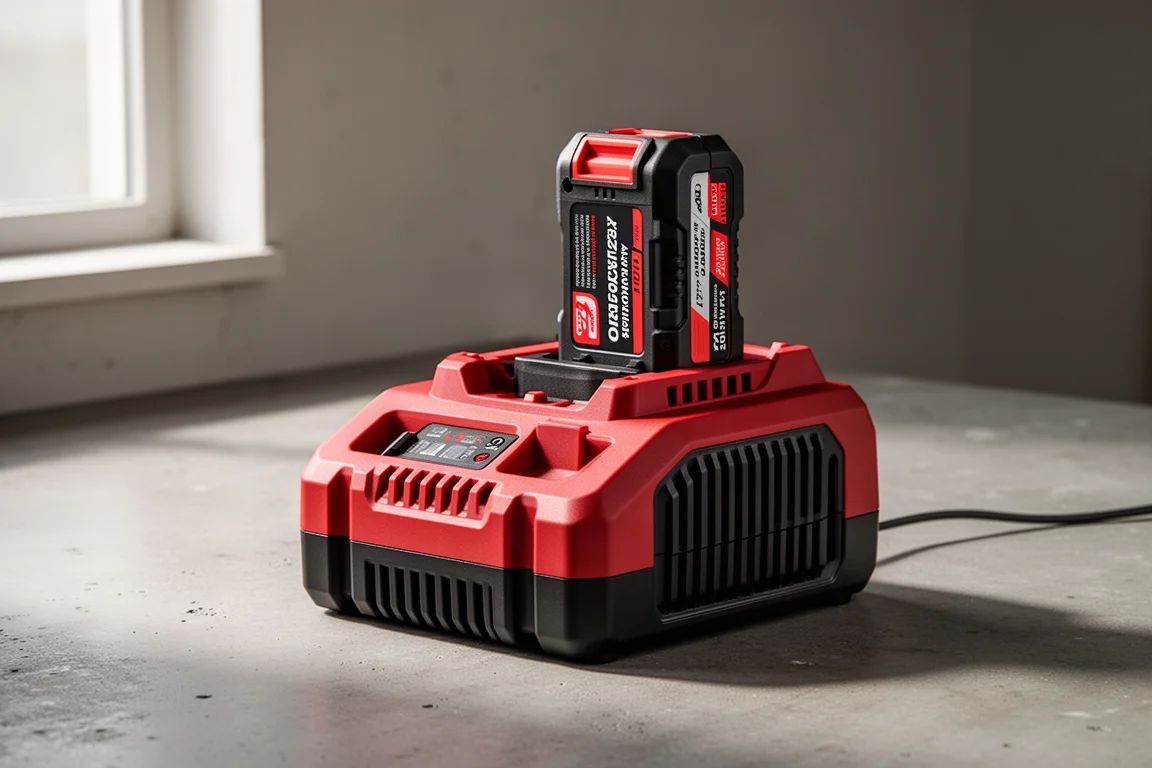
The Milwaukee M18 Supercharger promises something simple: noticeably faster charging for the biggest, hungriest batteries in the M18 lineup. Instead of the roughly 65 to 70 minutes a rapid charger needs to refill a 12 Ah high-output pack, the Supercharger does it in around 45 to 50 minutes. That sounds great on paper, but it also raised a persistent worry among buyers: does charging this fast actually damage your batteries? After a full year of daily use and a deliberately abused control battery, here is what the long-term picture looks like.
Why Fast Charging Matters for Big Batteries
If your toolkit revolves around large-draw tools, battery turnaround time becomes the bottleneck of your whole day. A table saw fitted with a 12 Ah high-output battery will burn through pack after pack when you are ripping lumber all day, and miter saws and circular saws are not far behind. The rapid charger, especially the dual-port version, does a perfectly good job, but it still needs roughly 65 to 70 minutes to fully charge a 12.0 battery.
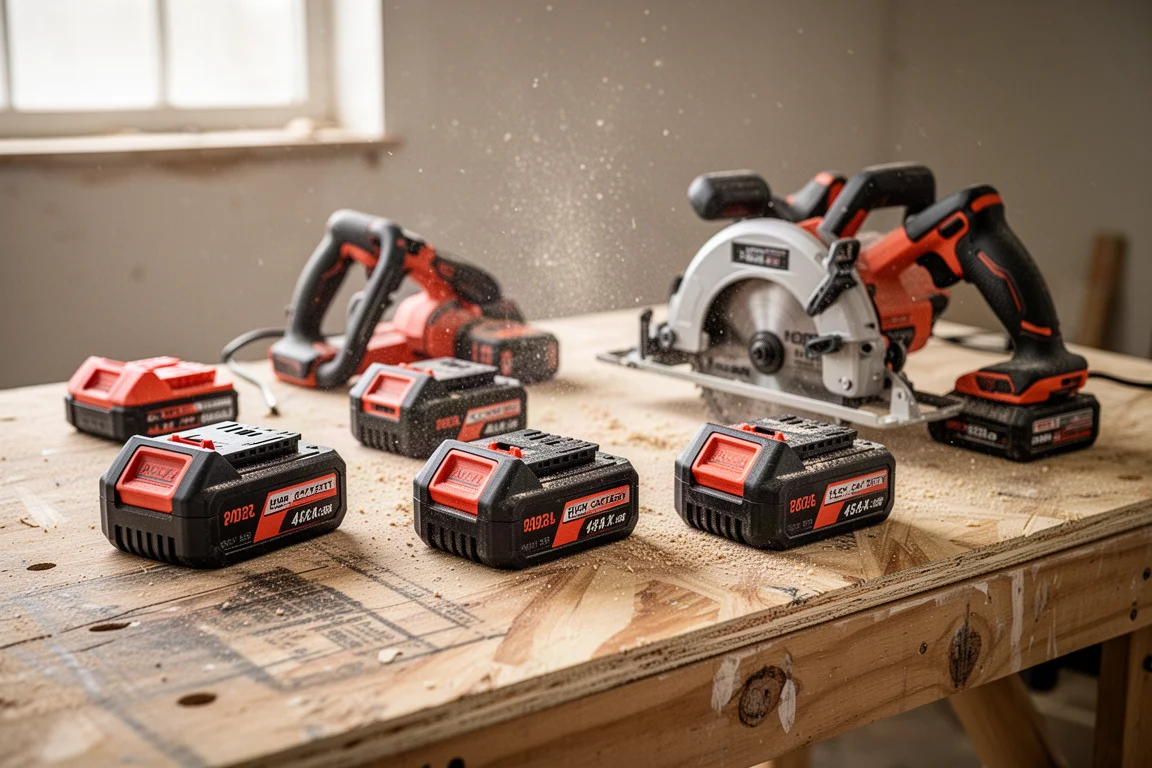
The Supercharger cuts that down to around 45 to 50 minutes for a full charge. On a heavy jobsite day where you are swapping batteries constantly, that difference compounds quickly.
The Battery Damage Concern, Tested
The biggest objection to fast charging has always been longevity. The claim going around: charge too fast, and your battery will be dead within a month or two. To put that to the test, one 12 Ah pack was used as a dedicated control battery, cycled through table saws, miter saws, and even used as a power bank to top up phones, then charged on the Supercharger over and over across the year.
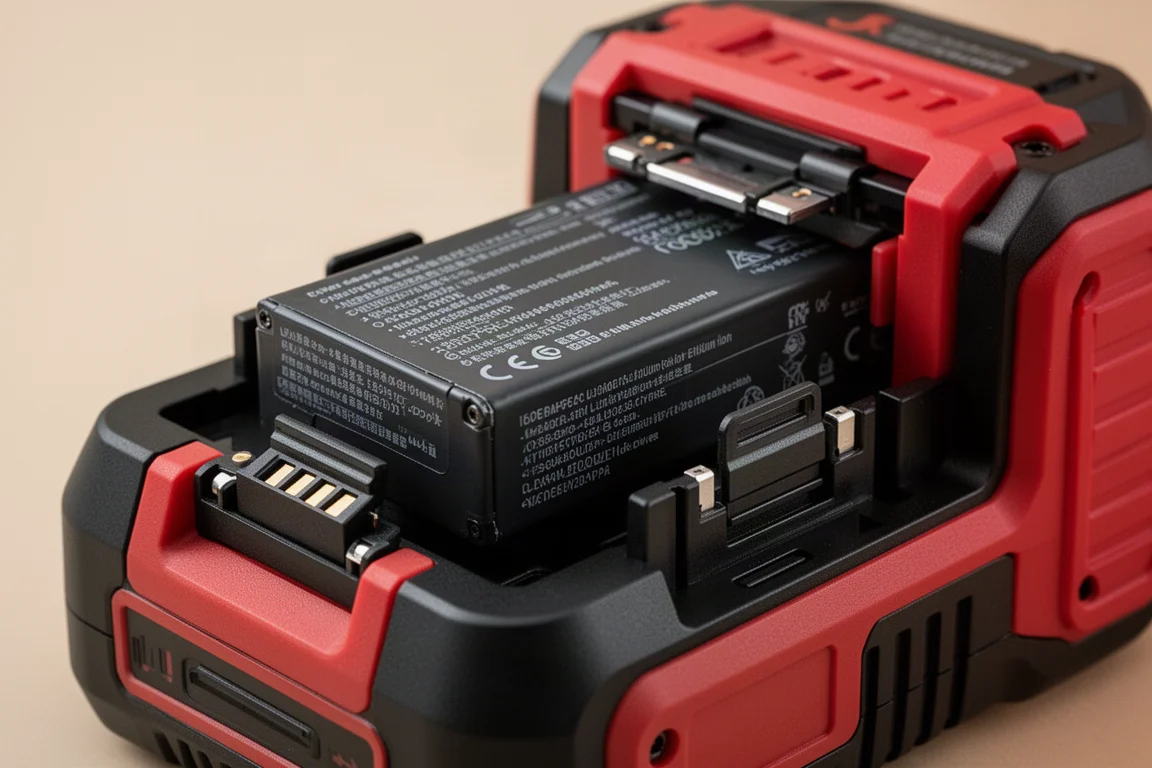
That single control battery has been charged well over 100 times on the Supercharger. Its cosmetic condition shows the heavy use, but functionally it still takes a full charge and runs a cordless vacuum with no noticeable loss of performance. Across every other battery charged in the unit over the year, no failures, no capacity drop-offs, and no charging trouble have appeared.
Who Should Actually Buy It
Here is the important caveat. The Supercharger is not a universal upgrade. If your collection is built around standard 5.0 Ah packs or 12-volt batteries, this charger will not charge them any faster than a rapid charger does. Buying it for those smaller packs would simply be wasted money.
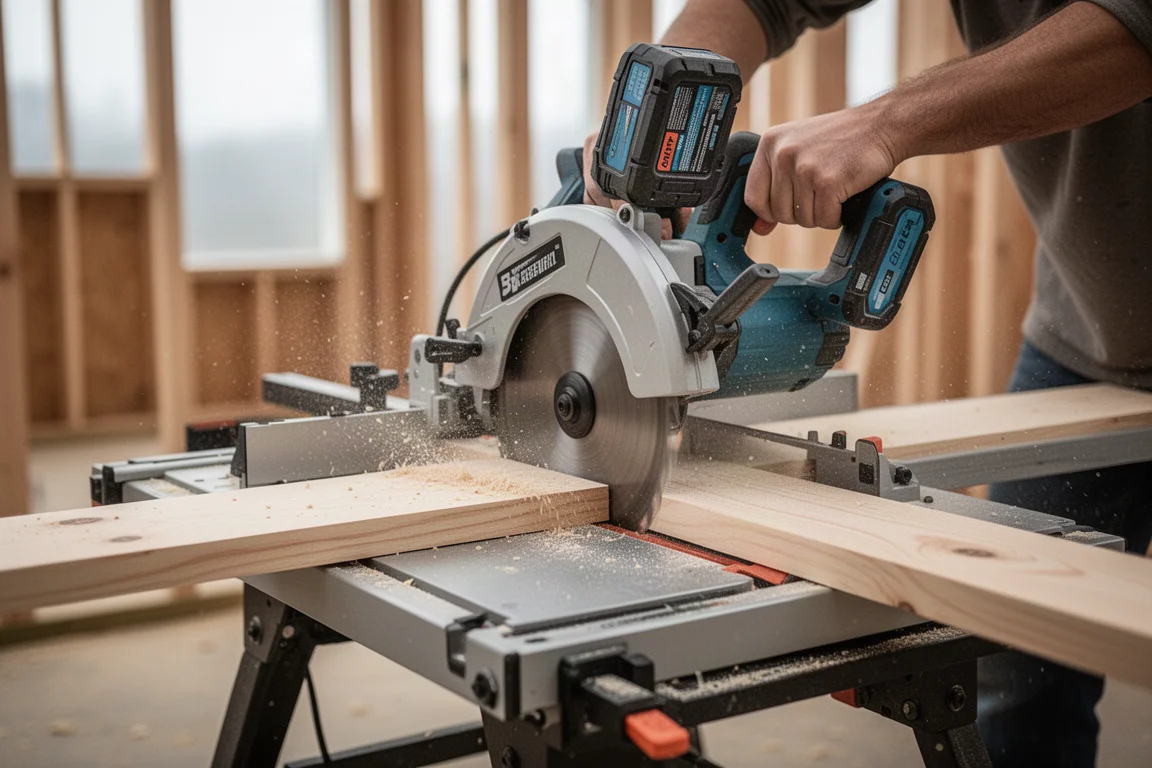
It earns its keep with the big packs. If you regularly run 9 Ah or especially 12 Ah high-output batteries on power-hungry tools like table saws, miter saws, and circular saws, the time savings are real and immediate. The one feature it lacks is a second port; with how fast a table saw drains a 12.0, dual-bay charging would be a welcome addition.
One Year Verdict
After a year of heavy use, the Supercharger has never given any trouble, and neither have the batteries charged in it. The damage claims simply did not materialize in real-world testing.
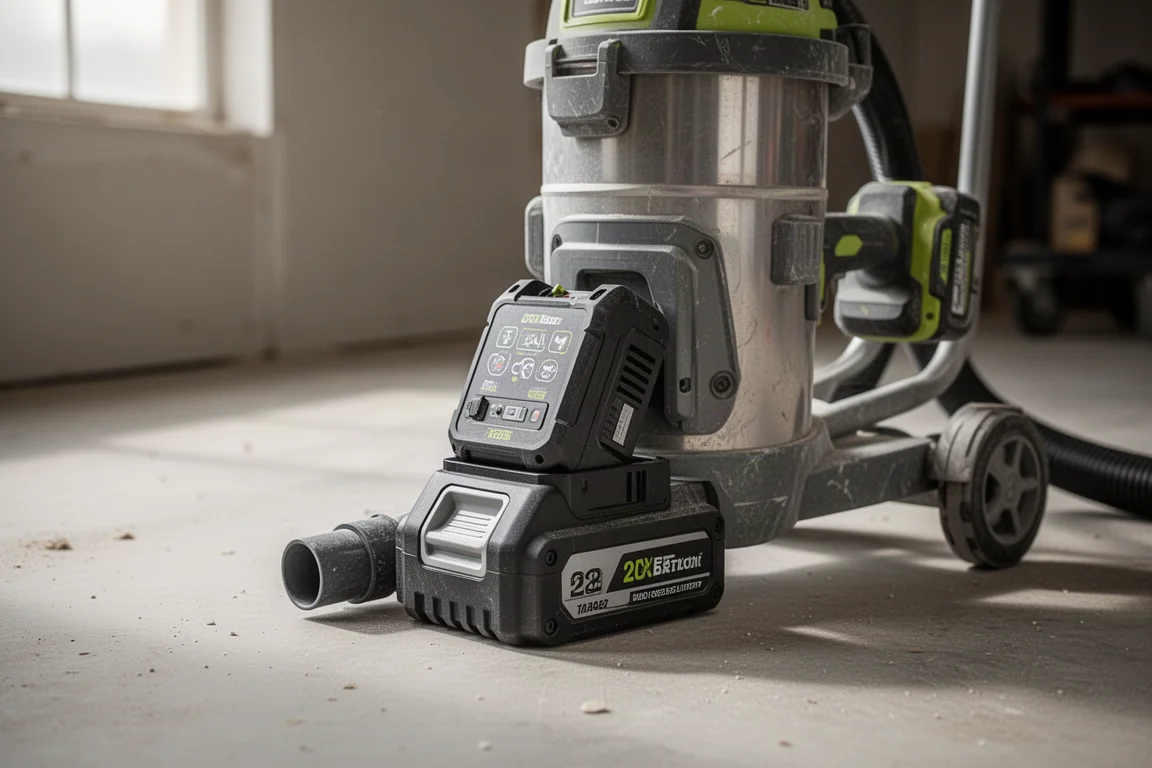
The verdict is straightforward: skip it if you mostly charge standard 5 Ah or 12-volt packs, buy it with confidence if you lean on large high-output batteries and big tools every day.
Conclusion
The Milwaukee M18 Supercharger turned out to be exactly what it promises for the right user: a meaningful time saver for 9 Ah and 12 Ah battery owners, with no measurable cost to battery health after more than a hundred charge cycles. Match it to your battery sizes before buying, and for heavy-draw tool users it remains an easy recommendation.
Product link
View more details for Milwaukee M18 Supercharger
This product is mentioned in the review. Check the specifications, options, and compatibility before buying.
View more details for Milwaukee M18 SuperchargerFurther reading
Related Reviews
Power Tools
Best 1-Inch Pistol Impact Wrenches: Three Heavy-Duty Options Compared
We compare three 1-inch pistol impact wrenches, from a budget-friendly Harbor Freight model to a premium Caterpillar unit, to help you choose the right one.
Power Tools
Best 3/4-Inch Impact Wrenches 2026: Five Contenders Compared
We compare five 3/4-inch impact wrenches across price and performance, from a budget Amazon option to Snap-on's most powerful model yet.
Power Tools
Best Budget Cordless Tools 2026: Walmart Finds That Punch Above Their Price
We tested five cordless tools from Walmart, including a high-torque impact wrench that trades blows with Milwaukee and a $35 duster that outperforms its price class.