Power Tools
Milwaukee M18 Nailers and Staplers: Six Cordless Tools Explained
A practical guide to the Milwaukee M18 cordless nailer and stapler line, covering gauges, nail types, and which tool suits which job.
Introduction
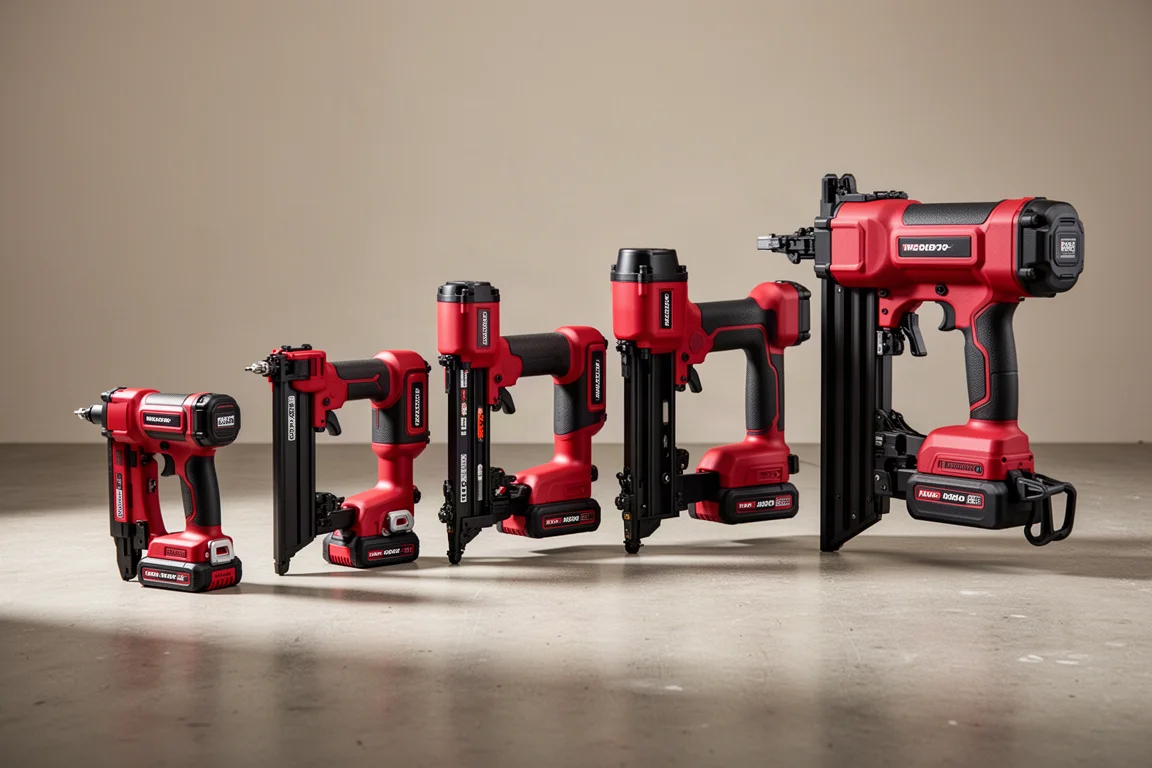
The Milwaukee M18 cordless nailer and stapler line covers a surprisingly wide range of work, from delicate trim to full house framing and even fencing. This guide walks through six tools in the range: a fencing stapler, a narrow crown stapler, an 18 gauge brad nailer, 16 and 15 gauge finish nailers, and the framing nailer. Rather than a full deep-dive on each, the aim is to explain what separates the different gauges, what nails they take, and which tool makes sense for your kind of work.
The core appeal of the whole line is that everything runs on an M18 battery. There are no hoses to trip over, no gas cylinders to hunt down, and none of the wasted boxes of nails that happen on gas nailer sites when the cylinders run dry before the nails do. The trade-off is weight, since these tools carry a motor and battery instead of relying on compressed air or fuel cells.
Understanding Gauge: What the Numbers Mean
Gauge numbers confuse a lot of first-time buyers, so here is the short version: the lower the number, the larger the diameter of the nail. An 18 gauge nailer fires smaller nails than a 16 gauge, which in turn fires smaller nails than a 15 gauge. These three classes are also known as brad nailer classifications: the 18 gauge is a C1, the 16 gauge a C, and the 15 gauge a DA.
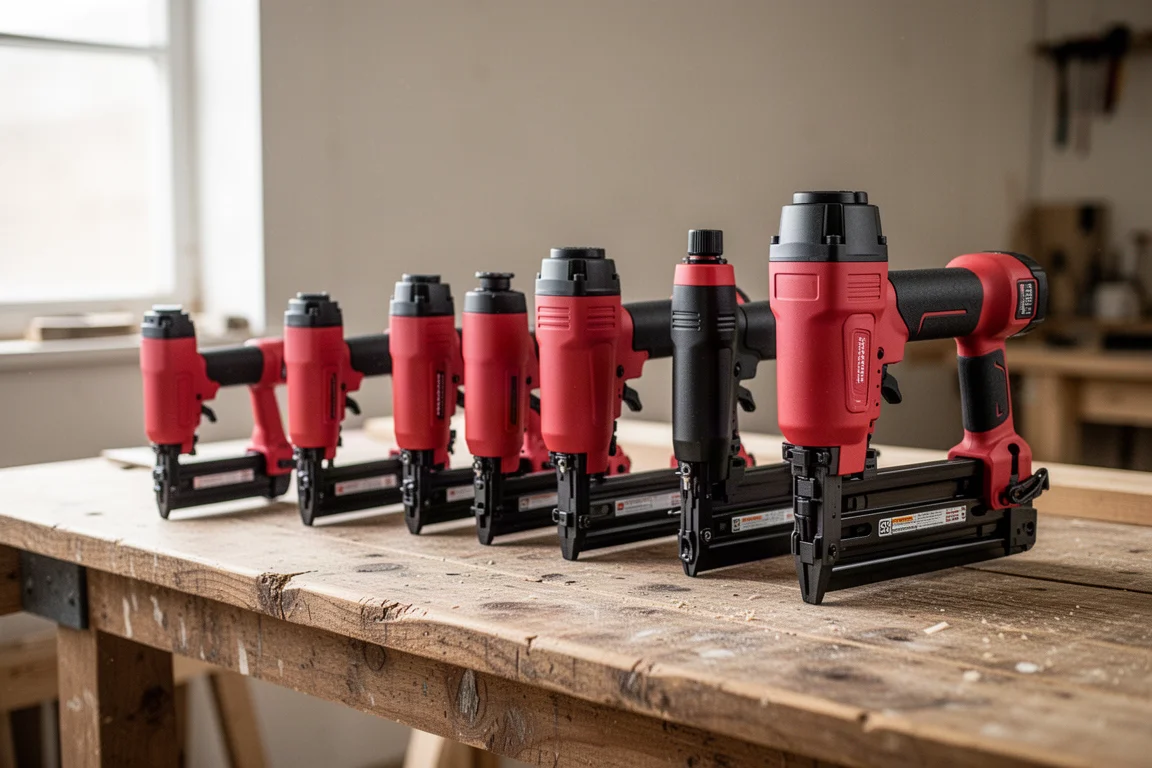
The 18 gauge fires straight magazines, the 16 gauge is angled at 20 degrees, and both the 15 gauge and the framing nailer run 34 degree angled magazines. Angles vary by region, so always check the degree marking on the tool before buying nails. Framing nailers sold in North America commonly use 21 degree nails, while 30 to 34 degrees is more typical elsewhere.
The Big Picture: Staplers
The line includes two staplers at opposite ends of the size spectrum, and they are worth understanding first because they work quite differently from the nailers.
Milwaukee M18 FFUS Fencing Stapler
The M18 FFUS is the heavyweight of the group at 4.4 kg, matching the framing nailer. It fires only staples, never nails, and the staples are a Milwaukee-specific design, so at this stage Milwaukee is the only manufacturer making them. The magazine holds 45 staples in two clips, loaded from the back and slid forward where they lock in place.
Depth control is genuinely well thought out. Lines on the nose with a red indicator let you set and remember exact depth settings per post density, and the adjustment dial clicks with every revolution so you can feel where you are. For fencing work, you typically leave staples proud so the wire can move for tensioning and thermal movement, and the dial makes dialling that in simple. Milwaukee claims up to 600 fires per 3Ah high output battery. There is no bump fire mode, but there is a trigger lock and a two-sided belt hook.
Milwaukee M18 FNCS18GS Narrow Crown Stapler
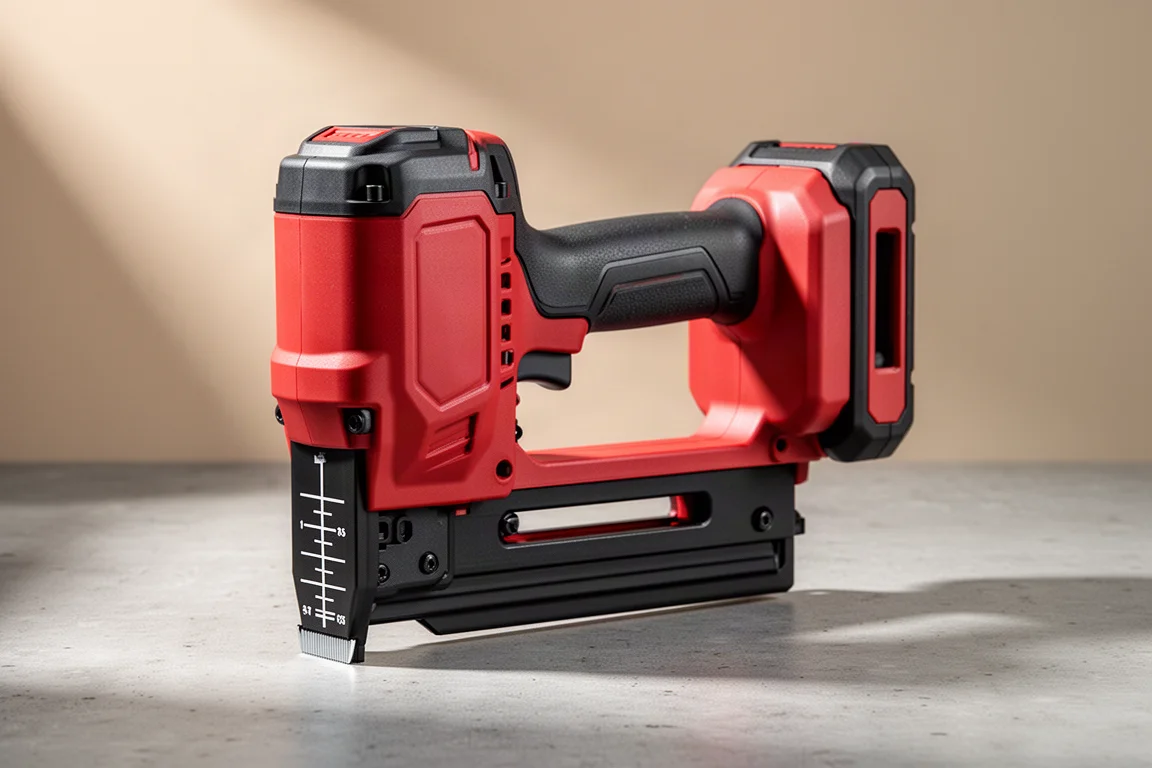
At the other end of the scale sits the M18 FNCS18GS, an 18 gauge narrow crown stapler that fires quarter inch crown staples from 10 mm to 38 mm. Unlike the fencing stapler, many manufacturers make these staples, so you are not locked into one supplier. It weighs about 2.5 kg, roughly 2 kg lighter than the fencing stapler, and it adds bump fire mode.
It will also fire 18 gauge brad nails up to 38 mm, but only reluctantly. Loading brads is fiddly, they can jam, and it simply does not drive them as well as the dedicated brad nailer. If you mostly use staples and want a backup brad capability, it works. If you mostly drive nails, get the dedicated 18 gauge brad nailer instead.
Nail Types, Heads, and Collation
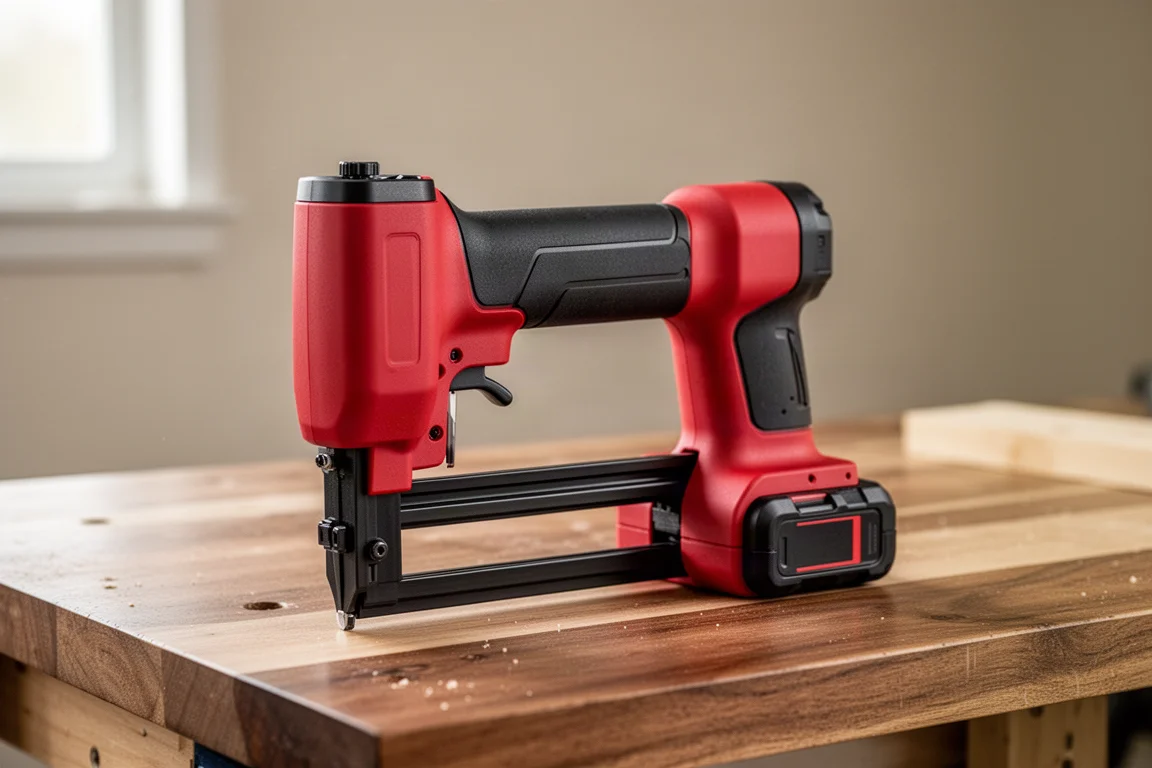
The nails themselves differ more than you might expect. The 18 gauge nail is 1.2 mm in diameter, essentially square in section, with a small rectangular head. The 16 gauge is 1.6 mm, still square with a rectangular head. The 15 gauge jumps to round nails that look like miniature framing nails, with a clipped D head. The framing nailer takes 10 gauge nails from 2.8 to 3.3 mm in diameter.
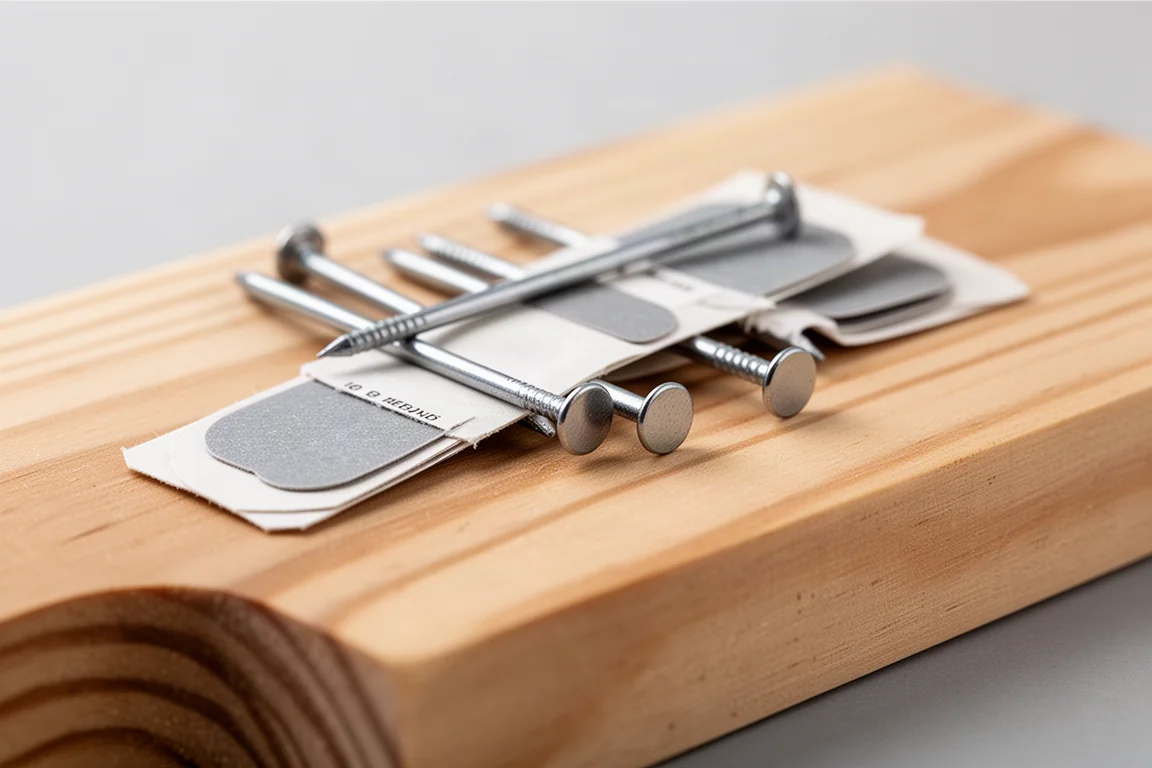
Collation matters too. Paper collated nails sit close together on the strip, so the magazine holds more per load. Plastic and wire collated full round head nails have to be spaced further apart, meaning more frequent reloads, though offset full round head designs split the difference by giving the appearance of a round head while keeping the strip angled enough to fit the tool.
The Finish and Framing Nailers
The 18, 16, and 15 gauge nailers share the same control layout: a power button in the handle, full actuation and bump fire modes, and a battery indicator. Power on always starts in single nail mode; one tap switches to bump fire. All four main nailers in this comparison offer both modes.
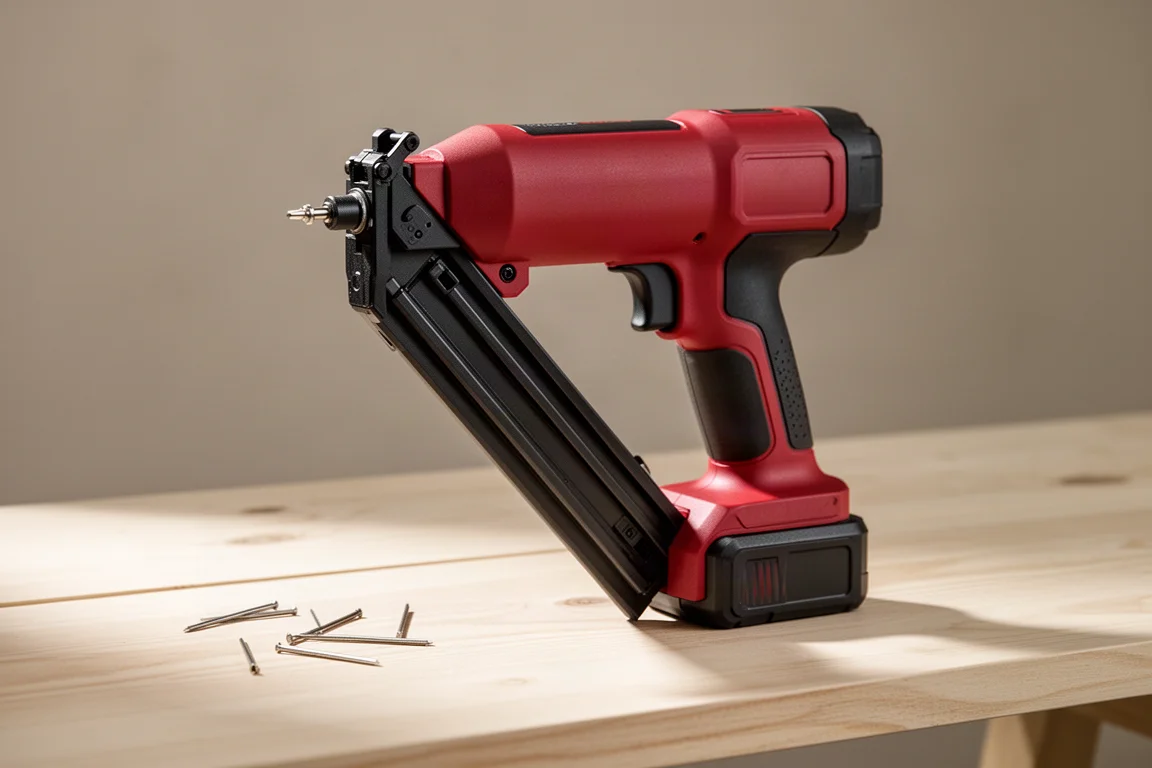
Milwaukee M18 18-Gauge Brad Nailer
The 18 gauge is the trim specialist. It fires nails from 16 mm to 54 mm and leaves the smallest holes of the group, which makes puttying fast and easy. It uses a straight magazine and small nose tips rather than a large foot, which lets you get into tight corners and onto awkward angles. In many regions 18 gauge tools are far more common in straight form than angled.
If your work is architraves, door frames, window trim, and general finishing, this is the lightest-touch option of the three brad classifications. The smaller hole is the real selling point compared to the 16 gauge, though the 16 gauge offers noticeably more holding strength.
Milwaukee M18 16-Gauge Finish Nailer
The 16 gauge fires nails from 32 mm to 63.64 mm and is angled at 20 degrees. Its striker is much wider than the 18 gauge’s, which means a flush shot leaves a bigger mark if the depth is set aggressively, so getting the depth right matters more. In many markets the 16 gauge has become the default second-fix nailer alongside a framing gun, and angled versions are growing more popular.
It shares its head unit with the 15 gauge, differing mainly in the magazine. If you can only justify two nailers for finish and framing work, an 18 or 16 gauge plus a framing nailer is the combination most builders settle on.
Milwaukee M18 15-Gauge Finish Nailer
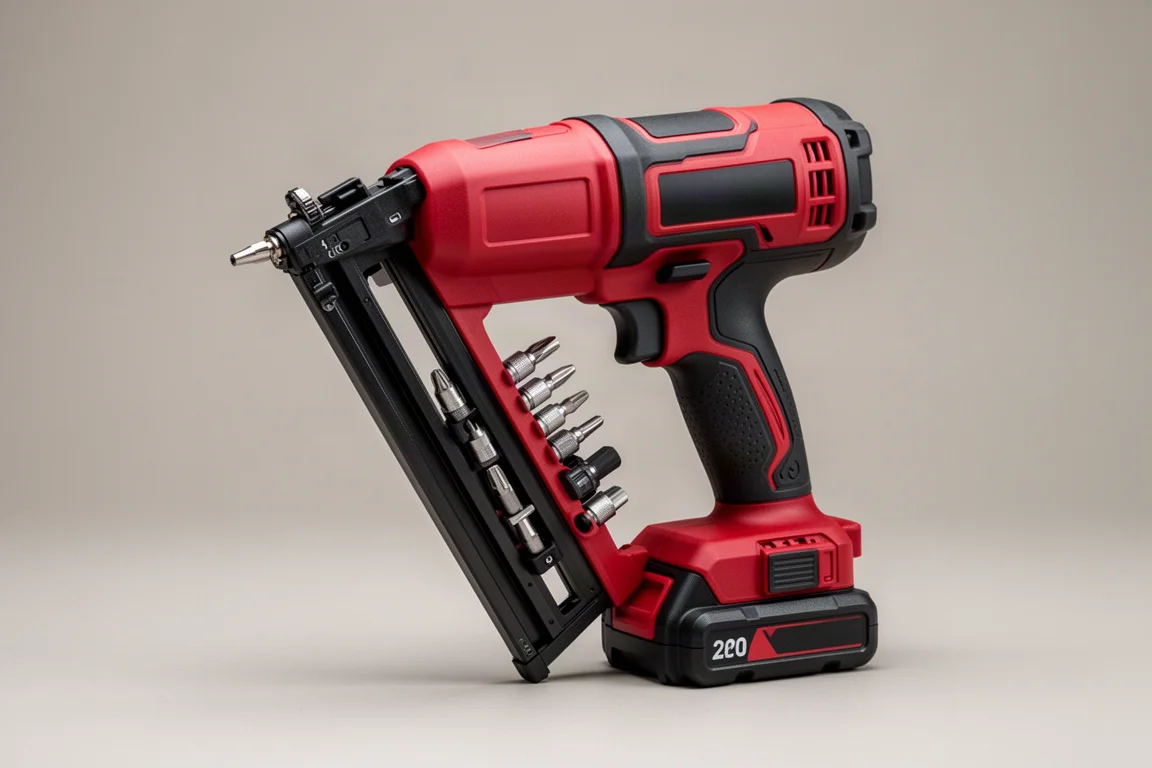
The 15 gauge fires round-head nails from 32 mm to 63.64 mm at a 34 degree angle. Because it shares the head unit with the 16 gauge but carries the steeper angle, it feels more compact and better balanced in the hand, with styling closer to the framing nailer.
Its niche is versatility: the bigger round nail starts to make sense for outdoor work such as decorative fencing, and the 34 degree angle reaches into tighter spaces than the 20 degree 16 gauge. That said, plenty of buyers skip it entirely, reasoning that an 18 or 16 gauge plus a framing nailer already covers the same ground.
Milwaukee M18 FFN Framing Nailer
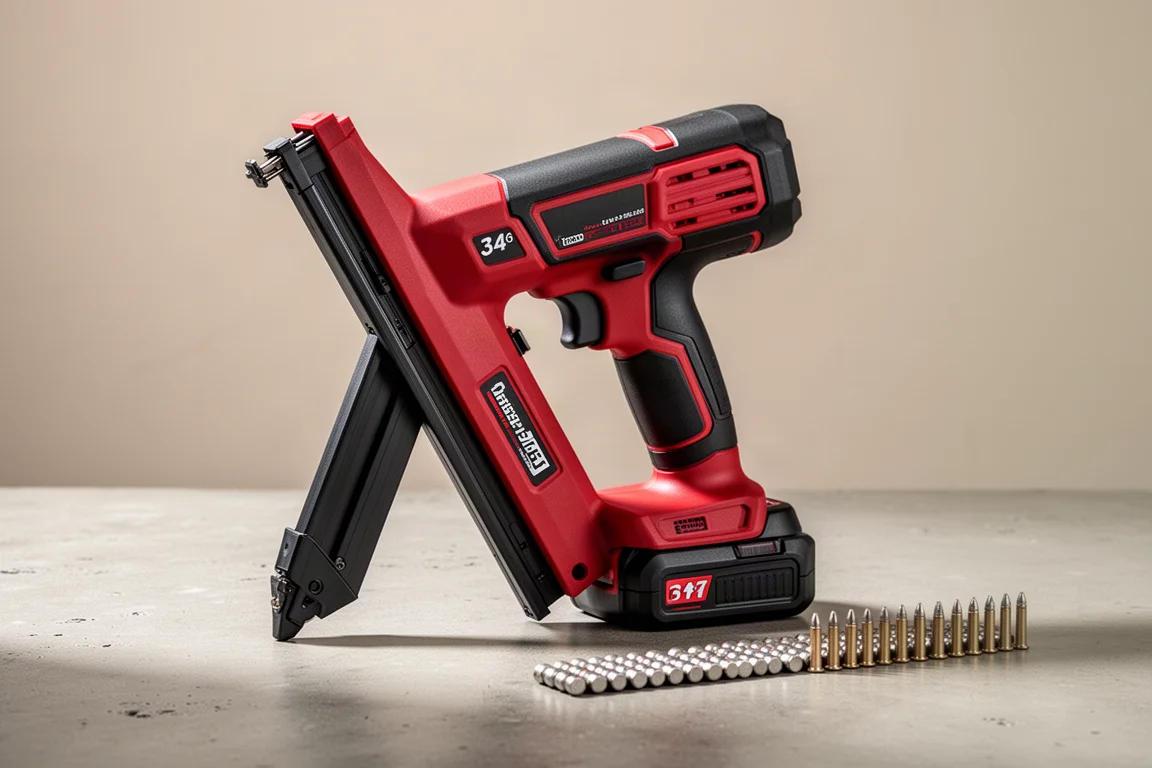
The M18 FFN is the big bruiser, firing 10 gauge framing nails from 50 mm up to 90 mm, the size you need for joining two-by-two timber and general house framing. Controls sit on the back of the tool rather than in the handle, which is easier to reach. It has both a belt hook and a rafter hook, though the two are not interchangeable.
Depth adjustment is a sturdier, more precise mechanism than the plastic dials on the brad nailers. In bump fire mode Milwaukee claims up to three nails per second, which is genuinely fast, though pushing the tool faster than it can cycle will cause cutouts and trigger resets; a slight pause between shots keeps it running cleanly.
How Deep They Fire: Damage and Finish
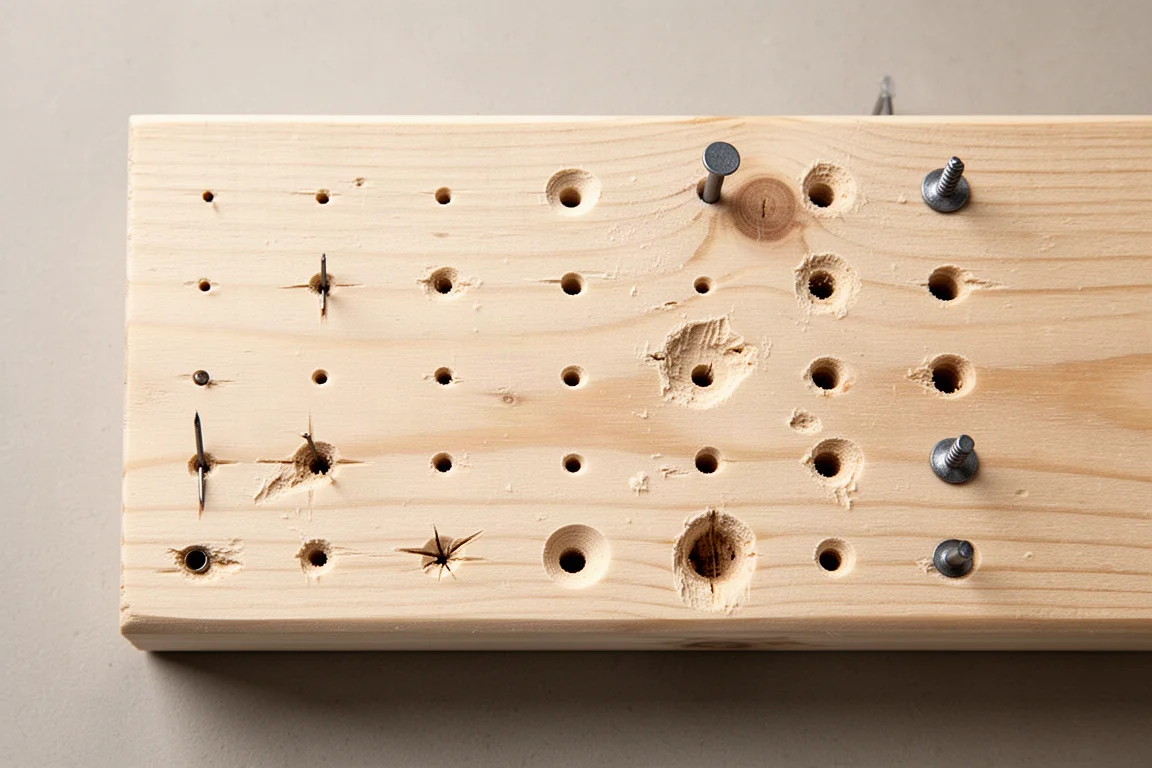
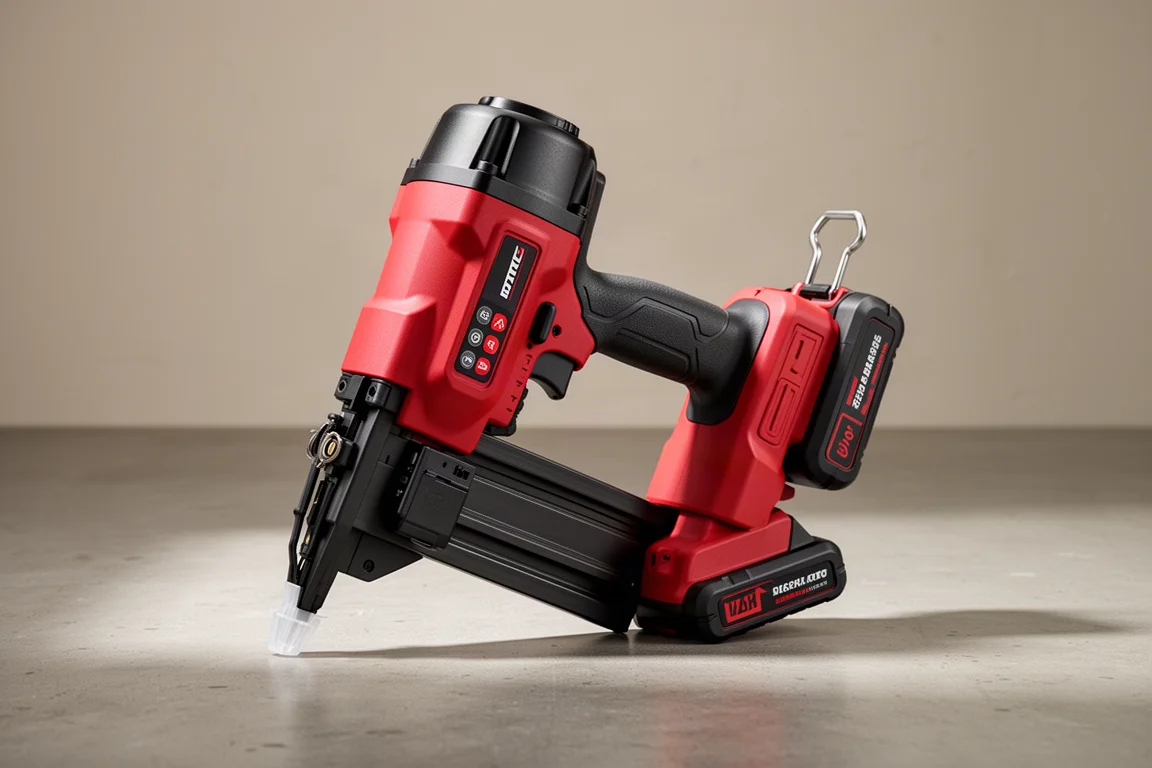
One useful comparison is what each nailer does to the timber surface. The 18 gauge leaves so little trace that a flush or even slightly recessed nail is easy to putty over. The 16 gauge’s wider striker leaves a bigger dent when driven deep, and the 15 gauge larger striker again is capable of leaving a serious mark if you let it bury the nail. The framing nailer simply smashes nails in, which is fine for hidden structural work but too aggressive for visible surfaces.
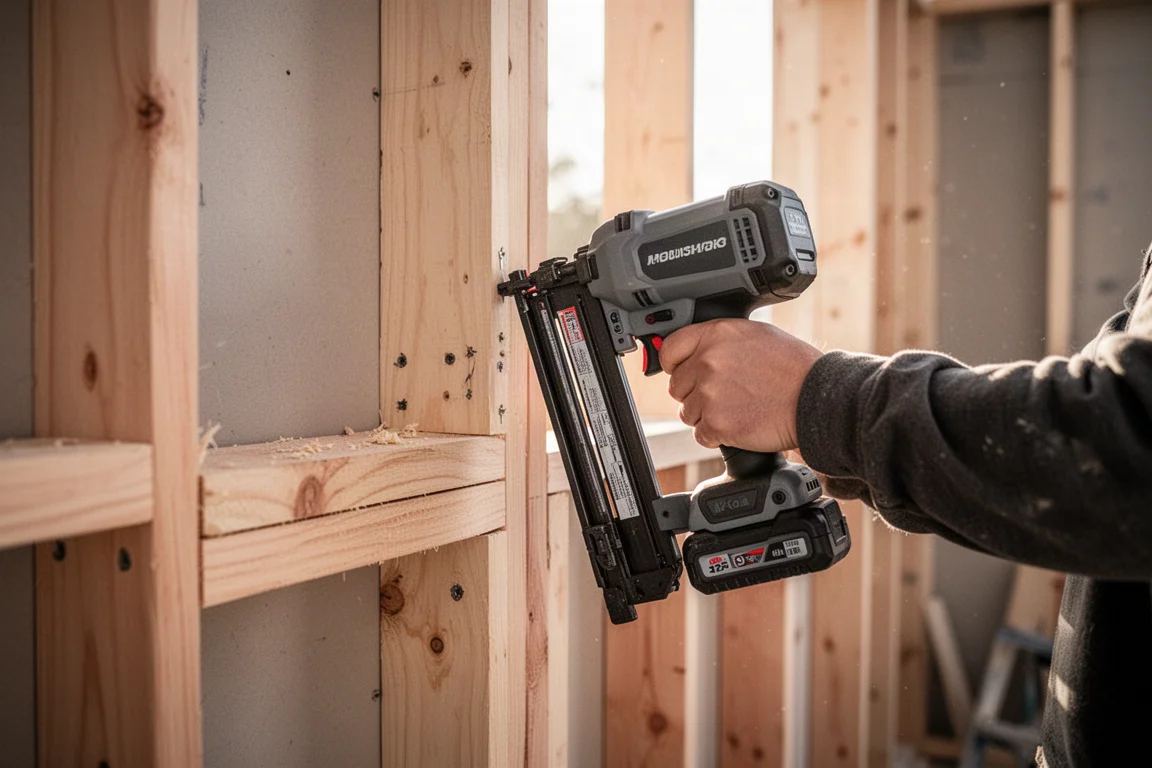
The framing nailer ships with a no-mar tip in the case. Fitted, it prevents the toothed nose marks the bare nose leaves on timber, at the cost of a few millimetres of penetration depth. It is a hard polyketone plastic rather than the rubbery compound most competitors use, and it is not the easiest to fit and remove. For visible work such as decking boards or fence palings, it is worth the effort; for concealed framing, take it off for maximum penetration. The brad nailers instead use small interchangeable nose tips stored on the side of the tool, which are easy to lose but excellent for tight spaces.
Runtime, Modes, and Everyday Use
All four nailers stay powered on far longer than some competing brands, so walking away mid-task does not mean waiting for a reboot. Trigger timeout is also generous, giving you over ten seconds with the tip depressed to reposition work or tap something into place before firing, which is genuinely useful on awkward shots.
Bump fire mode, where holding the trigger and depressing the tip fires a nail every contact, is a workflow changer for production work. Availability of bump fire models varies by region, so check what is sold in your market before buying.
Which Tool for Which Job
A quick summary of where each tool earns its place:
- Fencing stapler: wire fencing on posts, where staples must stay slightly proud so wire can flex.
- Narrow crown stapler: trim carpentry staples, small joinery, and occasional brad duty.
- 18 gauge brad nailer: architraves, door frames, windows, and any trim where a tiny hole matters.
- 16 gauge finish nailer: general second-fix work with more holding strength than 18 gauge.
- 15 gauge finish nailer: tight-angle access and light outdoor decorative work.
- Framing nailer: house framing, decking, and structural timber with 90 mm nails.
Most builders realistically run two tools: a framing nailer for structure and either an 18 or 16 gauge for finishing. The 15 gauge is the optional third that buys you angle access and a bigger outdoor-capable nail.
Conclusion
The Milwaukee M18 line makes it easy to match a nailer to your actual workload instead of buying the biggest tool on the shelf. Battery power removes gas cylinders, hoses, and compressors at the cost of some weight, and the depth controls and mode options across the range are thoughtfully done. Pick by nail size and material first: trim gets a brad or finish nailer, structure gets the framing gun, and fencing gets the stapler. Match the tool to the job and any of these six will be a sound purchase.
Further reading
Related Reviews
Power Tools
Best 1-Inch Pistol Impact Wrenches: Three Heavy-Duty Options Compared
We compare three 1-inch pistol impact wrenches, from a budget-friendly Harbor Freight model to a premium Caterpillar unit, to help you choose the right one.
Power Tools
Best 3/4-Inch Impact Wrenches 2026: Five Contenders Compared
We compare five 3/4-inch impact wrenches across price and performance, from a budget Amazon option to Snap-on's most powerful model yet.
Power Tools
Best Budget Cordless Tools 2026: Walmart Finds That Punch Above Their Price
We tested five cordless tools from Walmart, including a high-torque impact wrench that trades blows with Milwaukee and a $35 duster that outperforms its price class.