Power Tools
New Milwaukee M18 and M12 Fuel Tools: 8 Upgrades Worth a Look
Milwaukee's latest M18 and M12 Fuel drill, impact driver, track saw, power supply, belt sander, and detail sander get a full rundown, with prices and what each tool is best for.
Introduction
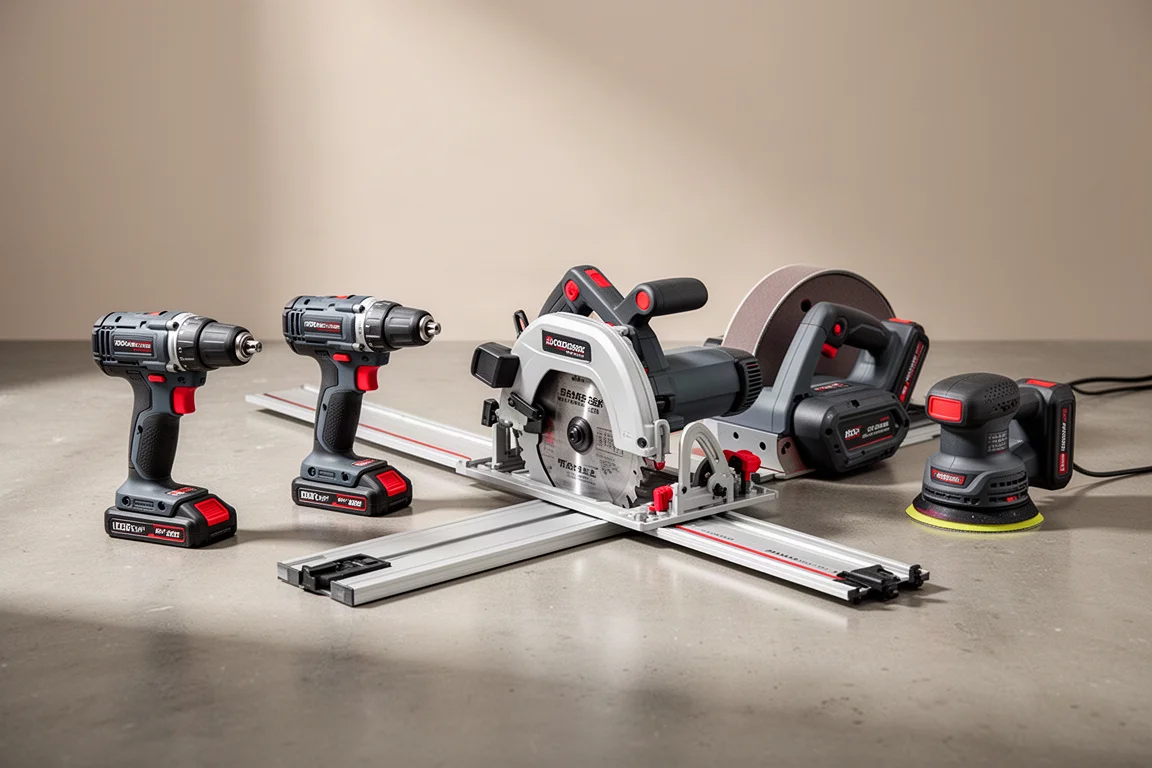
Milwaukee has refreshed a big chunk of its Fuel lineup all at once, and this update touches nearly every corner of the platform. The flagship M18 drill, hammer drill, and impact driver get their first major revision in about four years, the M12 Fuel drill and impact driver move to a new generation, and there are new high-output M12 batteries alongside them. On top of that, Milwaukee finally launched a track saw, plus an M18 power supply, a cordless belt sander, and an M12 orbital detail sander.
After hands-on time with most of these tools, here is how each one stacks up and who should actually consider buying it.
M18 Fuel Hammer Drill and Drill
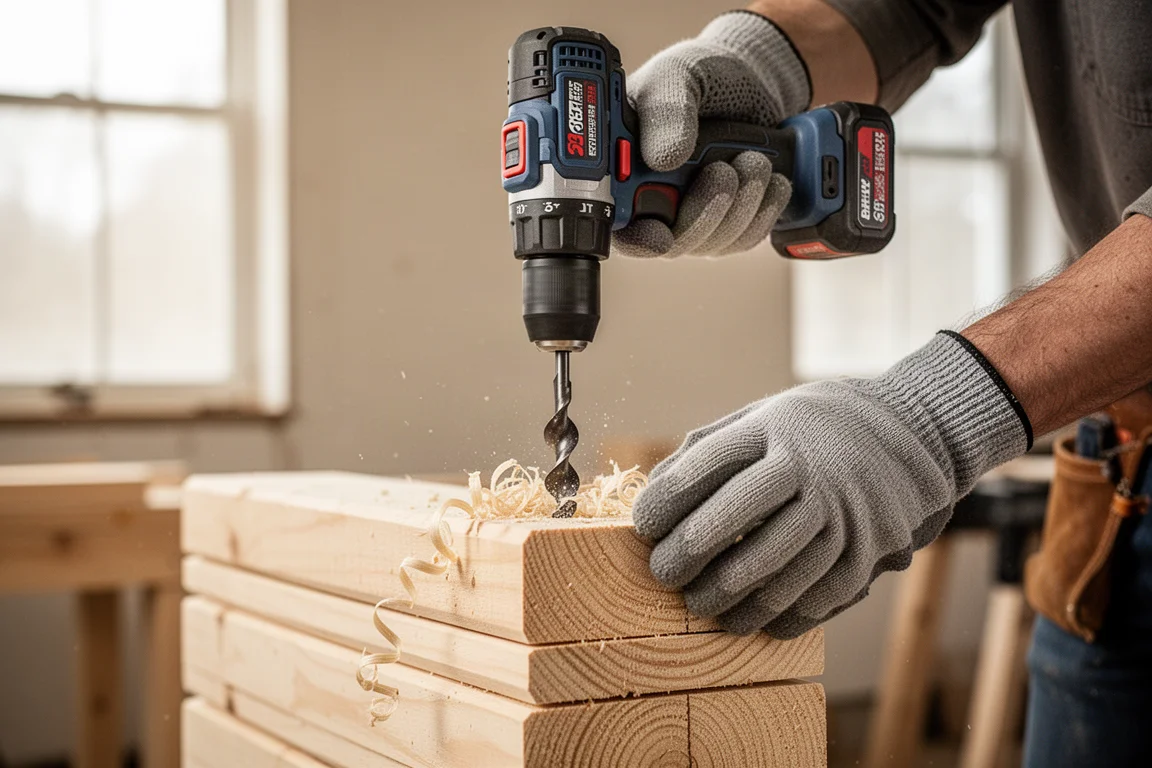
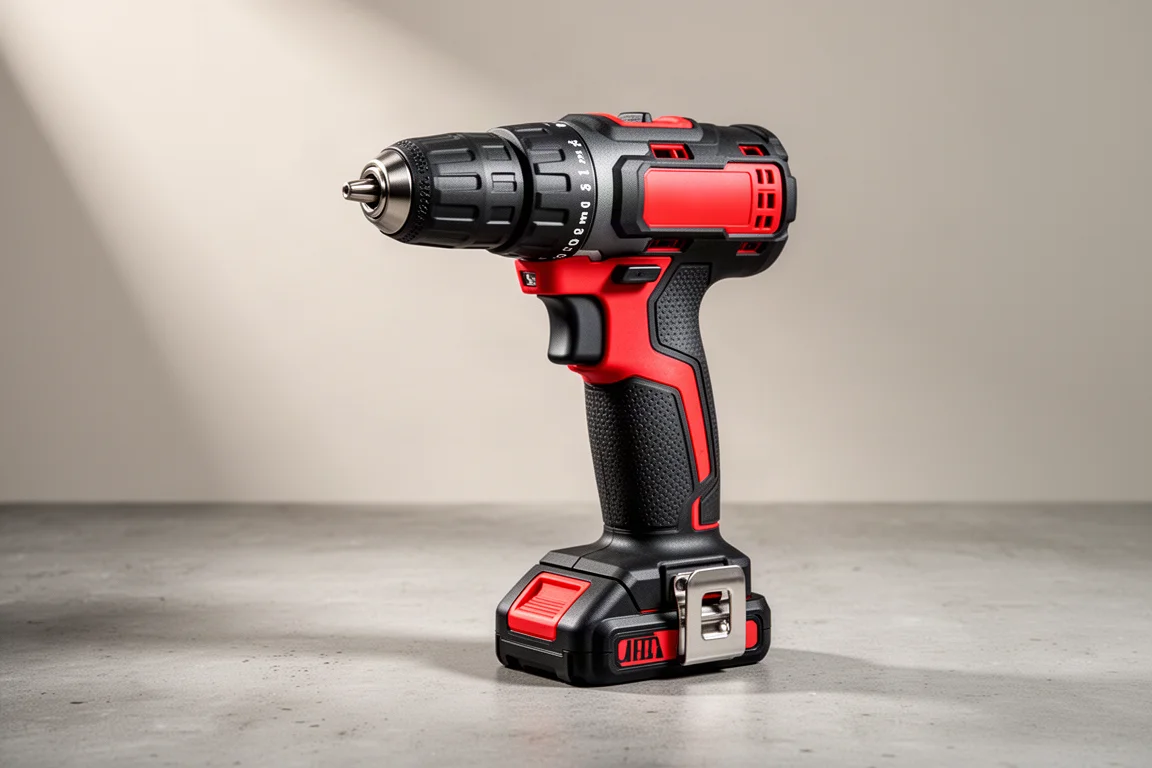
The M18 Fuel drill and hammer drill have been due for an update since 2018, and the headline changes are speed and torque. The drill now tops out at 2,100 rpm, about 100 rpm more than before, and the hammer drill jumps from 1,200 to 1,400 inch-pounds of torque. On self-feed bits and ship augers, the extra headroom is noticeable: the tool just keeps drilling instead of complaining partway through a hole.
The genuinely new feature is kickback control. It is a more sophisticated system than a simple gyro-based cutout, and it limits how far the tool can rotate before engaging, stopping the drill before you get hurt while reducing false triggers. It is the kind of feature competitors have had for a while, and Milwaukee’s implementation feels well thought out.
What impresses most is that all of this power arrived without growing the tool. It is still compact and lightweight, which makes the added torque feel like a free upgrade. Concrete drilling benefits from the higher top speed, and the hammer drill handled it without complaint. Performance comes from the standard battery pack, not a special high-output cell: the kit ships with two 5.0Ah batteries and a hard case. Pricing is $189 for the drill, $199 for the hammer drill, and $299 for the kit. Since the hammer drill is only a ten dollar premium, it is the one to buy.
M18 Fuel Impact Driver
The M18 Fuel impact driver is arguably the more surprising update. Speed rises to 3,900 rpm while torque stays at 2,000 inch-pounds, and the practical difference shows up under load. When driving long lag bolts and ledger screws, where an impact driver normally bogs down as the screw goes deeper, this one keeps spinning at speed and finishes the job faster.
The tool is also half an inch shorter than before, and the trigger has been reworked for a smoother, more gradual squeeze. That makes variable speed control noticeably better, especially when starting self-tapping screws or working in low speed. Three modes plus a self-tap mode are on board; the fourth mode is expected to arrive later, similar to previous rollouts.
At $149 for the bare tool and $299 for the kit, the impact driver is an easy recommendation if you do a lot of heavy driving work.
M12 Fuel Hammer Drill
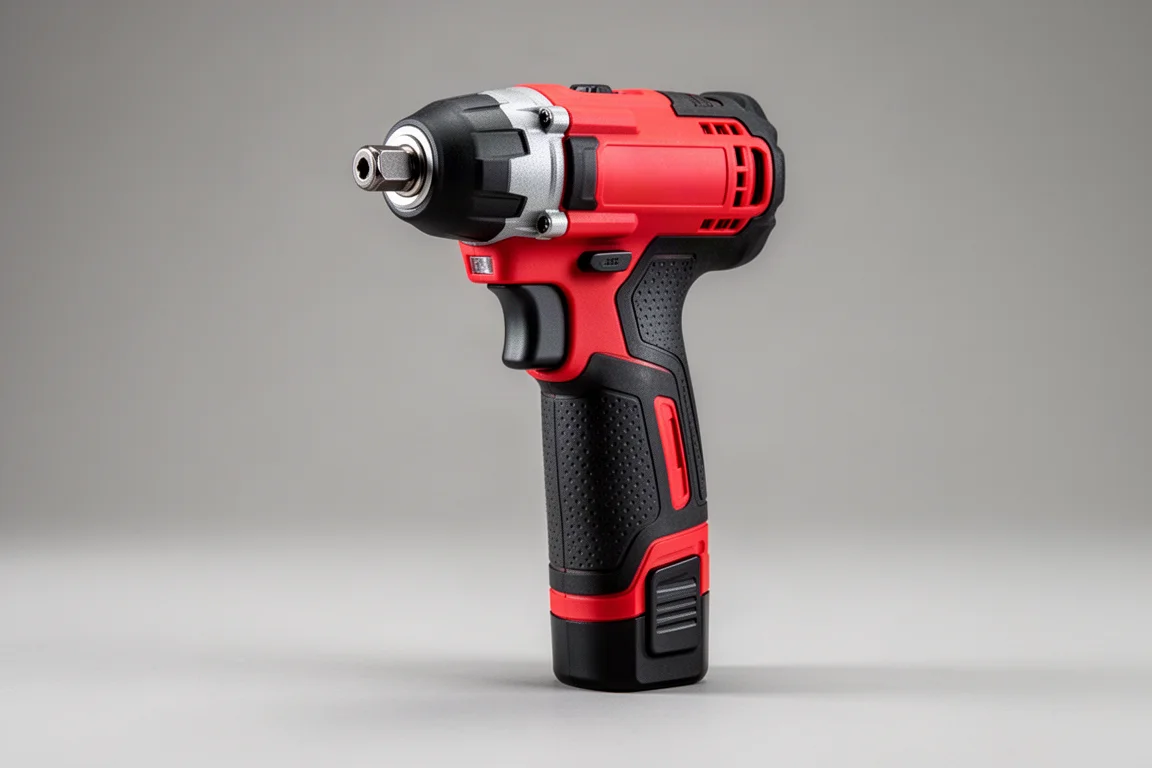
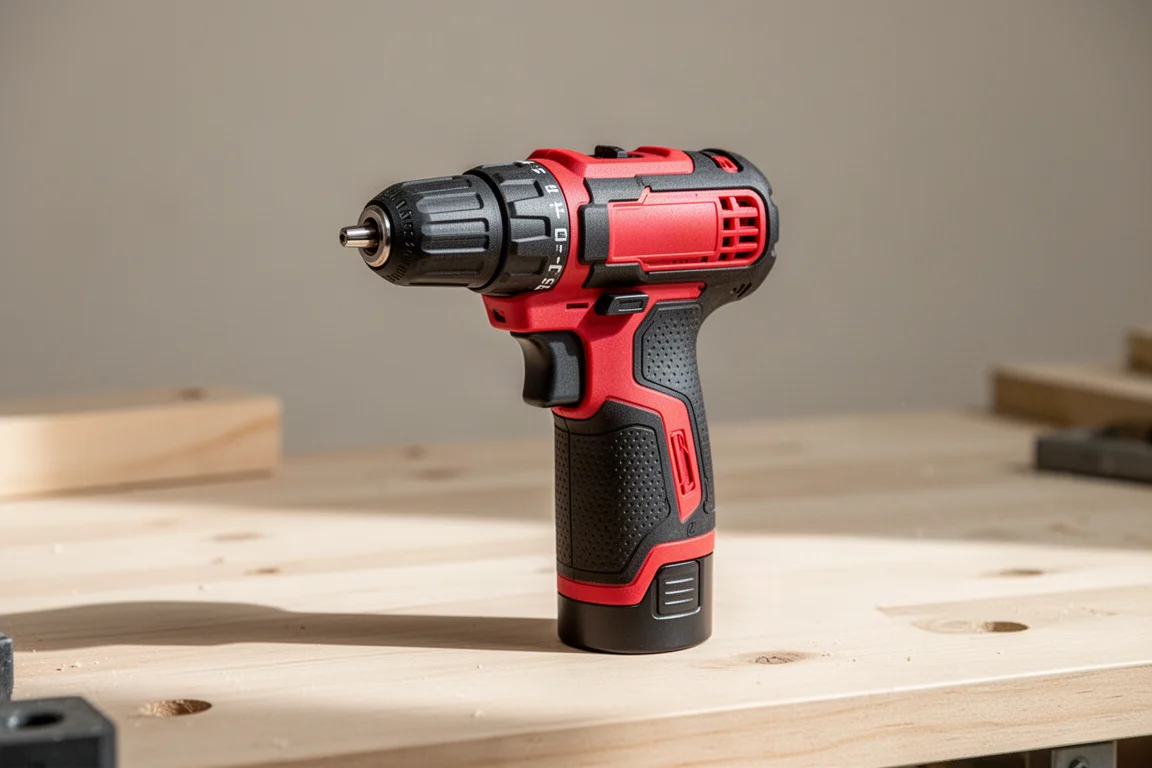
Moving down to the compact class, the new M12 Fuel hammer drill is half an inch shorter than its predecessor at just 5.9 inches, which is a meaningful drop on top of the already large reduction from generation one to generation two. The surprising part is how much power Milwaukee is extracting from standard M12 cells, no special battery required.
At $149 for the bare tool and $179 for the kit, the kit is the obvious buy. It comes with two batteries, including a 2.0 and a 4.0 pack, and the charger. For anyone already on the M12 system, that price makes the bare tool hard to justify.
M12 Fuel Impact Driver
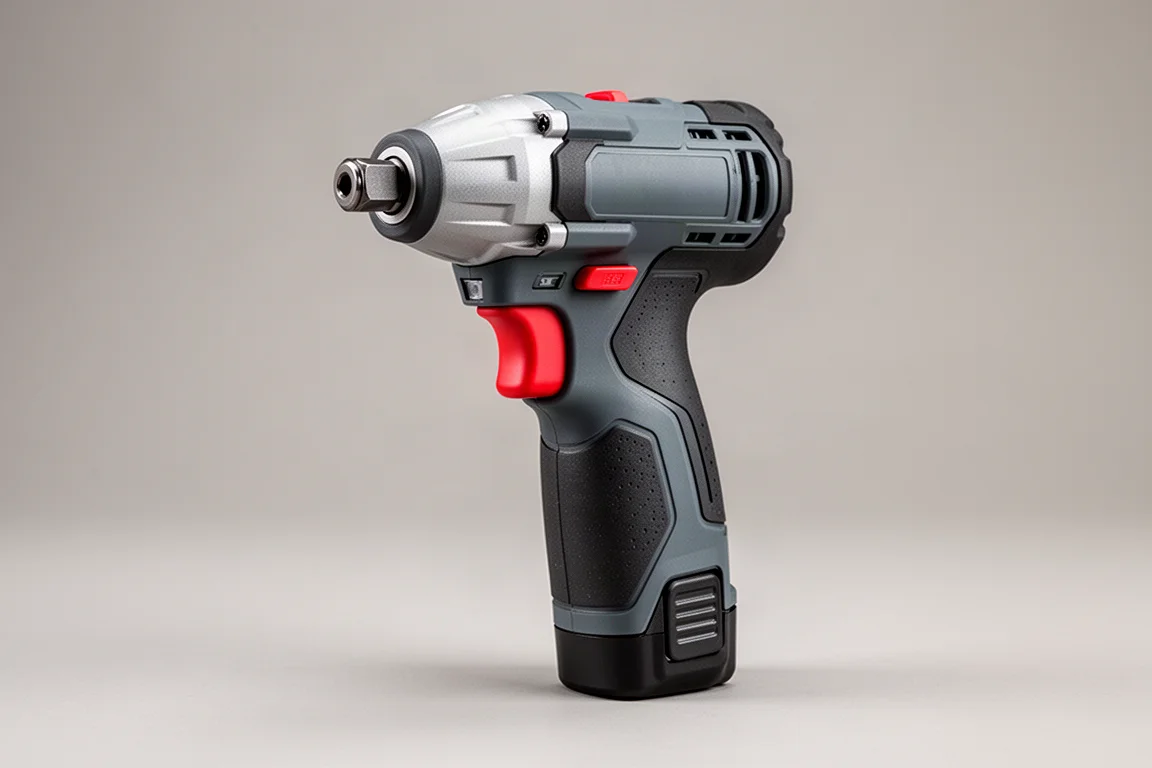
The M12 Fuel impact driver gets the same recipe as its bigger brother: more speed, now 3,600 rpm, paired with a sustained 1,500 inch-pounds of torque. In use it simply outperforms the previous generation, handling bigger bits and bigger jobs than you would expect from a 12-volt platform. It keeps the three modes plus the self-tap mode, and it remains a confident, well-mannered tool.
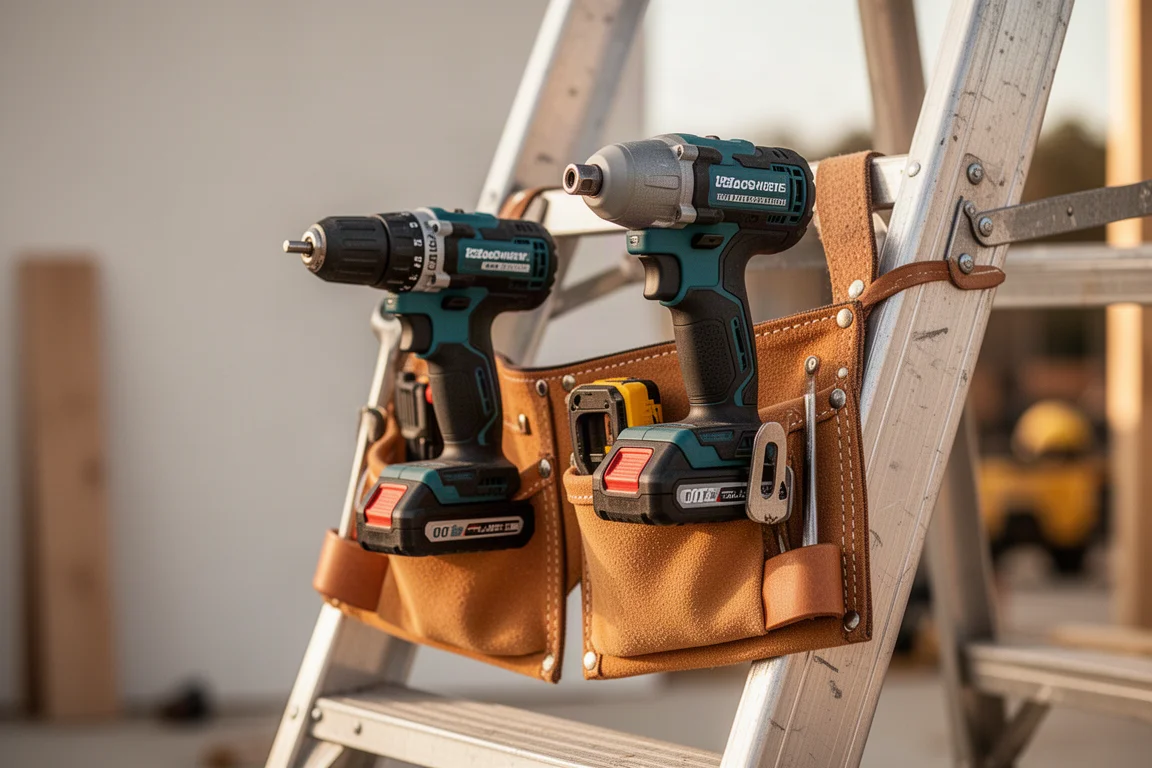
For day-to-day work, this generation strengthens the argument that an M12 set can cover most tasks without the weight of 18-volt tools. Belt clips keep them on your hip and out of the way, and only heavy rough-in or install work really pushes you back to the M18 line.
New M12 Batteries
Because M12 batteries slide into the tool handle, Milwaukee could not switch to larger 21700 cells the way other brands have with their 18-volt packs. Instead, the new CP 2.5 and XC 5.0 batteries use denser, more powerful versions of the same cell format, delivering noticeably more runtime and a subtle bump in output. They are effectively high-output packs in the same footprint.
Two under-appreciated changes matter more: the packs are now corrosion resistant, so they shrug off dirt, grime, and solvents, and the locking mechanism has been improved, a long-standing complaint on the M12 line. For anyone working in rough conditions, those changes make the new batteries a genuine upgrade rather than just a capacity bump.
M18 Fuel Track Saw
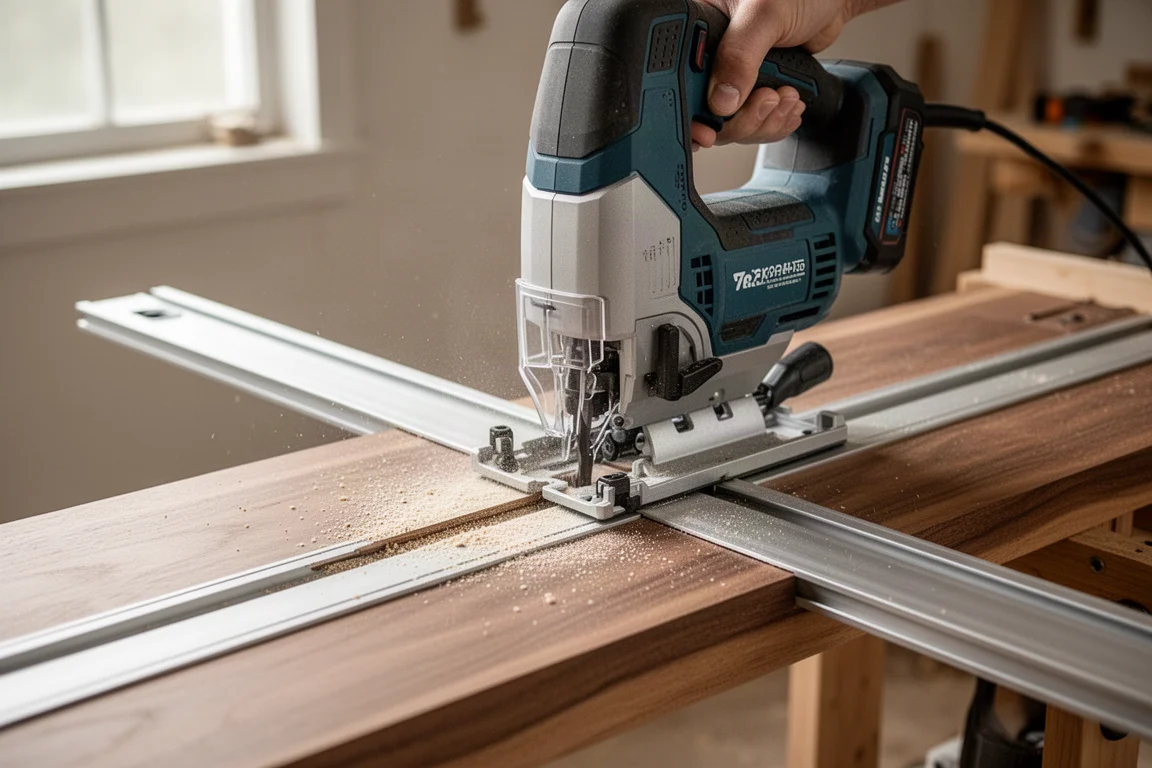
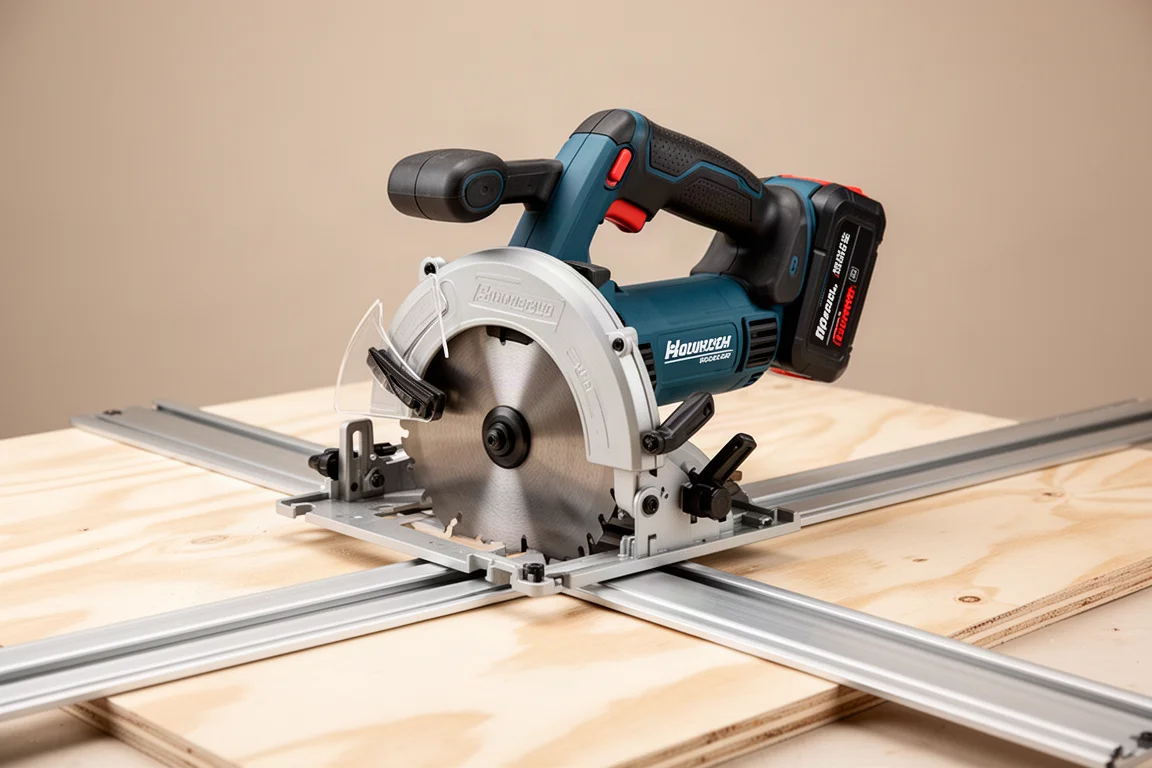
The track saw was the most anticipated launch here, and it does not disappoint on paper or in use. It takes a standard 6.5-inch blade, so nothing is proprietary, and variable speed lets you slow down for harder woods to avoid burning the cut. The plunge action is smooth, an integrated riving knife drops as you plunge, and long bevels lock into the track so the saw cannot lift off. Tracking adjustment is generous, giving you plenty of control over how the saw slides.
Milwaukee offers three track lengths: 31, 55, and 106 inches. The 106-inch track is a single piece, so no joining two shorter tracks to span a full sheet. Tracks are sold separately, which is standard for the category and lets you buy only the length you need. The kit includes a high-output 6.0Ah XC battery and a charger, plus a packout case, and it is priced at $599. In testing, pre-plunging and running through two-inch hardwood worked effortlessly. This saw is worth the wait.
M18 Power Supply
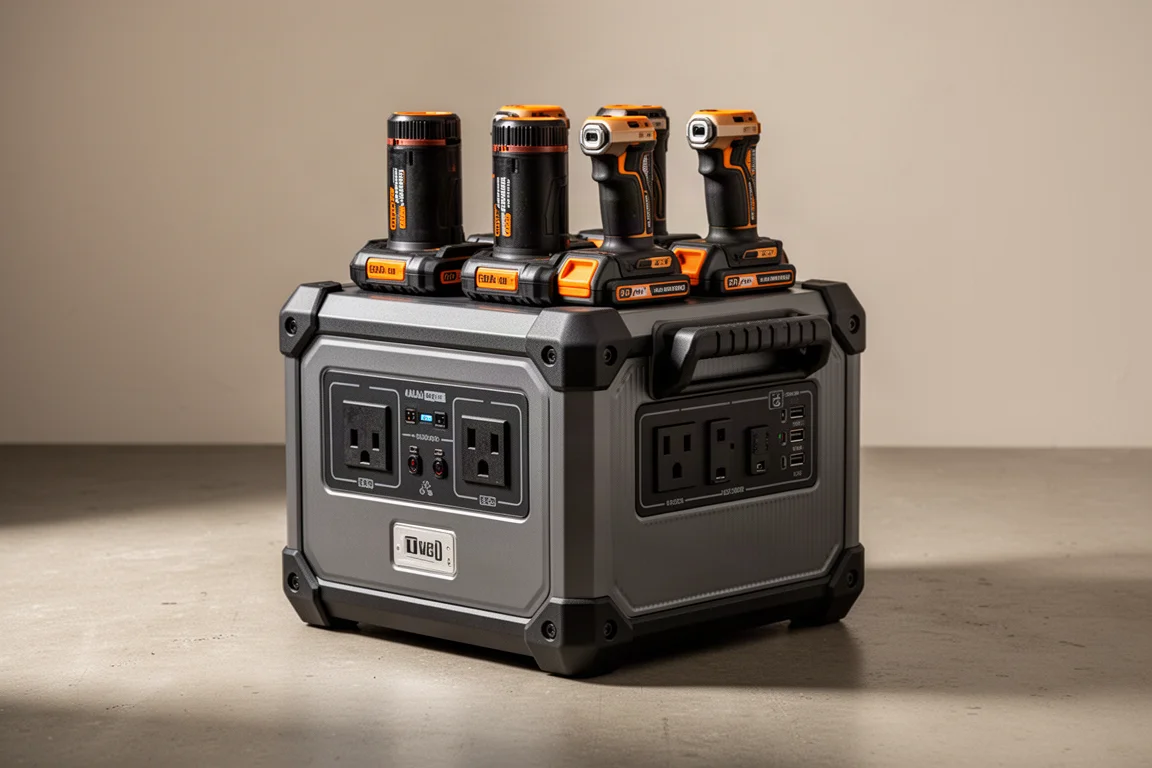
The M18 power supply follows the Carry-On format from the MX Fuel line but runs on four M18 batteries, and it does require all four installed to operate, particularly to deliver the 120-volt outlets. Spec sheet figures point to 1,800 continuous watts and 3,600 starting watts, which is impressive for an 18-volt-based unit, especially with high-output batteries attached. There are also USB ports on board for smaller devices. Less information is available on this one than the rest of the lineup, but the concept fills an obvious gap for job-site power without a generator.
M18 Belt Sander
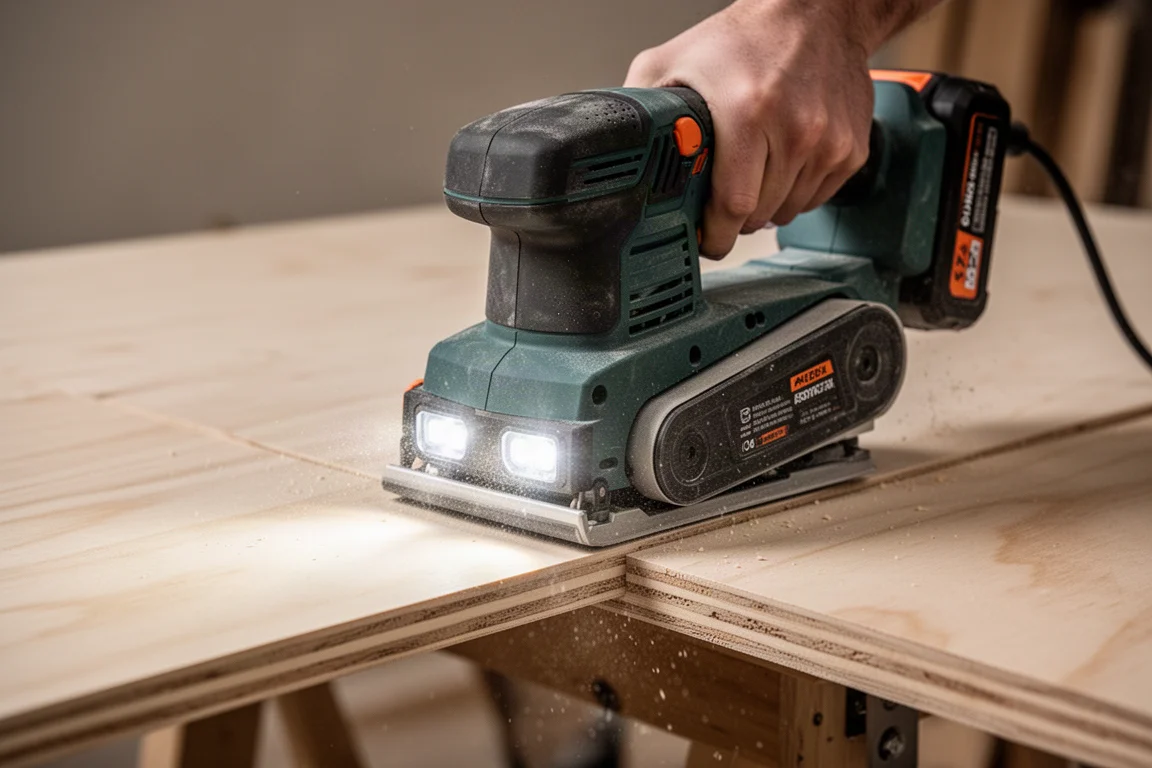
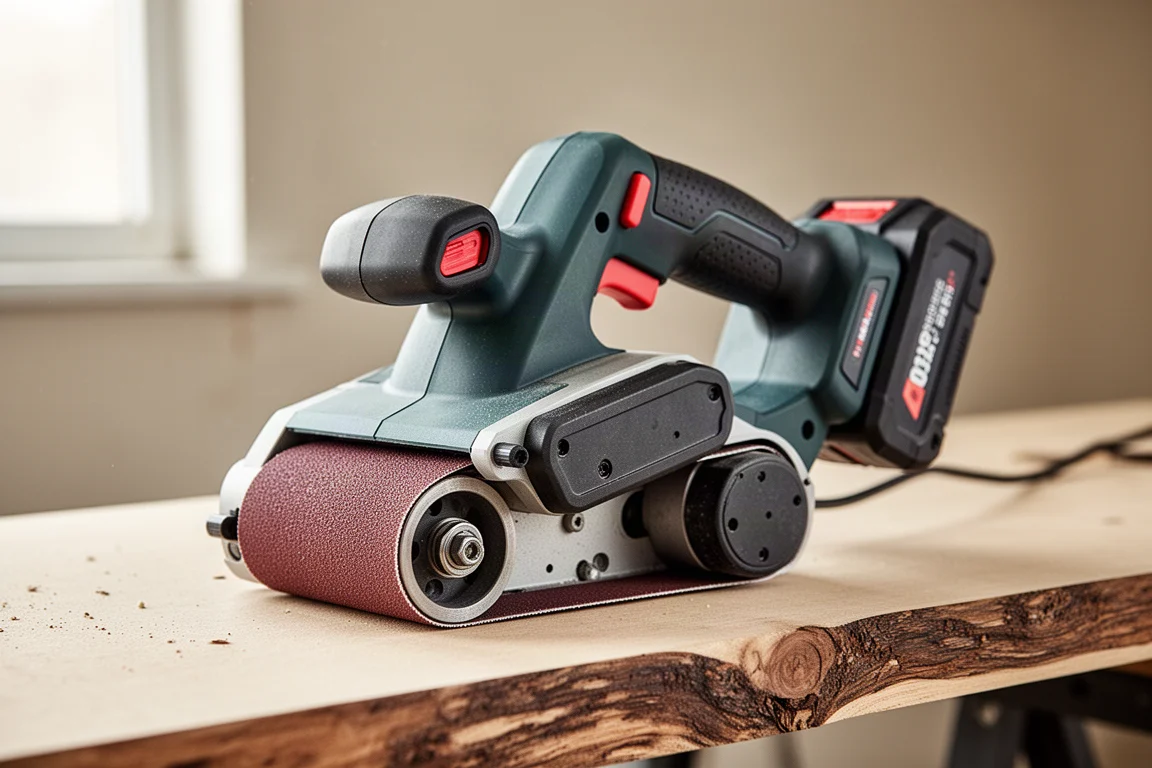
Milwaukee finally has a cordless belt sander, and it is a brute in the best way. Fitted with a 60-grit 3x18 belt, it flattened mismatched 3/4-inch plywood edges in seconds. Under aggressive pushing it did not bog down or stutter, and belt speed runs from roughly 700 to 1,350 surface feet per minute.
Two details stand out. First, the dual LED lights, one on the front and one on the side corner, converge to give a clean, well-lit view of the work area, which matters when you are trying to judge flatness the way you would with drywall. Second, the tool-free handle adjustment flips up a lever and folds the front handle back so the sander can get flush against a wall, while the normal extended position gives a solid grip for levelling work. Add a built-in universal dust port and a tool-free belt release, and this is a genuinely well-executed tool. At $279 bare and available from August, the main caveat is runtime: for all-day floor work you will either want a corded sander or a rotation of batteries.
M12 Orbital Detail Sander
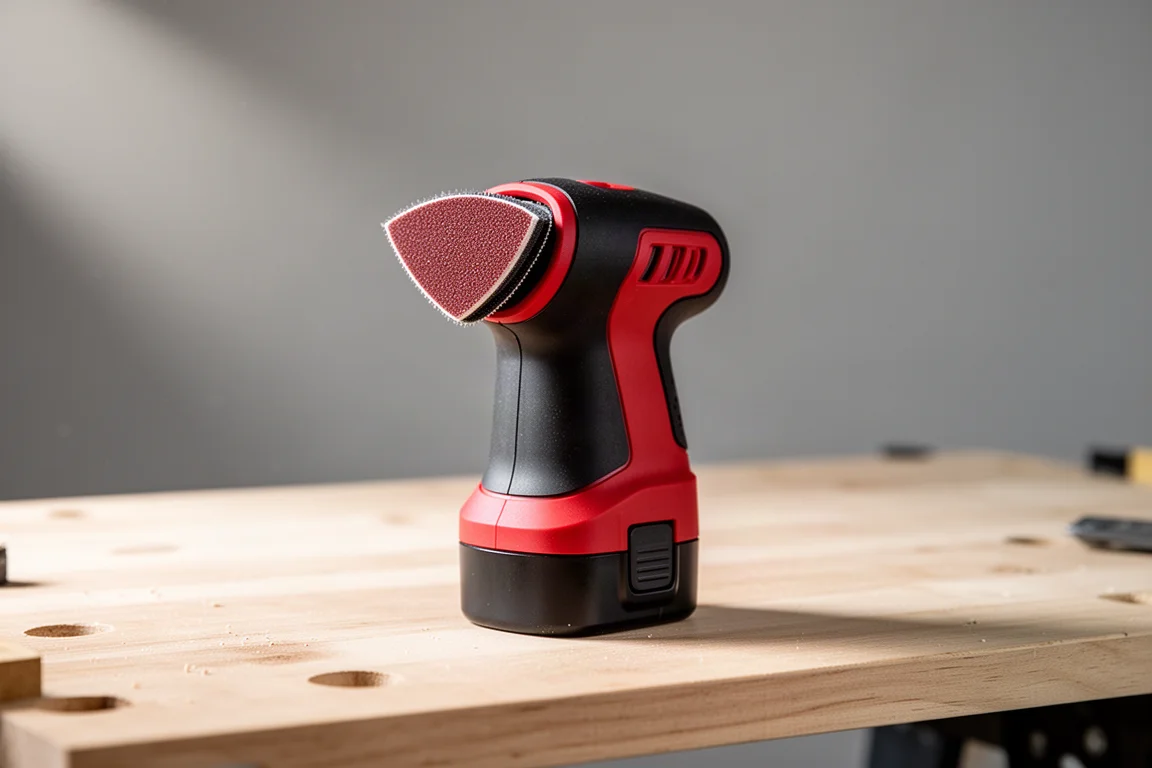
The M12 orbital detail sander is easy to overlook at first glance, especially since its form factor resembles the M12 oscillating multi-tool. But it solves a real problem: people often sand detail work with an oscillating multi-tool’s triangular pad, which leaves scratches. This is a true orbital sander, running from 4,000 to 14,000 opm, so it finishes rather than chews, making it suitable for railings, stair spindles, window trim, and anywhere you would otherwise be hand sanding finished work.
Vibration control is excellent, very much in the same spirit as the M12 oscillating multi-tool, where the counterweight system keeps the tool quiet in your hand even as it works the material hard. As an ergonomic replacement for hand sanding on finish work, it is a welcome expansion of the M12 line.
Buying Advice
If you are upgrading an M18 core set, the hammer drill is the one to pick over the plain drill given the ten dollar difference, and the impact driver is a genuine step up if you drive a lot of long screws and lags. For lighter daily work, the new M12 generation makes a compelling case that the compact platform can handle more than most people expect, and the kit pricing is hard to beat. The track saw is the headline launch and looks complete out of the gate, just budget for the track length you actually need. The belt sander suits occasional to moderate sanding jobs with spare batteries on hand, while the detail sander and new batteries round out a strong update cycle.
Conclusion
This is one of Milwaukee’s most comprehensive refreshes in years, combining meaningful performance gains with smarter features like kickback control, improved battery sealing, and a genuinely capable track saw. Whether you are building out an M18 or M12 kit, there is something here worth a serious look.
Further reading
Related Reviews
Power Tools
Best 1-Inch Pistol Impact Wrenches: Three Heavy-Duty Options Compared
We compare three 1-inch pistol impact wrenches, from a budget-friendly Harbor Freight model to a premium Caterpillar unit, to help you choose the right one.
Power Tools
Best 3/4-Inch Impact Wrenches 2026: Five Contenders Compared
We compare five 3/4-inch impact wrenches across price and performance, from a budget Amazon option to Snap-on's most powerful model yet.
Power Tools
Best Budget Cordless Tools 2026: Walmart Finds That Punch Above Their Price
We tested five cordless tools from Walmart, including a high-torque impact wrench that trades blows with Milwaukee and a $35 duster that outperforms its price class.