Power Tools
Milwaukee M18 and M12: New High Output Batteries and Fuel Generations Compared
A closer look at Milwaukee's CP 2.5 High Output and HO 5.0 batteries, plus the Gen 3 M12 Fuel and Gen 4 M18 Fuel tools that put them to work.
Introduction
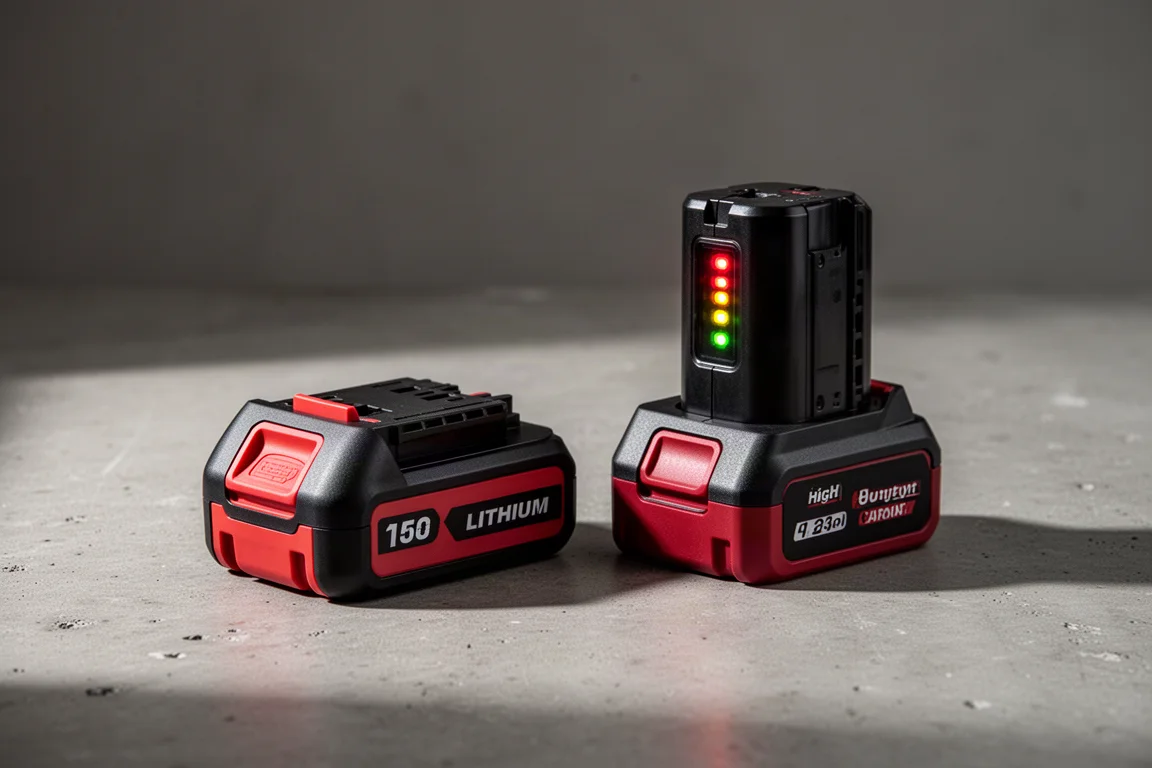
Milwaukee’s battery and tool lineup keeps moving forward, and the latest wave gives buyers a genuine decision to make: the new compact CP 2.5 High Output battery, the high-capacity HO 5.0 pack, and two current tool generations, the M12 Fuel Gen 3 and the M18 Fuel Gen 4. Each serves a different kind of user, and picking the right combination matters more than picking the biggest number.
This roundup breaks down what each product is for, where it shines, and the trade-offs worth knowing before you spend.
Why Battery Technology Matters
Batteries are no longer just fuel tanks. A compact pack with modern cell chemistry can change how a tool feels in the hand, how long you can work before fatigue sets in, and how many fasteners you can drive before a swap. Milwaukee’s High Output line is built around exactly that idea: more power and runtime in smaller or smarter packages.
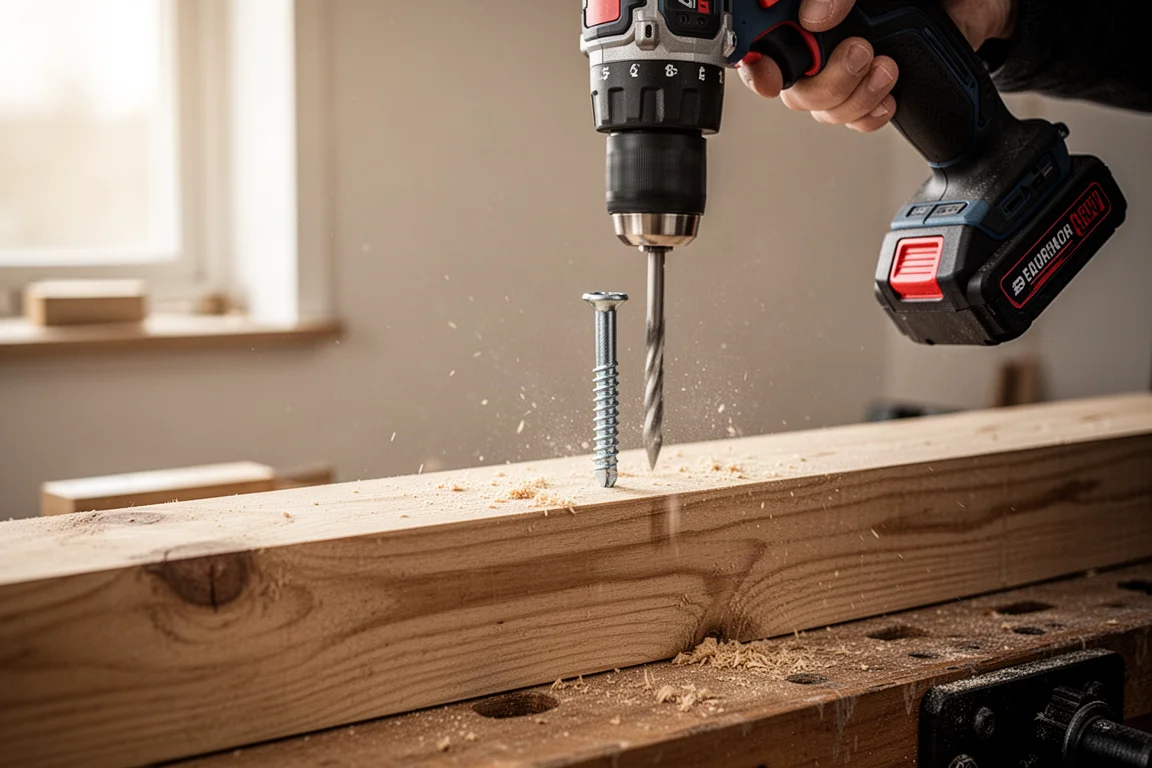
The practical takeaway is simple. If you work long hours overhead or in tight spaces, the battery you choose affects your arms as much as the tool does.
Milwaukee M18 CP 2.5 High Output Battery
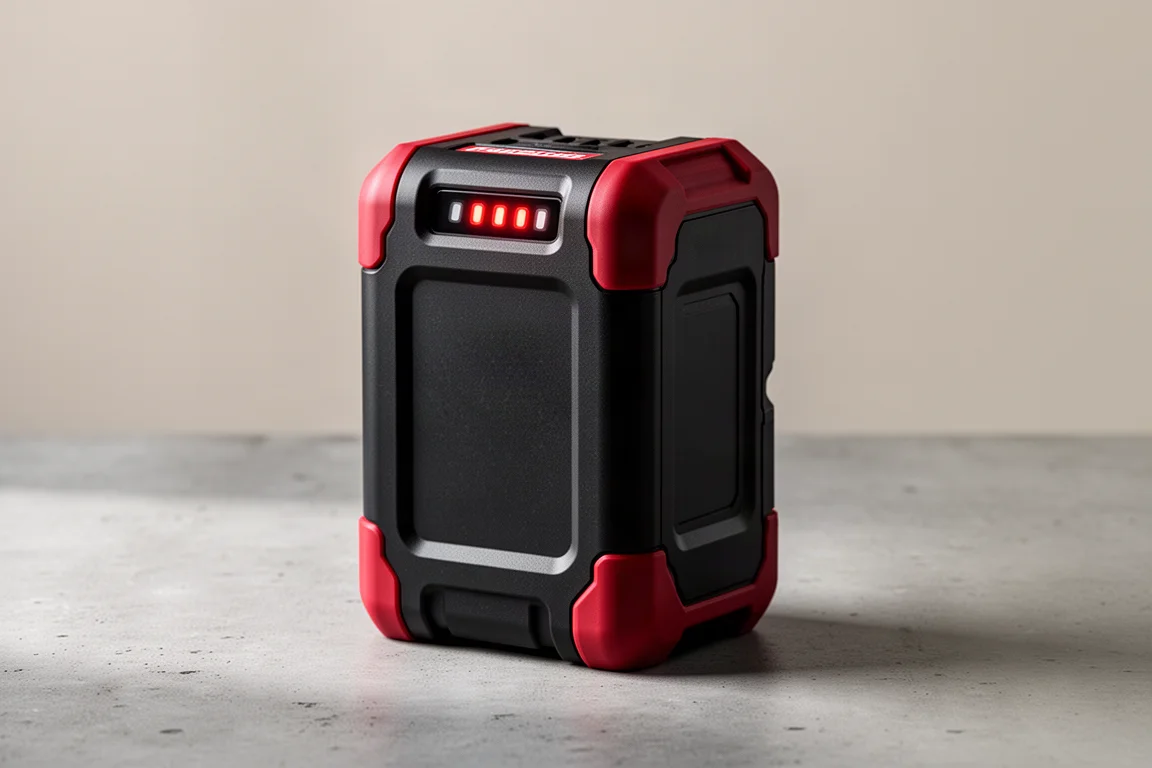
The M18 CP 2.5 High Output is the newest compact pack in Milwaukee’s M18 range. It targets users who want High Output performance in a smaller, lighter form factor, which matters for one-handed work and for tools where every gram counts.
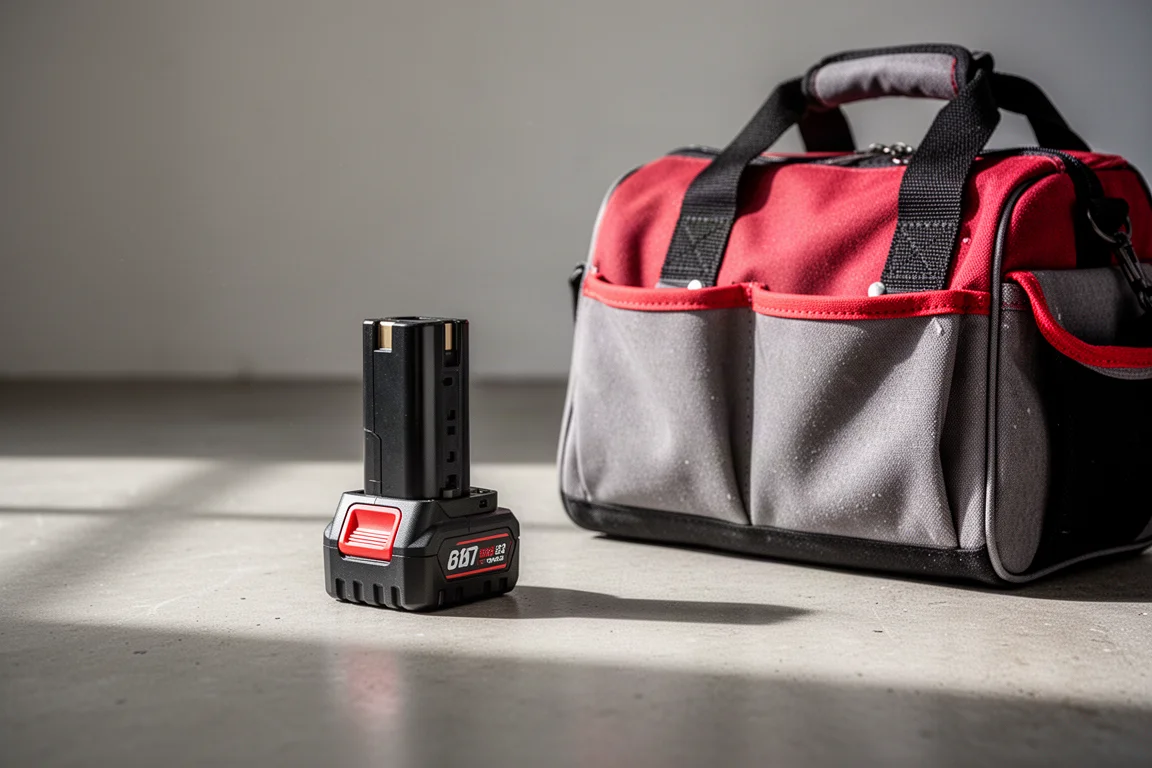
Against older compact packs like the previous CP 2.0 class, the 2.5 High Output represents the current state of Milwaukee’s compact battery engineering. It is a sensible pick for anyone refreshing an older compact battery collection.
Milwaukee M18 HO 5.0 Battery Pack
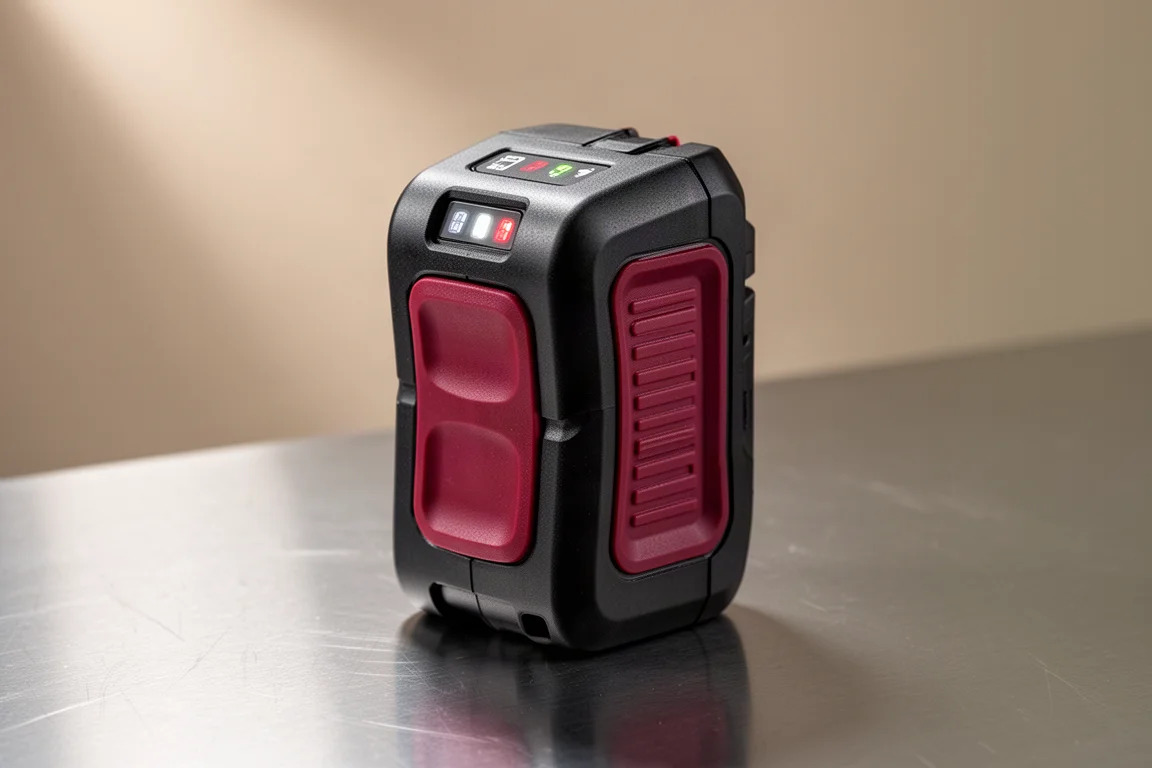
Where the CP 2.5 favors compactness, the M18 HO 5.0 leans into runtime. This is the pack you reach for when the job is long, the fasteners are big, and you do not want to stop and recharge. In head-to-head drilling demonstrations, tools running the newest HO 5.0 pack kept working far longer before the battery gave out.
That endurance is the whole point. If your day involves repeated heavy drilling or driving, the 5.0 High Output keeps the tool at full pace for longer stretches.
Milwaukee M12 Fuel Gen 3
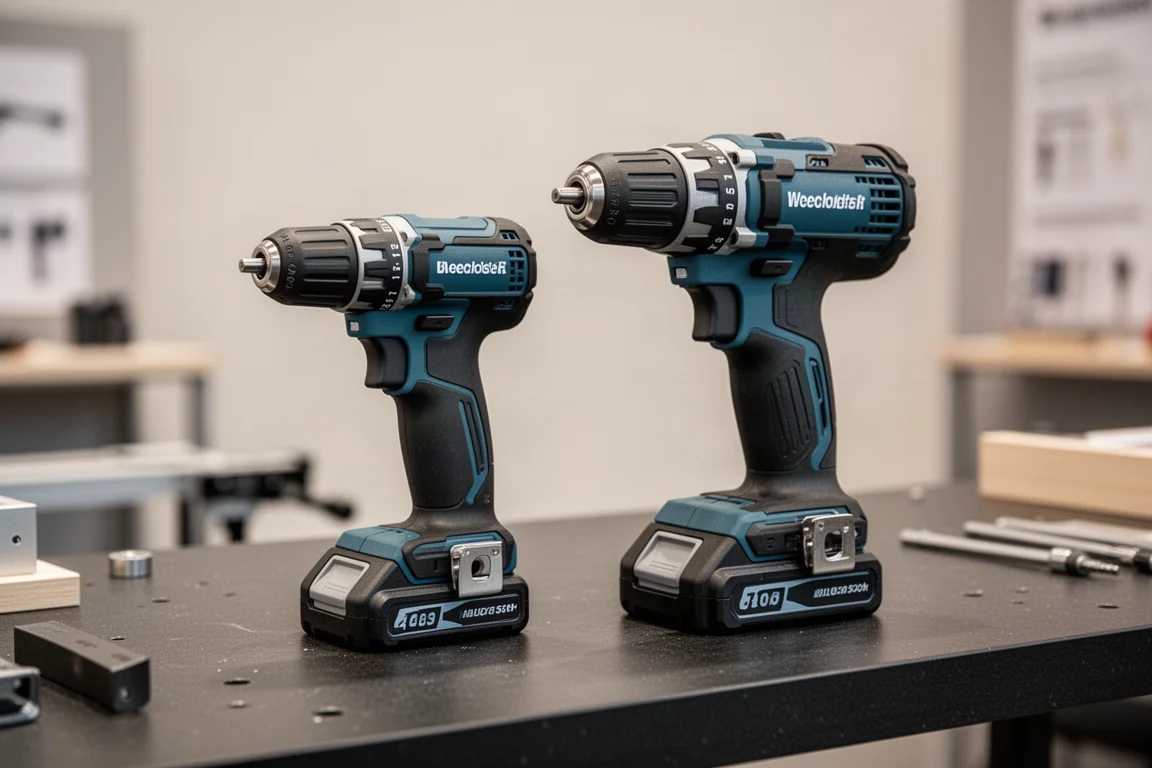
The M12 Fuel Gen 3 tools represent the newest generation of Milwaukee’s 12-volt line. The headline appeal is size: Gen 3 M12 Fuel tools are compact enough for tight spaces and overhead work, while still delivering enough power for demanding fasteners.
There is a trade-off to acknowledge honestly. In direct comparisons against the larger M18 platform, the M12 gave up some outright speed and endurance on big lag fasteners. What it offers in return is a lighter tool that causes noticeably less arm fatigue over a long day.
For trim carpenters, electricians, and anyone who values a light drill that will not wear them out, Gen 3 M12 Fuel is a compelling step forward.
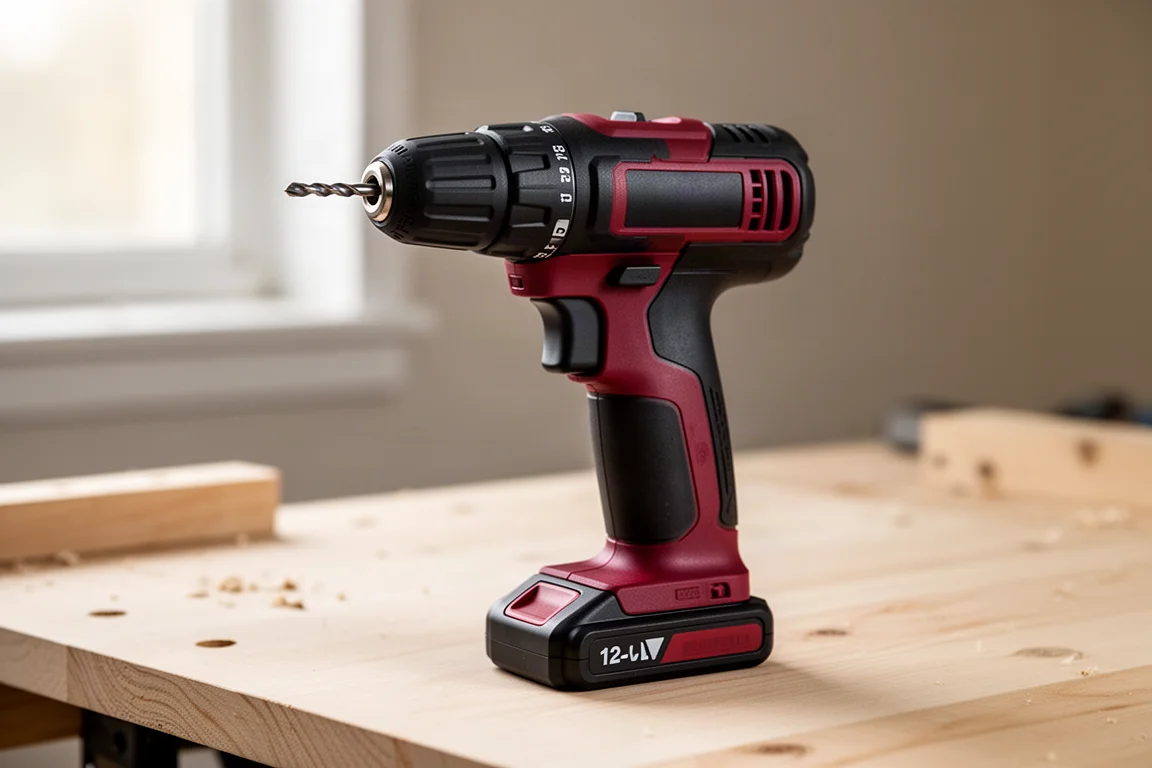
Milwaukee M18 Fuel Gen 4
The M18 Fuel Gen 4 is the heavy hitter of this group. Running the latest High Output batteries, Gen 4 M18 Fuel tools deliver the most sustained power in the demonstration, driving large lag fasteners repeatedly and outlasting smaller platforms on raw work done per charge.
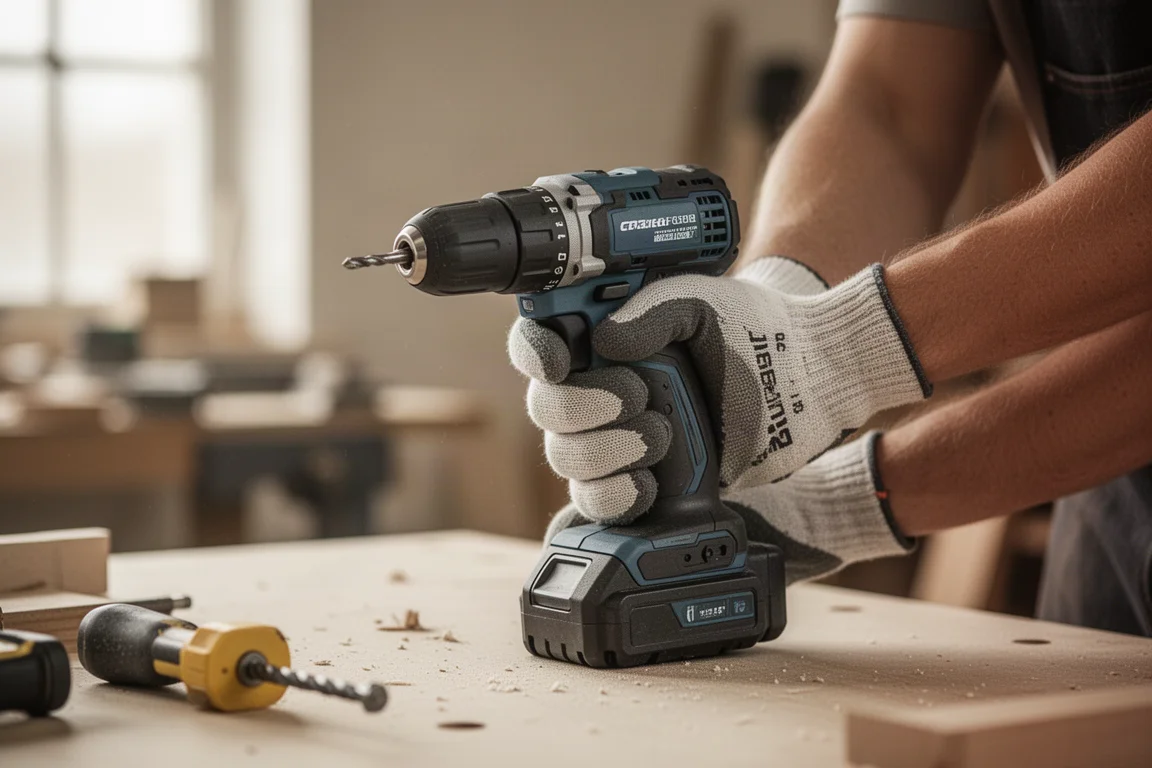
If your work involves structural fastening, big bits, or all-day heavy drilling, the Gen 4 M18 Fuel paired with a High Output pack is the configuration that keeps going when others need a break.
Overall Buying Advice
Match the battery to the job and the tool generation to the workload. A compact CP 2.5 High Output suits users who prioritize weight and maneuverability. The HO 5.0 suits long, demanding sessions where runtime matters most. On the tool side, Gen 3 M12 Fuel is the comfort-and-compactness play, while Gen 4 M18 Fuel is the endurance-and-power play. Fatigue is a real cost: a smaller M12 tool means less tiredness over time, even if an M18 finishes a single heavy task faster.
Conclusion
Milwaukee’s current lineup rewards buyers who think in systems rather than single purchases. Compact batteries, high-capacity batteries, and the latest tool generations each earn their place for different users. Choose based on how you actually work, and any of these four is a sound investment.
Further reading
Related Reviews
Power Tools
Best 1-Inch Pistol Impact Wrenches: Three Heavy-Duty Options Compared
We compare three 1-inch pistol impact wrenches, from a budget-friendly Harbor Freight model to a premium Caterpillar unit, to help you choose the right one.
Power Tools
Best 3/4-Inch Impact Wrenches 2026: Five Contenders Compared
We compare five 3/4-inch impact wrenches across price and performance, from a budget Amazon option to Snap-on's most powerful model yet.
Power Tools
Best Budget Cordless Tools 2026: Walmart Finds That Punch Above Their Price
We tested five cordless tools from Walmart, including a high-torque impact wrench that trades blows with Milwaukee and a $35 duster that outperforms its price class.