Jobsite Gear
Milwaukee M18 Lunch Cooler/Warmer Review: A Jobsite Lunch That Actually Works
After a week of real-world lunches, here is how the Milwaukee M18 Lunch Cooler/Warmer handles heating, battery life, capacity, and cleanup.
Introduction
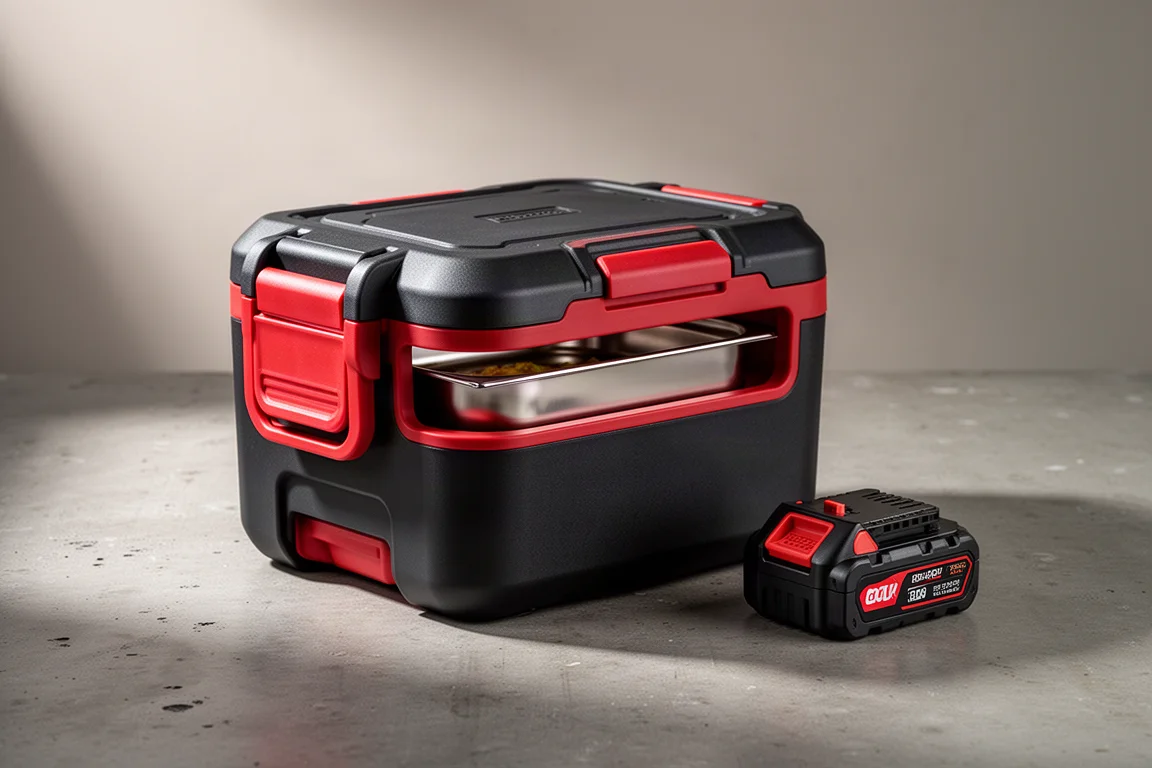
The Milwaukee M18 Lunch Cooler/Warmer is a battery-powered food warmer built for people who eat where there is no microwave: jobsites, trucks, and workshops. After a full week of daily lunches, the picture that emerges is of a genuinely useful device with a few quirks worth knowing about before you spend the money.
Who This Product Is For
This is a warming machine, not a cooking machine. If your goal is to bring cold food from home, let it heat on a schedule, and eat something better than gas station food at lunch, it fits well. It runs only off an M18 battery, with no AC option, so it makes the most sense if you are already invested in the M18 platform and want to eat healthier on the job.
Setting It Up for the Day
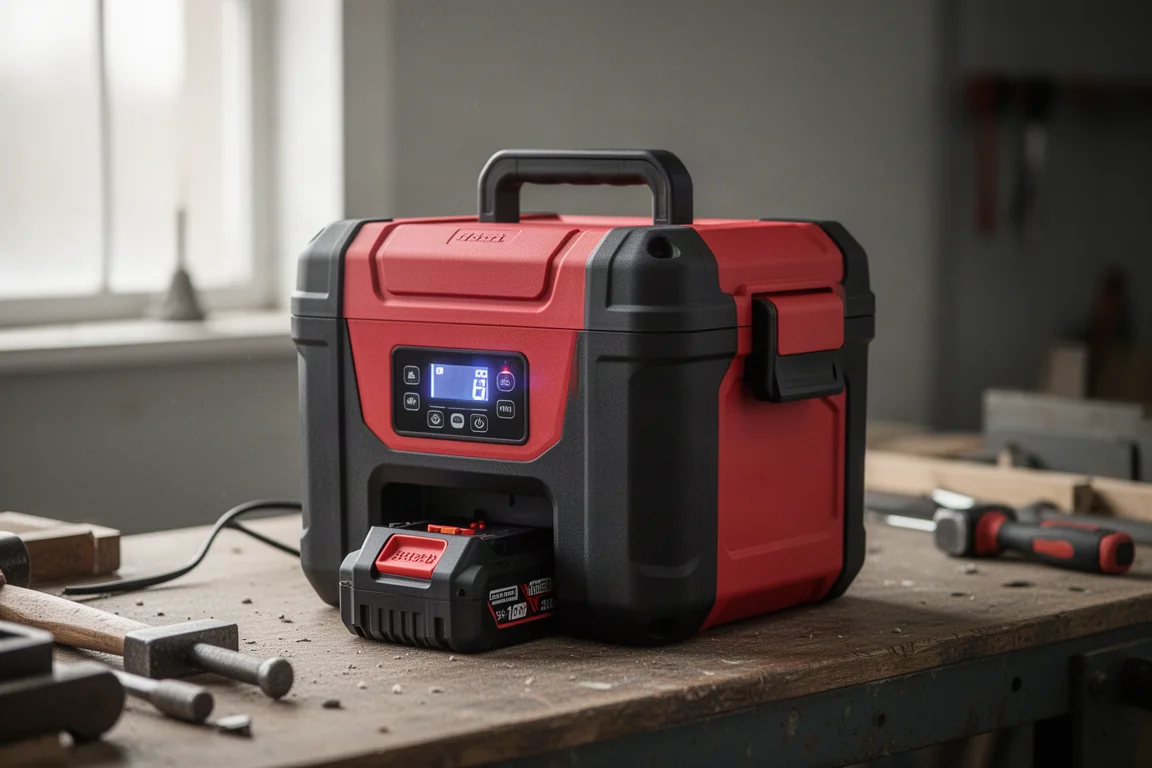
Setup is straightforward. Slide in a battery, push and hold the power button for about a second, and the clock appears. It does not use AA batteries to keep time, but in testing the internal clock stayed within about three minutes of the correct time, which is good enough for scheduling lunch.
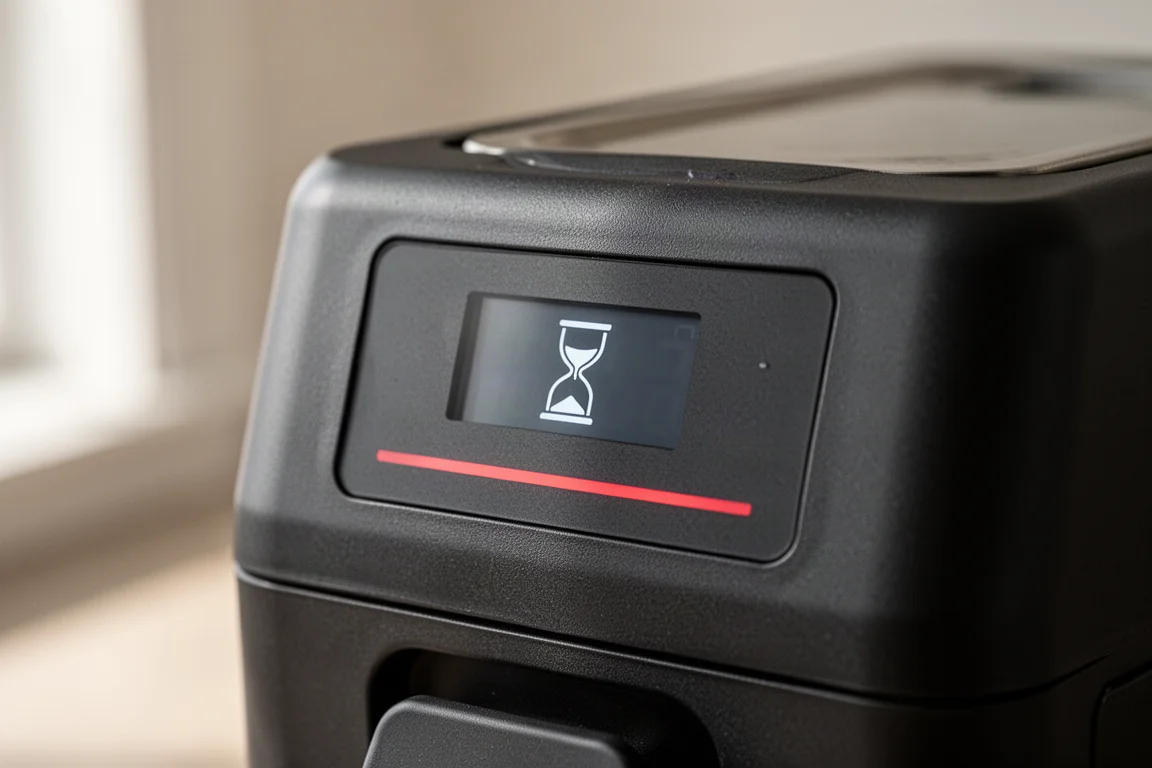
Set your target meal time and the unit waits, then starts heating two hours before that time. The interface will not let you schedule a meal closer than two hours away, because that is how long a full high-heat cycle takes. Once heating starts, a countdown timer appears along with an hourglass icon and a red progress line across the bottom of the display.
One practical habit worth copying: there is no built-in spot for napkins or a fork, so the tester kept napkins on top of the food tin inside the box, and it worked fine even with the napkin slightly sticking out when closed.
How the Heating Works
The heat setting matters. On high, chicken and steak reached 120 to 130 degrees in testing, and an infrared camera showed a maximum of 161 degrees at the food surface and up to 184 degrees at the bottom of the pan. The top area peaked around 120 degrees with an average near 108. If you want food warmer than 140 degrees, high is the setting you need.
When the two-hour cycle finishes, the display goes fully green, the unit drops back to a low keep-warm temperature, and the food stays warm for a while afterward. You can open the lid mid-cycle and stir, which is genuinely worth doing for anything in pieces like chicken thighs so the heat distributes more evenly.
Food placement matters too. Layer items so everything touches the pan. Soups are the exception: on high, chili with cheese on top melted the cheese perfectly, but the soup itself came out too hot to eat comfortably. Medium or lower is the better setting for liquids.
Things to Consider Before Buying
The biggest battery surprise: a fully charged high-output 5 amp hour battery is advertised for two meals, but real-world high-heat use came close to draining the entire pack for a single lunch. Expect roughly one high-heat meal per 5Ah battery, not two.
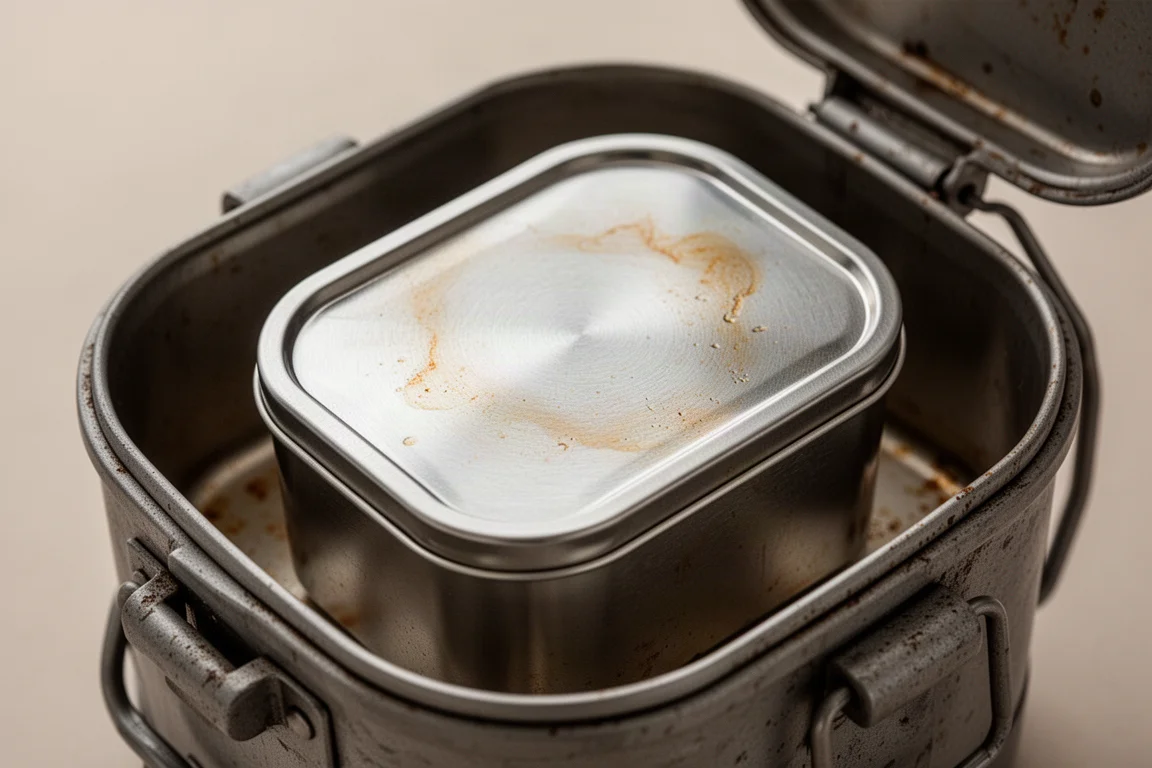
Cleanup is the other friction point. The stainless interior tins stain from warming meats, and scrubbing did not remove the marks after just one week. The tins drop in and out easily, are believed to be dishwasher safe and BPA-free, and are said to be 304 stainless steel, but expect cosmetic staining over time. Buying at least two spare tins makes rotating and cleaning much easier. There is also no storage for a fork, spoon, or knife, which was the most persistent daily annoyance.
Capacity and Everyday Use
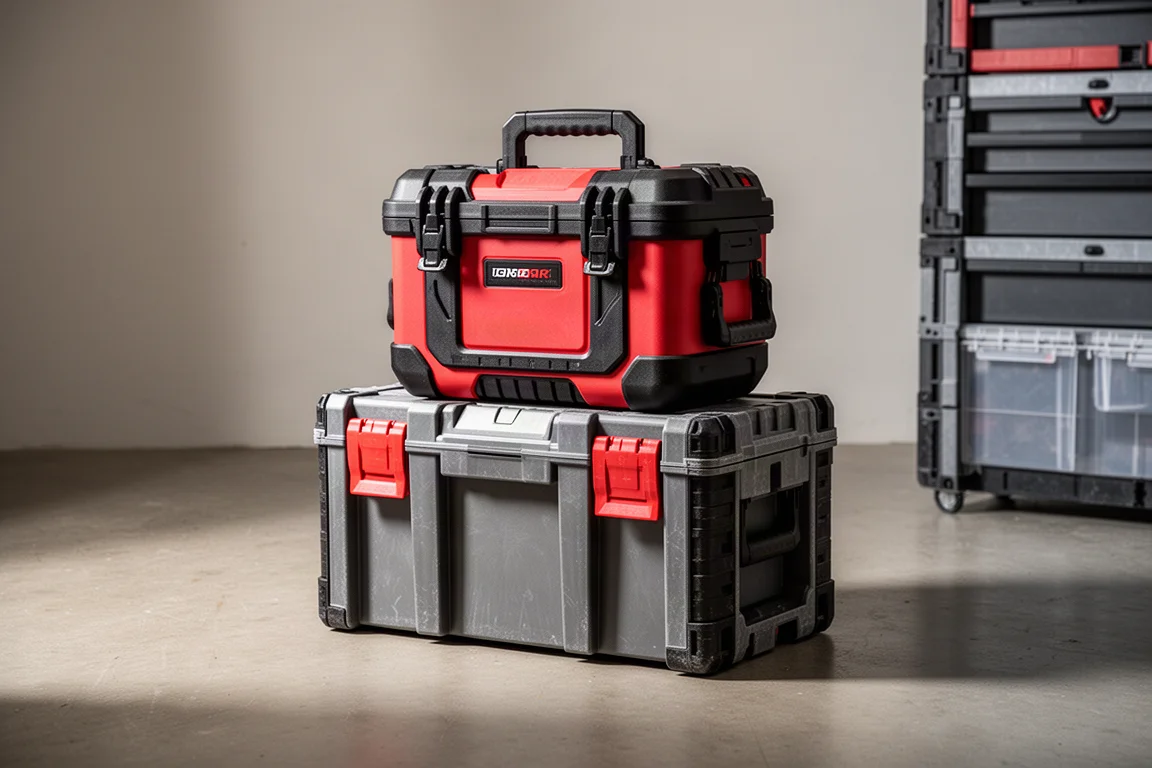
Capacity is better than it looks. It fits at least four chicken thighs, and a cut-up ribeye or two also fits once sliced. That is plenty for a hearty lunch. The lid is designed to come out and be used as a hot plate, and there is a kickstand on the back of the unit, though sitting it on top of a Packout box for eating does not work especially well.
Buying Advice
The price is about $200 for the unit, and that is before the battery and charger if you do not already own them. The honest framing: it is expensive for a lunch warmer, but it is one of the few jobsite habits that can genuinely pay for itself if it replaces daily bought lunches with meat, soups, and other food brought from home. The unit stacks on the modular Packout system, and pairing it with a small Packout underneath solves the utensil and water bottle storage problem neatly.
Conclusion
For the right person, someone already on the M18 platform who wants hot, healthier lunches on site, this thing simply works, and that is the strongest thing you can say about it. Go in knowing the real battery math, the staining, and the missing utensil storage, and it is an easy recommendation for jobsite lunch duty.
Product link
View more details for Milwaukee M18 Lunch Cooler/Warmer
This product is mentioned in the review. Check the specifications, options, and compatibility before buying.
View more details for Milwaukee M18 Lunch Cooler/WarmerFurther reading
Related Reviews
Power Tools
Milwaukee M12 Fuel Cordless Ratchets: Compact Power for Tight Spaces
The Milwaukee M12 Fuel 1/4-inch and 3/8-inch cordless ratchets bring brushless power and a compact head to fastening jobs in tight spaces.

Work Lights
Milwaukee M12 Rover Review: A Compact Work Light That Goes Where You Do
The Milwaukee M12 Rover is a compact, versatile work light with three brightness levels, multiple mounting options, and USB-C charging for your devices.

Power Tools
Milwaukee M18 Fuel 2025 Tool Recap: Seven Jobsite Upgrades Worth Knowing
A practical look at seven new Milwaukee M18 and M12 Fuel tools, covering what each one does well and who should consider buying it.