Power Tools
Milwaukee M18 High Torque 2767-20: Does an Old, Hard-Worked Impact Still Deliver?
A heavily used M18 High Torque 2767-20 goes head to head with a nearly new one to see how much performance a well-worn cordless impact wrench actually loses.
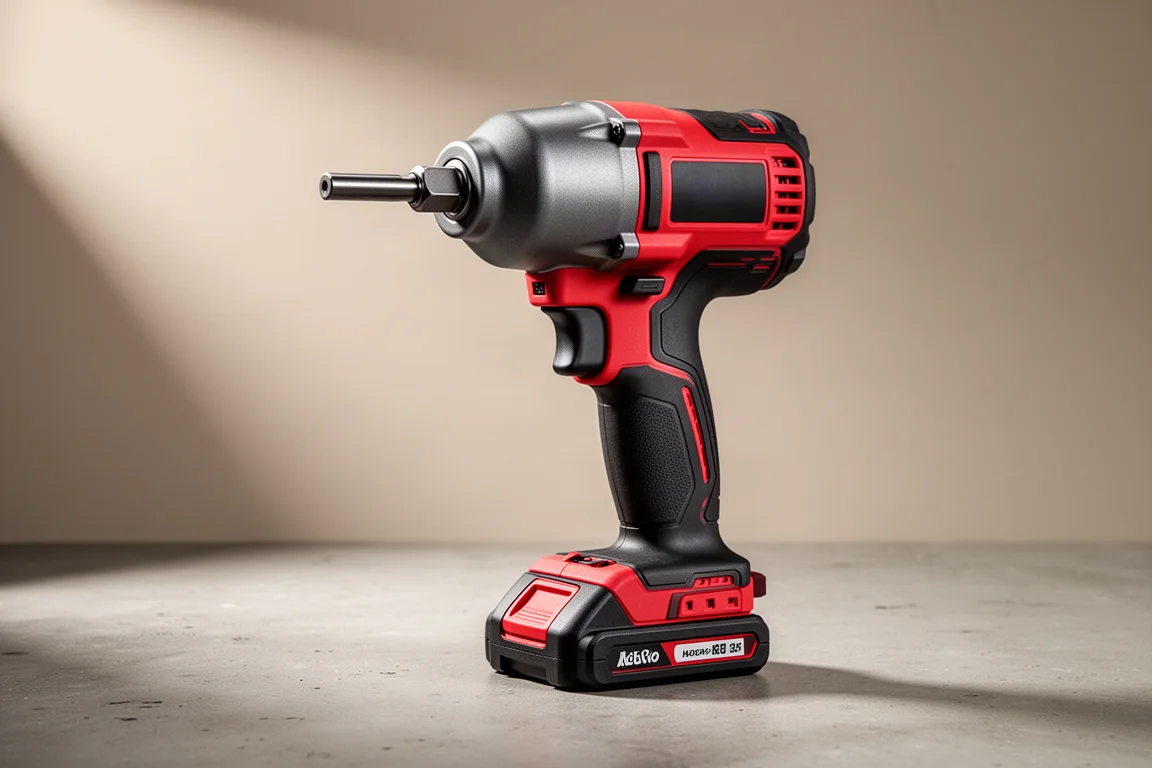
Introduction
Cordless impact wrenches have a mixed reputation for longevity. Air tools are known for surviving decades with simple tune-up kits, while cordless tools are often assumed to have a set lifespan before they become expensive paperweights. That assumption raises a fair question: if a tool is already a couple of years old and has been worked hard, will it still match the numbers a brand-new unit produces?
The Milwaukee M18 High Torque 2767-20 is a good candidate to test that question. When it was first measured, it sat near the top of the rankings among cordless half-inch drive options. To see whether time and hard work change that story, a heavily used example was tested against a nearly new one.
The Ultimate Durability Test: Old Versus New
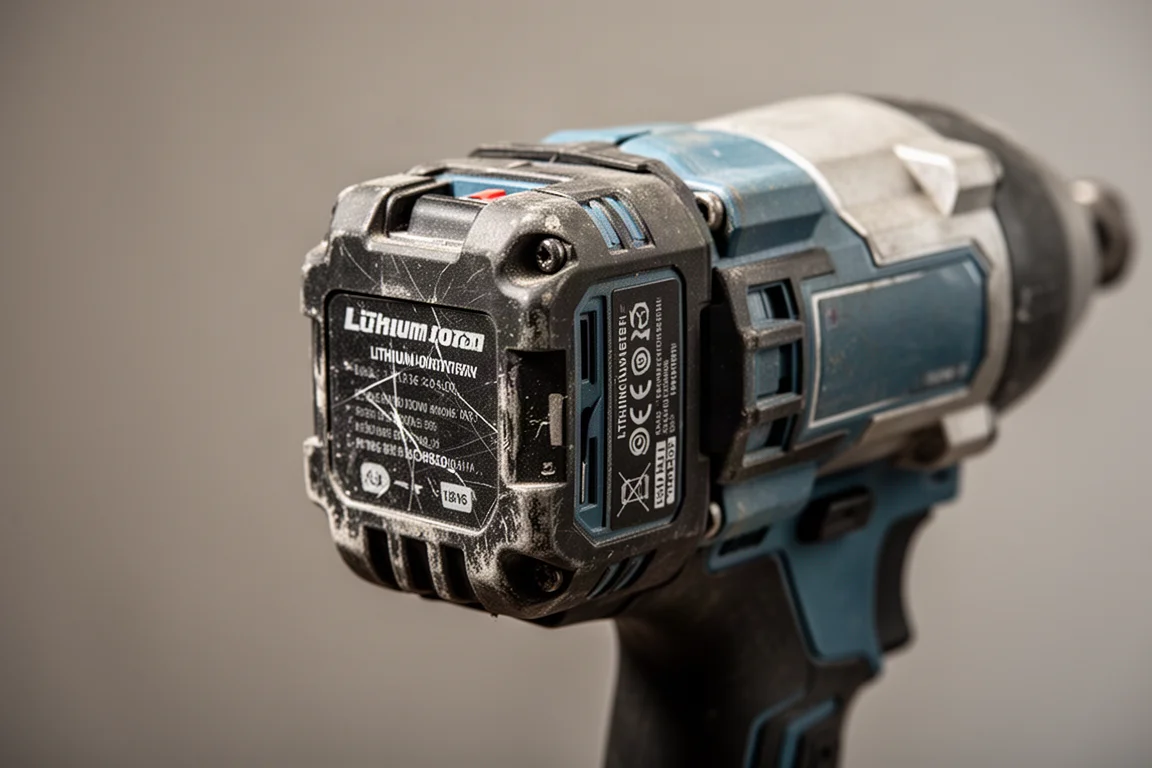
The used unit came from a working environment where tools are not babied. It has lived a hard daily professional life, taken knocks, and absorbed countless nuts and bolts over several years. Interestingly, even its owner noted that after it started sounding odd, a couple of tosses around somehow set it right again, and it has kept hitting hard ever since.
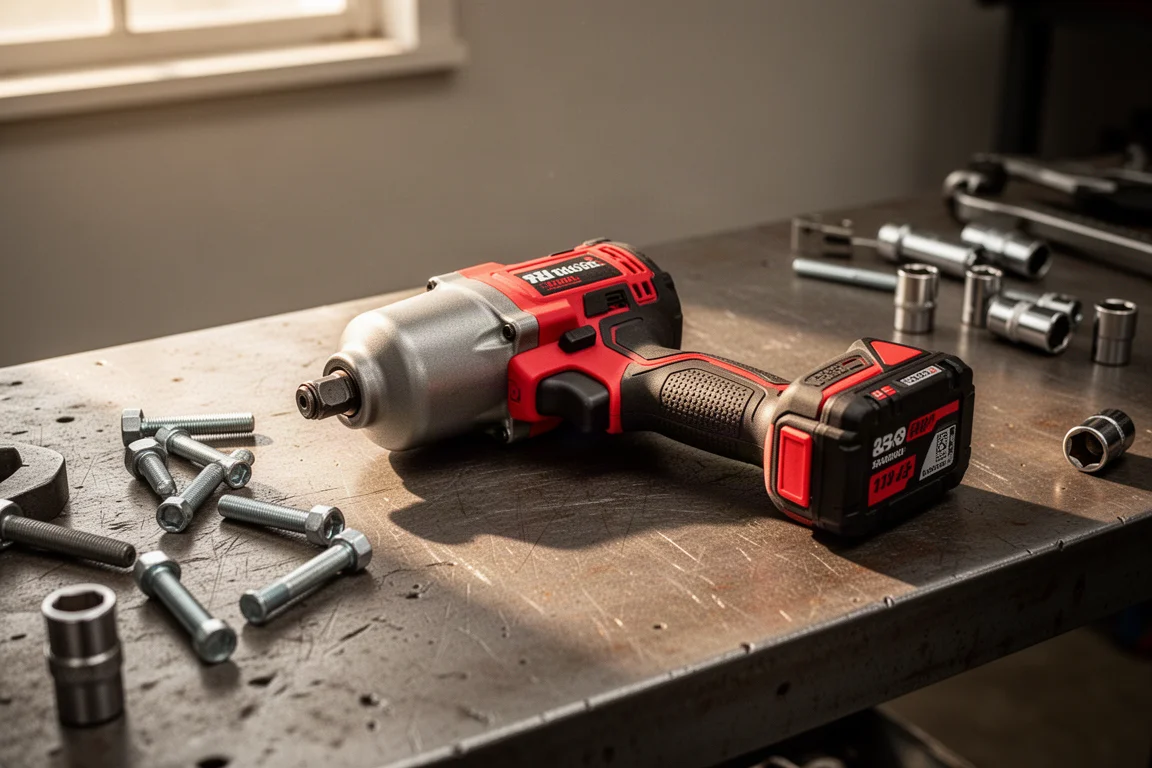
The comparison used three dyno tests, with the median result shown. Both tools were tested on the same calibrated dyno setup as the original M18, keeping the numbers directly comparable.
Results on the Dyno
In the first test, five seconds of forward working torque, the original nearly new M18 recorded 572 ft-lbs. Only two half-inch drive cordless impacts at that point had done better. The old, well-used unit then produced 594 ft-lbs, somehow outperforming the fresh one.
In the ten-second max torque test in reverse, the new M18 posted 728 ft-lbs, a figure only two other tools had beaten. The older unit pushed that to 745 ft-lbs, again surpassing the two-week-old model. One possible explanation is that as grease inside the planetary gear set is used up or expelled, it provides less restriction, and worn internals can reduce the mass the motor has to fight against at higher RPMs.
Tight Bolt Performance
The final test measures best-case scenario performance on really tight fasteners, with batteries fresh off the charger. The new unit preferred forward mode for its top numbers, and the used one did the same. The new M18 achieved 778 ft-lbs, while the old unit came in at 756.
The real surprise came on battery swapping. The old unit was running on a well-cycled 5.0 Ah battery of uncertain history. When that battery was swapped for the newer one used by the new tool, the old unit delivered 772 ft-lbs versus 778, a difference of under one percent, well within normal variation between runs on the same tool. The output curves looked almost identical.
Battery Age and Performance
Batteries can slump over time due to vibration, temperature, and environment, so battery condition matters as much as tool condition. The near-identical result after swapping to a fresher battery suggests that much of the perceived performance loss in old cordless tools can come from tired packs rather than the tool itself.
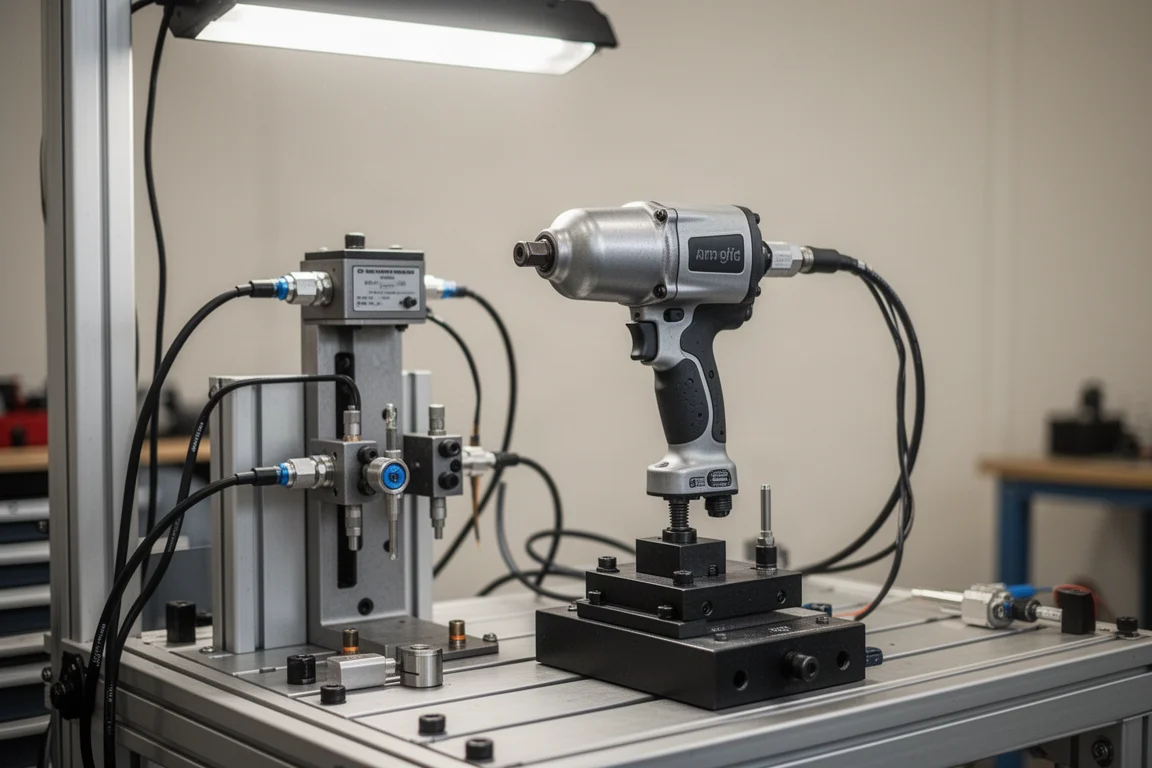
For the 2767-20 specifically, the evidence so far points to Milwaukee holding up exceptionally well. The test platform has yet to kill one, and this heavily worked example kept pace with a nearly new unit across every measurement.
Buying Advice
If you are choosing a high-torque cordless impact for daily professional use, the 2767-20 has demonstrated that its performance is not fragile. A unit several years old and clearly worked hard still matched a nearly new one across forward working torque, reverse max torque, and tight-bolt output. That durability matters more than a slight spec-sheet edge, because replacing a dead cordless tool is far costlier than buying one that lasts.
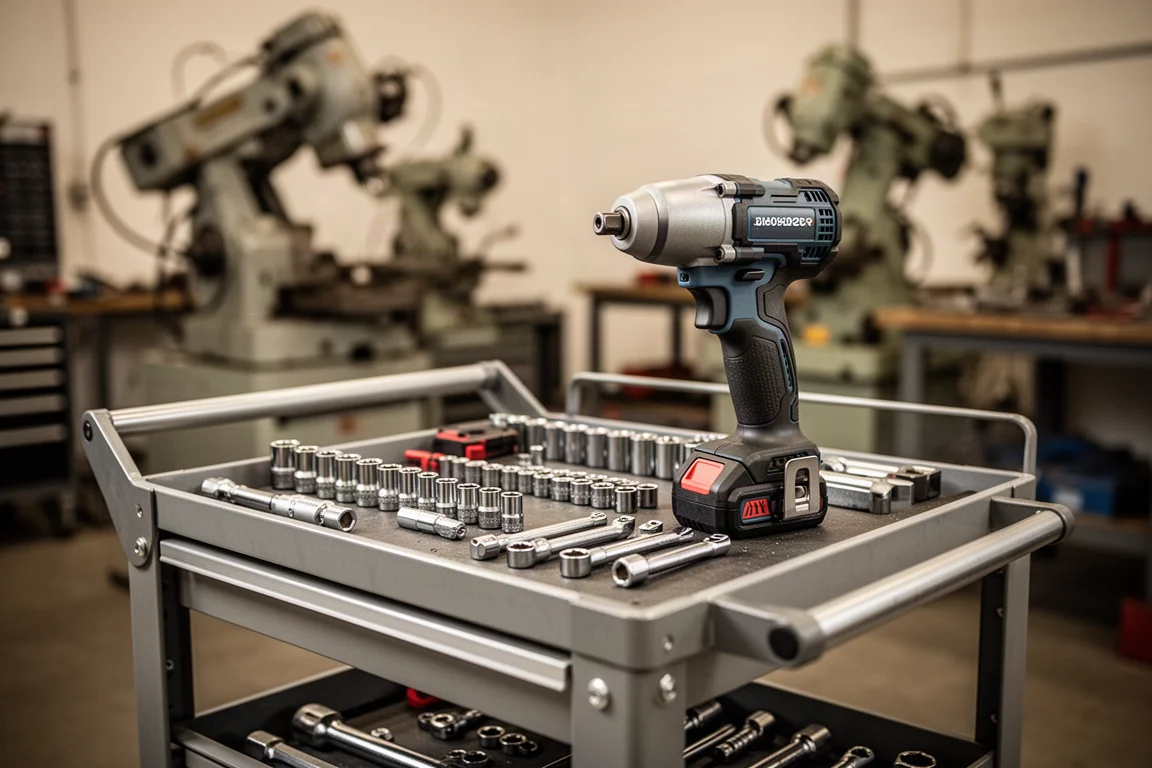
It also reinforces a broader point: warranty coverage and long-term reliability can make a tool that looks pricey on day one cheaper over years of use. As more brands and the top-tier tool truck high torque options get tested, the picture will become clearer, but based on the evidence so far, the M18 High Torque is a contender worth taking seriously.
Conclusion
A heavily used, several-year-old Milwaukee M18 High Torque 2767-20 not only kept up with a nearly new example, it beat it in two of three dyno tests and matched it within one percent on the tightest fasteners once battery condition was equalized. For buyers worried about cordless tools simply wearing out, this test offers reassuring evidence that the 2767-20 can take a hard professional life and keep delivering near its full rated muscle.
Product link
View more details for Milwaukee M18 High Torque 2767-20
This product is mentioned in the review. Check the specifications, options, and compatibility before buying.
View more details for Milwaukee M18 High Torque 2767-20Further reading
Related Reviews
Power Tools
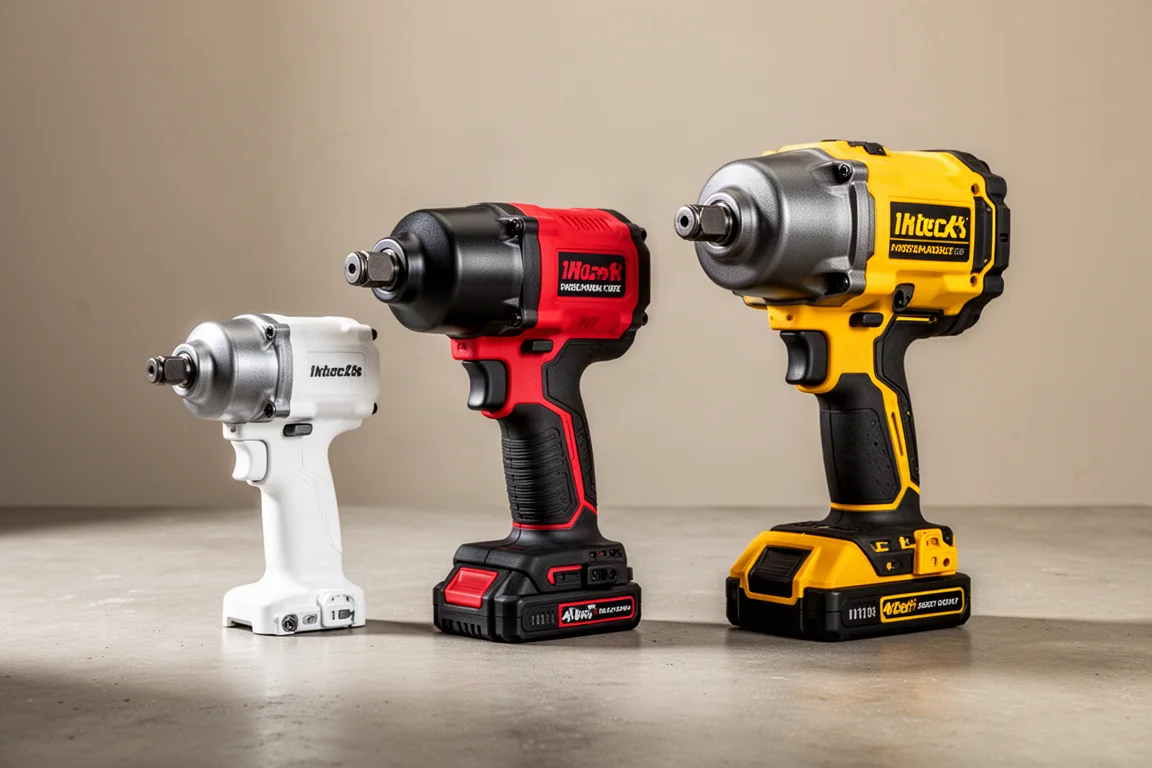
Best 1-Inch Pistol Impact Wrenches: Three Heavy-Duty Options Compared
We compare three 1-inch pistol impact wrenches, from a budget-friendly Harbor Freight model to a premium Caterpillar unit, to help you choose the right one.
Power Tools
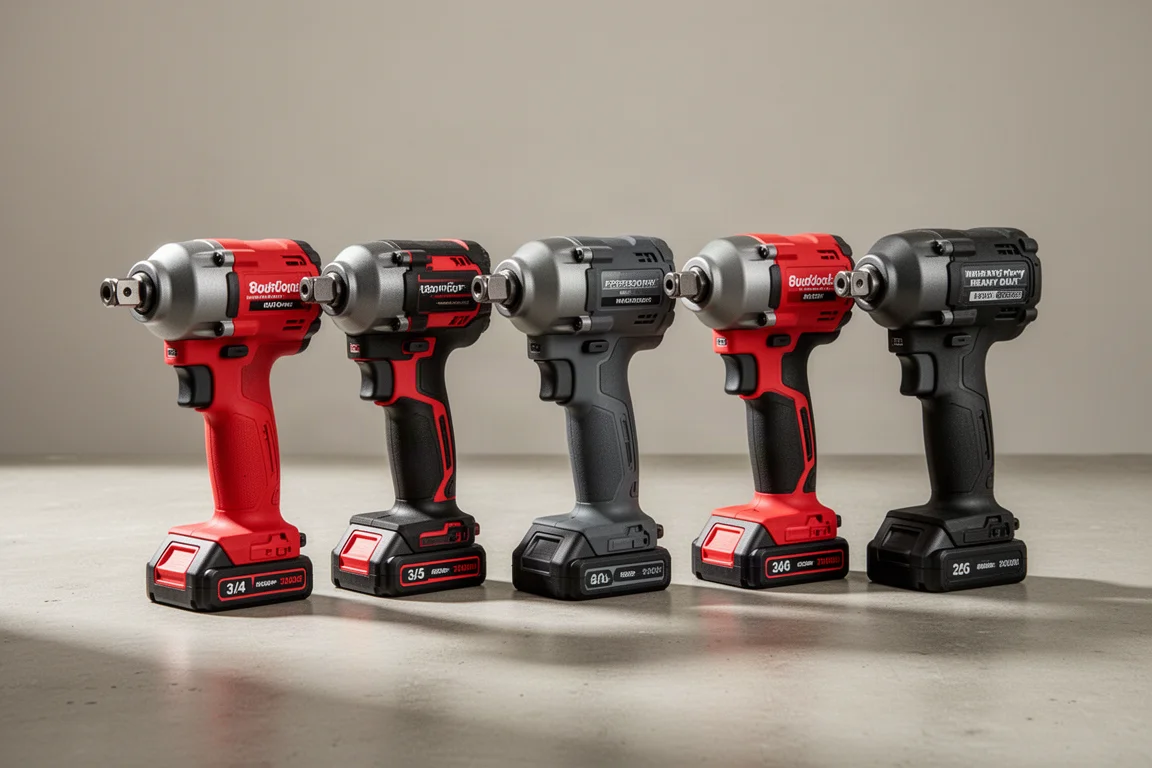
Best 3/4-Inch Impact Wrenches 2026: Five Contenders Compared
We compare five 3/4-inch impact wrenches across price and performance, from a budget Amazon option to Snap-on's most powerful model yet.
Power Tools
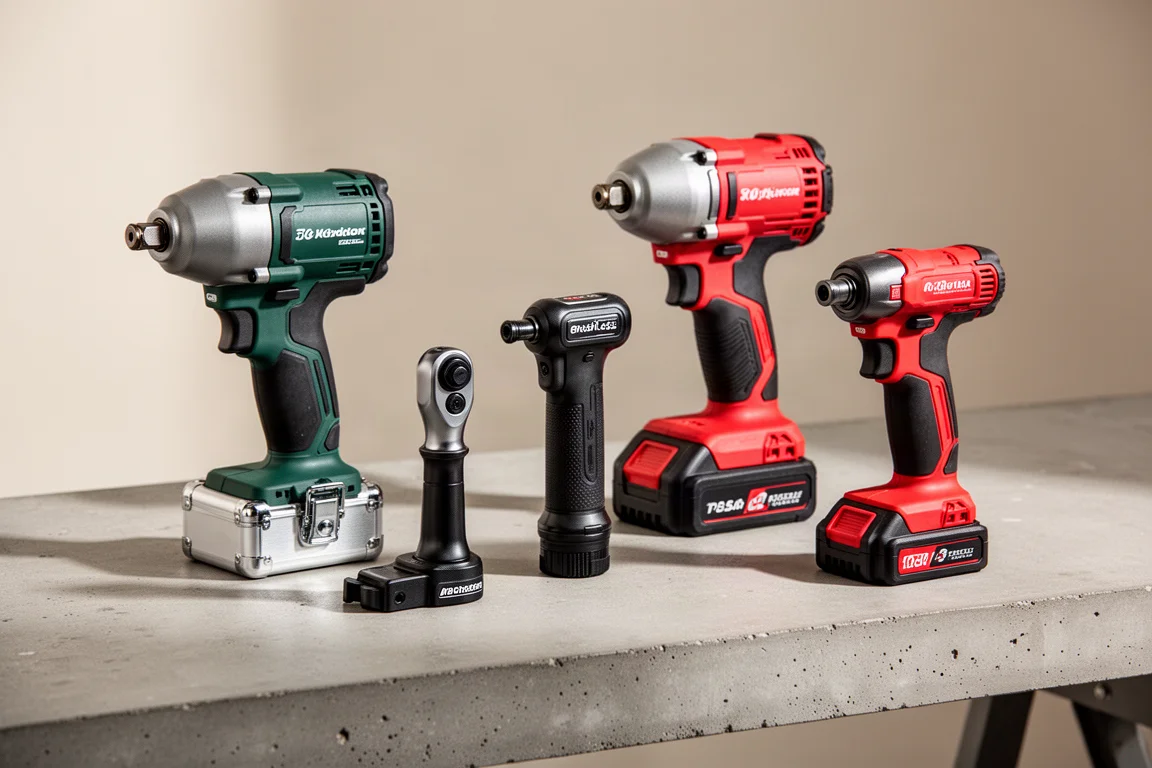
Best Budget Cordless Tools 2026: Walmart Finds That Punch Above Their Price
We tested five cordless tools from Walmart, including a high-torque impact wrench that trades blows with Milwaukee and a $35 duster that outperforms its price class.