Power Tools
Milwaukee M18 Gen 4 vs Flex 24V Stacked Lithium Hammer Drill: Which One Wins?
Two of the most powerful hammer drills on the market go head to head in real drilling and concrete tests, with specs, weight, and comfort compared.
Introduction
Milwaukee has dominated the cordless hammer drill conversation for years, and the new Gen 4 M18 arrives with a bold claim behind it: the most powerful drills and impacts on the market. Now Flex, a newer brand, is stepping into the ring with its 24V Stacked Lithium hammer drill and a turbo mode that changes how the tool behaves under load. This comparison puts both hammer drills through the same tests: boring through dimensional lumber with a large ship auger and switchblade bit, and hammering into construction-grade concrete, while comparing specs, weight, grip, and overall feel.
Two Heavyweights, One Straight Comparison
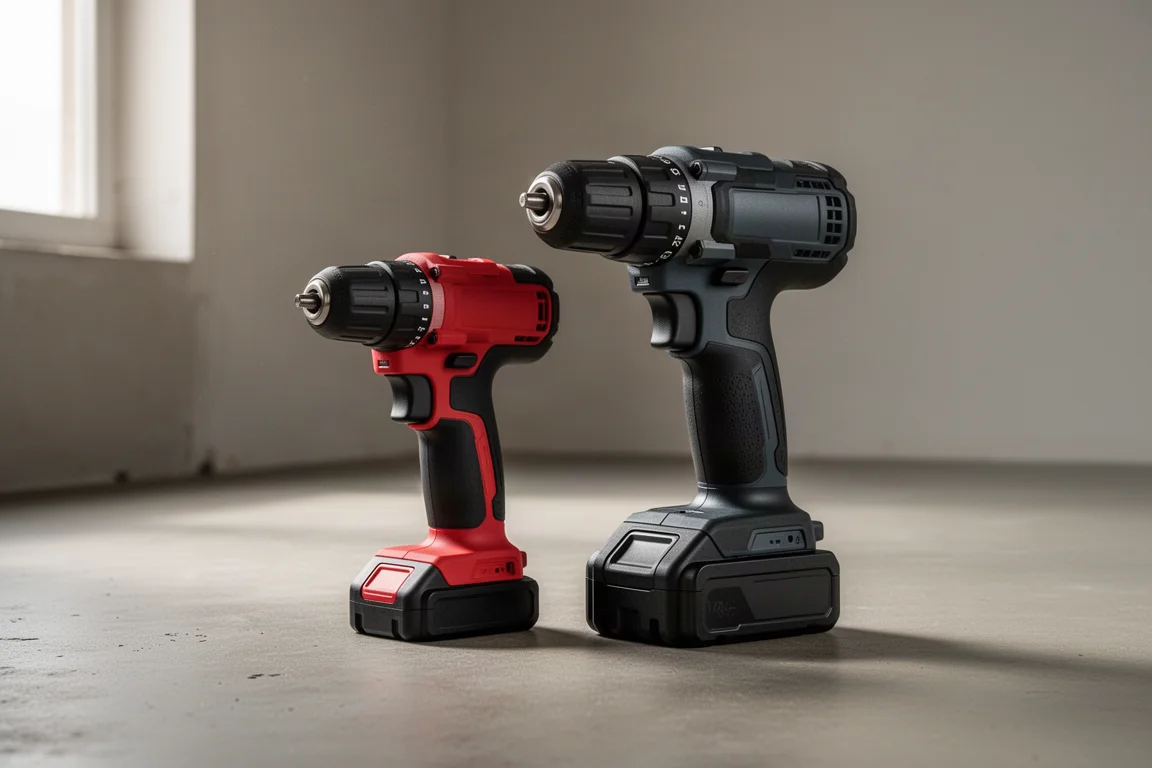
If you work in the trades, size and weight matter, especially for overhead work and tight spaces. The Milwaukee Gen 4 is the more compact and lighter of the two at 3.3 pounds without the battery, and it feels a little sleeker in hand. The Flex is slightly wider, slightly heavier, and has a bigger footprint at the base, but honestly, the difference is smaller than you might expect. Both feel solid and comfortable in the hand, and neither is the bulky brick some people imagine.
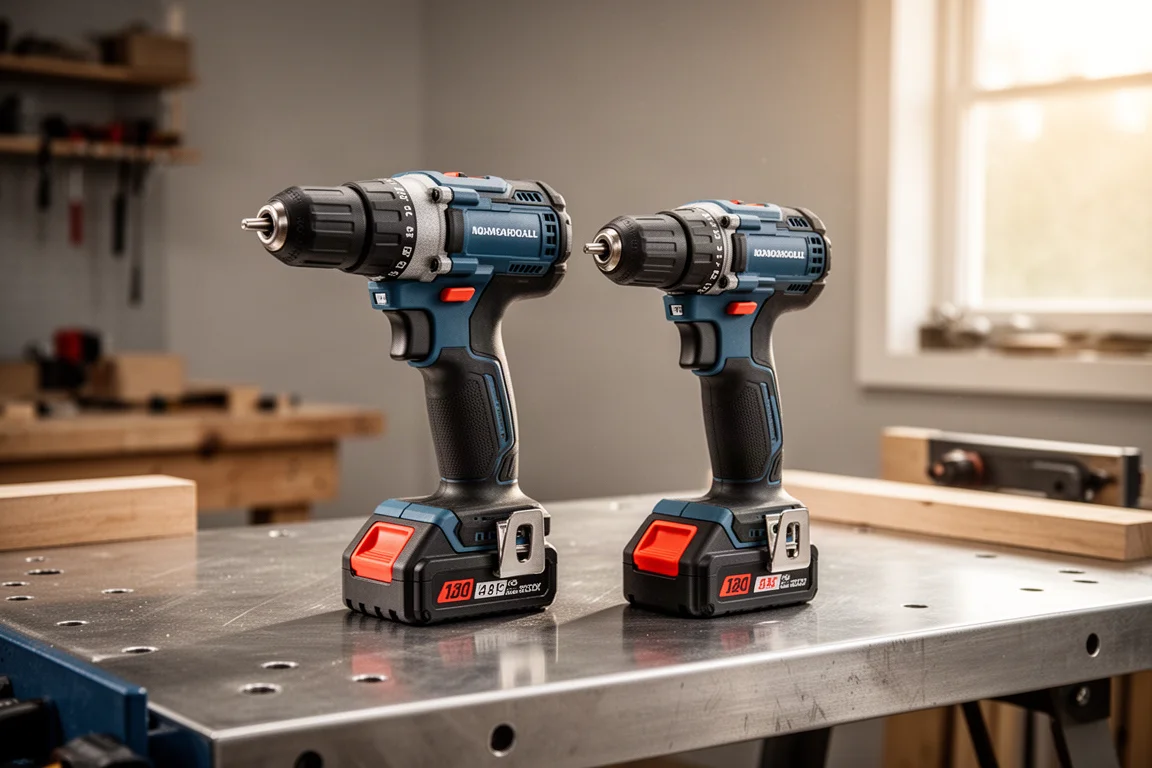
On paper, the Milwaukee Gen 4 specs are impressive: 33,000 blows per minute, 1,400 inch-pounds of torque, a brushless motor, an 18-position chuck including drill and hammer modes, a 5-year warranty, and a price of $199 for the tool only. It runs on the standard 18V battery platform, and in testing it used both the popular 5Ah battery and the 8.0 High Output Red Lithium battery, which delivers more overall power thanks to larger cells.
The Stacked Lithium Difference
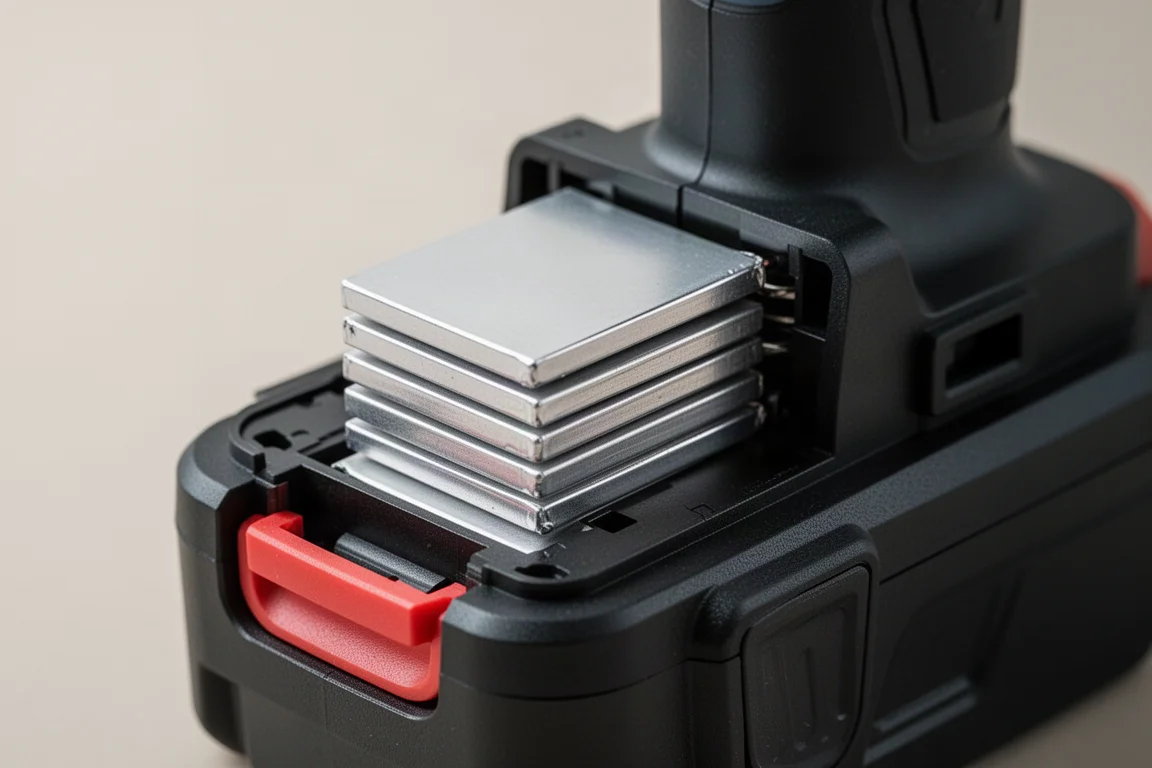
The Flex 24V hammer drill is built by Chervon, a company that also makes EGO outdoor power equipment and owns Skil and Skilsaw, with a long record of producing well-regarded tools. Its headline technology is Stacked Lithium: instead of cylindrical cells, the battery uses flat, rectangular phone-style cells stacked on top of each other, eliminating the wasted space between round cells and delivering much more power. Everyone in the industry is looking at this technology, and it is the same approach seen in DeWalt’s PowerStack batteries.
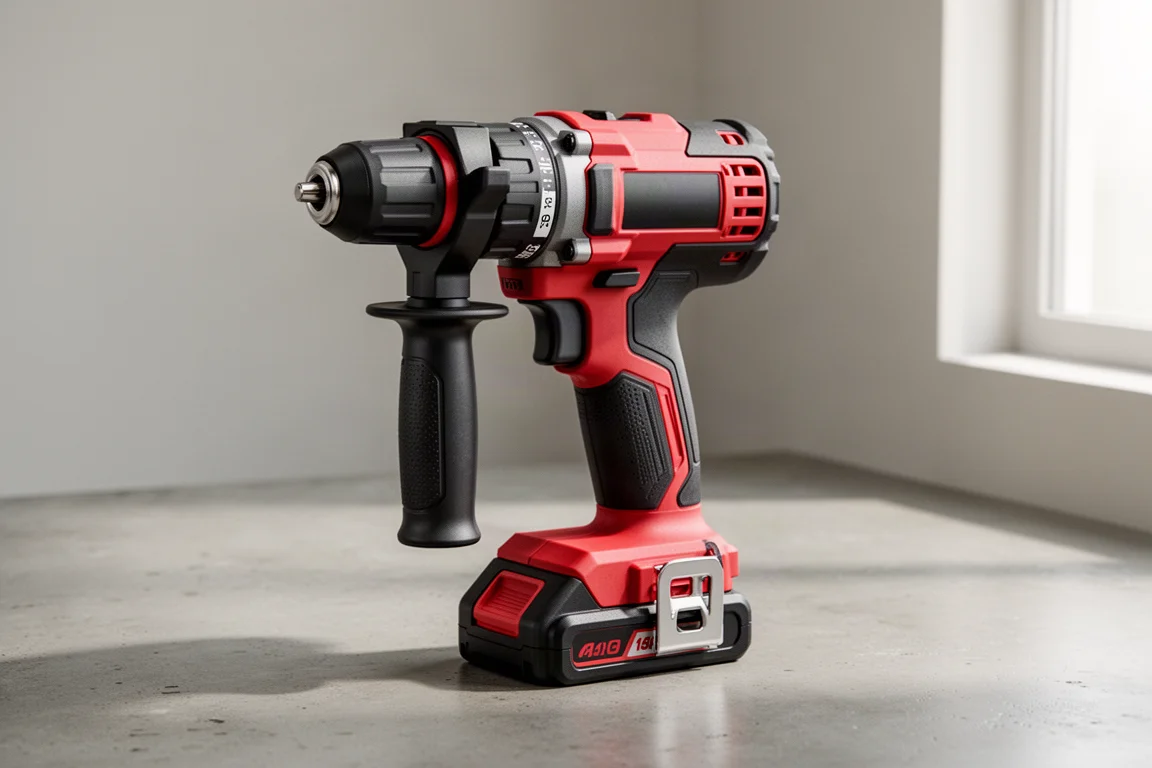
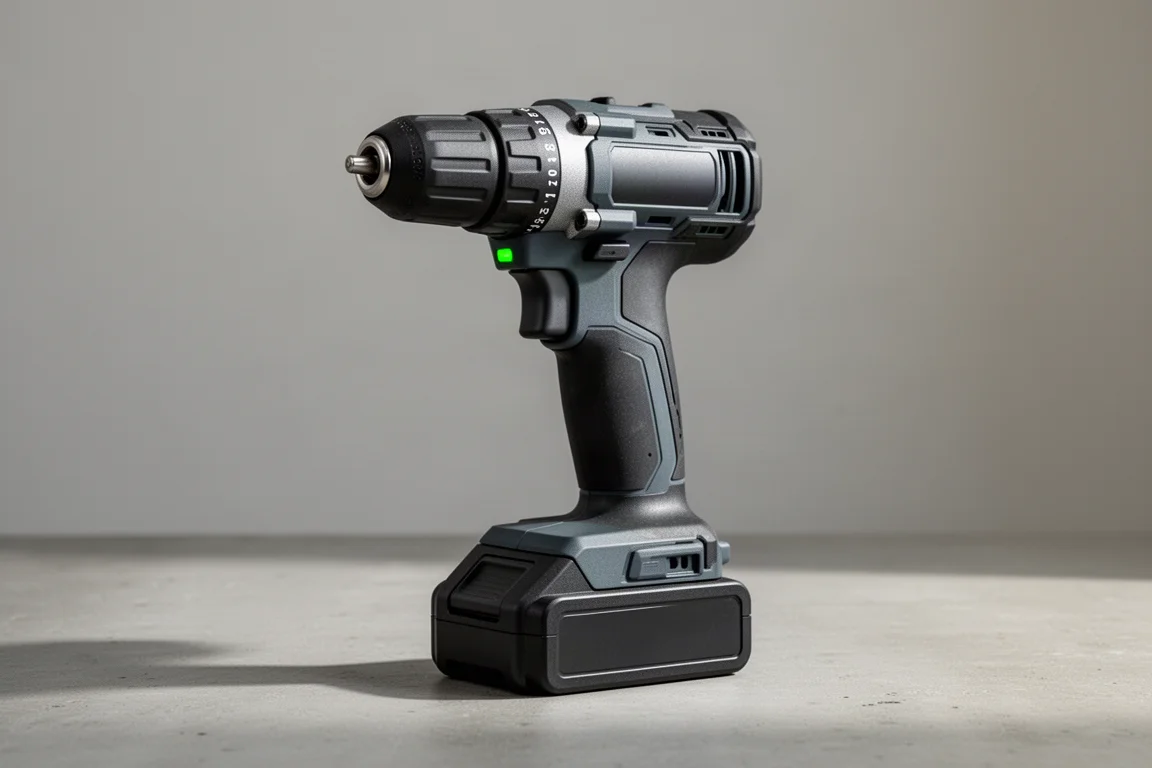
The Flex also brings something Milwaukee does not have: a turbo button. Press it, the green light comes on, and the drill kicks into a higher power mode. It is not something you need all the time, but for tough material it makes a real difference. One practical detail worth noting: the Flex does not use the clutch collar to switch into hammer drill mode; there is a separate selector, which is a nice touch. The chuck offers 25 positions in total, and the battery contacts are visibly larger to handle the Stacked Lithium current, which also explains the bigger base.
Lumber Test: Power Where It Counts
In side-by-side drilling through treated lumber with a 1-inch ship auger bit and then a 2-9/16-inch switchblade bit, both drills cut cleanly and neither clearly embarrassed the other. One observation from the auger test: the turbo mode did not engage during this large-bore cutting, likely a safety behavior that limits turbo in situations where the tool could twist violently. The Milwaukee had plenty of power to slice through wood without issue, and the Flex kept pace with it.
Concrete Test: Where Turbo Changes Everything
Construction-grade concrete is where the differences showed up. Running a 3/8-inch masonry bit on speed two, both drills hammered through the block. Then the Flex switched into turbo, and the result was striking: the drilling speed in concrete was dramatically faster with the button pressed. This is the scenario turbo was made for, and it is genuinely impressive to watch.
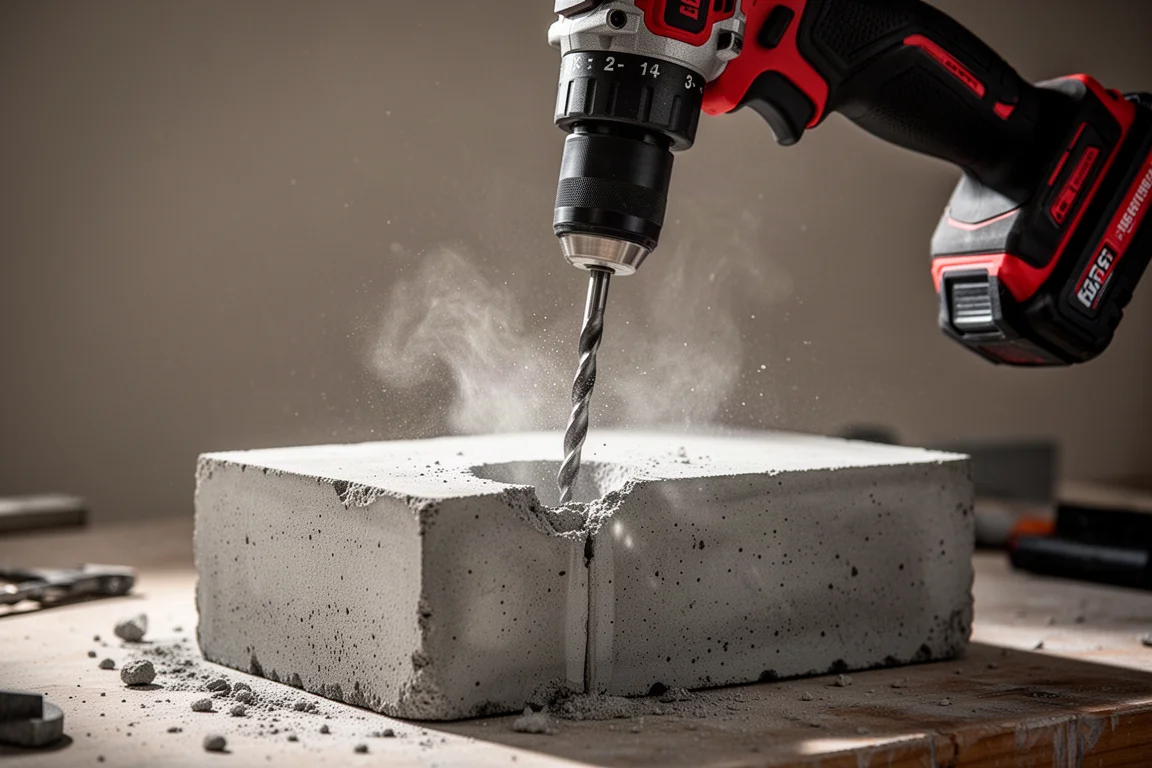
Neither test was flawless. The Milwaukee’s chuck opened up during the concrete run, and a screw backed out of the Flex’s side handle. Small hiccups like this happen under heavy hammer-drill loads, but they are worth knowing about if you plan to push either tool hard in masonry.
Comfort, Grip, and Everyday Handling
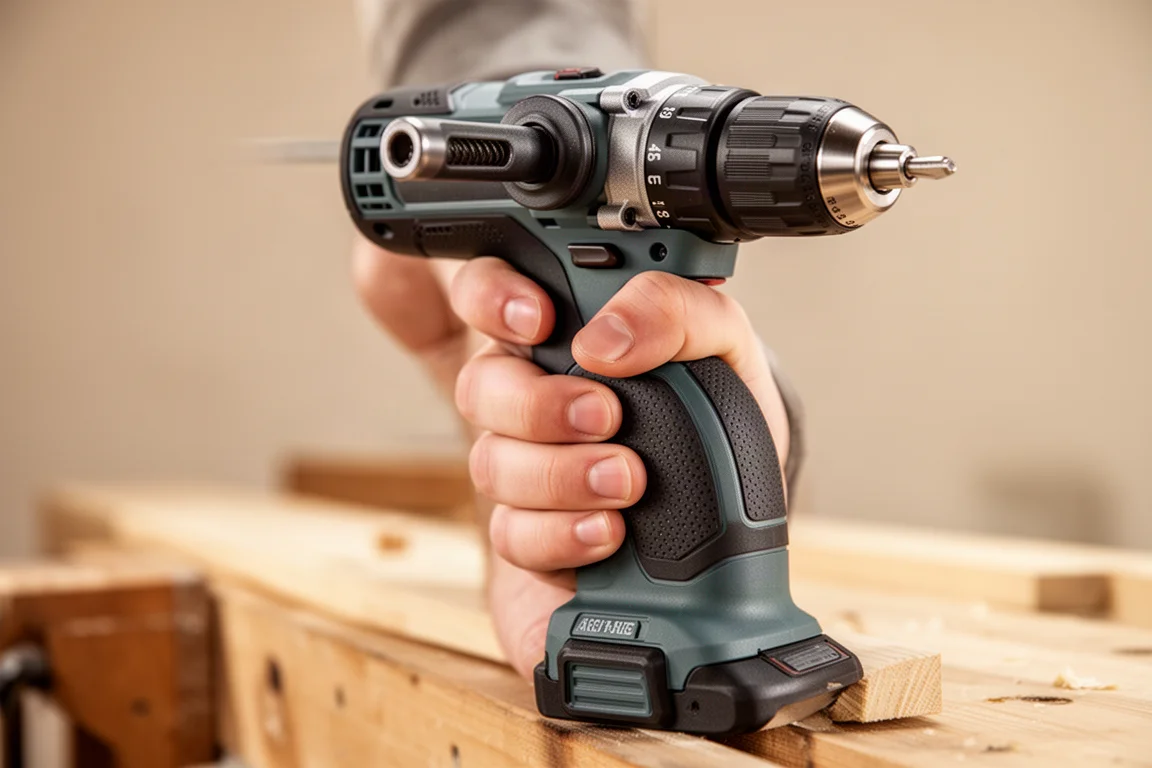
Both drills feel good in the hand, and the Milwaukee edges ahead on sleekness and lower weight. That said, the Flex has a noticeably better grip, and the size and weight penalty is only a fraction, not enough to matter for most users. The Flex Stacked Lithium battery also charges faster than expected: about 30 minutes on a rapid charger brings a 6Ah pack back to full. For testing fairness, the Flex ran a 6.0 Stacked Lithium pack against the Milwaukee’s 8.0 High Output, with both batteries showing a similar charge level.
Buying Advice
If you are already invested in Milwaukee’s 18V platform, the Gen 4 hammer drill is an easy recommendation: it is compact, powerful, brushless, backed by a 5-year warranty, and priced at $199 for the tool only. Milwaukee has led the power race for years, and the Gen 4 keeps that position strong.
If you are open to a newer brand, the Flex is a serious contender, which is surprising given how new it is. The combination of Stacked Lithium batteries and turbo mode delivers a level of burst power in concrete that changes the game, and the faster charging and better grip round out an appealing package. Would it run turbo constantly? No, you do not need that power all the time. But when you want to punch through tough concrete, it is there at the push of a button.
Conclusion
Both hammer drills performed excellently across wood and concrete. The Milwaukee Gen 4 is the sleeker, lighter, more established option with proven platform support. The Flex 24V Stacked Lithium is slightly bigger and heavier but fights back with turbo mode, faster-charging batteries, and a better grip. Choosing between them comes down to platform loyalty versus burst power: either way, competition like this is good news for anyone buying a hammer drill today.
Further reading
Related Reviews
Power Tools
Best 1-Inch Pistol Impact Wrenches: Three Heavy-Duty Options Compared
We compare three 1-inch pistol impact wrenches, from a budget-friendly Harbor Freight model to a premium Caterpillar unit, to help you choose the right one.
Power Tools
Best 3/4-Inch Impact Wrenches 2026: Five Contenders Compared
We compare five 3/4-inch impact wrenches across price and performance, from a budget Amazon option to Snap-on's most powerful model yet.
Power Tools
Best Budget Cordless Tools 2026: Walmart Finds That Punch Above Their Price
We tested five cordless tools from Walmart, including a high-torque impact wrench that trades blows with Milwaukee and a $35 duster that outperforms its price class.