Power Tools
Milwaukee M18 Gen 3 vs Gen 4 Hammer Drill: Side-by-Side Comparison
Two generations of Milwaukee's M18 hammer drill go head to head in real drilling and driving tests, and the results are closer than you might expect.
Introduction
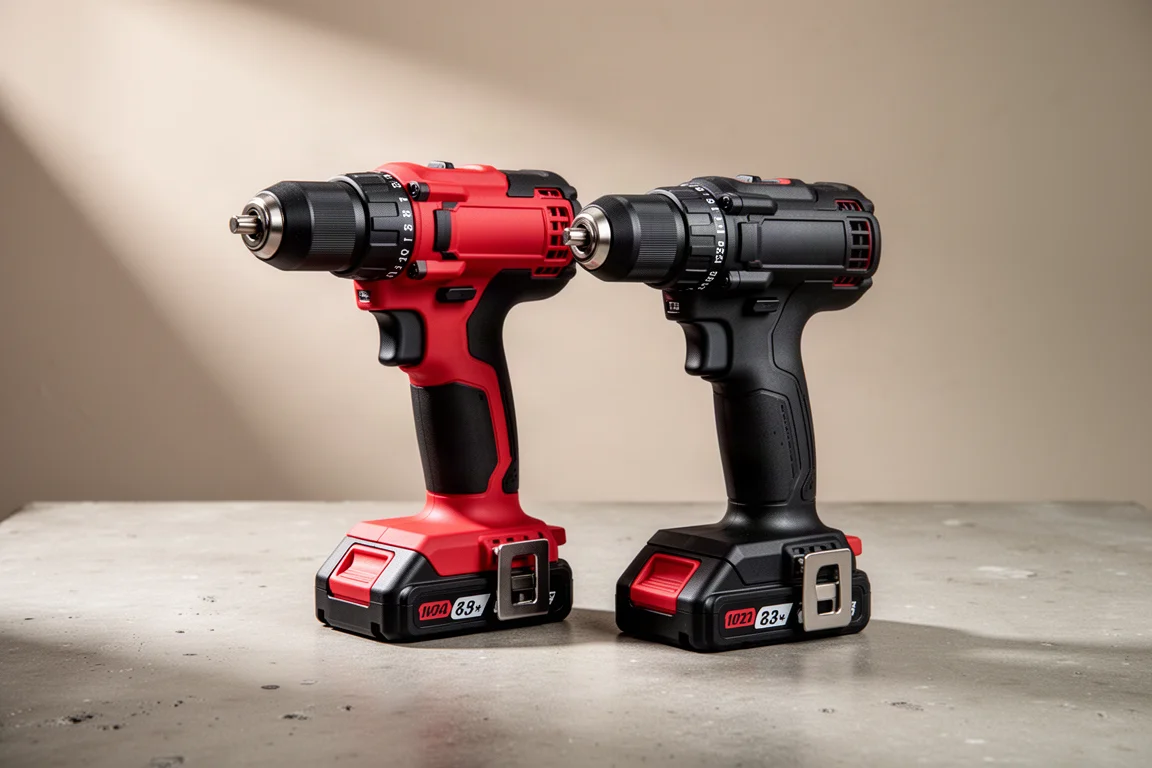
Milwaukee’s M18 hammer drill line has long been a benchmark for cordless drilling and driving, and when a new generation arrives, expectations are high. The Gen 4 model succeeds the widely praised Gen 3, and the obvious question is simple: is the newer drill actually better, or just newer?
To find out, both drills were put through a series of real-world tests: driving quarter-inch structural lag fasteners, boring through stacked lumber with self-feeding bits, and running a long auger bit deep into a six-by-six timber. The outcome was genuinely surprising, and it matters if you are deciding between buying the latest model or picking up the previous generation, possibly at a discount as stock rotates out.
Design and Handling
Gen 4 is visibly bigger, fatter, and thicker than Gen 3. Milwaukee moved the mode selector to a single ring style that combines hammer drill and driver functions in one control, a design the Gen 3 also uses. It makes for a more compact tool, but it can be easy to bump accidentally into driver or hammer mode until you get used to it.
In hand, impressions differed. One tester found Gen 4 felt more balanced, while the other preferred the trigger feel of Gen 3, describing its trigger as more sensitive and easier to depress. On Gen 4, the throttle pickup felt tighter, almost as if it wanted to jump right away at low speed. These are subjective differences, but they are worth handling in person before you choose.
Speed and Power in Lag Screws
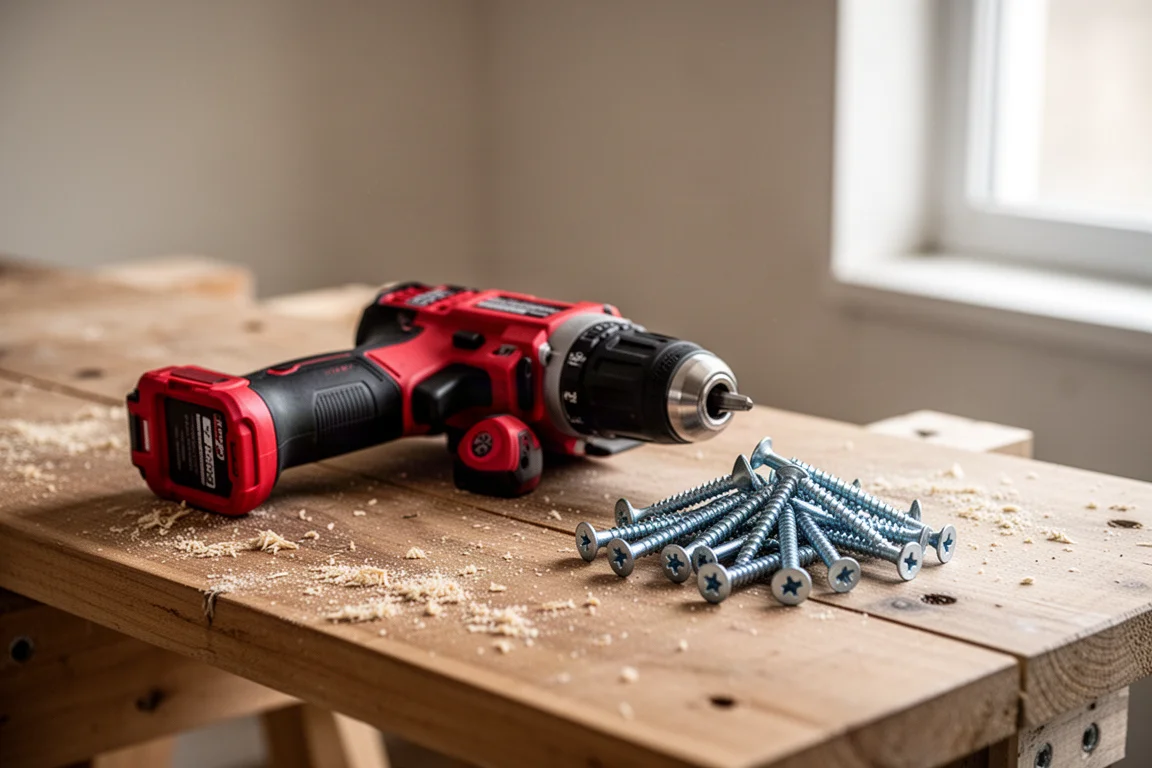
The first serious test drove quarter-inch by five-inch structural lag fasteners, starting in drill mode at speed one and then repeating at speed two. The verdict: the two drills were doggone close. In several runs, the results were effectively indistinguishable, and one tester noted that one drill seemed to drive the fastener perfectly and stop without the risk of kick at the end, which could not be fully explained.
The honest takeaway is that on the headline task most buyers care about, neither drill showed a clear speed or power advantage in initial testing.
Driving Structural Lags and Self-Feed Bits
With Diablo Demo Demon self-feeding spaddle-style bits, which are designed to survive hitting nails, the drills bored through two-by-fours at speed one and speed two. Results ran back and forth, with one run suggesting Gen 4 was slightly slower because the bit’s screw tip was less aggressive, though little pressure was applied in either case. One attempt stalled outright, and repeated runs produced results described as inconclusive.
Testing continued with a two-and-nine-sixteenths-inch switch blade style bit. In speed two, Gen 3 stalled. The same bit at the same speed on Gen 4 also failed to drive through, and a second attempt at speed one with a full battery could not complete the cut either. With the larger two-headed self-feed bit at speed one, however, the drill that managed the cut was thoroughly impressive, spinning through the material with no problem, though it too could not manage the job in speed two.
Deep Boring with an Auger Bit
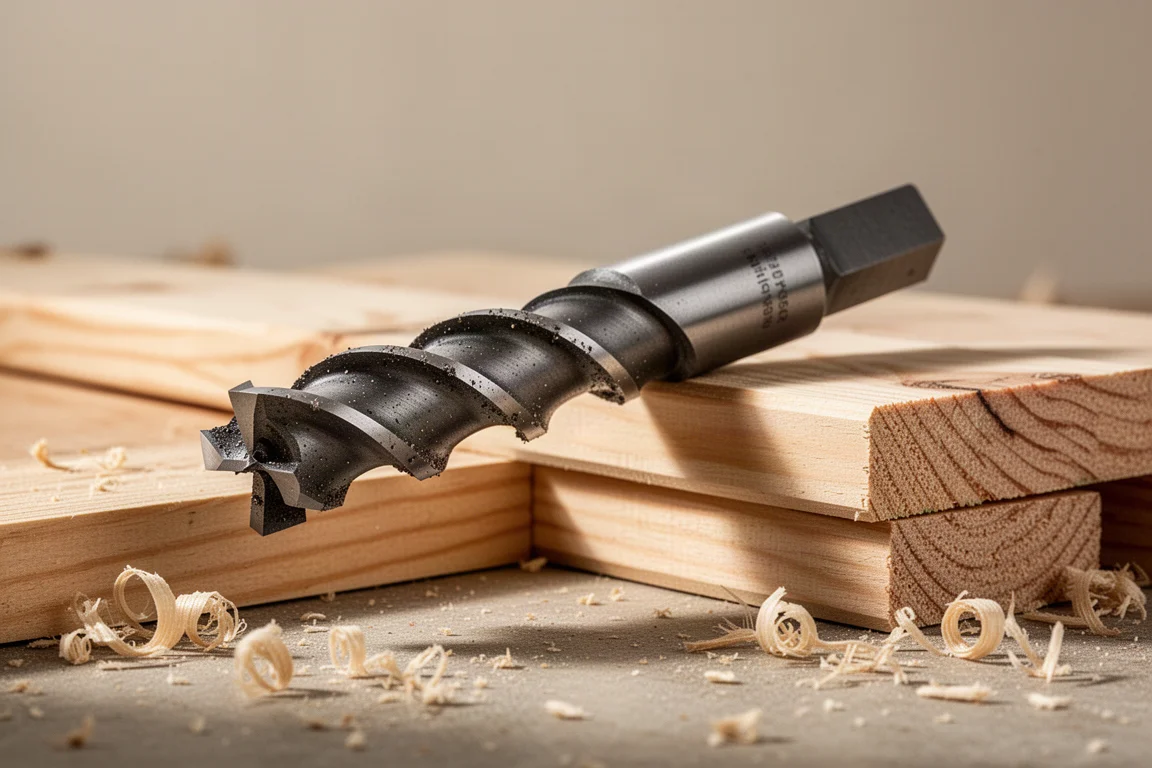
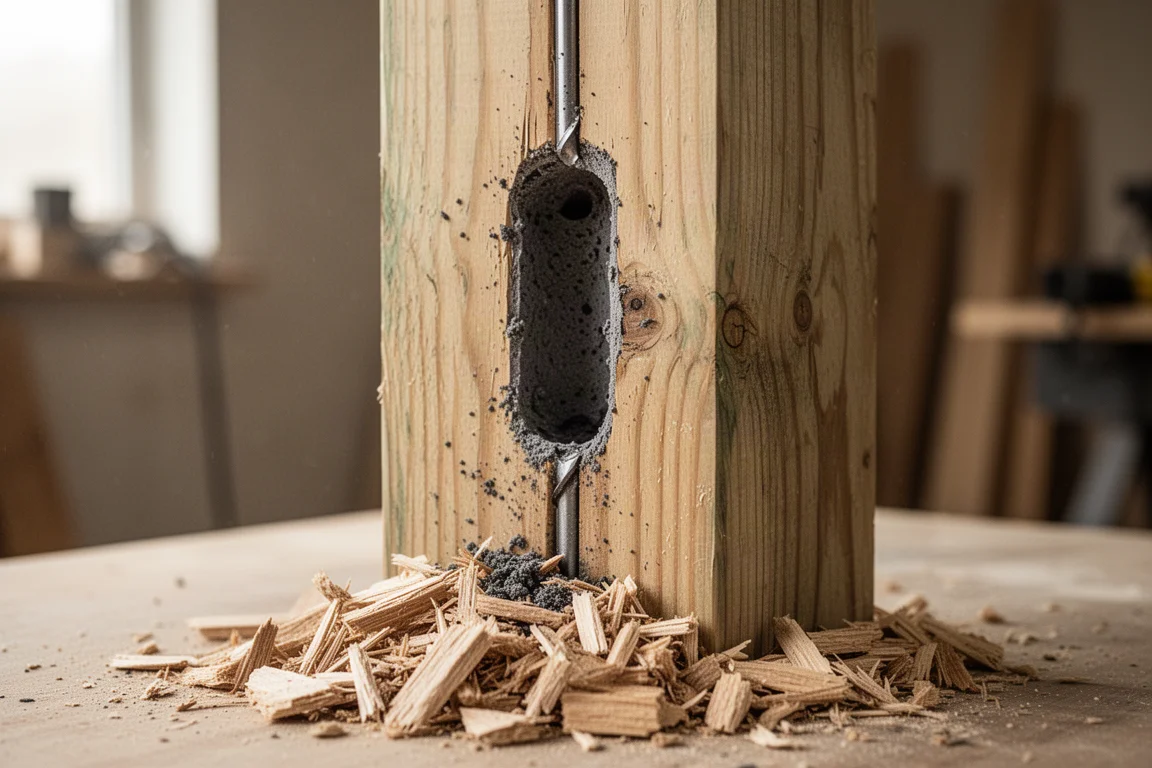
The most demanding test used a one-inch by eighteen-inch self-feeding auger bit in a six-by-six timber, with a side handle in place and a full battery. In speed one, the drill stalled and the chips had nowhere to go, leaving the hole roughly eleven and three-eighths inches deep. In speed two, the same drill stuttered through and reached thirteen and one-eighth inches.
The other drill, running its anti-kickback protection, repeatedly shut down before finishing the hole, apparently stopping to protect the user’s wrists. It produced a strange vibration near the end of each run and needed an extra trigger pull to reset. In this test, the deeper result went to the older generation.
Heat Under Load
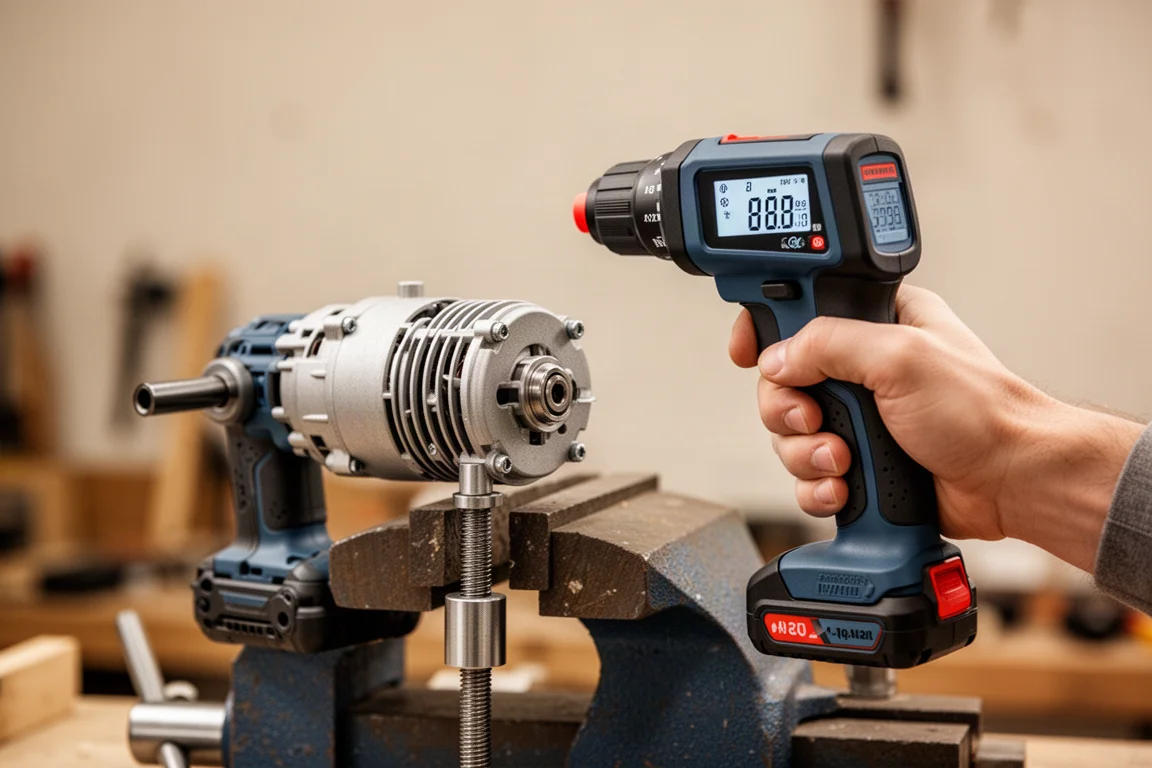
Temperature readings told another story. Infrared measurements taken at the battery, gear housing, and motor told a clear story. Gen 3 ran at roughly 90 degrees at the battery, around 92 to 93 at the gear housing, and about 104 near the motor. The other drill ran noticeably hotter: around 130 degrees at the motor, which was described as considerably hotter, and the difference was physically noticeable.
Which One Should You Buy?
There was very little margin for Milwaukee to improve on Gen 3, and the testing reflected that. Gen 4 brings some extra creature comforts and feels formidable with a full battery in speed two, but in these tests it underperformed Gen 3 on the hardest drilling work and ran considerably hotter. Trigger feel also split the testers, with a preference expressed for the Gen 3 trigger.
If you want the newest and latest, Gen 4 has its appeal. But if the previous generation is available, particularly as stock clears out, Gen 3 proved every bit as good in these tests and better in the most demanding one. Honest conclusion: the choice is genuinely difficult.
Conclusion
This comparison ended without a clean winner. The two drills performed almost identically on lag screws, split results on self-feed bits, and the older Gen 3 both drilled deeper in the auger test and ran cooler under load. If raw tested performance matters most to you, Gen 3 remains a very safe buy. If you simply want current-generation tooling, Gen 4 is capable and refined, just not clearly better here. Let the prices on the shelf make the final call.
Product link
View more details for Milwaukee M18 Gen 3 Hammer Drill
This product is mentioned in the review. Check the specifications, options, and compatibility before buying.
View more details for Milwaukee M18 Gen 3 Hammer DrillFurther reading
Related Reviews

Power Tools
Best 1-Inch Pistol Impact Wrenches: Three Heavy-Duty Options Compared
We compare three 1-inch pistol impact wrenches, from a budget-friendly Harbor Freight model to a premium Caterpillar unit, to help you choose the right one.

Power Tools
Best 3/4-Inch Impact Wrenches 2026: Five Contenders Compared
We compare five 3/4-inch impact wrenches across price and performance, from a budget Amazon option to Snap-on's most powerful model yet.

Power Tools
Best Budget Cordless Tools 2026: Walmart Finds That Punch Above Their Price
We tested five cordless tools from Walmart, including a high-torque impact wrench that trades blows with Milwaukee and a $35 duster that outperforms its price class.