Power Tools
Milwaukee M18 FVC 45L Review: A Battery-Powered Wet/Dry Vac Built for Job Sites
A big, powerful cordless wet/dry vac with strong suction and dust extraction chops, plus a few compromises to know before buying.
Introduction
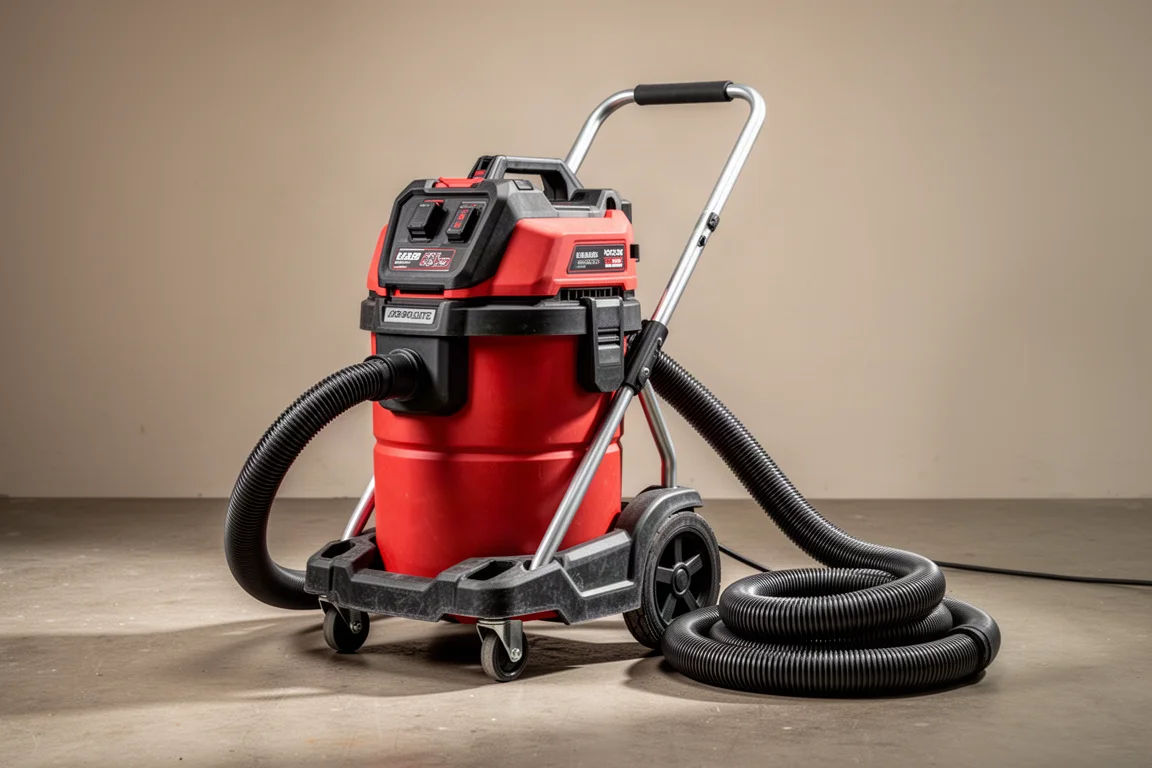
Big cordless vacuums for the workshop are still rare, and the Milwaukee M18 FVC 45L fills that space with confidence. It is an L-class wet/dry vac with a 45L tank, 30 and 90 litres per minute of suction air flow, and a hose that looks like it belongs on an industrial cleaner rather than a battery-powered tool. After extended use for dust extraction, heavy debris pickup, and even water removal, the picture is mostly positive with a few clear caveats.
Out of the Box: A Genuine Behemoth
This is a big unit, and the packaging makes that obvious immediately. The 45L tank base practically fills the entire box, and even with everything removed the vac dominates whatever floor space it is given. The included hose measures 2.7 metres long and 63mm in diameter (2.5 inches), and the two wands match that same wide diameter. The vacuum head is deliberately basic, essentially a large open hole, which makes sense when the goal is swallowing large debris in bulk rather than careful carpet cleaning. The crevice tool is, by a comfortable margin, the largest most people will have ever seen.
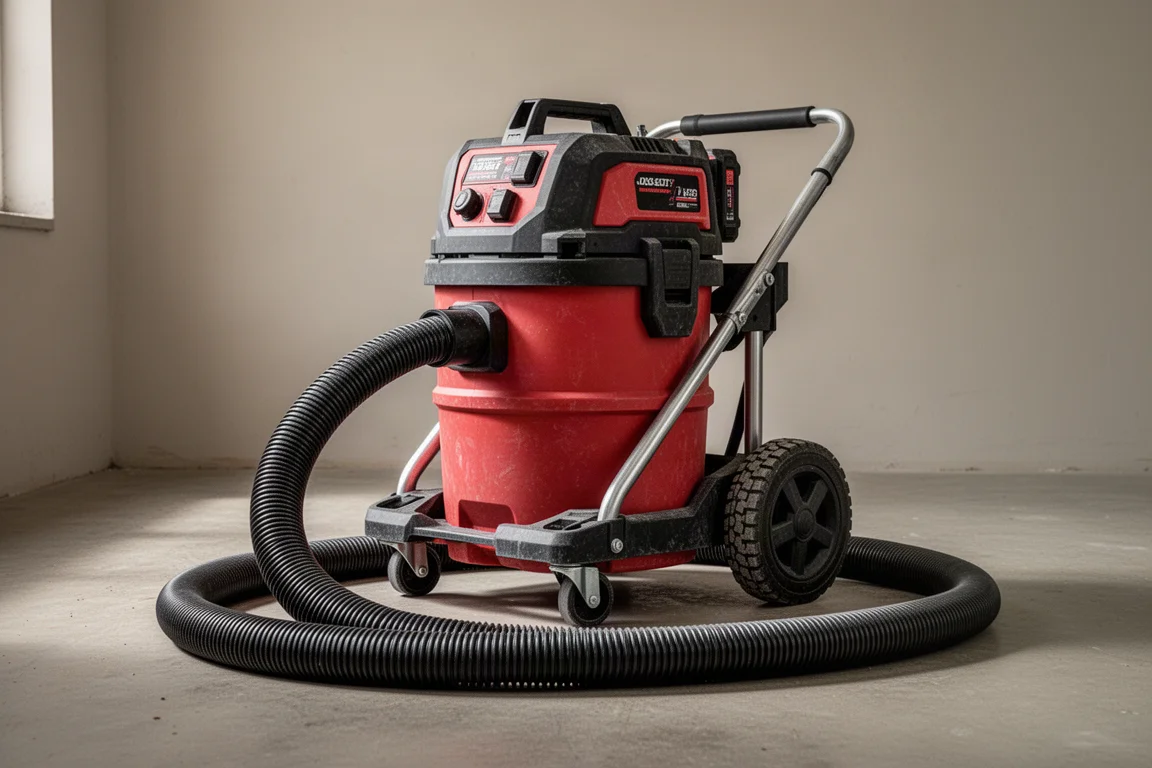
The cart is plastic at the base but feels solid, with steel arms for the telescoping handle, large rear wheels suited to stairs, and locking casters up front so the vac stays put. Mounting the vac is simple: slide it in until it clicks, press down and lift to release. Attachment storage on the cart is serviceable, though the hose connection pops off a little too easily when moving the unit around.
Accessories You Will Want to Buy Separately
The box promises a complete wet dry vacuuming solution, but in practice you need three more purchases to make that true. First, a wet foam filter: the manual instructs you to swap out the standard filter whenever you pick up liquids, so having one ready is essential for wet use. Second, filter bags, which prolong the life of the main filter, contain dust neatly, keep the surrounding air cleaner, and let you seal the whole mess straight into the bin. Third, a dust extraction kit if you want to hook the vac up to saws, planers, mitre saws, or a table saw. None of these are dealbreakers, but budget for them to get the full value out of the tool.
Dust Extraction Performance
Connected to a table saw at a 2mm depth of cut, the vacuum captured most debris, and crucially far less fine dust was left drifting around compared to running without it. Not every chunk got caught, as pieces that jumped ahead of the blade escaped, but no dust extraction ever catches everything, and the improvement was obvious.

One important warning emerged during testing: running the saw without the vac attached caused an instant jam, so this setup helps immensely. The trade-off is the hose itself. At this diameter it pulls on the saw a bit during cuts, and a narrower hose might be preferable if you plan to leave the vac permanently connected as a dust extractor.
Runtime and Battery Drain
On the highest setting with two freshly charged 12Ah batteries, runtime proved shorter than expected. One battery depleted completely while the other still showed two bars, and the age difference mattered: an older battery clearly no longer runs at full capacity, giving out well before the newer one. The depleted battery also stayed cool, sitting around the 28°C mark, so thermal management is not a concern.
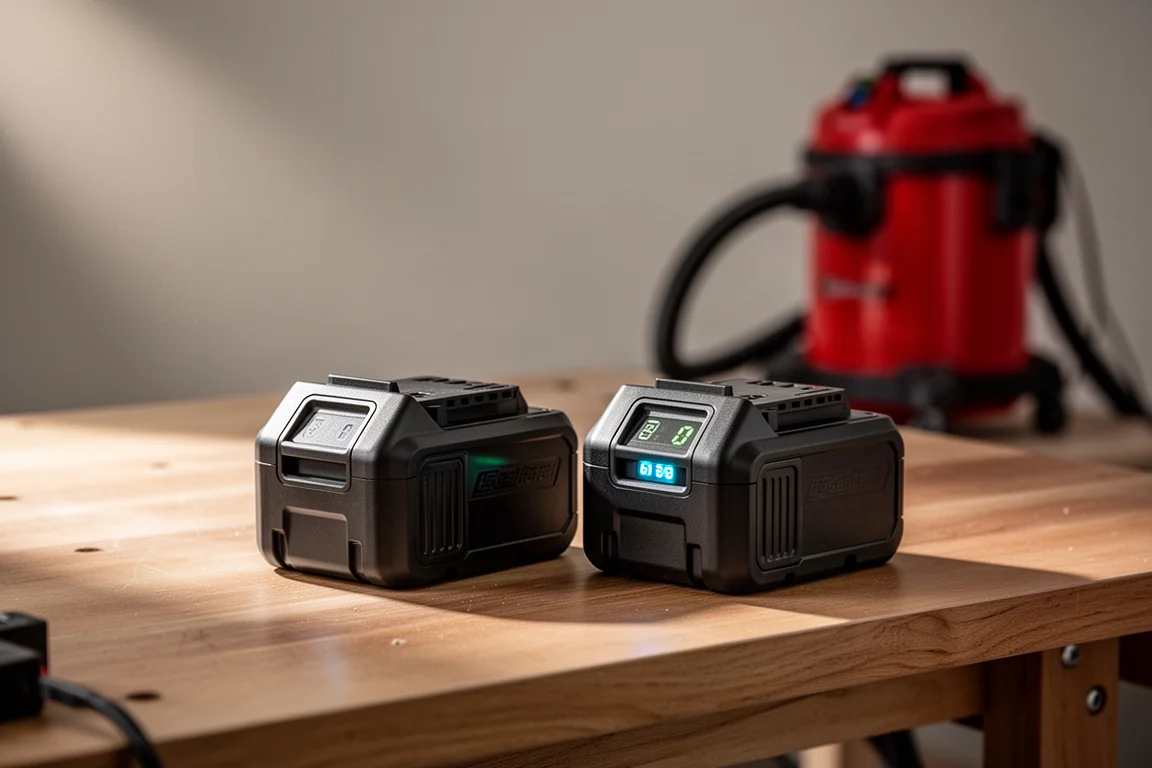
The practical takeaway is to own at least two 12Ah batteries for extended high-power use. For short cleaning bursts of a few minutes at a time, the batteries feel like they last considerably longer.
Suction Tests and Real-World Use
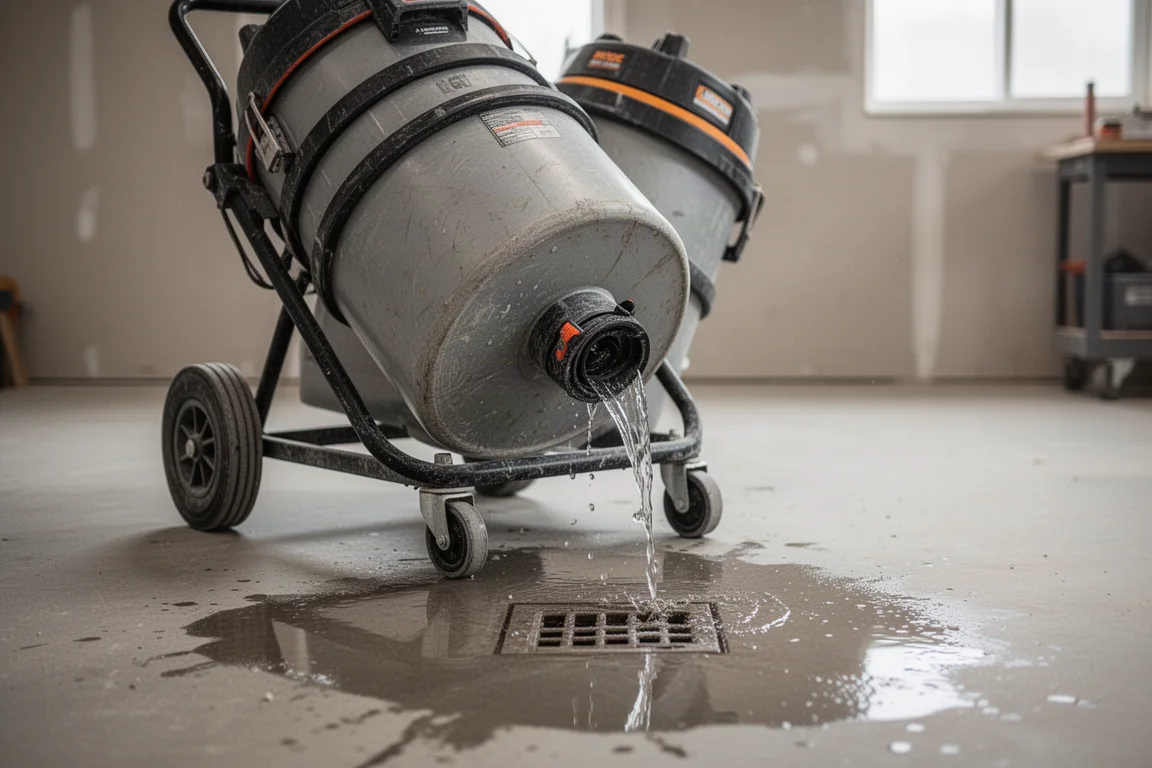
As a wet vac, it is genuinely quick. Removing the filter bag and dry filter, checking the float valve for dust or grime so it can properly block the motor from flooding, and fitting the wet foam filter took only moments, and a full 20L bucket of water vanished fast. Getting the last little bit out was tricky, but the overall pace was impressive. Emptying through the drain cap at the base is straightforward, though the handle feels flimsy with weight inside: 20kg of water is manageable, but 40L means 40 extra kilograms, and the handle and base flex more than they should, especially going upstairs.
A few care habits make ownership much easier. Dry the tank and hose after wet use, ideally by blowing air through the hose with a blower, since leftover water will make dry debris stick inside the coils. Water also reached the filter even with the tank less than half full, so always swap back to the dry filter before picking up dust again. The vac converts to a blower too: unplug the hose from the front, hook it to the rear port, and you can blow down a work site or clean off tools at the end of the day.
The suction test that says the most involved steel nuts from 6mm up to 20mm on a ladder rung. The 6, 8, 10, 12, and 16mm nuts vanished without hesitation. The 20mm nut needed a bit of a struggle to break loose, but once moving, it was gone, and every nut made it all the way into the canister. That is serious pull for a cordless machine.
Things to Consider Before Buying
As a vacuum it is good, with plenty of suck for what it is designed to do, but it is not an elegant household machine. The floor head is rough plastic with no brushes, and it scratches quickly. This is a tool for rough cleaning of job sites, garages, and workshops, and it is not designed for carpet.
The trolley is the weakest element. The base is acceptable, but the handle clicks in with a slightly loose feel, flexes under load, and struggles with heavy loads on anything but smooth flat ground. The hose connection also pops out too easily, and there are no PACKOUT-style attachment points on the cart, presumably because the handle would not cope with 30 to 40kg of stacked tools. There are strap areas for tying down the hose, which is a partial workaround.
Buying Advice
If your work involves job sites, garages, or workshop dust, this vac delivers: strong suction, capable water pickup, useful blower mode, and genuine dust extraction benefit. Buy at least two 12Ah batteries, add the wet foam filter, filter bags, and a dust extraction kit to unlock everything, and accept that the trolley handle is the one part that feels beneath the rest of the package. For anyone comparing vacuums across brands, remember that manufacturer suction numbers use different measurement methods in different countries, so real-world pickup like the nut test is a more honest guide.
Conclusion
The Milwaukee M18 FVC 45L is a capable, powerful, and genuinely cordless wet/dry vac for serious workshop and job site use. Its suction, water handling, and blower versatility outweigh its clunky floor head and flexy trolley handle, as long as you go in knowing it is built for bulk rough cleaning rather than gentle domestic work.
Product link
View more details for Milwaukee M18 FVC 45L
This product is mentioned in the review. Check the specifications, options, and compatibility before buying.
View more details for Milwaukee M18 FVC 45LFurther reading
Related Reviews

Power Tools
Best 1-Inch Pistol Impact Wrenches: Three Heavy-Duty Options Compared
We compare three 1-inch pistol impact wrenches, from a budget-friendly Harbor Freight model to a premium Caterpillar unit, to help you choose the right one.

Power Tools
Best 3/4-Inch Impact Wrenches 2026: Five Contenders Compared
We compare five 3/4-inch impact wrenches across price and performance, from a budget Amazon option to Snap-on's most powerful model yet.

Power Tools
Best Budget Cordless Tools 2026: Walmart Finds That Punch Above Their Price
We tested five cordless tools from Walmart, including a high-torque impact wrench that trades blows with Milwaukee and a $35 duster that outperforms its price class.