Power Tools
Milwaukee M18 Fuel vs DeWalt DCD1007: Hammer Drill Head-to-Head
Two flagship hammer drills go head-to-head in speed, torque, and value. We compare the Milwaukee M18 Fuel 2904 and DeWalt DCD1007 across four real-world tests.
Introduction
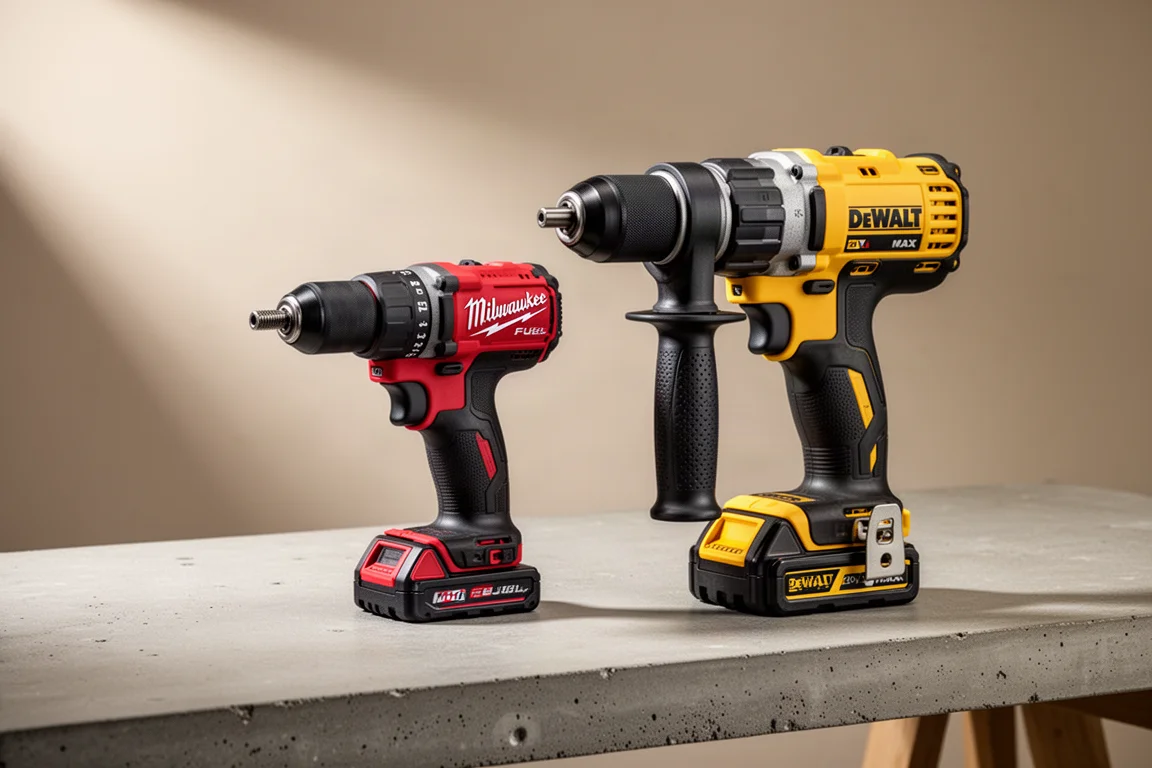
Choosing between two flagship hammer drills from Milwaukee and DeWalt is rarely easy. Both tools sit at the top of their respective lineups, and both promise the kind of power that professionals rely on daily. This comparison puts the Milwaukee M18 Fuel 2904 and the DeWalt DCD1007 through a series of practical tests to see which one comes out ahead in real-world use.
The Milwaukee M18 Fuel 2904 is the flagship hammer drill in the M18 Fuel battery system. It features a two-speed gearbox, a top speed of 2,100 RPM, a maximum torque of 1,400 inch-pounds, and a hammer rate of 38,250 BPM. It is compact at 7 inches in length and weighs only 3.23 pounds without a battery. For testing, it was paired with an M18 Red Lithium Forge XC 8.0Ah battery.
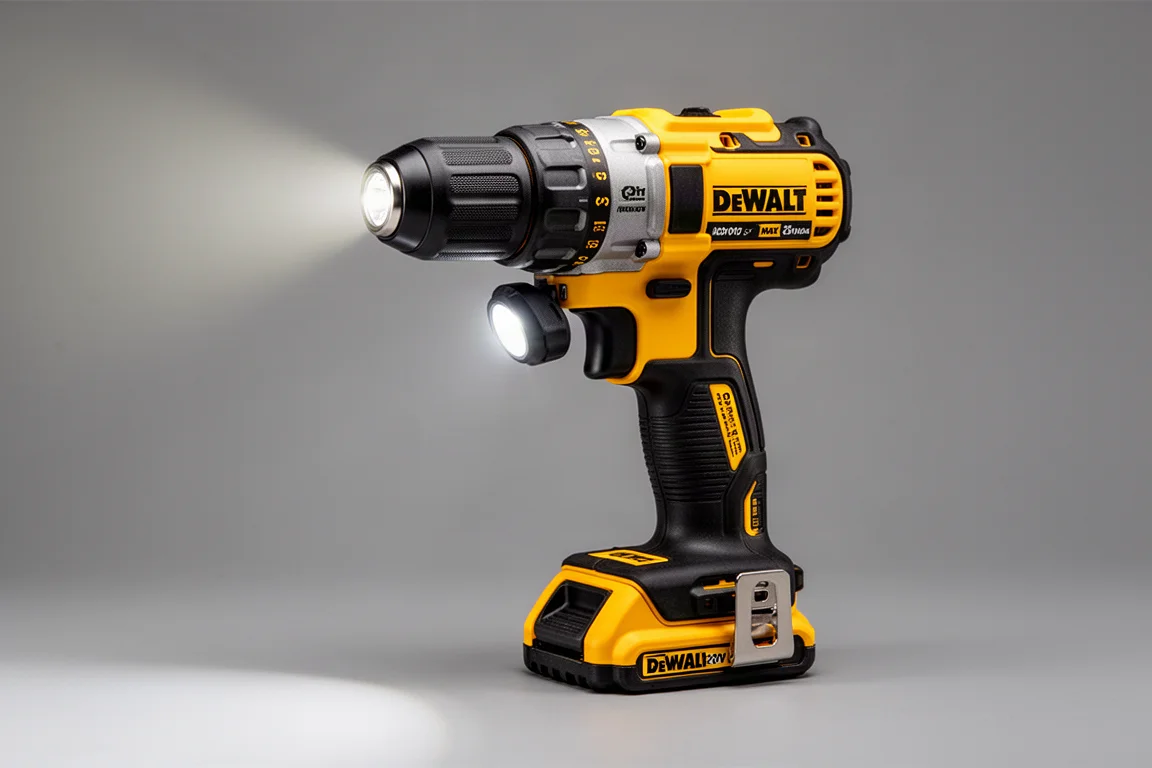
The DeWalt DCD1007 is the flagship model in the 20V Max system. It features a three-speed transmission, spins up to 2,000 RPM for drilling, and jumps to 2,250 RPM in hammer mode. It delivers 1,496 inch-pounds of torque. The DCD1007 has a slightly larger body at 7.5 inches and a bare tool weight of 4.16 pounds. It was powered by a 20V Max Power Stack 8.0Ah battery.
The Contenders
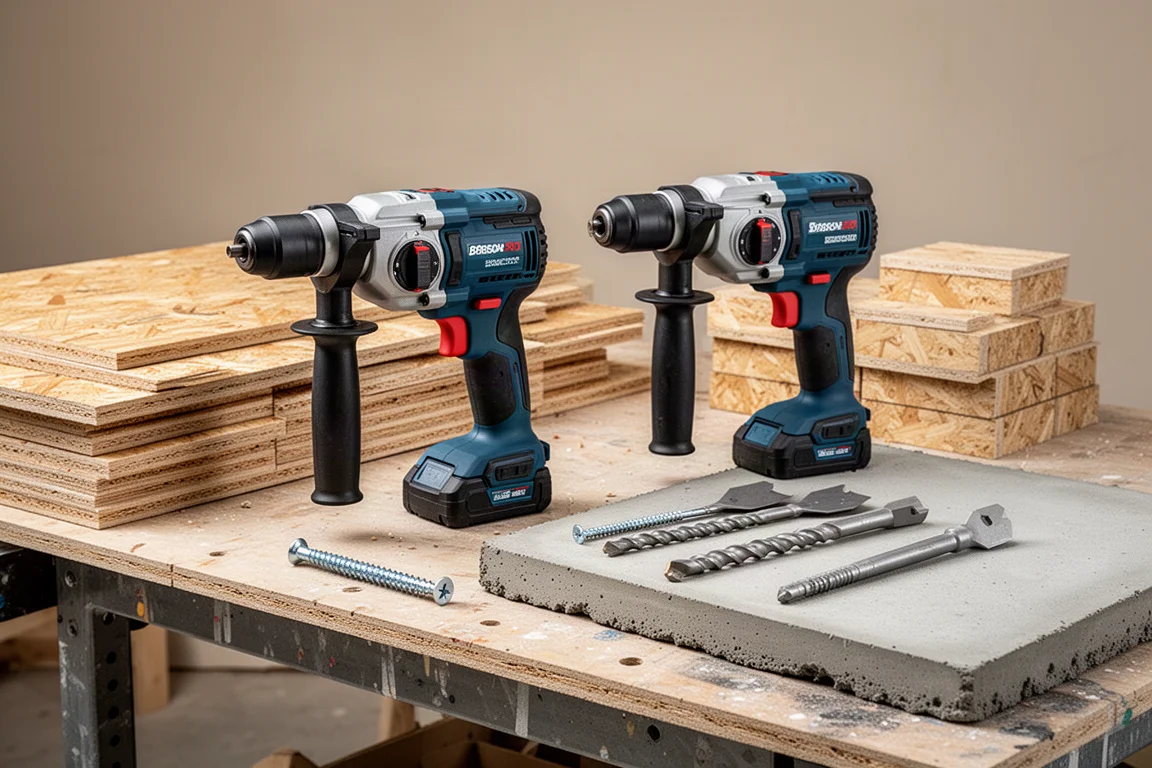
Both drills were tested across a gauntlet of four applications designed to push them to their limits. The tests covered speed with large structural screws, boring with self-feed spade bits, heavy-duty rough-in work, and concrete drilling. Each test was run three times, and the average time was recorded.
Test 1: Structural Screw Speed
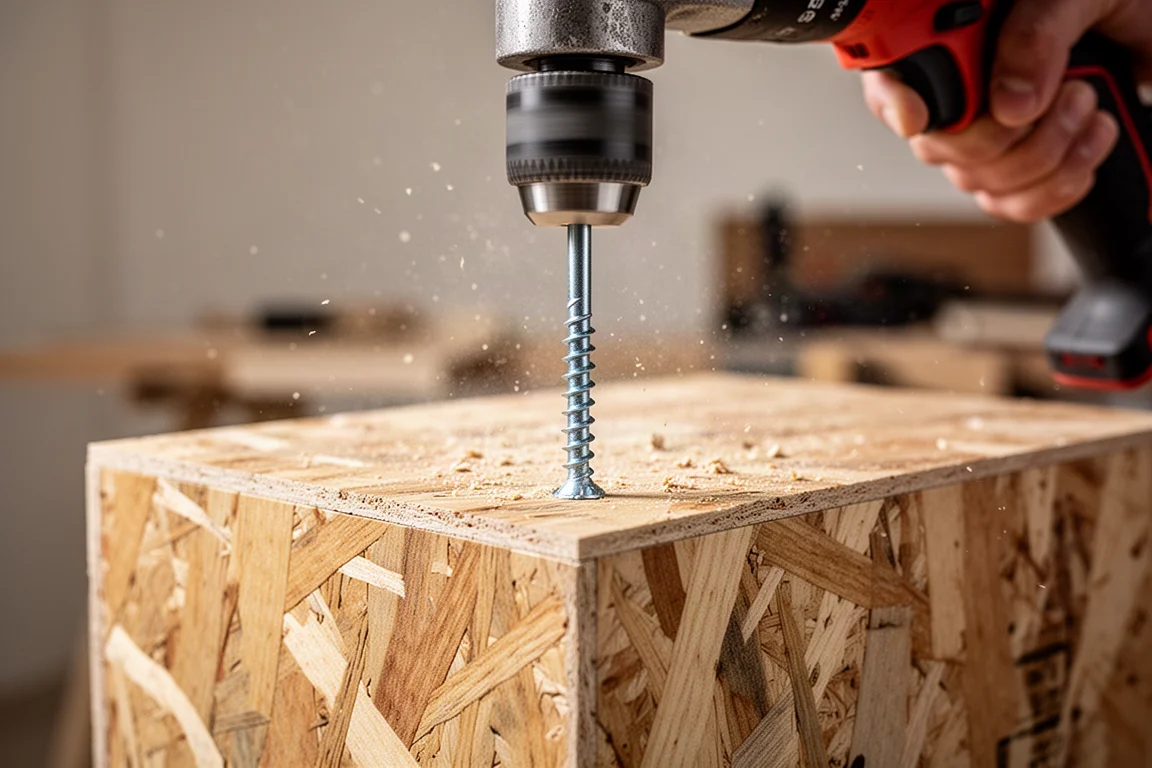
The first test measured each drill’s ability to drive a large structural screw. An 8-inch by 3/8-inch RSS screw was driven flush into a stacked and glued OSB subfloor solid wood block, in high gear.
The total average time spread between the two drills was just 0.7 seconds. The DeWalt took the lead with an average time of 2.42 seconds, while the Milwaukee finished at 2.49 seconds.
Test 2: Self-Feed Spade Bit Boring
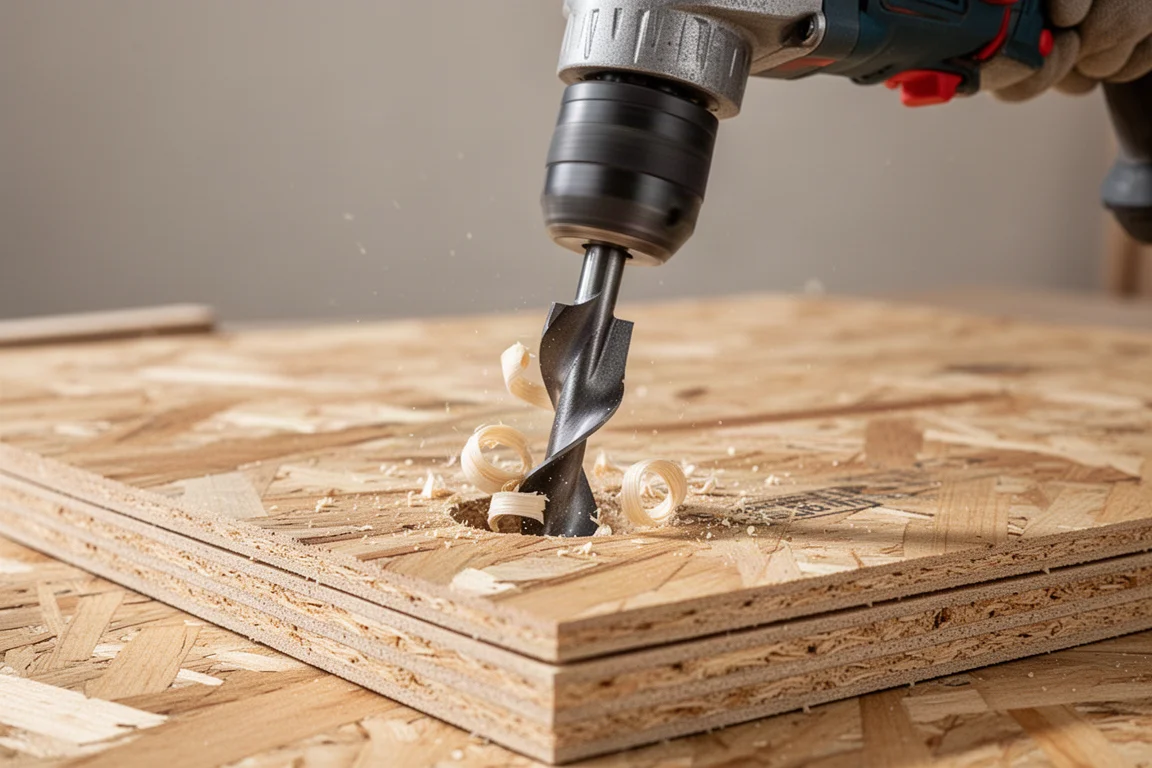
The second test used a 1-inch self-feed spade bit to bore through 4 inches of stacked and glued OSB subfloor, testing the medium-low capacity of each drill. Both drills were set in high speed.
This was the closest test of the entire comparison. The DeWalt averaged 2.55 seconds, but it was not enough to beat the Milwaukee’s 2.54 seconds. That is just one-tenth of a second separating the two tools.
Test 3: Heavy-Duty Rough-In
The third test pushed both drills into a heavy-duty rough-in application. A 2-9/16-inch self-feed bit was used to punch through 2x4 studs. Given the torque of these drills, both were used in high gear.
This test exposed a more obvious difference between the two top performers. The DeWalt was the fastest at 1.73 seconds, with the Milwaukee finishing at 1.89 seconds, a separation of 0.16 seconds.
Test 4: Concrete Drilling
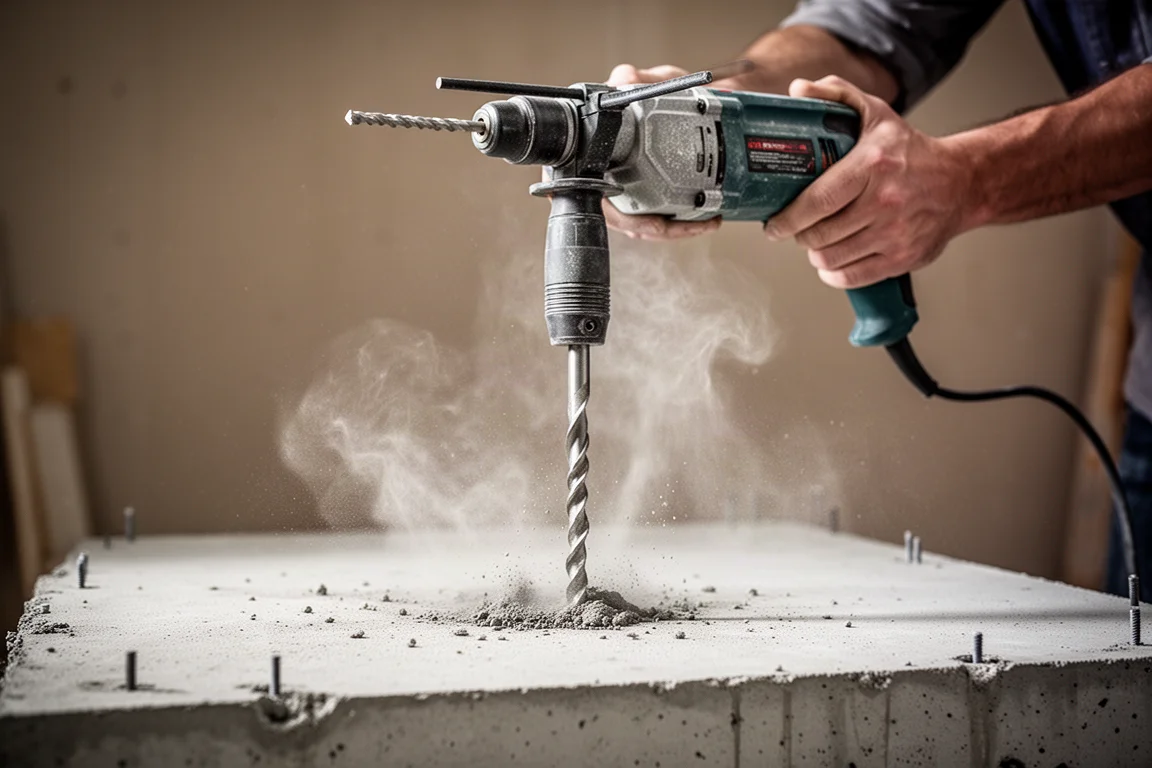
Since both tools are hammer drills, the testing ended with concrete drilling. A 3/8-inch concrete bit was drilled 3 inches deep into cured 4,000 PSI concrete, in high gear.
The DeWalt crushed this test with an average time of 6.39 seconds, besting the Milwaukee’s 6.84 seconds. That is a 0.45-second difference between the two tools.
Price and Value
Price is another key factor in determining which tool to buy. The DeWalt DCD1007 can be found at Acme Tools, Home Depot, and other retailers. It goes for $249 as a bare tool, or in kit form for $349 with an 8.0Ah Power Stack battery and a charger. In our view, it is not only one of the most powerful hammer drills out there, it is also one of the best values for pros.
The Milwaukee 2904 runs for about $229 as a bare tool and $329 as a kit with two 5.0Ah batteries and a charger.
Overall Results
Looking at all four tests, the DeWalt DCD1007 was the quickest in three of the four. It excels overall in speed and power. The Milwaukee 2904 did outperform the DeWalt in one test, but the reality is that the time difference between these two powerhouses is less than half a second in most cases, making either one an absolutely good choice.
Buying Advice
If raw speed and power are your top priorities, the DeWalt DCD1007 has a slight edge in most tests. It also offers a three-speed transmission for more control across different applications. If you prefer a more compact and lighter tool, the Milwaukee M18 Fuel 2904 is easier to handle in tight spaces and weighs nearly a pound less without a battery.
Both drills are backed by strong battery ecosystems, so your choice may also come down to which platform you already own. If you are already invested in M18 batteries, the Milwaukee is the natural pick. If you are on the 20V Max platform, the DeWalt is the obvious choice.
Conclusion
The Milwaukee M18 Fuel 2904 and DeWalt DCD1007 are both exceptional hammer drills. The DeWalt edged ahead in three of four speed tests, but the margins were razor-thin. The Milwaukee offers a lighter, more compact body that many users will appreciate. Either tool will serve a professional well, and the final decision often comes down to battery platform preference and price.
Further reading
Related Reviews
Power Tools
Best 1-Inch Pistol Impact Wrenches: Three Heavy-Duty Options Compared
We compare three 1-inch pistol impact wrenches, from a budget-friendly Harbor Freight model to a premium Caterpillar unit, to help you choose the right one.
Power Tools
Best 3/4-Inch Impact Wrenches 2026: Five Contenders Compared
We compare five 3/4-inch impact wrenches across price and performance, from a budget Amazon option to Snap-on's most powerful model yet.
Power Tools
Best Budget Cordless Tools 2026: Walmart Finds That Punch Above Their Price
We tested five cordless tools from Walmart, including a high-torque impact wrench that trades blows with Milwaukee and a $35 duster that outperforms its price class.