Power Tools
Milwaukee M18 Fuel Nexus Vacuum System Review: Three Modules, One Debris Management Platform
Milwaukee's Nexus cordless wet/dry vacuum system pairs a strong brushless core with a debris separator and filter cleaner. We break down what each module actually does and which one you need.
Introduction
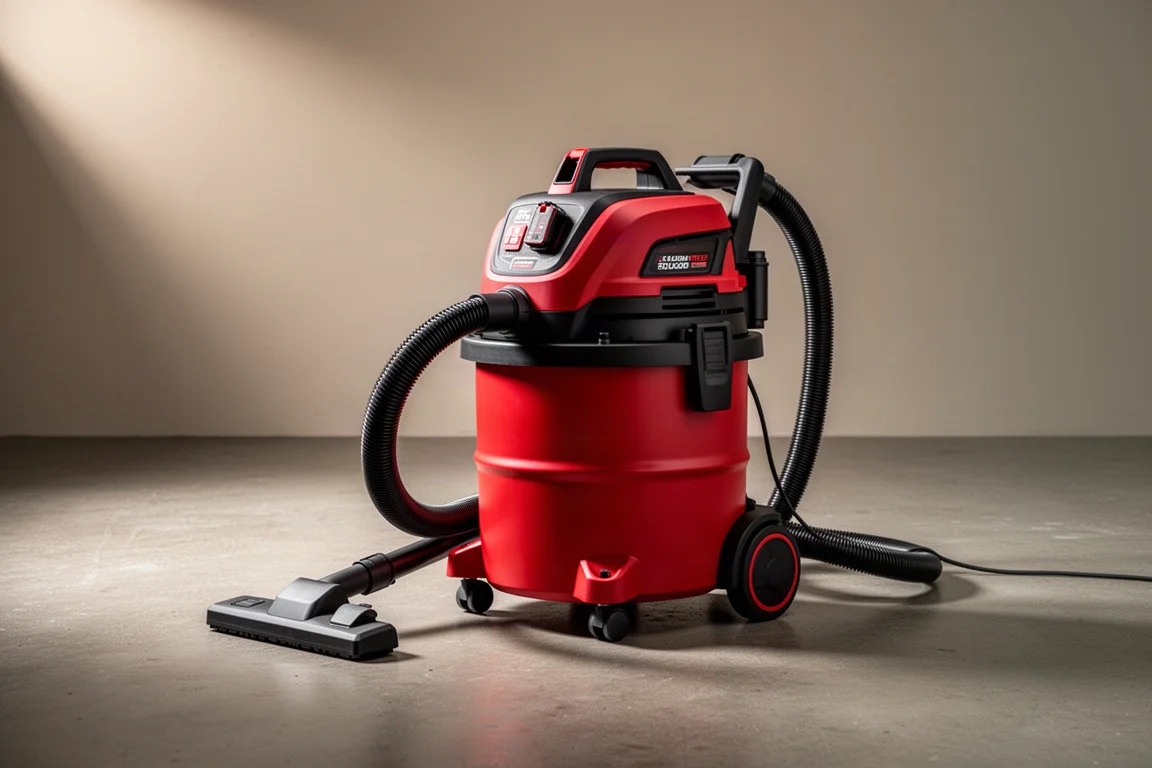
Cordless tools have rewritten the rules of how jobsites work, but vacuums have always been the weak link. Weak suction, clogged filters, and batteries dying halfway through cleanup are familiar complaints for anyone who has tried to keep a workspace tidy with battery power. Milwaukee’s new Nexus cordless vacuum system aims to fix those problems, not simply by adding more power, but by treating debris handling as a system rather than a single tool.
This post covers the three core pieces of that system: the M18 Fuel Nexus 6 Gallon Wet/Dry Vacuum (model 091420), the Nexus Debris Separator (099020), and the Nexus Filter Cleaner (099120), including how each performs with a real two-pound debris test.
What Makes Nexus Different
The Nexus system is best understood as a modular debris management platform rather than just a cordless vacuum. The M18 Fuel Nexus 6 Gallon wet/dry vacuum is the heart of the lineup and works fully on its own. Around it, Milwaukee offers a dedicated debris separator designed to improve debris handling, and a dedicated filter cleaner designed to maintain high filter performance over time.
The core vacuum itself is well equipped: an M18 Fuel brushless motor for strong suction, PACKOUT compatibility on top for tool storage, a connection port for linking system components, an on/off control at the end of the hose, and full wet/dry capability. The 6 gallon model tested here is just one option; 9 and 12 gallon tanks are also available.
One design decision surprises people at first: the modules do not stack together into an all-in-one configuration. Milwaukee has deliberately engineered them so the debris separator, HEPA filter, and filter cleaner each attach in only their intended arrangement. This forces you to prioritize the task at hand, which makes sense once you understand what each module is for.
The Core Vacuum: Strong Suction With a Pacing Problem
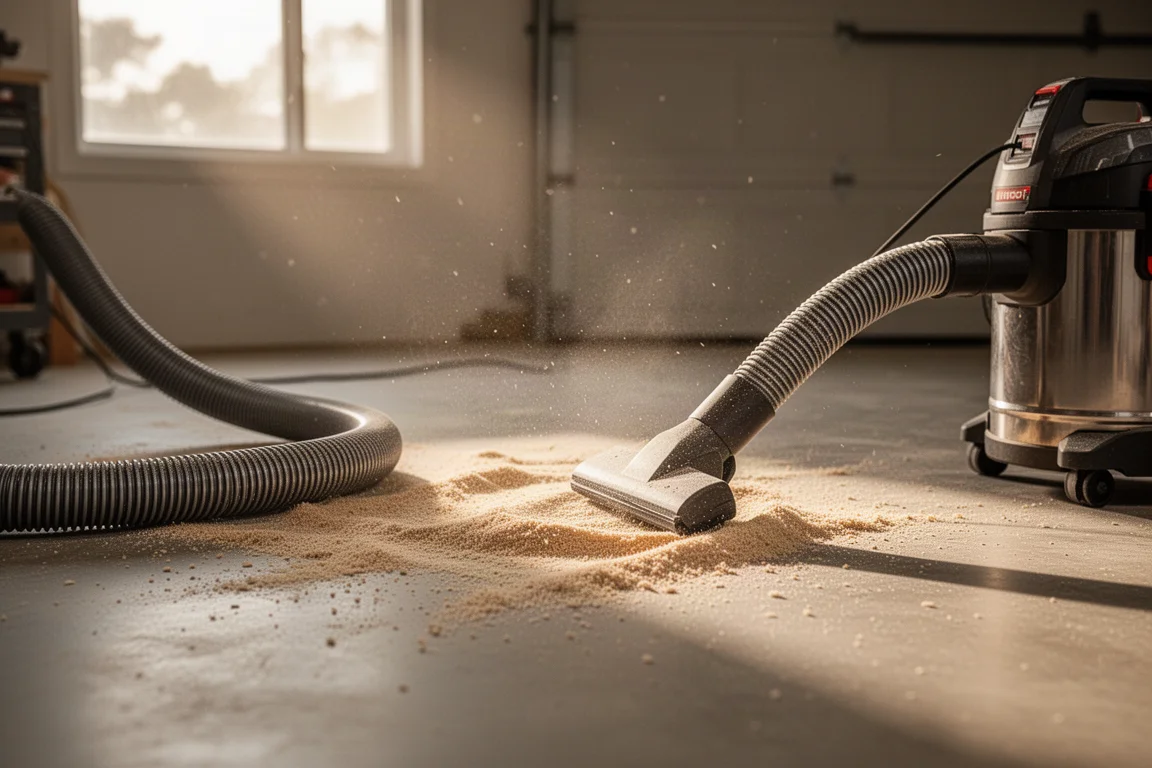
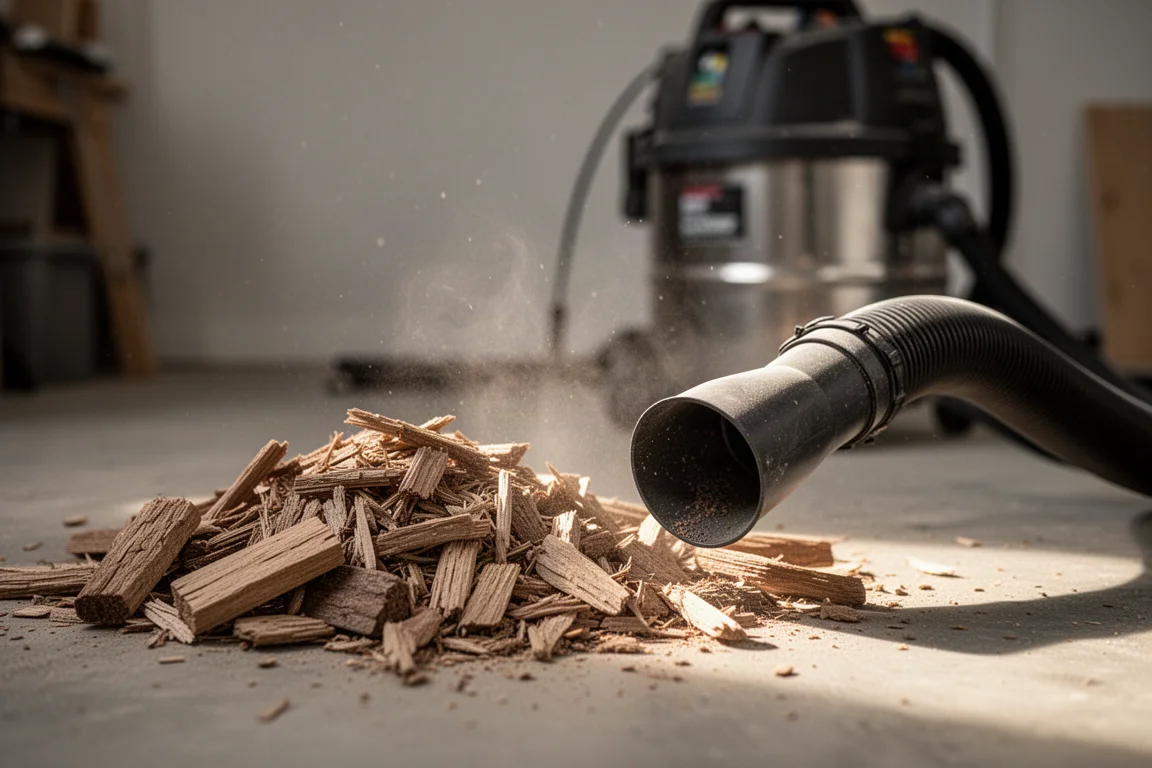
On its own, the 091420 does not feel like a typical portable vacuum. Suction is genuinely strong, so strong that it is optimized for dust extraction when using the smaller included hose. In testing with two pounds of wood chips, it picked up the material exactly as expected with more than sufficient suction, finishing in roughly a minute and a half.
There is one pacing trick worth learning early. On high mode, the vacuum clogged quickly when picking up large volumes of sawdust. Switching to low mode let it handle those larger volumes effectively. The lesson: match the mode to the material, and the core vacuum performs well.
The trade-off shows up at the filter. In the two-pound test, the core vacuum alone left about 1.4 ounces of dust trapped in the filter, which is the amount of maintenance you can expect if you stop here.
The Debris Separator: Where the System Earns Its Keep
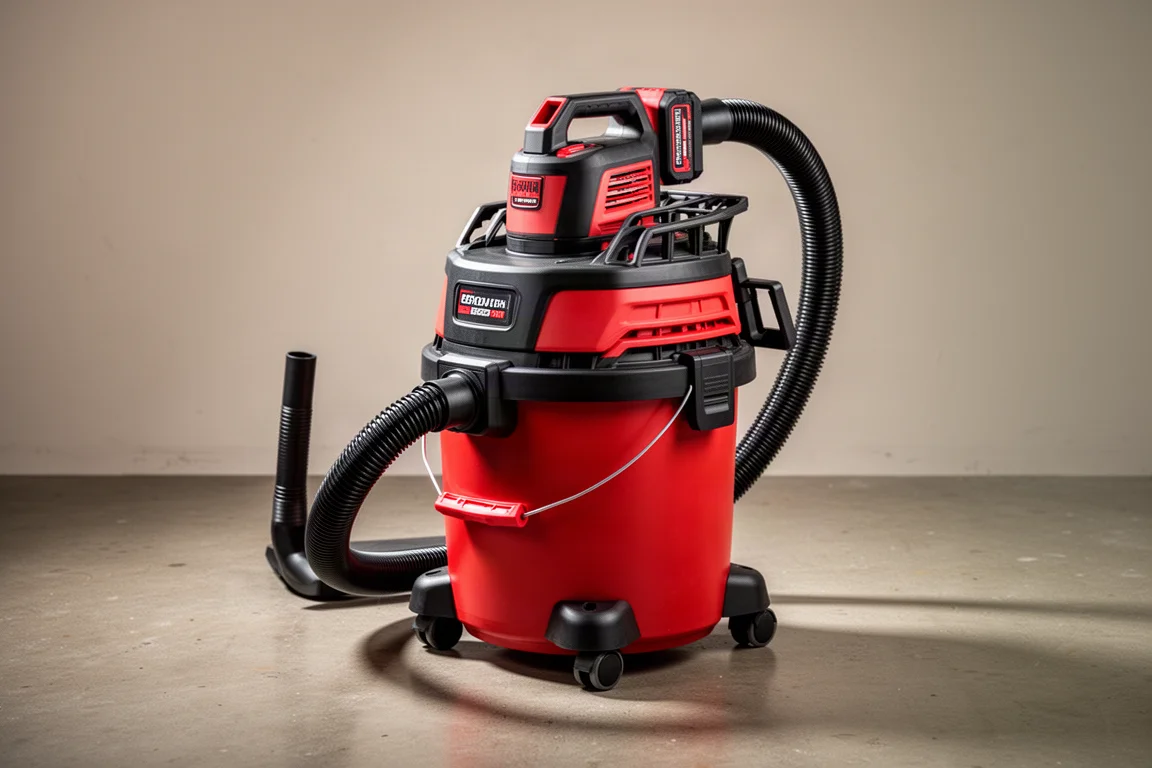
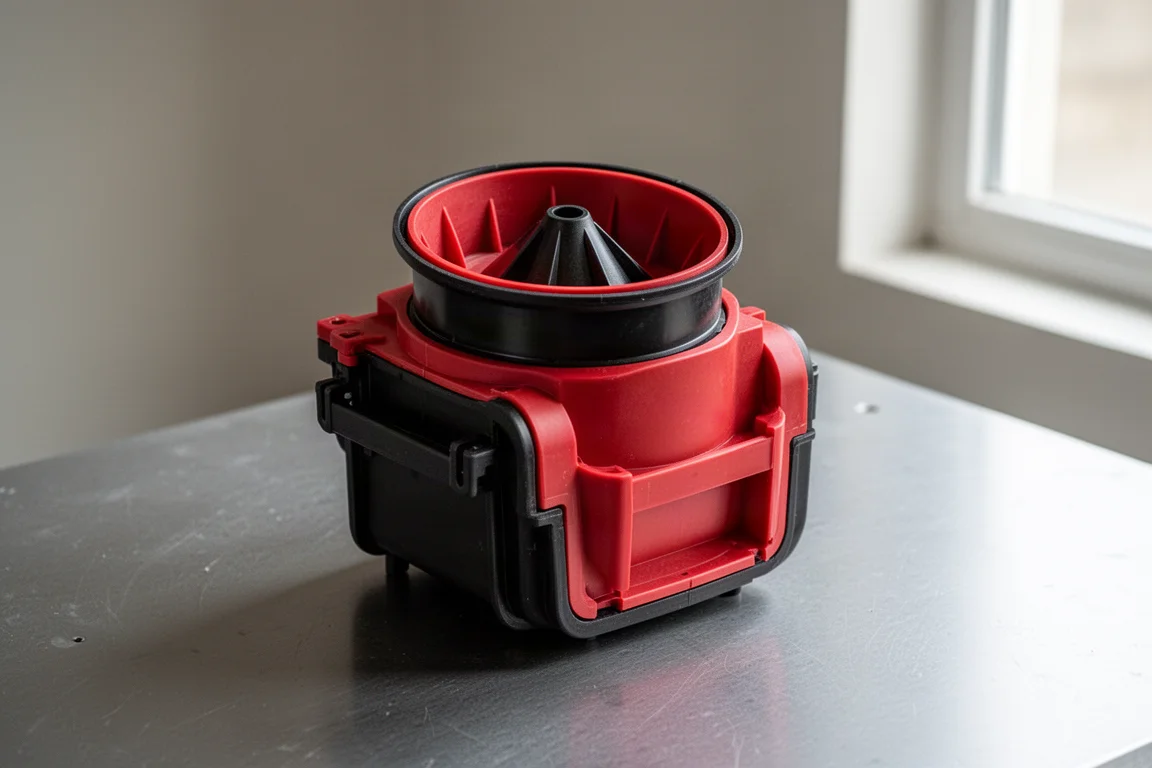
Filter clogging is the biggest performance killer of any vacuum, cordless or corded. The Nexus debris separator attacks that problem directly by sitting between the power head and the bottom tank, capturing large debris and heavier dust before it reaches the main filter. The result is suction that stays stronger for longer and dramatically increased intervals between filter cleanings.
In testing, the difference was obvious. Using the same two pounds of sawdust with the same filter, suction felt unchanged, but opening the vacuum told the real story. The debris shield stopped most of the larger material and dropped it into the bottom bin, leaving less than one tenth of an ounce on the filter. For efficiency-focused work with mixed debris, this module clearly performed the best.
The Filter Cleaner: Pulse Cleaning Without Stopping Work
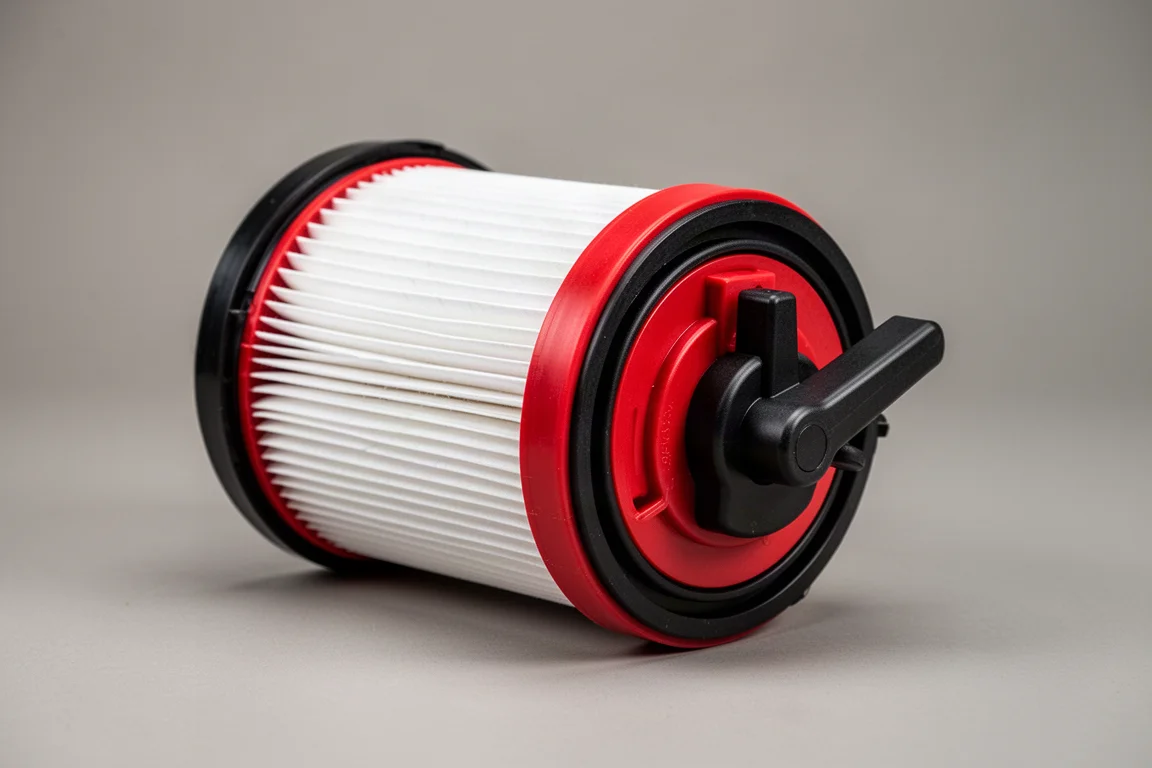
The filter cleaner is the most system-specific piece. Instead of removing the filter and cleaning it manually, this module installs directly into the Nexus vacuum and pulses airflow internally to knock debris out of the filter, restoring airflow without stopping work. You simply monitor vacuum performance and activate the filter cleaning levers as needed.
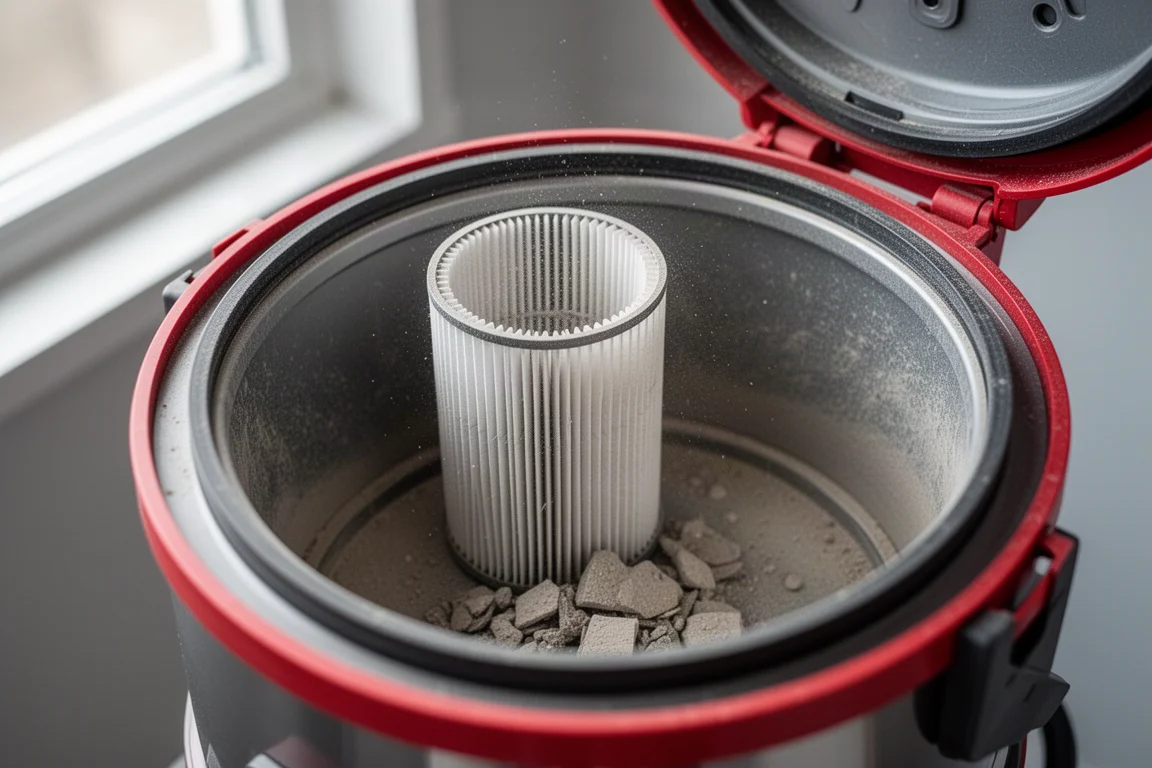
This configuration uses a HEPA compliant filter, which makes it the right choice for drywall dust and concrete dust, where fine filtration matters more than maximum airflow. In the two-pound test, the filter cleaner configuration held only about 0.8 ounces of material on the filter. That is more than the separator setup, as expected, since the HEPA filter is a much finer filtering layer.
Buying Advice: Match the Module to the Job
Pickup speed was nearly identical across all configurations, at roughly a minute and a half for two pounds of debris. That means the modules are not about raw speed; they are about how much dust ends up in your filter and how often you have to service it.
- Working with larger debris mixed with dust? The debris separator makes the most sense.
- Cutting drywall or grinding concrete? The HEPA filter cleaner configuration is the one to choose.
- Just need solid cordless pickup? The core vacuum alone is capable, but expect more frequent filter tapping.
A few practical notes before you buy. For larger debris, you will really want the 2.5 inch hose (model 49-90-2006, around $70) for best results; the included smaller hose will not do that job well. There is no hybrid corded option on this model. And if you buy more than just the base vacuum, total system costs add up quickly, because the best performance requires buying into the full system.
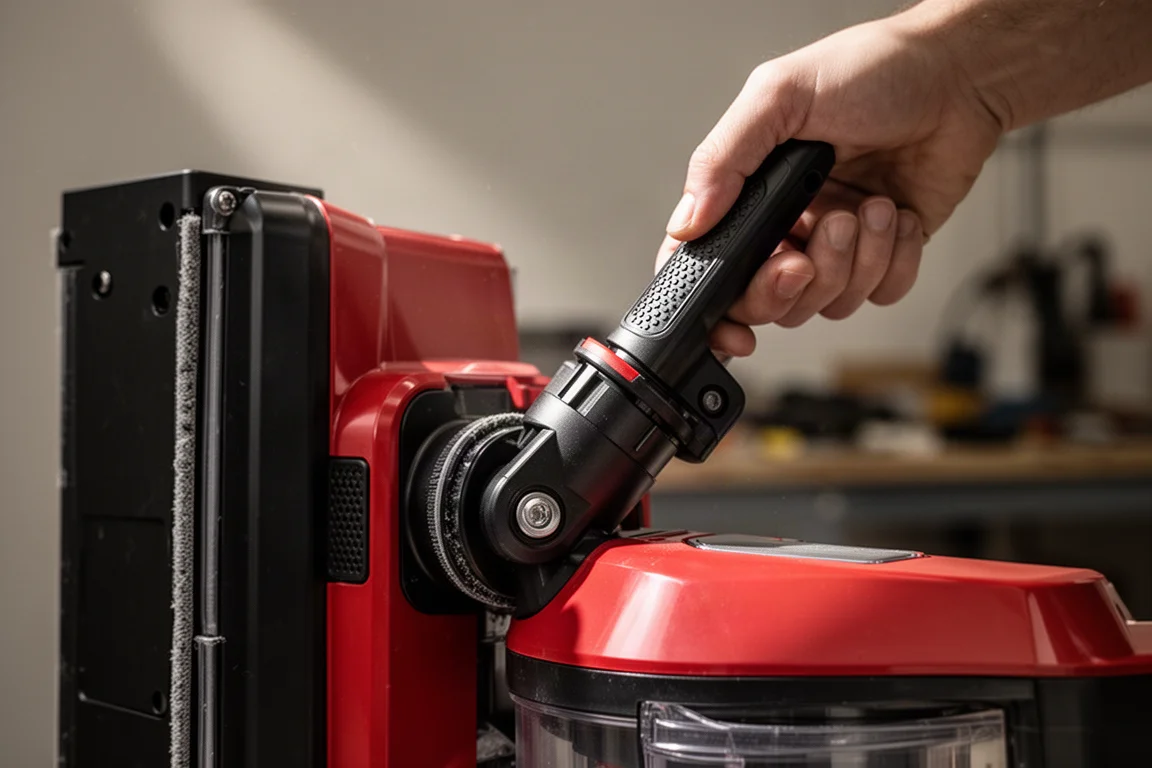
Pricing is worth planning around: the base 6 gallon model retails for $349, the debris separator sells for $99, and the dedicated filter cleaner unit sells for $149. Milwaukee also offers dual battery and 120 volt corded versions of the Nexus if you want a true shop vac experience, along with multiple tank sizes and additional accessories sold separately. Experience suggests this system would benefit from being a dual battery hybrid vacuum, so consider those variants if corded or extended runtime flexibility matters to you.
Conclusion
The Milwaukee Nexus system is a solid attempt at a more customizable vacuum solution. The core vacuum delivers strong cordless suction, the debris separator leaves the filter nearly dust-free, and the filter cleaner keeps a HEPA filter flowing during fine dust work. None of the modules stack together, which sounds like a limitation but actually keeps each configuration honest about what it is for. If you match the module to the material, the system delivers exactly what it promises.
Further reading
Related Reviews
Power Tools
Best 1-Inch Pistol Impact Wrenches: Three Heavy-Duty Options Compared
We compare three 1-inch pistol impact wrenches, from a budget-friendly Harbor Freight model to a premium Caterpillar unit, to help you choose the right one.
Power Tools
Best 3/4-Inch Impact Wrenches 2026: Five Contenders Compared
We compare five 3/4-inch impact wrenches across price and performance, from a budget Amazon option to Snap-on's most powerful model yet.
Power Tools
Best Budget Cordless Tools 2026: Walmart Finds That Punch Above Their Price
We tested five cordless tools from Walmart, including a high-torque impact wrench that trades blows with Milwaukee and a $35 duster that outperforms its price class.