Power Tools
Milwaukee M18 Fuel High Torque Impact Wrenches: New Model vs Predecessor
We compare the latest M18 Fuel high torque impact wrench with the friction ring against its pin detent predecessor on power, weight, lighting, and everyday driving performance.
Introduction
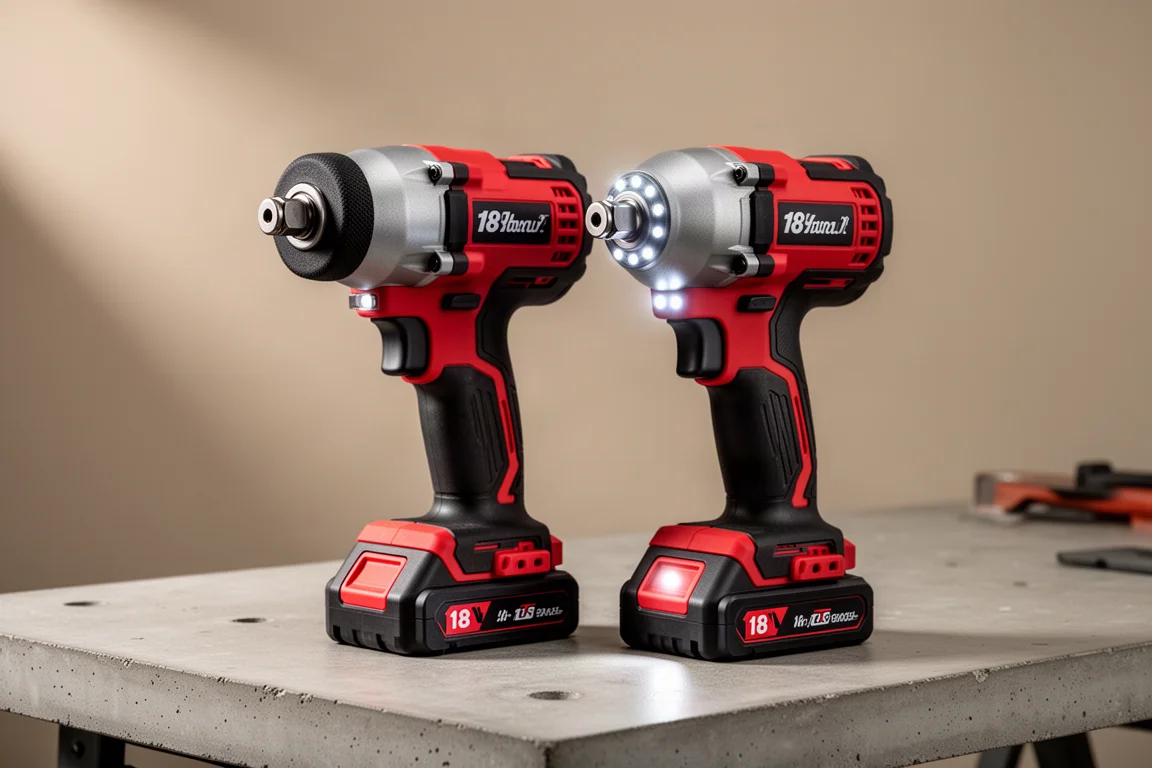
Milwaukee has refreshed its M18 Fuel high torque impact wrench line, and the new generation brings more torque, more speed, and a handful of practical refinements over the previous model. We took both the new friction ring version and its pin detent predecessor out of the box, compared the numbers, and put them to work driving large coach bolts and lag screws into timber rather than chasing laboratory torque figures.
If you are deciding between the two, the differences matter more than the marketing suggests. Socket retention, lighting, vibration dampening, and nut removal behavior all change between generations.
Specs: New vs Old
The naming tells you most of what you need to know. M18 is the 18V platform, F stands for Fuel, H for high torque, I for impact, and W for wrench. The number two marks this as the second generation, and the final letter tells you the retention style: F for friction ring, P for pin detent.
With a 6.0Ah Forge battery, the new friction ring model claims 1,627 Nm of fastening torque and a nut busting figure of 2,700 Nm, or around 1,600 ft-lb. The older pin detent model manages 1,354 Nm of fastening torque with a nut busting rating of 1,897 Nm. Speeds have improved too: the new model reaches 2,000 RPM maximum against 1,800 RPM on the old one, while both hit 2,400 IPM. On the bench scale, the new unit with a Forge battery weighs 3.64 kg, about 165 grams more than the previous tool at 3.475 kg. More punch, slightly more weight. The new wrench is also a little shorter overall, though it stands slightly taller.
Lighting and Vibration Dampening
Two refinements stand out in daily use. First, the base of the new model uses a black insert with rubber dampers that let the battery’s internal assembly move slightly, absorbing vibration so the pack does not get shaken loose during heavy driving. It is a small detail that protects both the tool and your grip over a long session.
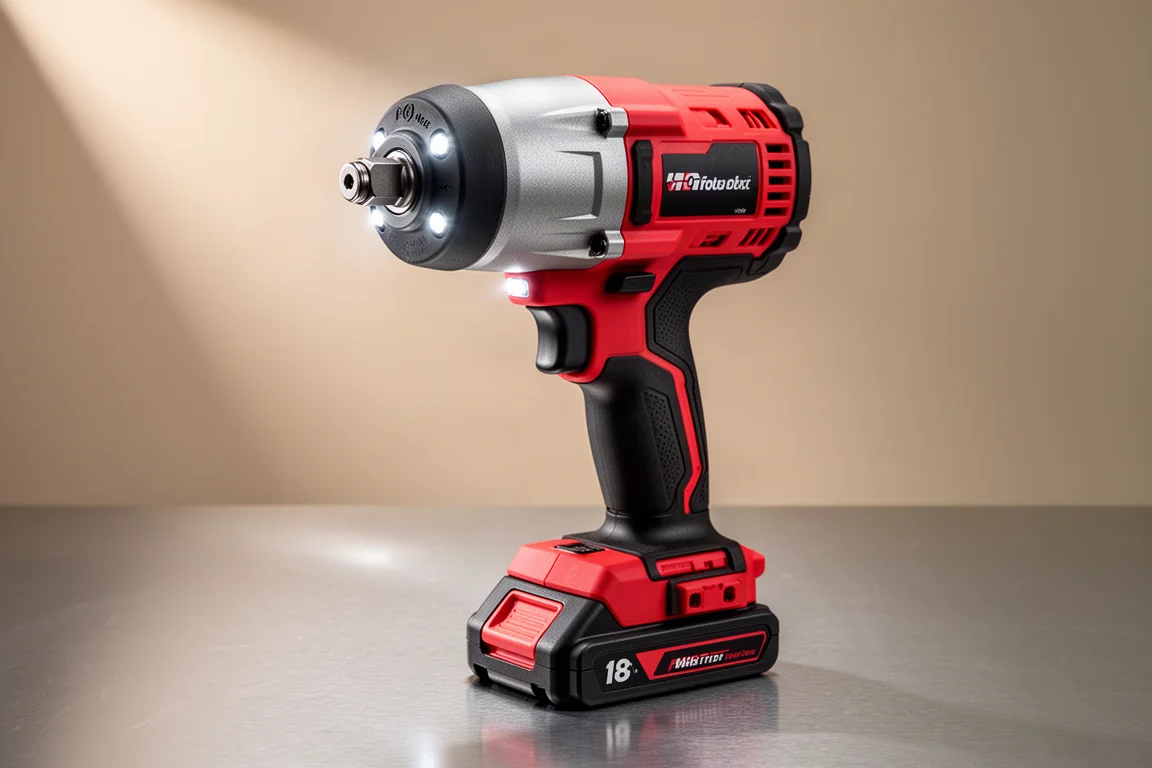
Second, and more visibly, the lighting has moved. The old model carried a single LED down near the base, which lit the bottom of the fastener while leaving the top of the socket in shadow. The new model has three LEDs positioned around the driving mechanism itself, exactly where the light is actually useful. In dim conditions this is a clear improvement.
Real-World Driving Performance
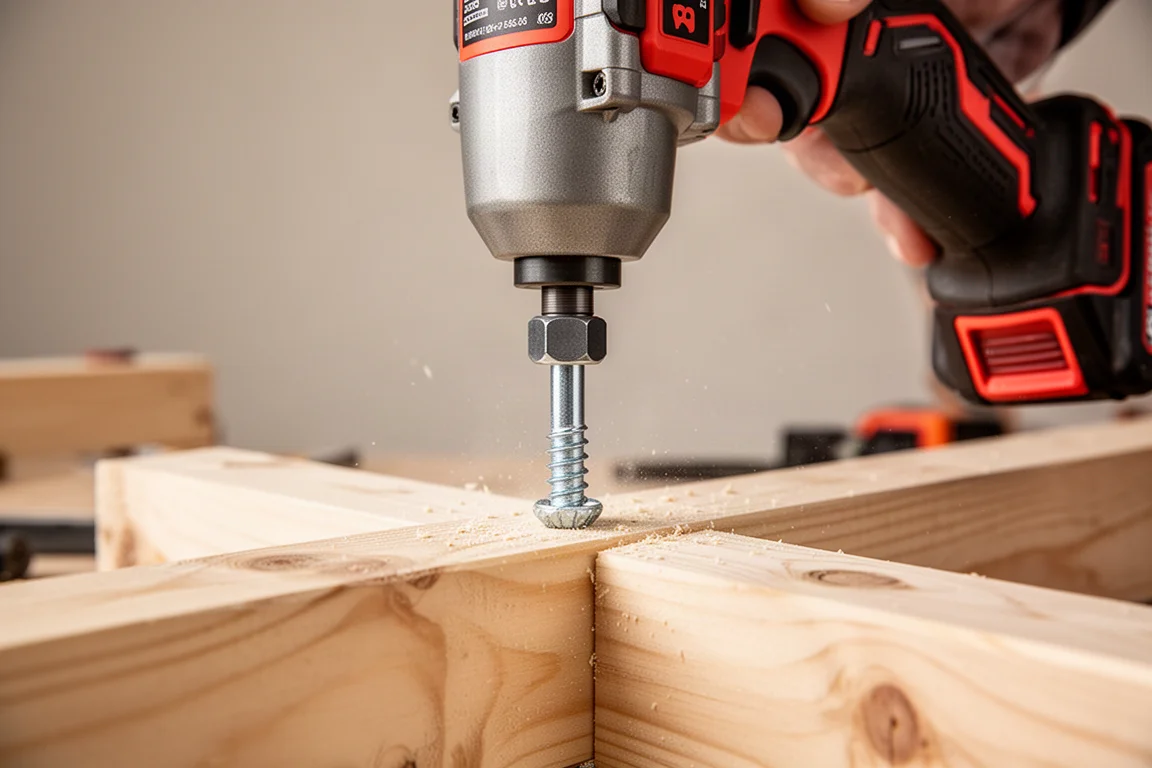
Driving large fasteners is where these tools earn their keep. With 280 mm M10 coach screws going straight into timber with no pre-drilling, both wrenches handled the task, but the new model clearly takes off faster and starts impacting sooner. It also drove screws in deeper before the tops ground down.
Moving up to 300 mm M12 coach screws, again with no pilot holes in dry pine, both tools sunk the screws until they physically could not go further. The new generation feels more eager on the initial hit and works through resistance with noticeably more authority, which is exactly what the improved torque and speed figures suggest.
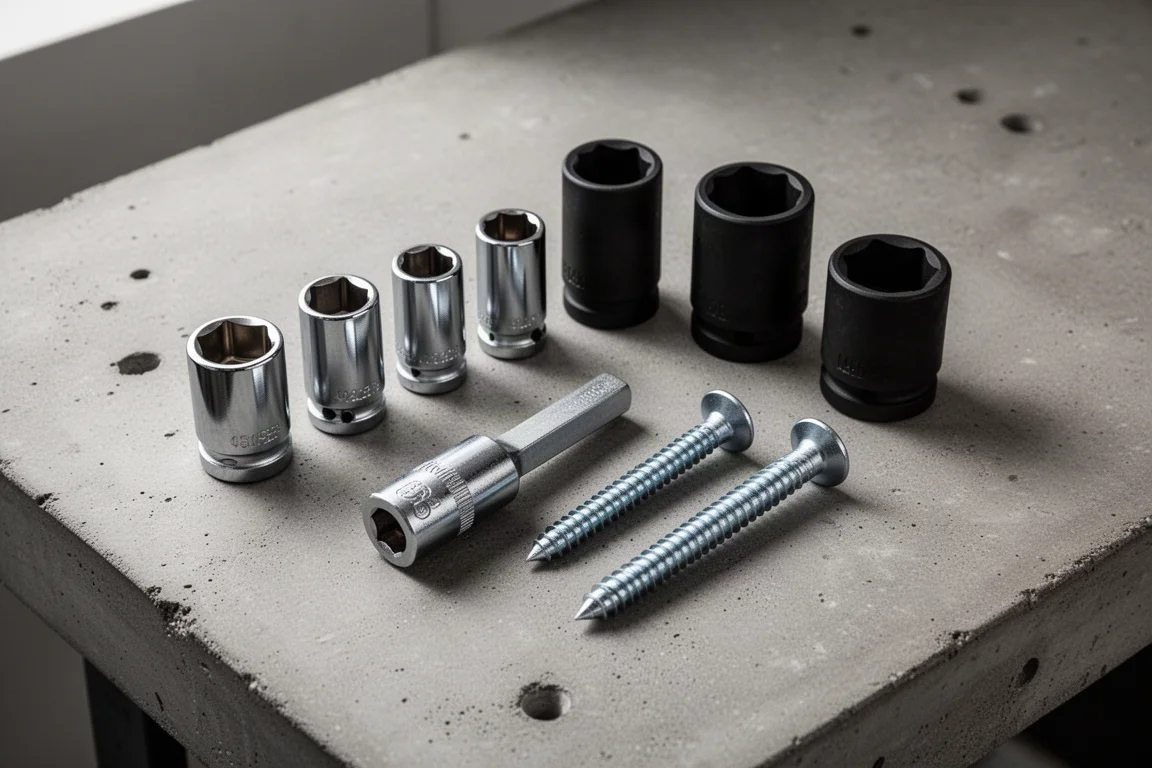
One practical note: if you plan to drive very large fasteners, use proper impact-rated sockets. Standard chrome sockets are not designed for constant impacts and can crack or shatter under load. Safety glasses are not optional here.
Socket Retention: Friction Ring vs Pin Detent
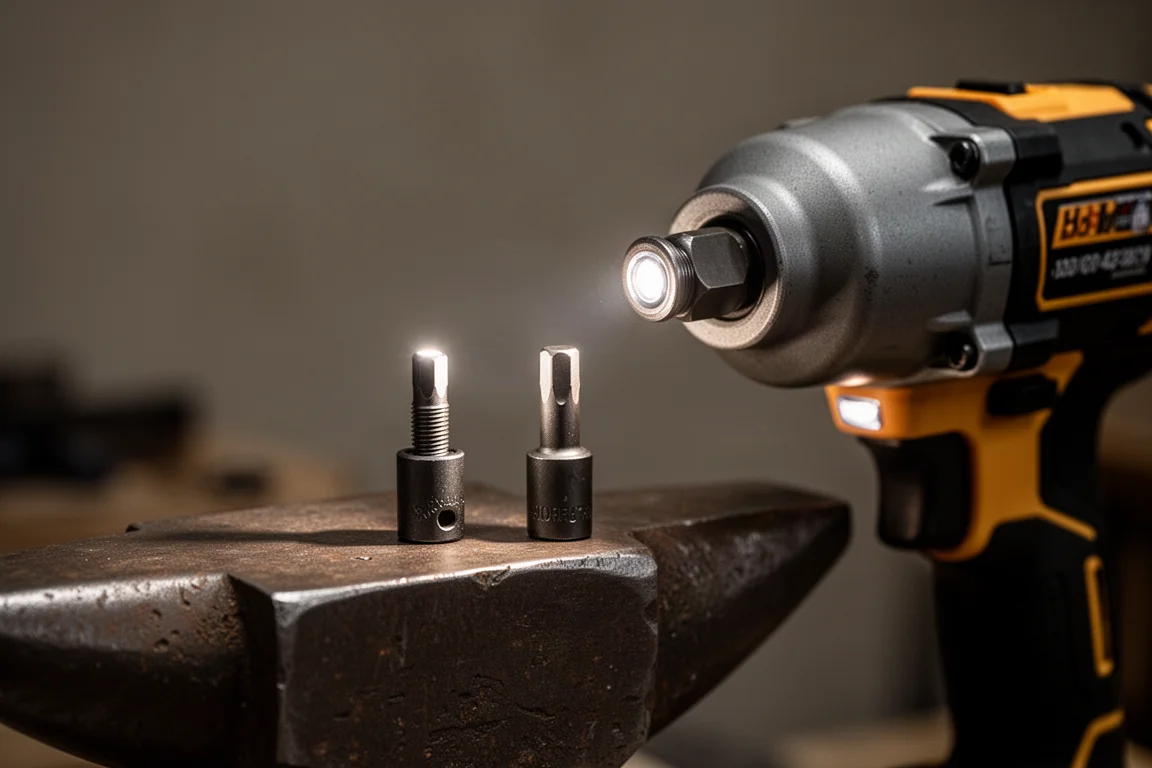
The retention choice shapes how the tool feels over a full working day. The friction ring holds sockets through pure friction, so they slide on and off quickly, which is ideal when you change socket sizes constantly. The trade-off is that sockets can slip off and stay stuck on a fastener when you pull the tool away.
The pin detent version lines its spring pin up with a hole in the socket, locking it on far more securely. That security costs convenience: to release the socket you need to push the pin in with a nail or similar tool. A common workaround is mounting the socket off-alignment so it still pushes on and pulls off freely when you do not need the lock. For anyone running the same socket all day, the pin detent is the better option; for mixed work, the friction ring is easier to live with.
Auto Stop Mode and Battery Notes
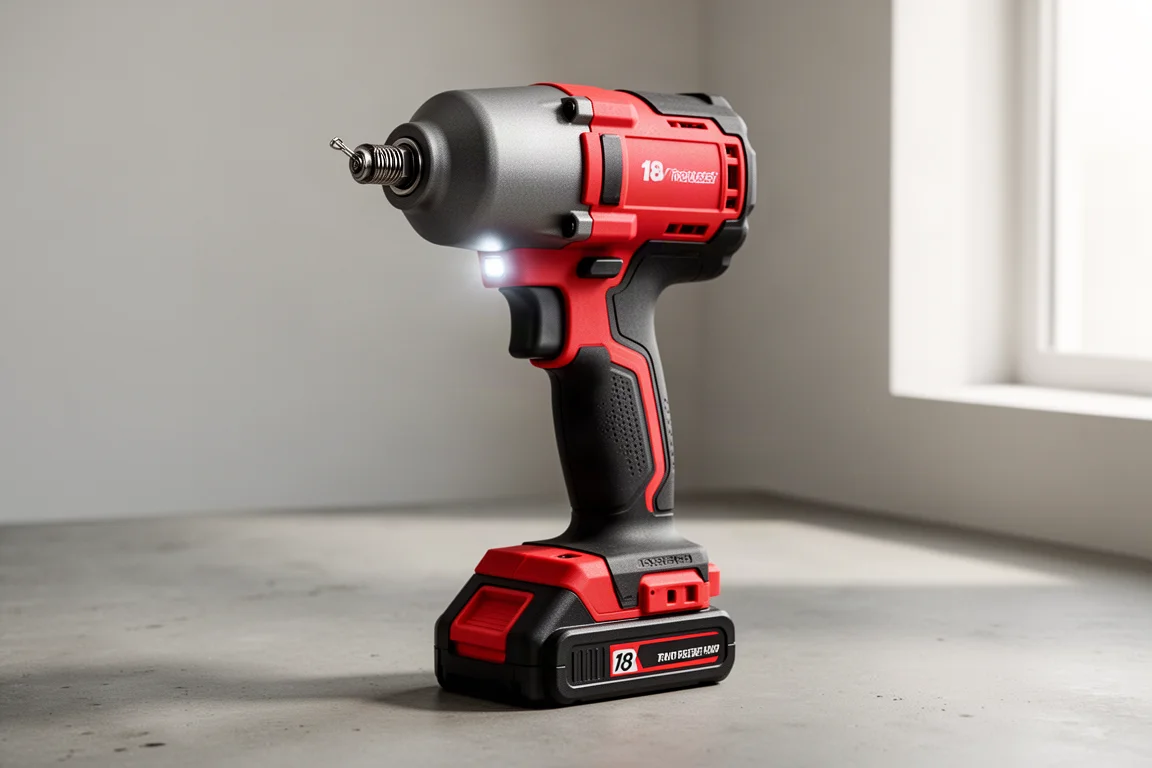
Both tools carry four mode positions cycled from a single button: three speed and impact levels, plus a nut release mode Milwaukee calls Auto Stop. In forward, this mode caps at 900 RPM and cuts out as soon as the tool senses resistance, preventing over-tightening and damage. In reverse, it starts at 2,000 RPM, and once the nut releases and pressure drops away, it slows to 750 RPM so the fastener does not fly across the workshop. On wheel nuts and stubborn bolts, this works exactly as intended: a couple of impacts at speed, then a controlled slowdown.
The Forge battery pack also gets a refresh, with an integrated rubbery battery level indicator instead of a peel-off sticker. It is easier to read than the old design, though unlike a sticker it cannot be replaced once it wears out. The new body also adds a rubber bumper on the nose and lanyard hook positions on either side.
Buying Advice
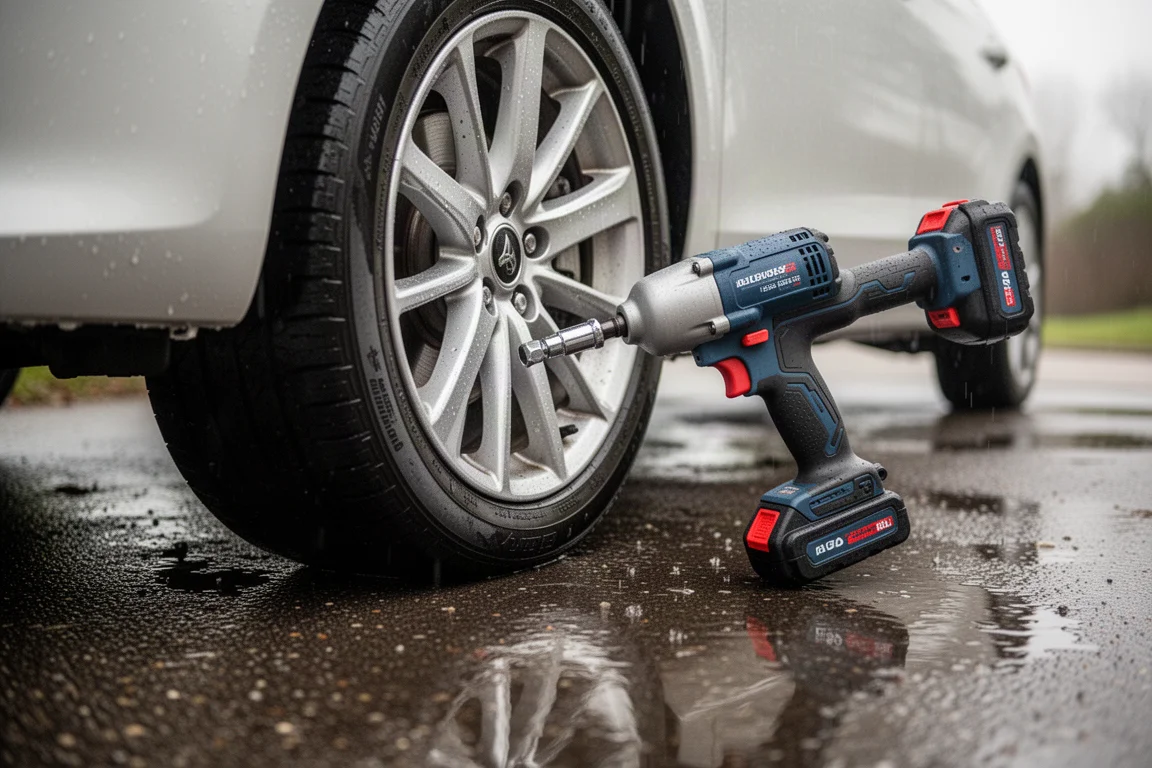
If you want the maximum torque, faster driving, better lighting, and vibration-dampened battery protection, the new friction ring model is the stronger all-around choice, and the extra 165 grams of weight is a reasonable price for the performance gain. If you work with the same socket repeatedly and value a locked-on socket above raw spec numbers, the older pin detent model remains a very capable tool, often at a lower price now that it has been superseded.
Conclusion
The latest M18 Fuel high torque impact wrench is a meaningful step forward: more fastening and nut busting torque, higher RPM, improved lighting, and smarter battery handling. The previous model still holds appeal for pin detent loyalists, but for most buyers the new generation is the one to get.
Further reading
Related Reviews
Power Tools
Best 1-Inch Pistol Impact Wrenches: Three Heavy-Duty Options Compared
We compare three 1-inch pistol impact wrenches, from a budget-friendly Harbor Freight model to a premium Caterpillar unit, to help you choose the right one.
Power Tools
Best 3/4-Inch Impact Wrenches 2026: Five Contenders Compared
We compare five 3/4-inch impact wrenches across price and performance, from a budget Amazon option to Snap-on's most powerful model yet.
Power Tools
Best Budget Cordless Tools 2026: Walmart Finds That Punch Above Their Price
We tested five cordless tools from Walmart, including a high-torque impact wrench that trades blows with Milwaukee and a $35 duster that outperforms its price class.