Power Tools
Milwaukee M18 Fuel High Torque Impact Wrench 2967-22 Kit Review: Serious Nut-Busting Power in a More Compact Body
A hands-on look at Milwaukee's new high torque impact wrench, rated at 1,500 ft-lbs of nut-busting torque, put through fastener removal and lag screw stress testing.
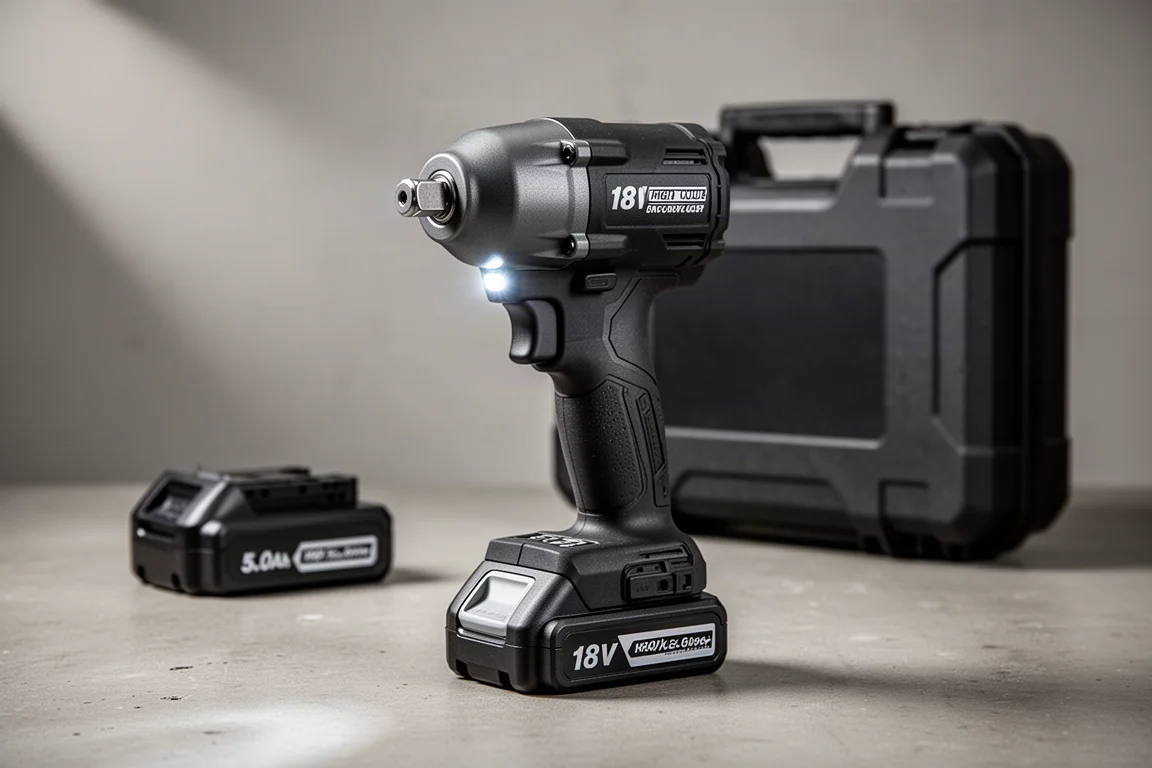
Introduction
Milwaukee’s previous high torque impact wrench developed a reputation for the wrong reasons, with reports of units failing internally on lug nuts. That is exactly the kind of problem a flagship brand has to answer for, and this new generation is that answer. The M18 Fuel High Torque Impact Wrench, model 2967-22, is rated at a claimed 1,500 ft-lbs of nut-busting torque, and it arrives promising to be shorter and lighter than the tool it replaces.
To find out whether it deserves the top spot, we put it through two punishing tests: breaking loose fasteners torqued from 25 up to 250 ft-lbs, and driving half-inch lag screws straight into treated 6x6 lumber with no pilot holes, over and over, to build heat and stress. Many impact wrenches fail tests like these. This one did not.
Who This Product Is For
This is a professional-grade tool. If you are a mechanic, a heavy-equipment technician, or anyone who regularly removes large corroded fasteners, a high torque impact wrench rated at 1,500 ft-lbs covers essentially the full range of automotive and truck work. The 25 to 250 ft-lbs span tested here covers most automobile and light truck fasteners.
It is also a sensible pick for serious DIYers with demanding projects, though it is likely more tool than a typical household job requires. If your work tops out at smaller automotive fasteners, a mid-torque model may be the better value. The difference between mid-torque and high torque becomes obvious the moment you feel this tool hammering: it simply keeps punching through.
What You Get in the Kit
The 2967-22 kit is a two-battery package. You get the impact wrench itself, two 5.0Ah batteries, and a charger. Notably, Milwaukee still includes a hard-shell case with a latching lock rather than the soft bags many competitors ship, which makes the whole kit easier to store and harder to casually walk off with.
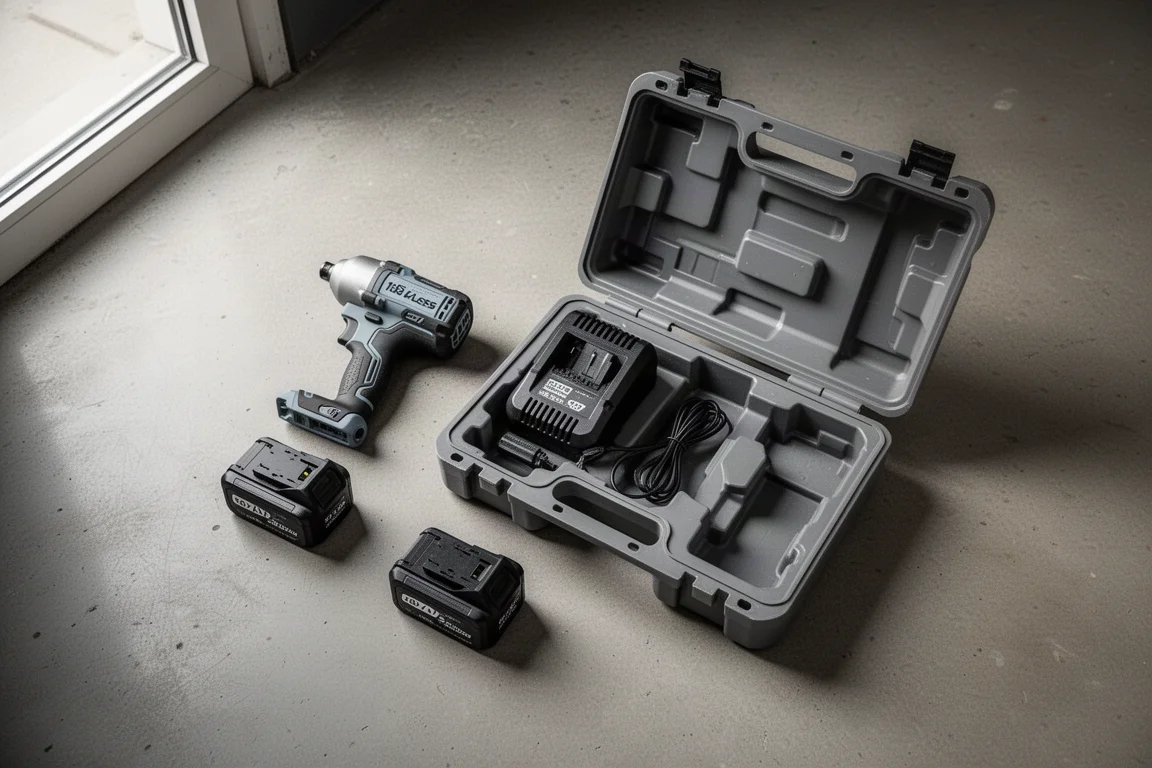
The charger is the standard slow unit, which is the one real disappointment in the box. At this price point, a rapid charger should arguably be standard, since the same charger will top up M12 and M18 batteries, just far more slowly than a rapid unit would. Plan for longer charge times out of the box.
Design, Balance and Controls
The first thing you notice is how manageable the tool feels. Despite being a high torque monster on paper, it is not heavy or awkward in the hand, and Milwaukee has designed it to stand upright on its end without the battery attached, so it is not top-heavy. The balance is genuinely good, with only a slight bias toward the head.
The LED work lights sit up front near the anvil rather than at the base, which throws light directly onto the fastener you are working on. It is a small design choice that makes a real difference in engine bays and dark corners. A belt hook is included for those who want it, though hanging a tool this size from a belt is not for everyone.
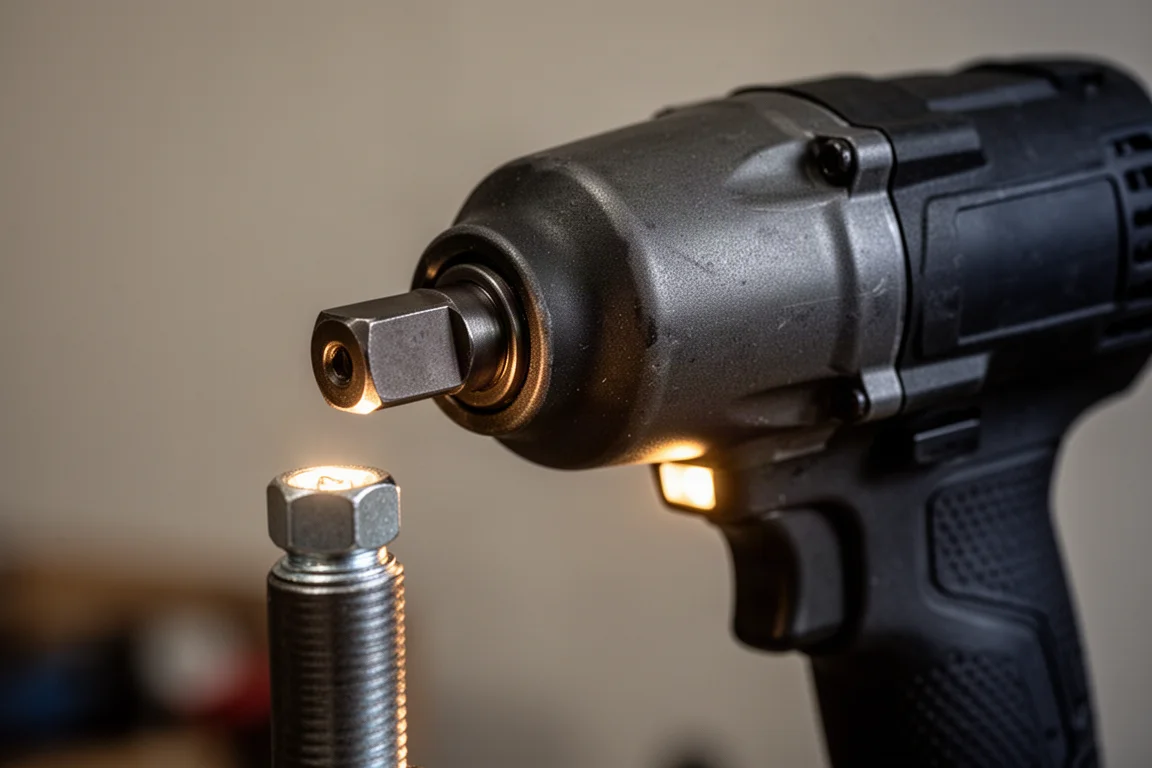
Controls are fully digital. Speed 1 sounds and feels smooth, speed 2 adds noticeable muscle, and speed 3 is full power with no runaway spin at the end of the trigger pull. There is also an auto mode, and it is worth understanding: when driving, it helps seat fasteners consistently, and when removing, it slows the tool down as the fastener nears the end of its threads, giving you a clear visual cue before the nut pops off. That behavior prevents nuts launching across the shop.
One design quirk worth knowing about: there is a flexible, shock-absorber-like element at the base of the tool. It rocks slightly, and the intent appears to be protecting the internals if the tool is dropped, with the piece being replaceable. It feels unusual at first, but it does not affect handling.
Fastener Removal Test: 25 to 250 ft-lbs
The first test was the classic break-loose challenge. Fasteners were torqued to known values with a torque wrench, starting at 25 ft-lbs and climbing in steps through 50, 70, 100, 130, 190, and finally 250 ft-lbs, which was about as high as the torque wrench would go.
On the lowest speed setting, the 25 and 50 ft-lbs fasteners broke loose with no issue at all. Moving to the mid setting, the 70 broke free easily. At 100 ft-lbs and up, high speed took over, and the wrench walked through everything: 100, 130, 190, and finally the full 250 ft-lbs fasteners broke loose without complaint. That range covers most automotive and truck work, and this tool handled all of it.
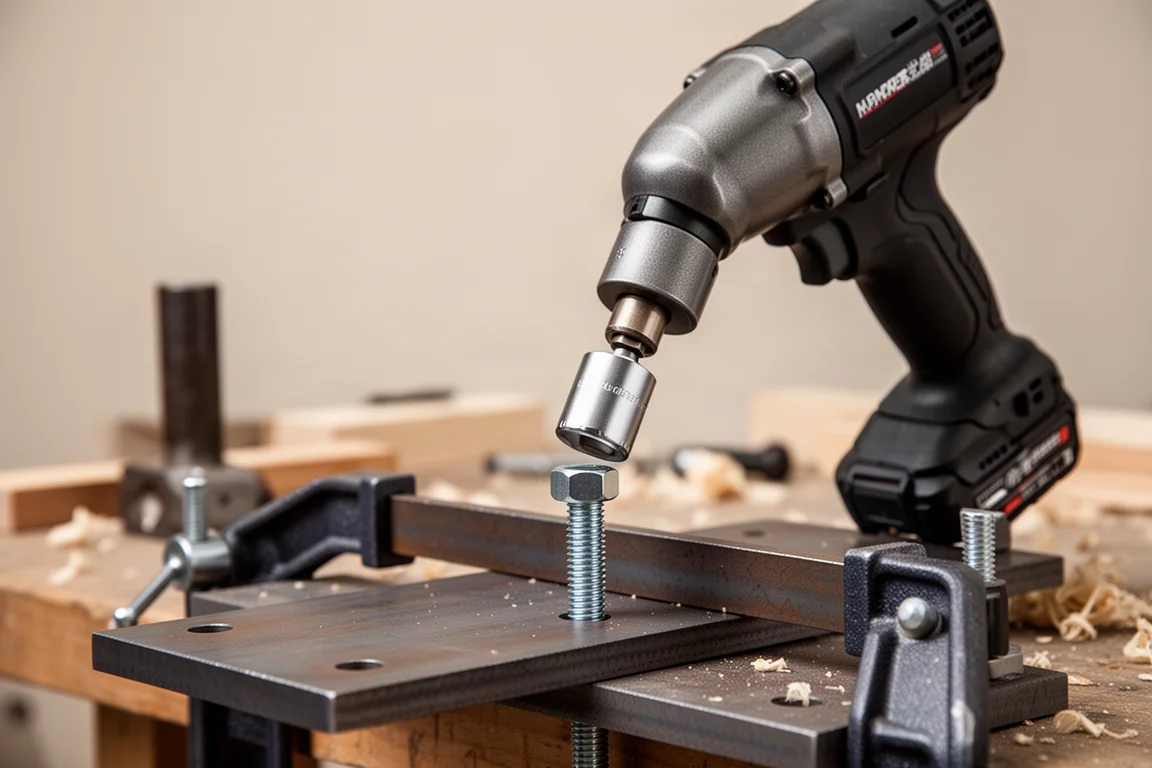
The auto mode was then used to tighten the same fasteners back down, and the results were consistent every time, which is exactly what you want if you use auto mode for controlled installation work. No heat buildup was felt on the casing after all of this, which is impressive given how hard the tool was working.
The Lag Screw Stress Test
The second test is where many impact wrenches go to die: driving half-inch, six-inch lag screws straight into treated 6x6 lumber with no pilot holes, one after another. The friction, heat, and strain from this test have killed plenty of competing tools.
Even on speed setting 1, the wrench drove a lag screw down without a pilot hole. Speed 2 made quick work of the next one, and speed 3 was simply violent in the best way: the tool hammers with such force that bolts and debris move around the shop, and it still stays surprisingly smooth and controlled while doing it.
In auto mode, the lag screws seated with very consistent results. Throughout the entire run, the casing never felt hot. The combination of raw power, consistent auto mode, and cool-running under stress is what separates a professional tool from a consumer one, and this wrench passed both tests cleanly.
Things to Consider Before Buying
The kit’s standard charger is the main criticism. For the price of a two-battery kit like this, a rapid charger would round out the package properly, and charging two 5.0Ah packs on the slow unit takes patience.
The shock-absorbing base section rocks slightly in the hand. It is a durability feature rather than a defect, but if you prefer a completely rigid body, it takes a moment to get used to. Finally, this level of torque is genuinely overkill for light assembly work, so buy it only if your work actually demands high torque capability.
Buying Advice
If you remove large fasteners for a living, this is the class of tool to buy, and the 2967-22 is a strong contender. The two-battery kit means you always have a charged pack ready, and the hard case makes it shop-friendly. If you mostly work on smaller passenger-car fasteners, consider whether a mid-torque model would serve you at a lower cost, and if you buy this kit, factor in a rapid charger as a likely early accessory purchase.
Conclusion
The new Milwaukee M18 Fuel High Torque Impact Wrench 2967-22 does exactly what a flagship replacement should do: it delivers enormous nut-busting torque in a shorter, lighter, well-balanced body, runs cool under abuse, and adds genuinely useful features like front-mounted LEDs and a smart auto mode. The slow charger is a fair complaint, but it does not change the core verdict. For professionals who need the strongest cordless impact wrench performance, this tool earns its place at the top.
Product link
View more details for Milwaukee M18 Fuel High Torque Impact Wrench 2967-22
This product is mentioned in the review. Check the specifications, options, and compatibility before buying.
View more details for Milwaukee M18 Fuel High Torque Impact Wrench 2967-22Further reading
Related Reviews
Power Tools
Best 1-Inch Pistol Impact Wrenches: Three Heavy-Duty Options Compared
We compare three 1-inch pistol impact wrenches, from a budget-friendly Harbor Freight model to a premium Caterpillar unit, to help you choose the right one.
Power Tools
Best 3/4-Inch Impact Wrenches 2026: Five Contenders Compared
We compare five 3/4-inch impact wrenches across price and performance, from a budget Amazon option to Snap-on's most powerful model yet.
Power Tools
Best Budget Cordless Tools 2026: Walmart Finds That Punch Above Their Price
We tested five cordless tools from Walmart, including a high-torque impact wrench that trades blows with Milwaukee and a $35 duster that outperforms its price class.