Power Tools
Milwaukee M18 Fuel Gen 4 vs Flex 24V Stacked Lithium Impact Driver: Head-to-Head Review
Two powerful brushless impact drivers go screw-for-screw. We compare specs, driving speed, auto modes, and handling to help you pick the right one.
Introduction
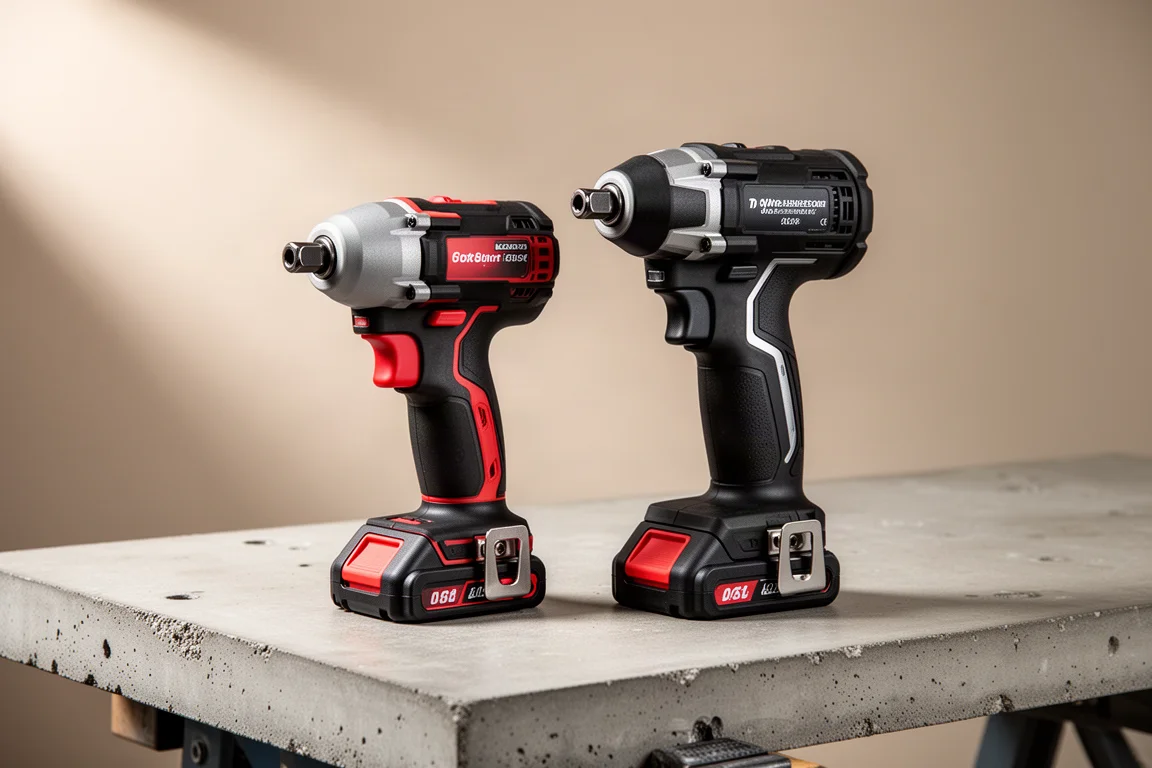
Impact drivers are the workhorses of any fastening job, and two of the most interesting options right now come from very different places. The all-new Milwaukee M18 Fuel Gen 4 impact driver brings meaningful updates over the previous generation, while Flex, one of the newest tool brands on the market, counters with its 24V Stacked Lithium impact driver and a battery platform known for surprising power.
We put both drivers through a hands-on fastening comparison using half-inch lag screws, 3/8-inch by 6-inch structural screws, and treated six-by-six lumber with no pilot holes. Here is how they stack up.
Specs at a Glance
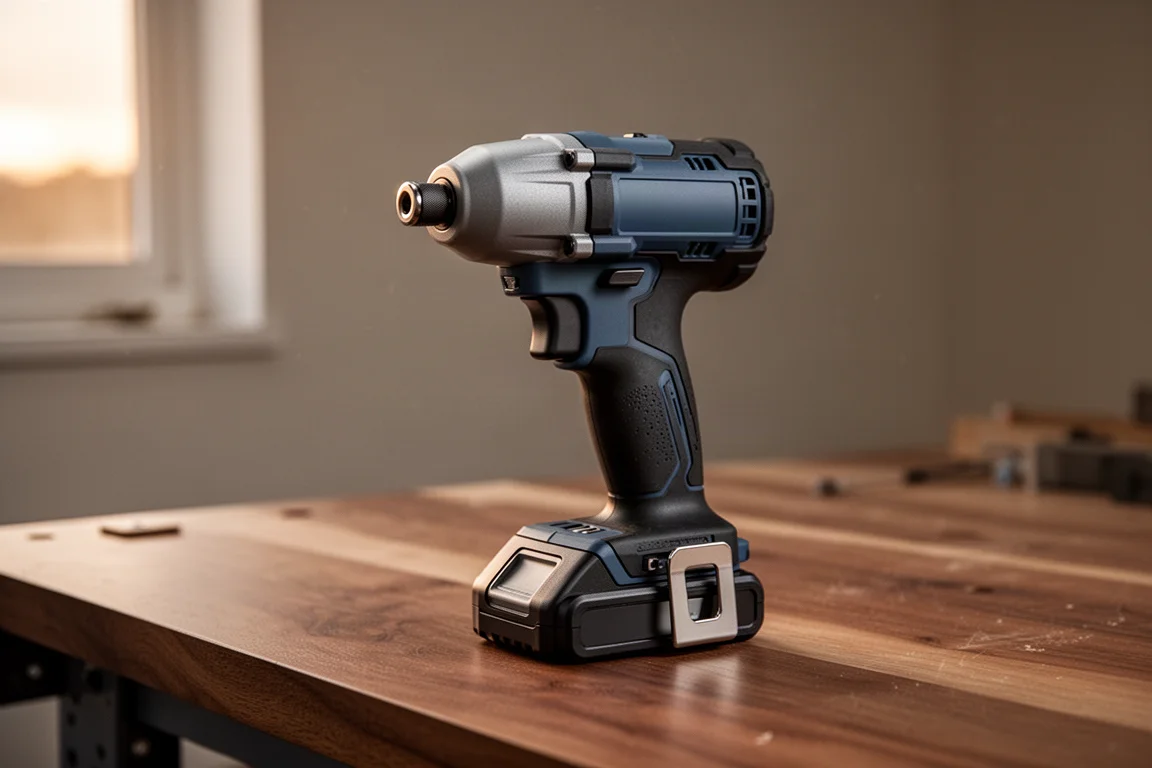
The Flex 24V impact driver runs up to 1,900 RPM on low, 2,700 on medium, and 4,000 on high, with an impact rate up to 4,450 IPM and a max torque figure of 2,500 inch-pounds. It measures 4.7 inches in length, weighs 2.7 pounds, and offers three speed settings plus two automatic modes. It is brushless, and the collet contains two ball bearings to prevent bits from slipping out.
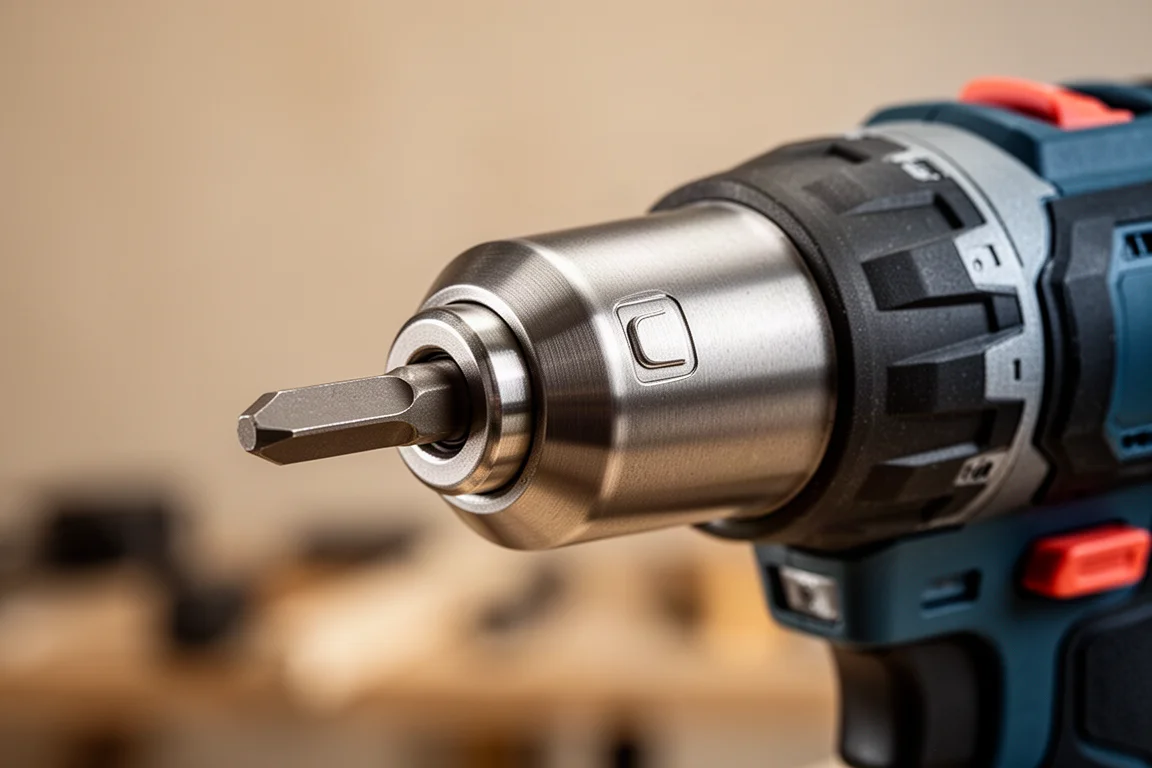
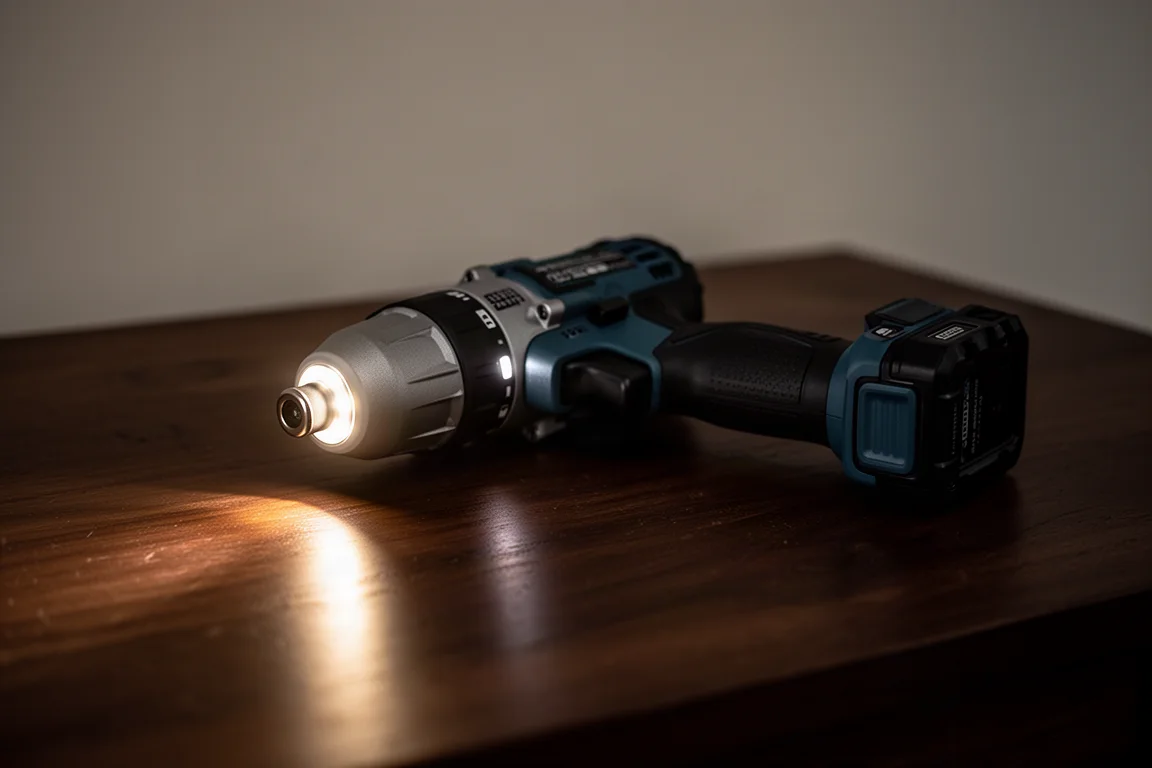
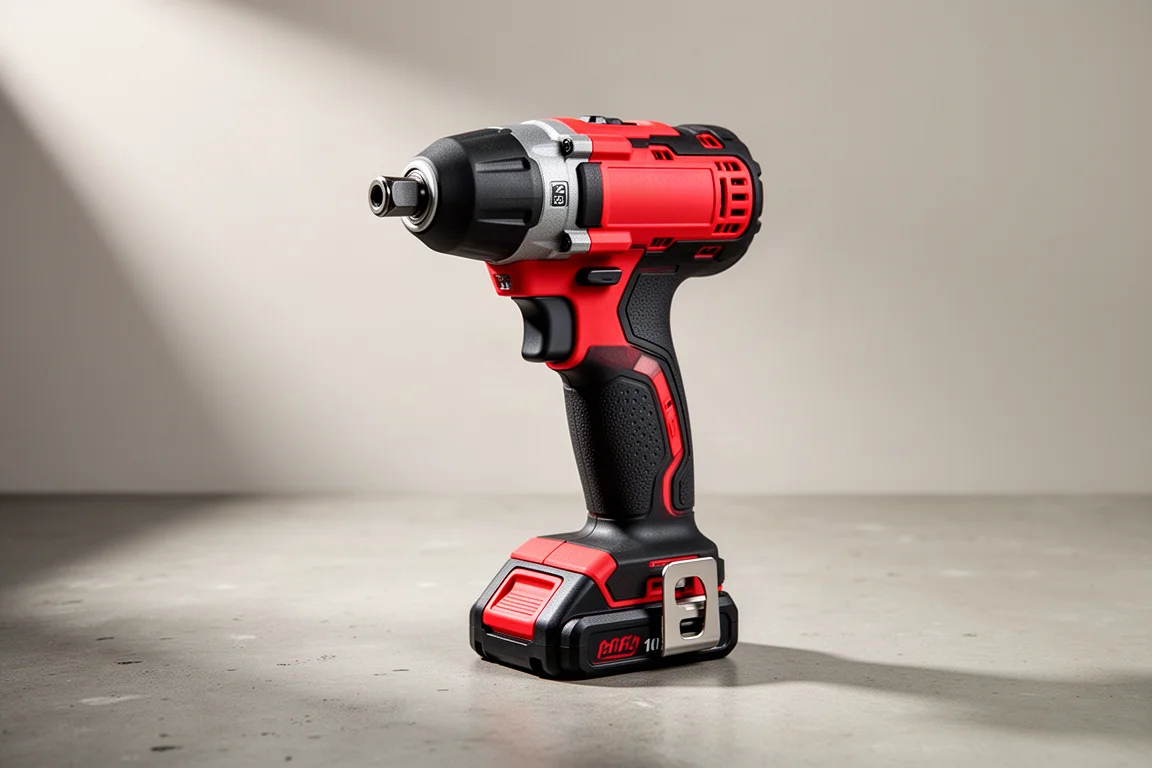
The Milwaukee M18 Fuel Gen 4 comes in 10 dollars cheaper at $149 and is lighter at 2.2 pounds without the battery. It reaches 3,900 RPM, delivers 2,000 inch-pounds of torque, and offers four modes: three speeds and one automatic. It is also brushless, features a new three-LED light design at the front, and now includes two ball bearings in the collet, matching Flex instead of the single bearing used on the Gen 3.
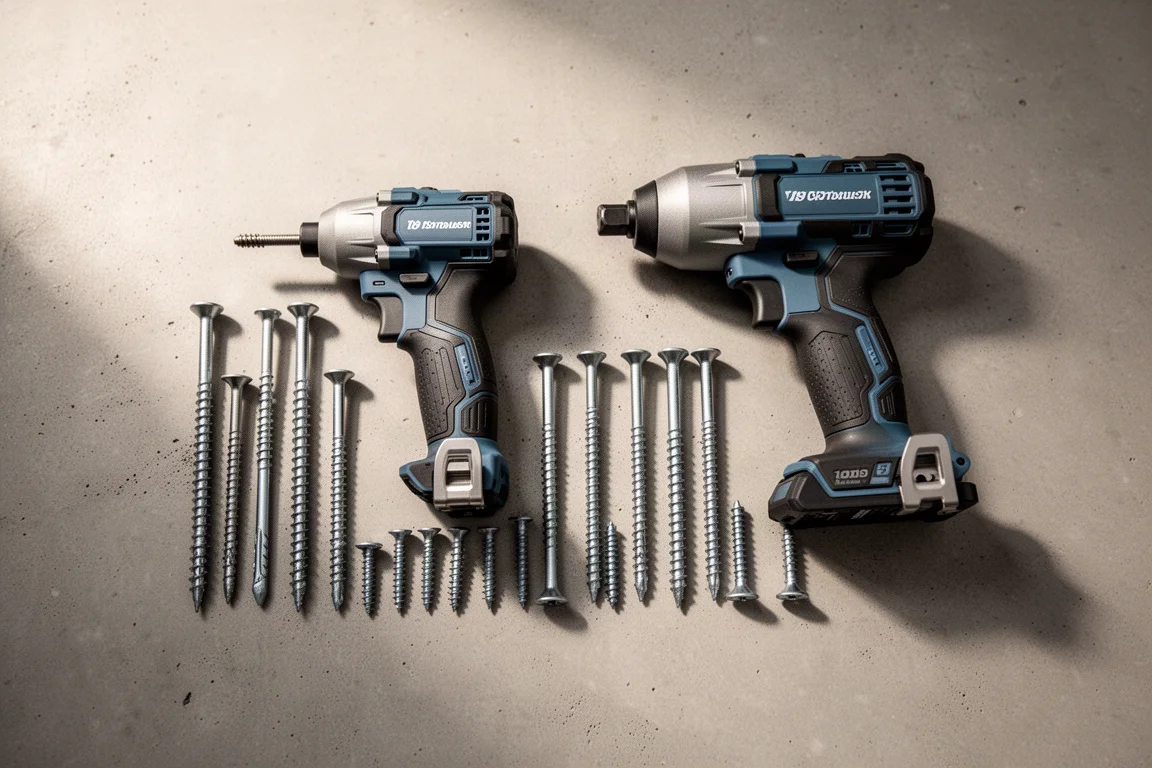
Flex 24V Stacked Lithium Impact Driver
Flex’s driver stands out for its sheer power output and refinement. In testing, it consistently drove long structural screws further and faster, hitting cleanly every single time with an even, controlled impact flow. It also offers two automatic modes: the first sinks fasteners at full force and cuts off once it hits a limit, while the second is more forgiving and stops once tension builds up.
One genuinely useful detail is the quick-eject collet: press a button and the chuck opens automatically for fast bit changes. Flex’s warranty terms are also notable, with a five-year end-to-end warranty listed, extending to a limited lifetime warranty for tools registered within 30 days of purchase.
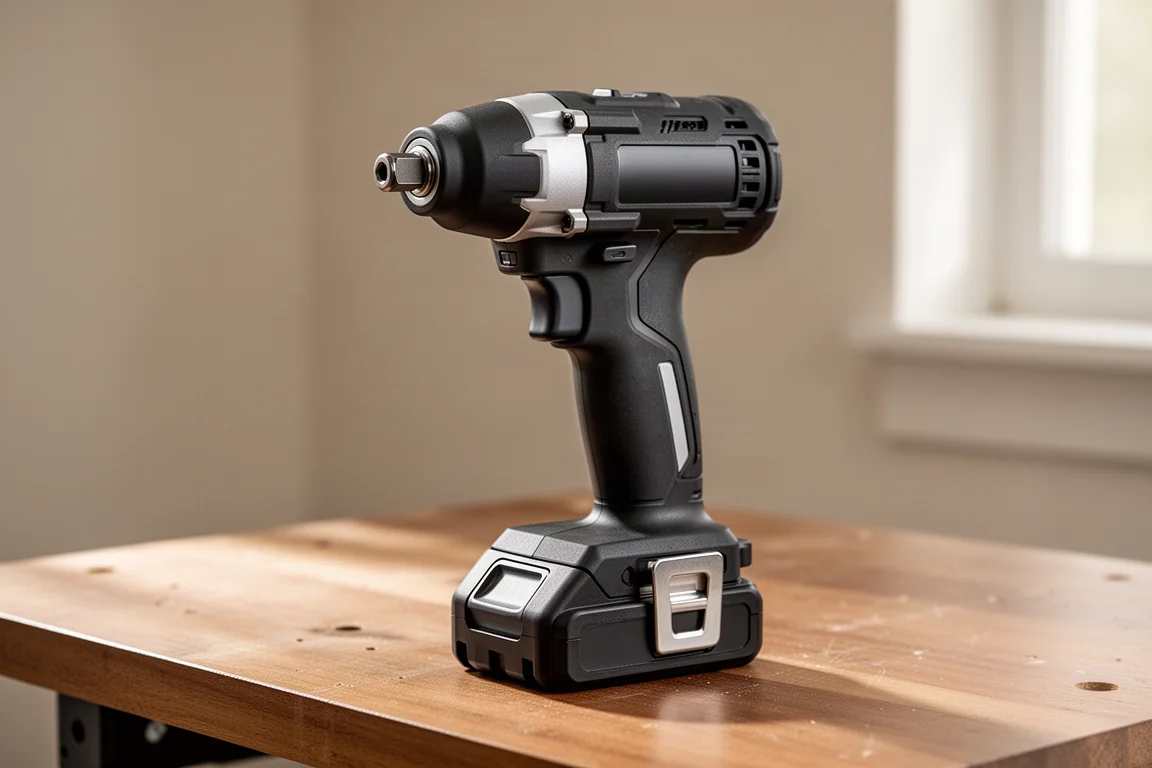
Milwaukee M18 Fuel Gen 4 Impact Driver
Milwaukee’s Gen 4 is a refinement of an already excellent tool. Beyond the new LED lighting and the dual ball-bearing collet, there is not a huge difference from the Gen 3, but the fundamentals are strong: it is compact, light, feels great in the hand, and Home Depot’s listing describes it as the most powerful and fastest driving impact driver on the market.
Where it genuinely wins is the automatic mode, which feels more refined and better tuned than Flex’s, and the size advantage. It is noticeably smaller than the Flex, and its front-mounted tri-LED light array is a clear step up from Flex’s more old-school single light placement.
Driving Performance
In side-by-side driving tests, results were surprisingly split. On the lowest speed, Flex took the lead, driving structural screws further with perfectly consistent hammering, while the Milwaukee’s impact felt uneven, spinning and then bumping forward rather than delivering a controlled flow. On speed two, the roles reversed: the Milwaukee finished the job while the Flex was still working.
On the highest speed, the two finished nearly dead even. In automatic mode testing, both drivers handled lag screws well, though Flex’s first setting hits at full power before cutting off, while its second setting stops more gracefully under tension. Milwaukee’s single auto mode was the more refined of the two overall.
The honest summary: both have tons of power, the Flex hammers with slightly more consistency, and the Milwaukee is smaller, lighter, and better lit.
Which One Should You Buy?
If you want the most refined hammering consistency, two automatic modes, a quick-eject collet, and a strong warranty path, the Flex 24V Stacked Lithium is a compelling pick, especially if you are buying into its stacked lithium battery ecosystem.
If you want a smaller, lighter tool with a better work light, a more polished auto mode, and a lower entry price at $149, the Milwaukee M18 Fuel Gen 4 is the one that impressed us most. It feels better in the hand and gives up very little in raw power.
Conclusion
These two drivers are neck and neck, and both are easy to recommend. Flex delivers pure power and remarkably consistent impact delivery, while Milwaukee counters with a more compact body, better lighting, a finer automatic mode, and a lower price. Choose based on which battery platform you already own or prefer; either way, you are getting one of the best-driving impact drivers available right now.
Further reading
Related Reviews
Power Tools
Best 1-Inch Pistol Impact Wrenches: Three Heavy-Duty Options Compared
We compare three 1-inch pistol impact wrenches, from a budget-friendly Harbor Freight model to a premium Caterpillar unit, to help you choose the right one.
Power Tools
Best 3/4-Inch Impact Wrenches 2026: Five Contenders Compared
We compare five 3/4-inch impact wrenches across price and performance, from a budget Amazon option to Snap-on's most powerful model yet.
Power Tools
Best Budget Cordless Tools 2026: Walmart Finds That Punch Above Their Price
We tested five cordless tools from Walmart, including a high-torque impact wrench that trades blows with Milwaukee and a $35 duster that outperforms its price class.