Power Tools
Milwaukee M18 Fuel Gen 4 vs DeWalt DCF860: Two of the Newest Impact Drivers Face Off
A head-to-head look at two of the most powerful compact impact drivers on the market, tested on drywall screws, wood screws, metal fasteners, and self-feeding bits.
Introduction
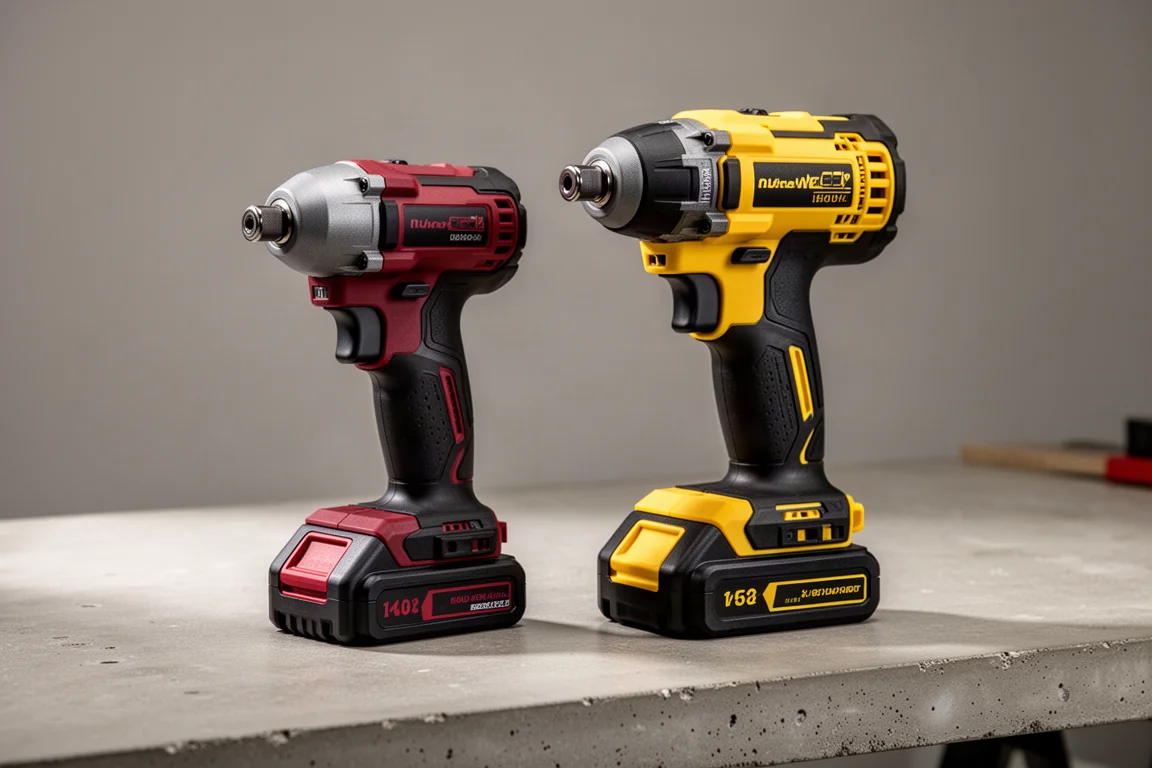
Two of the newest impact drivers on the market went head to head: the Milwaukee M18 Fuel Gen 4 and the DeWalt DCF860. Both were run through the same gauntlet, driving everything from 1-5/8-inch drywall screws up to large lag fasteners, joining metal track with self-tapping screws, and drilling holes with self-feeding spade bits. The results were closer than most people would expect, but the two tools take noticeably different paths to get there.
The short version: the Milwaukee Gen 4 is one of the fastest, highest-torque, most compact impact drivers to ever hit the marketplace, while the DeWalt DCF860 may be the best of the DeWalt line, with impressive power in a package that is still noticeably larger than its rival.
How They Were Tested
The comparison used multiple mediums and fastener types. Drywall screws started at speed 1, wood screws and structural fasteners moved up through the speed settings, metal track was joined with 3/4-inch number-10 self-tapping screws, and finally both drivers were pushed hard with 5/8-inch and larger self-feeding spade bits on both 2 Ah-class and higher-capacity batteries.
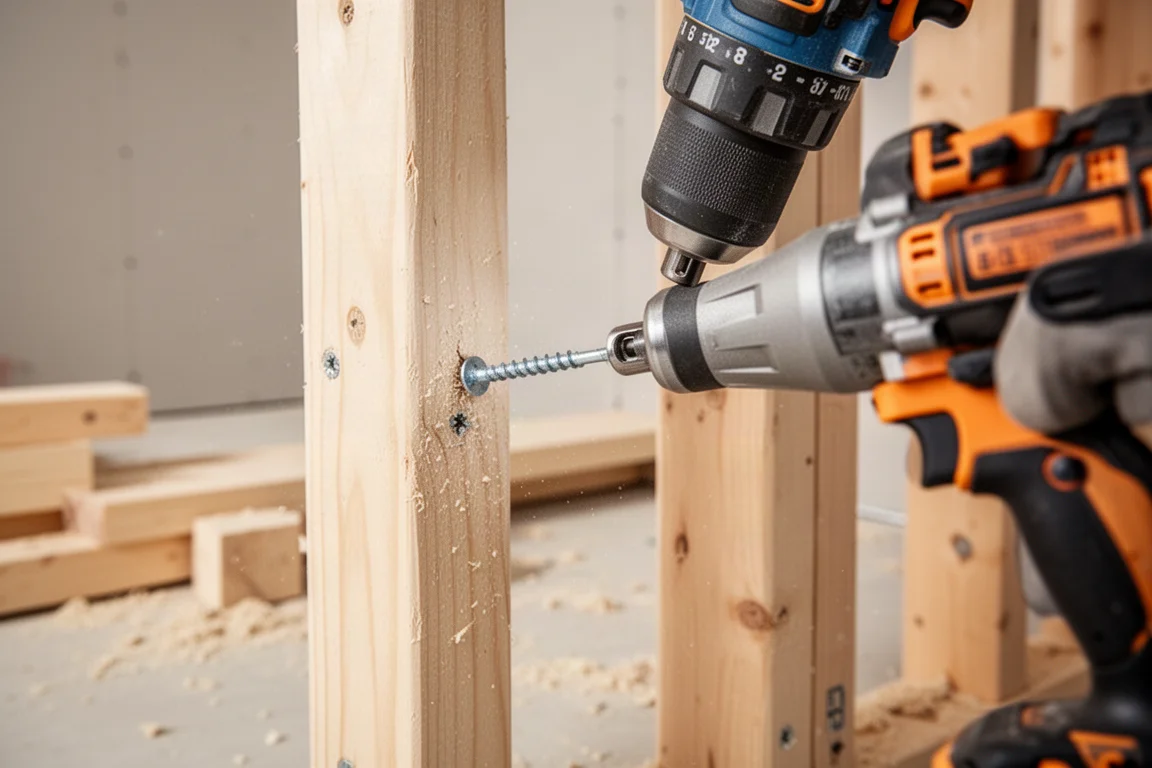
One important note that came out of testing: all bits used were impact rated. Impact drivers are made to drill holes in addition to driving fasteners, but only with bits designed to handle the pounding.
Speed and Trigger Control
On the small drywall fasteners, the two tools traded wins and settled into essentially a dead heat, though the Milwaukee showed a clear edge in raw speed on the lighter settings. That speed comes with a warning: the Gen 4 is faster than previous Milwaukee generations and even other common drivers, so it is easy to overdrive screws if you are not careful with the trigger, especially with a Phillips head bit.
The DeWalt DCF860 impressed in a different way. Its torque felt strong but not daunting, and the trigger modulation was excellent, ramping up smoothly as a screw began to set. That kind of control matters for finish-quality work and for anyone who drives screws all day.
Compact Design vs Raw Size
Size and weight were the biggest differentiators. The Milwaukee is a genuinely compact, lightweight, powerful package, and what it accomplishes in such a small body is very impressive. The DeWalt is not huge by ordinary standards, but next to the Milwaukee it feels like a massive tool, which affects wieldability and control in tight spaces.
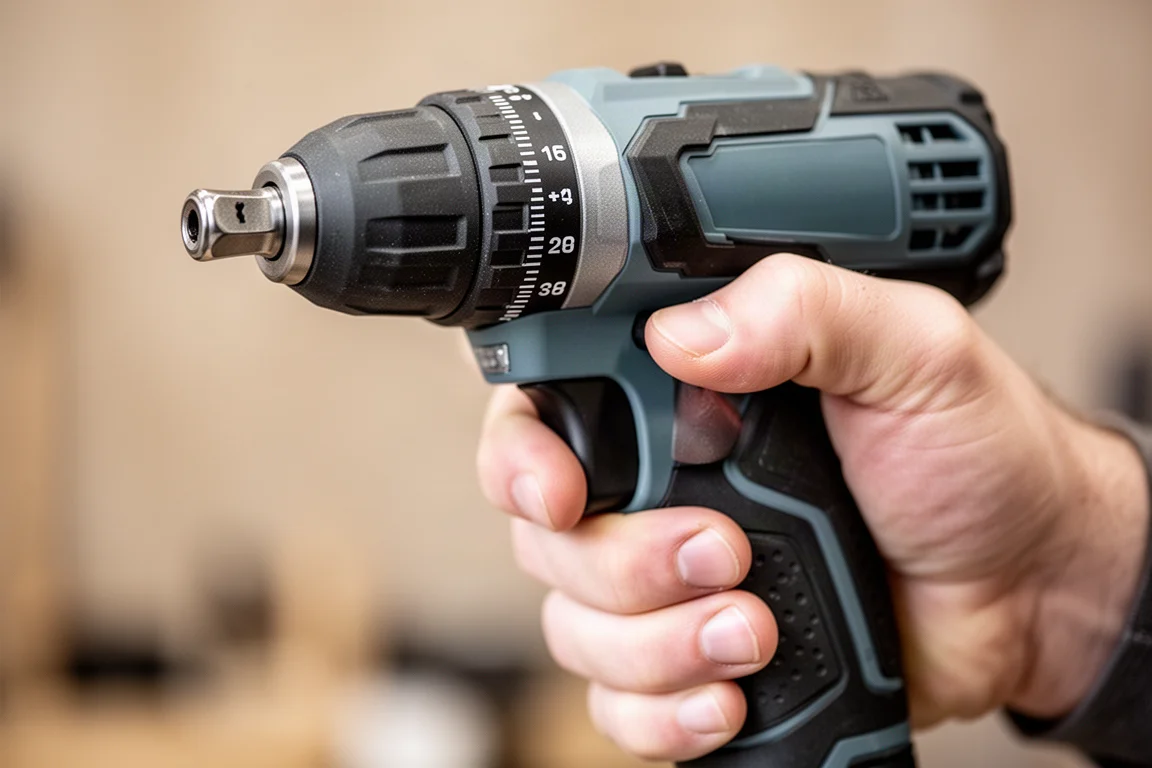
That trade cuts both ways. The Milwaukee’s smaller, lighter body makes it easier to handle and modulate on small fasteners, while the DeWalt’s larger chassis may give it an advantage later when driving larger fasteners. Neither test alone tells the full picture; you need the whole range to see where each tool wins.
Drilling Holes with Self-Feeding Bits
This is where things got interesting. Historically, a 5/8-inch spade bit is where older DeWalt models tended to struggle, and both Gen 4-class tools handled it without drama. With matched batteries and both in speed 3, the results were remarkably close, and swapping to higher-capacity batteries seemed to let both tools sustain torque more effectively, almost as if the tool took over once the battery was upgraded.
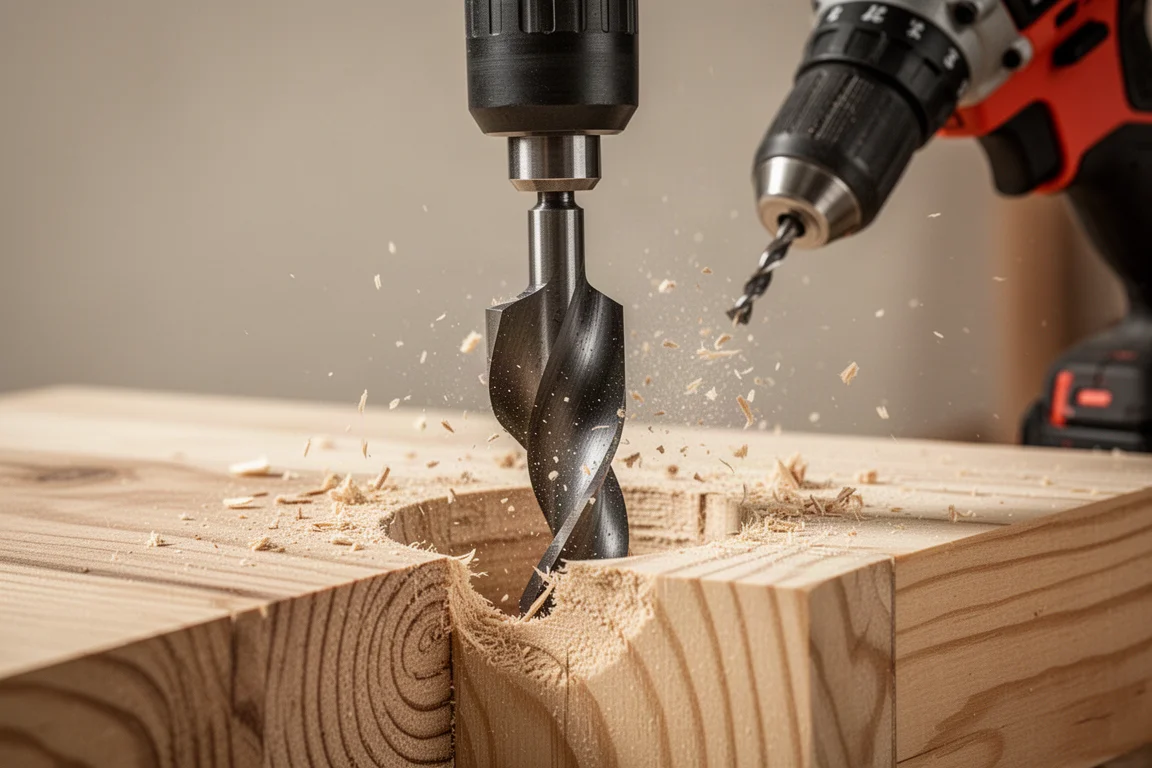
On the larger 1-inch self-feeding bit, the two remained pretty much equal. The Milwaukee could even be pushed into speed 1 in a pinch, though that is not the ideal setting for holes of this size. This category ended as close to a draw as testing can produce.
Overall Impressions
The DeWalt DCF860 feels much more powerful than every previous DeWalt generation, and with the PowerStack battery it is described as an absolute monster in a great small package. The LEDs are also genuinely nice, a small but appreciated touch. Longtime DeWalt users will notice the difference in power the moment they pick it up.
The Milwaukee M18 Fuel Gen 4 is fast, brutal in torque, and astonishingly compact. Its main quirk is that speed 1 is faster than what many users expect from habit, so anyone stepping up from an older driver should ease into it rather than drilling straight through cabinetry on the default setting.
Which One Should You Buy
Across the full test, the score stayed within a couple of fasteners either way, which says a lot about how evenly matched these two are. If wieldability, compact size, and top-end speed matter most, the Milwaukee Gen 4 is hard to beat. If you prefer stronger trigger modulation, excellent LEDs, and a tool that feels more powerful than any DeWalt before it, the DCF860 earns its place.
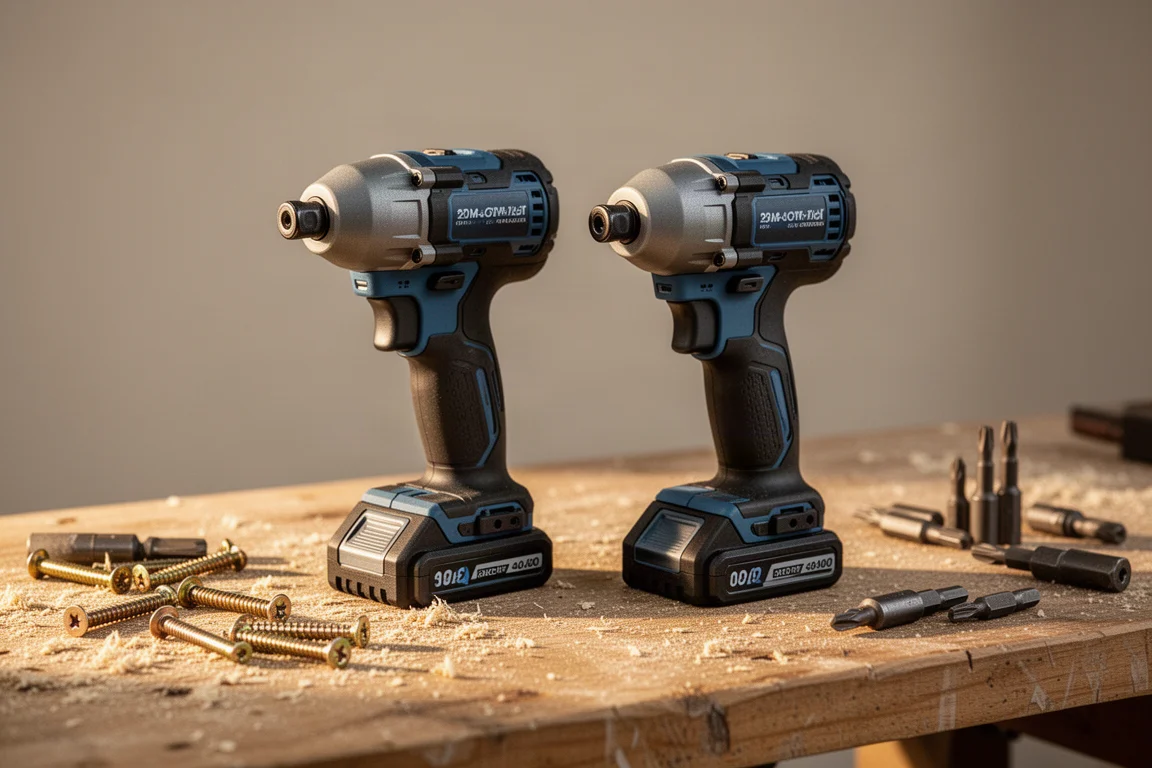
Whichever you choose, both are among the strongest impact drivers currently available, and neither left the test with anything to apologize for.
Conclusion
The Milwaukee M18 Fuel Gen 4 wins on compactness and outright speed; the DeWalt DCF860 counters with superb trigger feel and the strongest DeWalt performance yet. On most fasteners they were effectively tied, so your decision comes down to size preference and brand ecosystem rather than a clear performance gap.
Product link
View more details for Milwaukee M18 Fuel Gen 4 Impact Driver
This product is mentioned in the review. Check the specifications, options, and compatibility before buying.
View more details for Milwaukee M18 Fuel Gen 4 Impact DriverFurther reading
Related Reviews
Power Tools
Best 1-Inch Pistol Impact Wrenches: Three Heavy-Duty Options Compared
We compare three 1-inch pistol impact wrenches, from a budget-friendly Harbor Freight model to a premium Caterpillar unit, to help you choose the right one.
Power Tools
Best 3/4-Inch Impact Wrenches 2026: Five Contenders Compared
We compare five 3/4-inch impact wrenches across price and performance, from a budget Amazon option to Snap-on's most powerful model yet.
Power Tools
Best Budget Cordless Tools 2026: Walmart Finds That Punch Above Their Price
We tested five cordless tools from Walmart, including a high-torque impact wrench that trades blows with Milwaukee and a $35 duster that outperforms its price class.