Power Tools
Milwaukee M18 Fuel 15-Gauge and 16-Gauge Finish Nailers: Two Cordless Nailers Worth a Close Look
Milwaukee's newest M18 Fuel finish nailers bring 100% battery power, digital mode switching, and clean firing into hardwood. Here is how the 15-gauge and 16-gauge models stack up.
Introduction
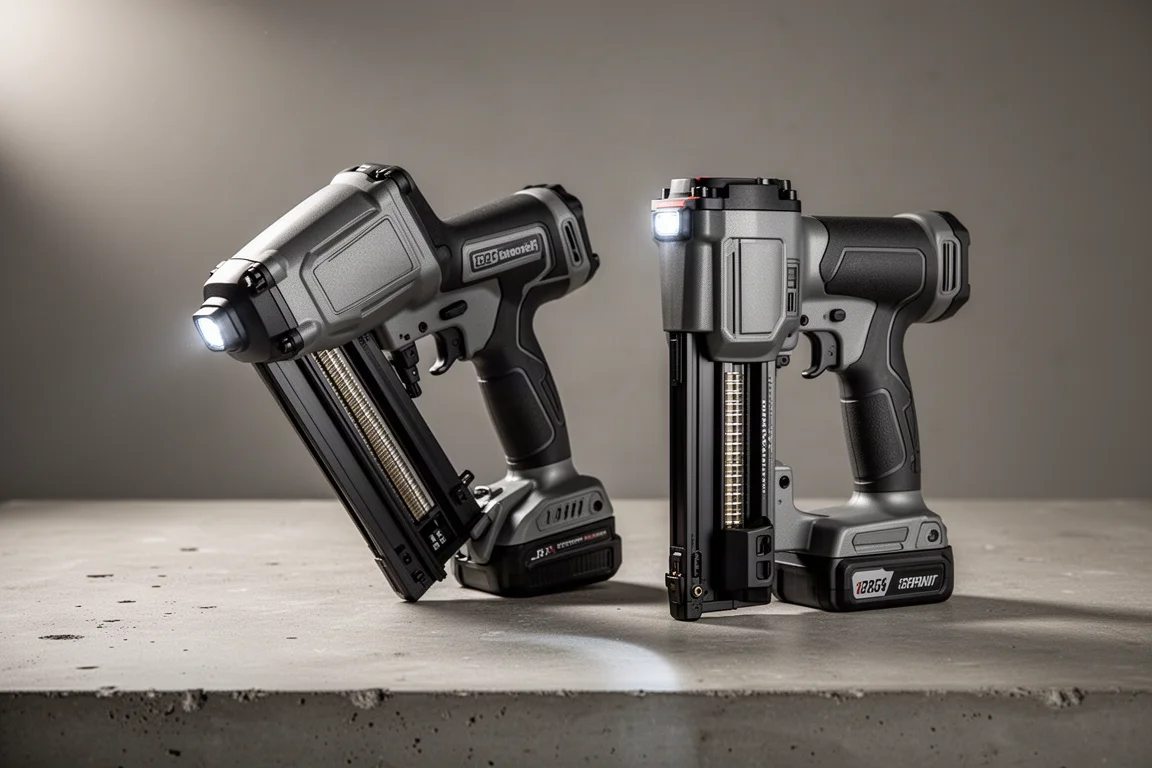
Milwaukee keeps filling out its second-generation cordless nailer lineup, and the two newest additions are the M18 Fuel 15-gauge and 16-gauge finish nailers. Both follow the same formula that has made the rest of the line popular: no gas cartridges, no compressor hose, just 100% battery power in a tool that fires cleanly and feels good in the hand.
If you have already tried any of the newer Milwaukee nailers, these will feel familiar. The framing nailer leans a little heavy, but the brad, pin, and now the finish nailers have earned a loyal following. Some users have switched to the Milwaukee line entirely on the strength of the compact pin nailer alone. The big question with these two is whether they live up to that standard. Short answer: they do, with one design choice worth thinking about before you buy.
What Comes in the Kit
Both nailers ship as kits, and the contents are identical across the two models. In the box you get the nailer itself, a carrying bag, a battery charger, and one 2.0Ah battery.
Two things to know before you unbox. First, the included charger is not the rapid charger, so a full recharge takes a bit longer than the faster bricks Milwaukee sells separately. Second, the 2.0Ah battery is not a high-output pack; those start at 3.0Ah and up. In practice this matters less than it sounds, because these nailers do not draw much power per shot. The smaller pack also keeps the overall weight down, which your shoulders will appreciate during long overhead runs.
Shared Specs and Features
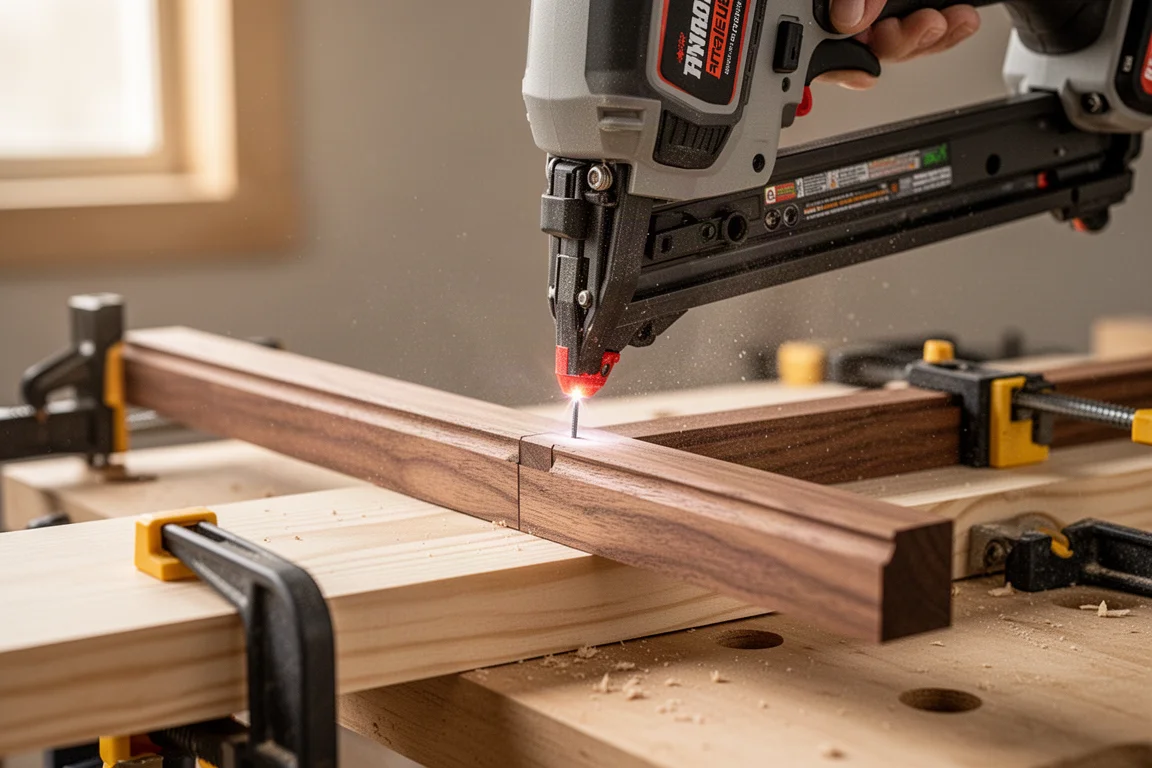
The two nailers are spec twins where it counts. Both drive finish nails from 1-1/4 inches up to 2-1/2 inches, deliver around 750 nails per charge, and can fire up to three nails per second.
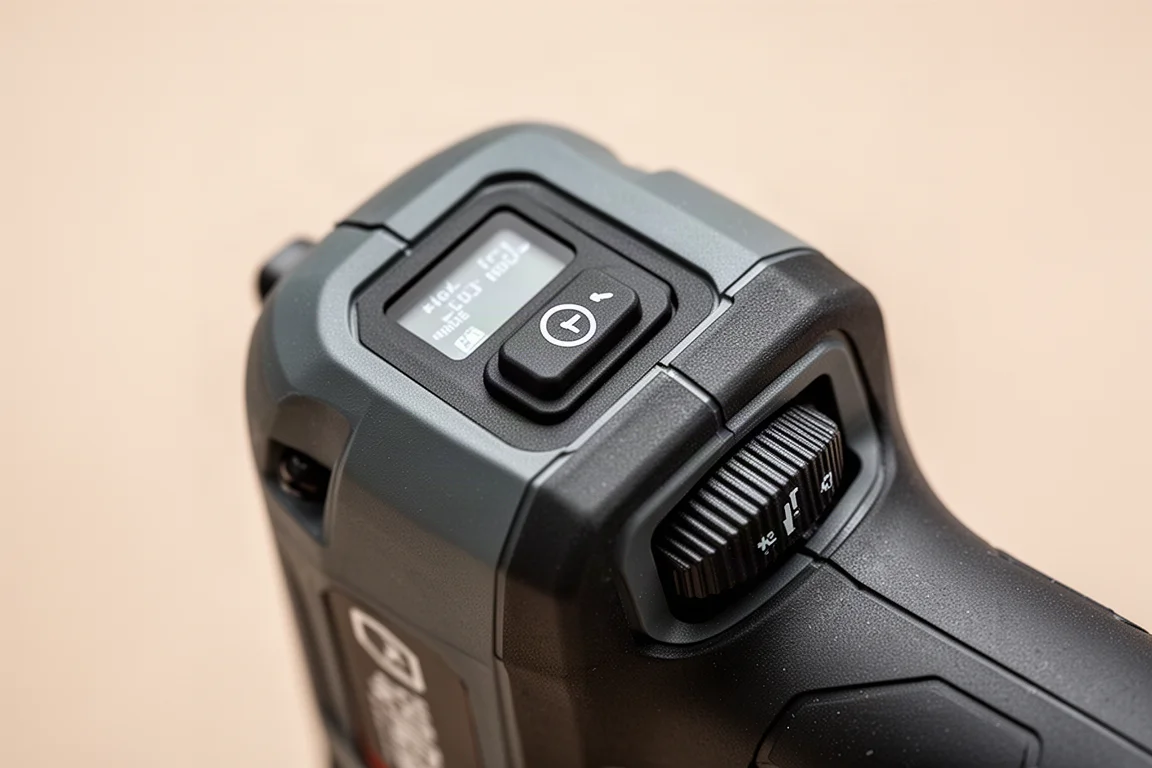
Both also offer contact actuation, which lets you choose between bump fire mode and precise single-shot mode. Switching is entirely digital: hold the mode button for a moment until it turns green, and the tool toggles between modes. No fiddling with mechanical levers. The tool even warns you when the battery is getting low, so you are less likely to be caught mid-trim with a dead pack.
Everyday Handling and Firing Feel
Looking at these nailers, you might assume they are big and bulky. They are slightly bulky, but not objectionably so, and they are genuinely light. Overhead work, which punishes heavy tools fast, is not a problem here.
Firing performance is the strong point. The trigger has a nice, crisp squeeze, and the nail sinks the instant you pull. In testing through oak into pine, nails sank fully home with authority, and toe-nailing worked just as cleanly. The grip is comfortable, the balance is good, and the whole tool feels well built.
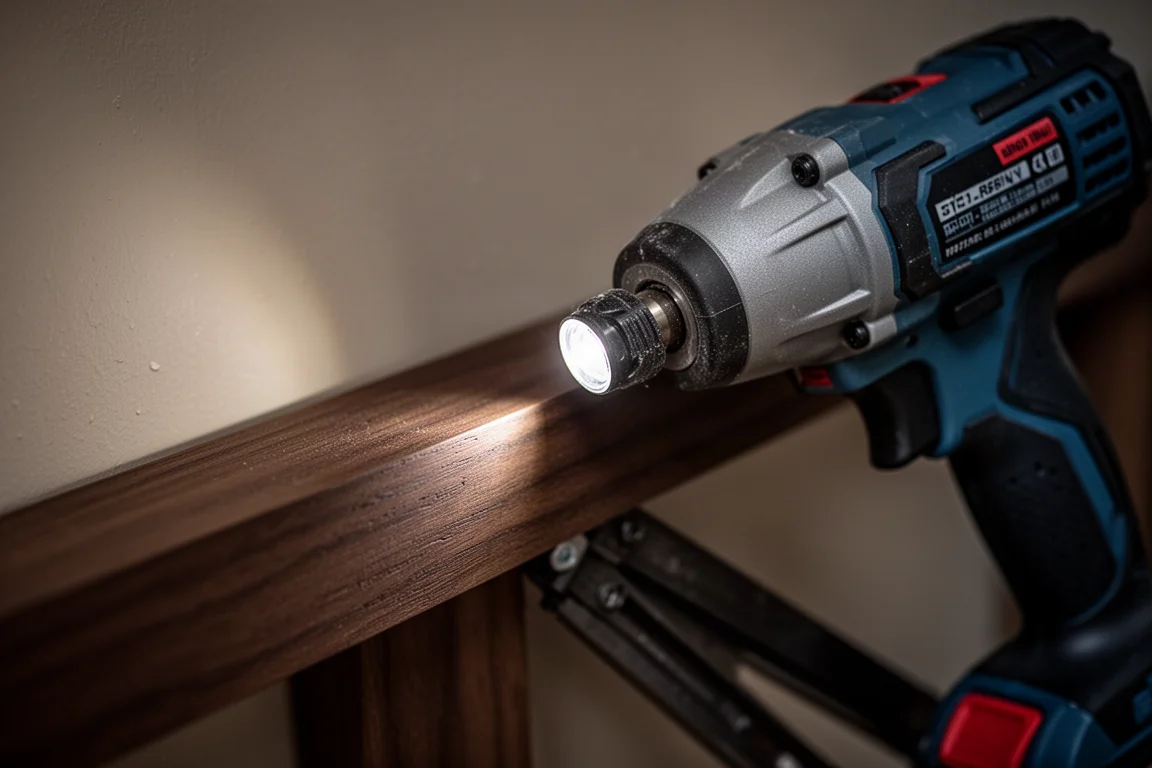
One small but genuinely useful detail: the LED work lights near the nose do not shut off the moment you release the trigger. They stay on for roughly five or six seconds, which keeps your work area lit while you reposition for the next nail.
Adjustments, Jam Clearing, and Nail Capacity
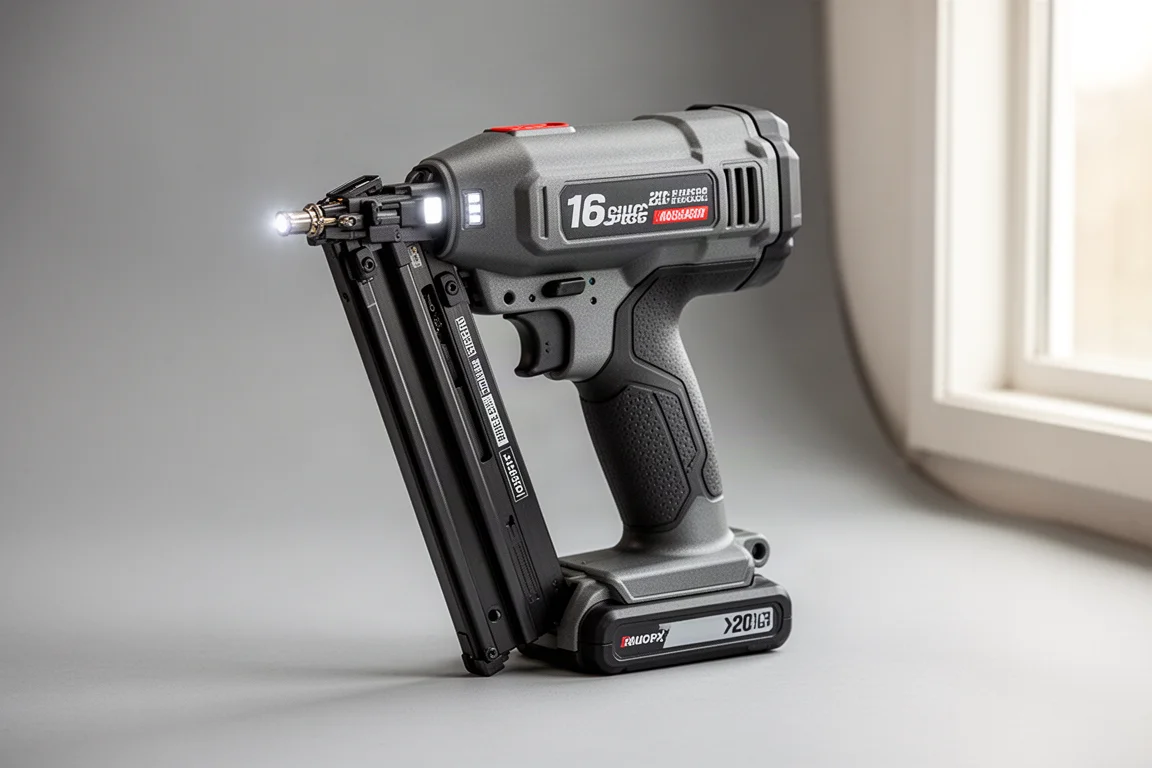
Depth adjustment is a simple wheel that turns easily and holds its setting, and going from full sink to leaving nail heads proud takes seconds. Each nailer comes with three bump pads total in two different sizes.
Jam clearance uses a quick-release latch, though in practice jams have not been an issue on Milwaukee nailers, and these two were no exception during testing. The magazine holds 110 finish nails, which is enough to get through a decent stretch of trim before reloading.
One Trade-Off: The Angled Magazine
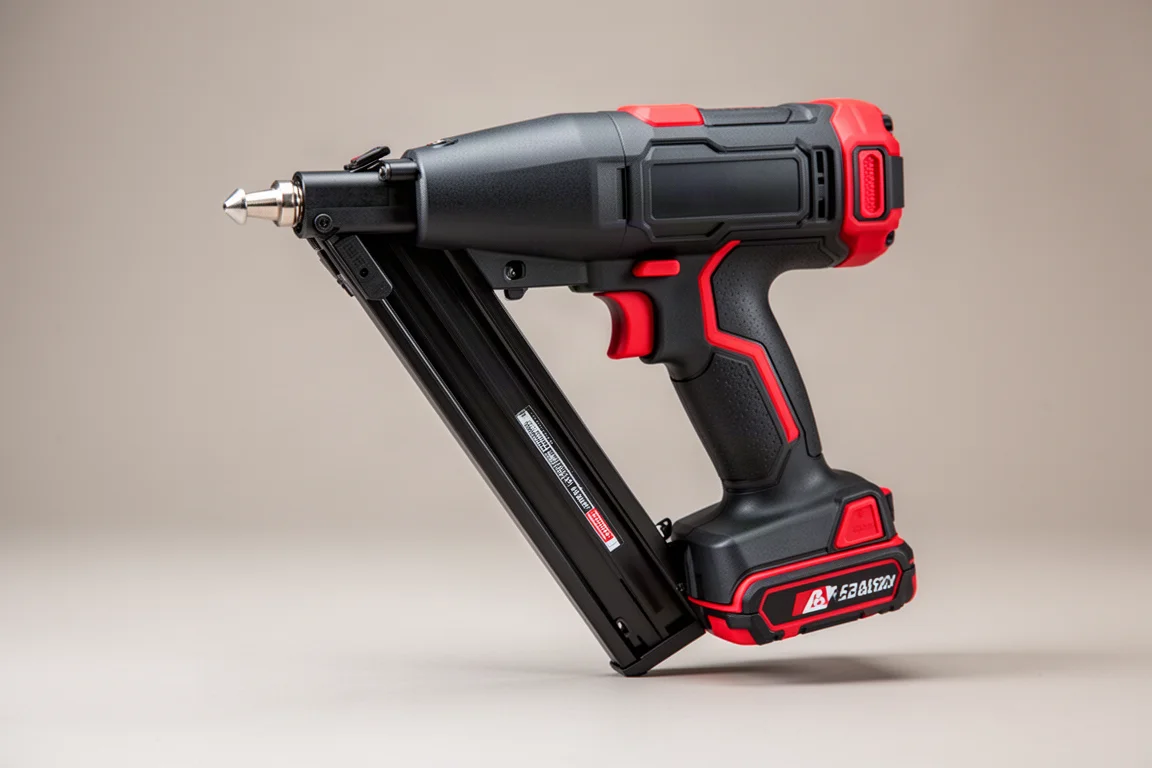
Here is the one honest criticism. The 15-gauge model uses a 34-degree angled magazine, which is fine. But the 16-gauge model uses a 20-degree angle rather than a straight magazine, and that is a choice worth questioning.
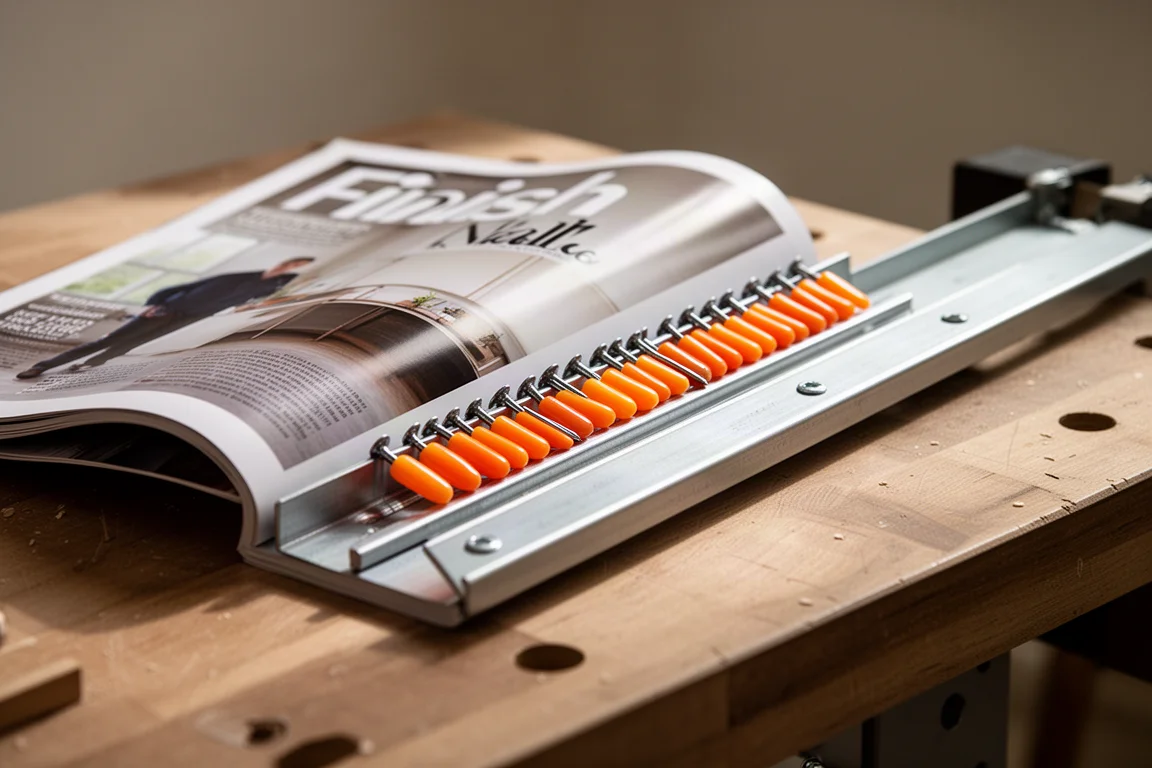
The reason is simple: 20-degree finish nails can be surprisingly hard to find at local stores. During testing, the only options available locally were dusty and clearly unpopular. A straight-magazine 16-gauge nailer would have opened up far more nail availability. If you order nails online or already have a supply, this will not matter. If you rely on the shelf at your local hardware store, check nail availability in your area before committing.
Buying Advice
Both nailers fit naturally into the second-generation Milwaukee lineup and pair well with the brad, pin, and framing nailers already in the range. If you do trim carpentry, cabinetry, furniture building, or general finish work, either one will drive cleanly through hardwoods like oak and maple and handle any molding you throw at it.
The decision mostly comes down to gauge. Choose the 15-gauge if you want maximum holding power for chunky trim and door casings, and you are comfortable with the 34-degree angle. Choose the 16-gauge if you want a slightly more delicate nail for finer trim work, and you have sorted out your nail supply for the 20-degree angle.
Conclusion
These are well-built, light, and genuinely pleasant finish nailers with easy digital adjustments, quick jam access, and clean firing through hardwood. The only real caveat is nail availability for the 20-degree 16-gauge magazine. If you can live with that angle, these are easy tools to recommend.
Further reading
Related Reviews
Power Tools
Best 1-Inch Pistol Impact Wrenches: Three Heavy-Duty Options Compared
We compare three 1-inch pistol impact wrenches, from a budget-friendly Harbor Freight model to a premium Caterpillar unit, to help you choose the right one.
Power Tools
Best 3/4-Inch Impact Wrenches 2026: Five Contenders Compared
We compare five 3/4-inch impact wrenches across price and performance, from a budget Amazon option to Snap-on's most powerful model yet.
Power Tools
Best Budget Cordless Tools 2026: Walmart Finds That Punch Above Their Price
We tested five cordless tools from Walmart, including a high-torque impact wrench that trades blows with Milwaukee and a $35 duster that outperforms its price class.