Power Tools
Milwaukee M18 Fuel 2904 vs 2804: Should You Upgrade Your Hammer Drill?
Milwaukee's fourth-generation hammer drill brings more torque and a new safety feature, but our head-to-head testing shows the upgrade decision is closer than you might expect.
Introduction
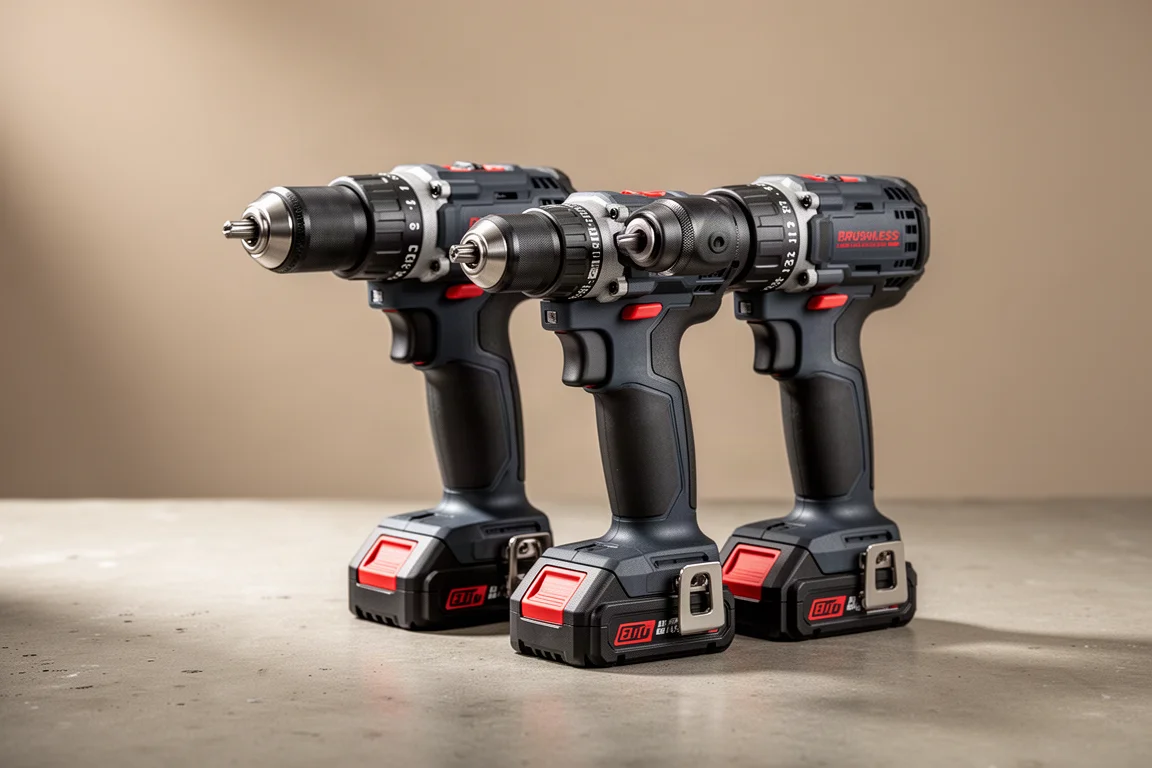
In late 2022, Milwaukee released its fourth-generation M18 Fuel hammer drill, the 2904. Many crews are still running the third-generation 2804, which raises an obvious question: is the new model enough of an upgrade to justify trading in the old one? We put both drills through the same performance tests and compared size, weight, features and price to find out.
Both models use a brushless motor and sit at the top of Milwaukee’s M18 Fuel lineup, so this comparison is really about how much a single generation of refinement buys you. All testing was done with a standard 5Ah M18 battery on each drill.
How We Tested
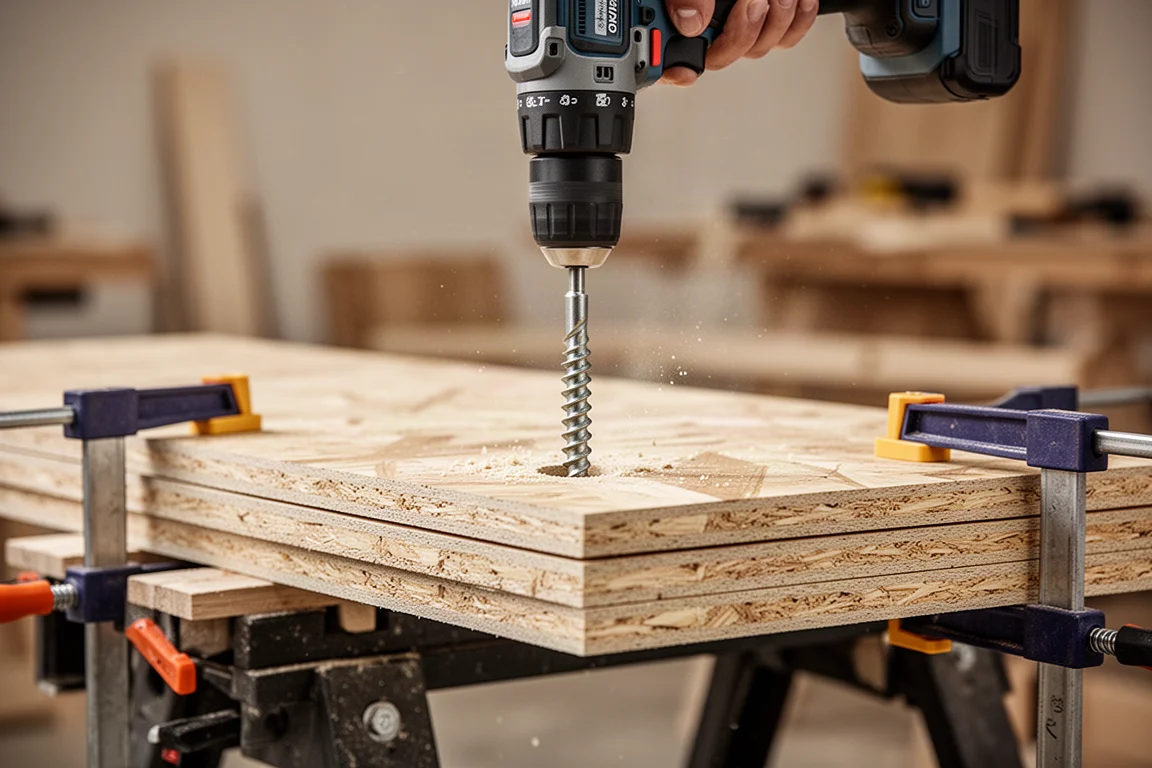
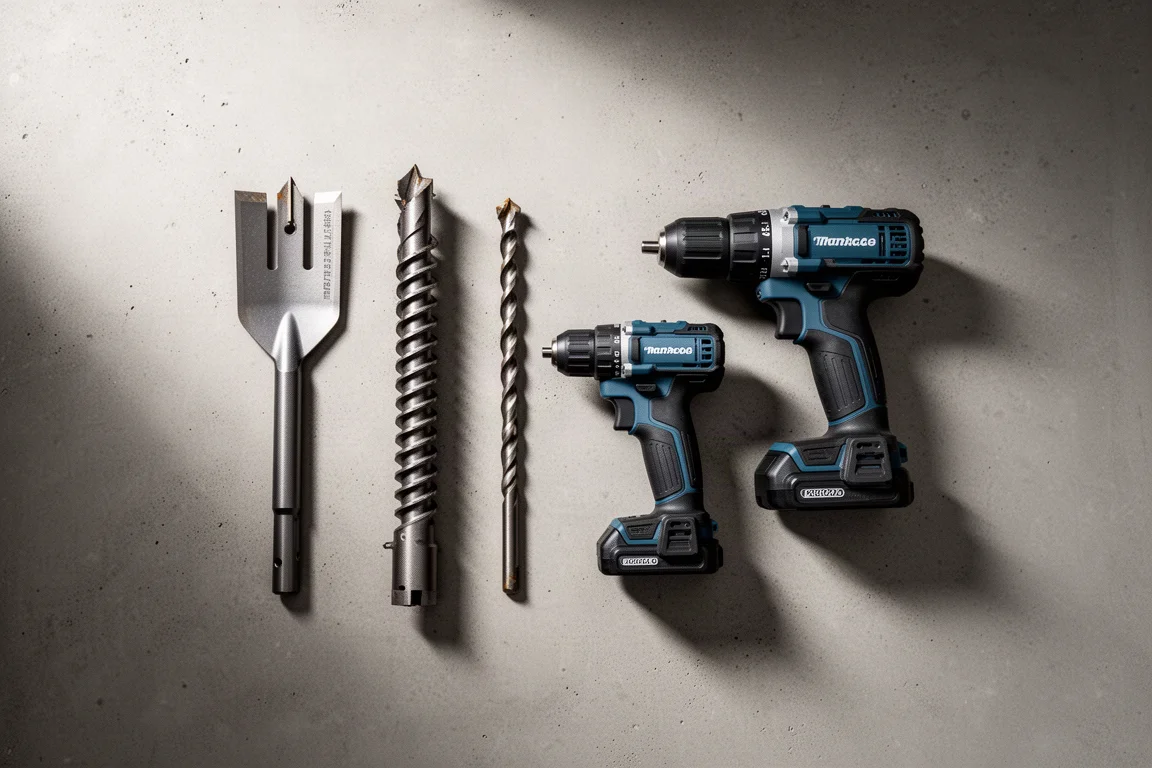
We set up four performance tests for each drill. The first drives a 10-1/2 inch lag bolt into stacked OSB in low speed, which reveals the drill’s maximum torque as recorded by an inline torque meter. The second and third tests measure drilling speed in lumber: one uses a spade bit through stacked OSB until we get three reliable results to average, and the other uses a 2-9/16 inch self feed bit through a 2x4 pine stud at the highest possible speed, averaging three runs from trigger pull to completion.
The final test runs each drill with a 3/8 inch concrete bit, drilling 3-inch holes in cured 4,000 PSI concrete and averaging three runs.
Torque: A Clear Generational Leap
The lag bolt test produced the most decisive result of the day. The 2804 topped out at 400 in-lbs of fastening torque on our rig, while the 2904 jumped significantly to 539 in-lbs with a 5Ah battery. That kind of gain is expected between generations thanks to improved gearing and higher-quality parts in the newer model, but the margin here is genuinely impressive.
The manufacturers’ hard torque claims follow the same pattern: the 2804 is rated at 1,200 in-lbs peak, while the 2904 boosts that to 1,400 in-lbs. If raw driving power is your priority, the newer model has a real edge.
Drilling Speed: Neck and Neck
The spade bit test was much closer than the torque numbers suggest. The 2804 averaged 3.52 seconds per hole, while the 2904 edged it out at 3.36 seconds, a fraction of a second faster.
With the larger 2-9/16 inch self feed bit, the result flipped. The 2804 completed three holes in an average of 2.48 seconds, ranking among the top drills we have measured for speed, while the 2904 clocked 2.59 seconds. The difference is only about a tenth of a second, but it put the Gen 4 behind the Gen 3 for the first time in our testing. Top speed tells a similar story: 2,000 RPM for the 2804 versus 2,100 RPM for the 2904, with hammer rates of 32,000 and 33,000 blows per minute respectively.
Size, Weight and Features
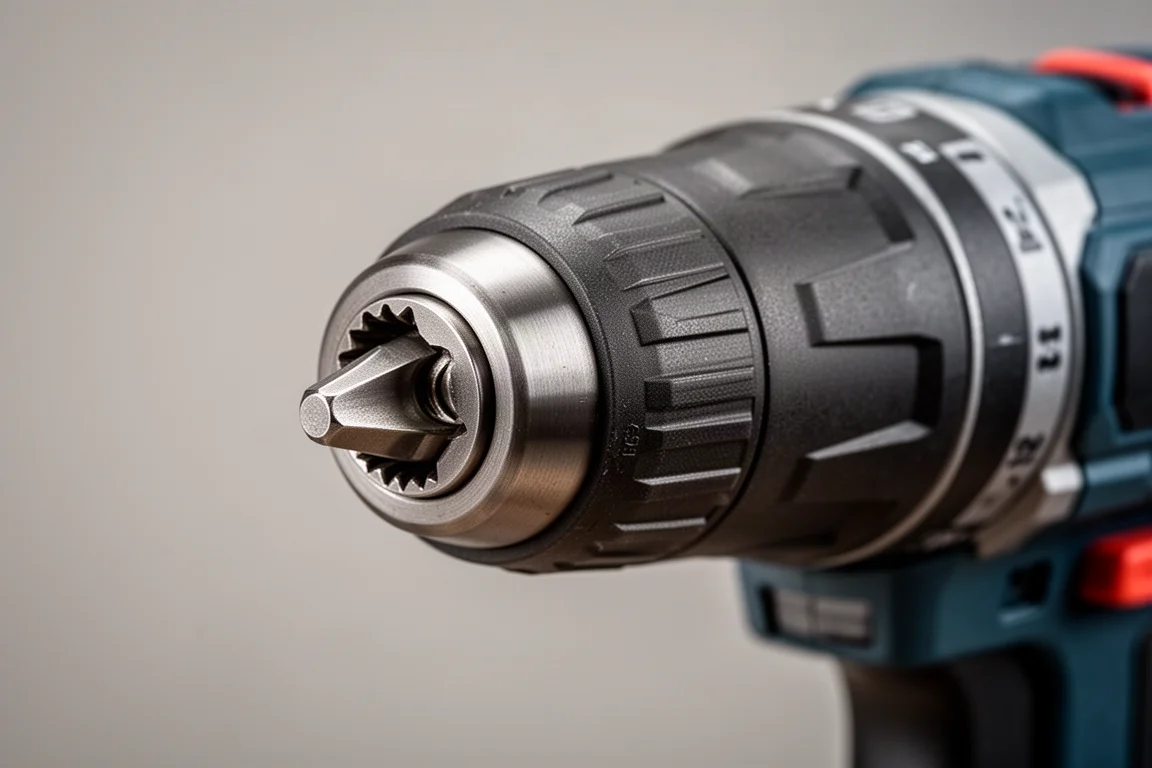
Milwaukee packed the additional power into the 2904 without adding meaningful bulk. Both drills measure exactly the same at 6.9 inches from the back to the front of the metal chuck. Weight is nearly identical too: 3.2 lb for the 2804 versus 3.3 lb for the 2904, an almost insignificant difference in practice.
The one notable feature difference is Auto Stop on the new 2904. It protects you from over-rotation in a bind-up situation, which can save your wrist if, for example, you are drilling with an auger bit through a brace of studs and hit a nail. A dedicated Auto Stop light on the foot of the tool illuminates when the feature activates.
Concrete Drilling and Verdict on Performance
The 2804 finished the concrete test with a three-hole average of 3.85 seconds. The 2904 redeemed itself here, drilling an average of 3.74 seconds, about a tenth of a second in its favor.
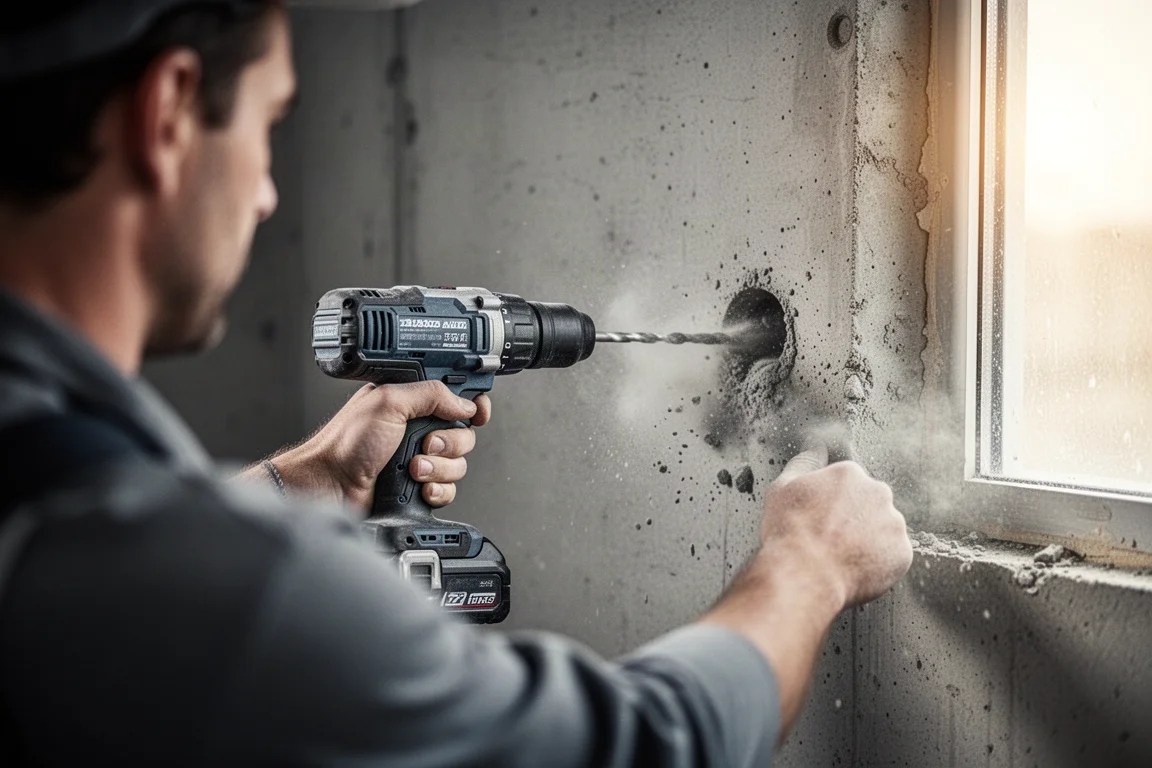
Statistically, these two tools run neck and neck across all four tests, with the 2904 winning torque and concrete drilling and the 2804 taking the self feed bit race.
Price and Where to Buy
The 2904 sells for about $199 for the bare tool from Acme Tools and other authorized dealers. Milwaukee also offers a kit with the drill, two 5Ah batteries and a charger for $299, plus a drill and impact driver combo kit with two 5Ah M18 batteries for $379. A one-key version of the drill is available at an upcharge, typically around $50.
The older 2804 was out of stock at most major retailers when we researched pricing. Where it was available, it cost $199, the same as the brand-new model, or as low as $99 refurbished, which makes those clearance units a steal. Unless you can find one of those deals, we would suggest buying the Gen 4, and realistically you may not have a choice if you want Milwaukee’s flagship hammer drill.
Conclusion
If you already own the 2804, there is really no reason to upgrade unless the Auto Stop safety feature genuinely matters to your work. If you can pass the old tool along and move to the 2904, it will not disappoint: the compactness, power and speed are excellent. And if you are simply shopping for a new hammer drill, the 2904 is the easy pick, since the Gen 3 is increasingly hard to find at a meaningful discount.
Product link
View more details for Milwaukee M18 Fuel 2904 Hammer Drill
This product is mentioned in the review. Check the specifications, options, and compatibility before buying.
View more details for Milwaukee M18 Fuel 2904 Hammer DrillFurther reading
Related Reviews

Power Tools
Best 1-Inch Pistol Impact Wrenches: Three Heavy-Duty Options Compared
We compare three 1-inch pistol impact wrenches, from a budget-friendly Harbor Freight model to a premium Caterpillar unit, to help you choose the right one.

Power Tools
Best 3/4-Inch Impact Wrenches 2026: Five Contenders Compared
We compare five 3/4-inch impact wrenches across price and performance, from a budget Amazon option to Snap-on's most powerful model yet.

Power Tools
Best Budget Cordless Tools 2026: Walmart Finds That Punch Above Their Price
We tested five cordless tools from Walmart, including a high-torque impact wrench that trades blows with Milwaukee and a $35 duster that outperforms its price class.