Power Tools
Milwaukee M18 Fuel 2732 vs DeWalt FlexVolt DCS578: Which Circular Saw Wins?
A head-to-head look at two battery-powered circular saws, plus the Makita 5007MGA corded benchmark, covering weight, ergonomics, cutting speed, and runtime.
Introduction
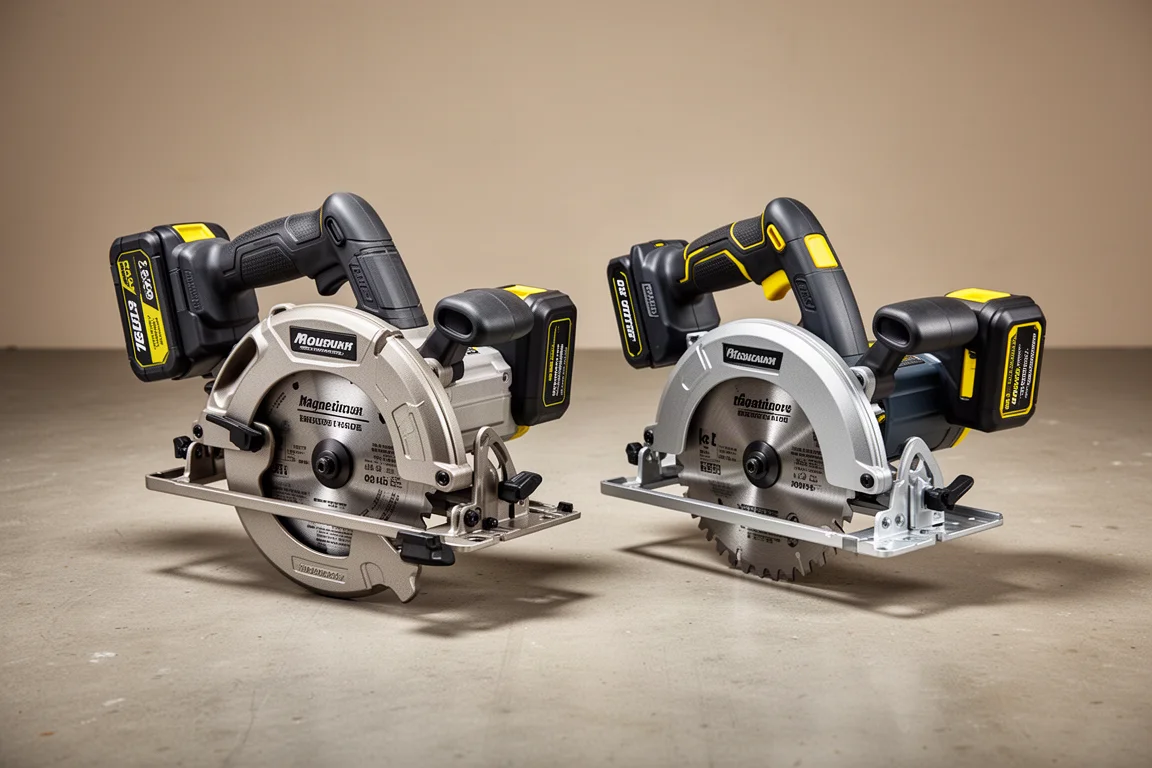
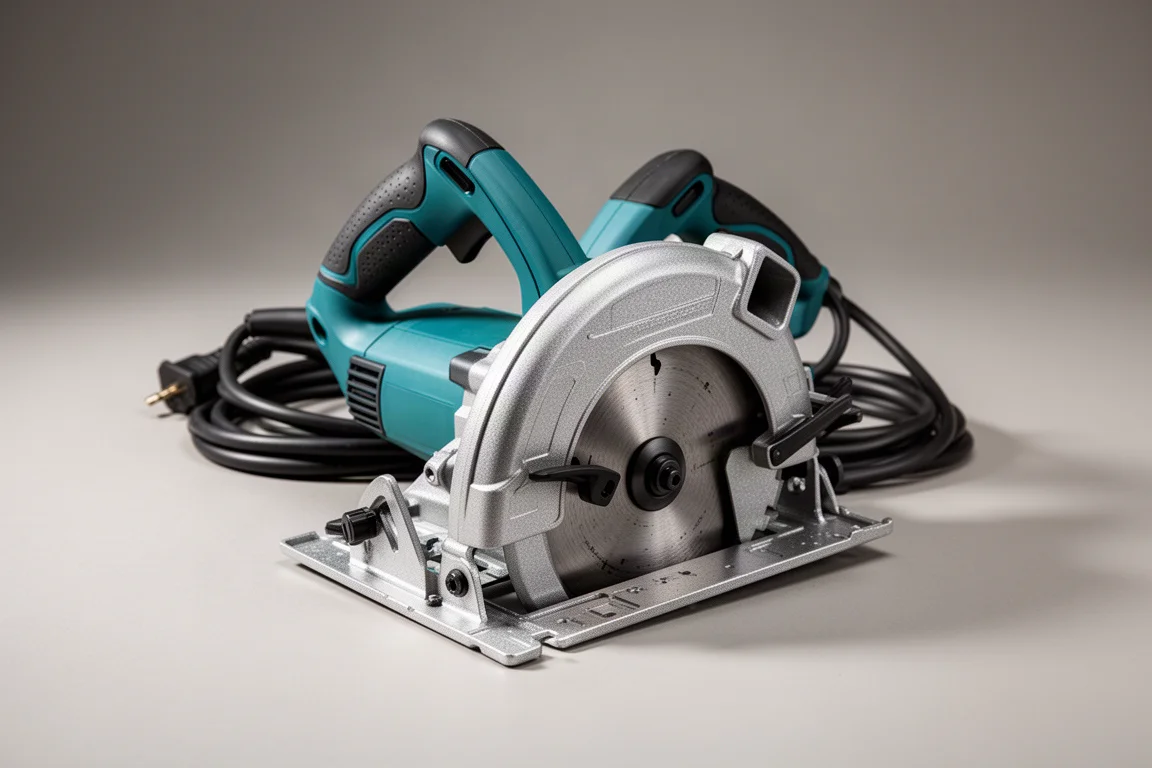
Battery-powered circular saws keep getting closer to their corded counterparts, and two models sit at the top of the conversation: the Milwaukee M18 Fuel 2732 and the DeWalt FlexVolt DCS578. Both use brushless motors and promise the kind of cutting performance that could replace a 15 amp corded saw. To put that claim in perspective, we also bring in the Makita 5007MGA, one of the most powerful 7.25 inch corded sidewinders around.
Here is how they compare on weight, ergonomics, speed, and runtime, and which one makes the most sense for your work.
Side-by-Side Specs and Weight
Both saws share a lot of the same fundamentals: brushless motors, rafter hooks, electric brakes, LED lights, and a dust port. The differences show up in the details.
With a 6 amp hour battery and blade installed, the DeWalt comes in at 10.6 pounds while the Milwaukee weighs 11.5 pounds. The DeWalt is also the more compact saw: its shoe measures 11.75 inches long versus 12.875 inches on the Milwaukee, which is about a half inch wider overall. The Milwaukee’s larger motor housing may explain the extra pound.
In practice, though, picking up both saws the weight difference is hard to feel, and both are well balanced with 6 amp hour batteries.
Ergonomics and Handling
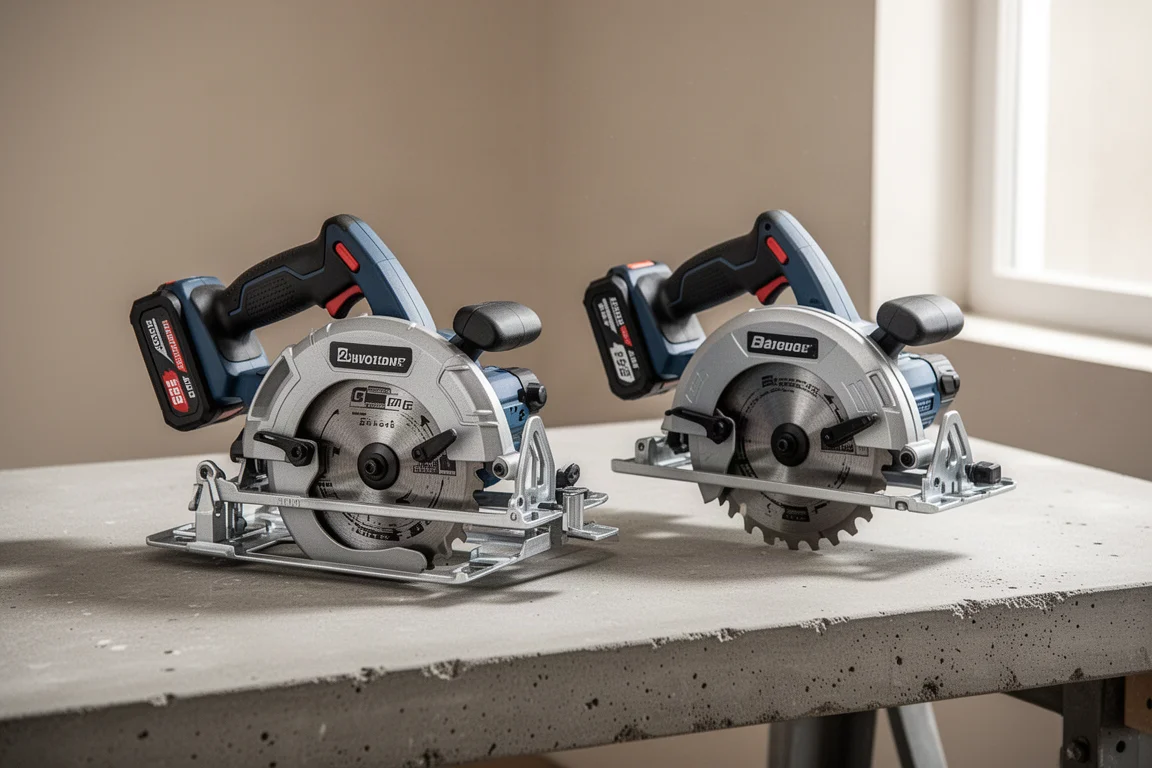
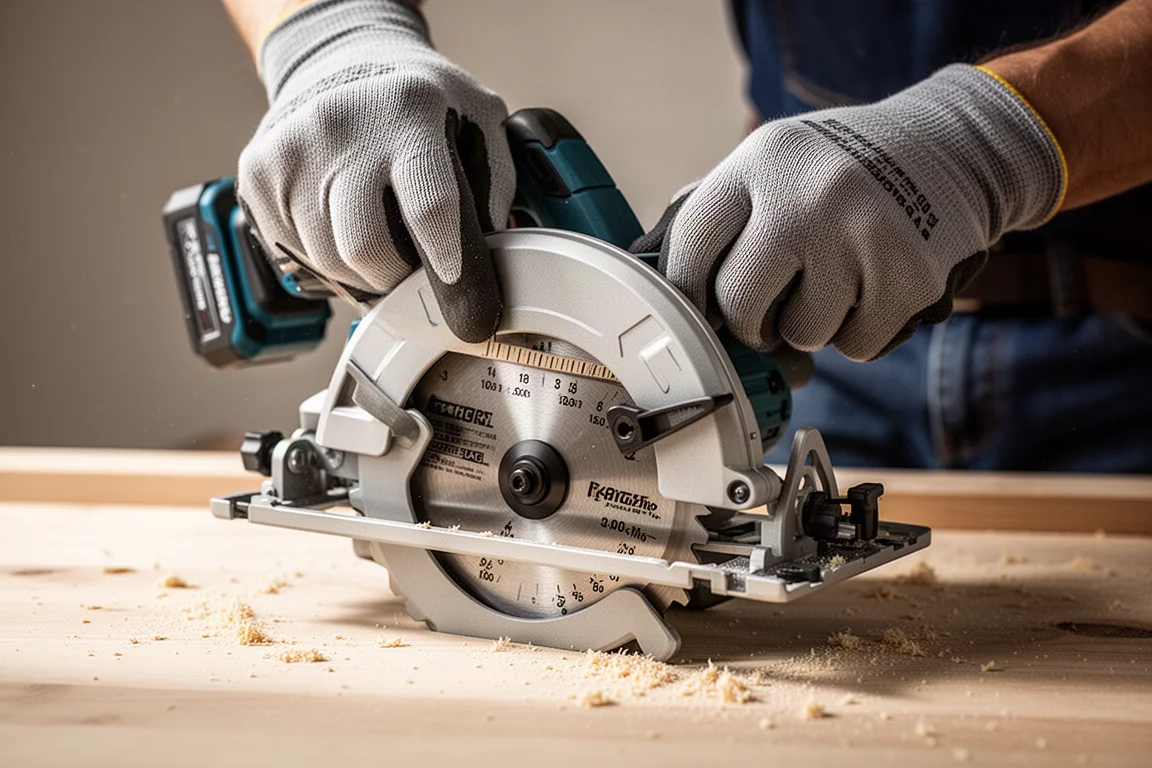
The front grips tell a different story on each saw. The DeWalt uses a plastic front grip instead of rubber overmold, which some might see as a downgrade, but it provides a full grip while still giving two clear sightlines to the blade through the rear cutout. The Milwaukee has a rubberized front grip, but it offers less than a full grip and only one sightline to the blade, so right-handed users who want to watch the blade through the rear cutout have to lean forward or look around the handle.
On build quality, the DeWalt gets an aluminum shoe and blade guard with a quiet recoil spring, plus a 0 to 57 degree bevel range with 22.5 and 45 degree stops. The Milwaukee counters with a magnesium shoe and blade guard, a more audible recoil spring, and a 0 to 50 degree bevel range with no stops, which is a small but real drawback.
Both saws have smooth depth adjustment and a rafter hook placed out of the way of the grip. The DeWalt has switched to a flat hex wrench for blade changes, and its safety slides off cleanly after the saw is triggered. The Milwaukee’s safety has a nice, even spring action, though it is easy to forget to release thumb pressure until after a rip.
Cutting Speed and Corded Power Claims
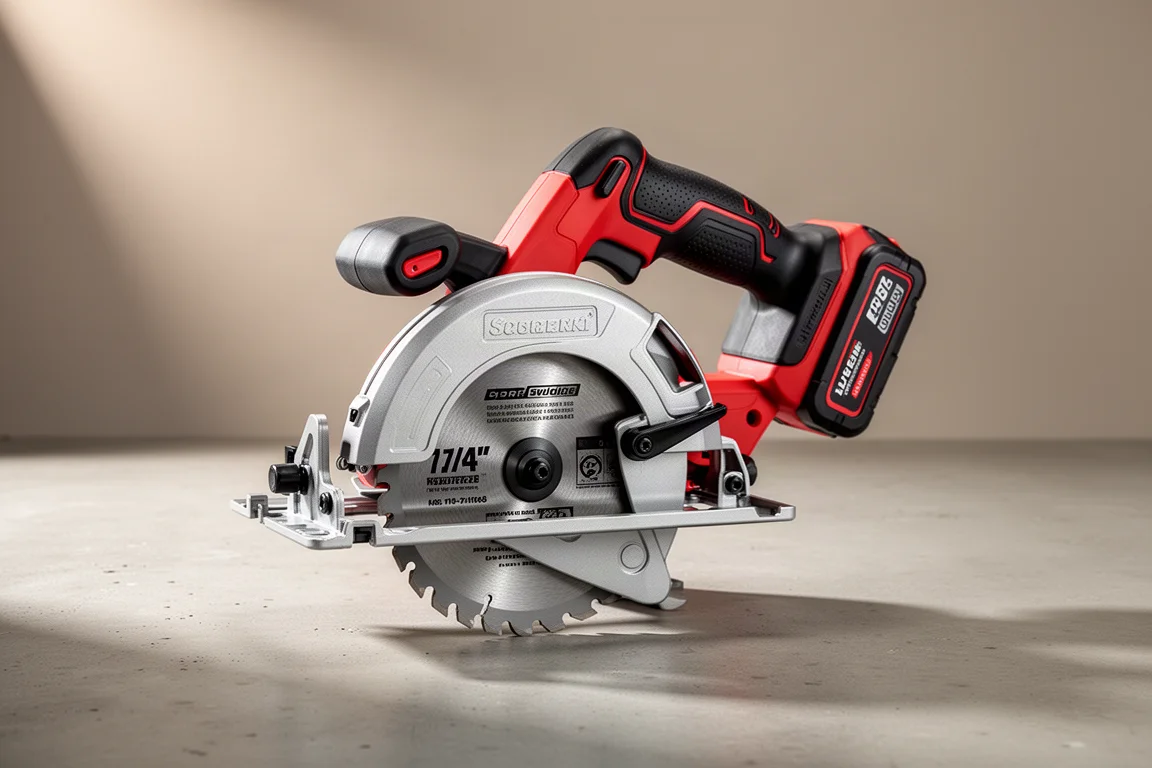
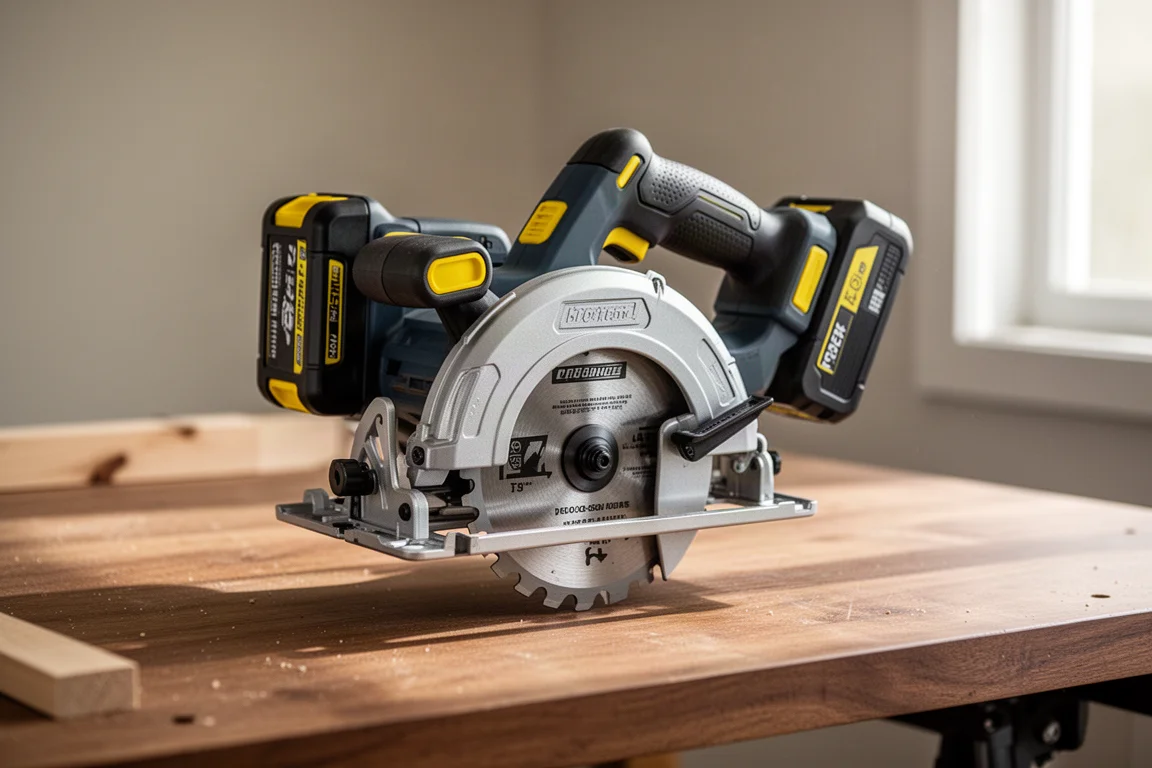
In cutting speed tests with a fully charged 6 amp hour battery and equally used blades, the two saws performed very closely, with the DeWalt finishing a couple of seconds faster.
Milwaukee claims its saw can replace a 15 amp corded saw and even cut up to 25 percent faster. The Makita 5007MGA, one of the most powerful 7.25 inch corded sidewinders, makes a good benchmark. Across many cuts, the DeWalt was either as fast or faster than the Makita, and always faster than the Milwaukee. The Milwaukee and Makita traded places, with each sometimes coming out ahead, making them roughly equal in speed.

The bottom line on speed: the DeWalt is the fastest of the three, the Milwaukee and Makita are essentially even.
Runtime and Heat Management
In a rip test through two-by material with alternating cuts to let the saws cool, the Milwaukee ran consistently until it completely tapped out at 98 feet. The DeWalt slowed down around 104 feet, at which point the test stopped to avoid running DeWalt batteries past the slowdown point, which can shorten their rechargeable lifespan.
The Milwaukee did overheat and time itself out three times via its Redlink Plus safety feature, and each time it did, the DeWalt felt about 30 degrees cooler. Given that the cuts alternated between saws in 75 degree morning sun, those are not exactly harsh conditions.
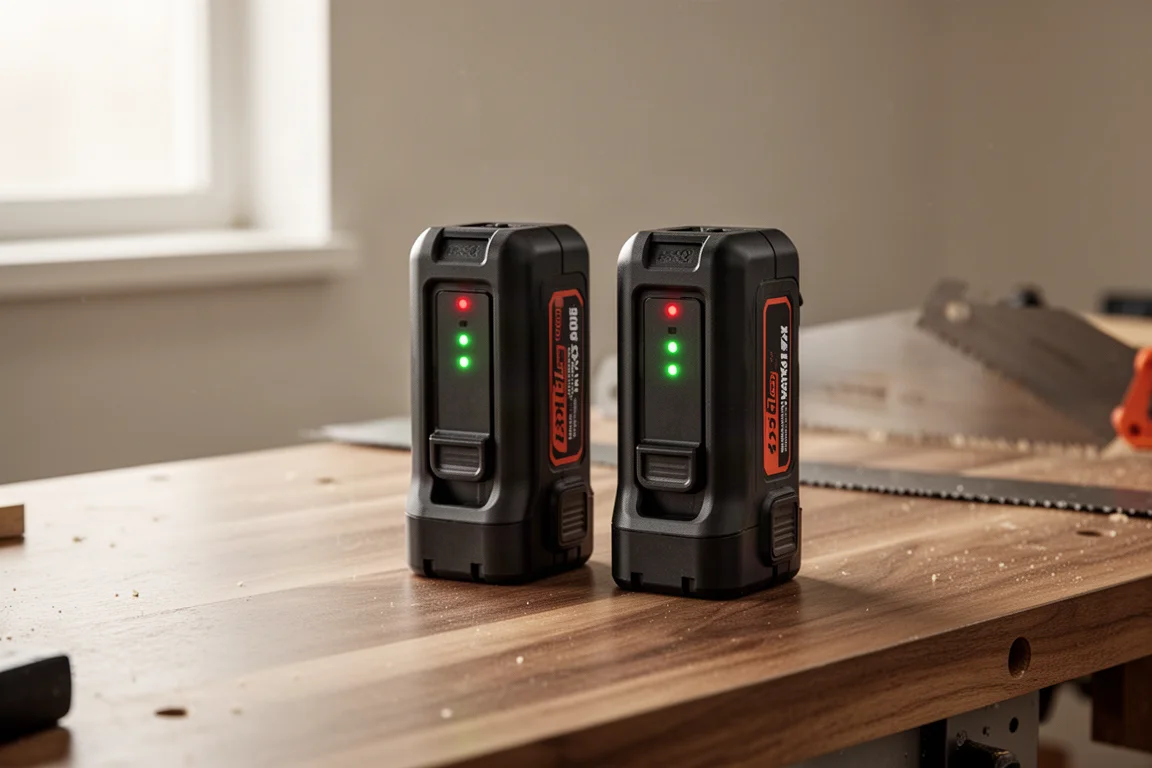
Adding bigger batteries, the Milwaukee was run with a 12 amp hour pack and the DeWalt with a 9 amp hour pack to see how that changed the picture.
Overall Buying Advice
If cutting speed and runtime are your top priorities, the DeWalt FlexVolt DCS578 takes both categories. It is also more compact, has an aluminum shoe and blade guard, a wider bevel range with useful stops, and a front grip that gives a clear view of the blade for starting cuts.
The Milwaukee M18 Fuel 2732 remains a strong saw with a smooth depth adjustment, a well-placed rafter hook, and a satisfying safety action, and it matched the Makita in speed. If you already own either battery platform, sticking with it is a reasonable choice, since both saws performed well overall.
Conclusion
The DeWalt FlexVolt DCS578 wins on speed, runtime, and cooler operation, while the Milwaukee M18 Fuel 2732 keeps pace with the best corded benchmarks and offers excellent handling. The Makita 5007MGA confirms just how close cordless saws have come to corded performance. Any of the three will serve well, but the DeWalt edges ahead in this comparison.
Further reading
Related Reviews
Power Tools
Best 1-Inch Pistol Impact Wrenches: Three Heavy-Duty Options Compared
We compare three 1-inch pistol impact wrenches, from a budget-friendly Harbor Freight model to a premium Caterpillar unit, to help you choose the right one.
Power Tools
Best 3/4-Inch Impact Wrenches 2026: Five Contenders Compared
We compare five 3/4-inch impact wrenches across price and performance, from a budget Amazon option to Snap-on's most powerful model yet.
Power Tools
Best Budget Cordless Tools 2026: Walmart Finds That Punch Above Their Price
We tested five cordless tools from Walmart, including a high-torque impact wrench that trades blows with Milwaukee and a $35 duster that outperforms its price class.