Snow Removal
Milwaukee M18 FUEL 21" Dual Battery Snow Blower Review: Battery Power with Real Limits
A first-snow test of Milwaukee's 21-inch dual battery M18 snow blower: strong torque, excellent chute control, and important battery requirements to know before buying.
Introduction
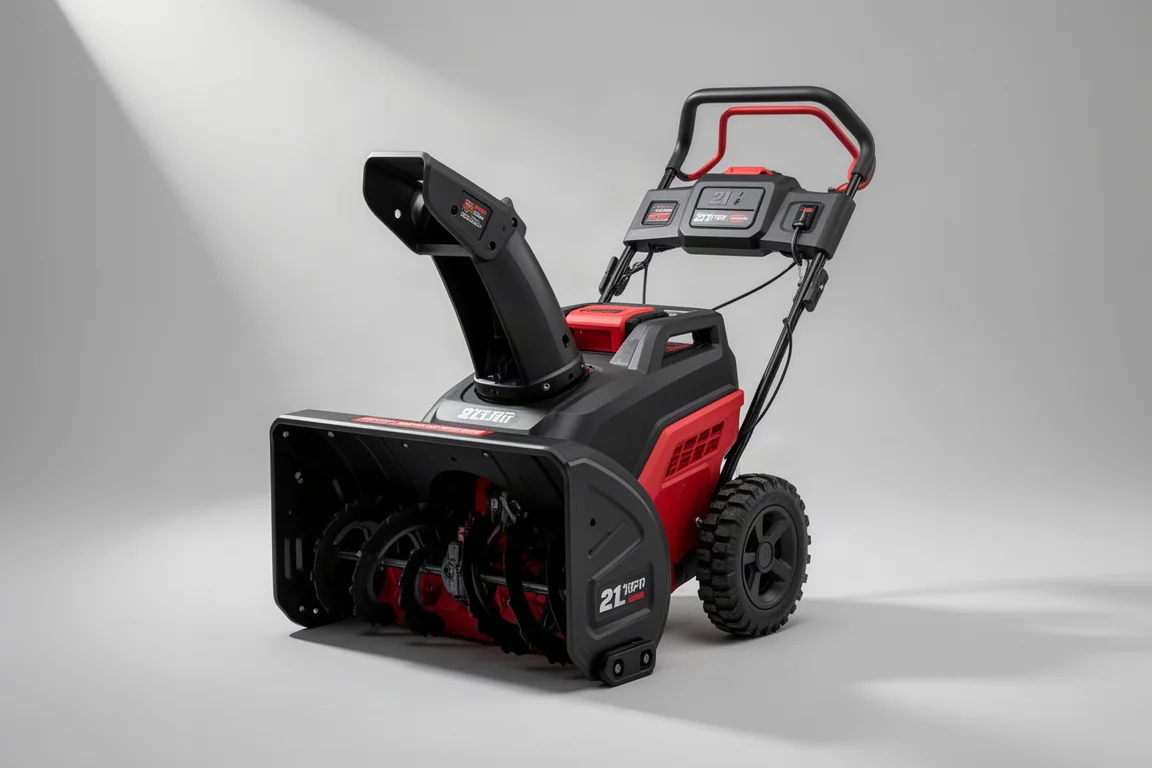
Milwaukee’s 21-inch dual battery M18 FUEL snow blower is one of the more interesting battery-powered options for people who want to skip the pull-start routine entirely. No gas engine to run, no priming, no cords. It comes as a kit with two 12 amp-hour Forge batteries and a rapid charger for $1,499, which is a serious investment that deserves a serious look before you buy.
The short version: it is a fair, well-built machine with genuinely strong torque and excellent ergonomics, but its runtime and clearing capacity have real limits, especially in heavier snow. Here is what you need to know.
First Snow Test Results
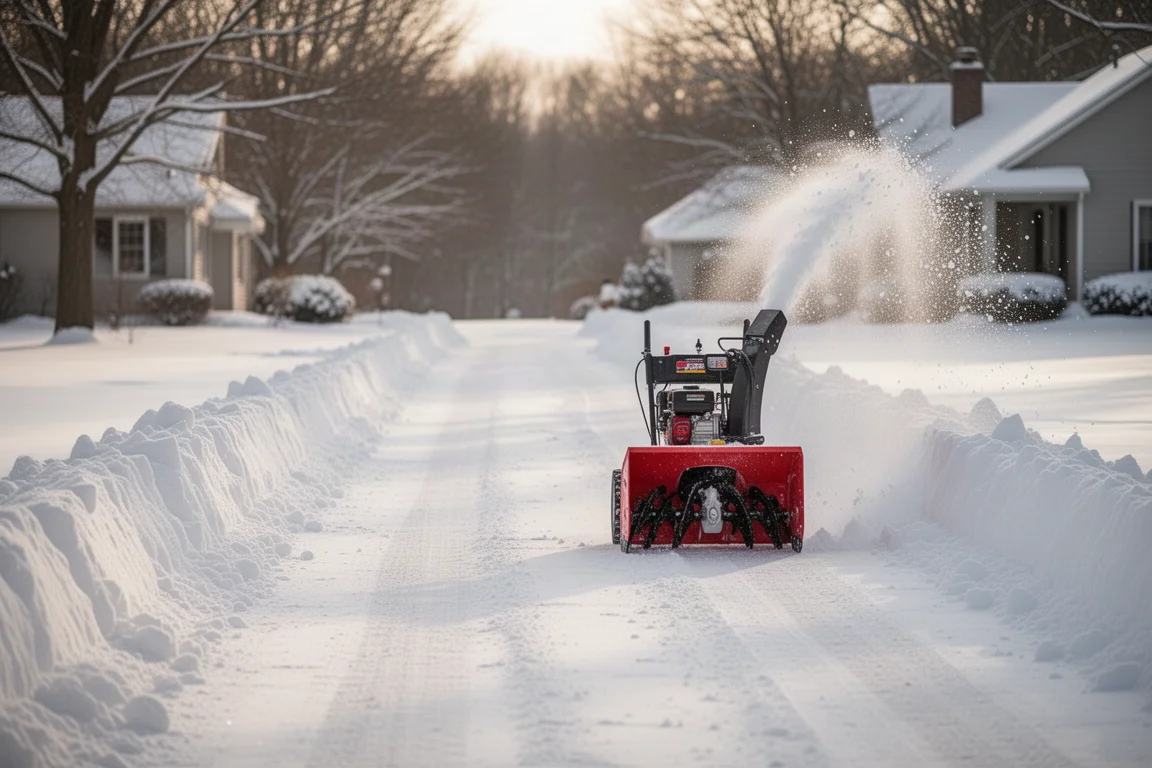
The first outing happened after a hefty snow in Michigan, a solid six to eight inches, with less accumulation near the garage and more as you move away. That heavier snow made the job harder, particularly near the end of the driveway where snow had been blown on top of other snow.
The biggest practical finding: this snow blower could not consistently throw snow all the way off the driveway, so snow stacked up toward the end. On a house where a neighbor’s home sits close to the driveway, snow has to be stacked carefully rather than blown long distances, which compounds the issue. The area it handled on two batteries covered roughly the space you could park five vehicles in. Milwaukee rates it for nine to eleven car spaces, but that was not the result in heavy snow. It is best suited to a smaller city driveway, not most longer driveways.
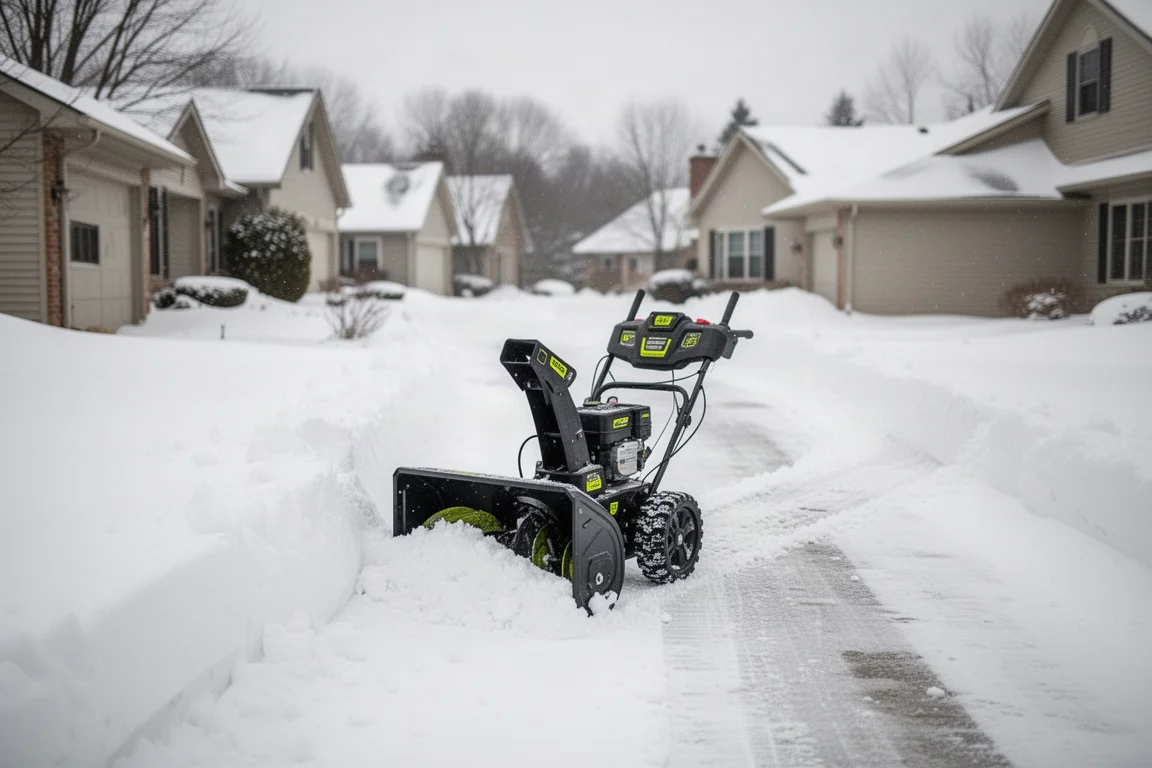
To its credit, the machine has real torque. It never noticeably slowed down until the batteries began to run out at the end, and it pushed and pushed through dense, wet snow the whole way. When snow got very heavy, it would push some of it rather than fully clearing it, which is a common single-stage limitation.
Battery Requirements and Runtime
This is the most important part of the buying decision: you need Forge 12 amp-hour batteries. Even though Milwaukee says the standard battery system works, in practice the power lags back significantly, runtime drops further, and the standard batteries get intensively hot, which burns them up. Even the Forge batteries get warm during heavy use, which says a lot about how much power this machine draws.
On two batteries, which is the minimum configuration, runtime came out to roughly an hour if run all the way down. That is a genuine limitation when you are trying to move through a large amount of snow and still have places to be. The machine accepts up to four batteries, and for larger sections of driveway you would realistically want all four.
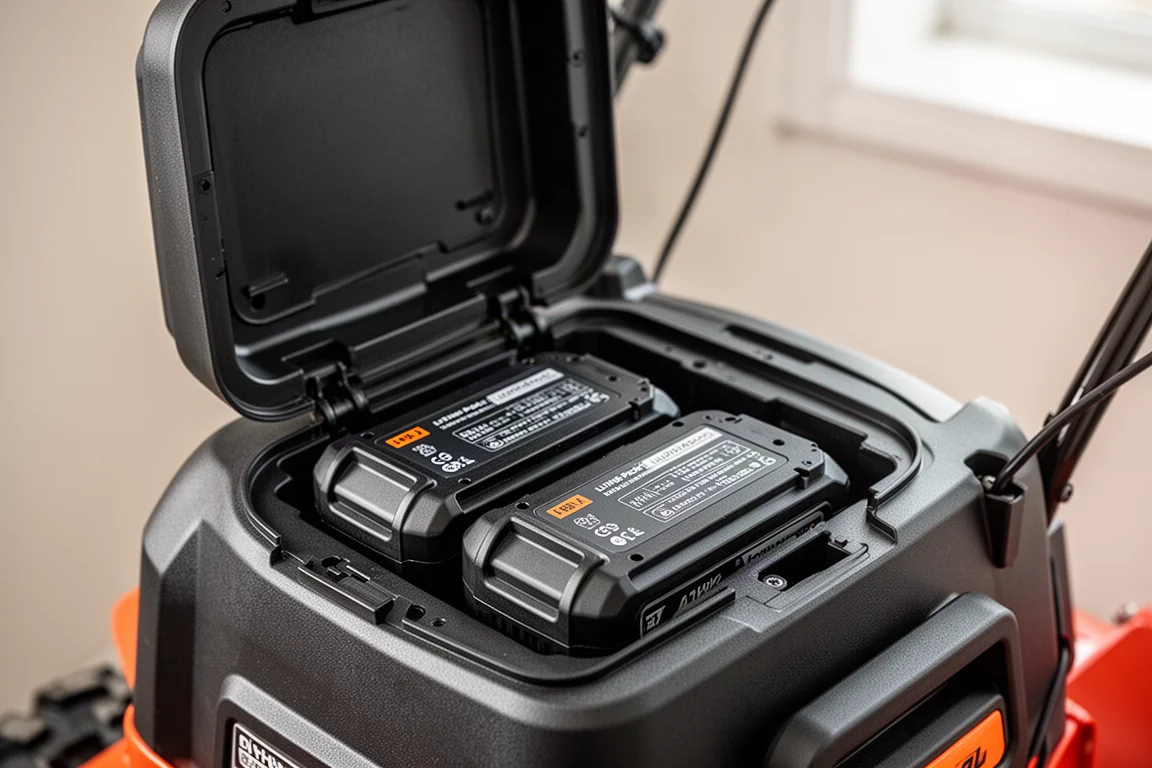
Milwaukee’s packaging lists the two included 12 amp-hour batteries and rapid charger at a $650 value. If you want the machine to handle more snow or a larger driveway, the recommendation is to add a second rapid charger and two more 12 amp-hour batteries. That pushes the total into the $2,200 range before taxes, and even then you are still dealing with the inherent charge-time trade-off of battery power.
Chute and Handle Design
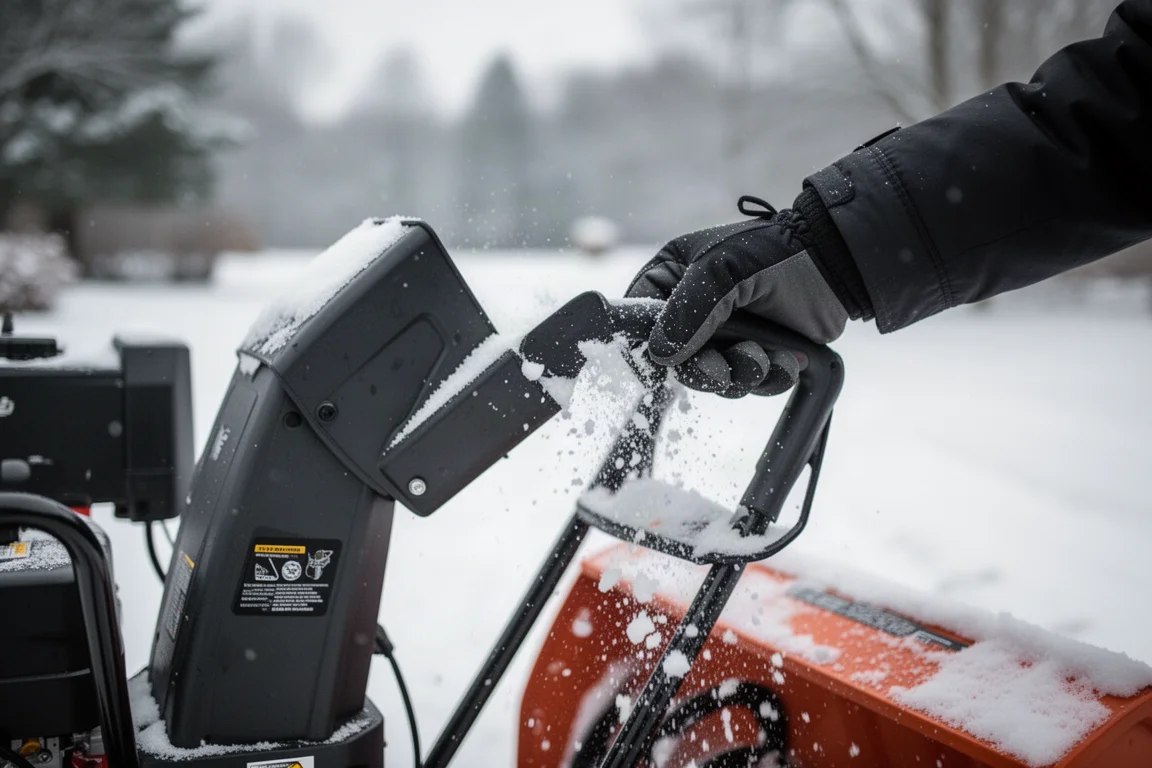
Where this snow blower really shines is the chute and handle design. The handle is precise and quick to operate, with very little fuss to it, and the chute control moving up and down is very sturdy. It moves when it needs to move and does not drift, even when throwing wet heavy snow. For anyone storing a snow blower in a garage and using it regularly, that reliability matters a lot.
Storage and Everyday Usability
It stores upright with no issue, so it sits in a corner of the garage and stays out of the way. You cannot do that with most gas machines, and it is a genuinely appreciated difference for anyone with limited storage space.
Operation is very simple: push the power button, pull back, push the power button again, and you are going. One thoughtful detail that stands out: the battery cover stays up on its own. On most other snow blowers, the cover falls shut while you are fighting to insert batteries. Keeping it open also lets the compartment dry out, which addresses the usual water-ingress concern that motivates those spring-loaded covers.
There are LED lights on board for low-light work, and while a night test has not been done yet, they appear well positioned based on moving the machine around the garage.
The rubber auger paddles hit the driveway as it runs, which is what makes it an auger-driven snow blower. That contact is what cleans the driveway down to the pavement for the most part, but it is also a wear point. The rubber flaps are fully replaceable and will need replacing over time. Some people find the resulting sound cheap or unpleasant, but it is simply the nature of the design.
Things to Consider Before Buying
A few downsides surfaced during the first use. The wheels squeak sometimes because there is no lubrication in them, and it sounds pretty bad when you first move the machine in the garage, though it quiets down after moving it around a bit. That is something the owner will need to address.
It is also quite heavy compared to compact commercial machines, so if you want a lightweight snow blower to load in and out of a truck repeatedly, this is not it. Build quality, however, is very good, and it could suit commercial users for sidewalk work as long as weight is not the priority.
If your area gets a ton of snow, this probably is not your machine. You would be looking at a two-stage or a larger, self-propelled gas unit, which will be heavier still.
How It Compares to a Small Gas Snow Blower
There is an honest comparison worth making against a small gas machine, in this case a Toro 518 with a 99cc engine costing roughly $595 to $600. Finishing the end of the driveway after the Milwaukee’s batteries ran down, the Toro genuinely ripped through the snow, threw it much further, and cut through it better. It even performed impressively across the rest of the driveway.
The caveat: the Toro stalled three times while being pushed hard, while the Milwaukee never stalled at all. So the trade is clear. You are paying more and, in raw throwing power, getting less, for the convenience of battery operation. Anyone shopping a battery snow blower already knows that trade, and the Milwaukee makes the convenience case well: no fuel, no pull-start, instant operation.
Buying Advice
Buy this machine if you have a smaller city driveway, you want a low-fuss battery experience, and you are willing to run Forge 12 amp-hour batteries in it. It is well built, handles wet snow with confidence, has excellent chute control, and stores upright in a garage corner.
Skip it if you have a long driveway or a region that gets heavy snowfall on a regular basis. In those cases, the hour-long runtime and two-battery capacity will frustrate you, and a larger gas or two-stage machine will serve you better. If you do buy it and want headroom, budget for two more batteries and a second rapid charger from the start.
Conclusion
The Milwaukee M18 FUEL 21-inch dual battery snow blower is a wonderfully convenient, very well-built machine with real torque and best-in-class ergonomics, limited by battery runtime in heavy snow. For the right driveway size and snowfall pattern, it is a great choice. For heavy-snow regions, gas still wins.
Product link
View more details for Milwaukee M18 FUEL 21" Dual Battery Snow Blower
This product is mentioned in the review. Check the specifications, options, and compatibility before buying.
View more details for Milwaukee M18 FUEL 21" Dual Battery Snow BlowerFurther reading
Related Reviews
Snow Removal
Best Battery Snowblowers 2026: Convenience at a Cost
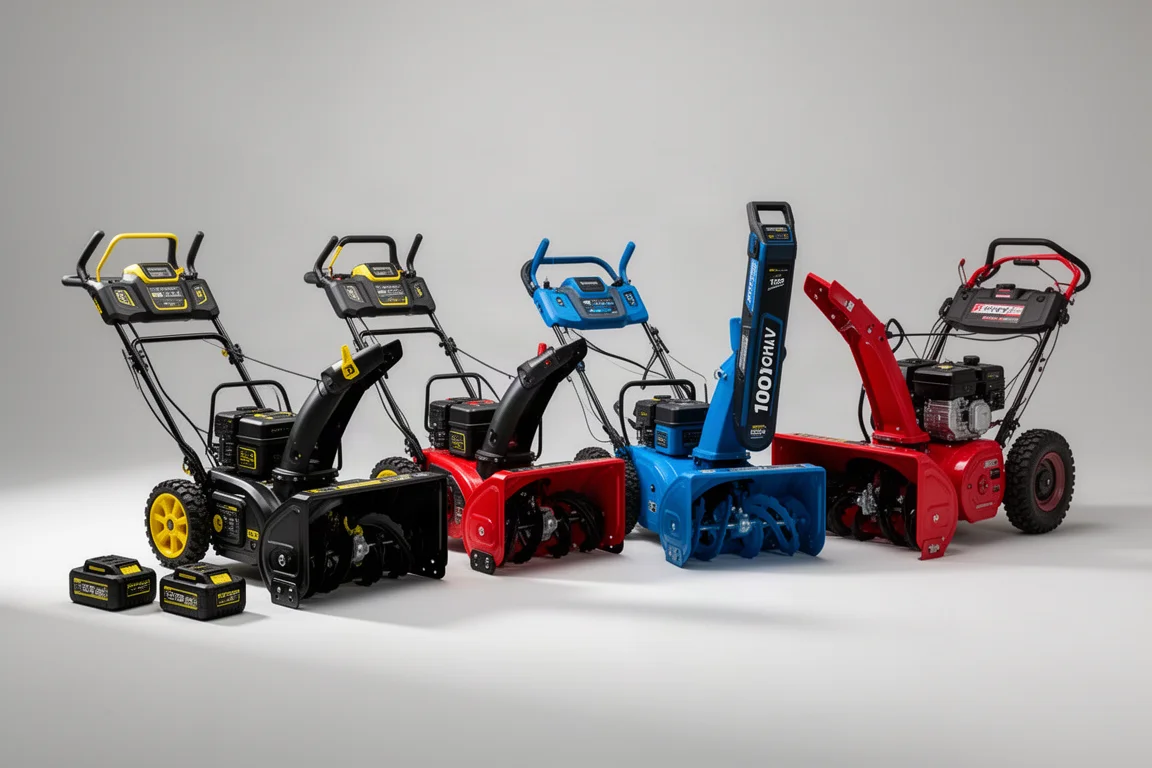
Battery snowblowers from DeWalt, Ryobi, and Snow Joe alongside a gas-powered Craftsman Select, with honest trade-offs on price, durability, and battery ecosystems.
Snow Removal
Best Budget 40V Snowblowers: Greenworks, Wild Badger, and DeWalt Compared
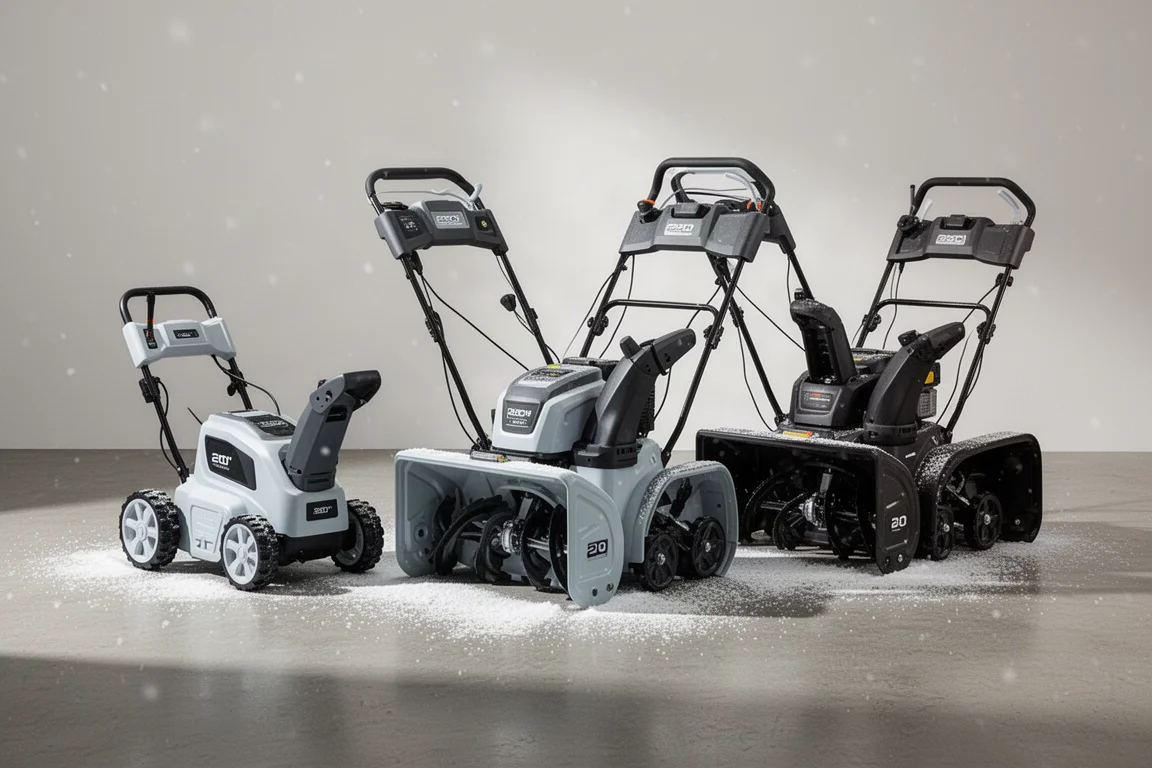
Three 40V single stage snowblowers put side by side to see which one clears the driveway best, throws the farthest, and fits your height and budget.
Snow Removal
Craftsman Select 28 Review: A Balanced Mid-Grade Two-Stage Snow Blower
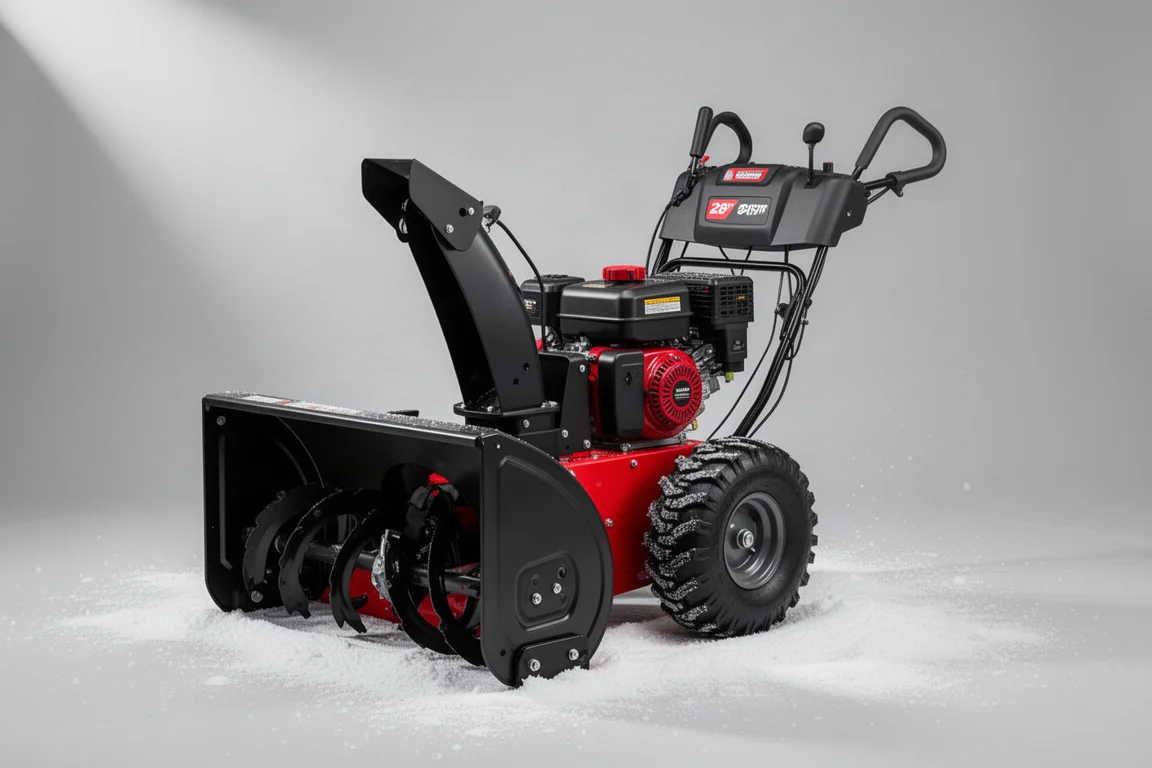
A 28-inch, 272cc two-stage gas snow blower made in the USA, with real strengths, a few setup pitfalls, and honest guidance on who it suits.