Power Tools
Milwaukee M18 Fuel 165mm Circular Saw vs Makita: Which Cordless Saw Cuts It?
A hands-on look at the Milwaukee M18 Fuel 165mm circular saw, including bevel detents, metal-cutting blades, and rip test comparisons against Makita 18V and 40V rivals.
Introduction
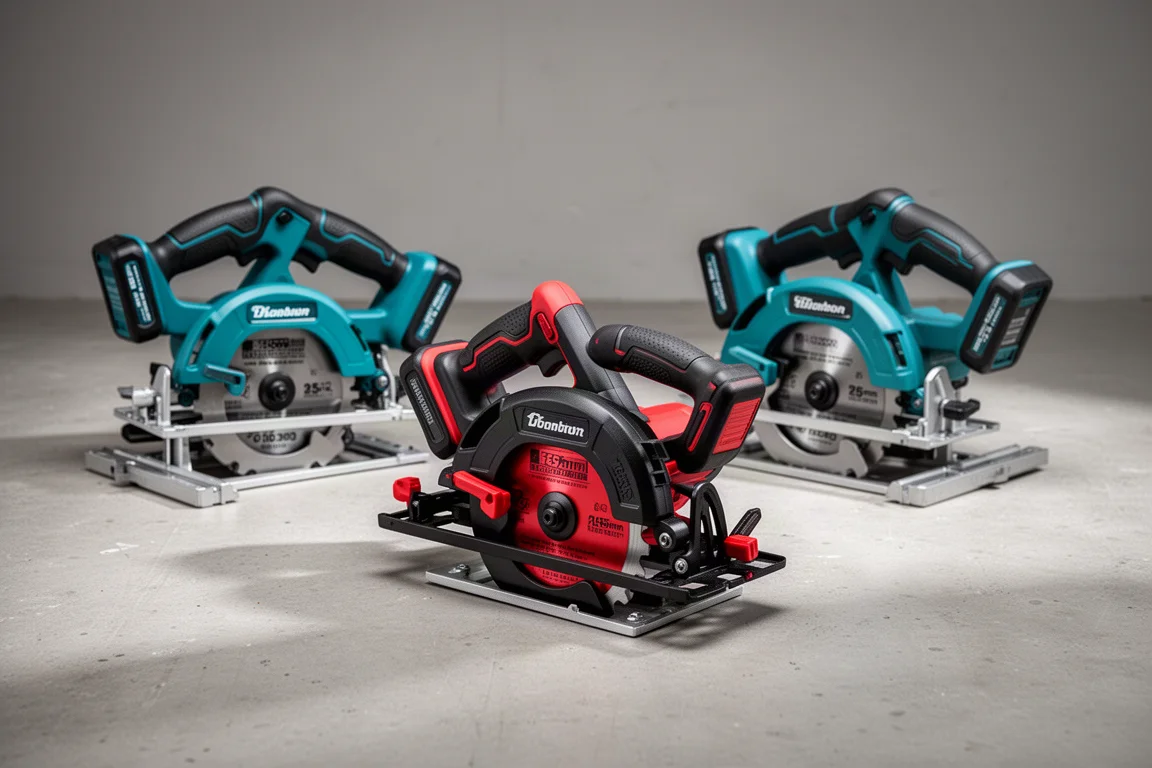
The Milwaukee M18 Fuel 165mm circular saw arrives at a good moment for anyone with a garage clear-out on the agenda: a cabinet to chop up, some old treated timber to rip, and a saw that claims to handle it all quickly and quietly. This review covers what the saw ships with, how it behaves on real cuts, and how it stacks up in a rip test against two well-known Makita rivals, the 40V 165mm and the original 18V brushless.
Evaluation Criteria
The comparison focuses on the things that matter day to day: cutting power under load with equivalent batteries, depth of cut at 0 and 45 degrees, ergonomics such as trigger feel and weight, and small details like dust handling and blade quality. Every saw was tested on rough demolition and ripping work rather than showroom cuts, which is where weaknesses tend to show up.
Design and Features
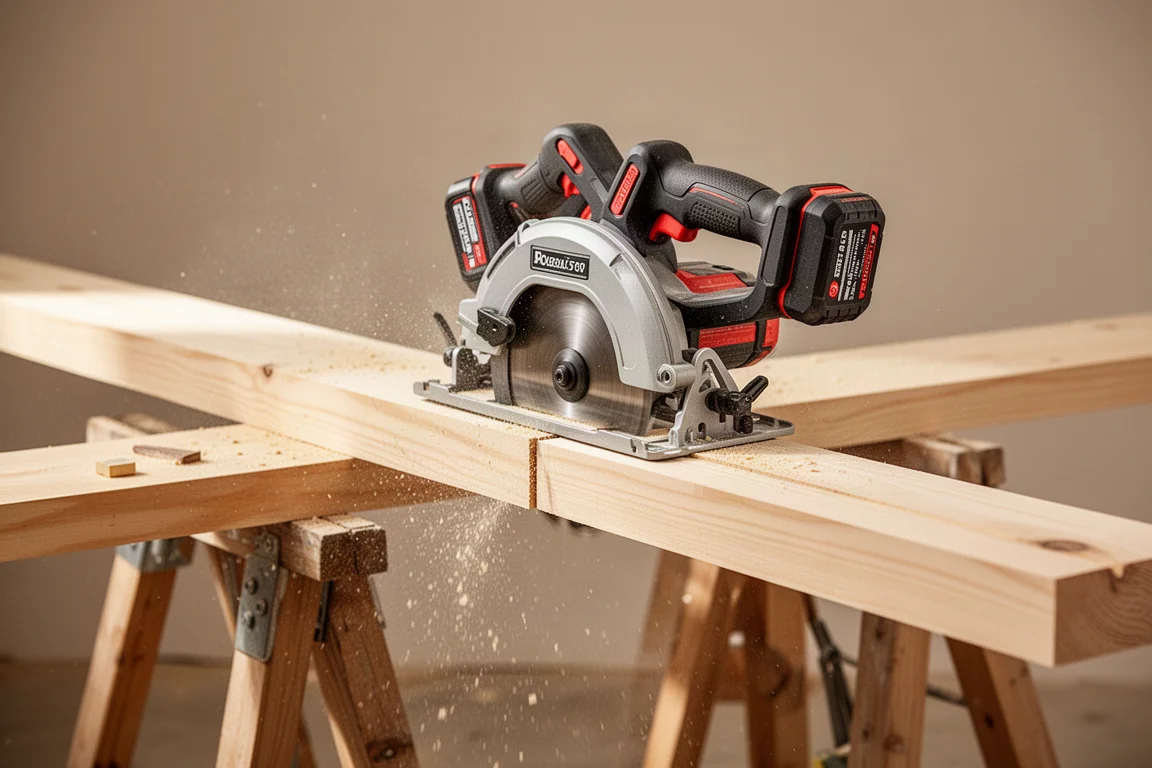
Out of the box, the saw ships with a 24-tooth 6-1/2 inch (165mm) Milwaukee framing blade in some regions, though the included blade may differ where you live. That blade proved genuinely impressive: after cutting through thin wall steel, near-1mm stainless, and a lot of timber, no teeth were missing and it kept cutting cleanly. If you occasionally need to slice through steel or aluminium, these blades hold an edge remarkably well.
The saw bevels to 50 degrees maximum with detents at 22.5 and 45 degrees, which makes quick angle changes painless. Blade depth also has detent stops, and maximum depth of cut measures around 57mm at 90 degrees and about 45mm at 45 degrees. That 45mm figure is a real advantage, since it lets you bevel-cut 45mm framing timber in a single pass. The base feels like magnesium, very light for its size.
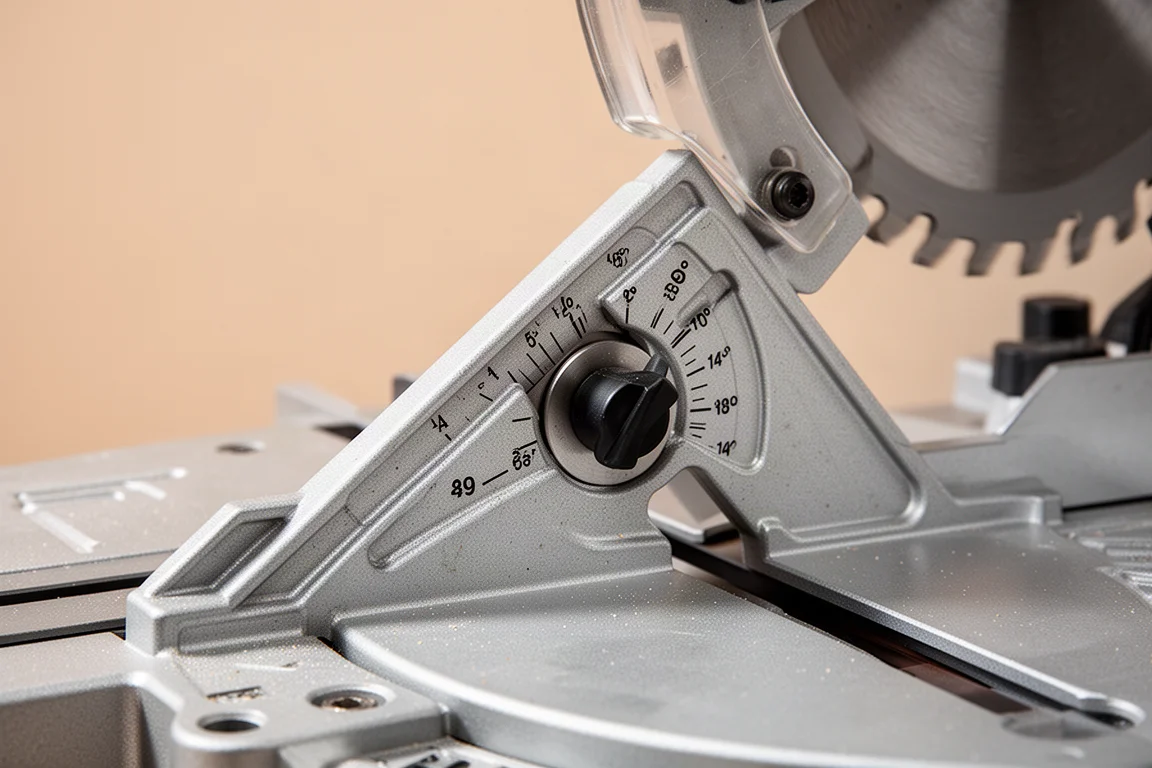
Other thoughtful details include a sturdy rip guide, built-in onboard tool storage for blade changes that is seated tightly enough not to vibrate loose, a spring-loaded knob for the rip guide, and a dust port that comes pre-fitted as standard rather than as an optional extra. There are two hooks: a belt hook mounted on the left side, which left-handed users may appreciate, and a rafter hook that seems designed for thicker US-style timber and only wedges onto 45mm dressed boards.
One design concern stands out: the blade guard spring simply slots into a groove at the rear of the saw and can be slid out with a finger. There is nothing protecting it from offcuts or debris pinging into it, and a lost spring means a non-functioning guard. It is the most significant criticism of an otherwise well thought-out package.
Dust Extraction and Handling
Being a blade-left saw, right-handed users will find dust sprayed straight toward the hip when cutting without extraction. Hooking the saw up to a vacuum through the standard dust port catches dust about as well as any circular saw manages, which is to say reasonably well. On a job site doing quick cuts, most people will not bother, but the option works if you want it.

Power delivery depends heavily on the battery. With a standard 5Ah pack the saw is decent; with an 8Ah Forge high-output battery it is a massive improvement. The saw appears optimized toward higher-output batteries, and the trigger rewards a firm grip because it is stiff, narrow, and thin. A wider, rounder trigger would have been more comfortable, and the saw is also a little heavier than some same-size rivals, roughly 300g heavier than the Makita 40V without a battery.
Rip Test: How It Compares
The rip test pitted the Milwaukee against two Makita saws with equivalent battery setups: a 5Ah pack on the 18V brushless and 5Ah on the 40V, then tabless-cell high-output packs on both the Makita 40V and the Milwaukee. The tabless packs in question use ten 4.0mAh power tabless cells each, wired as 36V 4Ah for the Makita and 18V 8Ah for the Milwaukee, essentially the same cells configured differently.
The results were interesting. With 5Ah batteries, the older Makita 18V brushless was stronger than the new Milwaukee. With the 8Ah Forge pack, the Milwaukee improved dramatically over the standard 5Ah. But in the tabless head-to-head, the Makita 40V had it again. The older Makita, despite being dated technology as the brand’s first brushless 18V circular saw, has clearly still got it.
Buying Advice
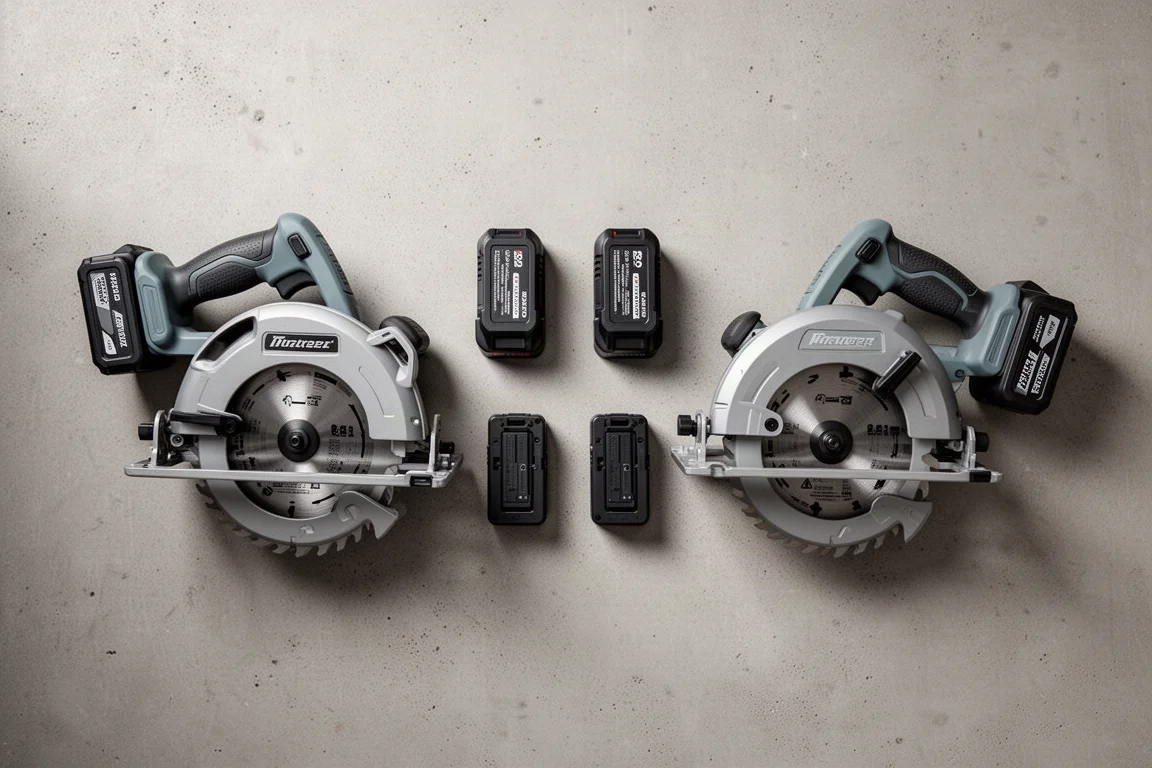
Choose the Milwaukee M18 Fuel 165mm if you value the excellent framing blade, the 45mm bevel capacity for cutting 45mm framing timber on a 45, the standard dust port, and onboard tool storage, and if you plan to run high-output Forge batteries. Its downsides are the stiff narrow trigger, the slightly heavier weight, and the exposed guard spring. If maximum ripping power per battery class is your priority, the Makita 40V 165mm proved stronger in this testing, and the well-proven Makita 18V brushless remains a remarkably capable, popular all-rounder.
Conclusion
The Milwaukee M18 Fuel 165mm is a good little saw with genuinely clever details and a blade that outperforms expectations, but in straight rip tests the Makita 40V held the edge and the older Makita 18V brushless stayed surprisingly competitive. Pick based on your battery ecosystem and whether trigger comfort or cutting muscle matters more to you.
Product link
View more details for Milwaukee M18 Fuel 165mm Circular Saw
This product is mentioned in the review. Check the specifications, options, and compatibility before buying.
View more details for Milwaukee M18 Fuel 165mm Circular SawFurther reading
Related Reviews
Power Tools
Best 1-Inch Pistol Impact Wrenches: Three Heavy-Duty Options Compared
We compare three 1-inch pistol impact wrenches, from a budget-friendly Harbor Freight model to a premium Caterpillar unit, to help you choose the right one.
Power Tools
Best 3/4-Inch Impact Wrenches 2026: Five Contenders Compared
We compare five 3/4-inch impact wrenches across price and performance, from a budget Amazon option to Snap-on's most powerful model yet.
Power Tools
Best Budget Cordless Tools 2026: Walmart Finds That Punch Above Their Price
We tested five cordless tools from Walmart, including a high-torque impact wrench that trades blows with Milwaukee and a $35 duster that outperforms its price class.