Power Tools
Milwaukee M18 Forge XC 6.0 Battery Review: Pouch Lithium Power in a Smaller Pack
Milwaukee's first pouch lithium M18 battery packs the output of a much larger HD 12.0 pack into a compact 6.0Ah body, with a longer cycle life and a modest price premium.
Introduction
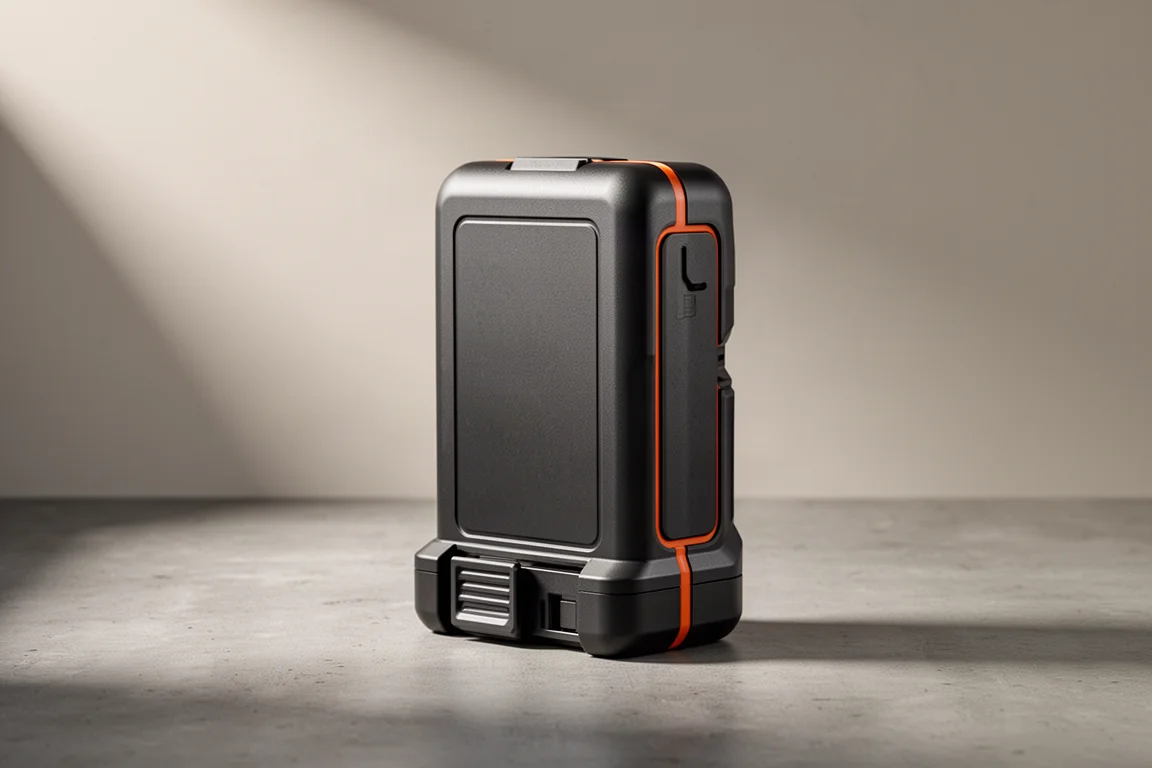
Milwaukee’s M18 Forge XC 6.0 is the first of its kind for the brand: a REDLITHIUM FORGED battery built on pouch lithium technology rather than the cylindrical cells used in every other M18 pack. That alone explains the buzz, but the more practical question is whether it deserves a spot in your kit, especially at a small price premium.
The headline claim is straightforward: this compact 6 amp-hour pack delivers the watts out of the much larger HD 12.0 battery. That matters for high-demand tools like circular saws and reciprocating saws, which need a lot of watts to run efficiently. Note the distinction: watts out is not the same as runtime. The Forge XC 6.0 still holds 6 amp hours, so you get the power delivery of a bigger pack without the total capacity of one.
What Makes Forge Different
If you are picturing a new type of cylindrical cell, that is not what is happening here. Milwaukee is using pouch lithium technology, closer in concept to the battery pack in a phone or a laptop. The immediate benefit you feel in the hand is size and balance: on lighter tools like an impact driver, the smaller pack makes the whole tool feel a bit more balanced.
The other benefit is long-term value. A typical cylindrical cell pack may deliver around 300 charge cycles over its life, while a pouch lithium pack can potentially deliver three to four times that amount. Pair that with a price tag only about twenty dollars above its cylindrical cell counterpart, and the math starts to look compelling.
Real-World Tool Tests
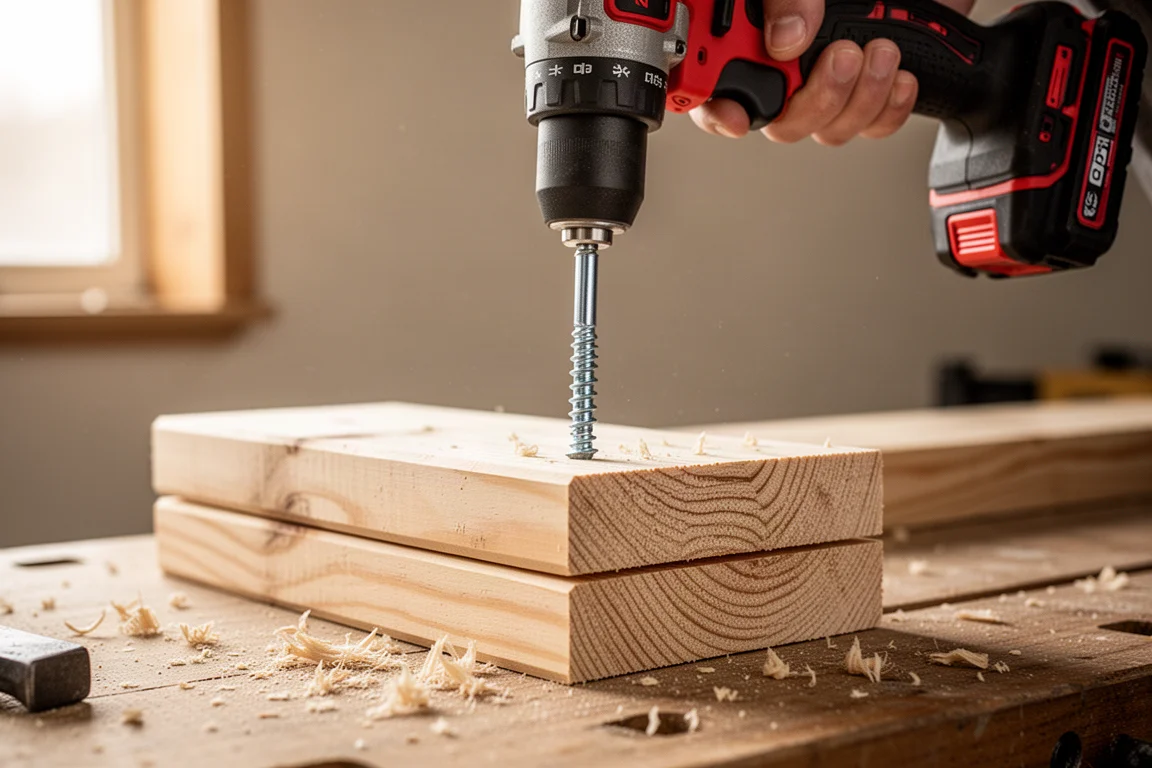
Starting with the lighter end, a Gen 4 quarter-inch impact driver driving a six-inch lag fastener showed no meaningful difference between the Forge pack and a standard 6.0Ah battery. Both finished the job almost instantly. The only noticeable difference was balance, thanks to the Forge pack’s smaller size.
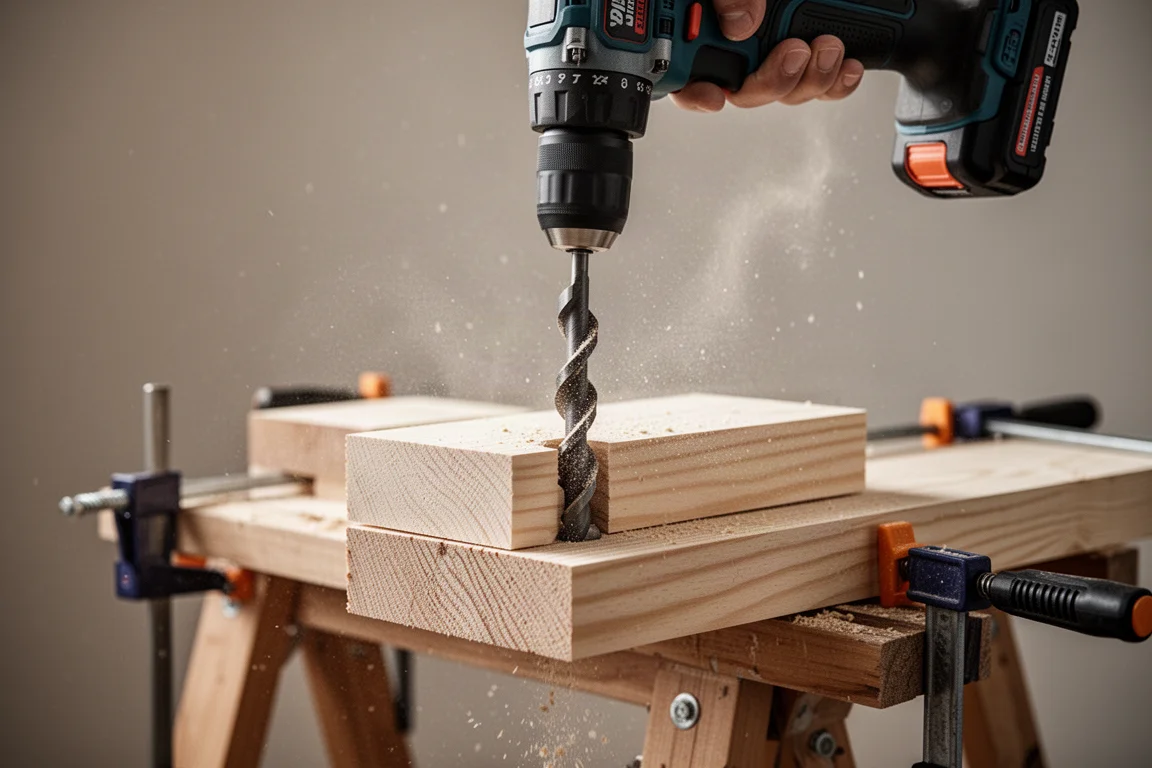
The next step up was a Gen 4 Fuel hammer drill with a large self-feed bit through doubled lumber, run in speed one. Both batteries delivered tremendous torque with zero stall, and the results were close. If anything, the tool felt slightly porkier with the Forge pack on board. With a longer one-inch bit drilled in speed two, the Forge pack again proved it can hang with, and potentially edge out, its cylindrical counterpart on demanding drilling work.
High-Demand Tools: Rotary Hammer
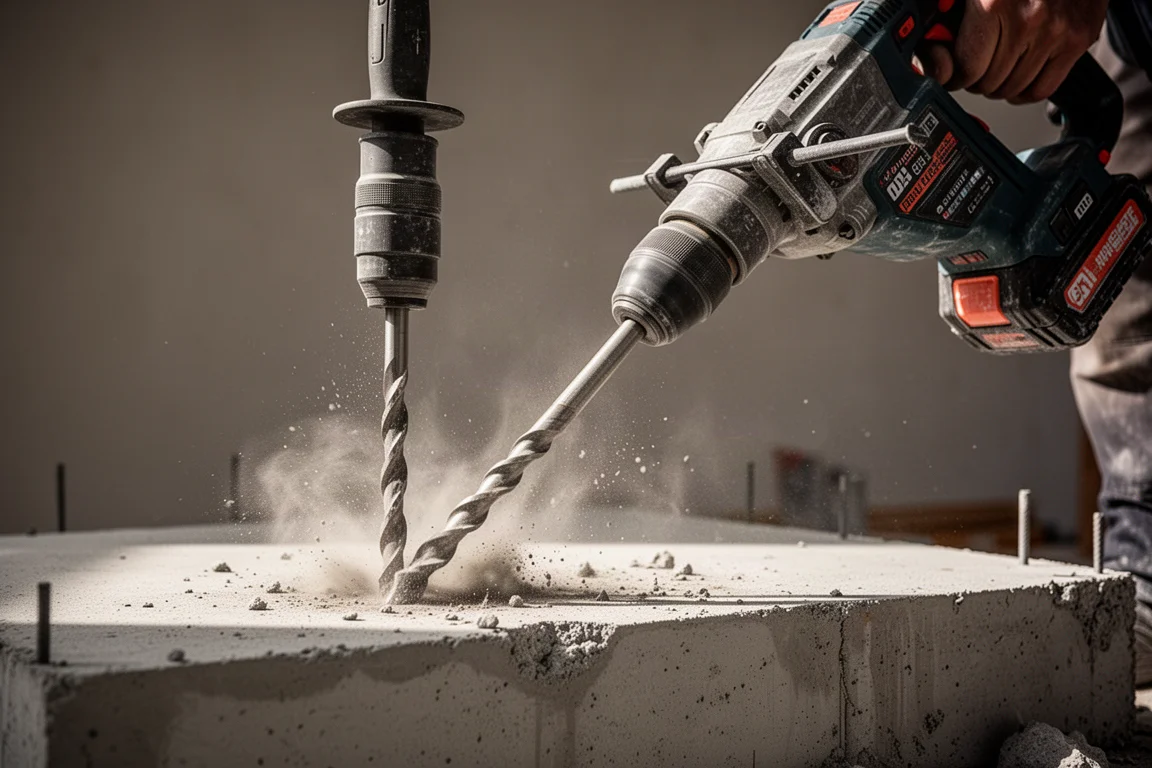
Where the Forge pack starts to earn its keep is on the big tools. With an M18 Fuel 1-1/8-inch rotary hammer and a rebar-cutting masonry bit, the drill went clean through the slab, unobstructed, on battery power alone. The resulting hole was massive, and the Forge pack handled the workload impressively for its size.
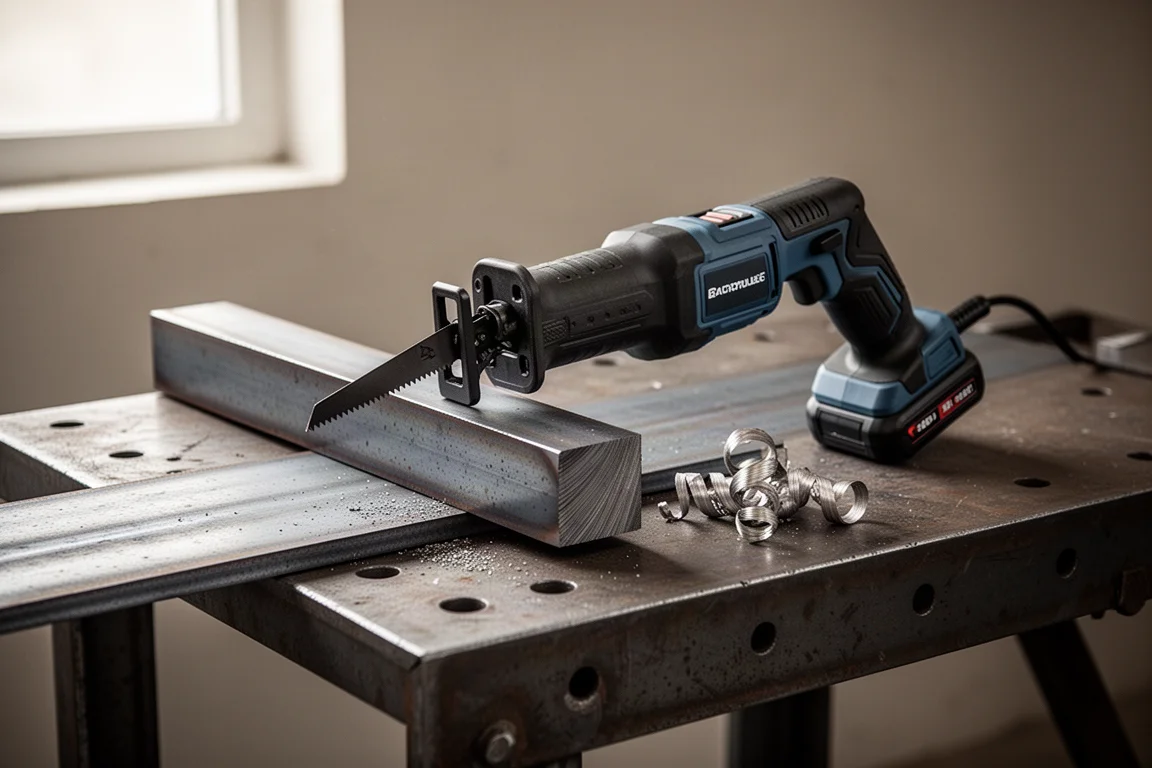
The reciprocating saw test pushes the watts-out claim hardest. Swapping between the standard 6.0Ah pack and the Forge pack on Milwaukee’s Super Sawzall, the Forge pack felt like it did the job noticeably faster. This is exactly the category of tool where higher power delivery makes a tangible difference, and where the Forge XC 6.0’s headline claim holds up best.
Who This Product Is For
The Forge XC 6.0 makes the most sense for tradespeople and serious DIYers who run high-draw tools like sawzalls, circular saws, and rotary hammers regularly. On light-duty tools, you are mostly buying a smaller, better-balanced pack. On heavy tools, you are buying genuine extra power delivery.
It is also a strong choice for anyone who thinks in terms of total cost of ownership. If a pouch lithium pack really lasts three to four times as many charge cycles, one Forge pack could outlast several conventional packs, which is where the real savings show up over years of use.
Things to Consider Before Buying
The honest trade-off is runtime. You are getting the watts out of a 12.0 pack, but not the 12 amp hours of runtime, so plan on recharging more often than you would with the bigger pack. If your workdays are dominated by high-demand tools, that trade is easy to accept; if you mostly need endurance, the HD 12.0 still has a place.
Budget is another factor. If every dollar counts, the extra twenty dollars is real money, even if it is a small premium in absolute terms. The upside is that this is one of the rare cases where a modest upcharge buys both better performance and potentially a much longer pack life.
Buying Advice
For around twenty dollars more than the equivalent cylindrical cell pack, the Forge XC 6.0 offers potentially three to four times the recharge cycles along with the output of a much larger battery. For most users, that combination makes the premium easy to justify. If money is tight, the standard packs remain perfectly capable; but if you are investing in batteries you expect to keep for years, the Forge pack is a small investment for a much larger return.
Conclusion
The Milwaukee M18 Forge XC 6.0 backs up its headline claim where it counts: on power-hungry tools, it behaves like a far larger pack, and its pouch lithium construction points to a much longer service life. Combined with a modest price premium over conventional packs, it is an easy recommendation for anyone who relies on high-demand M18 tools day in and day out.
Product link
View more details for Milwaukee M18 Forge XC 6.0 Battery
This product is mentioned in the review. Check the specifications, options, and compatibility before buying.
View more details for Milwaukee M18 Forge XC 6.0 BatteryFurther reading
Related Reviews
Power Tools
Best 1-Inch Pistol Impact Wrenches: Three Heavy-Duty Options Compared
We compare three 1-inch pistol impact wrenches, from a budget-friendly Harbor Freight model to a premium Caterpillar unit, to help you choose the right one.
Power Tools
Best 3/4-Inch Impact Wrenches 2026: Five Contenders Compared
We compare five 3/4-inch impact wrenches across price and performance, from a budget Amazon option to Snap-on's most powerful model yet.
Power Tools
Best Budget Cordless Tools 2026: Walmart Finds That Punch Above Their Price
We tested five cordless tools from Walmart, including a high-torque impact wrench that trades blows with Milwaukee and a $35 duster that outperforms its price class.