Power Tools
Milwaukee M18 Deep Cut Band Saw 2929-20 Review: Ergonomics First, Speed Second
Milwaukee's next generation M18 deep cut band saw brings a curved ergonomic handle, variable speed trigger, mode-based speed control, and a smart cut brake to a lighter, faster package.
Introduction
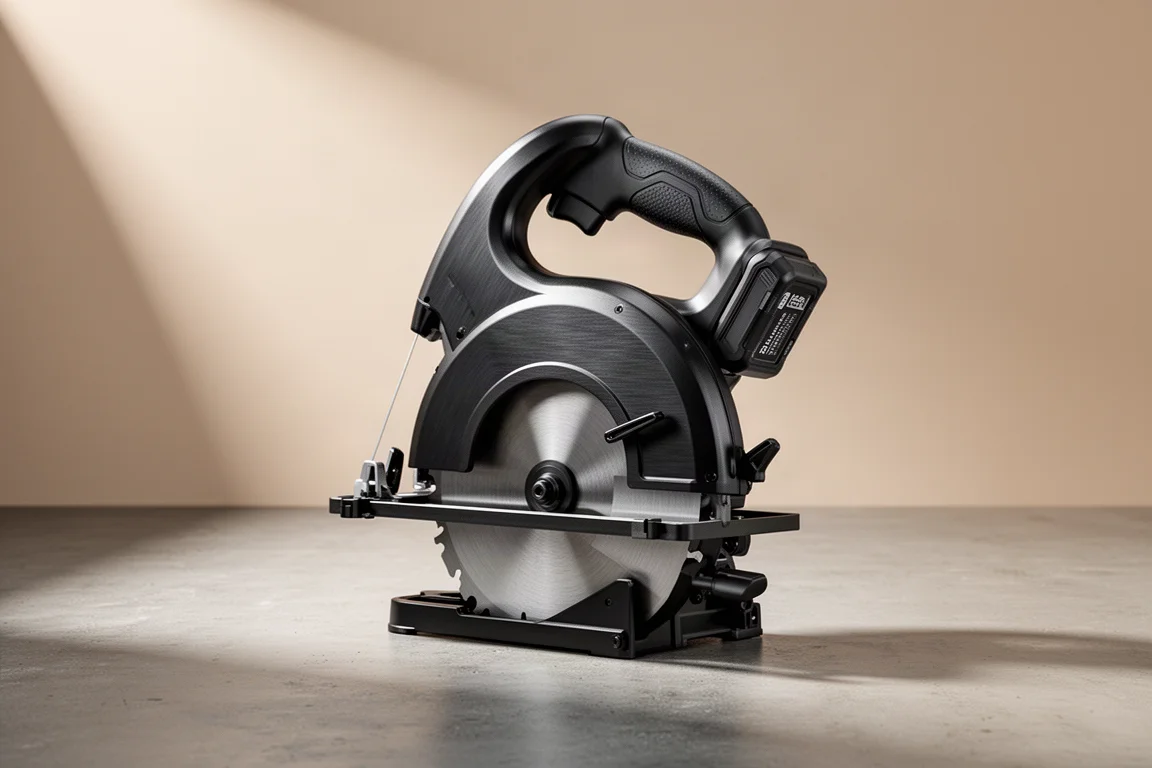
Deep cut band saws are workhorses for cutting pipe, conduit, and strut, and Milwaukee has refreshed its M18 lineup with a next generation model, the 2929-20. This new version focuses on three things: speed, ergonomics, and lightweight handling. After spending time with it, the ergonomic redesign stands out as the feature most likely to win people over, but there are plenty of thoughtful details worth knowing before you buy.
First Impressions and Ergonomics
The first thing you notice is the curved handle. It looks unusual, but in practice it is genuinely more ergonomic, and the variable speed trigger inside it is large enough to grab comfortably in almost any hand position. Milwaukee designed this tool around speed, ergonomics, and light weight, and at 10.3 lb with no flex in the frame, it feels strong and easy to maneuver.
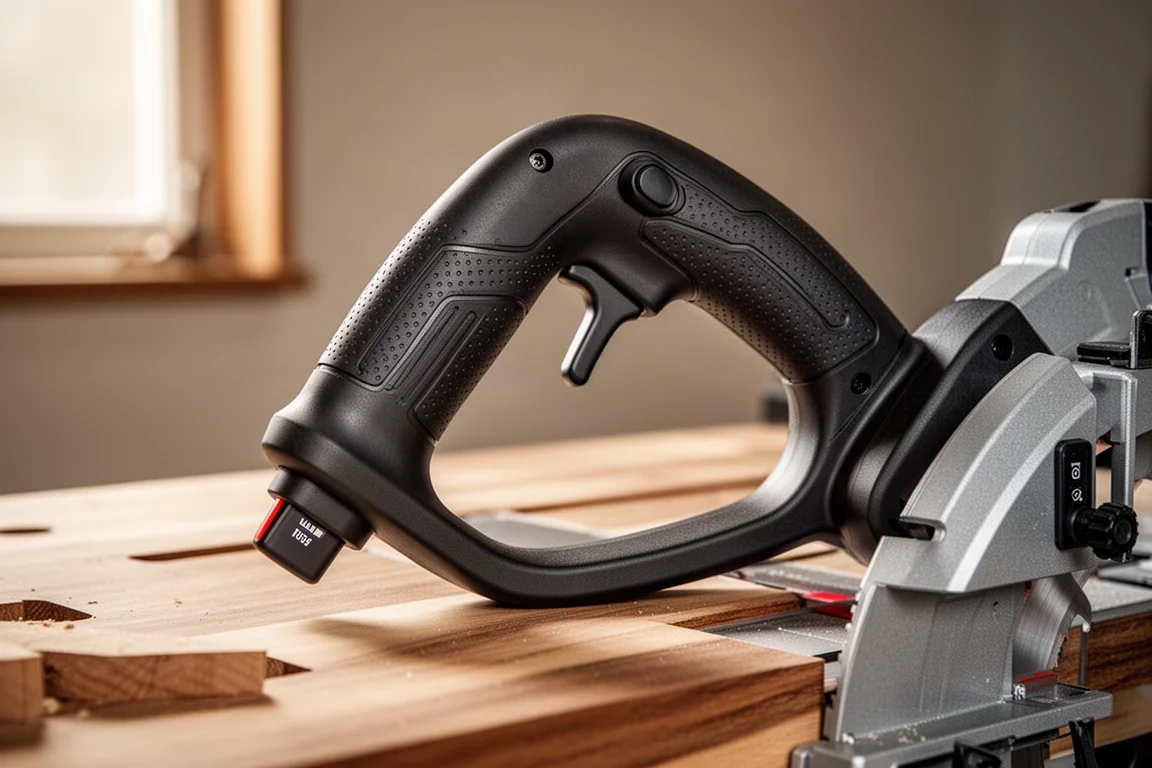
The trigger lock lives inside the curved handle. It is slightly hard to reach, which is a good thing, since you are very unlikely to engage it by accident. The front grip has a subtle texture rather than rubber over molding, and while it feels thin, that thin profile actually works well with gloves.
Speed Modes and the Cut Brake
Instead of the speed limiter dial found on previous generations, this model uses a mode button. Mode 1 runs at 315 surface feet per minute, Mode 2 at 430, and Mode 3 at 550. Pushing and holding the mode button also toggles the cut brake. When enabled, the tool senses when the cut is complete and torque demand drops, then shuts itself off automatically. That is handy for overhead work where you cannot easily see the trigger.
A blinking indicator shows when the cut brake is active. If vibration or variations in the cut cause it to shut off prematurely, you can disable the feature by holding the mode button, and the tool remembers your setting even after the battery is removed. It also remembers the last speed mode, which is a small but welcome touch. An LED light sits in a well-chosen position, coming on with the trigger and staying on briefly after you release it.
Blade Changes and the Tool-Free Tensioner
Blade tensioning is tool-free. Flipping the saw over reveals an open, cover-free wheel area with a brush that keeps the wheel clean, making maintenance easy to see and service.

One tip for first-time users: when installing a blade, release all tension first. The saw can shift forward slightly when set down, which can leave residual tension and make installation trickier. The two bearings the blade passes through can also make reinstallation a bit fiddly at first, though that is more a matter of practice than design. Once the tensioner is locked back in place, the saw is simple to use. Check the required blade length for your specific setup before ordering replacements.
Cutting Performance and Capacity
Capacity is rated at 5 inches, and in practice you get 5 and 1/16 inches of cut width across even at the narrowest point near a slight lip, with the same 5 and 1/16 inches in depth. You get every bit of the advertised depth of cut.

On speed, Milwaukee rates the 2929-20 at 42 seconds through 4-inch schedule 40 black iron pipe, compared with 43 seconds for its yellow competitor and 50 seconds for Milwaukee’s previous generation. Rated with a 5 Ah battery, the tool delivers 78 cuts in 1 and 5/8-inch Unistrut. A one-second difference per cut may not matter to everyone, but the trend is clear: this generation is faster.
Battery Considerations
The tool is rated around the popular 5 Ah battery, which most users already own. Larger packs, such as a Forge battery, cover the mode button slightly. It is not a problem, just something to be aware of, and the saw arguably feels best balanced with a narrower 5 Ah pack. If you work overhead, the lightest battery you own is the right choice.
Buying Advice
If you are in the market for a new deep cut band saw, this model has an MSRP between $379 and $399, though that may change over time. The ergonomic curved handle is the standout, especially for overhead or awkward-position cutting, and the oversized variable speed trigger helps in odd situations. Anyone coming from an older generation may miss the speed dial, but the mode button is a reasonable trade since both approaches are similarly susceptible to dust, chips, and wear over time.
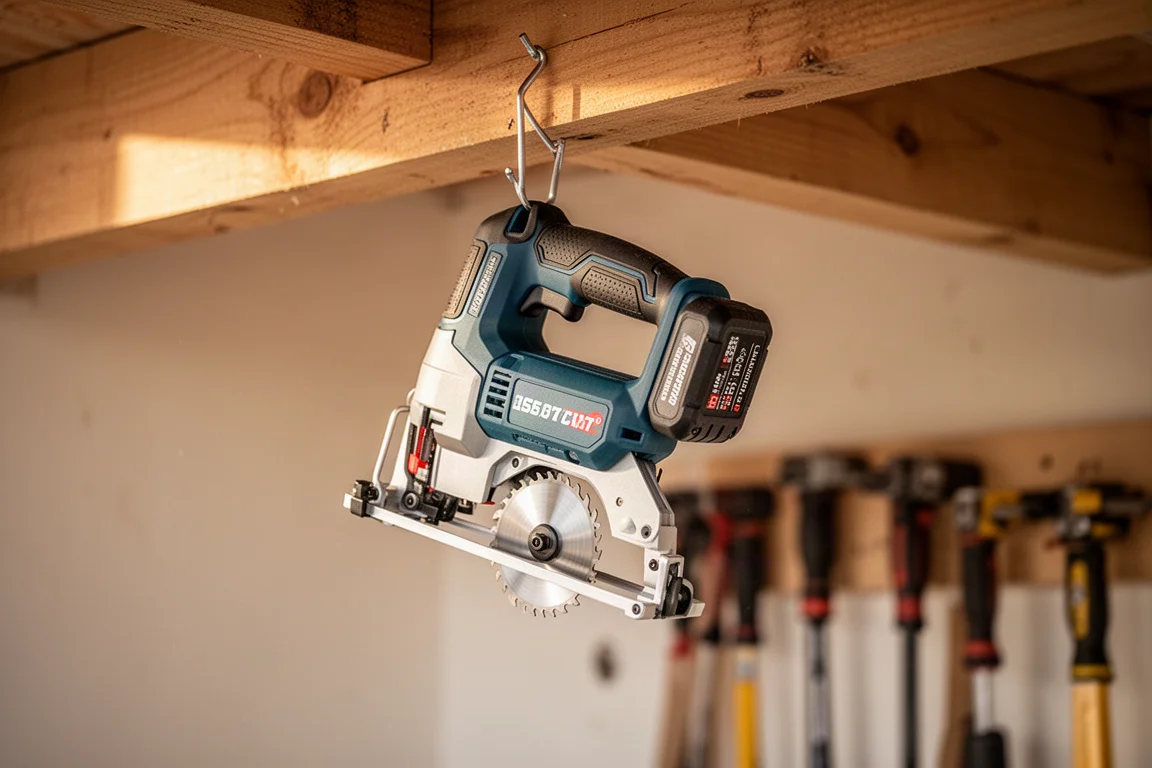
Practical touches round out the package: a rafter hook on top, a tether point on the side, and a material stop that adjusts with a simple button. Setup is quick and straightforward straight out of the box.
Conclusion
The Milwaukee M18 Deep Cut Band Saw 2929-20 nails the fundamentals. It is lighter than the competition, faster than its own predecessor, and the ergonomic redesign makes it comfortable in hand in almost any position. If ergonomics and overhead usability rank high on your list, this saw deserves a close look.
Product link
View more details for Milwaukee M18 Deep Cut Band Saw 2929-20
This product is mentioned in the review. Check the specifications, options, and compatibility before buying.
View more details for Milwaukee M18 Deep Cut Band Saw 2929-20Further reading
Related Reviews
Power Tools
Best 1-Inch Pistol Impact Wrenches: Three Heavy-Duty Options Compared
We compare three 1-inch pistol impact wrenches, from a budget-friendly Harbor Freight model to a premium Caterpillar unit, to help you choose the right one.
Power Tools
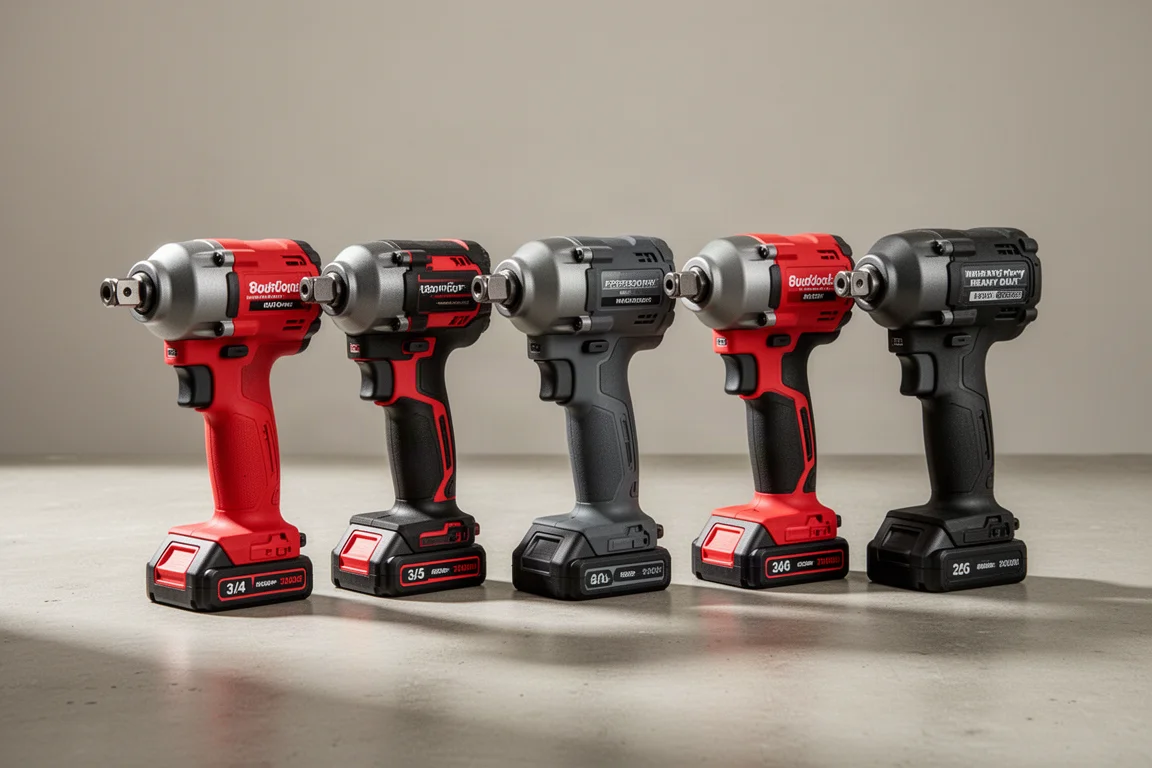
Best 3/4-Inch Impact Wrenches 2026: Five Contenders Compared
We compare five 3/4-inch impact wrenches across price and performance, from a budget Amazon option to Snap-on's most powerful model yet.
Power Tools
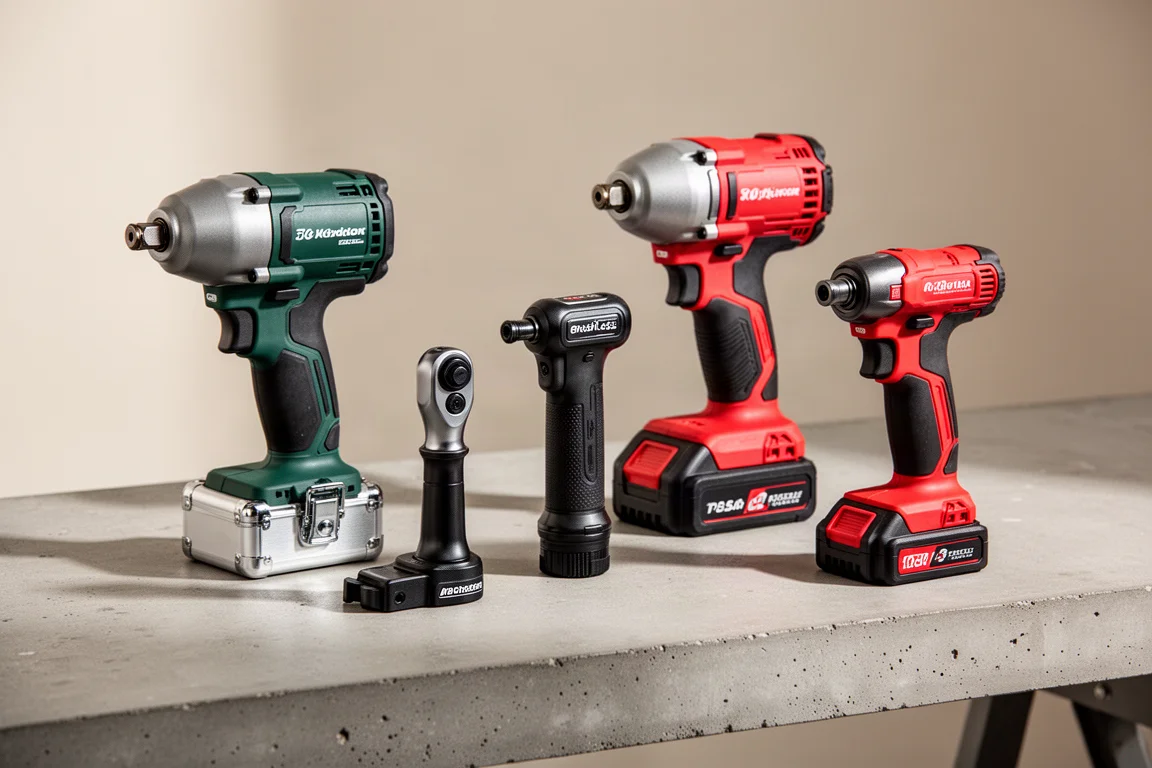
Best Budget Cordless Tools 2026: Walmart Finds That Punch Above Their Price
We tested five cordless tools from Walmart, including a high-torque impact wrench that trades blows with Milwaukee and a $35 duster that outperforms its price class.