Power Tools
Milwaukee M18 Compact Brushless vs M12 Impact Driver: Which One Should You Buy?
A head-to-head look at Milwaukee's compact M18 brushless impact driver and the smaller M12, covering weight, power, runtime, features, and price.
Introduction
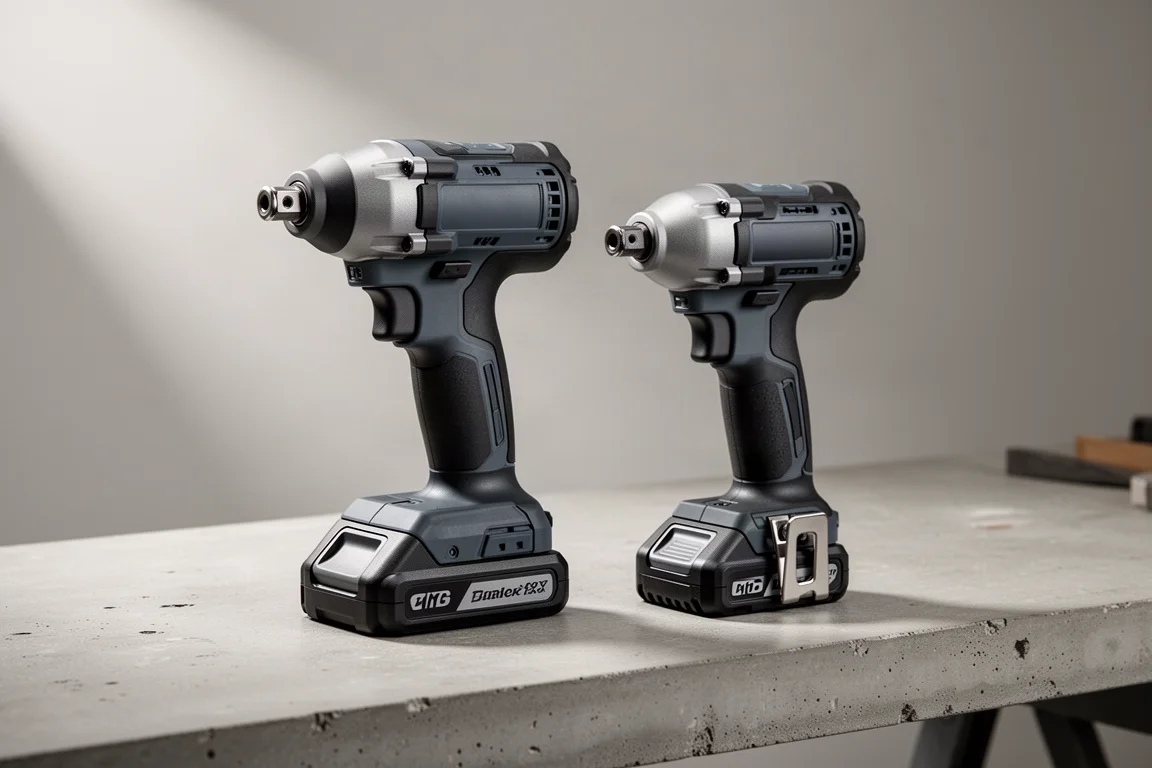
Milwaukee’s compact brushless M18 impact driver has raised an interesting question for buyers: if you already like the M12, why would you step up to the M18? The two overlap more than you might expect, and the differences are subtler than the battery platforms alone would suggest.
The M12 line is built around smaller batteries and smaller, lighter tools, which is what makes cool compact designs possible, like a driver that fits tight spaces or a 3-inch cut-off tool. The M18 platform powers the bigger stuff: miter saws, table saws, nailers, belt sanders, routers, and the high-torque impact wrenches and drivers. But the new M18 compact brushless impact driver blurs that line in a good way, so it is worth comparing the two directly.
Size, Weight, and Battery Options
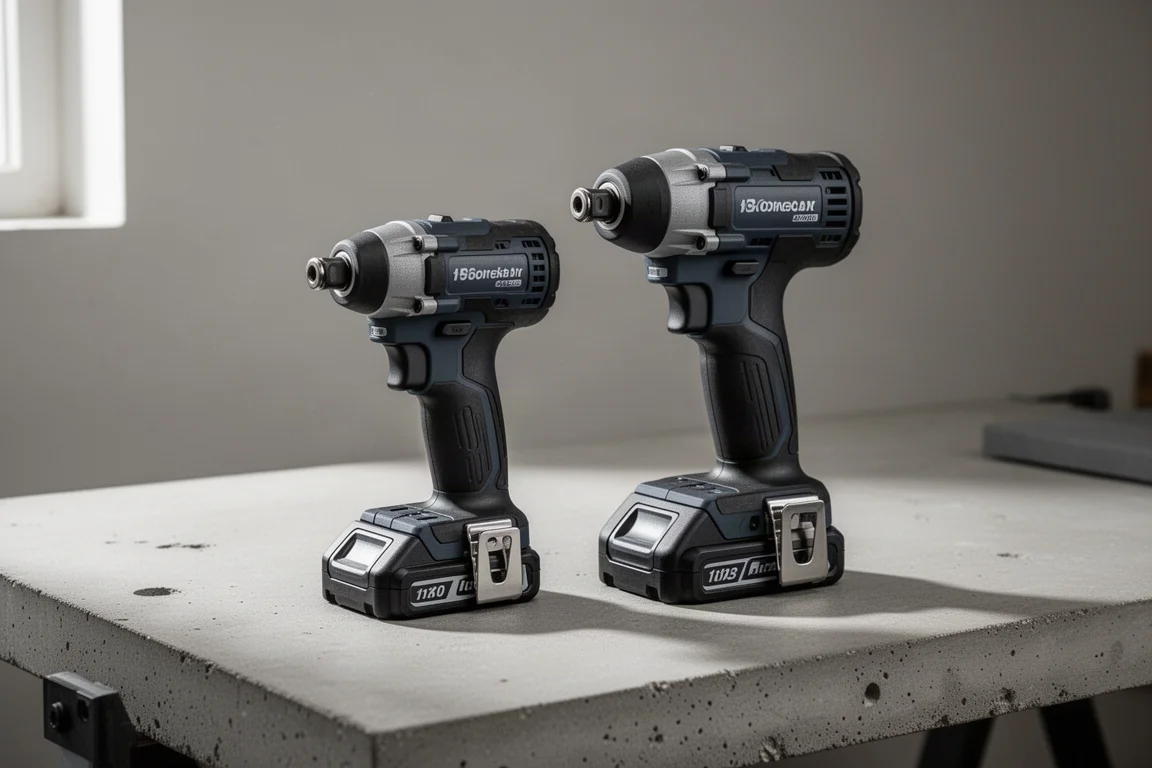
The most surprising thing about the new M18 compact is its head size. While the M12 is nominally the smaller tool, the compact M18 has an incredibly small head profile, which matters when you are working in tight spots like between cabinet framing.
On weight, the M12 alone comes in at about 1.58 lb. The M18 compact is 1.74 lb tool only, roughly 1.7 lb as measured, with the difference coming from its larger battery base. With the midsize 4Ah M18 battery it weighs about 2.48 lb, and with a 2Ah pack around 2.69 lb. Interestingly, a 1.5Ah M12-style pack would bring it down to a claimed 1.98 lb, which is remarkably light for an M18 tool. Both drivers include a belt hook.
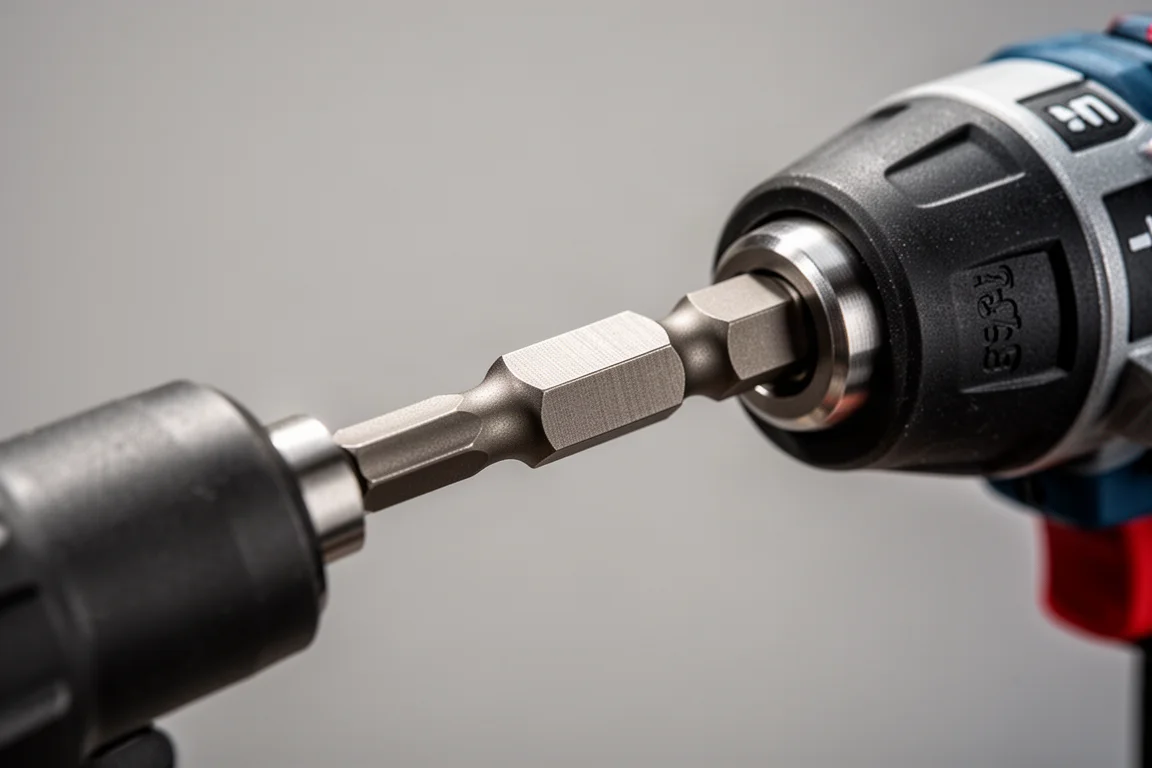
One feature difference worth noting: the M12 has a quick-release collet that snaps the bit in automatically when you press down, while the M18 compact requires pulling out the collet to insert a bit. If quick bit changes matter to you, that is something to weigh.
Features and Versions
The M18 compact brushless comes in two versions. The one tested here has a variable speed trigger and no mode selector. A second version, about $10 more, adds mode selector switches at the base for a few extra features.
The M12 offers a bit more built-in functionality on the tool itself, including three LED lights around the chuck compared with a single light on the M18. If you want digital controls and selectable modes out of the box, the M12 configuration has the edge on paper.
Power and Speed Test
For everyday driving tasks like construction screws into a 6x6 with no pilot holes, both drivers have more than enough power. Holding them in your hands, you genuinely cannot tell much difference on regular fasteners.
To separate them, a harder test was run: racing both drivers driving stainless steel lag screws down through a 6x6 with no pilot holes. This is torturous duty for any impact driver, generating heat and pushing speed and power to the limit.
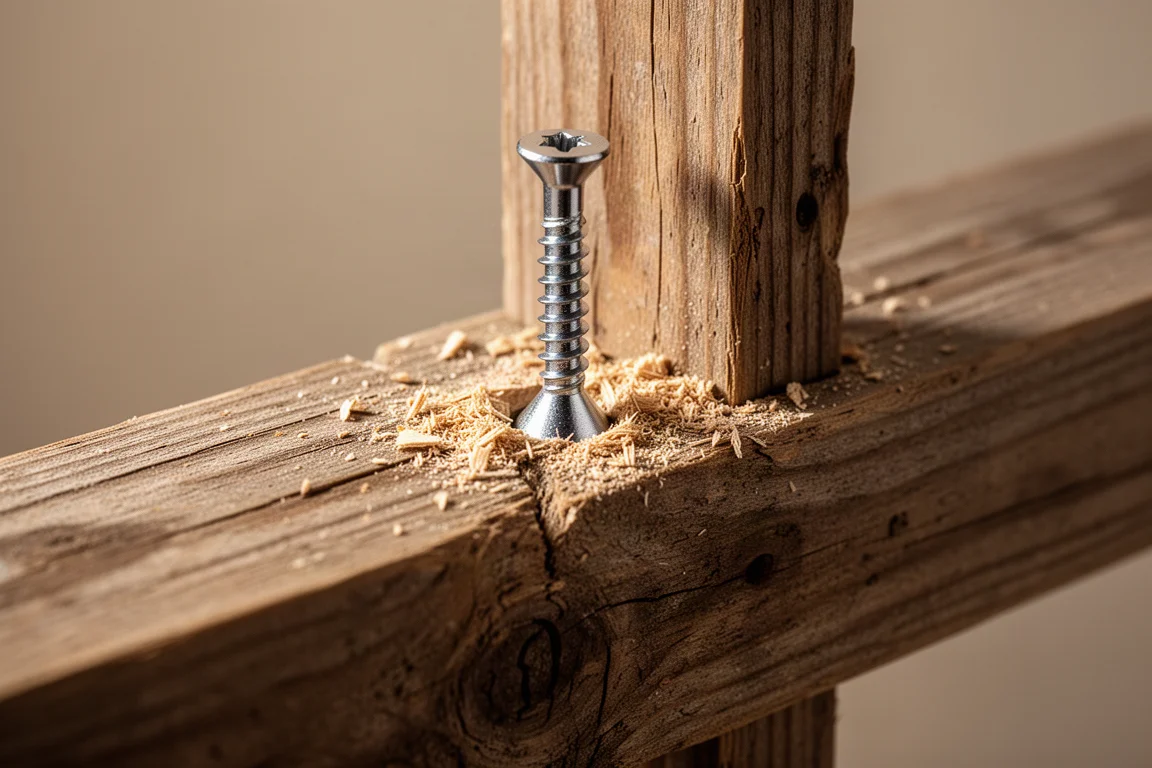
Both came out of the gate strong, but the M12 began to sag under load while the M18 held a consistent speed throughout. The M18 finished the screw completely flush well before the M12, which still had a long way to go. The M18 also ran noticeably warmer afterwards, likely because it worked harder in a smaller body where heat is harder to dissipate, while the M12 stayed cooler but slower. On raw speed and power, the compact M18 simply wins.
Price and Value
At the time of writing, the M18 compact brushless with the three-mode selector was found for $129 tool only, and the simpler version tested here for $119. Granger lists a much higher price at around $189, which is hard to justify. The M12 tested here usually runs $139, but a promotion at the time included a free battery, which can tip the value equation in its favor.
Which One Should You Buy?
Both are excellent tools. The compact M18 is the pick if you want more speed and power in a package with a remarkably small head, and it benefits from sharing batteries with the broader M18 platform. The M12 remains an all-around great compact driver, especially if you already own M12 batteries, value the quick-release collet and extra onboard features, or can catch a bundle deal with a free battery.
Conclusion
If a bit more power and speed matters most, the Milwaukee M18 Compact Brushless Impact Driver justifies its slight weight penalty with a tiny head and consistent performance under load. If you value a lighter overall package, quicker bit changes, and a lower effective price with battery deals, the M12 is still the smarter fit for many users.
Product link
View more details for Milwaukee M18 Compact Brushless Impact Driver
This product is mentioned in the review. Check the specifications, options, and compatibility before buying.
View more details for Milwaukee M18 Compact Brushless Impact DriverFurther reading
Related Reviews

Power Tools
Best 1-Inch Pistol Impact Wrenches: Three Heavy-Duty Options Compared
We compare three 1-inch pistol impact wrenches, from a budget-friendly Harbor Freight model to a premium Caterpillar unit, to help you choose the right one.

Power Tools
Best 3/4-Inch Impact Wrenches 2026: Five Contenders Compared
We compare five 3/4-inch impact wrenches across price and performance, from a budget Amazon option to Snap-on's most powerful model yet.

Power Tools
Best Budget Cordless Tools 2026: Walmart Finds That Punch Above Their Price
We tested five cordless tools from Walmart, including a high-torque impact wrench that trades blows with Milwaukee and a $35 duster that outperforms its price class.