Power Tools
Milwaukee M18 18-Gauge Brad Nailer vs Narrow Crown Stapler: Which 18-Gauge Tool Should You Buy?
Two similar-looking Milwaukee M18 fastening tools with very different strengths. We compare firing power, holding strength, magazine capacity, and everyday usability to help you pick the right one.
Introduction
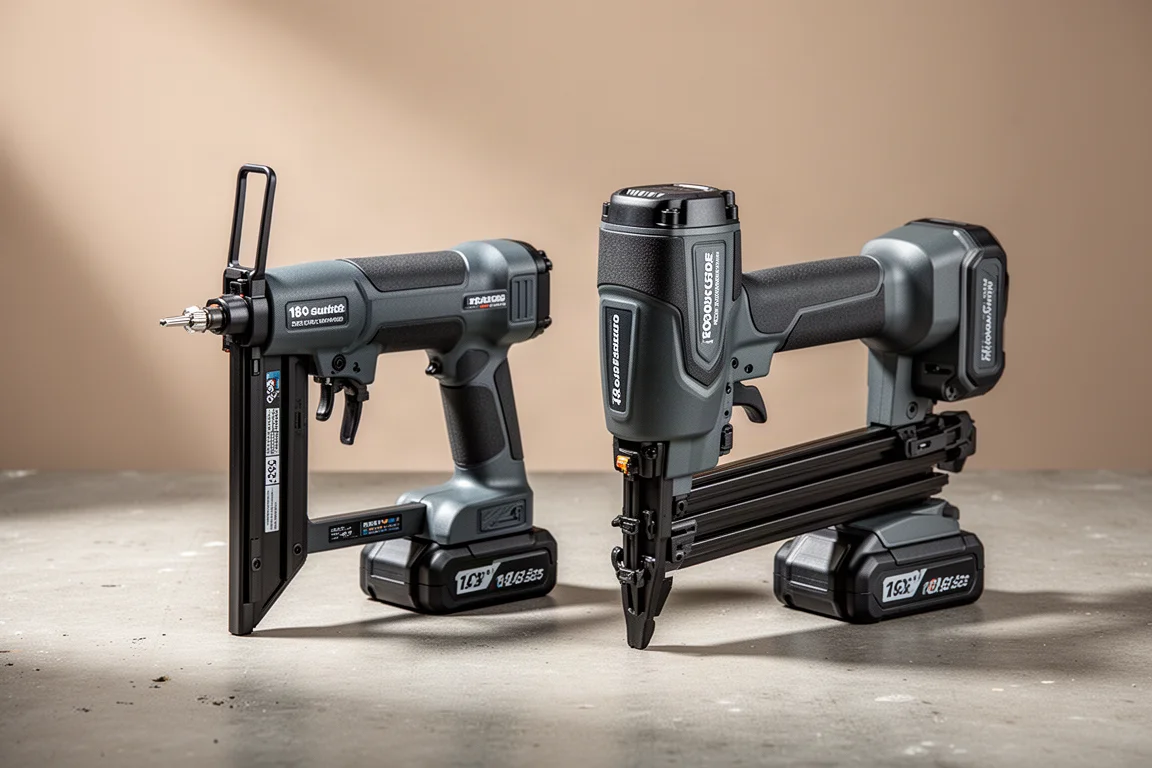
At first glance, the Milwaukee M18 18-Gauge Brad Nailer and the Milwaukee M18 Narrow Crown Stapler look like near-twins. Both are cordless, both run on the M18 battery platform, and both fire 18-gauge fasteners without any gas cartridges at all. Once you look closer, though, they solve different problems, and choosing the right one depends heavily on what you plan to attach.
This comparison stays focused on how each tool performs for trim work, mesh attachment, and general fastening, and also takes a brief look at how Milwaukee’s 18-gauge brad nailer stacks up in size and weight against the Hikoki 18-Gauge Brad Nailer.
At a Glance: The Key Differences
The brad nailer fires 18-gauge brad nails from around 15 to 16 millimetres up to 50 millimetres in length. The narrow crown stapler fires 18-gauge narrow crown staples, which are classified as quarter-inch (6 mm) wide at the crown, starting from around 9.5 millimetres and going up to 54 millimetres. A narrow crown staple is roughly half the width of a standard crown staple.
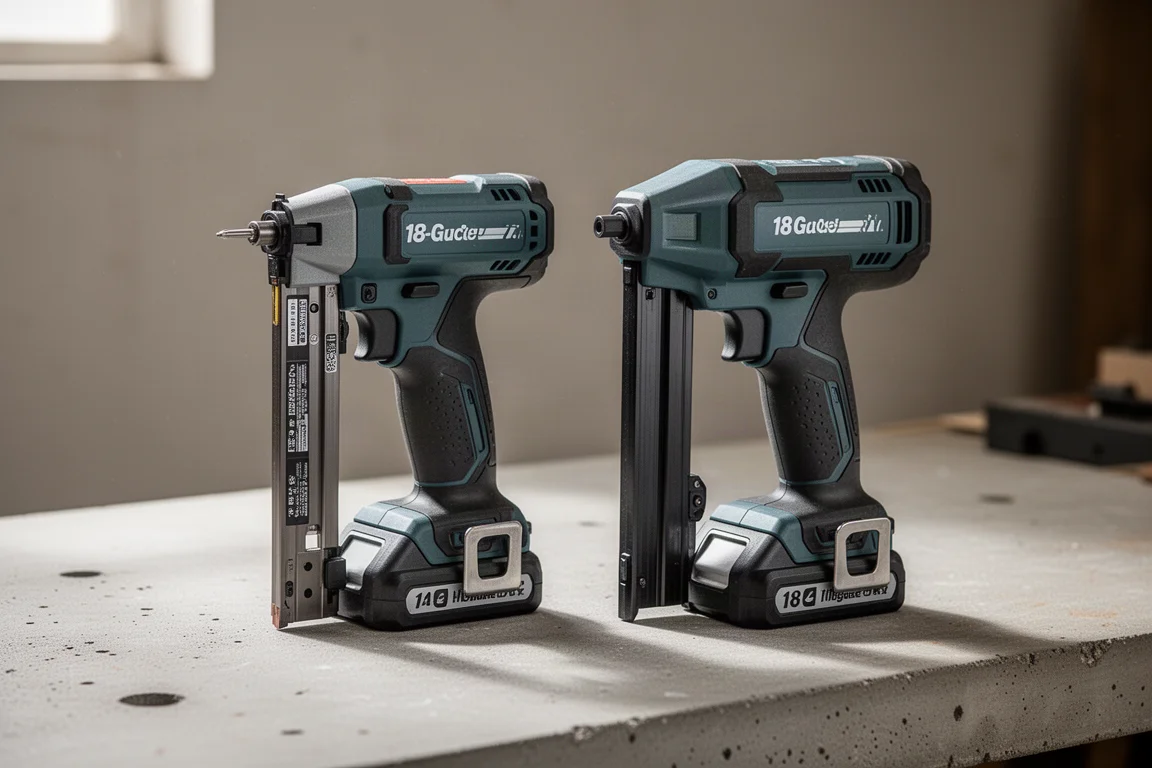
Weight-wise, the brad nailer comes in at just under 2.5 kg, the narrow crown stapler at just over 2.5 kg, so both are close. Both tools hold similar magazine loads too: the stapler holds 108 staples and the brad nailer holds 110 nails. One practical difference is that the stapler’s 54-millimetre staple lengths can be difficult to find in some markets, while brad nails are generally easier to source. Long staples are also frequently listed with American length figures converted to metric, which can make matching lengths a little confusing.
Strength and Holding Power
When it comes to raw holding strength, the stapler wins hands down. Every staple is effectively two nails joined at the crown, so each shot doubles the fastening. Pulling a brad-nailed joint apart is fairly easy because you are prying over a tiny nail head. Pulling apart a stapled joint usually means the staple comes out with a chunk of the wood attached, and staples left behind in base timber are notoriously difficult to remove.
That strength has a cost. A brad nail leaves a tiny hole that is easy to fill for a clean finish, while a staple leaves a quarter-inch-wide slot that needs filling before any visible surface looks good. That is why brad nailers have largely taken over for trim work such as skirtings and architraves, while staples remain the tool of choice for work that will not be seen.
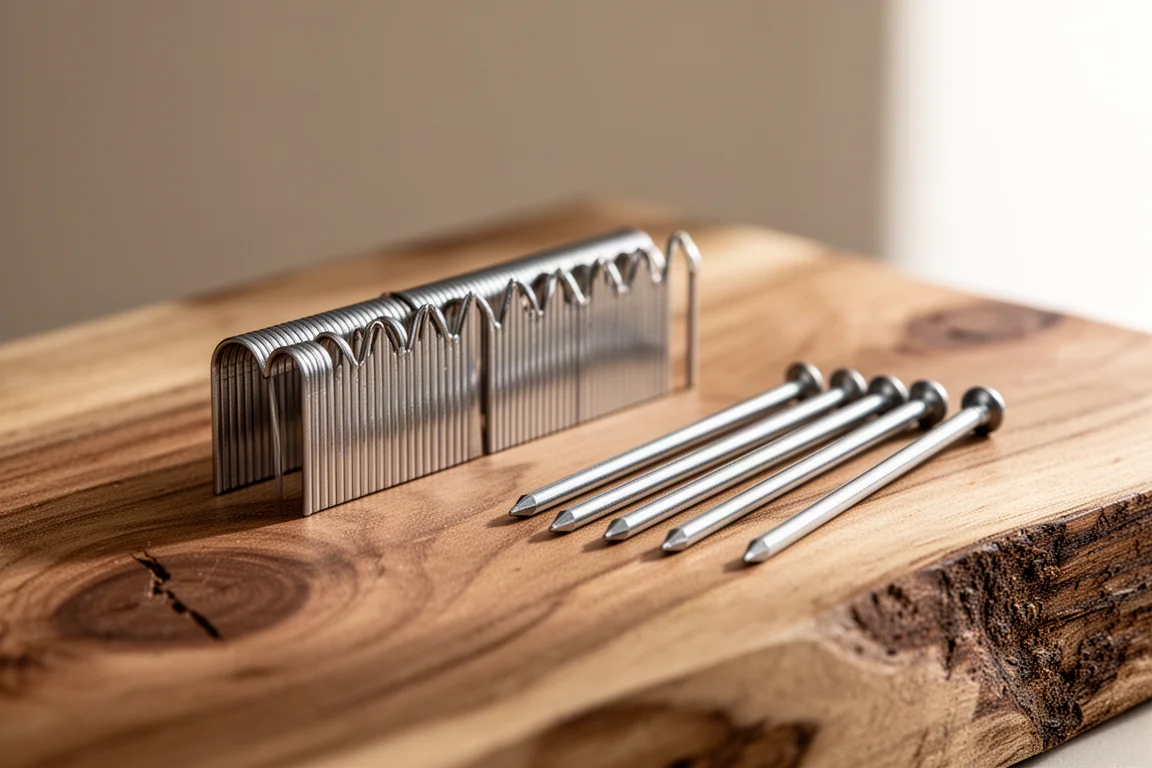
There is also a surprise capability here. Although Milwaukee does not advertise it, the narrow crown stapler can also fire brad nails. The magazine has a groove down the front where brads can be slid into the middle, though you have to hold the tool on its edge to load them, do a few test shots to check alignment, and take it slowly in sequential mode rather than bump firing. It is fiddly, and occasional misfires or bent nails happen, but in a pinch the stapler genuinely works as a backup brad nailer. That flexibility is a big bonus point.
Penetration and Depth of Drive
Both tools drive fasteners deep and hard. On the deepest setting, 32-millimetre brads and staples both sink a good two millimetres below the surface into vitex hardwood. Even 50-millimetre nails drive flush into harder timbers without trouble, again sitting about two millimetres proud of nothing, fully countersunk.
The real stress test was 13-millimetre quila flooring overlay. The brad nailer managed to drive 32-millimetre brads essentially flush into the surface, which is impressive for a battery nailer. The stapler did slightly better with 32-millimetre staples, leaving them just above flush. For anyone worried that cordless tools lack the punch of a pneumatic setup with a hose and compressor, these tools drive nails flush into just about any timber.
Ergonomics, Lighting, and Jam Clearing
There are small but meaningful design differences. The brad nailer’s nails exit in front of the actuation pin, so you can clearly see where you are nailing. The stapler fires from behind the pin, making precise placement harder to judge. The brad nailer also has a tall latch on the front for clearing jams: release the magazine first, then open up and clear the jam easily. The stapler lacks that latch, but it does not really need one, because the firing pin sits to the side where any jam is visible as soon as the magazine opens.
Both tools require their contact tips to be fitted before they will fire, and the brad nailer ships with three no-mar tips while the stapler comes with two. Lighting is a mixed bag on both: the brad nailer’s light is okay but fades out before reaching the nailing zone, and the stapler’s light runs down the right-hand side of the tool, which is nearly useless for right-handed users looking at the left side of the nose.
Both tools power on with a two-second hold on the power button, start in sequential mode, and switch to bump fire by holding the mode button. There is also a magazine lockout, so once the fasteners run out the tool will not fire empty. Auto shut-off is generous, with both tools staying on for around half an hour, and each comes with a belt clip that mounts on either side.
How It Compares: Hikoki 18-Gauge Brad Nailer
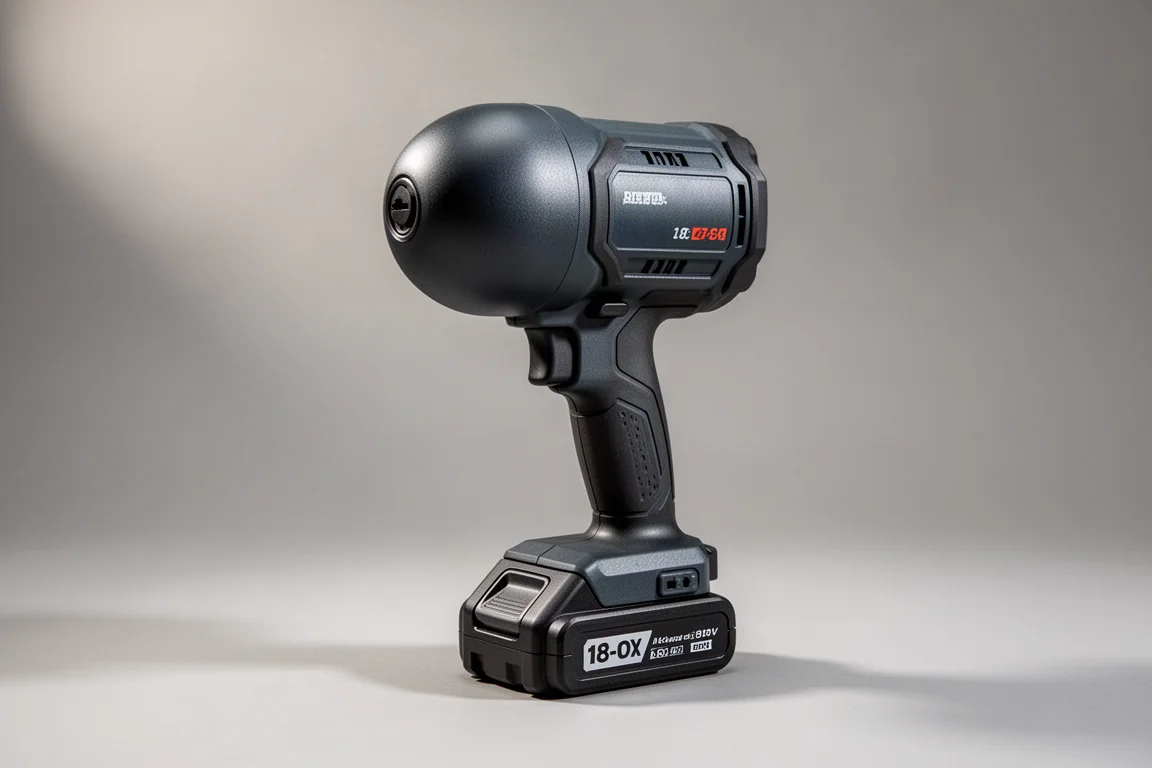
The Hikoki 18-Gauge Brad Nailer, which also appears under Hitachi, Metabo HPT, and other regional names, runs on the same basic approach: an 18-volt battery driving a compressed air cylinder inside the tool, with no gas cartridges. The main dimensional difference is the head. The Hikoki has a noticeably more bulbous head than the Milwaukee, and the internal cylinder looks somewhat larger.
Weight is where the gap shows: the Milwaukee brad nailer weighs just under 2.5 kg, while the Hikoki comes in at just under 3 kg, roughly half a kilogram heavier, which is around 2.2 pounds. If weight matters for overhead trim work or long sessions, that difference is worth noting. Hikoki is also rolling out a new range of nailers, so the landscape may shift further in the near future.
Everyday Use and Long-Term Comfort
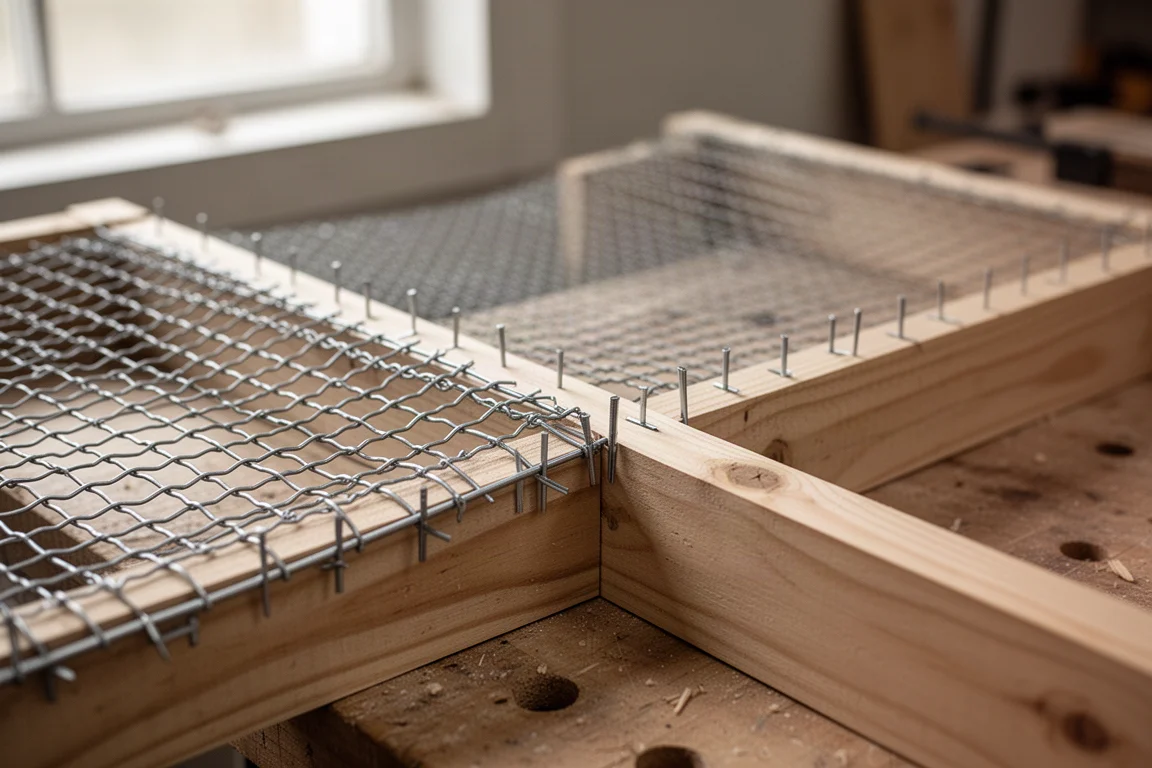
For mesh attachment, the stapler is in a class of its own. A brad nail is completely useless for holding mesh, wire, or thin fabric, because the tiny head either does not grip or fires straight through. The staple’s crown spreads the load and grips reliably. Anyone building aviaries, attaching mesh to timber frames, or working with thin material will find the stapler genuinely irreplaceable.
There is a cautionary tale worth repeating here: building a large aviary by hand with a manual stapler, thousands of staples in a single day, ended in years of arm pain and physiotherapy bills. A powered stapler removes exactly that kind of repetitive strain. Over time, short staples in mesh also work their way loose as the mesh expands and contracts with temperature, which is why the longer staple lengths these tools offer matter for long-term jobs.
The brad nailer, meanwhile, remains the better finishing tool. For skirtings, architraves around doors, and anything visible, the tiny nail heads mean minimal filling and quick touch-ups. It is also the better choice for longer fasteners where staples in matching lengths are hard to find.
Buying Advice
If you can only buy one of the two Milwaukee tools, the narrow crown stapler is the more flexible pick, because it can also fire brad nails in a pinch and it covers mesh, fabric, and hidden structural fastening that the brad nailer simply cannot do. The trade-off is bigger holes and trickier staple sourcing in some lengths.
If your work is mostly visible trim and finish carpentry, the brad nailer is the better daily driver, with clearer sightlines, easier jam clearing, a more useful work light, and cleaner holes. Against the Hikoki, the Milwaukee brad nailer holds a clear weight advantage of about half a kilogram. Both Milwaukee tools also benefit from the M18 platform, so if you already own M18 batteries, either tool becomes an even easier purchase.
Conclusion
These two Milwaukee M18 tools overlap less than they appear to. The brad nailer is the finisher’s tool: small holes, deep drive, precise placement. The narrow crown stapler is the workhorse: double the holding strength, mesh and fabric capability, and even an undocumented backup brad mode. Match the tool to the job and either one will earn its place.
Further reading
Related Reviews
Power Tools
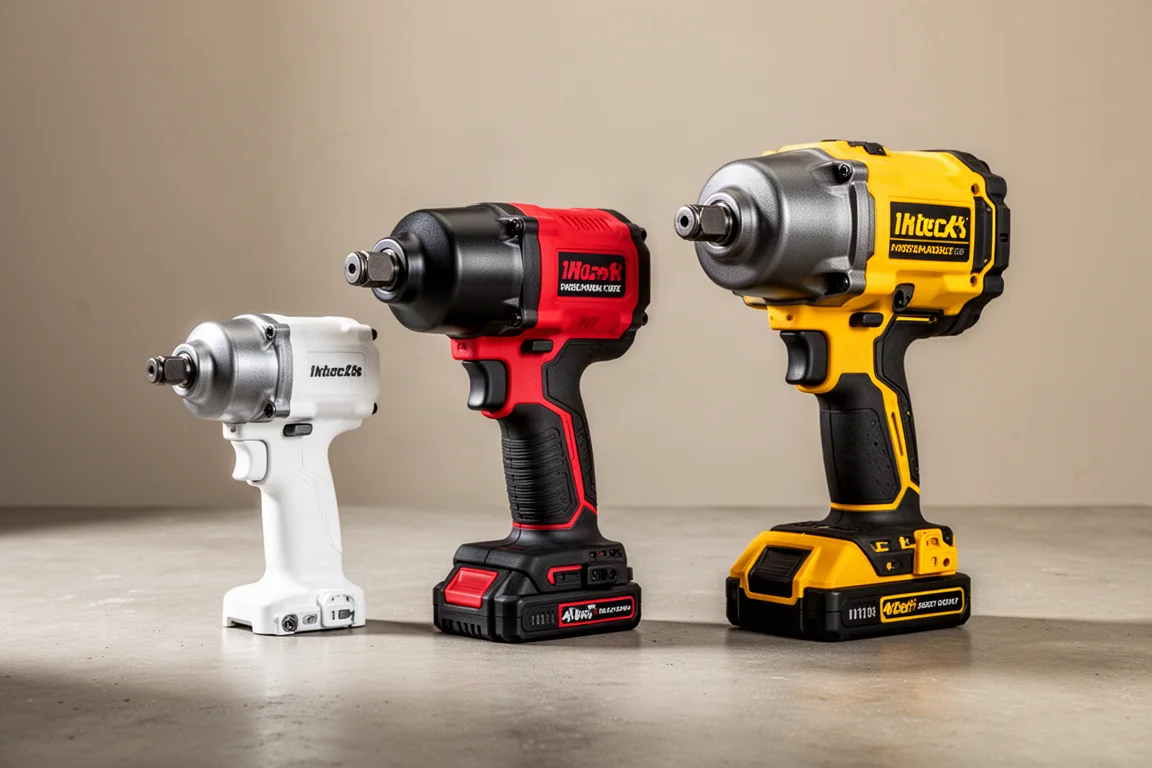
Best 1-Inch Pistol Impact Wrenches: Three Heavy-Duty Options Compared
We compare three 1-inch pistol impact wrenches, from a budget-friendly Harbor Freight model to a premium Caterpillar unit, to help you choose the right one.
Power Tools
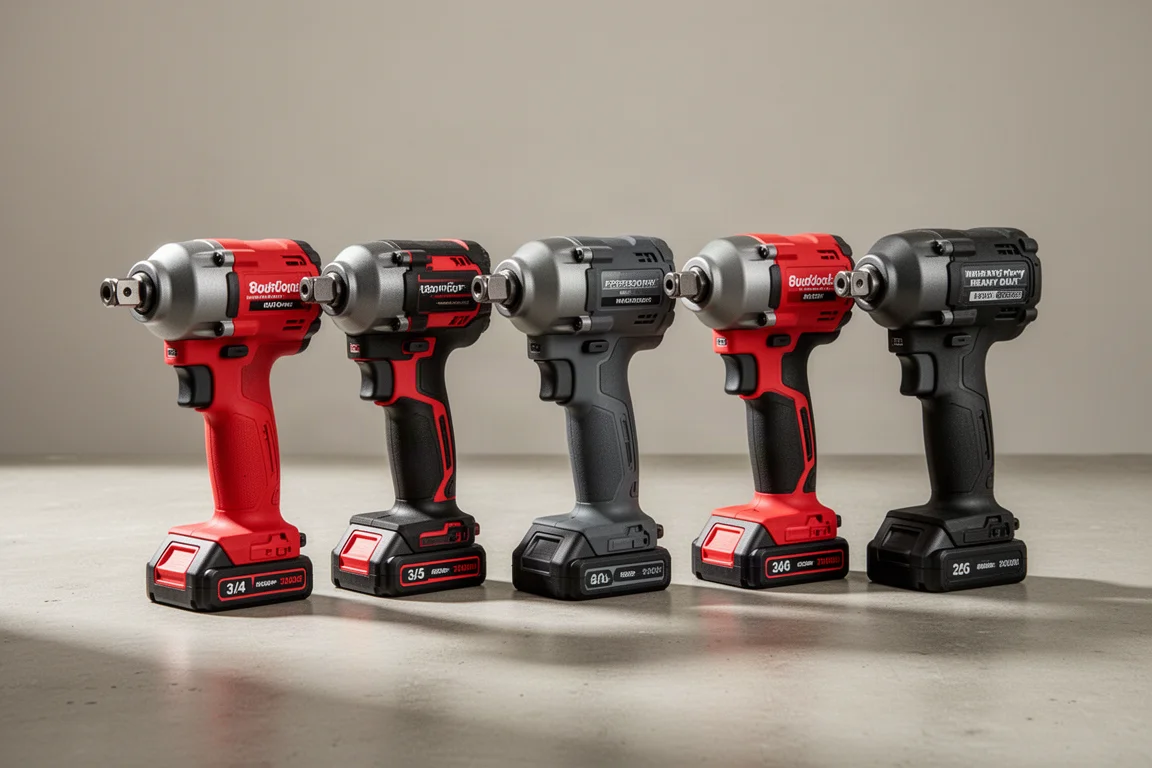
Best 3/4-Inch Impact Wrenches 2026: Five Contenders Compared
We compare five 3/4-inch impact wrenches across price and performance, from a budget Amazon option to Snap-on's most powerful model yet.
Power Tools
Best Budget Cordless Tools 2026: Walmart Finds That Punch Above Their Price
We tested five cordless tools from Walmart, including a high-torque impact wrench that trades blows with Milwaukee and a $35 duster that outperforms its price class.