Power Tools
Milwaukee M18 3017-2018 Blower for Car Detailing: Nozzle Choices Compared
How the Milwaukee M18 3017-2018 blower performs on car detailing duties, and how two aftermarket stubby nozzles change airflow, noise, and scratch risk.
Introduction
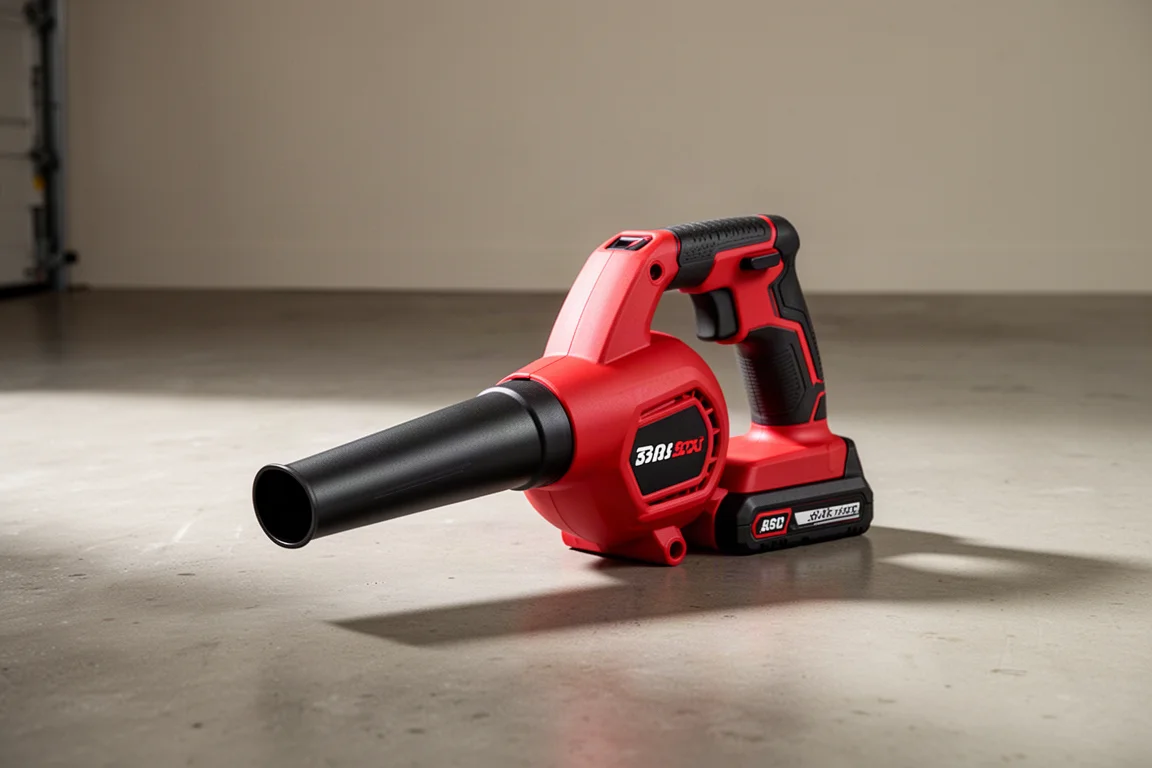
The Milwaukee M18 3017-2018 blower has become a favorite among car detailers, and a big part of that comes down to what happens once you swap the nozzle. Two aftermarket options, the Jax Manufacturing stubby nozzle and a more conventional stubby nozzle, shorten the blower’s reach but do very different things to airflow and noise. This walkthrough covers how each behaves on a car and which one makes sense for your situation.
The Milwaukee M18 3017-2018 for Car Detailing
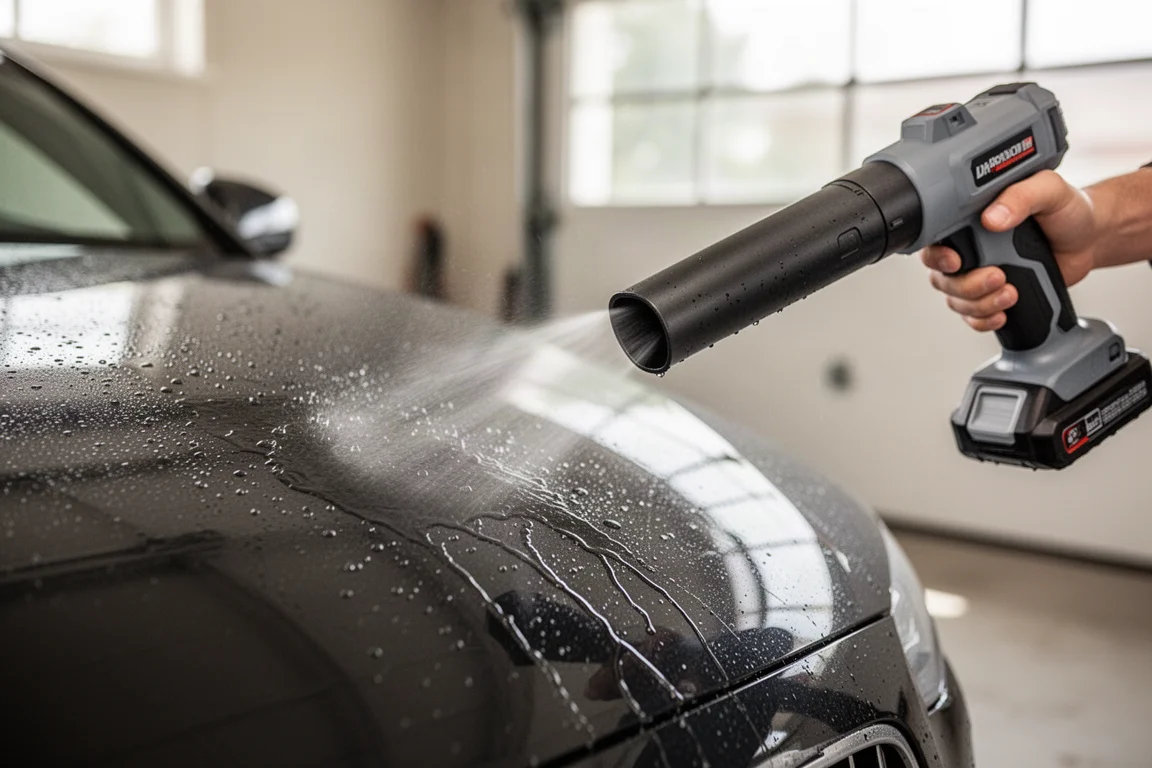
Out of the box, this is not a super high CFM blower and it is not a high miles-per-hour blower. That is exactly what makes it good for cars: it is light enough to use one-handed, it does not blow you around, and with a larger capacity battery such as a Forge 6 amp hour pack it still stays manageable in weight. You simply give up some of the extreme power that bigger site blowers deliver.
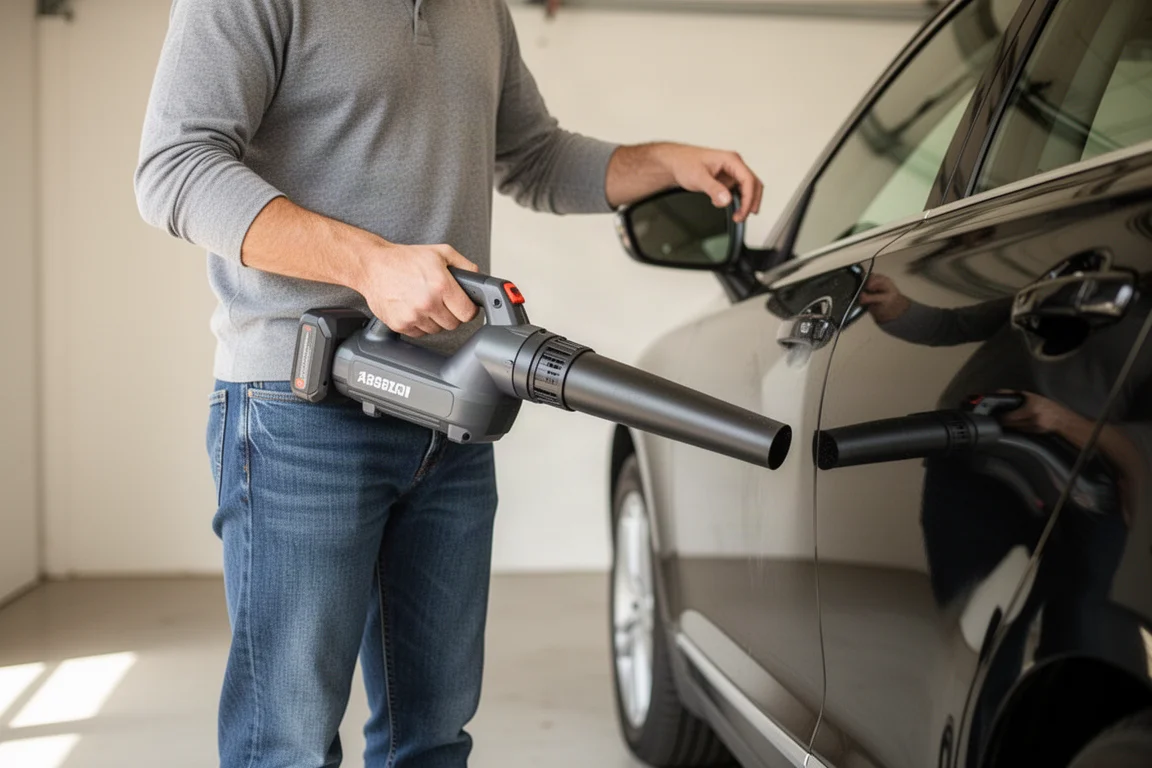
For touch-free drying on dark or gray paint, that balance matters more than raw output. The less you physically touch the car, the less risk there is of introducing scratches, and this blower lets you move water off panels while keeping your hands and towels away from the paint.
How the Nozzles Differ
The two nozzles look similar at a glance but are designed significantly differently at the end. The Jax Manufacturing nozzle has a larger opening, so it moves more CFM at lower air speed, and it wears a soft rubber protectant tip so that if it contacts the car it will not scratch. Its construction is not rubber but feels rubbery, and it is tough enough that you could probably run it over with a car without breaking it.
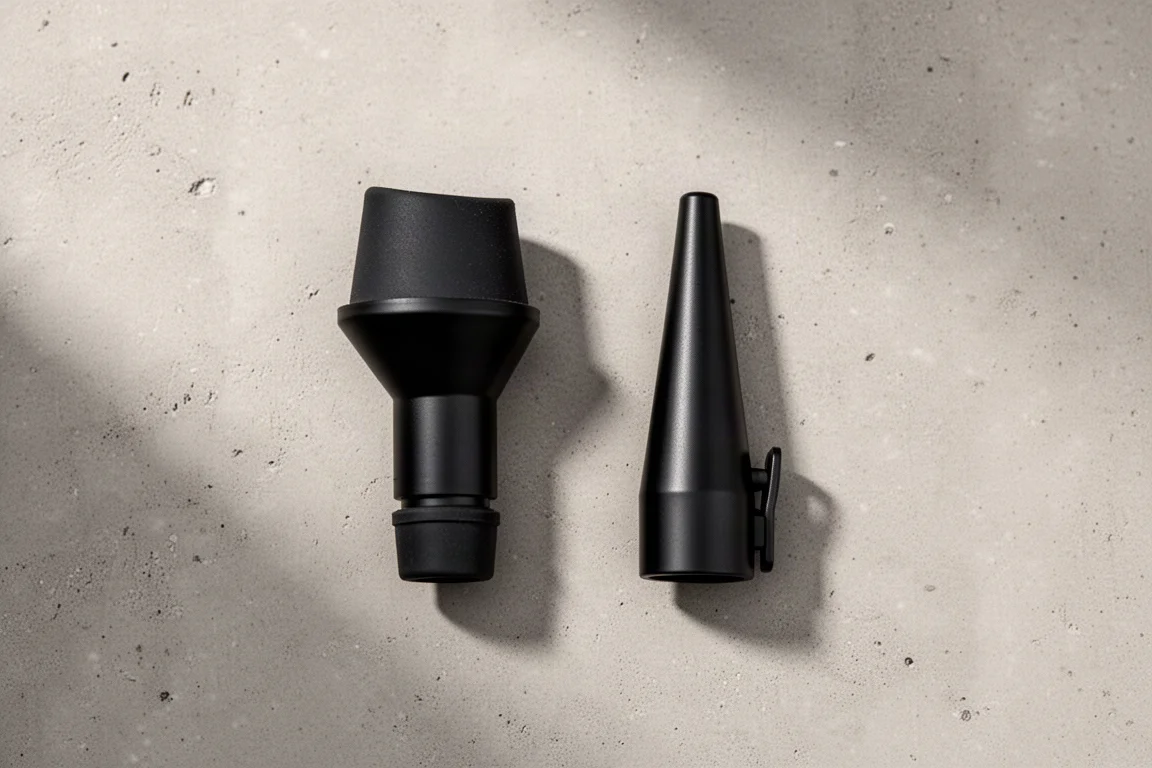
The standard-style stubby nozzle has a smaller end that produces a more directed, higher miles-per-hour flow with less CFM. It also clips on and off easily, which makes swapping attachments far quicker.
Jax Manufacturing Stubby Nozzle
The Jax Manufacturing version, sold on Etsy, keeps the blower’s sound character essentially unchanged. It is as quiet as running the blower with no attachment at all, and it does not produce the ear-throbbing high pitch noise even when working overhead or close to your ear. It may not be quite as directed as the other option, but it still works well for cars.
The main downside is removal. Once it is on there, it is on there. There is a hole in the bottom, and squeezing it together to release it does not work particularly well. The practical method is to gently lever it off with a small screwdriver, taking care not to be too aggressive with the tool.
Directed Airflow for Detailing Work
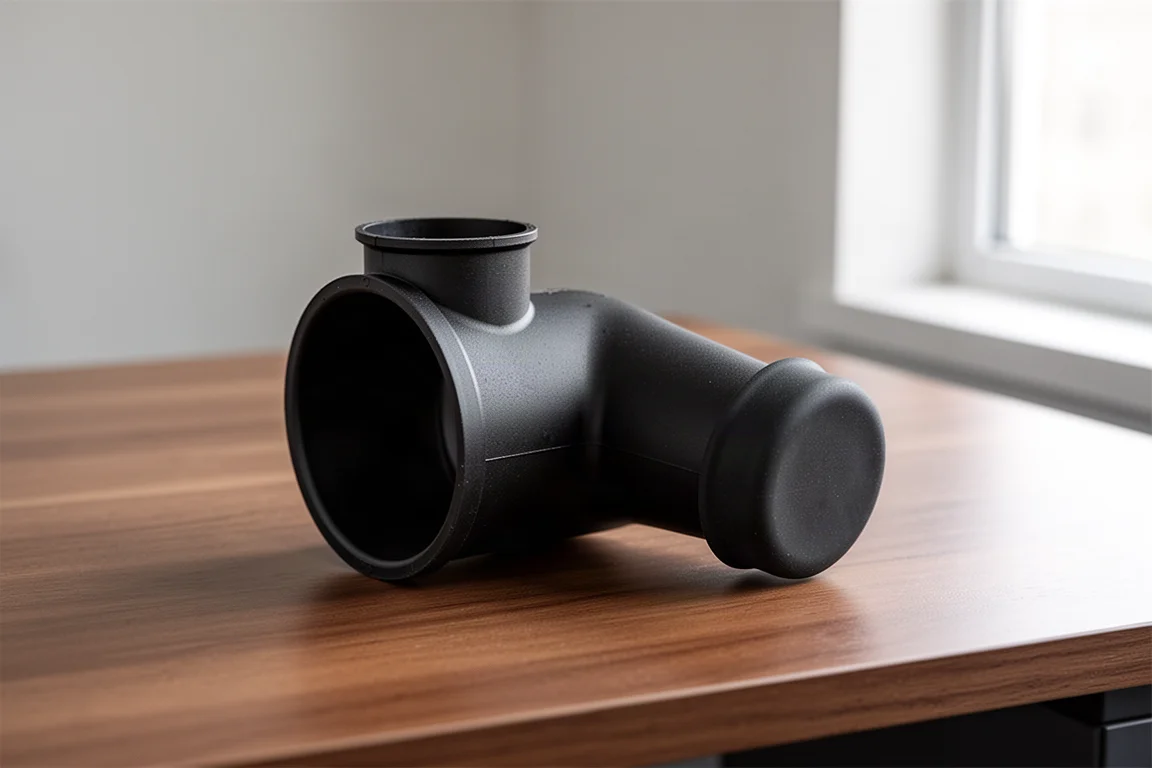
The conventional stubby nozzle behaves much like the factory long nozzle in terms of overall blower dynamics, so it still works fine on the job site as well as on cars. Its advantage is getting closer to the vehicle with no worry about hitting or scratching anything, because it is very pliable.
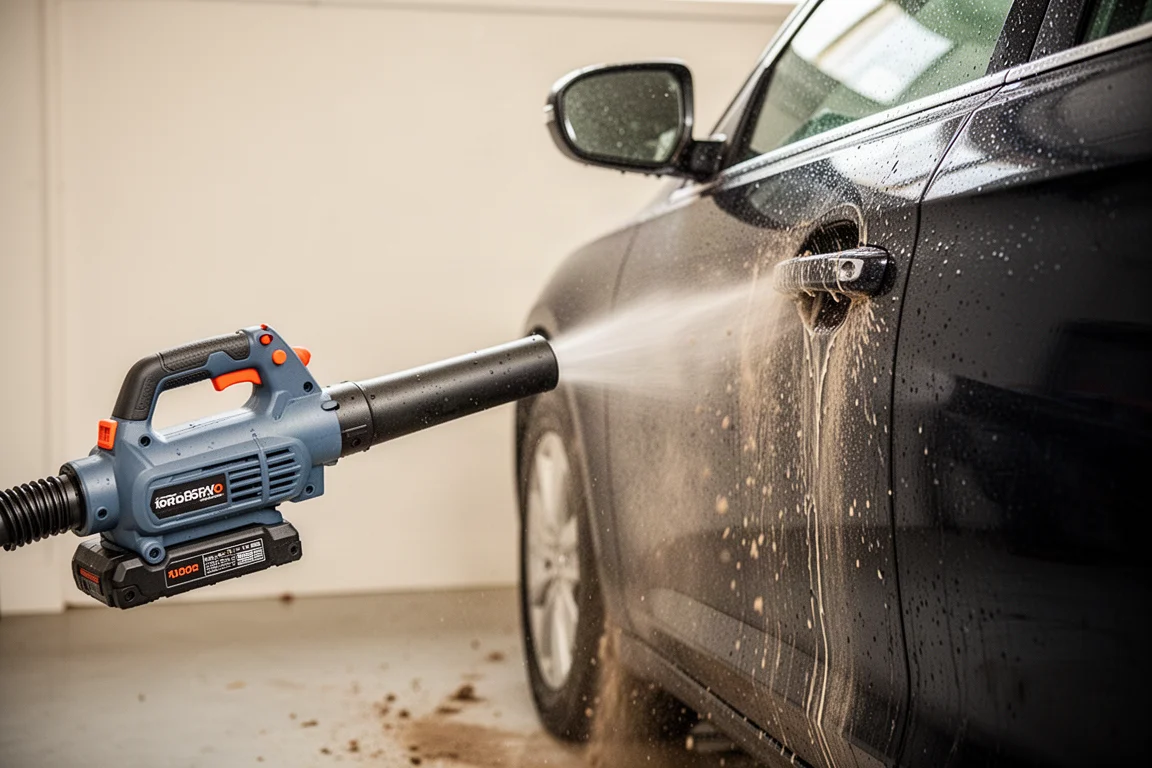
For detailers, the directed flow is the real draw. It lets you push air into grilles, into door handles, and across windshields, getting more water moving off the car faster. The trade-off is noise: with the stubby nozzle installed, the blower produces a high pitched whine that is a noticeable difference, especially when the tool is overhead or near your ear.
Noise: The Overlooked Factor
Noise is where these two choices genuinely split. Bare, the blower is quiet enough to talk over, and the factory-style long nozzle quiets it down even more. The directed stubby nozzle adds a high pitch that can be tiring during long sessions. The Jax Manufacturing nozzle keeps everything calm and unobtrusive. If you spend hours drying cars, that difference in ear comfort is worth taking seriously.
Buying Advice
Both are good options, and the right one depends on what you value. If you want to keep things as quiet as possible, the Jax Manufacturing nozzle does a great job and does not increase noise at all. If you want more directed power to clean things faster and the extra pitch does not bother you, the stubby nozzle delivers that concentrated airflow.
Either way, the Milwaukee M18 3017-2018 itself remains the easy pick for car work: lightweight, one-handed friendly, and gentle enough on the ears that noise only becomes a factor through the attachment you choose.
Conclusion
One small change to the end of a blower can meaningfully change airflow, noise, and scratch safety. The Jax Manufacturing nozzle prioritizes quiet operation and paint-friendly contact, while the directed stubby nozzle prioritizes concentrated airflow for faster water removal. Match the nozzle to how you actually use the blower, and the Milwaukee M18 3017-2018 becomes a genuinely capable detailing tool.
Further reading
Related Reviews
Power Tools
Best 1-Inch Pistol Impact Wrenches: Three Heavy-Duty Options Compared
We compare three 1-inch pistol impact wrenches, from a budget-friendly Harbor Freight model to a premium Caterpillar unit, to help you choose the right one.
Power Tools
Best 3/4-Inch Impact Wrenches 2026: Five Contenders Compared
We compare five 3/4-inch impact wrenches across price and performance, from a budget Amazon option to Snap-on's most powerful model yet.
Power Tools
Best Budget Cordless Tools 2026: Walmart Finds That Punch Above Their Price
We tested five cordless tools from Walmart, including a high-torque impact wrench that trades blows with Milwaukee and a $35 duster that outperforms its price class.