Power Tools
Milwaukee M18 BLHSB vs Makita Cordless High-Speed Blower: Which Compact Blower Wins?
Two cordless high-speed blowers go head to head in weight, blowing power, and real-world usefulness around the workshop.
Introduction
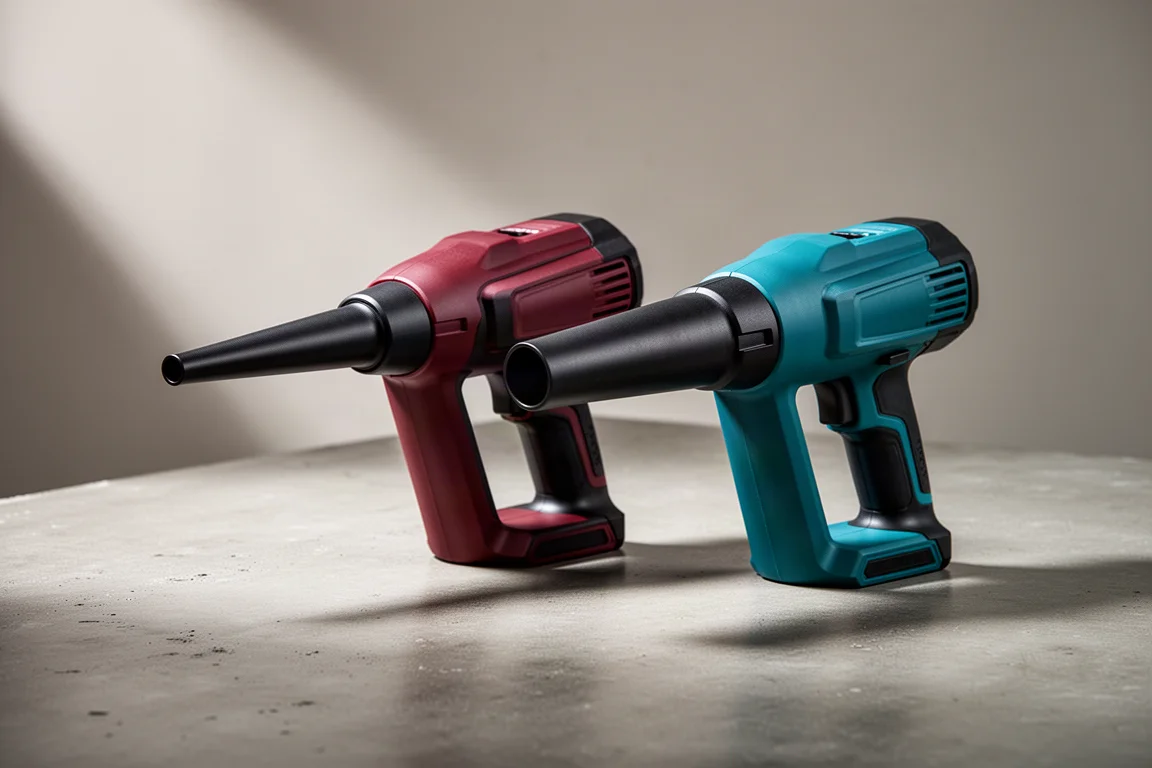
Compact high-speed blowers have quietly become one of the handiest tools you can keep around a workshop. They look like a novelty at first, but once you have one, it is hard to imagine working without it. Two models dominate this space: the Milwaukee M18 BLHSB, also known as the 0087 in North America, and the Makita equivalent, which pioneered this category before Milwaukee followed with a closely modeled design.
Both promise big numbers and even bigger convenience. This comparison looks at what each one offers and how they stack up when put through a series of practical tests.
What the Milwaukee M18 BLHSB Offers
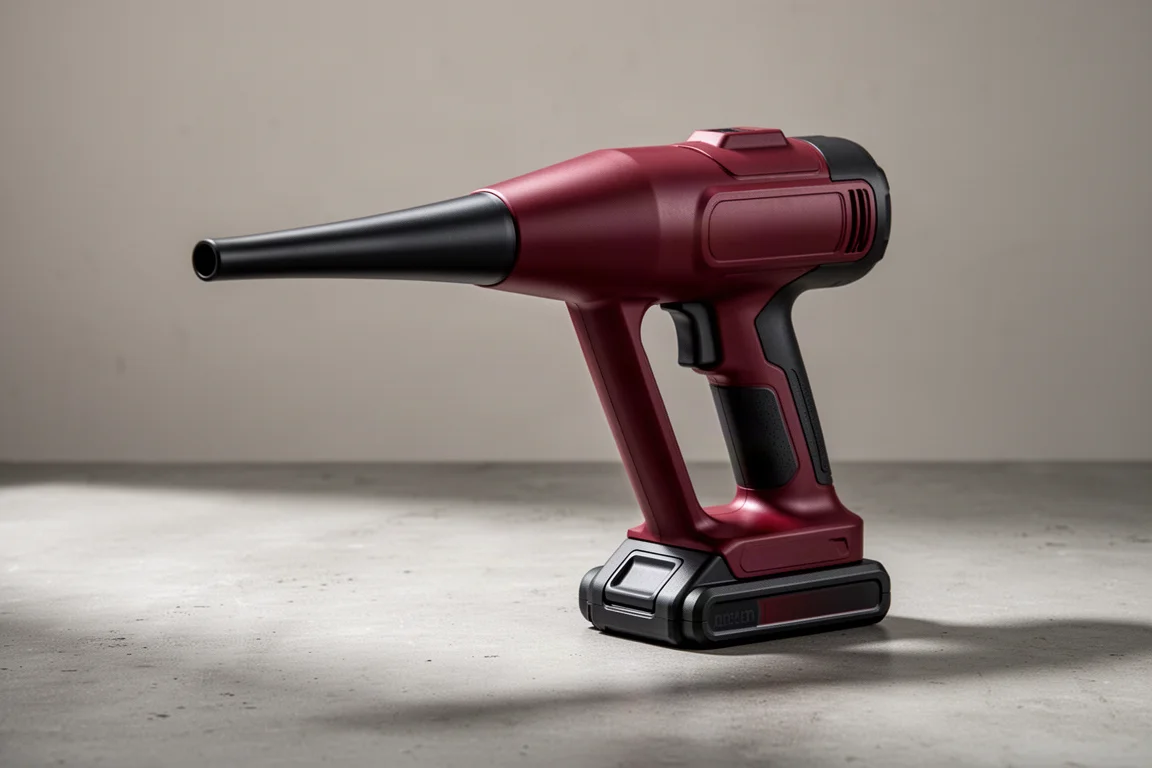
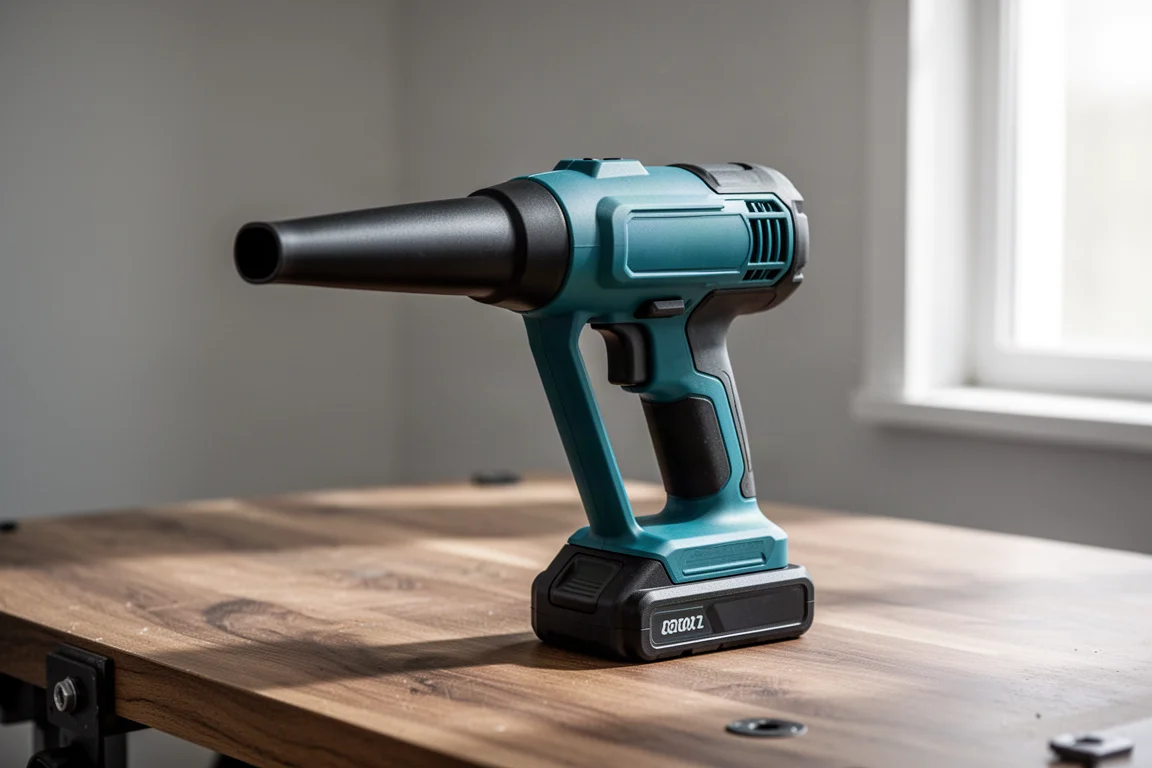
The Milwaukee M18 BLHSB goes by many names: precision blower, high-speed blower, compact blower, little dust blower. Whatever you call it, the tool is built around three fixed speed settings plus a variable speed trigger, so even at the highest setting you retain some throttle control. It ships with three nozzles: a 6 mm short nozzle, a 10 mm long nozzle, and a larger nozzle suited to inflating beach balls and similar items.
The nozzle holder is a small touch that shows real thought. It has strong magnets on the back so it can stick to the side of a toolbox, holes for hanging on screws, and a loop for hooking it up. Milwaukee claims a wind speed of 570 mph, over 900 km/h, and air movement of 1.1 cubic meters per minute, figures that sit above anything else in the category, though they are difficult to verify in everyday use.
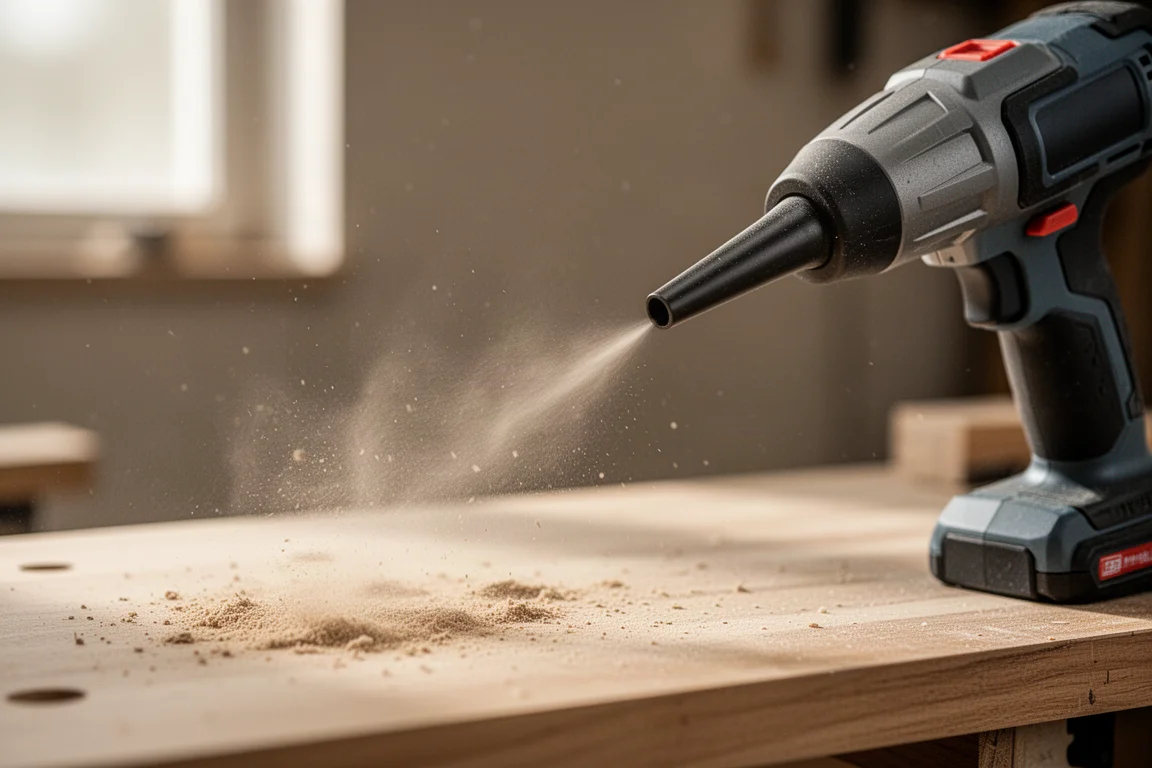
In practice, this type of blower shines at clearing filters, blowing down tools at the end of the day, and blasting sawdust out of your hair and clothes. It will not fully replace a compressor for jobs that need serious air volume, but for quick cleanups like blowing down a saw before it goes in the van, cleaning out a car interior, or clearing debris from around an engine bay, it is remarkably useful.
Head to Head: Blowing Power and Weight
Makita was first to market with this tool style, and the Milwaukee design clearly follows the same template. For a fair comparison, both tools ran on equivalent battery packs: 8 amp hour 21700-cell packs, configured as 8 amp at 18 volts on the Milwaukee and 4 amp at 36 volts on the Makita, which uses the same cells in a 36V configuration.
Without any accessories or battery, the Makita weighs 840 g while the Milwaukee comes in at 753 g, making the Milwaukee nearly 90 g lighter.
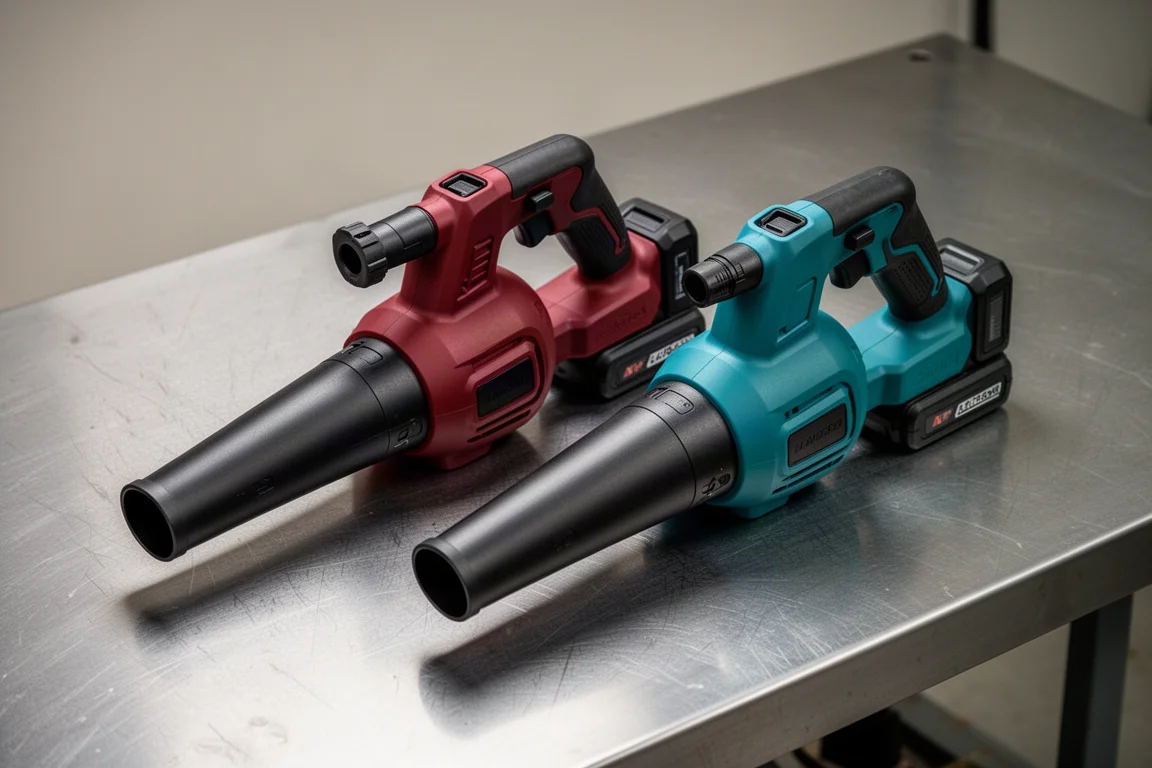
In a series of inclined-track tests using a lightweight cart, the Milwaukee pushed the cart just past the 2.5 m mark while the Makita managed just past 2 m, a gap of roughly half a meter. At a steeper 5-degree incline the Milwaukee won again and proved notably more consistent, landing within about 100 mm of the same mark on every attempt, while the Makita results varied considerably. At 15 degrees, the sustained-blow tests ended in a dead heat.
Sustained Blowing and Thrust Tests
Thrust measurements told a closer story. With the original nozzles fitted, the Makita produced around 150 g of thrust and the Milwaukee about 154 g. With larger nozzles, the Makita topped out near 280 g and the Milwaukee around 258 g. With no nozzles at all, the Makita reached 300 g and the Milwaukee 307 g.
Interestingly, both blowers performed better with the wider nozzles than with the narrow high-pressure ones. Because these blowers generate no back pressure, blocking the nozzle end causes the airflow to cut out entirely, so narrow nozzles do not translate into more effective pushing power.
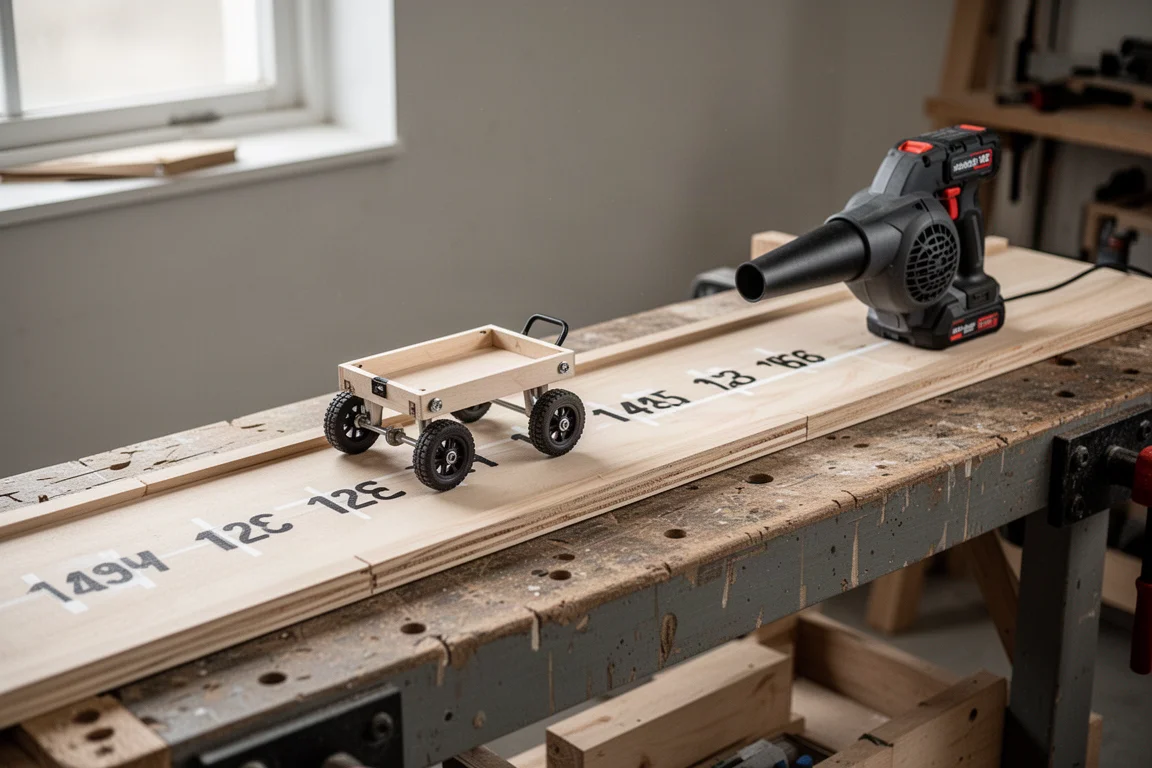
A final nozzleless “blow of war” test, with both tools positioned a meter from a lightweight vessel on a level track, settled the tie: the Milwaukee pushed it decisively toward its own side and held the win.
Buying Advice
Both of these tools are genuinely handy once you own one, and the Makita deserves credit for establishing the category. The Makita is a strong choice if you are already invested in that battery platform.
The Milwaukee, however, edges ahead in this comparison on almost every measured point. It is nearly 90 g lighter as a bare tool, pushed further and more consistently in the inclined tests, produced slightly more thrust in most configurations, and won the direct head-to-head. Its accessory package, from the three included nozzles to the magnetic nozzle holder, adds everyday convenience too.

If you want the more capable all-rounder and your battery platform allows it, the M18 BLHSB is the one to pick.
Conclusion
Compact high-speed blowers punch far above their size, and both of these models deliver on the promise of quick, cordless cleanup around the workshop. The Makita remains a solid, proven option, but the Milwaukee M18 BLHSB’s lighter body, stronger and more consistent airflow, and thoughtful accessories make it the standout in this head-to-head.
Further reading
Related Reviews
Power Tools
Best 1-Inch Pistol Impact Wrenches: Three Heavy-Duty Options Compared
We compare three 1-inch pistol impact wrenches, from a budget-friendly Harbor Freight model to a premium Caterpillar unit, to help you choose the right one.
Power Tools
Best 3/4-Inch Impact Wrenches 2026: Five Contenders Compared
We compare five 3/4-inch impact wrenches across price and performance, from a budget Amazon option to Snap-on's most powerful model yet.
Power Tools
Best Budget Cordless Tools 2026: Walmart Finds That Punch Above Their Price
We tested five cordless tools from Walmart, including a high-torque impact wrench that trades blows with Milwaukee and a $35 duster that outperforms its price class.