Power Tools
Milwaukee M18 Belt Sander and Sheet Sander: Two Cordless Sanders Worth a Look
A close look at Milwaukee's new M18 belt sander and quarter-sheet orbital sander, including power, dust collection, vibration, and build quality.
Introduction
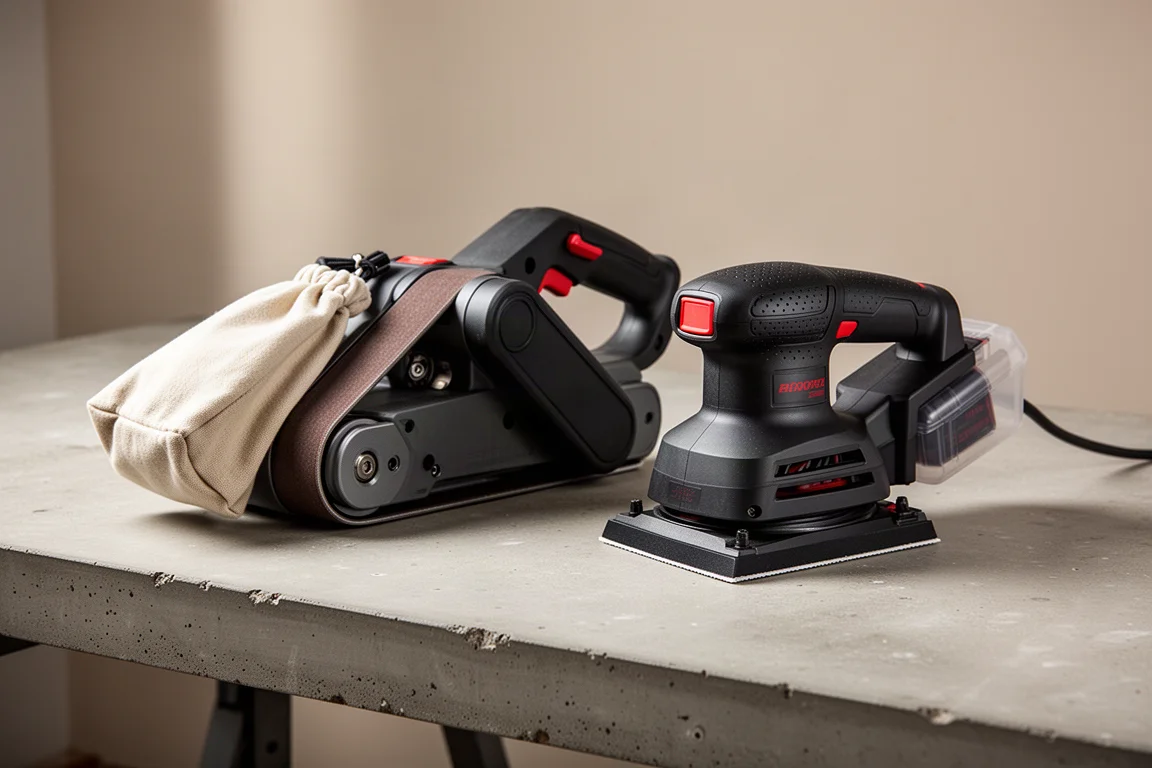
Cordless sanding has long been one of the weaker spots in many tool lineups, and Milwaukee has been working to close that gap. Two recent additions, the M18 belt sander and the M18 sheet sander, target woodworkers and carpenters who want sanding power without dragging a cord across their projects.
Both tools were put through hands-on sanding tests, from coarse 60-grit work to finishing passes, with dust collection, vibration, and power draw all checked along the way.
First Impressions and Build Quality
The belt sander drew some early criticism online for its extensive use of plastic. It is true that there is a lot of it, but the material is the same heavy-duty composite Milwaukee uses across its tool range, and it keeps the weight down. Modern sanders are simply not built from metal the way older machines were, and nothing felt flimsy in use.
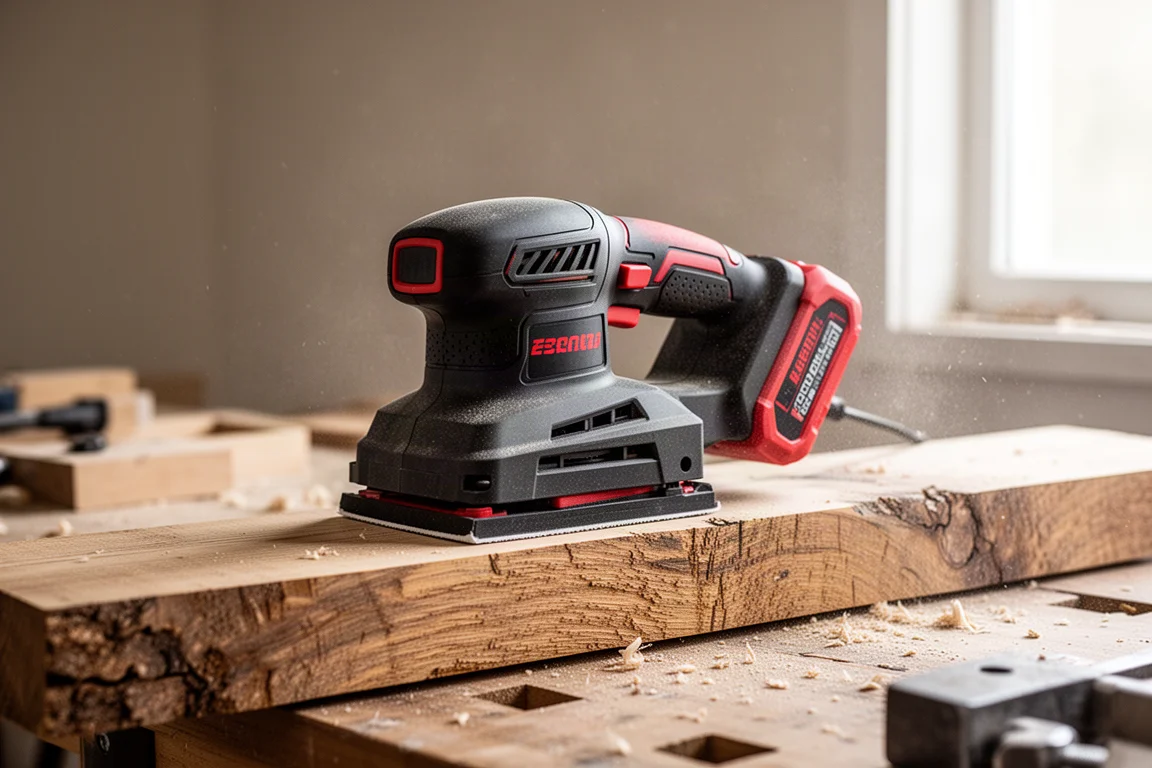
The sheet sander uses the same composite construction. In an unplanned drop test onto a jagged piece of concrete, it came away with little more than a scuff and a bit of dirt, which says something useful about how these tools are built.
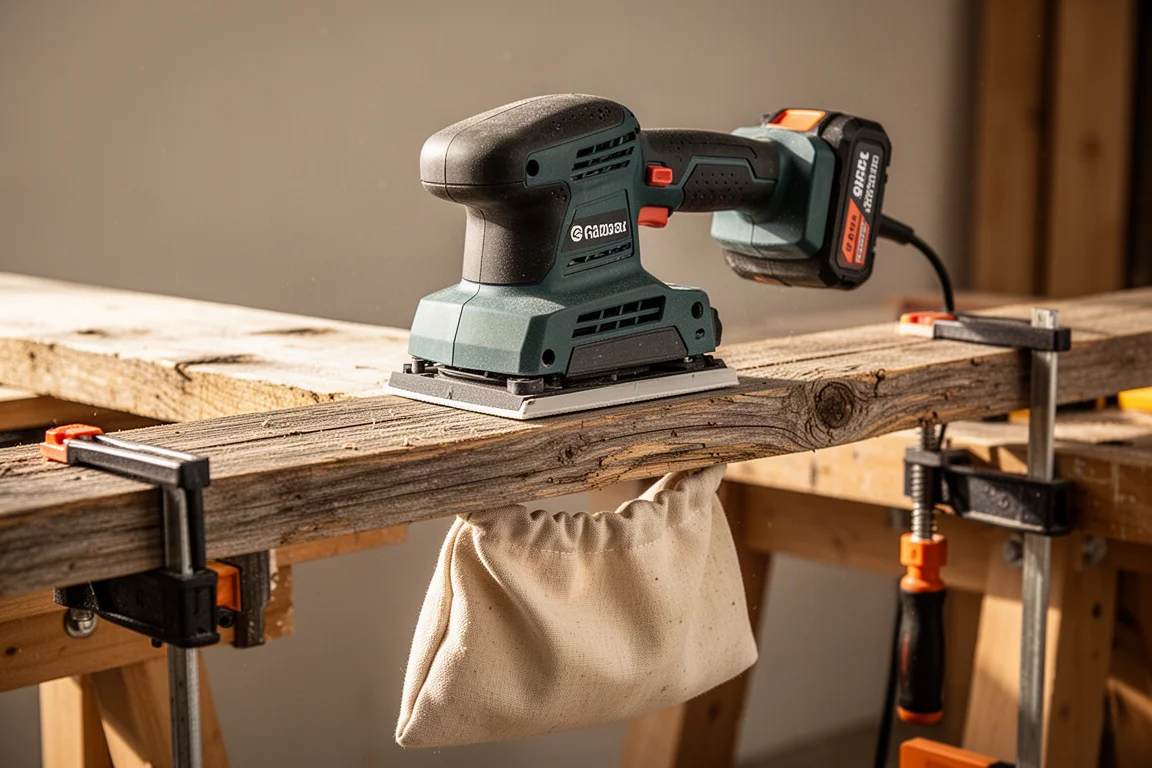
Milwaukee M18 Sheet Sander
The sheet sander is a quarter-inch orbital model with Milwaukee claiming up to 95 percent dust collection. Speed is adjustable from 11,000 up to 13,000 orbits per minute, and the company claims this is the lowest-vibrating sander on the market. Without a battery it weighs just 2.6 pounds, so long sessions are easy on the arms.
In use, even at full speed, vibration was minimal. It is genuinely one of the smoothest sheet sanders around, and paper stays put thanks to a clamp-down system. The one complaint: the clamp exists on only one side, and a second latch on the other side would have been welcome.
The box includes sandpaper, a dust bag, a hose attachment for shop vacuums, and a punching plate so dust collection holes can be made in plain sandpaper. Note that dust collection only works properly once the paper is punched, which is easy to forget. It also comes with a 5-year warranty.
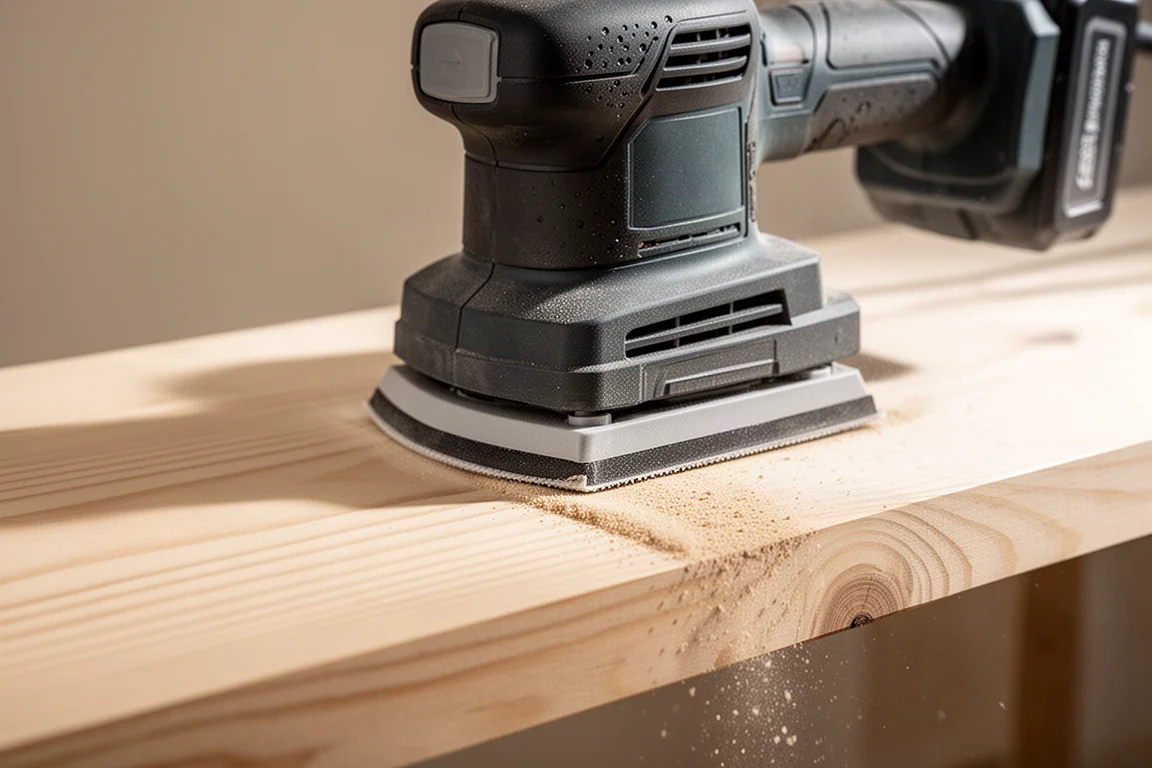
With a small 2.0Ah battery, this sander runs comfortably without excessive drain, keeping the whole setup light and balanced.
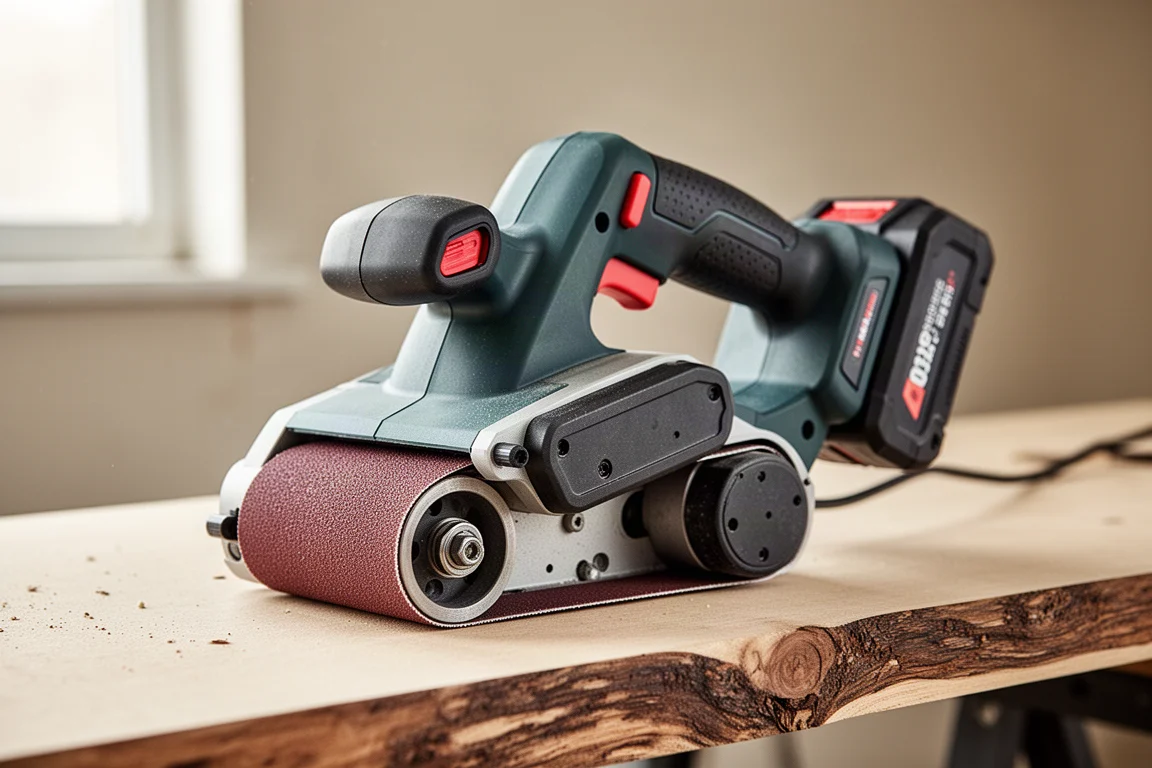
Milwaukee M18 Belt Sander
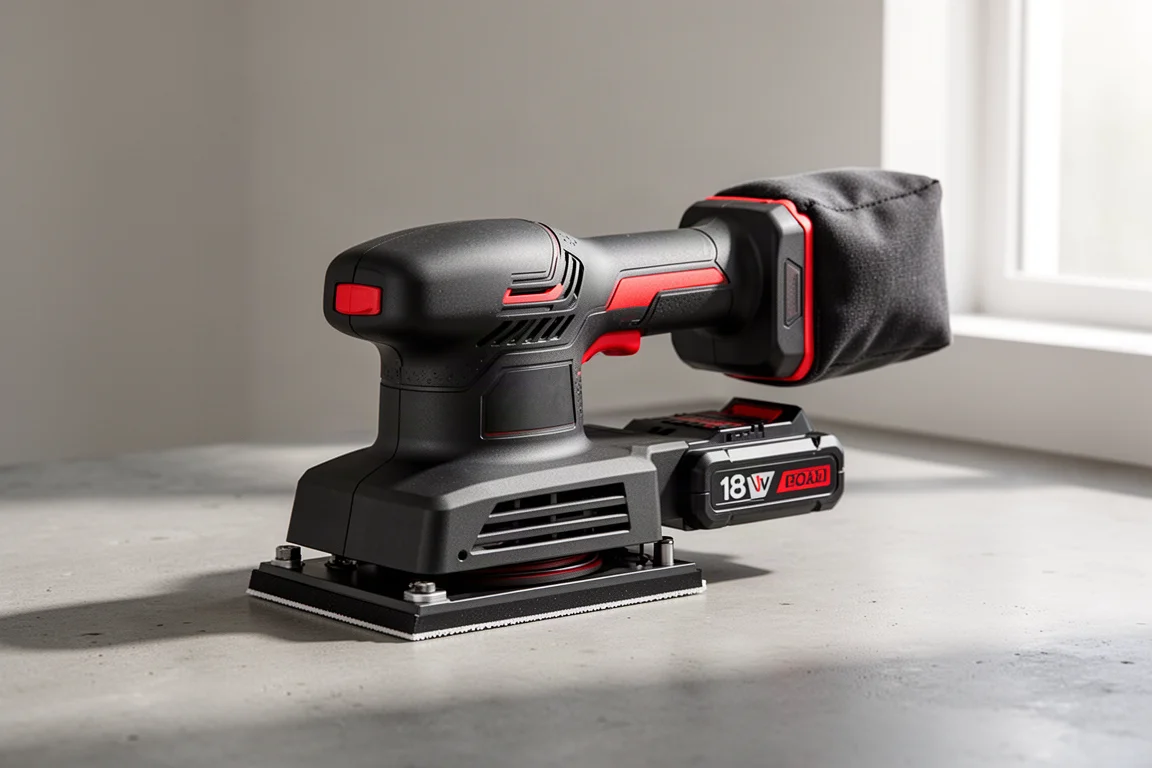
The belt sander is the standout of the two. Variable speed runs from 135 up to 750 sanding feet per minute, adjusted via a dial rather than a variable trigger, and the belt size is a standard 3 by 18 inches. Belt tracking is handled with an adjustment knob, and the paper held exactly where it was set during testing with no drift.
Two LED lights, one at the front and one on the side, illuminate the work area nicely. A clever fold-out handle extension gives more room between your hands, useful for larger hands or more aggressive passes.
At 7.79 pounds bare, it is a bit heavy, but that is expected in this class. Power is genuinely impressive, matching or exceeding corded belt sanders in the same testing. One important note on batteries: a small 2.0Ah pack showed some bogging down, so Milwaukee recommends at least a 5.0Ah battery, or a 3.0Ah high-output pack, for best results.
The dust bag is heavy-duty and latches securely around a ring so it cannot shake loose, and the included universal hose attachment lets you connect a vacuum directly. Both sanders feature deliberately firm adjustments that stay locked during use, which is exactly what you want under load.
Buying Advice
Pricing is worth a note here. Retailers are asking over $400 apiece for the belt sander on some marketplaces, but it sells for around $279 elsewhere, so shop around. There is also a bundle that includes both the belt sander and the new sheet sander for roughly $375, which is excellent value if you want both.

Battery choice matters most on the belt sander. Stick with a 5.0Ah or larger pack, or the 3.0Ah high-output option, to avoid power sag on aggressive passes. The sheet sander is far more forgiving and pairs fine with smaller batteries.
Conclusion
Both of these sanders are easy to recommend. The sheet sander is smooth, light, and quietly excellent, while the belt sander delivers corded-level power with cordless convenience and thoughtful details like the extendable handle and secure dust bag latching. For woodworkers and carpenters already in the Milwaukee M18 platform, these are two of the most worthwhile sanding additions in a while.
Further reading
Related Reviews

Power Tools
Best 1-Inch Pistol Impact Wrenches: Three Heavy-Duty Options Compared
We compare three 1-inch pistol impact wrenches, from a budget-friendly Harbor Freight model to a premium Caterpillar unit, to help you choose the right one.

Power Tools
Best 3/4-Inch Impact Wrenches 2026: Five Contenders Compared
We compare five 3/4-inch impact wrenches across price and performance, from a budget Amazon option to Snap-on's most powerful model yet.

Power Tools
Best Budget Cordless Tools 2026: Walmart Finds That Punch Above Their Price
We tested five cordless tools from Walmart, including a high-torque impact wrench that trades blows with Milwaukee and a $35 duster that outperforms its price class.