Power Tools
Milwaukee M18 Battery Tiers Explained: Which Redlithium Battery Should You Buy?
From the old XC 5.0Ah to the new High Output 5.0Ah and the Forge line, here is how the M18 battery tiers differ and where each one belongs.
Introduction
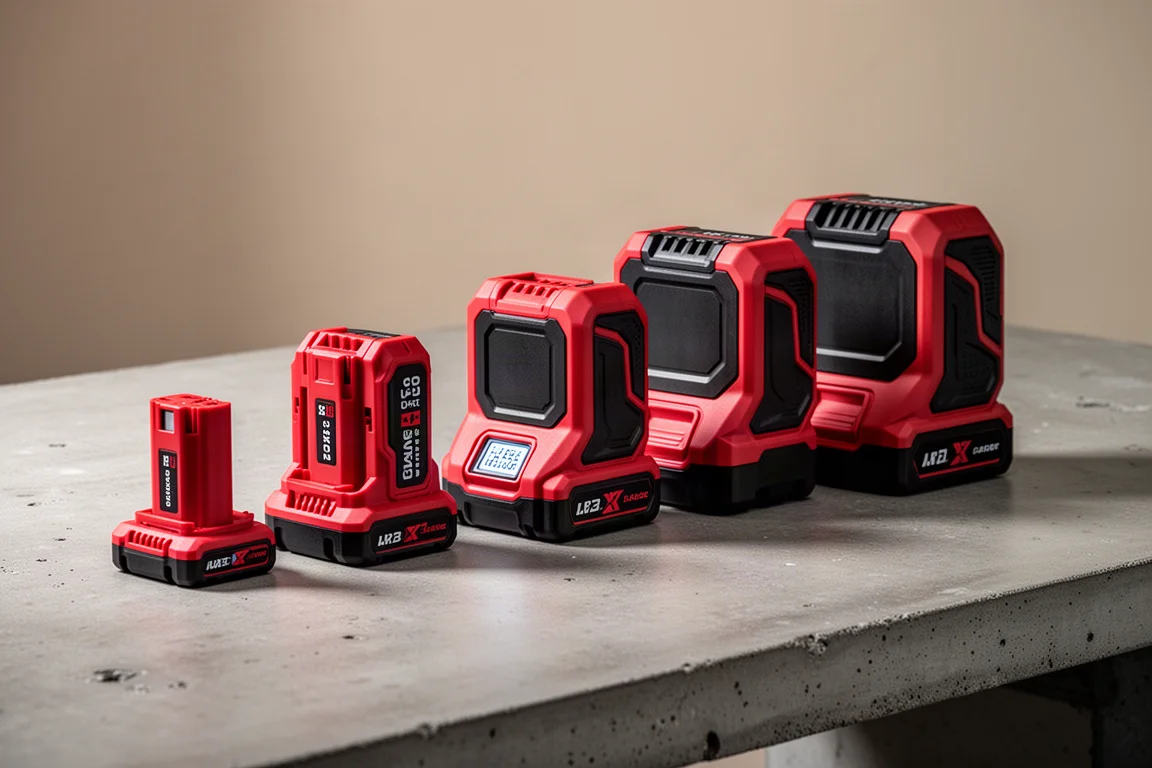
Milwaukee’s M18 battery lineup has quietly sorted itself into a clear three-tier system, and the arrival of the new M18 Redlithium High Output 5.0Ah battery makes the whole picture easier to read than ever. If you have been buying the same old 5.0Ah packs for everything, it may be time to rethink that habit. The short version: small tools get the standard packs, demanding compact tools get High Output, and big power tools get Forge. The difference is not just marketing. In a simple voltage drop test, the new 5.0Ah held around 18.3 volts under load while the old XC 5.0Ah sagged into the mid-15s. That is a huge, audible difference in power delivery.
Understanding the Milwaukee M18 Battery Tiers
Think of the M18 range as three categories. Category one is the M18 Redlithium standard line, including the XC 5.0Ah, best suited to small, lightweight tools that do not need a lot of power. Category two is the M18 Redlithium High Output line, a mid-tier option that delivers high power to smaller tools without adding bulk. Category three is the M18 Redlithium Forge line, Milwaukee’s highest output batteries, built for larger tools that demand serious current.
This tier system is not brand new, but it has been pushed hard for a couple of years and many users still have not absorbed it. Milwaukee has noted that around 90% of the batteries out there are the old 5.0Ah packs, and people use them for everything. The problem is that on a high-demand tool, those old packs run hot, and heat plus heavy power draw shortens battery lifespan.
The Starting Point: M18 Redlithium XC 5.0Ah
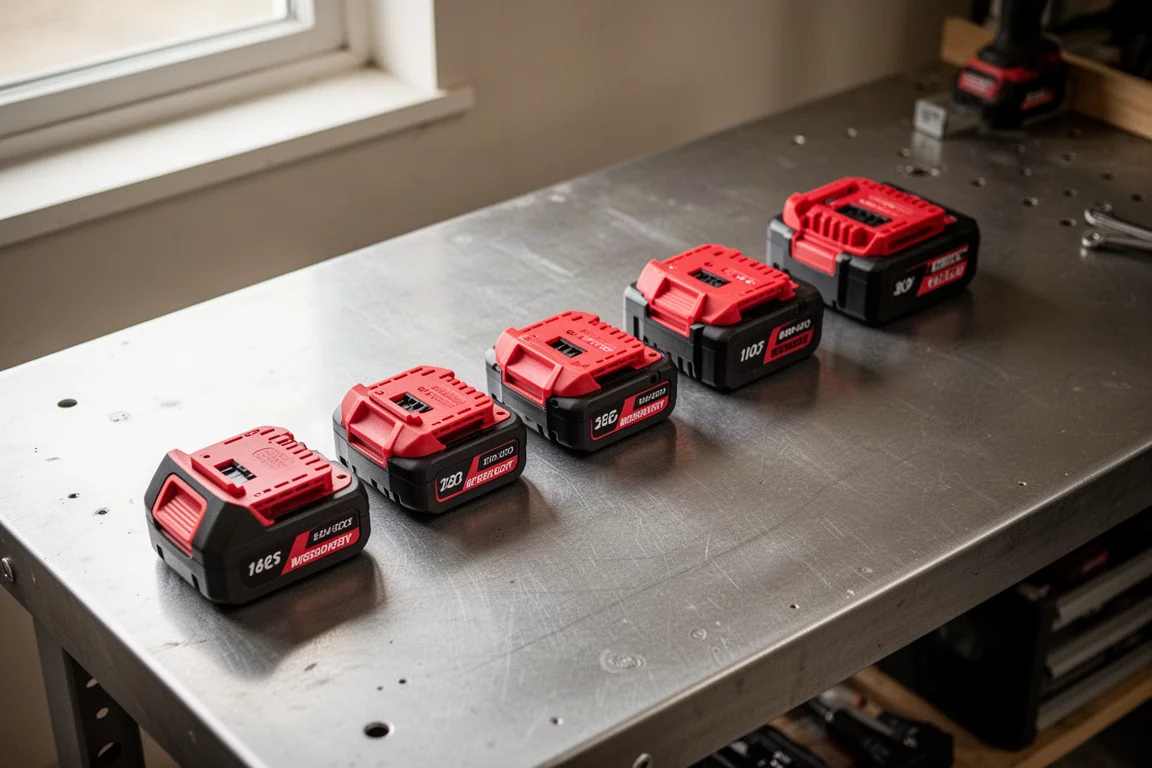
The XC 5.0Ah is the pack most people already own. It is the workhorse that came bundled with tools for years, and for small tools like drills and impact drivers doing light work, it remains perfectly adequate. The catch shows up under load. In a voltage drop test on a compact tool, the old XC 5.0Ah started at about 20.5 volts and sagged to roughly 15.52 volts within a few seconds, and it kept falling. That kind of sag is exactly what heat buildup and older cell design look like in practice. It is old technology, and it is worth replacing if you push your tools hard.
The Upgrade Pick: M18 Redlithium High Output 5.0Ah
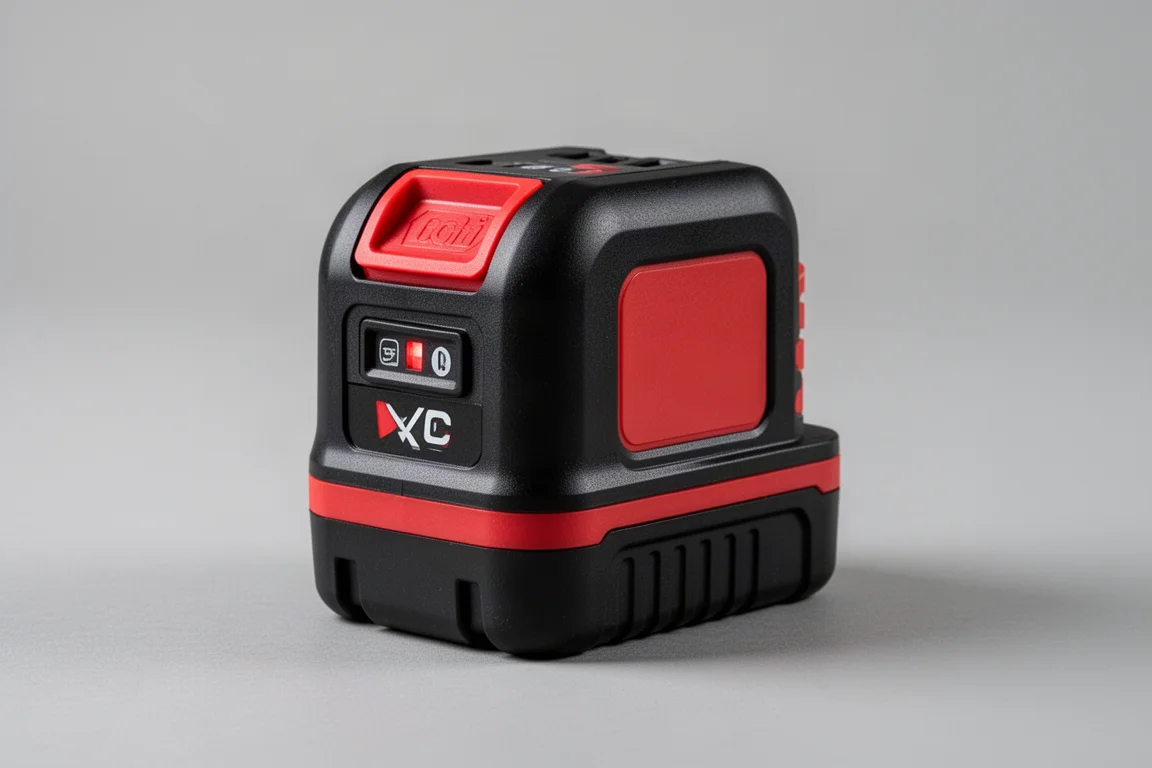
This is the new pack that makes the tier system click. The High Output 5.0Ah moves from standard tab cells to 18650 tabless cells, and the result is easy to feel. Starting from about 20.57 volts, it held roughly 18.3 volts under the same short load test where the old pack sank into the 15s. Same capacity, dramatically better voltage stability.
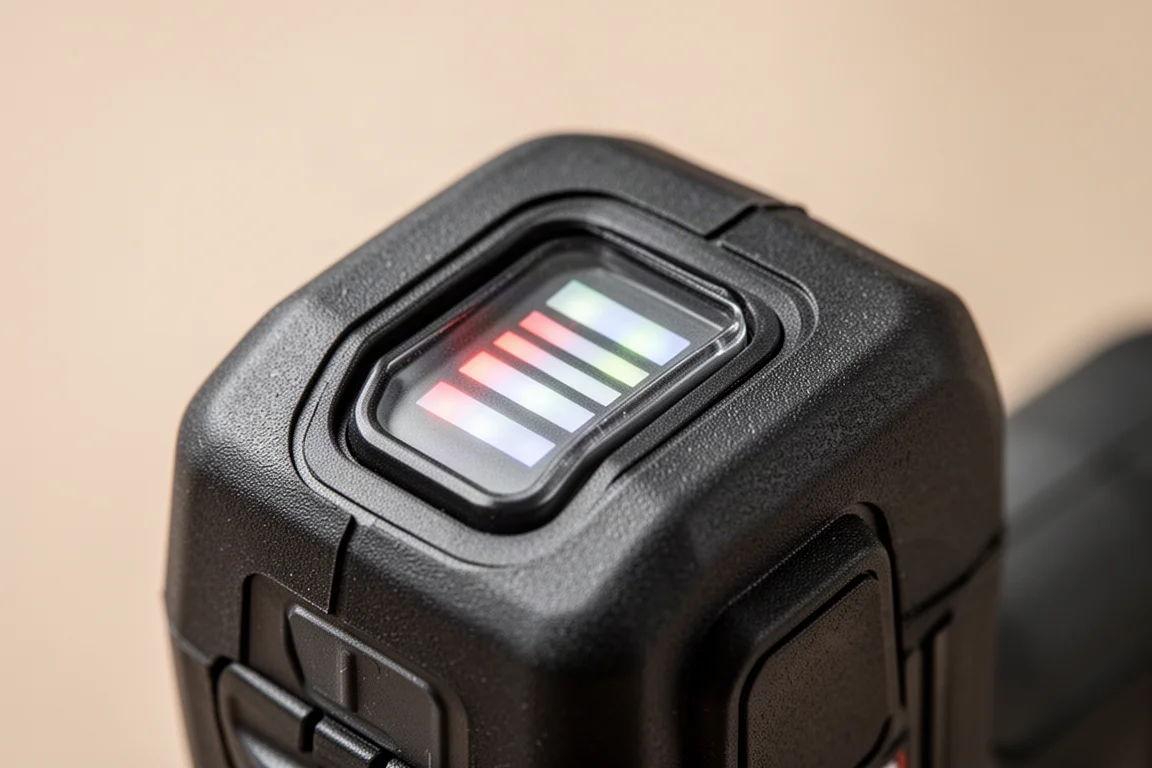
There is also a practical usability upgrade: the new pack has a larger one-button fuel gauge instead of the tiny old one, and it looks like the kind of change that will spread across the lineup as packs get redesigned. For HVAC work, construction inside with metal studs, or anyone using impact drivers and compact tools who wants power without the weight or size of a bigger pack, this is the battery to reach for.
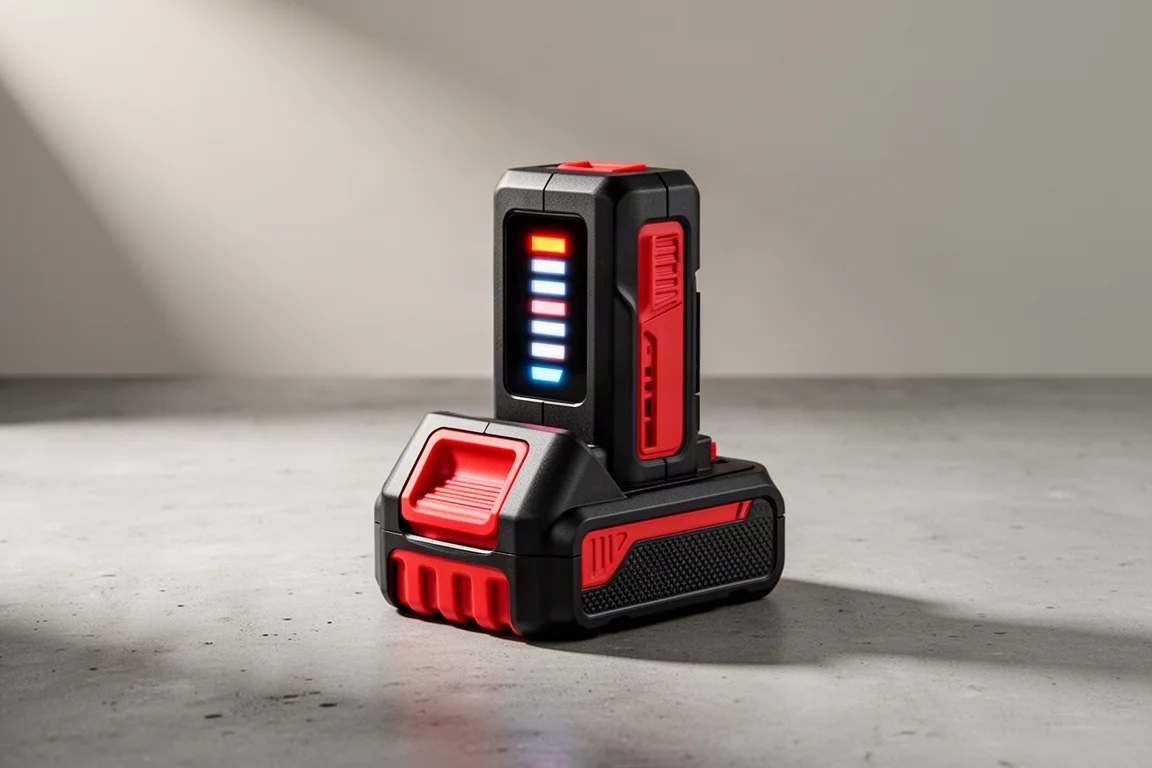
The Wildcard: M18 Redlithium Forge XC 6.0Ah
The Forge XC 6.0Ah occupies an awkward middle ground. In testing, it started at about 20.46 volts and held 18.3 volts under load, essentially matching the new High Output 5.0Ah. That is a telling result: the 5.0Ah pulled the same power as the Forge 6.0Ah while being more compact. It appears to use pouch cells, and there are strong hints it is on the way out. It no longer really fits the Forge category; it behaves like a High Output pack. If you love this one, it may be worth grabbing while it is still available.
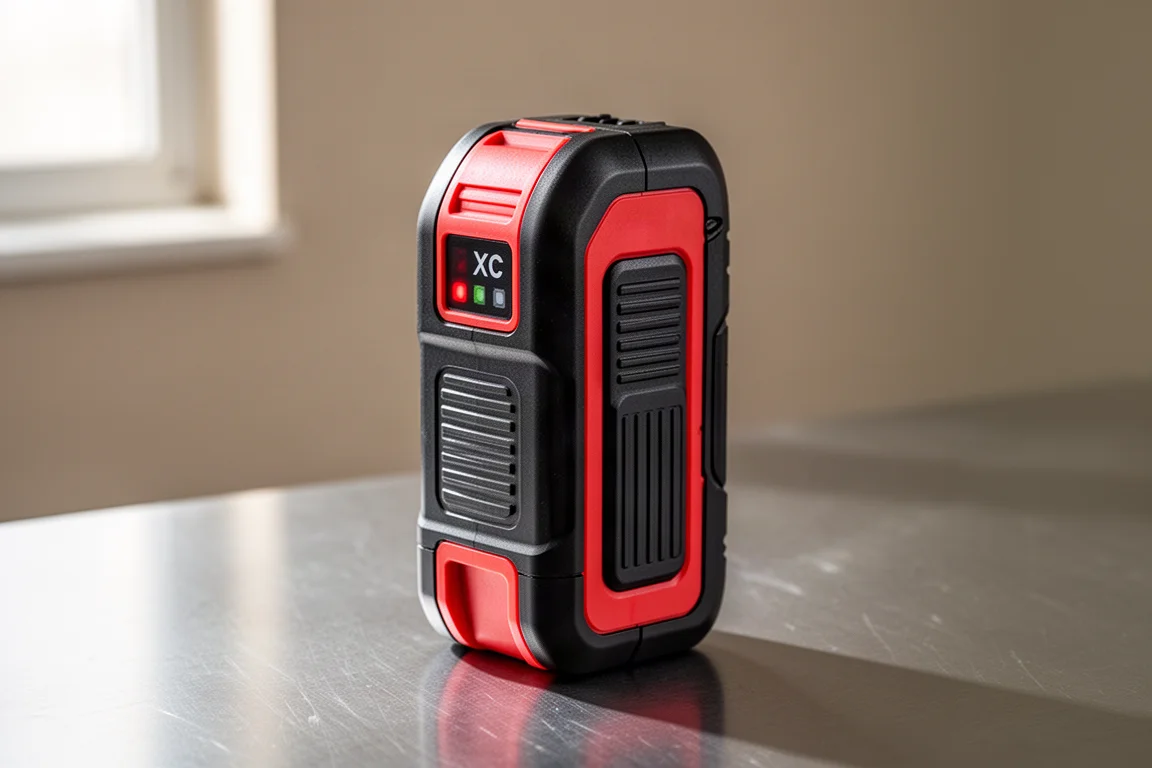
The Powerhouse: M18 Redlithium Forge 8.0Ah
The Forge 8.0Ah steps up to 21700 tabless cells, a larger cell format than the 18650s in the new 5.0Ah. Under the same test, it started at about 20.79 volts and never dipped below 19 volts. It clearly outperformed every other battery tested in terms of holding voltage. The trade-off is size: it is a little too big and heavy for smaller tools, where the extra capacity does not always justify the bulk.
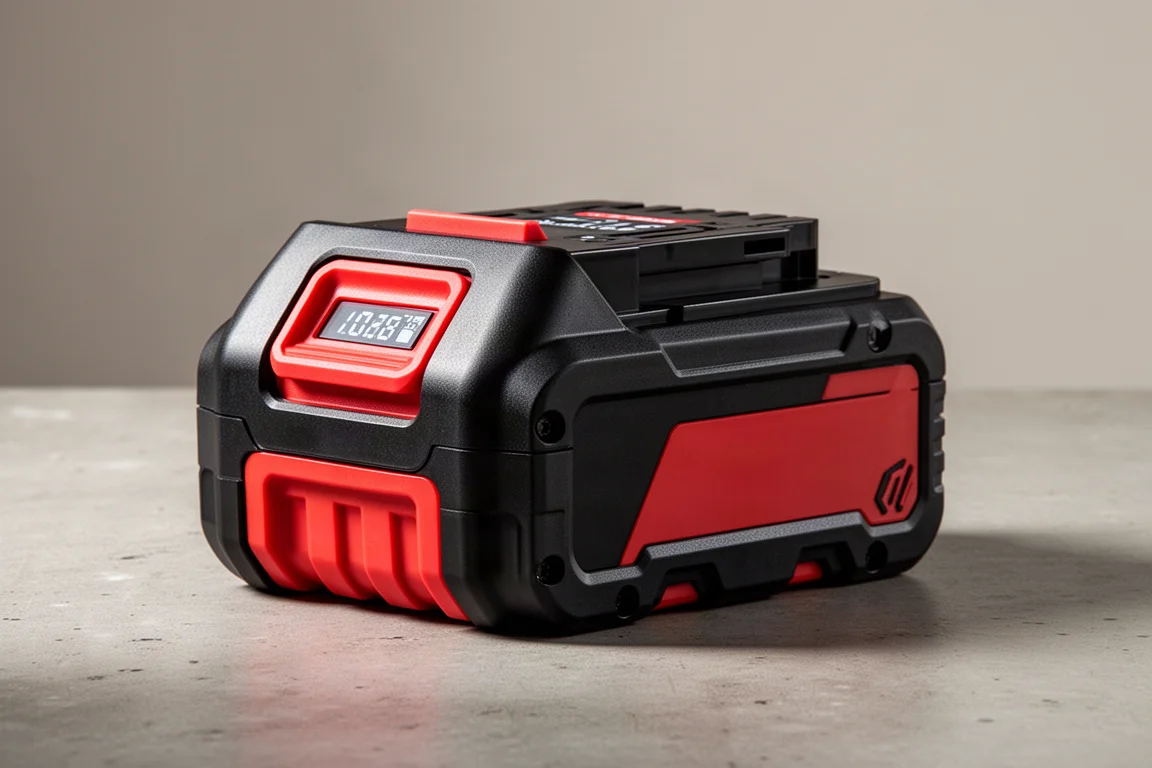
The Heavy-Duty Choice: M18 Redlithium Forge 12.0Ah
At the top of the range sits the Forge 12.0Ah, the pack Milwaukee actually kits with its most demanding tools. When showing new saws, Milwaukee demonstrated that some can run acceptably on smaller batteries, but they still ship those saws with the Forge 12.0Ah because run time and output matter most in that class. For anything with sustained, high current demand, this is the tier that holds voltage when the tool asks for it.
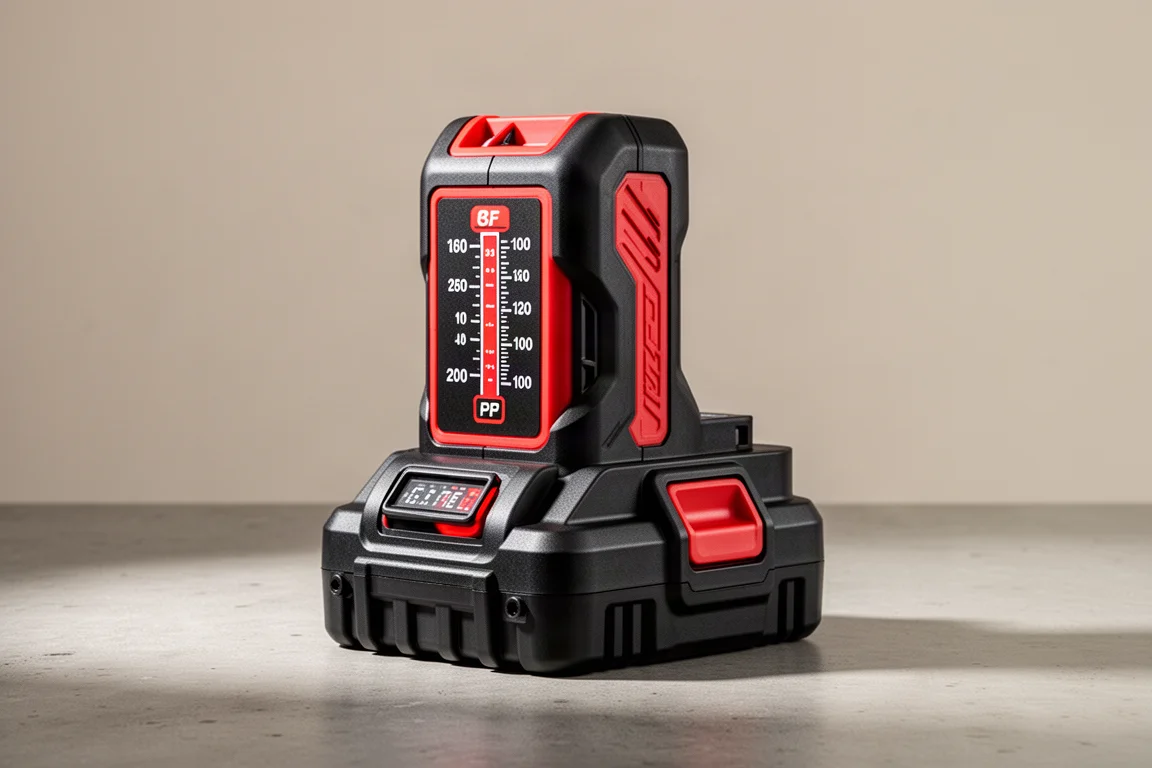
How the Voltage Drop Test Played Out
The side-by-side test makes the tier differences tangible. Old XC 5.0Ah: roughly 15.5 volts under load and dropping. New High Output 5.0Ah: 18.3 volts. Forge XC 6.0Ah: 18.3 volts. Forge 8.0Ah: never below 19 volts. When a battery holds a higher voltage, you can hear it through the tool. The sound alone tells you the pack is delivering power far better than the older series.
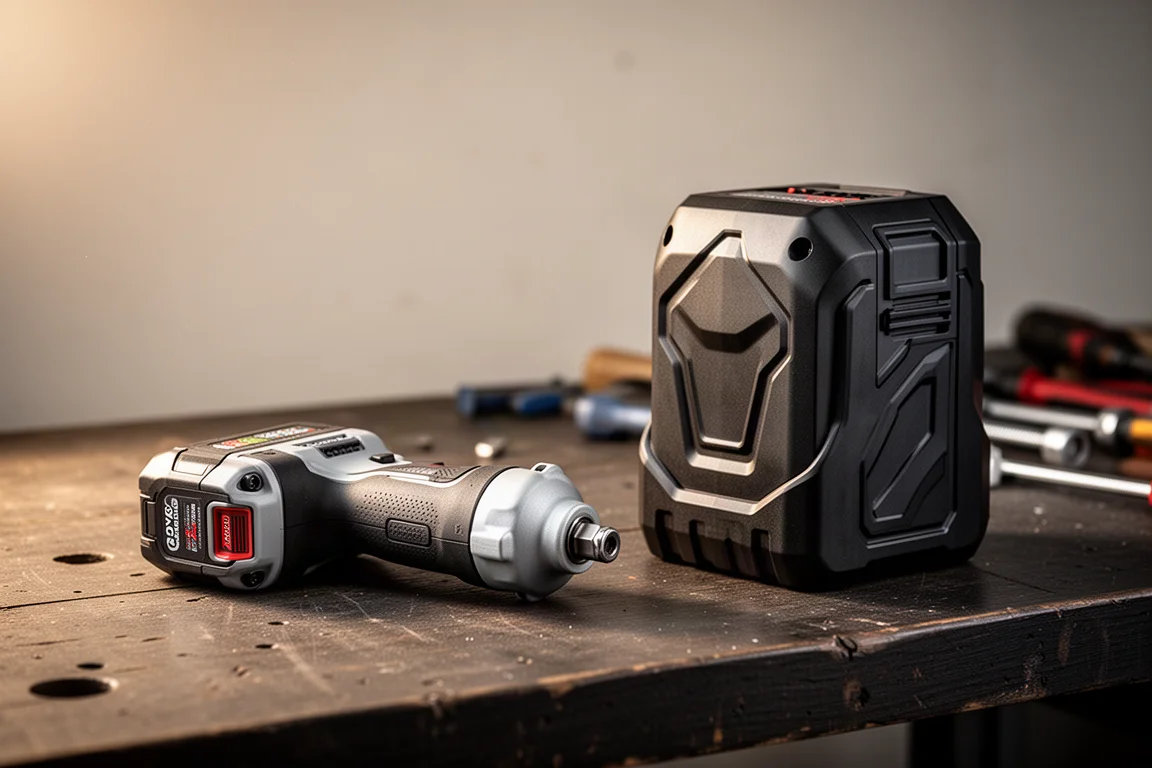
The old 5.0Ah packs also get very hot on high-demand tools, and that heat combined with the power draw reduces their lifespan. The newer tabless cell designs manage that load far better, which should mean longer usable life as well as better performance.
Buying Advice: Matching the Battery to the Job
Use the old XC 5.0Ah only on genuinely light-duty small tools, or replace it as your budget allows. Choose the High Output 5.0Ah for compact but power-hungry tools such as impact drivers, especially for HVAC or metal stud work where you want output without weight. Save the Forge 8.0Ah and Forge 12.0Ah for high-demand tools like circular saws, miter saws, and vacuums, where they hold voltage under sustained load. The Forge XC 6.0Ah matched the new 5.0Ah in testing, so it is a reasonable buy only if the capacity matters to you, and its future availability is questionable.
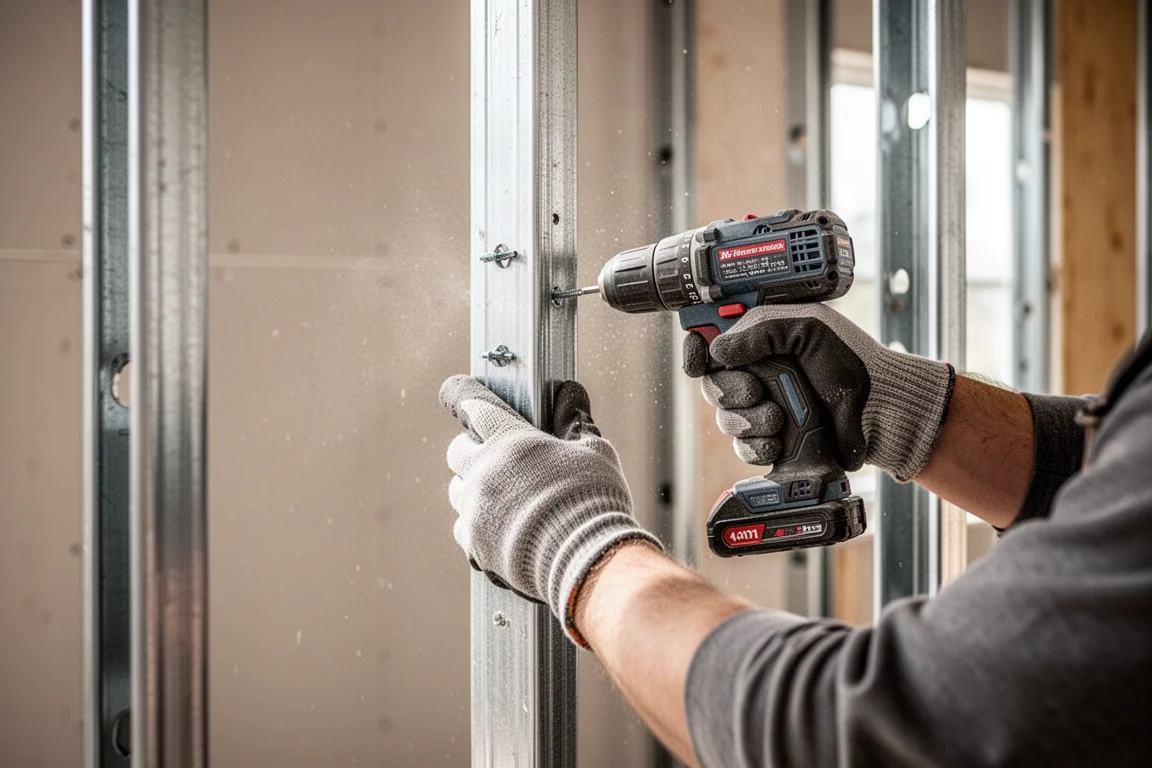
Pricing on the new packs is described as not too bad and expected to improve, and the batteries are currently available, so you can buy now rather than wait.
Conclusion
The M18 tier system finally makes sense: Redlithium for light tools, High Output for compact power, and Forge for the big stuff. The new High Output 5.0Ah is the standout update, delivering Forge-level voltage stability in a compact, lighter pack. Match the battery to the tool and you get better performance, less heat, and a longer lifespan from every pack you own.
Further reading
Related Reviews

Power Tools
Best 1-Inch Pistol Impact Wrenches: Three Heavy-Duty Options Compared
We compare three 1-inch pistol impact wrenches, from a budget-friendly Harbor Freight model to a premium Caterpillar unit, to help you choose the right one.

Power Tools
Best 3/4-Inch Impact Wrenches 2026: Five Contenders Compared
We compare five 3/4-inch impact wrenches across price and performance, from a budget Amazon option to Snap-on's most powerful model yet.

Power Tools
Best Budget Cordless Tools 2026: Walmart Finds That Punch Above Their Price
We tested five cordless tools from Walmart, including a high-torque impact wrench that trades blows with Milwaukee and a $35 duster that outperforms its price class.