Power Tools
Milwaukee M18 15-Gauge Cordless Finish Nailer: A Smarter Second Generation
A redesigned nose, clearer controls, and a stand-up design fix the biggest complaints about Milwaukee's original cordless finish nailer.
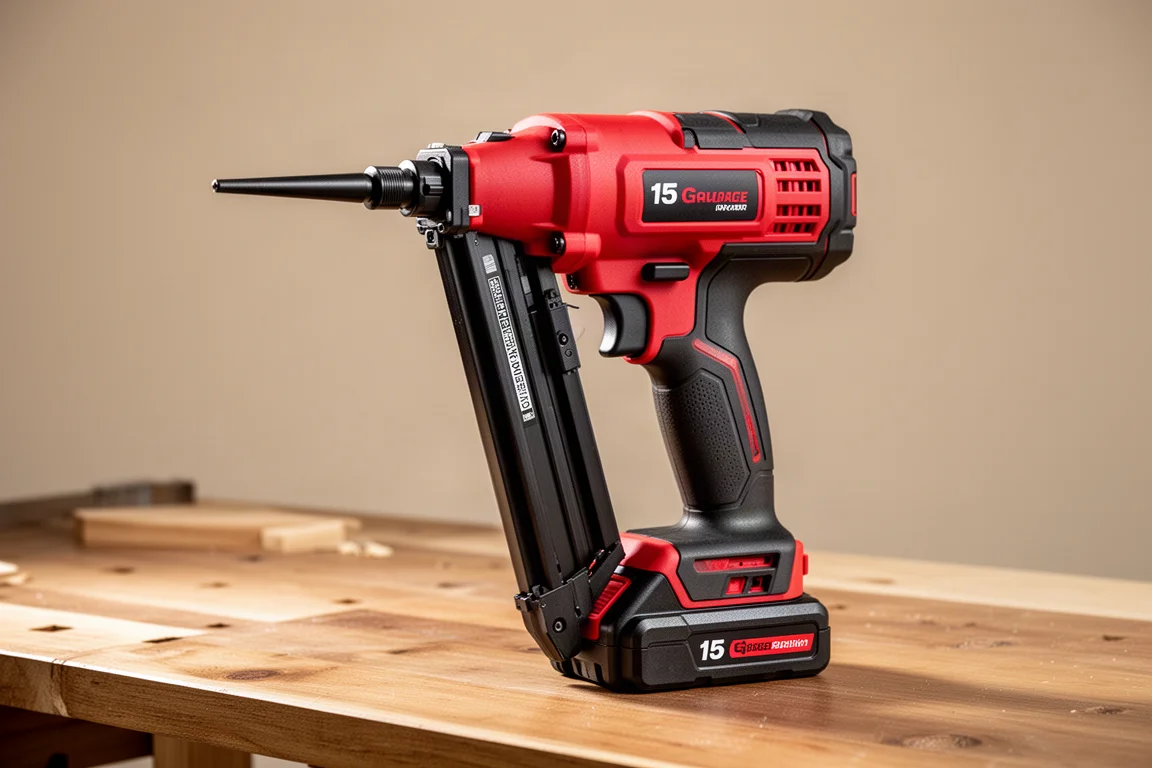
Introduction
Milwaukee’s first-generation M18 cordless finish nailers earned plenty of fans, but pros kept pointing to a few persistent annoyances. The new M18 15-gauge cordless finish nailer takes direct aim at those pain points, and after spending time firing it alongside the original, the improvements feel genuinely useful rather than cosmetic. The result is a tool that is easier to aim, easier to read, and easier to live with on the jobsite.
A Much Narrower, More Visible Nose
The most noticeable change is at the nose. The new nailer has a much slimmer front end than the original, which makes it far easier to see exactly where you are placing a shot. Even while firing, placement stays precise, so anyone worried about hitting a pencil line or working close to an edge will appreciate the improvement immediately.
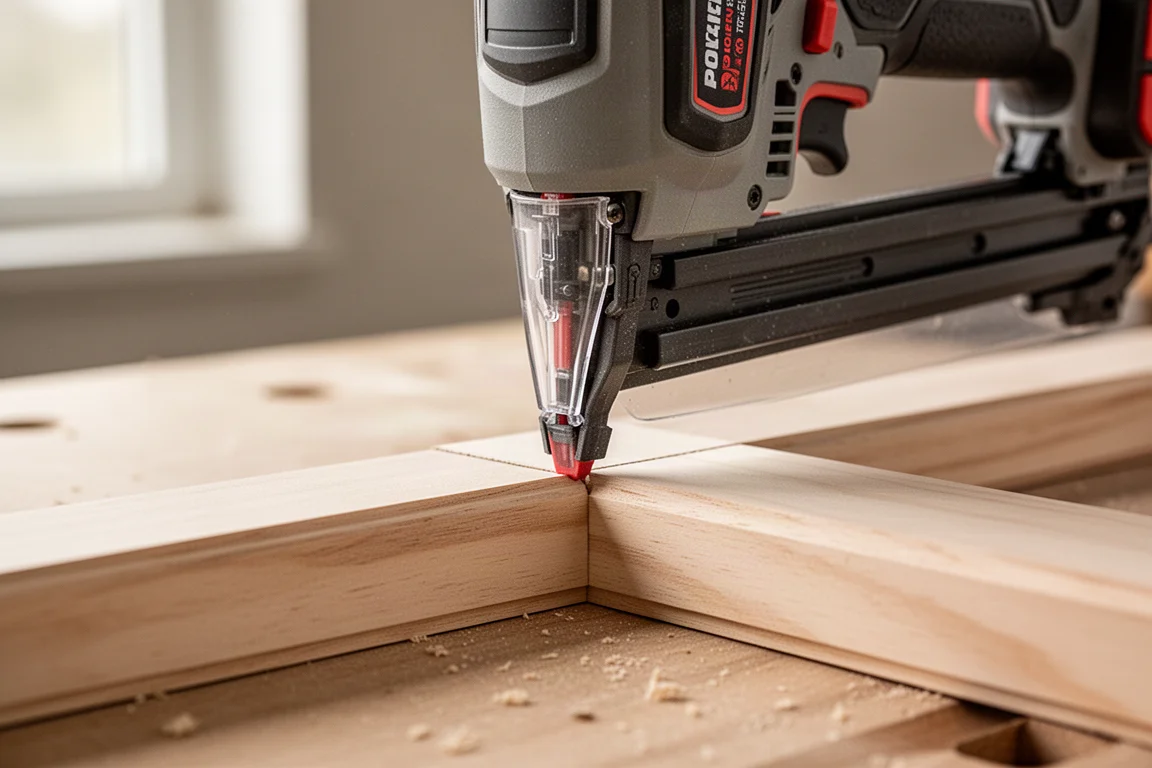
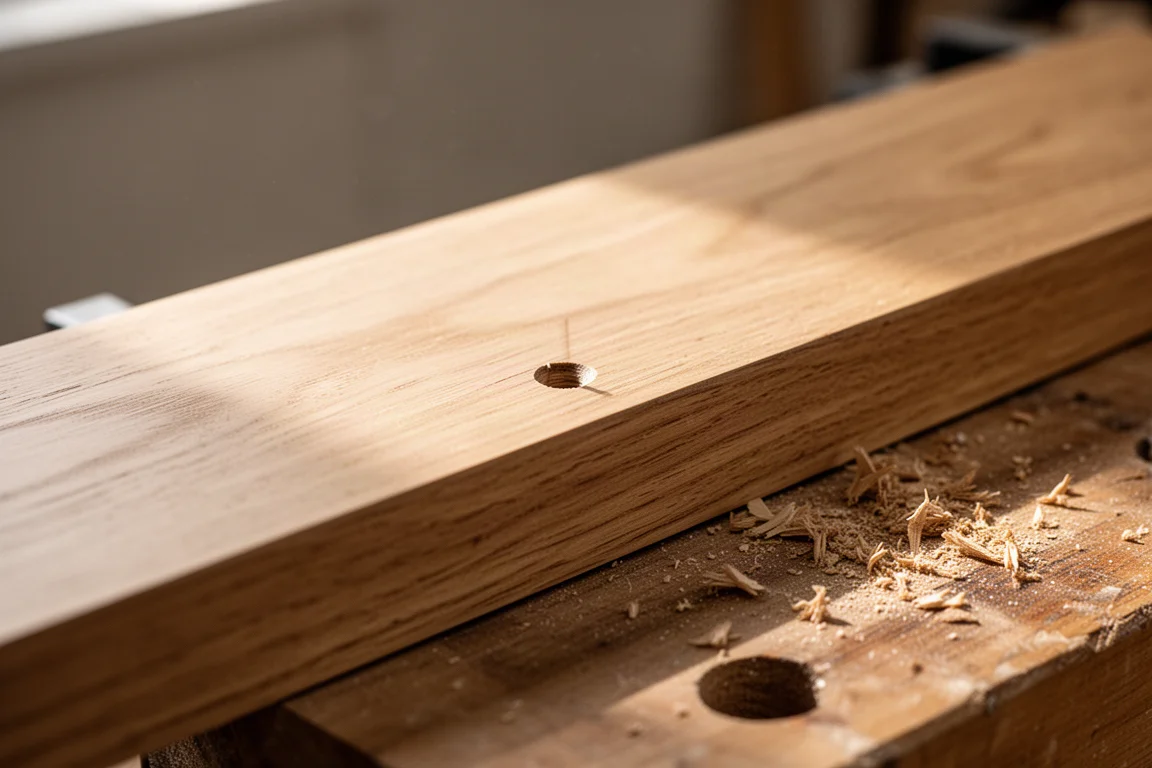
Visibility was one of the weakest points on the old design, whose bulky nose blocked the view of the workpiece. With the slimmer profile, lining up accurate shots takes far less effort, and the tool leaves a nice clean hole when the nail seats.
Driving Power Holds Up
Performance was never a problem with either generation. The original could drive fasteners cleanly, and the new nailer continues that with two-and-a-half-inch nails sinking fully through solid oak in testing. Depth control also felt comparable between the two models, with both capable of setting nails to similar depth.
One subtle difference is the sound. The new model uses Milwaukee’s nitrogen air spring system, which produces a slightly different tone than the original. It does not appear to change driving performance, but it is something you will notice when firing.
Stand-Up Design and Belt Hook Changes
One of the most practical upgrades is that the new nailer stands up on its own, even with a compact battery attached. The magazine is oriented so it does not get in the way, which makes it easy to set the tool down between tasks without it toppling over.
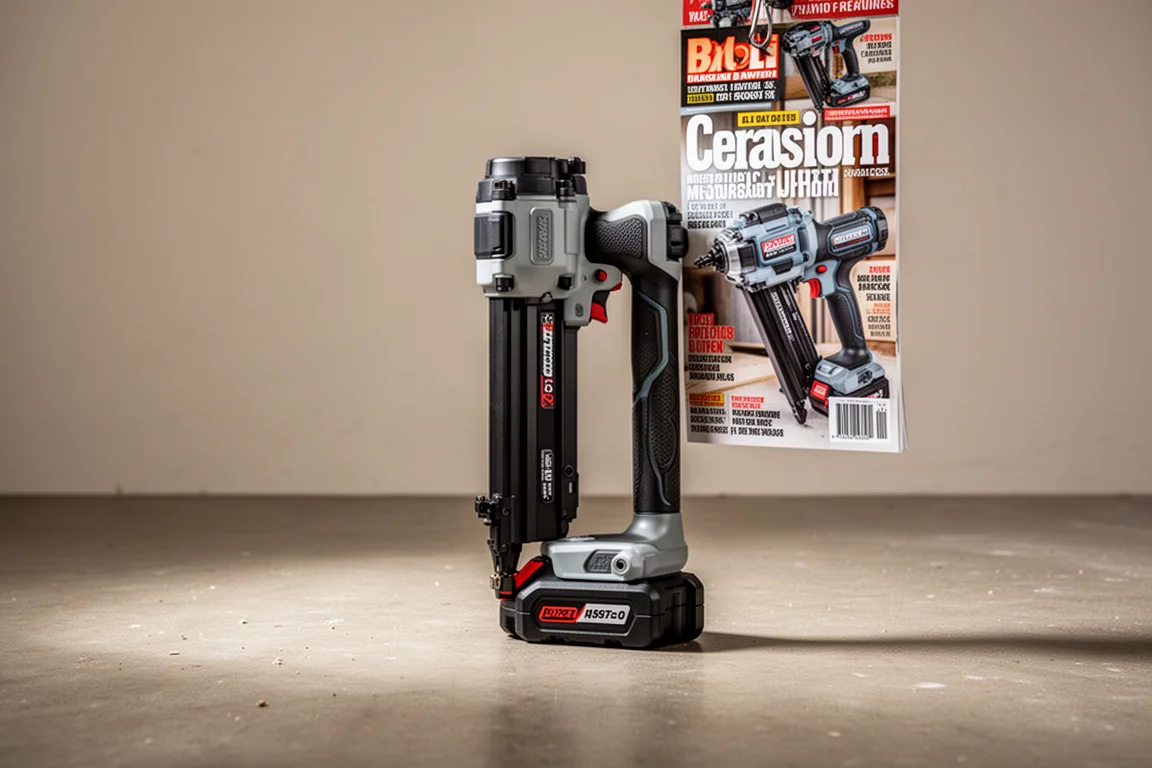
The belt hook has also been reworked. On the original it sat toward the back and was stout enough, but the new version has moved down toward the battery and uses a much larger wire steel design.
Depth Adjustment and Jam Access
The depth adjustment has moved from the left-hand side of the tool to the right, and instead of sliding infinitely, it now uses positive stops so you can feel it click from one setting to the next. That makes repeatable depth changes much quicker on the jobsite.
The latch system for clearing jams remains very similar to the original and still gives you access when a nail eventually wedges. Neither nailer jammed during testing, but as with any nailer, it will happen eventually.
Separated Power and Mode Controls
The control layout has been thoughtfully revised. The original combined the power button and mode switch into a single button on the back: hold it down to power on, then press momentarily to toggle between single fire and bump fire, with only a solid or blinking light to tell you which mode you were in.
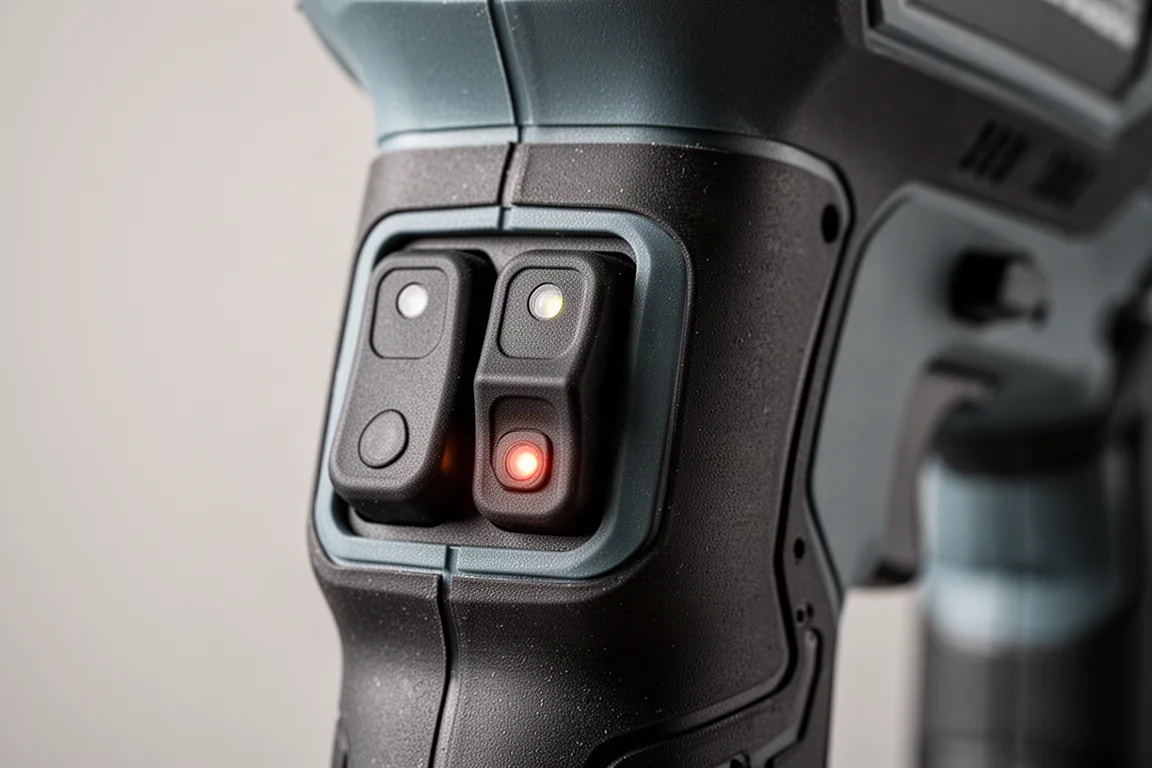
On the new nailer, the power button is completely separate, and the mode button has its own light for each mode, so you always know exactly whether you are in single fire or bump fire. The mode button requires a brief hold rather than a momentary press, but the clarity is a clear win.
LED Lighting Improvements
The LED work light has moved up slightly and is now angled upward, throwing more light directly onto the firing area. It also runs a slightly warmer, more yellow color temperature than before, which reads as a bit more natural on the workpiece. Whether or not you care about color temperature, the improved placement genuinely helps visibility at the tip.
Driving Power and Nail Compatibility
The nailer accepts any 15-gauge DA-style nails from one-and-a-quarter inches up to two-and-a-half inches, and it ran two-and-a-half-inch nails through solid oak without hesitation. It is also compatible with any M18 battery you already own.
For most finish nailing, a 2 amp hour battery is the sensible choice, and that is what comes in the kit. If you plan on firing lots of two-and-a-half-inch nails into hardwoods, the 3 amp hour High Output battery is worth considering.
Pricing
The bare tool is priced at $329, while the kit at $399 includes one 2 amp hour battery and a charger. For anyone already invested in Milwaukee’s M18 platform, adding this to the collection is straightforward.
Conclusion
Milwaukee addressed nearly every complaint about its original cordless finish nailer with this new 15-gauge model: a slimmer and more visible nose, separated controls with clear mode indicators, a stand-up design, positive-stop depth adjustment, and a bigger belt hook. Combined with proven driving power through hardwoods and full M18 battery compatibility, the upgrade looks entirely worthwhile for pros and serious DIYers alike.
Product link
View more details for Milwaukee M18 15-Gauge Cordless Finish Nailer
This product is mentioned in the review. Check the specifications, options, and compatibility before buying.
View more details for Milwaukee M18 15-Gauge Cordless Finish NailerFurther reading
Related Reviews
Power Tools
Best 1-Inch Pistol Impact Wrenches: Three Heavy-Duty Options Compared
We compare three 1-inch pistol impact wrenches, from a budget-friendly Harbor Freight model to a premium Caterpillar unit, to help you choose the right one.
Power Tools
Best 3/4-Inch Impact Wrenches 2026: Five Contenders Compared
We compare five 3/4-inch impact wrenches across price and performance, from a budget Amazon option to Snap-on's most powerful model yet.
Power Tools
Best Budget Cordless Tools 2026: Walmart Finds That Punch Above Their Price
We tested five cordless tools from Walmart, including a high-torque impact wrench that trades blows with Milwaukee and a $35 duster that outperforms its price class.