Power Tools
Milwaukee M12 Surge vs M18 Surge: Which Hydraulic Impact Driver Fits Your Kit?
Two near-identical hydraulic drivers separated by system, speed profile, and a few ounces. Here is how the M12 and M18 Surge compare in real use.
Introduction
The Milwaukee Surge hydraulic impact drivers have earned a devoted following for one reason: control. Unlike standard impact drivers, they use a hydraulic mechanism that delivers slow, quiet, extremely precise fastening, and that makes them a favorite for finish work, cabinetry, and anything where you do not want to strip a screw head.
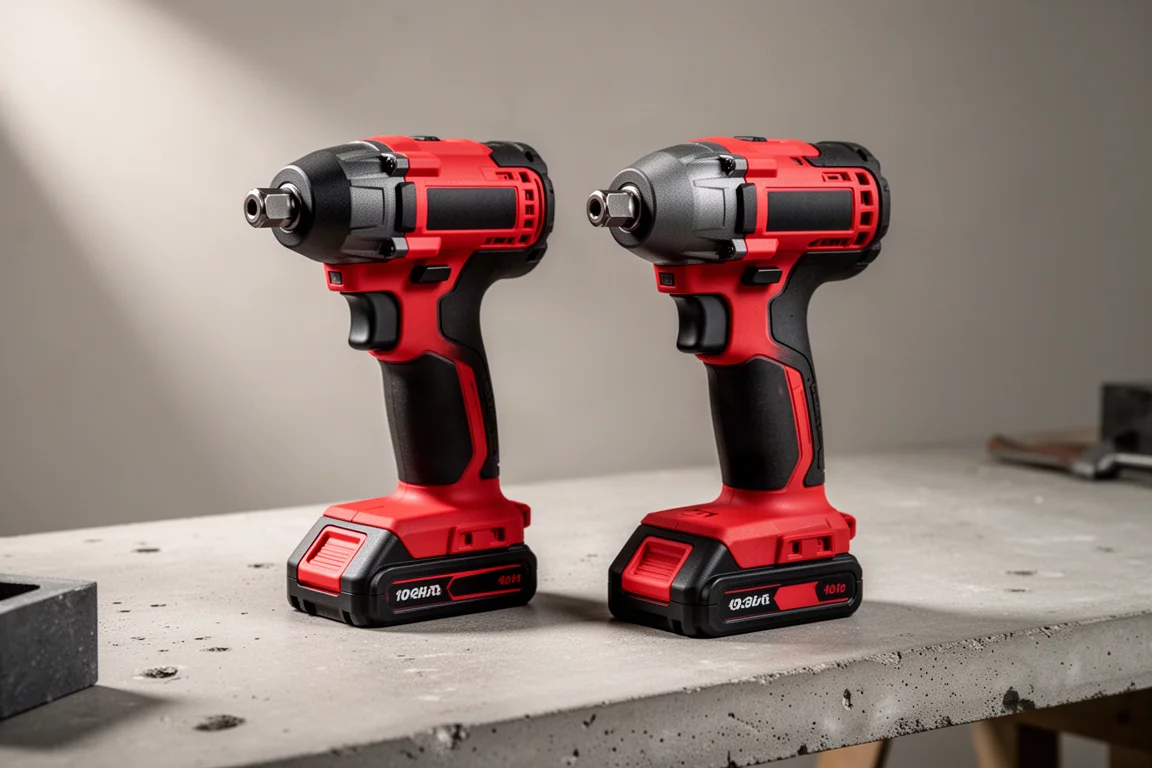
This comparison looks at the M12 Surge and the M18 Surge side by side. Expecting the M12 to be a dramatically smaller “micro” version is a common assumption, and the reality is more surprising.
Size and Weight: Almost the Same Tool
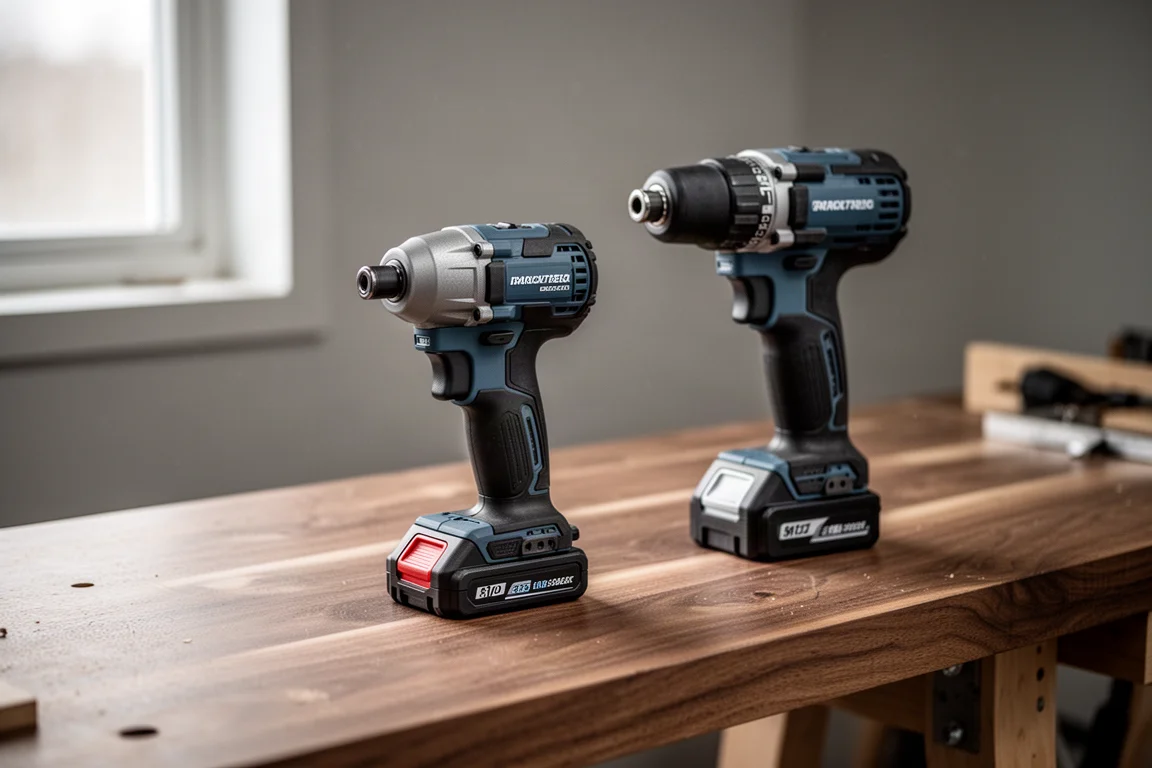
The first thing that stands out is how similar these two drivers are. Measured without a battery, the M12 Surge comes in around 133 millimeters in length and the M18 around 126 millimeters, so the M12 is actually slightly longer than its bigger sibling, not smaller. On the scale, the M18 lands at roughly 37 ounces and the M12 at about 31 ounces.
In other words, choosing the M12 does not buy you a dramatically compact tool. What it buys you is compatibility with the smaller, lighter M12 battery system, which can bring the overall working weight down considerably, especially with the slim two-amp-hour pack or even the three-amp-hour pack offered in this form factor.
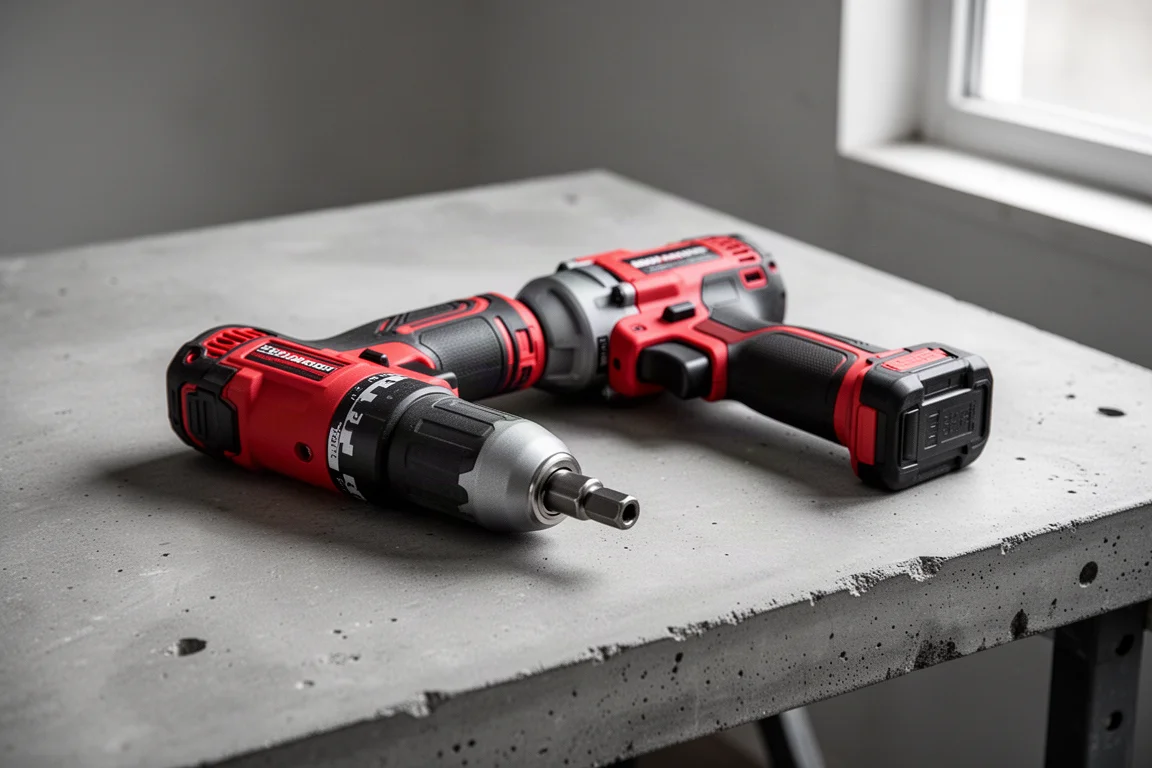
The real dividing line, then, is not size. It is which battery system you already own.
Performance Numbers: Different Speed Profiles
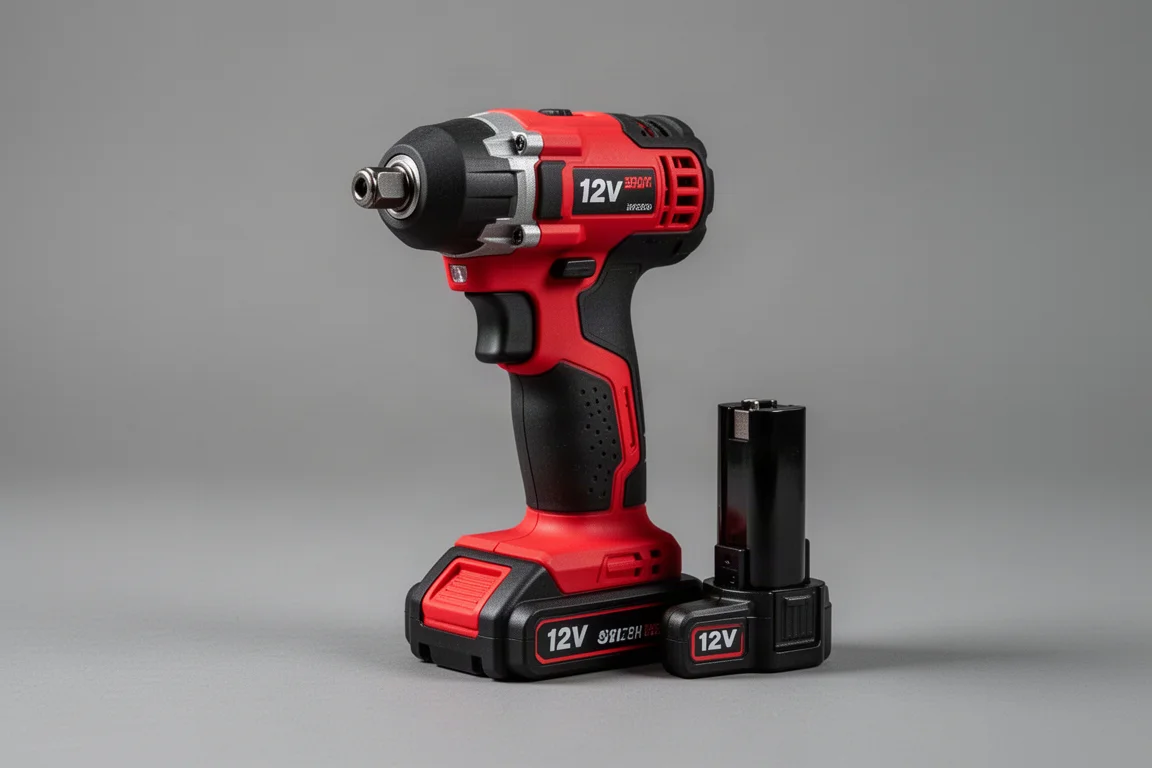
The spec sheets reveal the most meaningful difference between the two:
| Spec | M12 Surge | M18 Surge |
|---|---|---|
| Impacts per minute | 0-3,200 | 0-4,000 |
| Revolutions per minute | 0-3,400 | 0-3,000 |
The M12 spins faster but delivers fewer impacts per minute. The M18 spins slower but hits harder and more often. For driving fasteners, impacts per minute is the number that matters most, and that gives the M18 a genuine edge in raw driving capability.
Both prices sit at around $150, so cost does not separate them either. The choice comes down to your battery ecosystem and how much driving force you actually need.
Control: Where the Surge Earns Its Reputation
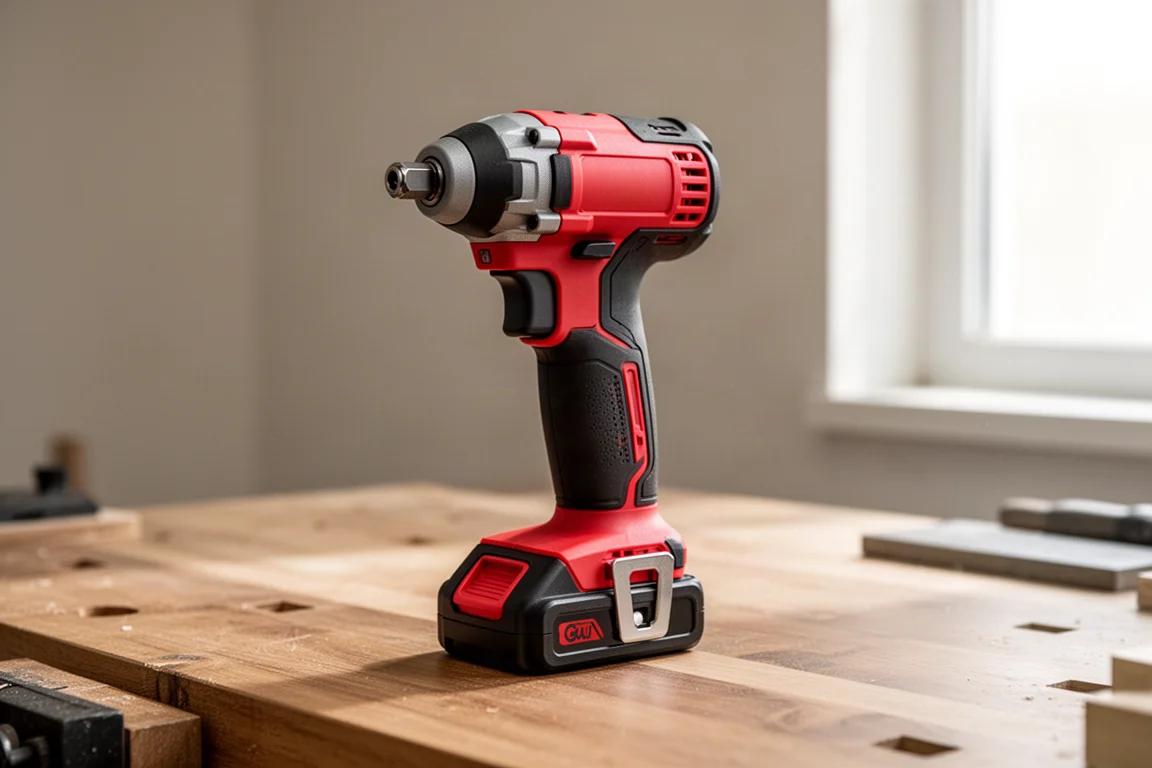
What makes both Surge models special is their low-speed, controlled driving. Each offers multiple speed and torque settings, including a dedicated mode designed to drive a screw head flush and stop without stripping it.
At its lowest setting, the M12 Surge can drive a fastener so slowly and gently that you can hold the tool with one finger and barely feel it move. That level of finesse is genuinely rare among impact drivers, and it is what makes these tools so effective as precision screwdrivers. Anyone can drive a screw fast; doing it slowly and precisely is what sets the Surge apart.
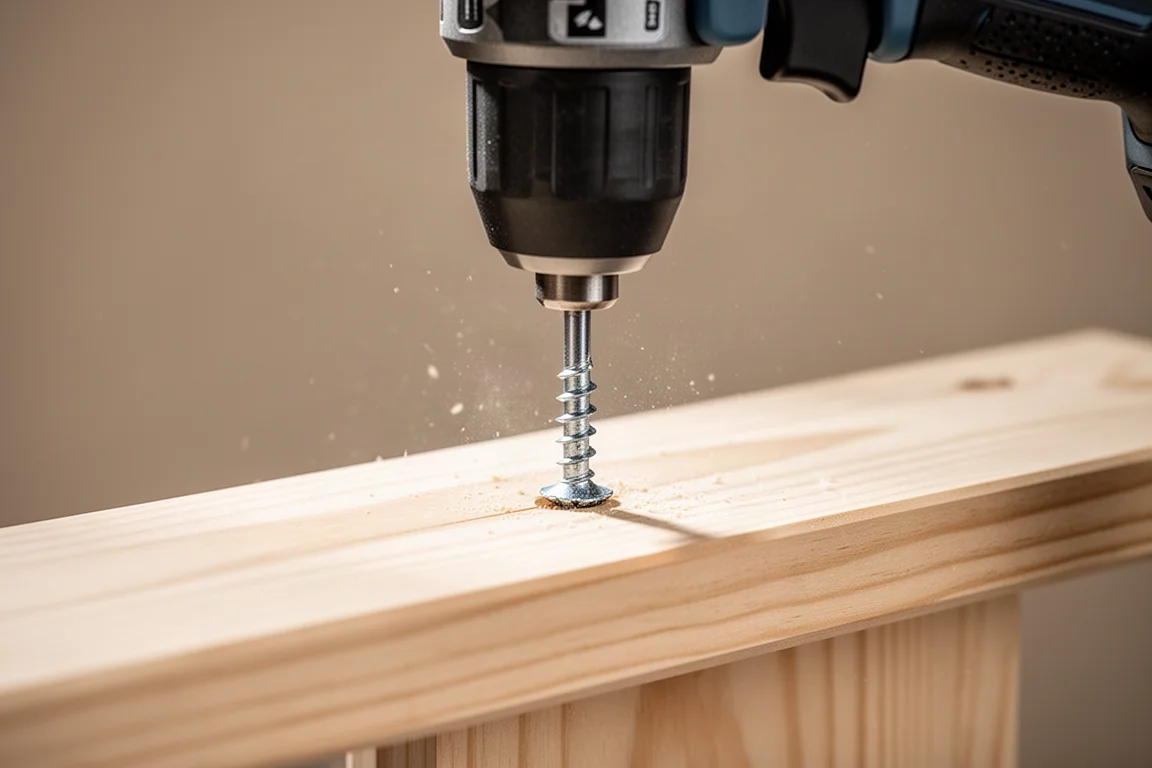
If you do need serious torque, the Surge still has plenty in reserve, and the hydraulic mechanism keeps the whole process smooth and far less jarring than a traditional impact mechanism.
Quieter Than a Standard Impact Driver
Compared side by side with a standard M12 impact driver, the Surge is dramatically quieter. The sharp, percussive hammering of a conventional impact is replaced by a softer, smoother sound. Anyone who has worked in a confined space knows how punishing a regular impact driver can be on the ears, and the Surge largely removes that problem.
The quieter operation and smooth power delivery also mean less vibration and twist at the handle, which contributes to the remarkable control these tools are known for.
Practical Details Worth Knowing
Both drivers ship with a belt clip. On the M18, it mounts down near the battery. Milwaukee belt clips are genuinely useful, and one practical tip from long-term use: buying an extra clip and mounting it on the opposite side makes the tool effectively ambidextrous, which helps when you are working into corners, shooting fasteners left- or right-handed, or holding the tool at an awkward angle.
For floor work and finish carpentry, having the tool easy to hook on a belt from either side is a small quality-of-life detail that adds up over a long day.
Buying Advice: Which One Should You Pick?
If you are already invested in the M18 system, the M18 Surge is the natural pick, and there is no strong reason to buy the M12 as an addition. If you are building around the M12 system, the M12 Surge gives you nearly identical performance in a package that works with lighter, slimmer batteries, which matters for overhead work or all-day use.
Both are priced around $150, so the decision really is about battery ecosystem and how much impact force your typical fasteners demand. If you have never used a hydraulic impact driver before, either one is a completely different experience from a standard impact, and most owners describe it as a revelation.
Conclusion
The M12 and M18 Surge are far closer than their class names suggest, differing mainly in battery system and speed profile. Pick the one that matches the batteries you already own, and you get the same thing either way: an exceptionally precise, quiet, controllable impact driver that doubles as possibly the best powered screwdriver you can put on a belt.
Further reading
Related Reviews

Power Tools
Best 1-Inch Pistol Impact Wrenches: Three Heavy-Duty Options Compared
We compare three 1-inch pistol impact wrenches, from a budget-friendly Harbor Freight model to a premium Caterpillar unit, to help you choose the right one.

Power Tools
Best 3/4-Inch Impact Wrenches 2026: Five Contenders Compared
We compare five 3/4-inch impact wrenches across price and performance, from a budget Amazon option to Snap-on's most powerful model yet.

Power Tools
Best Budget Cordless Tools 2026: Walmart Finds That Punch Above Their Price
We tested five cordless tools from Walmart, including a high-torque impact wrench that trades blows with Milwaukee and a $35 duster that outperforms its price class.