Power Tools
Milwaukee M12 vs M18 Fuel: Two Cordless Lines, One Big Decision
A closer look at Milwaukee's two core Fuel platforms, what each does best, and where the trade-offs sit before you commit to a battery system.
Introduction
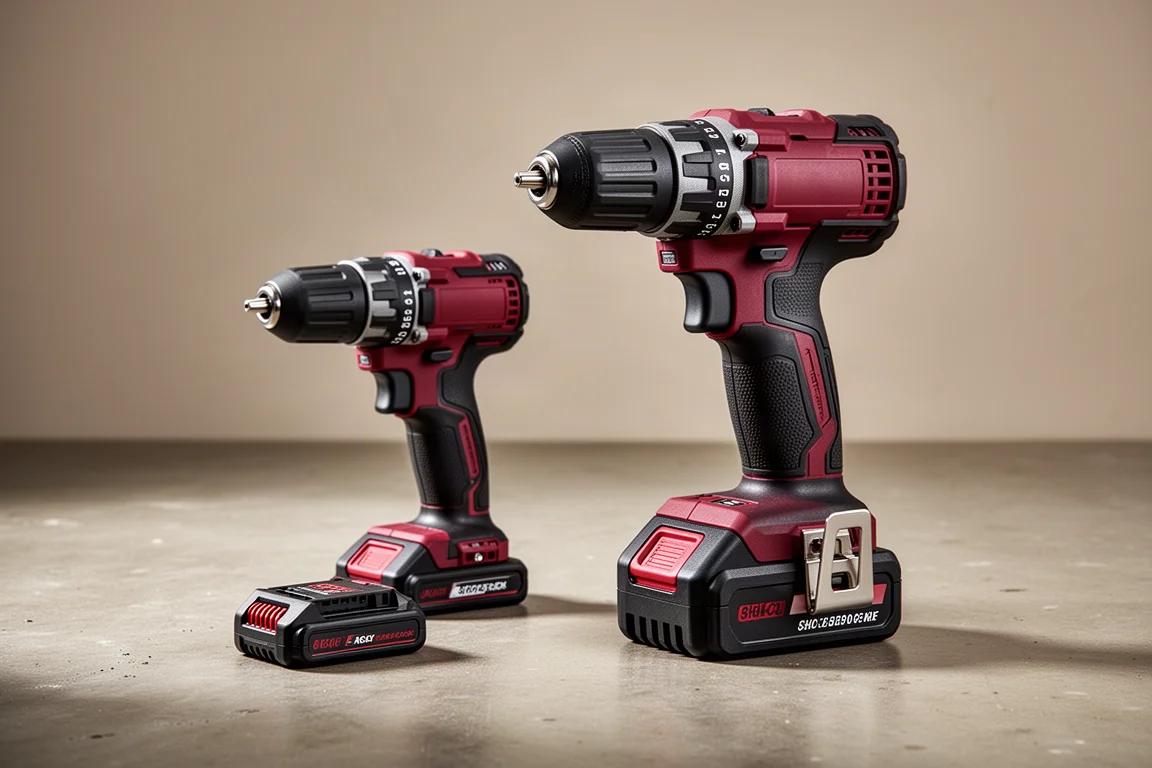
Milwaukee has built one of the most recognizable cordless tool ecosystems in the United States, and at the center of it are two lines that most buyers end up choosing between: the compact M12 Fuel and the full-size M18 Fuel. Both share the brand’s trade-focused design philosophy, a generous five-year tool warranty, and a battery approach that leans on rubber overmold protection for durability. The real question is not which line is better overall, but which one matches the work you actually do.
Why Milwaukee Gets Picked First
Milwaukee’s reputation rests on durability, quality, and warranty support, and it has become one of the biggest power tool brands in the United States. What sets the company apart is how deliberately it designs tools for specific trades. Rather than refreshing a generic drill or impact driver every year, Milwaukee focuses on tools built for plumbing, electrical, and roofing work, making it realistic to outfit an entire trade truck with one battery platform.
That focus comes with a price. Milwaukee tools sit firmly on the expensive side of the market, and deals can be harder to find than on competing brands. If you want the durability and the warranty, budget for it. One practical note for buyers: Milwaukee warranties are tracked by the date code on the tool itself. The serial number includes a two-digit year code, so adding five years tells you when the warranty expires even if you bought the tool used or lost the receipt. Because Milwaukee tools are so common on job sites, used and secondhand deals are also easier to find than for most brands.
The Warranty Story, With an Asterisk
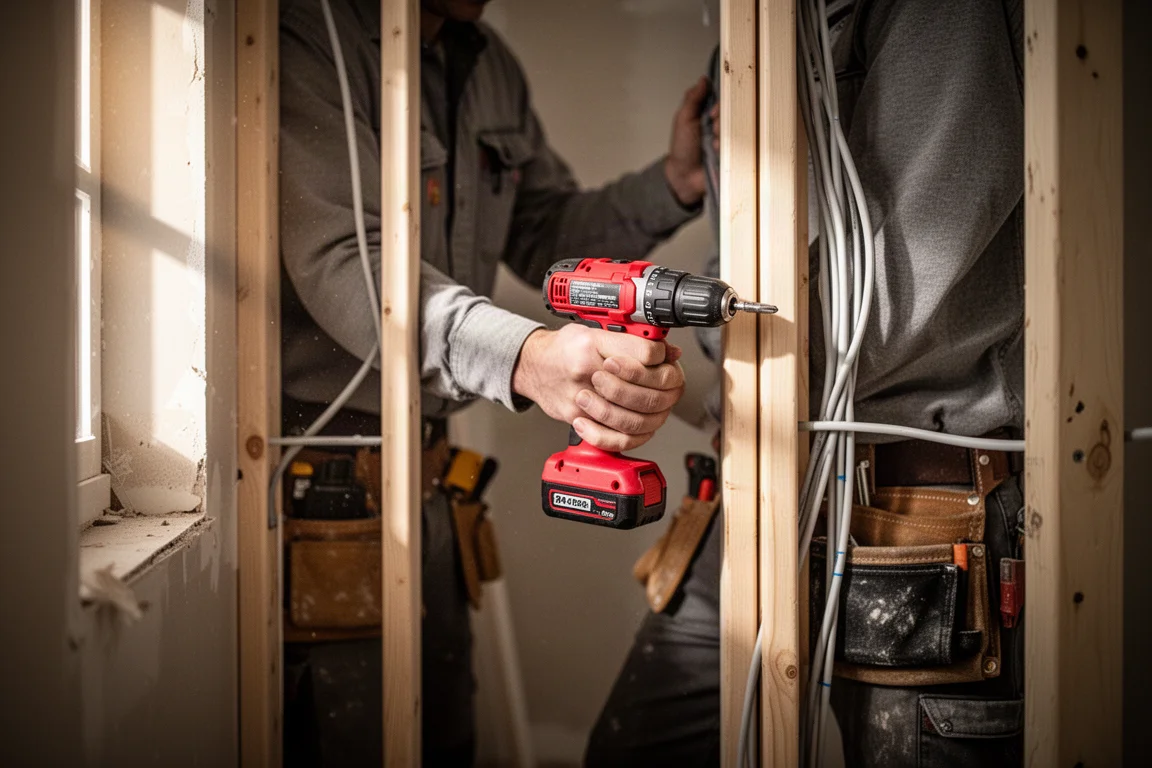
Most Milwaukee power tools carry a five-year warranty, which is two years longer than what many competing brands offer and is often the deciding factor for buyers. The company backs it with a wide network of service centers, and warranty claims on five-year tools are routinely honored. Some batteries fall under shorter terms, with lower-capacity packs carrying a one-year warranty and some higher-end batteries two years, so it is worth checking the specific product’s warranty page before buying.
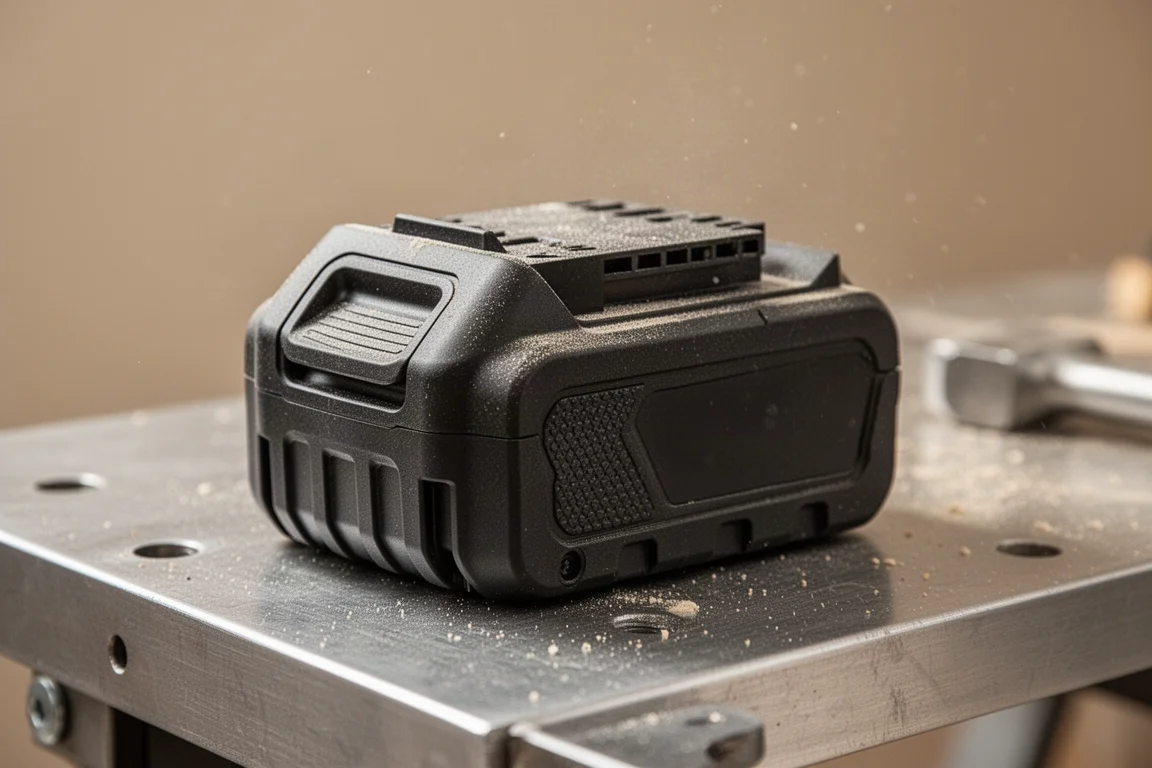
One detail worth knowing: batteries feature a rubber overmold that adds real protection against drops and rough handling in a bag or tool box, an upgrade over the bare plastic housings many competitors use. It is a small design touch that reflects how much of Milwaukee’s identity is built around making tools tougher.
The M12 Fuel Line: Small Tools, Big Reach
The M12 Fuel line is one of the largest 12-volt cordless systems available, larger than what other major brands offer in the class. It covers a deep range of trade-specific tools, including plumbing tools, inspection cameras, reciprocating saws, and a compact circular saw, with recent third-generation Fuel models bringing meaningful design improvements.
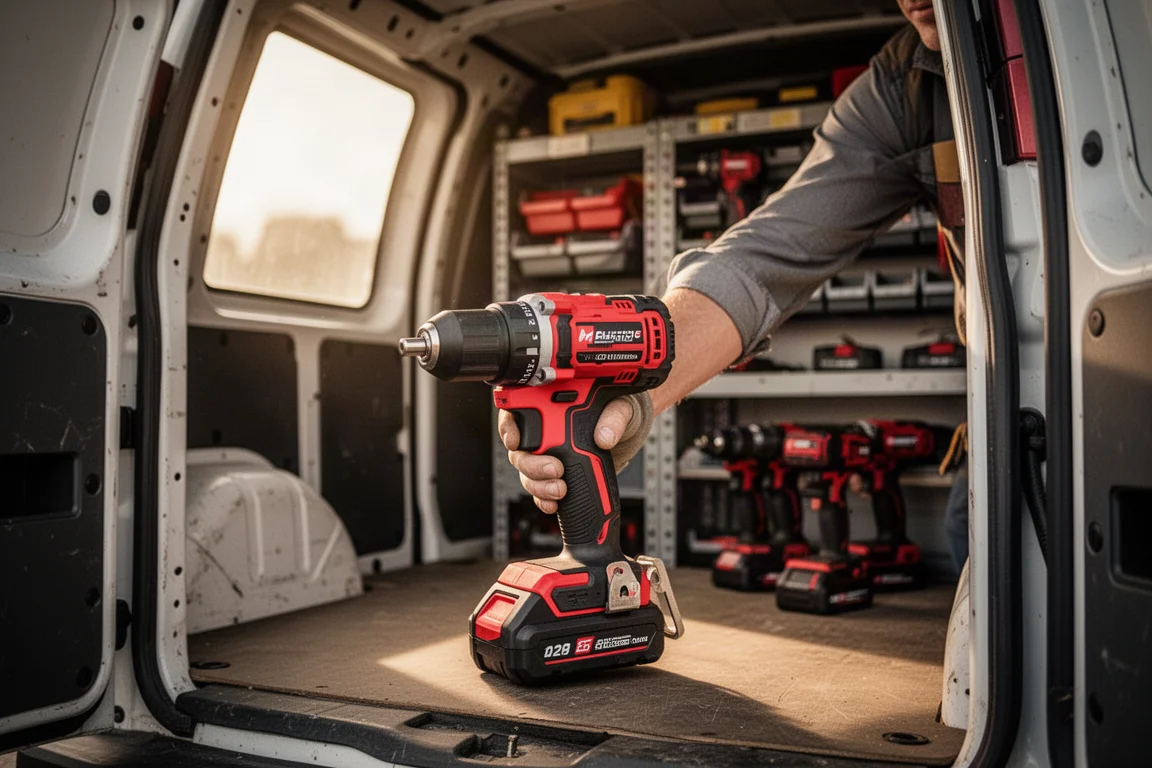
For light-duty and trade-adjacent work, the line is hard to beat on value. Brushed M12 drill and impact kits frequently appear around the hundred-dollar mark with two batteries included, and they still carry the full five-year tool warranty. The main drawback is battery design: the stick-style packs have a known weak point where mounting tabs can break, and the battery shape makes tool handles bulkier. That is a personal-preference issue for some, but it is a common complaint worth weighing before committing.
The M18 Fuel Line: The Full-Size Workhorse
The M18 Fuel platform is where Milwaukee’s trade focus pays off most clearly. The line recently reached its fourth generation of drill and impact tools, arriving roughly four years after the previous generation. That slower release cadence means each generation gets more design refinement rather than annual churn, which shows up in the finished product.
M18 Fuel is the line to choose for heavy-duty work: framing, demolition, roofing, and anything that needs sustained power. Milwaukee’s larger 12 amp hour battery packs support the platform’s demanding tools, and the ecosystem extends into outdoor equipment and specialized systems. Expect to pay a premium for that capability, and expect the warranty and service network to back you up if something goes wrong.
Buying Advice
If your work is light-duty, finish-oriented, or trade-specific in tight spaces, start with M12 Fuel. The kits are affordable, the tool selection is deep, and the warranty matches the full-size line. If you need sustained power for heavy construction work or want one platform that covers everything from drilling to outdoor equipment, M18 Fuel justifies its higher price. Many contractors eventually run both, sharing chargers and storage, but most people should commit to the line that matches their daily workload first.
Conclusion
Both M12 Fuel and M18 Fuel deliver the durability, trade-specific design, and strong warranty support that define Milwaukee. The M12 line wins on value and compact reach, while the M18 line is the safer long-term investment for demanding professional work. Match the platform to the work, read the warranty fine print on batteries, and either line will serve you well.
Product link
View more details for Milwaukee M12 Fuel
This product is mentioned in the review. Check the specifications, options, and compatibility before buying.
View more details for Milwaukee M12 FuelFurther reading
Related Reviews
Power Tools
Best 1-Inch Pistol Impact Wrenches: Three Heavy-Duty Options Compared
We compare three 1-inch pistol impact wrenches, from a budget-friendly Harbor Freight model to a premium Caterpillar unit, to help you choose the right one.
Power Tools
Best 3/4-Inch Impact Wrenches 2026: Five Contenders Compared
We compare five 3/4-inch impact wrenches across price and performance, from a budget Amazon option to Snap-on's most powerful model yet.
Power Tools
Best Budget Cordless Tools 2026: Walmart Finds That Punch Above Their Price
We tested five cordless tools from Walmart, including a high-torque impact wrench that trades blows with Milwaukee and a $35 duster that outperforms its price class.